Tag: digital media

  • TV9 Digital appoints Azim Lalani as President Revenue

    TV9 Digital appoints Azim Lalani as President Revenue

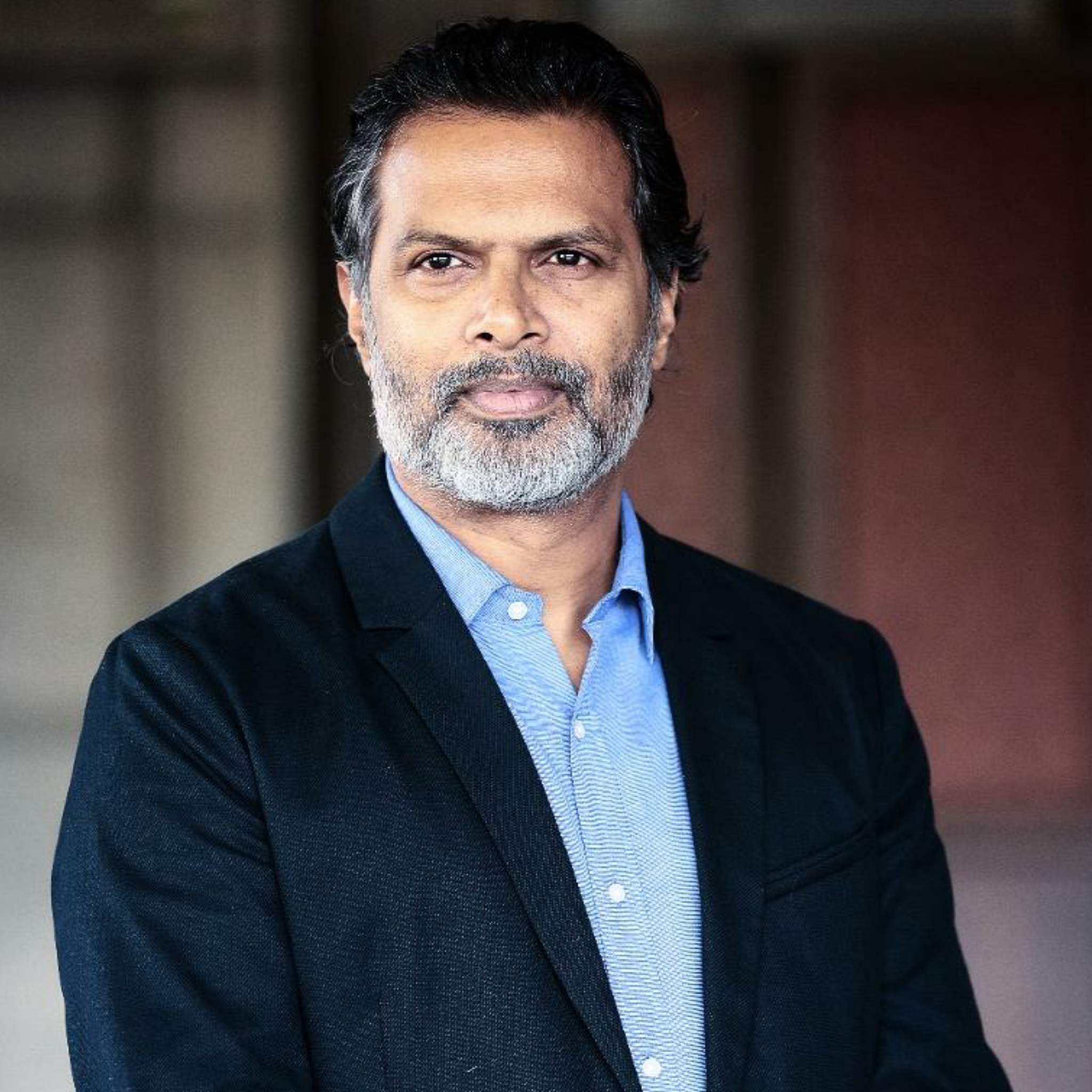
    Mumbai: TV9 Digital on Wednesday brought on board Azim Lalani as president-revenue. Lalani will be responsible for building and driving direct revenue streams for TV9 Digital Platforms.

    The decision is part of TV9 Network’s aggressive expansion plans, and continued focus on the growth of its digital news platform.

    TV9 Network, chief growth officer (Digital & Broadcasting), Raktim Das said: “After stamping our supremacy in News Broadcasting, we are now a force to reckon with in India’s growing digital media landscape. We are now the country’s fastest-growing digital News Platform, crossing 100 mn unique users in record time. Most of our platforms are already No.1 News websites in their respective markets, just like the Television Channels. We are aggressively pursuing ambitious growth objectives and Azim’s appointment is a step in this direction. He has straddled both branded content and display revenue functions, and will bring in his unique experience to the table.”

    Prior to this, Azim was with Network18 Media as COO – Brand Solutions & Convergence leading their News Cluster. He brings with him over two decades of media experience with 14 years in Digital Media. He has also worked with Rediff.com, India Today & Indian Express.

    Speaking on his new assignment, Azim Lalani said, “I am excited to be part of the TV9 family as it embraces new benchmarks. I see huge opportunity for growth as TV9 Digital surges ahead with its aggressive plans. I look forward to contributing to TV9 Digital’s growth story”

  • Bombay HC stays parts of new IT rules

    Bombay HC stays parts of new IT rules

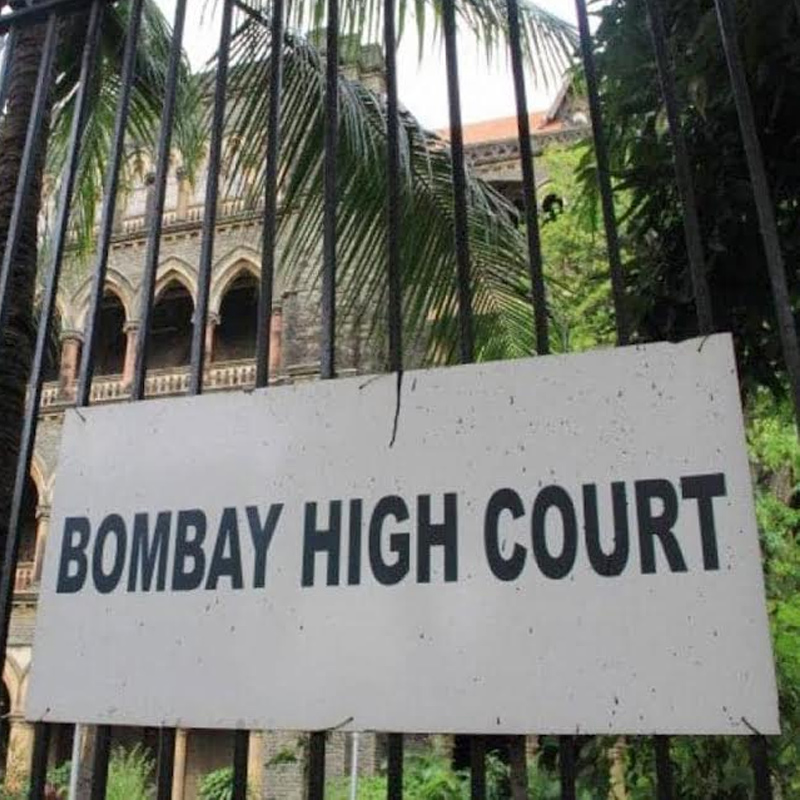
    New Delhi: The Bombay high court has granted an interim stay to the implementation of parts of the Information Technology (IT) Rules, 2021 which require that all online publishers follow a “code of ethics” and norms of conduct.

    According to the court, “prima facie” (on the face of it), sub-clauses 1 and 3 of clause 9 of the Intermediary Guidelines and Digital Media Ethics Code Rules, 2021 violated the petitioners’ constitutional right to freedom of speech and expression under Article 19. Provisions of clause 9 also went beyond the scope of the substantive law (the Information Technology Act of 2000), it added further, according to PTI.

    The court was hearing two petitions filed by digital news portal `The Leaflet’ and journalist Nikhil Wagle which had challenged the new regulations notified by the government in February this year. According to the petitions, the new rules are “vague”, “draconian”, and bound to have a “chilling effect” on the freedom of press and right to free speech guaranteed by the Constitution. The petitioners had also contended that the rules “go beyond the parameters set by the Information Technology Act and limits set under Article 19 of the Constitution”, and sought an interim stay on the implementation of the new IT Rules till the court gives its final decision in the matter.

    Meanwhile, the high court has refused to stay clause 14 that pertains to the setting up of an inter-ministerial committee with powers to regulate online content and deal with grievances and breach of rules, and clause 16 which is about blocking of online content in case of an emergency.

    The Information Technology (Intermediary Guidelines and Digital Ethics Code) Rules, 2021 seek to regulate dissemination and publication of content in cyber space, including social media platforms. The rules notified in February, also recommend a three-tier mechanism for the regulation of all online media. Under the rules, the digital publishers are required to take urgent steps for appointing a grievance officer, if not done, and place all relevant details in the public domain. They also need to constitute self-regulatory bodies through mutual consultation so that the grievances are addressed at the level of publishers or the self-regulating bodies themselves.

    It is significant to note that similar petitions opposing the new rules have been filed in high courts across the country.

  • News Broadcasters Association rechristens as News Broadcasters & Digital Association

    News Broadcasters Association rechristens as News Broadcasters & Digital Association

    Mumbai: News Broadcasters Association (NBA), the largest body of news broadcasters in the country, has decided to change its present name to ‘News Broadcasters & Digital Association’ (NBDA).

    NBA consists of the nation’s top-rated news channels and commands more than 80 per cent of news television viewership in India. With the media landscape has changed drastically due to technology, enormous choices have now become available to viewers to access content on various mediums and digital seems to be the future. NBA Board has decided to change the name of NBA to NBDA in order to reflect the addition of digital media news broadcasters as its members.

    “NBA has decided to bring within its purview digital media news broadcasters. In its new phase, with the inclusion of digital media news broadcasters, the NBA board has decided to change the name of the body from NBA to NBDA,” said NBA president Rajat Sharma announcing the decision.

    “I firmly believe that the NBDA will become a strong collective voice for both the broadcast and digital media. Along with commercial and regulatory issues, it will also enable the Association to defend the fundamental right of free speech and expression guaranteed to the media in the Constitution of India in a better manner,” Sharma added.

    The pride of the NBA has been the setting up of an independent self-regulatory body News Broadcasting Standards Authority (NBSA) 14 years ago. The NBSA has put in place a time-tested complaint redressal system and process, headed by eminent judges of the Supreme Court of India and eminent persons who have striven to improve broadcasting standards.

    NBDA board has decided that with the inclusion of digital media news broadcasters, the name of the self-regulatory body, NBSA be rechristened as ‘News Broadcasting & Digital Standards Authority’ (NBDSA).

  • Times Network rejigs top leadership, elevates Rahul Shivshankar to editorial director

    Times Network rejigs top leadership, elevates Rahul Shivshankar to editorial director

    Mumbai: The Times Network on Tuesday announced key appointments and elevations in its leadership team. On the editorial front, Rahul Shivshankar has been elevated to editorial director. In addition to the new role, he will continue to lead the editorial mandate of Times Now as its editor-in-chief.

    The announcement comes at a time when the broadcast network is gearing up for the launch of its Hindi news channels, Times Now Navbharat HD and ET Now Swadesh. On Monday, the company named Times Network group editor Navika Kumar as the editor-in-chief of the new channel.

    Times Network, MD and CEO, MK Anand said, “2020 was a tumultuous year for the broadcasters and while we were severely tested by the pandemic, Times Network not just managed to harness every headwind in its path but continued to march ahead successfully by setting new industry benchmarks. The superior talent of our leadership team is one of key pillars that drove the network’s significant growth during these unprecedented times and accelerated our overall digital transformation efforts. Their elevations are a recognition of their contribution to the growth of the company.”

    Strengthening its digital portfolio, the company has elevated Vivek Srivastava to president, strategy & operations – Broadcast & Digital. He will lead the digital operations of the network and oversee product strategy, audience development and operations planning for both digital and broadcast businesses.

    Savvy Dilip has been appointed as executive vice president & head- digital growth. Savvy will lead product development, content led audience growth, technology based digital consumer experiences, social media amplification and online marketing for all the digital platforms of the Network. A seasoned professional, Savvy brings in-depth expertise across Marketing, Media, Product, Technology and Entrepreneurship. In her new role, Savvy will be reporting to Vivek Srivastava.

    Other senior management promotions include Manish Wadkar, senior vice president & head – Legal, Pranav Bakshi, senior vice president – digital, Hina Jafri, vice president & head – Corporate Communications, Poonam Bavdanker, vice president – Human Resources, Saurabh Bhowal, vice president & head – content and programming, Zoom & The Zoom Studios and Mihir Bhatt, vice president & executive editor, Times Influence.

    Continuing to play a pivotal role in aiding the Network’s growth, leadership team comprising Jagdish Mulchandani – chief operating Officer and executive president, Jignesh Kenia, executive vice president & head – corporate strategy & digital transformation, Gaurav Dhawan, executive vice president – revenue and S. Srivathsan as executive vice president and Head – human resources will drive their respective portfolios for the Network.

  • Digital Media Ethics Code will make publishers accountable: I&B Jt Secy Vikram Sahay

    Digital Media Ethics Code will make publishers accountable: I&B Jt Secy Vikram Sahay

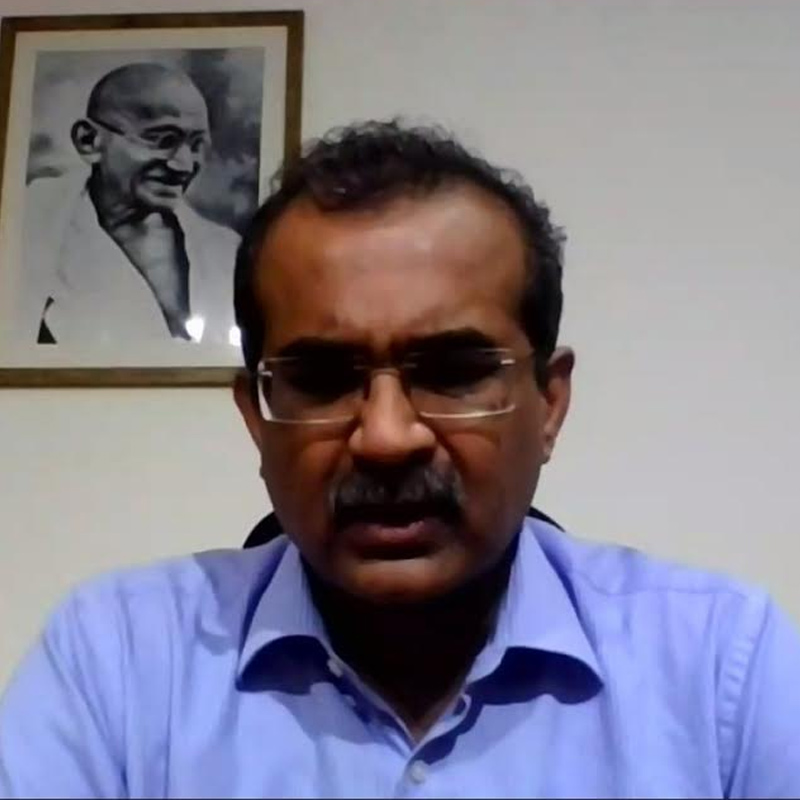
    New Delhi: As the government’s stand-off with a few social media companies continues over the new IT rules, ministry of information and broadcasting joint secretary Vikram Sahay said that Digital Media Ethics Code is aimed at addressing the grievances of the common man, and should be viewed as a ‘citizen-centric legislation’.

    “Digital Media Ethics Code is aimed at stopping transmission of content which is objectionable to women or harmful to children. Presence of a regulatory body can control and stop the spread of fake news as well as make the publishers accountable. It is essentially citizen-centric legislation,” he said on Tuesday.

    The MIB joint secretary was speaking at a webinar on ‘Digital Media Ethics Code’ organised by Press Information Bureau, Maharashtra and Goa for improving stakeholder understanding of Part III of the Information Technology (Intermediary Guidelines and Digital Media Ethics Code) Rules, 2021, that came into effect on 26 May.

    India is the world’s fastest growing OTT market and the market is expected to reach $2.9 billion by 2024 which is an annual growth of 28.6 per cent. Sahay said the new rules become all the more important, amid this recent explosion of digital content. “The purpose of the Digital Media Ethics Code is to stop transmission of content which is objectionable to women or harmful to children,” he added.

    Elaborating on how the online news portals are the major source of news among Indians under 35 years of age and that there is a 41 per cent increase in time spent on such news apps, Sahay said, “When there are content regulators like Press Council of India for newspapers and Cable TV Network Act, 1995 for News on TV there has been no such regulation for news on digital platforms. Similar is the case for OTTs which do not have a regulation unlike that of Cinema Halls or Television.”

    The new rules notified on 25 February, came into effect on 26 May recommend a three-tier mechanism for the regulation of all online media. According to the new IT Rules, social media and streaming companies will be required to take down contentious content quicker, appoint grievance redressal officers and assist in investigations. The rules also seek to regulate the functioning of online media portals and publishers, over-the-top (OTT) platforms and social media intermediaries.

    “There will be an inter-departmental committee to deal with unresolved complaints by news publishers or regulatory bodies and for that it is imperative that disclosure of information in public domain regarding grievance redressal by publisher and self-regulating body is done,” said the joint secretary.

    Sahay also added that the I & B ministry will collect basic information about people working on news portals or OTT platforms, in a prescribed format by the stakeholders. “More than 1800 of people working on news portals or OTT platforms have already submitted their details to the ministry, where most of them have submitted voluntarily,” he added.

    Digital news publishers, representatives of film industry, Over the Top (OTT) platforms and online content producers attended the webinar, along with academicians, researchers, students and officers of state government of Maharashtra and Goa.

  • Centre moves SC seeking transfer of pleas challenging IT rules

    Centre moves SC seeking transfer of pleas challenging IT rules

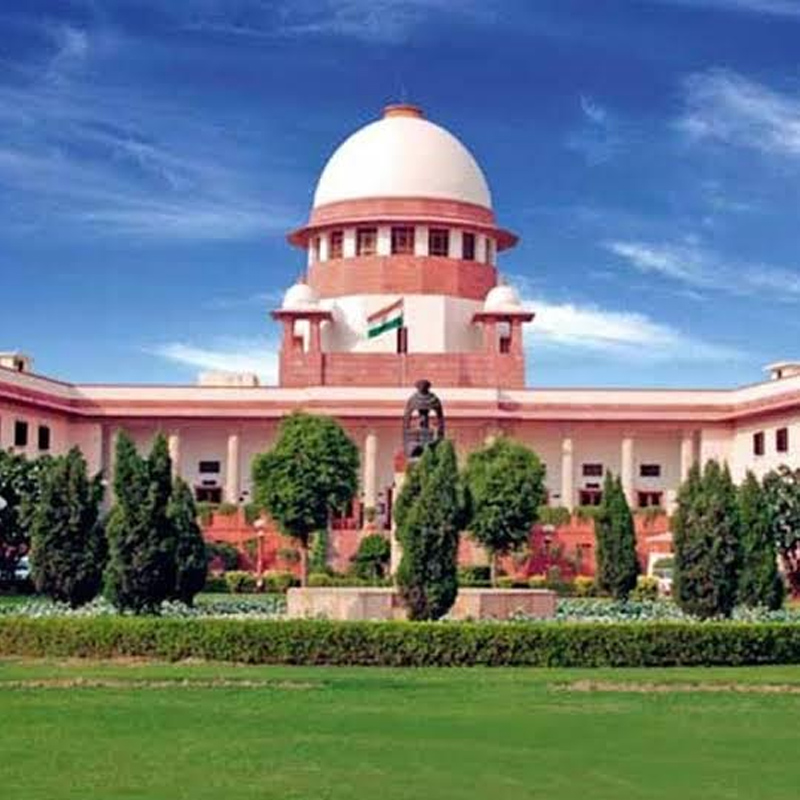
    New Delhi: The Centre on Tuesday approached Supreme Court seeking transfer of all pending pleas challenging its new IT rules to the apex court.

    Numerous petitions challenging the Information Technology (Intermediary Guidelines and Digital Media Ethics Code) Rules, 2021, are currently pending in various high courts across the country. The new rules notified on 25 February, came into effect on 26 May recommend a three-tier mechanism for the regulation of all online media.

    While the government has maintained that the new rules were introduced to make social media platforms like Facebook, WhatsApp, Twitter and Instagram more accountable and responsible for the content hosted on their platform, many have challenged the new rules over issues of privacy. Several petitions are pending in several courts, including the Delhi high court.

    In June, Digital News Publishers Association (DNPA) , composed of digital arms of 13 leading media companies of the country had moved high court against the rules, which it said ” violate the fundamental right of equality (Article 14) and freedom of speech and expression (Article 19(1)(a)”.

    The Foundation of Independent Journalism (the non-profit company that publishes The Wire) and legal website, LiveLaw has also filed petitions against the new rules

    Meanwhile, Delhi high court has directed Twitter to inform it by 8 July as to when it will appoint a resident grievance officer in compliance with the new IT Rules after the microblogging platform informed court that it was in the process of doing so.

    The government had earlier announced that if significant social media intermediaries, those with more than 50 lakh registered users failed to comply with the new requirements by 25 May, they will lose their intermediary status. On Monday, the Centre, had filed an affidavit in the high court, stating that any non-compliance amounts to breach of provisions of IT Rules, leading to Twitter losing its immunity conferred under the IT Act.

    Under the new rules, the digital publishers are required to take urgent steps for appointing a grievance officer, if not done, and place all relevant details in the public domain. “They also need to constitute self-regulatory bodies through mutual consultation so that the grievances are addressed at the level of publishers or the self-regulating bodies themselves,” according to the ministry.

  • OTT industry working on compliance with new IT rules

    Kolkata: For the last few months, the new regulations introduced for over-the-top platforms at the beginning of this year, has been the talk of the town. As the new rules introduced by the government came into effect on 26 May, the industry is working towards complying with all the rules. However, both the self-regulatory bodies, the newly formed digital segment under Indian Broadcasting Foundation (IBF), Internet and Mobile Association of India (IAMAI ) have asked for additional time, as per industry sources.

    On 27 May, the digital media division of the ministry of information and broadcasting (MIB) wrote to the OTT and digital media publishers to furnish all their details and compliance status under Rule 18 of the Information Technology (Intermediary Guidelines and Digital Media Ethics Codes) Rules, 2021 within 15 days.

    Soon thereafter, IDBF announced the appointment of Justice (retd.) Vikramjit Sen as chairman, along with six other media and entertainment industry members for its newly formed Digital Media Content Regulatory Council (DMCRC). IAMAI followed suit and announced its self-regulatory body for streaming content companies like Netflix and Amazon Prime Video. The Digital Publisher Content Grievances Council’s (DPCGC) Grievance Redressal Board (GRB) will be chaired by former Supreme Court judge Arjan Kumar Sikri, it announced.

    The withdrawal of broadcaster-led OTTs such as Disney+Hotstar, Zee5, SonyLIV from IAMAI has created two lobbies in the industry. International tech and media giants like Netflix, Amazon have stayed with IAMAI, along with tech giant Apple who also joined the body recently. Several independent bodies have also decided to remain under IAMAI.

    According to a senior official with a leading OTT, both are in touch with MIB and have asked for additional time. While the ministry may grant some extension, it seems it is not very happy with the fact that “people have been toying around deadlines”, the official added.

    “IBF has to work on the registration, including a new name, trademark for its new body, and IAMAI has to work on the formation of its second-tier mechanism. IBF has assured that it would come up with rigid guidelines exactly based on the code of ethics”, he added.

    Indiantelevision.com surfed through websites of leading platforms like MX Player, Zee5, SonyLIV, Disney+Hotstar, and found details of the grievance redressal officers identified by the respective platforms. Moreover, most of the leading platforms have already classified age-rating on their shows, some of the platforms have even rated the overall show, still others have rated each episode wise.

    According to a Hindustan Times report over 800 OTT platforms including video streaming services such as Netflix and Hotstar, and digital news media outfits, have shared details under the new IT rules. Most of the top OTT players have shared the details including Netflix, Amazon, Jio, the report said, quoting an unnamed MIB official.

    The new rules apply to digital news publishers as well. While traditional media companies with digital footprints asked for an exemption. But MIB clarified that it would not grant any relief because making an exception of the nature proposed “will be discriminatory to the digital news publishers who do not have a traditional TV/print platform.”

    The News Broadcasters Federation has stated on Friday that all its current members have duly complied with the requirements of the new rules by providing required information of their entities. However, the new rules have been challenged in court by a few digital news media outfits including LiveLaw and The Wire.

  • No exemption for mainstream media from new IT rules, says MIB

    New Delhi: The ministry of information and broadcasting has refused to grant an exemption to the digital news content of mainstream television channels and print media from the ambit of the new IT Rules, 2021 and asked all the digital news publishers and the OTT platforms to comply with the new rules without any misapprehensions.

    Asserting that the rationale for bringing the websites of the organisations under the ambit of the law is well-reasoned, the ministry said, making an exception of the nature proposed “will be discriminatory to the digital news publishers who do not have a traditional TV/print platform.”

    The order dated 10 June provides clarification to digital news publishers, publishers of online curated content or OTT platforms, and associations of digital media publishers who had requested the government for an exemption under the new rules, highlighting that they are already “sufficiently regulated.”

    “Since the code of ethics requires such digital platforms to follow the existing norms/content regulations, which are in vogue for the traditional print and TV media, there is no additional regulatory burden for such entities,” the ministry stated, “Accordingly, the request for exempting the digital news content of such organisations from the ambit of digital media rules 2021 cannot be acceded to.”

    The ministry also took note of the fact that traditional TV and print media are already registered with the government either under the Press and Registration Books Act or the Uplinking and Downlinking Guidelines of 2011, and added, that they can request the same self-regulatory bodies to serve as the Level II of the self-regulatory mechanism. But, before that, they need to ensure consistency with the Digital Media Rules, 2021, it added.

    The Information Technology (Intermediary Guidelines and Digital Media Ethics Code) Rules 2021 that into effect on 26 May recommend a three-tier mechanism for the regulation of all online media. Under the rules, the digital publishers are required to take urgent steps for appointing a grievance officer, if not done, and place all relevant details in the public domain. “They also need to constitute self-regulatory bodies through mutual consultation so that the grievances are addressed at the level of publishers or the self-regulating bodies themselves,” the ministry said. More than 500 publishers have already submitted their details in the requisite format, it added. 

    The News Broadcasters Association (NBA) which had earlier sought exemption from the new IT rules, issued a statement on Friday stating that all current and prospective members have fully complied with the requirements of new rules.
     

  • Justice Sikri to chair grievance redressal board for digital publishers under IAMAI

    KOLKATA: The Internet and Mobile Association of India (IAMAI) announced on Thursday that former Supreme Court Justice Arjan Kumar Sikri will chair the Grievance Redressal Board (GRB), formed as a part of the Digital Publisher Content Grievances Council (DPCGC). 

    The GRB will address content grievances about any of the DPCGC member’s video streaming services. It will function as an independent body and act as the second-tier within the three-tier grievance redressal mechanism as envisioned by the Information Technology (Intermediary Guidelines and Digital Media Ethics Code) Rules, 2021. Under Justice Sikri’s leadership, the GRB will aim to provide independent adjudication on content grievances escalated to it.

    The members of the GRB include prominent personalities from the media and entertainment industry, online curated content providers, experts from various fields including child rights, women rights, and media laws. The Grievance Redressal Board includes National award-winning actress Suhasini Maniratnam; Madhu Bhojwani, Indian film Producer and partner at Emmay Entertainment and Motion Pictures; Gopal Jain, senior Advocate, Supreme Court of India; and Dr. Ranjana Kumari, eminent Civil Society representative who currently serves as the director of the Centre for Social Research and as the chairperson of Women Power Connect. The two members from the Online Curated Content Providers are Amit Grover, senior corporate counsel, Amazon India, and Priyanka Chaudhari, director-legal, Netflix India.

    IAMAI had recently announced the formation of the Digital Publisher Content Grievances Council as an independent self-regulatory organization to provide a grievance redressal platform for Online Curated Content consumers. The DPCGC will empower consumers to make informed viewing choices and promote creative excellence, which are keys to the long-term success of the Indian entertainment industry.

    The appointment of GRB members is a crucial step towards setting up an independent grievance redressal mechanism in alignment with IT Rules 2021, it said on Thursday. The GRB will oversee and ensure the alignment and adherence to the Code of Ethics by the DPCG Council members, provide guidance to member entities on the Code of Ethics, and address grievances that have not been resolved by the publisher within the stipulated period.

    The DPCGC currently has 14 publishers of online curated content as members, which include Amazon Prime Video, Alt Balaji, Apple, BookMyShow Stream, Eros Now, Firework TV, Hoichoi, Hungama, Lionsgate Play, MX Player, Netflix, Reeldrama, Shemaroo, and Ullu.

    Tags: IAMAI, Netflix, Amazon India, OTT, Streaming Service, New IT rules, Justice Sikri.