Tag: Digital India

  • Videocon-CSC to bring digital DTH services to every household

    Videocon-CSC to bring digital DTH services to every household

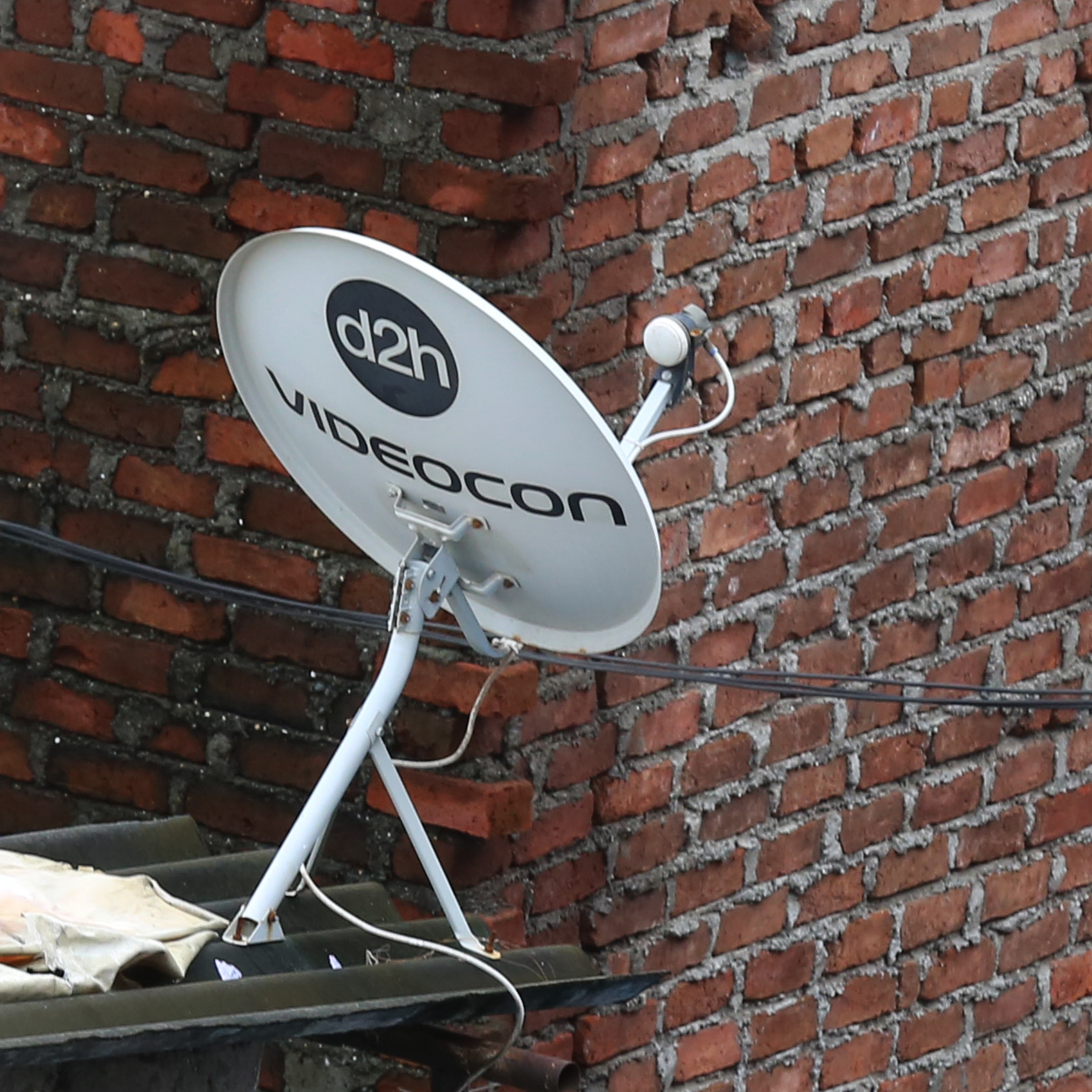
    MUMBAI: Digital is a great leveller of the rural/urban divide. Videocon d2h has announced its association with the CSC eGovernance Services India Limited for the launch of their CSC services. The Common Service Centre (CSC) scheme is a part of the Digital India (DI) initiative. The service was inaugurated by the Minister of Electronics & IT and Law and Justice Ravi Shankar Prasad in Varanasi today.

    The Scheme envisages the setting up of 100,000+ IT-enabled access points to be implemented through a public-private partnership (PPP). CSCs have been positioned as front-end delivery outlets for delivery of government as well as private sector services. The services will enable the citizens of India to access their digital entertainment through Videocon d2h.

    Videocon d2h executive chairman Saurabh Dhoot said, “I feel honoured by our strategic tie-up with the Government of India to enable information access to the audience across India. This is a milestone and is a matter of great pride for us that, in the DTH industry, we led the way with “Make in India”, and now we are leading the way with Digital India”.

    Videocon d2h CEO Anil Khera said: “This tie-up affirms our commitment to innovate in every aspect of our customer experience. With this pact, we will be able to reach the remotest village in the country and thus help the transition of India from the analogue cable regime to a better quality, more transparent digital platform.”

    CSC eGovernance India CEO Dr Dinesh K Tyagi said, “CSC SPV has entered into an agreement with Videocon d2h for bringing Digital DTH services through CSC centres. This service will enable rural India to avail smart services including Smart English and Smart Games, etc. and will help overcome the digital divide between rural and urban India.

  • BIF bats for OTT regulations & level-playing field for all in Net Neutrality debate

    BIF bats for OTT regulations & level-playing field for all in Net Neutrality debate

    NEW DELHI: Broadband India Forum (BIF) has put its weight behind proposals to regulate OTT services, saying they too should be guided by same principles as ISPs and telecom service providers (TSP).

    “There  should be level playing field between the ISP/TSPs  and the OTT players. OTT players need to be brought under the same regulatory regime as the ISP/TSPs,” BIF has said in a submission on a pre-consultation paper on Net Neutrality to telecoms and broadcast regulator TRAI. 

    TRAI has been seeking comments since March 2015 from stakeholders on the issue of Net Neutrality and related matters like OTT, zero-rating plans and possible regulations.

    Since last year, several such papers have been issued by the regulator in an effort to finalise recommendations that could possibly go on to become industry regulations. BIF briefly alluded to this “piecemeal approach and not addressing the larger subject in one go” as this was fuelling ambiguities.

    Batting for plans like zero-rating offered by some Indian telcos earlier and Facebook’s FreeBasic — since then outlawed by TRAI — the Forum says, “At our stage of development, our highest need is internet adoption and increased data usage and whatever facilitates that, needs to be heartily supported”.

    Free Data should be permitted and it should be left to the service providers (ISP/TSPs) to decide whether they want to enter into such arrangement with the content providers or not basis their business case and requirement of technical development, BIF says.

    In India, OTT services are flowering every day, keeping in step with Asian trends.

    Some OTT services, available in India, include Star’s Hotstar, Zee’s dittotv, Viacom18’s Voot, Sony’s SonyLiv, Arre, Times group’s Box TV, Asian companies-owned Hooq and Viu and global giants like Netflix, apart from the likes of WhatsApp, Skype, YouTube and Hike. 

    No ex-ante regulation is required since there is enough competition and the market is vibrant enough, says the Forum, adding in case of violations, on ex-post basis, TRAI can examine tariff plans on a case by case basis after giving a reasonable opportunity to the operators of being heard.

    Dwelling on the economics of  broadband infrastructure, BIF highlights  efficient services would require investments up to Rs 500,000 crore over the next 3-5 years. Moreover, as per Government commitments, the Digital India initiative itself will require investments to the tune of  Rs. 113,000 crore.

    “It was the flexibility of service pricing that was permitted to the TSPs that led to mass adoption of voice services. A similar approach is warranted for ensuring adoption of data services. However, entrepreneurs are reluctant to start a new Internet based businesses when online customers are limited due to low adoption of data services,” BIF has said, adding that consumers are unwilling to invest in “expensive data plans” in the absence of adequate local content.

    Interestingly, BIF’s stand that telecoms is a capital–intensive sector where government mandates may hamper private investments, in some way, is also echoed by Hong Kong-based Asian organisation CASBAA.

    “We do not believe TRAI or the government should adopt policies that result in reducing or rationing of funds for (telecom) network investment. Advocates of `networks for all, open to all’ sometimes tend to forget that capable networks are costly, and they will not build themselves,” CASBAA had said in its submission to TRAI on Net Neutrality last year.

    Cautioning against replicating some existing regulation that may impede innovation, CASBAA had said TRAI and the government must avoid seeing the online content industry as another facet of the mature television content supply industry, ripe for extension of the same regulatory approaches governing the “traditional” TV industry. 

    “This would be a colossal mistake, especially at this new stage of development of online content supply in India. Overregulation will constrain development of newer business models which could be of great benefit to consumers and to India’s overall economic development,” the Asian industry organisation had said, hinting that a holistic view needs to be taken by regulators.

    Similarly, BIF in its recent submission has said the question of modernization of communications regulation…should be reviewed holistically and periodically to ensure same services are treated in a technologically neutral way, while protecting consumer rights and achieving the objectives of Digital India.

    The Forum has taken the initiative to define Net Neutrality in the Indian context and some key characteristics of Net Neutrality, amongst others, as:

    – No Blocking
    – No Throttling
    – Open Internet
    – No improper  prioritization (paid or otherwise)
    – Open, easy and non-discriminatory access
    – Recognition of at least four categories  of traffic and different traffic management techniques for different categories but having the same within each category
    – Equitable regulatory treatment of similar or near-similar services
    – Permission of zero rating systems.  

    (1 USD = 67.4874 INR)

  • BIF bats for OTT regulations & level-playing field for all in Net Neutrality debate

    BIF bats for OTT regulations & level-playing field for all in Net Neutrality debate

    NEW DELHI: Broadband India Forum (BIF) has put its weight behind proposals to regulate OTT services, saying they too should be guided by same principles as ISPs and telecom service providers (TSP).

    “There  should be level playing field between the ISP/TSPs  and the OTT players. OTT players need to be brought under the same regulatory regime as the ISP/TSPs,” BIF has said in a submission on a pre-consultation paper on Net Neutrality to telecoms and broadcast regulator TRAI. 

    TRAI has been seeking comments since March 2015 from stakeholders on the issue of Net Neutrality and related matters like OTT, zero-rating plans and possible regulations.

    Since last year, several such papers have been issued by the regulator in an effort to finalise recommendations that could possibly go on to become industry regulations. BIF briefly alluded to this “piecemeal approach and not addressing the larger subject in one go” as this was fuelling ambiguities.

    Batting for plans like zero-rating offered by some Indian telcos earlier and Facebook’s FreeBasic — since then outlawed by TRAI — the Forum says, “At our stage of development, our highest need is internet adoption and increased data usage and whatever facilitates that, needs to be heartily supported”.

    Free Data should be permitted and it should be left to the service providers (ISP/TSPs) to decide whether they want to enter into such arrangement with the content providers or not basis their business case and requirement of technical development, BIF says.

    In India, OTT services are flowering every day, keeping in step with Asian trends.

    Some OTT services, available in India, include Star’s Hotstar, Zee’s dittotv, Viacom18’s Voot, Sony’s SonyLiv, Arre, Times group’s Box TV, Asian companies-owned Hooq and Viu and global giants like Netflix, apart from the likes of WhatsApp, Skype, YouTube and Hike. 

    No ex-ante regulation is required since there is enough competition and the market is vibrant enough, says the Forum, adding in case of violations, on ex-post basis, TRAI can examine tariff plans on a case by case basis after giving a reasonable opportunity to the operators of being heard.

    Dwelling on the economics of  broadband infrastructure, BIF highlights  efficient services would require investments up to Rs 500,000 crore over the next 3-5 years. Moreover, as per Government commitments, the Digital India initiative itself will require investments to the tune of  Rs. 113,000 crore.

    “It was the flexibility of service pricing that was permitted to the TSPs that led to mass adoption of voice services. A similar approach is warranted for ensuring adoption of data services. However, entrepreneurs are reluctant to start a new Internet based businesses when online customers are limited due to low adoption of data services,” BIF has said, adding that consumers are unwilling to invest in “expensive data plans” in the absence of adequate local content.

    Interestingly, BIF’s stand that telecoms is a capital–intensive sector where government mandates may hamper private investments, in some way, is also echoed by Hong Kong-based Asian organisation CASBAA.

    “We do not believe TRAI or the government should adopt policies that result in reducing or rationing of funds for (telecom) network investment. Advocates of `networks for all, open to all’ sometimes tend to forget that capable networks are costly, and they will not build themselves,” CASBAA had said in its submission to TRAI on Net Neutrality last year.

    Cautioning against replicating some existing regulation that may impede innovation, CASBAA had said TRAI and the government must avoid seeing the online content industry as another facet of the mature television content supply industry, ripe for extension of the same regulatory approaches governing the “traditional” TV industry. 

    “This would be a colossal mistake, especially at this new stage of development of online content supply in India. Overregulation will constrain development of newer business models which could be of great benefit to consumers and to India’s overall economic development,” the Asian industry organisation had said, hinting that a holistic view needs to be taken by regulators.

    Similarly, BIF in its recent submission has said the question of modernization of communications regulation…should be reviewed holistically and periodically to ensure same services are treated in a technologically neutral way, while protecting consumer rights and achieving the objectives of Digital India.

    The Forum has taken the initiative to define Net Neutrality in the Indian context and some key characteristics of Net Neutrality, amongst others, as:

    – No Blocking
    – No Throttling
    – Open Internet
    – No improper  prioritization (paid or otherwise)
    – Open, easy and non-discriminatory access
    – Recognition of at least four categories  of traffic and different traffic management techniques for different categories but having the same within each category
    – Equitable regulatory treatment of similar or near-similar services
    – Permission of zero rating systems.  

    (1 USD = 67.4874 INR)

  • Entries invited for Digital India Awards 2016 with three new categories

    Entries invited for Digital India Awards 2016 with three new categories

    NEW DELHI: Three new categories have been added to the Government’s Digital India Awards (earlier known as the Web Ratna awards) for which entires have been invited Indepence day, 15 August.

    The three new are ‘Web Ratna District’ to reward the accomplishments of the District administration displaying exemplary focus on providing online services and information to the citizen; ‘Outstanding Digital initiative by Local body’ for felicitating outstanding Local Body initiative with a focus on providing exemplary information quality, extent of services provisioning by assessing the service maturity level, service catalogue, transparency, cost effectiveness and efficiency enhancement in terms of service delivery; and Best Mobile App to honour the Best Mobile App launched by a Government entity. Nominated app should have well designed and intuitive mobile interface.

    According to an official press release, “this new avatar of WebRatna reflects the overall vision of making India a Digital Superpower, and the focus is on the digital initiatives and citizen engagement.”

    The existing categories unil now were” Exemplary Online Service; Most Innovative Citizen Engagement; Web Ratna – MINISTRY/DEPARTMENT; Web Ratna – STATE/Union Territory, and Open Data Champion.

    Details are available on website http://digitalindiaawards.gov.in.

    The release said: “If you are a part of Government entity which provides e-services or have citizen engagement, which has a prominent impact on the betterment of common man, and you feel the initiative deserves honouring, this is the right opportunity for the project to win a Digital India Award. The nomination could also be for an established initiative or a recently improved service, which has the desired potential. If you have come across any other such digital initiatives, please feel free to encourage the concerned authority for applying to the relevant category”.

  • Entries invited for Digital India Awards 2016 with three new categories

    Entries invited for Digital India Awards 2016 with three new categories

    NEW DELHI: Three new categories have been added to the Government’s Digital India Awards (earlier known as the Web Ratna awards) for which entires have been invited Indepence day, 15 August.

    The three new are ‘Web Ratna District’ to reward the accomplishments of the District administration displaying exemplary focus on providing online services and information to the citizen; ‘Outstanding Digital initiative by Local body’ for felicitating outstanding Local Body initiative with a focus on providing exemplary information quality, extent of services provisioning by assessing the service maturity level, service catalogue, transparency, cost effectiveness and efficiency enhancement in terms of service delivery; and Best Mobile App to honour the Best Mobile App launched by a Government entity. Nominated app should have well designed and intuitive mobile interface.

    According to an official press release, “this new avatar of WebRatna reflects the overall vision of making India a Digital Superpower, and the focus is on the digital initiatives and citizen engagement.”

    The existing categories unil now were” Exemplary Online Service; Most Innovative Citizen Engagement; Web Ratna – MINISTRY/DEPARTMENT; Web Ratna – STATE/Union Territory, and Open Data Champion.

    Details are available on website http://digitalindiaawards.gov.in.

    The release said: “If you are a part of Government entity which provides e-services or have citizen engagement, which has a prominent impact on the betterment of common man, and you feel the initiative deserves honouring, this is the right opportunity for the project to win a Digital India Award. The nomination could also be for an established initiative or a recently improved service, which has the desired potential. If you have come across any other such digital initiatives, please feel free to encourage the concerned authority for applying to the relevant category”.

  • DataWind launches its first detachable tablet/netbook devices

    DataWind launches its first detachable tablet/netbook devices

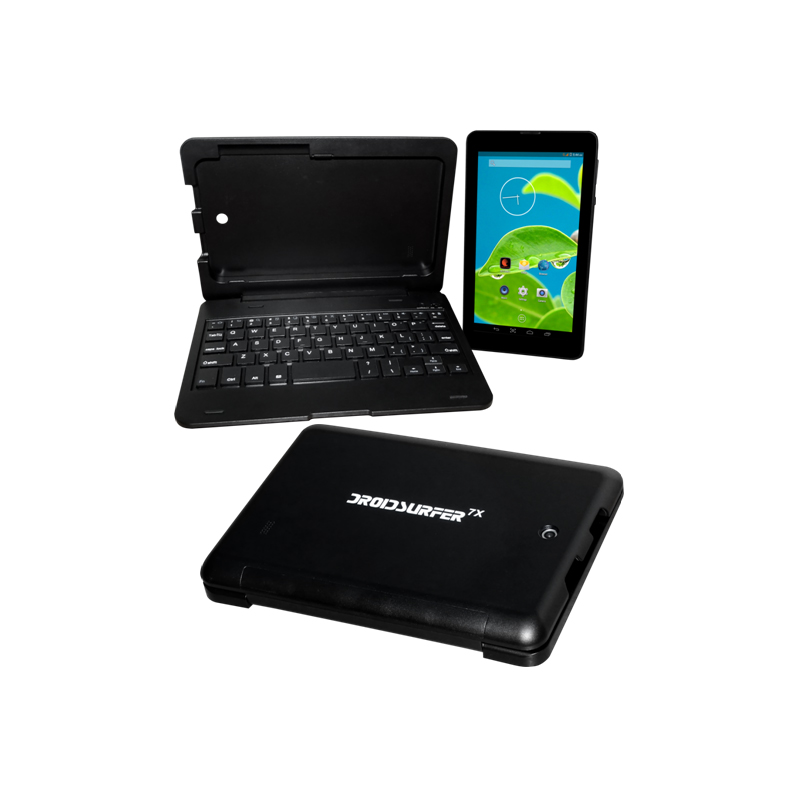
    NEW DELHI: Expanding its leadership in the low cost internet connectivity and web access device segment, UbiSlate Tablet maker DataWind, has now introduced its first detachable devices, the new Droidsurfer Netbooks 7DC+ & 3G7+ in India.

    DataWind CEO Suneet Singh Tuli said,“The DroidSurfer Netbooks come with a sturdy detachable Bluetooth2-in-1 keyboard. With its classy slim look and strong functionality, this affordably priced Droid Surfer will surely be a game changerin theworld of technology. These are the most affordable netbooks in the Indian market and they offer the extra benefit of acting both as a tablet and mini-laptop.”

    Tuli added, “With access to billions of web pages, at no extra cost, users can take advantage of content for both education and entertainment. The web is the most powerful tool for commerce, allowing users to make travel bookings, purchase from ecommerce sites, promote their own businesses and conduct transactions. Communicate like never before through E-mail and social networking sites. DataWind’s low cost Internet-enabled products allow everyone to join the digital age. Introducing technologically advanced devices at the most affordable prices are our way of contributing to the Digital India Vision.”

    The 2G Droidsurfer7DC+ is priced at Rs 3,999 and 3G Droidsurfer3G7+ is priced at Rs 4,999.

  • DataWind launches its first detachable tablet/netbook devices

    DataWind launches its first detachable tablet/netbook devices

    NEW DELHI: Expanding its leadership in the low cost internet connectivity and web access device segment, UbiSlate Tablet maker DataWind, has now introduced its first detachable devices, the new Droidsurfer Netbooks 7DC+ & 3G7+ in India.

    DataWind CEO Suneet Singh Tuli said,“The DroidSurfer Netbooks come with a sturdy detachable Bluetooth2-in-1 keyboard. With its classy slim look and strong functionality, this affordably priced Droid Surfer will surely be a game changerin theworld of technology. These are the most affordable netbooks in the Indian market and they offer the extra benefit of acting both as a tablet and mini-laptop.”

    Tuli added, “With access to billions of web pages, at no extra cost, users can take advantage of content for both education and entertainment. The web is the most powerful tool for commerce, allowing users to make travel bookings, purchase from ecommerce sites, promote their own businesses and conduct transactions. Communicate like never before through E-mail and social networking sites. DataWind’s low cost Internet-enabled products allow everyone to join the digital age. Introducing technologically advanced devices at the most affordable prices are our way of contributing to the Digital India Vision.”

    The 2G Droidsurfer7DC+ is priced at Rs 3,999 and 3G Droidsurfer3G7+ is priced at Rs 4,999.

  • TRAI advocates help of cable operators to spread broadband

    TRAI advocates help of cable operators to spread broadband

    NEW DELHI: Telecom Regulatory Authority of India chairman R S Sharma said connectivity was vital for digital India and Aadhaar had built the foundation for online linkages, adding that cable digital television systems could be used to enable delivery of broadband.

    Speaking as the chief guest at the 2nd International Summit ‘India Satcom – 2016’ on the theme of Broadband for all using NextGen Satellite Technologies. Sharma admitted that certain ‘policy constraints have to be crossed.’

    He said internet connectivity in India was barely fifteen per cent, though wireless connectivity was growing at a fast pace through smartphones. There were only twenty million phones in the country but almost the entire country was connected through mobile phones. He also suggested the introduction of wi-fi at all public places.

    Referring to the Ka Band on satellite as earlier speakers had said the C-Band and Ku-band were already exhausted, Sharma said that the Telecom Regulatory Authority of India had issued a paper in this connection in April last year.

    The summit organized by the Broadband India Forum was aimed at showcasing the scope of catalysing achievement of socio-economic objectives with the use of innovations in Satellite Communications technology. It was supported by the Department of Electronic and Information Technology.

    Department of Telecom Secretary and Telecom Commission chairman J S Deepak stressed the need of satellites for reaching difficult terrains and said that a new network in ten states using 2,200 towers had been put into operation for this purpose. Twelve per cent of the communication in these states was through satellite.

    He said the Bharat Net Optic Fibre aimed to reach 2,50,000 gram panchayats in the next few years and 1,00,000 will be reached in the first phase by next year.

    Phase II aimed to reach the rest through underground optic fibre, towers, radio and satellite which had already connected ten to 12 per cent of the country.

    He also said that the country had adopted an liberal foreign direct investment regime with 74 per cent FDI being allowed in this sector. He claimed that India had received $ 200 billion in the last two years.

    He said 90 per cent of the 6,00,000 villages in the country were covered by mobile phones and he wanted internet proliferation to growth on the same path. He said that Internet had grown from 300 to 400 million (from 30 to 40 crore) in fourteen months. The only way to reach all villages was a combination of broadband and smartphones.

    All services that benefit people were expected to be online in the next two years, he said.

    He said all this presented great opportunities for satellite communications and said the policy environment was conducive for this and was being further changed for migration to new technologies.

    He said that even virtual network operator licences were not available in the country, he concluded, adding that ‘satcom is an idea whose time has come.’

    In a message read out in absentia, Indian Space Research Organisation chairman and secretary in the Department of Space A S Kiran Kumar said it was necessary to set up robust growth technology and the networks to receive this.

    Hughes Networks Systems president Pranav Roach said, “We know broadband penetration levels are extremely low in India. High throughput satellites are a natural fit to help improve broadband penetration. Satellite broadband is a proven technology, delivering high-speed services to users worldwide. Ka-band satellite-based networks are able to deliver affordable, immediate and ubiquitous broadband access to users.”

    He said it was ironic that India was the largest exporter of software but lagged behind in consumption, and therefore government had to step in to help the industry.

    BIF chairman M F Farooqui said “Broadband in India will have to be delivered not by one technology but through a mix of technologies. Satellite communication is one of the more important means of achieving broadband to the rural and remote areas and for fulfilling the goals of Govt’s Digital India initiative.”

    Phases X and V Satcast, USA, Chairman and CEO Ven Fotheringham said the cost of distribution, the increasing demand for more content through video and OTT, and the need for newer and better set top boxes were some of the problems that had to be grappled with. He said in the United States, 72 per cent of the content was generated by just 30 per cent experts within the country.

    The summit in different sessions deliberated on the deployment of satellite communication (satcom) technologies – existing and next generation – to expedite penetration of affordable Broadband in India, especially in remote, rural regions, to complement other broadband technologies such as optical fibre, mobile, cable etc.

    BIF president T V Ramachandran said “India has much to gain once broadband penetration, currently at a low 10 per cent or so, picks up momentum from new technology innovations and investments. Satellite sommunication technologies with its manifold innovations & applications could lead the country to the cusp of a digital revolution with associated boost to the efforts of other initiatives like Make in India, Skilling India and a spurt in FDI.”

    The summit deliberations also covered policy and regulatory issues to drive deployment of satcom technologies in support of national socio-economic programs such as Digital India, Make in India and Broadband for all. But such flagship programs need billions of dollars in annual funds – a huge challenge due to misconceptions surrounding satcom technologies. Though one of the fastest means to ensure Internet and Broadband connectivity across India, satcom is erroneously termed as unaffordable, inaccessible and, therefore, unavailable for deployment in India’s highly price-sensitive market. This is as erroneous as the early 1990s’ perception that mobile phones were expensive technology toys not needed by common people.

    The summit speakers stressed broadband service over satellite needed to be affordable (consumer price), accessible (all across India) and available 24×7 (both fixed location and mobile). Affordability is crucial because Broadband Satellite services in India are far more expensive than in the US (284 times on a normalized scale of package capacity, services price and pricing parity). Innovation, long-term commitment of public projects, liberalised policies that attract more local private players and foreign companies were important measures to curb costs and ensure affordability. These measures could also boost accessibility and availability.
  • TRAI advocates help of cable operators to spread broadband

    TRAI advocates help of cable operators to spread broadband

    NEW DELHI: Telecom Regulatory Authority of India chairman R S Sharma said connectivity was vital for digital India and Aadhaar had built the foundation for online linkages, adding that cable digital television systems could be used to enable delivery of broadband.

    Speaking as the chief guest at the 2nd International Summit ‘India Satcom – 2016’ on the theme of Broadband for all using NextGen Satellite Technologies. Sharma admitted that certain ‘policy constraints have to be crossed.’

    He said internet connectivity in India was barely fifteen per cent, though wireless connectivity was growing at a fast pace through smartphones. There were only twenty million phones in the country but almost the entire country was connected through mobile phones. He also suggested the introduction of wi-fi at all public places.

    Referring to the Ka Band on satellite as earlier speakers had said the C-Band and Ku-band were already exhausted, Sharma said that the Telecom Regulatory Authority of India had issued a paper in this connection in April last year.

    The summit organized by the Broadband India Forum was aimed at showcasing the scope of catalysing achievement of socio-economic objectives with the use of innovations in Satellite Communications technology. It was supported by the Department of Electronic and Information Technology.

    Department of Telecom Secretary and Telecom Commission chairman J S Deepak stressed the need of satellites for reaching difficult terrains and said that a new network in ten states using 2,200 towers had been put into operation for this purpose. Twelve per cent of the communication in these states was through satellite.

    He said the Bharat Net Optic Fibre aimed to reach 2,50,000 gram panchayats in the next few years and 1,00,000 will be reached in the first phase by next year.

    Phase II aimed to reach the rest through underground optic fibre, towers, radio and satellite which had already connected ten to 12 per cent of the country.

    He also said that the country had adopted an liberal foreign direct investment regime with 74 per cent FDI being allowed in this sector. He claimed that India had received $ 200 billion in the last two years.

    He said 90 per cent of the 6,00,000 villages in the country were covered by mobile phones and he wanted internet proliferation to growth on the same path. He said that Internet had grown from 300 to 400 million (from 30 to 40 crore) in fourteen months. The only way to reach all villages was a combination of broadband and smartphones.

    All services that benefit people were expected to be online in the next two years, he said.

    He said all this presented great opportunities for satellite communications and said the policy environment was conducive for this and was being further changed for migration to new technologies.

    He said that even virtual network operator licences were not available in the country, he concluded, adding that ‘satcom is an idea whose time has come.’

    In a message read out in absentia, Indian Space Research Organisation chairman and secretary in the Department of Space A S Kiran Kumar said it was necessary to set up robust growth technology and the networks to receive this.

    Hughes Networks Systems president Pranav Roach said, “We know broadband penetration levels are extremely low in India. High throughput satellites are a natural fit to help improve broadband penetration. Satellite broadband is a proven technology, delivering high-speed services to users worldwide. Ka-band satellite-based networks are able to deliver affordable, immediate and ubiquitous broadband access to users.”

    He said it was ironic that India was the largest exporter of software but lagged behind in consumption, and therefore government had to step in to help the industry.

    BIF chairman M F Farooqui said “Broadband in India will have to be delivered not by one technology but through a mix of technologies. Satellite communication is one of the more important means of achieving broadband to the rural and remote areas and for fulfilling the goals of Govt’s Digital India initiative.”

    Phases X and V Satcast, USA, Chairman and CEO Ven Fotheringham said the cost of distribution, the increasing demand for more content through video and OTT, and the need for newer and better set top boxes were some of the problems that had to be grappled with. He said in the United States, 72 per cent of the content was generated by just 30 per cent experts within the country.

    The summit in different sessions deliberated on the deployment of satellite communication (satcom) technologies – existing and next generation – to expedite penetration of affordable Broadband in India, especially in remote, rural regions, to complement other broadband technologies such as optical fibre, mobile, cable etc.

    BIF president T V Ramachandran said “India has much to gain once broadband penetration, currently at a low 10 per cent or so, picks up momentum from new technology innovations and investments. Satellite sommunication technologies with its manifold innovations & applications could lead the country to the cusp of a digital revolution with associated boost to the efforts of other initiatives like Make in India, Skilling India and a spurt in FDI.”

    The summit deliberations also covered policy and regulatory issues to drive deployment of satcom technologies in support of national socio-economic programs such as Digital India, Make in India and Broadband for all. But such flagship programs need billions of dollars in annual funds – a huge challenge due to misconceptions surrounding satcom technologies. Though one of the fastest means to ensure Internet and Broadband connectivity across India, satcom is erroneously termed as unaffordable, inaccessible and, therefore, unavailable for deployment in India’s highly price-sensitive market. This is as erroneous as the early 1990s’ perception that mobile phones were expensive technology toys not needed by common people.

    The summit speakers stressed broadband service over satellite needed to be affordable (consumer price), accessible (all across India) and available 24×7 (both fixed location and mobile). Affordability is crucial because Broadband Satellite services in India are far more expensive than in the US (284 times on a normalized scale of package capacity, services price and pricing parity). Innovation, long-term commitment of public projects, liberalised policies that attract more local private players and foreign companies were important measures to curb costs and ensure affordability. These measures could also boost accessibility and availability.

  • India’s IT enabled services footprint in 80 countries, 56% of global IT outsourcing: Prasad

    India’s IT enabled services footprint in 80 countries, 56% of global IT outsourcing: Prasad

    NEW DELHI: Asserting the government’s ambitious Digital India programme is empowering people, Communication & Information Technology minister Ravi Shankar Prasad has said JAM () today reaches 310 million (31 crore) beneficiaries with 59 schemes involving Rs 61,822 crores.

    Addressing a Vikas Parv event organized by his ministry in Mumbai, he said India’s IT and IT enabled services has footprint in 80 countries covering 200 cities. He said India accounted for 56 percent of global IT outsourcing.

    The Minister said the Direct Benefit Transfer has helped save Rs 36,500 crores. Prasad said all the schemes are being implemented on digital technology platforms.

    The Minister said digital technology had also promoted ‘jan bhaagidari’ (people’s participation), where two million people interact with the government on the MyGov platform giving suggestions and sharing their thoughts.

    He said the government was able to auction spectrum worth Rs 1,09,000 crores without fingers being pointed at it. Jan Dhan – Adhaar – Mobile

    Prasad said the Public Sector Bharat Sanchar Nigam Limited which had posted a loss of Rs 8,000 crore in 2014 had managed to post an operating profit of Rs 672 crores and its mobile phone subscription has shot up from 800,000 to 2.3 million (23 lakh)