Tag: Digital India

  • India ready for data revolution with 350 million plus Net users: Minister

    India ready for data revolution with 350 million plus Net users: Minister

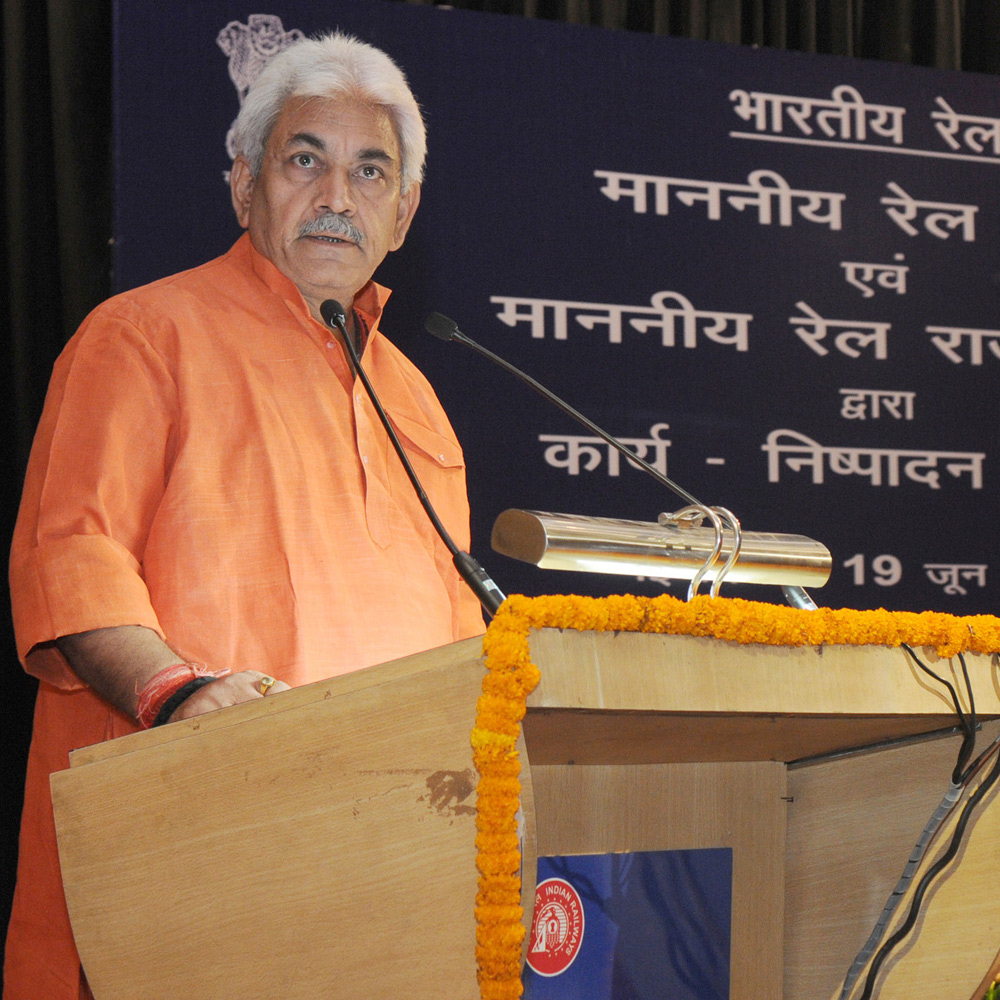
    NEW DELHI: India’s Telecoms minister Manoj Sinha has said the sector had been growing at a phenomenal pace and was considered as the fastest growing telecom market in the world with the second largest subscriber base with more than 1060 million connectivity, 160 million broadband connections and 350 million plus internet users.

    India is ready for another digital and data revolution, the minister said while inaugurating the 8th Telecom Export Promotion Council’s Buyer-Seller meet earlier this week here.

    (India’s mobile phone revolution has been spurring many media players, global and domestic, to enter the OTT space despite challenges. It is also expected that, with the introduction of 4G technology, the market for streaming video will grow in India.)

    Sinha said the rapid growth of the telecoms sector has fuelled the demand for telecom equipment, including mobile phones, which was worth about $ 20 billion in 2015-16 and is estimated to exceed $ 30 billion by 2020.

    Sinha added that India has all the ingredients of a globally competitive telecom industry like a large domestic market, world class talent, focus on R&D and IPR creation, beside a robust framework for electronic manufacturing, including set-top boxes used in a variety of telecoms and broadcast services.

    According to the Minister, Indian manufacturers have already made significant strides in exports of IT and telecom products to several countries and established that Indian IT and telecom products are of world-class quality and globally competitive on technology and price.

    The massive thrust on ‘Make in India’ and ‘Digital India’ initiatives offers a large opportunity for creation of innovative products and services and India is poised for another digital and data revolution.

    Sinha told the representatives from 28 participating countries from South Asia, South-East Asia, the Caribbean, Latin America and Africa that India holds the distinction of being the fastest growing telecom network, especially with advent of increased broadband penetration.

    Meanwhile, joining issue with his colleague, Electronics and IT minister Ravi Shankar Prasad said that, during the last fiscal ending March 2016, the sector recorded an export of $ 108 billion, which is around 45 per cent of services export from India. The sector gave direct employment to 3.7 million people and around 200,000 additional employment was created in just the past year.

    Prasad said the prime minister Narendra Modi’s government was determined to create a knowledge-based society to “improve effeciency and reach of the services.”

    He said unlike industrial revolution (that India missed), the country was all set to take lead in the ongoing digital revolution.

  • FreeDish ready to beam 104 TV channels; 24 on MPEG4

    FreeDish ready to beam 104 TV channels; 24 on MPEG4

    NEW DELHI: Doordarshan today formally announced that it is now capable of carrying 104 television channels on its free-to-air direct-to-home FreeDish. 24 channels that are being added to the existing 80 channels will be directly be launched on MPEG4 technology.

    DD officials also confirmed that FreeDish will soon be capable of carrying up to 250 channels.

    In line with the ‘Digital India’ and ‘Make in India’, DD has decided to implement Indian CAS (iCAS) on DD FreeDish Platform. iCAS (which is an initiative of the central government, is being initially introduced in 24 MPEG-4 channels. The introduction of iCAS will provide enhanced viewing experience.

    DD officials said these additional 24 MPEG-4 SDTV channels will be available to viewers in FTA mode. The existing viewers will continue to get 80 SDTV channels, but will have to obtain iCAS-enabled authorised set-top boxes for accessing all 104 channels.

    Although FreeDish will remain free to air with no monthly or periodic fee, the viewers will be required to register with DD FreeDish on getting the new STB from Doordarshan authorised STB dealers.

    Slots on DD FreeDish are allocated to private channels through a transparent system of e-auction. DD earned Rs 980 million in 2014-15, Rs 1800 million in 2015-16, and Rs 1040 million till September in 2016-17. The next auction – the 31st – is slated for 5 October. FreeDish was launched with a modest bouquet of 33 channels in December 2004, and now carries eight TV channels and 32 radio channels.

    The platform has a rich bouquet of channels consisting of 22 Doordarshan channels, two parliamentary channels, seven general entertainment and music channels each, 18 movie channels, 13 news channels, three religious channels and eight channels of other genres.

    DD officials said implementation of iCAS and authorisation of STB original equipment manufacturers (OEMs) by Doordarshan will give a major thrust to ‘Make in India’ and ‘Digital India’. At present, a majority of STBs are imported. However, the introduction of iCAS will help in standardization of STBs and encourage quality STB manufacturing in India.

    For authorisation of STB OEMs, a series of meetings were conducted by DD DG Supriya Sahu and her team with the Indian STB manufacturers, Department of Telecom and Information Technology, C-DAC, chip set manufacturers and other stakeholders.

    After active consultation with all the stakeholders, DD started the process for rolling out MPEG-4 STBs for its DD FreeDish with iCAS. Doordarshan has invited e-applications for authorisation / empanelment of STB OEMs to sell / distribute DD-approved CAS-enabled DD FreeDish set-top boxes (STB) in India.

    Once the Indian STB OEMs are authorised by DD, they will start manufacturing quality STBs in India. They will set up their distribution network all over India for selling Indian STBs and providing services to Doordarshan FreeDish viewers. Doordarshan DTH has also planned to set up customer care service for DD FreeDish viewers and has planned extensive complaint redressal mechanism.

  • FreeDish ready to beam 104 TV channels; 24 on MPEG4

    FreeDish ready to beam 104 TV channels; 24 on MPEG4

    NEW DELHI: Doordarshan today formally announced that it is now capable of carrying 104 television channels on its free-to-air direct-to-home FreeDish. 24 channels that are being added to the existing 80 channels will be directly be launched on MPEG4 technology.

    DD officials also confirmed that FreeDish will soon be capable of carrying up to 250 channels.

    In line with the ‘Digital India’ and ‘Make in India’, DD has decided to implement Indian CAS (iCAS) on DD FreeDish Platform. iCAS (which is an initiative of the central government, is being initially introduced in 24 MPEG-4 channels. The introduction of iCAS will provide enhanced viewing experience.

    DD officials said these additional 24 MPEG-4 SDTV channels will be available to viewers in FTA mode. The existing viewers will continue to get 80 SDTV channels, but will have to obtain iCAS-enabled authorised set-top boxes for accessing all 104 channels.

    Although FreeDish will remain free to air with no monthly or periodic fee, the viewers will be required to register with DD FreeDish on getting the new STB from Doordarshan authorised STB dealers.

    Slots on DD FreeDish are allocated to private channels through a transparent system of e-auction. DD earned Rs 980 million in 2014-15, Rs 1800 million in 2015-16, and Rs 1040 million till September in 2016-17. The next auction – the 31st – is slated for 5 October. FreeDish was launched with a modest bouquet of 33 channels in December 2004, and now carries eight TV channels and 32 radio channels.

    The platform has a rich bouquet of channels consisting of 22 Doordarshan channels, two parliamentary channels, seven general entertainment and music channels each, 18 movie channels, 13 news channels, three religious channels and eight channels of other genres.

    DD officials said implementation of iCAS and authorisation of STB original equipment manufacturers (OEMs) by Doordarshan will give a major thrust to ‘Make in India’ and ‘Digital India’. At present, a majority of STBs are imported. However, the introduction of iCAS will help in standardization of STBs and encourage quality STB manufacturing in India.

    For authorisation of STB OEMs, a series of meetings were conducted by DD DG Supriya Sahu and her team with the Indian STB manufacturers, Department of Telecom and Information Technology, C-DAC, chip set manufacturers and other stakeholders.

    After active consultation with all the stakeholders, DD started the process for rolling out MPEG-4 STBs for its DD FreeDish with iCAS. Doordarshan has invited e-applications for authorisation / empanelment of STB OEMs to sell / distribute DD-approved CAS-enabled DD FreeDish set-top boxes (STB) in India.

    Once the Indian STB OEMs are authorised by DD, they will start manufacturing quality STBs in India. They will set up their distribution network all over India for selling Indian STBs and providing services to Doordarshan FreeDish viewers. Doordarshan DTH has also planned to set up customer care service for DD FreeDish viewers and has planned extensive complaint redressal mechanism.

  • Govt favours net neutrality; data is the new oil: RS Prasad

    Govt favours net neutrality; data is the new oil: RS Prasad

    NEW DELHI: The much-debated net neutrality issue got some additional boost from the Indian minister of electronics & information technology and law & justice Ravi Shankar Prasad when he said that the government favours non-discriminatory access to the Internet.

    “We are strong advocates of non-discriminatory access to Internet and democratization of Internet governance,” Prasad said yesterday while dwelling on the issue of net neutrality and digital dividends to average citizens.

    However, he didn’t elaborate on the net neutrality (and OTT) issue, which is being studied by the Telecom Regulatory Authority of India (TRAI) in totality for possible guidelines and regulations. TRAI has already undertaken a lengthy consultation process with various stakeholders and its final recommendations are awaited.

    Pointing out that India is home to 270 million smart-phones, a number that’s likely to swell to 500 million in few years time, Prasad said that India doesn’t want to miss out on the digital revolution having missed the industrial revolution.

    Making a case for more efficient bandwidth availability at affordable rates to an average Indian, Prasad said, “Data is the new oil… (and) digital India is ideology neutral, politics neutral and only pro-India.”

    Prasad, who was delivering the inaugural address at the Observer Research Foundation (ORF)-organised “CyFy 2016: Digital Asia & Scripting the New Governance Order” here yesterday evening, asserted if a digital profile of India is drawn it would look something like this: 1.03 billion mobile phones, 1.05 million digital identity (Aadhaar cards) and  400 million internet users, apart from a digital army of young people who have fanned out in rural areas running Common Services Centres at more than 200,000 places.

    Enumerating the various digital initiatives undertaken under the Digital India plan, something that is very dear to Prime Minister Modi, the senior minister opined that the government had undertaken some “path-breaking” programmes.

    “Digital India is for the under-privileged… (and) digital inclusion will come about with digital connect,” the Minister said, adding the government was creating a digital infrastructure for Indians so that citizens could reap digital dividends aplenty.

    Pointing out that a digital India would provide more effective governance and remove socialistic-era licence regime, Prasad said in a few years time India would become a $ 1 trillion digital economy.     

    But the cyber space also brings along many dangers. Emphasising on the importance of precaution, Prasad said, “Governments of all countries have to come together to safeguard their citizens from the threats of cyber crimes.”

    ORF, which annually organises a conference on cyber-related issues, including security and entertainment, is an independent self-sustaining think-tank. Having started in the early 1990s, it has been backed by the now Mukesh Ambani-controlled Reliance Industries.

    The full address of the minister could be viewed here:

    https://www.facebook.com/RaviShankarPrasadOfficial/videos/10154464395568329/


  • Govt favours net neutrality; data is the new oil: RS Prasad

    Govt favours net neutrality; data is the new oil: RS Prasad

    NEW DELHI: The much-debated net neutrality issue got some additional boost from the Indian minister of electronics & information technology and law & justice Ravi Shankar Prasad when he said that the government favours non-discriminatory access to the Internet.

    “We are strong advocates of non-discriminatory access to Internet and democratization of Internet governance,” Prasad said yesterday while dwelling on the issue of net neutrality and digital dividends to average citizens.

    However, he didn’t elaborate on the net neutrality (and OTT) issue, which is being studied by the Telecom Regulatory Authority of India (TRAI) in totality for possible guidelines and regulations. TRAI has already undertaken a lengthy consultation process with various stakeholders and its final recommendations are awaited.

    Pointing out that India is home to 270 million smart-phones, a number that’s likely to swell to 500 million in few years time, Prasad said that India doesn’t want to miss out on the digital revolution having missed the industrial revolution.

    Making a case for more efficient bandwidth availability at affordable rates to an average Indian, Prasad said, “Data is the new oil… (and) digital India is ideology neutral, politics neutral and only pro-India.”

    Prasad, who was delivering the inaugural address at the Observer Research Foundation (ORF)-organised “CyFy 2016: Digital Asia & Scripting the New Governance Order” here yesterday evening, asserted if a digital profile of India is drawn it would look something like this: 1.03 billion mobile phones, 1.05 million digital identity (Aadhaar cards) and  400 million internet users, apart from a digital army of young people who have fanned out in rural areas running Common Services Centres at more than 200,000 places.

    Enumerating the various digital initiatives undertaken under the Digital India plan, something that is very dear to Prime Minister Modi, the senior minister opined that the government had undertaken some “path-breaking” programmes.

    “Digital India is for the under-privileged… (and) digital inclusion will come about with digital connect,” the Minister said, adding the government was creating a digital infrastructure for Indians so that citizens could reap digital dividends aplenty.

    Pointing out that a digital India would provide more effective governance and remove socialistic-era licence regime, Prasad said in a few years time India would become a $ 1 trillion digital economy.     

    But the cyber space also brings along many dangers. Emphasising on the importance of precaution, Prasad said, “Governments of all countries have to come together to safeguard their citizens from the threats of cyber crimes.”

    ORF, which annually organises a conference on cyber-related issues, including security and entertainment, is an independent self-sustaining think-tank. Having started in the early 1990s, it has been backed by the now Mukesh Ambani-controlled Reliance Industries.

    The full address of the minister could be viewed here:

    https://www.facebook.com/RaviShankarPrasadOfficial/videos/10154464395568329/


  • Digital India: Vodafone receives largest-ever FDI

    Digital India: Vodafone receives largest-ever FDI

    MUMBAI: Vodafone India has made the largest-ever equity infusion of Rs 47,700 crore in the country.

    One of India’s leading telecom service-providers today announced that it had become the service provider of choice to over 200 million customers in India. As India’s second-largest telecom service provider with 22.5% revenue market share, over half of the customers (107 million) come from rural India endorsing Vodafone as the preferred brand in urban India as well as the hinterland.

    Vodafone further announced that it had received the equity infusion from Vodafone Group in the first half of the current fiscal. This infusion via foreign direct investment (FDI) is the largest ever FDI infusion in India.

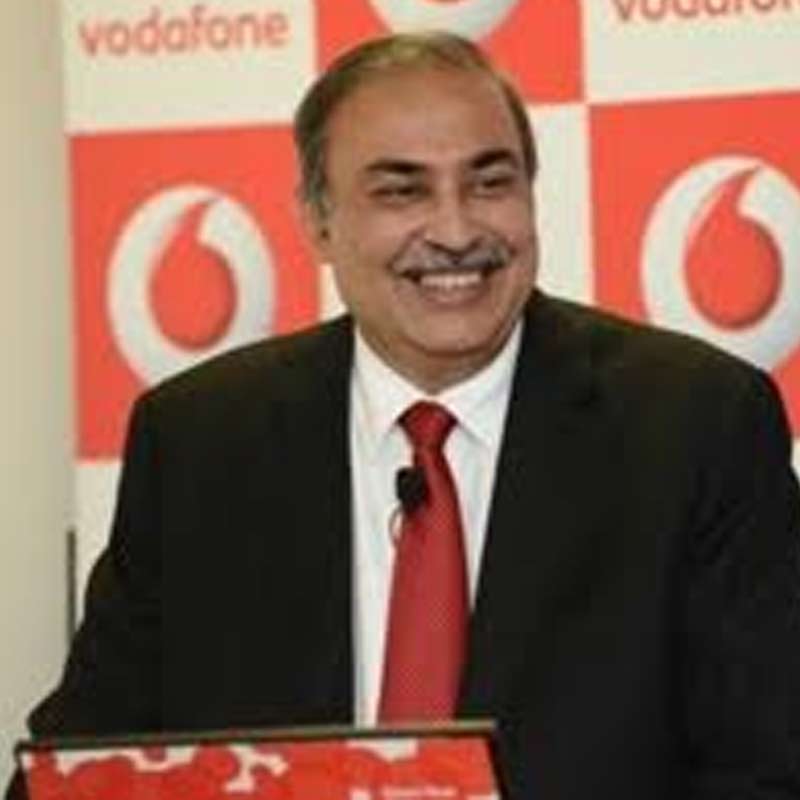
    Sunil Sood, MD & CEO, Vodafone India, said, “With our commitment to support the Digital India vision, we are building one of the most modern and scalable telecom networks to deliver connectivity and the Vodafone SuperNet™ experience to all, for both voice and data.”

    We have successfully increased our revenue market share by 0.6% in the first quarter of current fiscal. This equity infusion will enable Vodafone India to continue its investments in spectrum and expansion of networks across various technology layers.

  • Digital India: Vodafone receives largest-ever FDI

    Digital India: Vodafone receives largest-ever FDI

    MUMBAI: Vodafone India has made the largest-ever equity infusion of Rs 47,700 crore in the country.

    One of India’s leading telecom service-providers today announced that it had become the service provider of choice to over 200 million customers in India. As India’s second-largest telecom service provider with 22.5% revenue market share, over half of the customers (107 million) come from rural India endorsing Vodafone as the preferred brand in urban India as well as the hinterland.

    Vodafone further announced that it had received the equity infusion from Vodafone Group in the first half of the current fiscal. This infusion via foreign direct investment (FDI) is the largest ever FDI infusion in India.

    Sunil Sood, MD & CEO, Vodafone India, said, “With our commitment to support the Digital India vision, we are building one of the most modern and scalable telecom networks to deliver connectivity and the Vodafone SuperNet™ experience to all, for both voice and data.”

    We have successfully increased our revenue market share by 0.6% in the first quarter of current fiscal. This equity infusion will enable Vodafone India to continue its investments in spectrum and expansion of networks across various technology layers.

  • Digital India: Media, entertainment leaders join SCTE

    Digital India: Media, entertainment leaders join SCTE

    NEW DELHI: Reliance Big TV head (DTH Business) Vivek Garg, Network18 Media & Investments Ltd Group chief technology officer Rajat Nigam and GTPL-Hathway Pvt. Ltd chief operating officer Shaji Mathews have come on the governing council of broadband professionals body SCTE India for 2016-17.

    Others include Electronics Sector Skills Council of India CEO N K Mohapatra; Vodafone India executive vice president-corporate affairs and public policy Sandeep Bhargava and PPC Broadband managing mirector–Asia Pacific Gurdeep Singh Bakshi.

    The initiative was taken on the recommendation of SCTE vice president Mike Jones from the United Kingdom and national secretary Rahul Nehra.

    Nehra said, “SCTE stands to play a pivotal role in emerging Digital India from a skilling and innovation perspective and the new governing council will be the defining light of the efforts going forward.”

    Nigam added, “SCTE deserves salutation for driving technology enhancement and culture. Today, innovation is a tradition that needs to be adhered to continue the fast-paced tech journey enhancing user experience.”

    Specific goals for this year include developing technical skills in the digital space, collaborating with the policy makers to fast-track innovation and learning, driving standards in the echo-system, adopting innovation and bringing the best of Asia and Europe to the upcoming SCTE India Awards. The Society has planned to launch an India Broadband Journal which will be released quarterly thought-leader magazine.

    Industry relationships committee chairman Sandeep Bhargava said: “This shall enable focus on the needs of the broadband sector and help build relationships with various stakeholders in the government and industry and create a right policy environment.”

    Founded in 1945, the SCTE’s aim is to raise the standard of broadband engineering in the telecommunications industry. The society particularly concerns with the training and career advancement of technical professionals in the field. Headquartered in Watford (U.K.), the SCTE is a global non-profit organization that is managed by elected volunteers.

  • Digital India: Media, entertainment leaders join SCTE

    Digital India: Media, entertainment leaders join SCTE

    NEW DELHI: Reliance Big TV head (DTH Business) Vivek Garg, Network18 Media & Investments Ltd Group chief technology officer Rajat Nigam and GTPL-Hathway Pvt. Ltd chief operating officer Shaji Mathews have come on the governing council of broadband professionals body SCTE India for 2016-17.

    Others include Electronics Sector Skills Council of India CEO N K Mohapatra; Vodafone India executive vice president-corporate affairs and public policy Sandeep Bhargava and PPC Broadband managing mirector–Asia Pacific Gurdeep Singh Bakshi.

    The initiative was taken on the recommendation of SCTE vice president Mike Jones from the United Kingdom and national secretary Rahul Nehra.

    Nehra said, “SCTE stands to play a pivotal role in emerging Digital India from a skilling and innovation perspective and the new governing council will be the defining light of the efforts going forward.”

    Nigam added, “SCTE deserves salutation for driving technology enhancement and culture. Today, innovation is a tradition that needs to be adhered to continue the fast-paced tech journey enhancing user experience.”

    Specific goals for this year include developing technical skills in the digital space, collaborating with the policy makers to fast-track innovation and learning, driving standards in the echo-system, adopting innovation and bringing the best of Asia and Europe to the upcoming SCTE India Awards. The Society has planned to launch an India Broadband Journal which will be released quarterly thought-leader magazine.

    Industry relationships committee chairman Sandeep Bhargava said: “This shall enable focus on the needs of the broadband sector and help build relationships with various stakeholders in the government and industry and create a right policy environment.”

    Founded in 1945, the SCTE’s aim is to raise the standard of broadband engineering in the telecommunications industry. The society particularly concerns with the training and career advancement of technical professionals in the field. Headquartered in Watford (U.K.), the SCTE is a global non-profit organization that is managed by elected volunteers.

  • Videocon-CSC to bring digital DTH services to every household

    Videocon-CSC to bring digital DTH services to every household

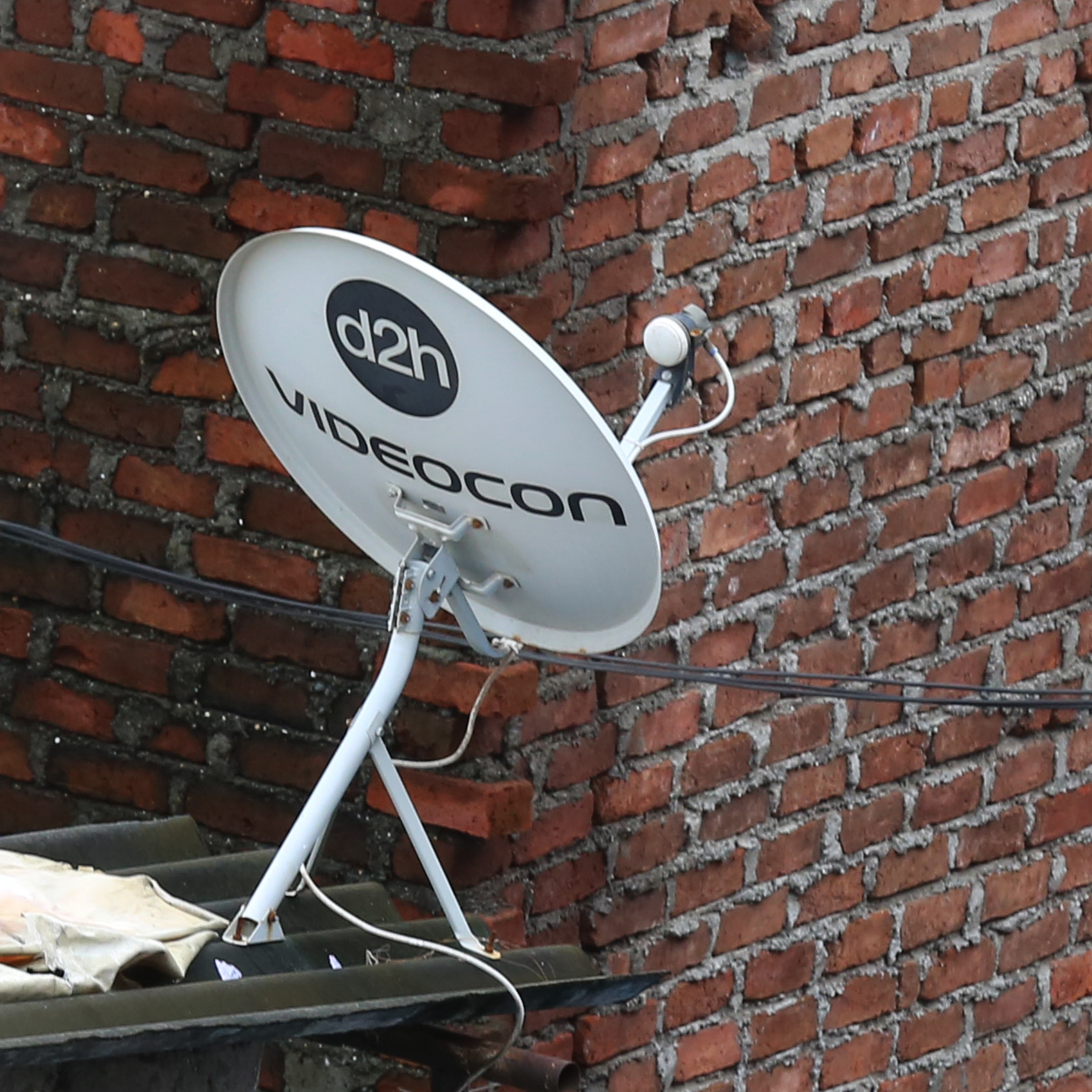
    MUMBAI: Digital is a great leveller of the rural/urban divide. Videocon d2h has announced its association with the CSC eGovernance Services India Limited for the launch of their CSC services. The Common Service Centre (CSC) scheme is a part of the Digital India (DI) initiative. The service was inaugurated by the Minister of Electronics & IT and Law and Justice Ravi Shankar Prasad in Varanasi today.

    The Scheme envisages the setting up of 100,000+ IT-enabled access points to be implemented through a public-private partnership (PPP). CSCs have been positioned as front-end delivery outlets for delivery of government as well as private sector services. The services will enable the citizens of India to access their digital entertainment through Videocon d2h.

    Videocon d2h executive chairman Saurabh Dhoot said, “I feel honoured by our strategic tie-up with the Government of India to enable information access to the audience across India. This is a milestone and is a matter of great pride for us that, in the DTH industry, we led the way with “Make in India”, and now we are leading the way with Digital India”.

    Videocon d2h CEO Anil Khera said: “This tie-up affirms our commitment to innovate in every aspect of our customer experience. With this pact, we will be able to reach the remotest village in the country and thus help the transition of India from the analogue cable regime to a better quality, more transparent digital platform.”

    CSC eGovernance India CEO Dr Dinesh K Tyagi said, “CSC SPV has entered into an agreement with Videocon d2h for bringing Digital DTH services through CSC centres. This service will enable rural India to avail smart services including Smart English and Smart Games, etc. and will help overcome the digital divide between rural and urban India.