Tag: Dhirubhai Ambani

  • In memoriam: the passing of a lesser-known advertising legend, Walter Saldanha

    In memoriam: the passing of a lesser-known advertising legend, Walter Saldanha

    MUMBAI: Walter Saldanha passed away silently almost unknown to many in the advertising and marketing world over the weekend. For those who don’t know of him, he is the reason the creative shop Leo Burnett – which is part of the Publicis group today – is around in India.

    Actually, Leo Burnett was called Chaitra Leo Burnett for a long time and Chaitra Advertising for even longer even before that.

    Walter Saldanha and Brendan Pereira co-founded Chaitra Advertising in 1972, in the midst of “one of the worst recessions in advertising history.” Walter was this mild mannered, extremely slender, bespectacled man who looked more like a suited accountant than an advertising professional. He actually began his career as a typist in 1947 a little shy of 16. 

    Four years later somehow or the other he landed up at advertising agency J Walter Thompson and worked there in various roles before joining Aiyars  – an advertising agency –  where he and creative wizard Brendan formed a bond.  They worked together on many accounts, Brendan the creative type and Walter the client management guy who had to clean up after his colleague had an argument which turned wild with the client losing his top. 

    Walter rose to become MD of the agency which was owned by Aiyar and had some of the more prestigious accounts at that time. The owner had promised to give them equity but when it came to delivering on the promise he procrastinated every time, despite all the good work they put in. This was getting too much for both Walter and Brendan.  And they showed it. One day, Walter returned from one of his domestic client meetings only to find his office taken over by Aiyar and he was informed the board had decided to eject him as managing director. 

    This broke the soft spoken but tough-as-nails Walter who burst into tears in front of Brendan (he was offered the role to run the agency replacing Walter, which Brendan of course refused. In fact, it made him furious.)

    A lot of drama happened after that, but, to cut a long story short, the duo took along some of the gee-whiz advertising professionals of that time working at Aiyars who were livid at the treatment meted out to Walter. 
    Sheila Sista, Jean Durante, Prakash Deshpande, Shantaran, Julien Almeida, Eddie Myers, Arvind Gosavi, among others were taken on as shareholders of Chaitra. The agency was born out of this bond the two shared between themselves and 12 other team members, with no clients and out of Brendan’s flat in Colaba. 

    Amongst Chaitra’s first clients was this pan chewing businessman in white kurta pyjamas who wanted to promote his brand of polyester fabric. When both Walter  and Brendan met him at his office in Dhobi Talao (Mumbai) he kept on wiping his mouth with the towel as he chewed his pan. His brand was Vimal and he was going to launch his first retail showroom at Roxy cinema in Mumbai. Amongst the first questions Dhirubhai Amabni asked the two was  “So, what business do you have, who are your clients,?” Both Brendan and Walter told him they  had no clients. “Ha, so I’m going to be your first client. Very good. You take my business.” 
    He wanted invitation cards, bags, name boards, leaflets to be designed and a press  announcement to be made. He also gave Walter and Brendan a free hand to come up with something unusual. 

    Billings in year one for Chaitra were in double digit lakh. But the agency was unstoppable and it grew fast with many clients coming on board because of its outstanding creative. Brendan and he parted ways from Chaitra in 1983 when he returned after three months of  being away from the agency. Walter and the management informed him that they wanted to manage creative with Brendan offering creative guidance. The reason: clients were pretty miffed with Brendan refusal to cooperate with them on creative changes and adjustments, and the list was long. This was something that was unacceptable to Brendan.  For him that was it, and he left.


    Chaitra’s reputation had spread far and wide and it attracted Leo Burnett to become its affiliate in 1987 as most foreign agencies were beginning to expand internationally in order to be able to offer their international clients services in India. Leo Burnett entered India in 1992, when it invested in Chaitra which became Chaitra Leo Burnett. After around eight years, the Chaitra name was dropped and Leo Burnett India was born when Walter, as he liked to be called, gave majority to it. He retired but continued as chairman emeritus. Under his watch Chaitra had grown to be one of the top agencies of the country. 

    Walter went beyond advertising. After his retirement, he started the  Asian Institute of Communication and Research, a small business school he built in the hills of Matheran, in 2001 after retiring from Chaitra. The school has given birth to many advertising and marketing professionals who are in leading positions in leading companies today. 

    Walter was honorary treasurer of the Society for Eradication of Leprosy – something he was very passionate about – the care of those infected and eradicating it totally. He was also a trustee of the Sangeet Abhinay Academy, an organisation devoted to the development of musical talent and the Shanti Avedna Sadan (a home for terminally ill cancer patients). And yes, he  fought for the rights of  slum dwellers and he was the former Chairman of Slum Rehabilitation Society. 

    He remained extremely low key throughout his career seeking very little attention, instead focusing on bringing out great advertising for his clients and serving society in whatever manner he could. Brendan was the better known of the two, as he ran creative and was in the limelight, while at Chaitra and after that.

    I remember spending some time in Chaitra’s Kemps Corner office with Walter in the early nineties. He preferred to let Arvind Sharma – who later led the agency phenomenally well – to do most of the talking. He preferred to exchange stories about his social work, even when I spoke to him in later years – about his institute, his leprosy work and the problems slum dwellers face. Students of the institute he set up remembered him fondly when they learned of his passing  on Linkedin on how he helped shape their careers with his encouraging words and guidance. 

    11 years or so after setting up Chaitra, Walter and Brendan took their own paths. 

    Death, however, did not set them too apart. 

    Brendan passed on in July 2024, Walter on 28 December 2024., if I have got the date right. 

    May they both rest in peace! 

    (Some of the information in this piece was gleaned from Brendan’s book Changing  Faces. Any errors of information omission or inference are unintended. Picture of Walter lighting the lamp, courtesy  Vaishali  Nikalje on linkedin)

  • Former Times Group chairman Ashok Jain among 17 honoured as ‘Heroes of Mumbai’ by Maharashtra govt

    Former Times Group chairman Ashok Jain among 17 honoured as ‘Heroes of Mumbai’ by Maharashtra govt

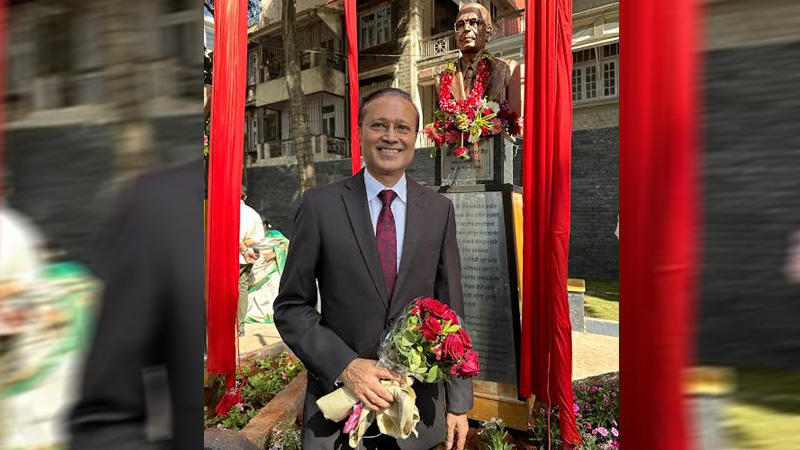
    Mumbai: Seventeen distinguished figures instrumental in Mumbai’s advancement were celebrated as their busts were revealed at Kilachand Garden in Girgaon, with BJP national president J P Nadda and Maharashtra deputy chief minister Devendra Fadnavis in attendance.

    The late Bennett, Coleman and Company Ltd former chairman Ashok Kumar Jain (The Times Group), was among the esteemed honorees. Times Group Managing Director Vineet Jain lauded the initiative aimed at celebrating icons who have shaped the financial and cultural capital of India. “It gives me immense pride to be standing here in the presence of such luminaries to acknowledge the recognition to my late father, Shri Ashok Jain. As Chairman of The Times of India Group, he had a great affinity and affection for Mumbai,” said Vineet Jain.

    The 17 ‘heroes of Mumbai’ include Dr Babasaheb Ambedkar, Lata Mangeshkar, Dadasaheb Phalke, Homi Bhabha, JRD Tata, Dhirubhai Ambani, Sachin Tendulkar, and VD Savarkar among others.

    Recalling the rise and rise of The Times Group with its roots in Mumbai, Vineet Jain said: “The Times Group was not only headquartered here, but also initiated all its expansions—launching new newspapers and magazines—from here itself during his lifetime. And thus, Mumbai was at the heart of so much of what he did and worked towards, while establishing one of Asia’s largest media companies.”

    The idea was conceived by state cabinet minister Mangal Prabhat Lodha. “This initiative aims to honour influential figures by unveiling their busts and acknowledging their contributions to Mumbai’s progress in various facets, such as economic prosperity, safety, and cultural enrichment. The programme seeks to serve as an enduring source of inspiration for Mumbaikars,” said Lodha explaining the inspiration behind ‘heroes of Mumbai’ project.

    “On behalf of our entire family and the larger Times Group, I would like to thank the efforts of Mr. Lodha and the entire Maharashtra government for this singular honour to our late father,” said MD of The Times Group.

  • Geo-targeting eliminates ad wastage says Amagi’s Subramanian

    Geo-targeting eliminates ad wastage says Amagi’s Subramanian

    MUMBAI: The biggest chink in the armour of Indian advertising, which is also celebrated as India’s unique trait, is its heterogeneity. Its diverseness creates differences in dialect and lifestyle ever 110 kilometres. If taken in the right stride, it also opens up a range of opportunities for businesses.

    If a product is meant for a particular state, only the big companies can afford to conduct pan-India advertising. Smaller businesses that don’t have such deep pockets have an alternative in an upcoming technology of hyperlocal advertising. It lets you target people sharing a neighbourhood or ethnicity.

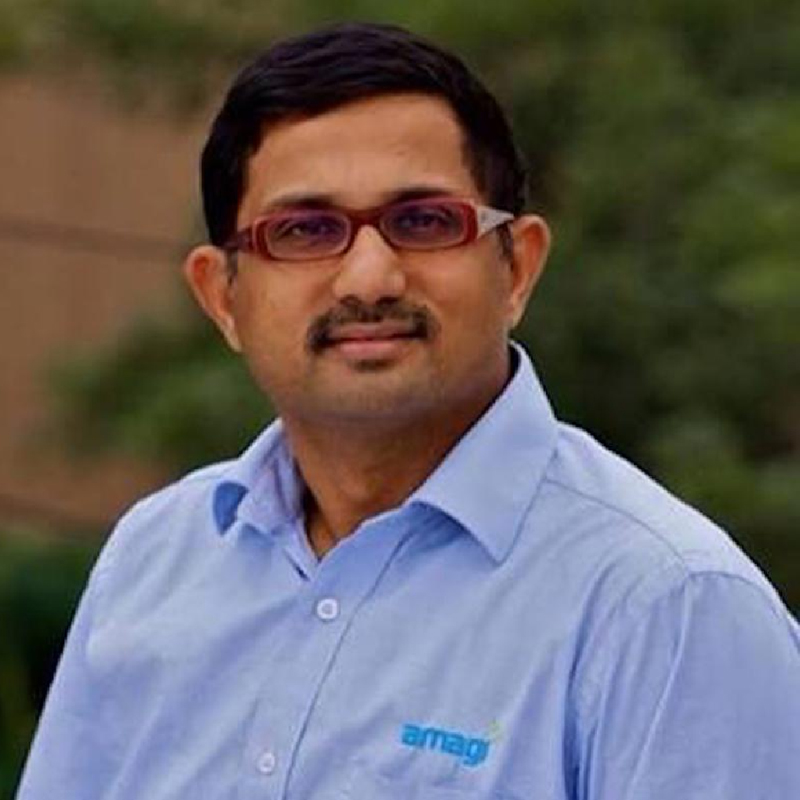
    During an interaction with indiantelevision.com, Amagi Media Labs co-founder Baskar Subramanian broadly discussed the advantages of regional and hyperlocal advertising. Soon turning 10, Amagi has grown from its modest base in Bengaluru to hold offices in New York, London and Hong Kong boasting of clients in 40 countries with 80 feeds.

    How do pan-India ads lack when it comes to regional areas?

    While pan India ads do convey what they should regionally do, but they never connect with the audience, as regionalisation today is the way forwards for the brand and consumer bonhomie i.e. If there is a Lalitaji endorsing Surf Excel in Haryana, there needs to be a Lalitaamma selling the same Surf Excel regionally across Udupi.

    Dhirubhai Ambani once said, “Money is lying in every street of India. One must know how to collect them!”, and so what really matters here, is going “To the bottom of the pyramid” by ensuring to go regional, and creating prosperity by pricing not the product but the customer, his aspiration and affordability (i.e.FMCG sachet’s or JIO’s offers).

    Would you like to share some successful regional ad campaigns?

    When you look at few of the award-winning regional campaigns from various national brands such as the “NaakaMukka’ of the Times of India, the ‘Ella okay, cool drink Yaake?’ campaign of the United Breweries, the Allu Arjun redBus campaign or the ‘my first train ride’ by Paper Boat, it takes us beyond the thought of just dubbing or adding regional subtitles to make things seem regional.

    The example of Dhirubhai Ambani strongly applies to brands advertising product categories and regions across, i.e. Tata Tea deciding to run the “Alarm Bajne Se Pehle Jaago Re” nationally, while it goes on a price war with Wagh Bakri in Gujarat or Frito Lay holds a national campaign during IPL while decides to target Balaji Bhujia in Maharashtra and Gujarat. On the other end, we also have regional brands like Medimix and Cavinkare expand towards the northern market with value propositions suiting a region across Punjab or Haryana. Also, look at Horlicks, which promotes itself as a supplement to milk in Kolkata (perceived as a milk-deficient market), while in Chennai, it promised nutrition from wheat based drink, as the intake of wheat in the southern state is lower compared to the North. At the bottom, the real nationalisation of brands is now happening hyper locally across India.

    What are your thoughts on bringing cohesiveness in regional marketing spends by giving importance to local television?

    The regional channels’ advertising revenues are ascending with an increase in viewership year on year as compared to national channels. With the regional spread across DTH and cable, the plethora of regional platforms is on the rise. As per data from BARC India TV measurement system – regional GECs comprising of regional movies and regional music accounted for 38.99 per cent viewership share over a particular period(TG: All 4+, Market: All India, Period: Wk 41 to Wk47, 2016).

    Similarly, in Hindi speaking markets (HSM), GECs are the leading genre in regional markets as well with 29.6 per cent viewership share followed by regional movies with 6.6 per cent in 2016. Among the regional markets, Tamil channels occupy the biggest share with 25.7 per cent share in viewership and Telugu market is the second largest with 24.4 per cent viewership share.

    What are the factors to consider while customising budgets for regional targeted ad spends?

    The ad spends for regional advertising should focus more on tactical executions rather than intensive brand building activities. Though the increase in brand awareness cannot be neglected, the focus has to be on festival promotions, regional discounts, dealership level sales push and test marketing avenues to name a few, need to adequately have their share of targeted television expenses. In fact, brands like Patanjali and Reliance Jio have stabilised their ground through regional advertising across tier II and III cities. They are expected to increase their ad spends considering new product launches and price wars in the current and future.

    Has geo-targeted advertisement become the disruptor in television advertising ecosystem?

    Geo-targeted television advertising, is a new phenomenon in India which is disrupting the current television advertising eco system. Television, a medium with one of the highest penetration across India, suffers from limitations as being expensive and lacking measurability. With associations such as BARC, the share of reach and voice can be determined for brands advertising across categories, but the actual conversion of campaign effectiveness are miles away. Also with India’s diverse heterogeneous market coupled with varied regional preferences, TV was unable to singularly address this diversity. There were limited options for brands to target a specific market using TV, until today where platforms like Amagi Mix ensures a collection of channels, which helps advertisers decide their targeted television advertising, measure the effective reach and modify campaigns accordingly based on national or regional business requirements. By eliminating the spillage and wastage, geo-targeting justifies television spends.

    What opportunities exist for the collaboration between digital advertising spends with regional television advertising?

    The average young Indian spends around 2 hours 20 minutes on digital platforms every day. This is vastly expected to go up, considering the exponential rise in OTT viewership. Today over 300 million Indians commuting to work and back use OTT platforms on mobile phones, and while this audience is set to increase across rural and urban India, it has currently already crossed the population of United States of America.

    Hence, television advertising (comprises over 40 per cent of advertising viewership) coupled with personalised OTT and digital communications (12 per cent) together as a combination gives formidable marketing opportunities to brand managers of various sectors. These ensure targeted, high impact reach, bring in measurable results, and cost effectiveness for hyperlocal brand marketing.

  • APOS 2016: Reliance Industries’ Adil Zainulbhai & the Jio launch

    APOS 2016: Reliance Industries’ Adil Zainulbhai & the Jio launch

    BALI: For all those who have been speculating about the commercial launch dates of Reliance Industries Jio services – whether wireless broadband and 4G or wired broadband – in India, here’s  the final word from the Network 18 Media & Investments chairman and Reliance Industries independent director Adil Zainulbhai.

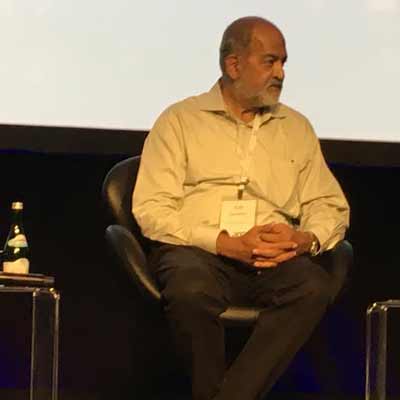
    Speaking at APOS2016 in Bali, Zainulbhai admitted even he does not know it. “There is probably one person who knows when the launch date is: that is the chairman. And the chairman of the board will decide one day when it will launch and I don’t think even he knows today what that date is. He will let us know when that is to happen.”

    Zainulbhai stated that Jio was very close to being ready in terms of infrastructure for broadband wireless. He pointed out that the company was currently looking at what all was required from the marketing and processes perspectives.

    He revealed that close to 250,000 km fibre has been laid for wired broadband. These services will follow only after the launch of wireless broadband.

    “In the next 18-24 months, a large proportion of the high net worth homes in India will have the potential to have a fibre connection. And then they will have to choose when they want it or not,” he expounded. “Today an average data user on wireless broadband uses 0.18 GB a month. We have 500,000 users on our network testing it –they are using on an average 20GB. This is going to be a disruption. We don’t know how things will roll out when you give people an opportunity to consume as much as they want for a very reasonable price.”

    Zainulbhai stated the Reliance group has never looked at any project business case wise. “The thought has always been how can we disrupt the existing scenario, improve lives of people and  in the process make money,” he disclosed.  “Right from the founder Dhirubhai Ambani’s time. And this has worked well for it with every project paying off.”

    He directed the attendees attention to benefits like health and education which will be the other services the group will provide under Jio. “There’s a shortage of doctors and teachers in India. We want to help plug that gap through our broadband digital infrastructure. Entertainment services will pay for the laying of the fibre. The biggest change will happen in other fields.”

  • APOS 2016: Reliance Industries’ Adil Zainulbhai & the Jio launch

    APOS 2016: Reliance Industries’ Adil Zainulbhai & the Jio launch

    BALI: For all those who have been speculating about the commercial launch dates of Reliance Industries Jio services – whether wireless broadband and 4G or wired broadband – in India, here’s  the final word from the Network 18 Media & Investments chairman and Reliance Industries independent director Adil Zainulbhai.

    Speaking at APOS2016 in Bali, Zainulbhai admitted even he does not know it. “There is probably one person who knows when the launch date is: that is the chairman. And the chairman of the board will decide one day when it will launch and I don’t think even he knows today what that date is. He will let us know when that is to happen.”

    Zainulbhai stated that Jio was very close to being ready in terms of infrastructure for broadband wireless. He pointed out that the company was currently looking at what all was required from the marketing and processes perspectives.

    He revealed that close to 250,000 km fibre has been laid for wired broadband. These services will follow only after the launch of wireless broadband.

    “In the next 18-24 months, a large proportion of the high net worth homes in India will have the potential to have a fibre connection. And then they will have to choose when they want it or not,” he expounded. “Today an average data user on wireless broadband uses 0.18 GB a month. We have 500,000 users on our network testing it –they are using on an average 20GB. This is going to be a disruption. We don’t know how things will roll out when you give people an opportunity to consume as much as they want for a very reasonable price.”

    Zainulbhai stated the Reliance group has never looked at any project business case wise. “The thought has always been how can we disrupt the existing scenario, improve lives of people and  in the process make money,” he disclosed.  “Right from the founder Dhirubhai Ambani’s time. And this has worked well for it with every project paying off.”

    He directed the attendees attention to benefits like health and education which will be the other services the group will provide under Jio. “There’s a shortage of doctors and teachers in India. We want to help plug that gap through our broadband digital infrastructure. Entertainment services will pay for the laying of the fibre. The biggest change will happen in other fields.”

  • Rajnikanth, Ramoji Rao, Priyanka Chopra, Ajay Devgn receive Padma honours

    Rajnikanth, Ramoji Rao, Priyanka Chopra, Ajay Devgn receive Padma honours

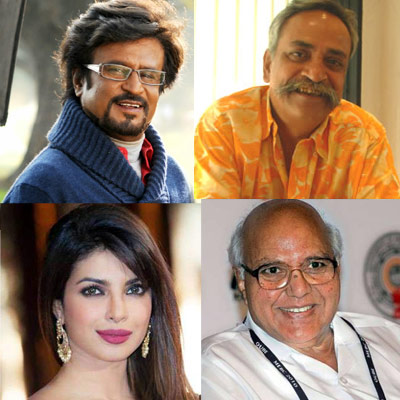
    NEW DELHI: Iconic actor Rajnikanth, media and film magnate Ramoji Rao, and renowned classical vocalist Girija Devi have been named for the second highest civilian honour, the Padma Vibhushan, given for is awarded for exceptional and distinguished service.


    Interestingly, the Padma Vibhushan awardees also include a posthumous award for the late Dhirubhai Ambani, who founded the Reliance Group and whose life inspired the film Guru starring Abhishek Bachchan with Aishwarya Rai Bachchan.


    Veteran actor Anupam Kher and singer Udit Narayan are the only recipients from the entertainment industry apart from Heisnam Kanhaukak of the Padma Bhushan, given for distinguished service of high order. Indu Jain of Bennett Coleman & Co also received the Padma Bhushan.


    The Padma Shri awardees for distinguished service from the entertainment field include directors Nila Madhab Panda (I want to be Kalam), S S Rajamouli (of Baahubali fame) and Madhur Bhandarkar; filmmaker Narendra Chandra Lal from the Andaman and Nicobar Islands; actors Ajay Devgn and Priyanka Chopra, ad guru Piyush Pandey; and a posthumous award to the late veteran actor Saeed Jaffrey.


    In a statement issued from Bulgaria where he is currently shooting for his film, Shivaay, Devgn said, “I feel deeply humbled yet elated to receive such honour from my own country. The announcement today makes it special for me when I’m filming abroad for my new film Shivaay. I’d like to acknowledge that Padma Samman puts an extra responsibility on me and I promise to serve my country for as long as I can.”


    In the field of sports, the Padma Bhushan awards are badminton ace Saina Nehwal, and tennis star Sania Mirza, while those getting Padma Shree are Deepika Kumari for archery from Jharkhand, and sports commentator Sushi Doshi.


    In the field of music, the Padma Shree recepients are Pt Tulsidas Borkar of Goa for classical music; Dr Suma Ghosh of Uttar Pradesh for vocal singing; and Bhikhudan Gadhvi of Gujarat, Mamta Chandrakar of Chhatisgarh, and Bhojpuri singer Malini Awasthi of Uttar Pradesh for folk music, and late Prakash Chand Surana (posthumously) of Rajasthan for classical music.


    The eminent dancer Yamini Krishnamurthy who has churned thousands of disciples gets the Padma Bhushan, dancer Pratibha Prahlad who founded the Delhi International Arts Festival, and Gulabi Sapera, who is a folk dancer from Rajasthan have been awarded the Padma Shree.


    Renowned professor Pushpesh Pant; Kameshwar Brahma of Assam, and Jawaharlal Kaul of Jammu and Kashmir have also been awarded the Padma Shree.

  • Rajnikanth, Ramoji Rao, Priyanka Chopra, Ajay Devgn receive Padma honours

    Rajnikanth, Ramoji Rao, Priyanka Chopra, Ajay Devgn receive Padma honours

    NEW DELHI: Iconic actor Rajnikanth, media and film magnate Ramoji Rao, and renowned classical vocalist Girija Devi have been named for the second highest civilian honour, the Padma Vibhushan, given for is awarded for exceptional and distinguished service.


    Interestingly, the Padma Vibhushan awardees also include a posthumous award for the late Dhirubhai Ambani, who founded the Reliance Group and whose life inspired the film Guru starring Abhishek Bachchan with Aishwarya Rai Bachchan.


    Veteran actor Anupam Kher and singer Udit Narayan are the only recipients from the entertainment industry apart from Heisnam Kanhaukak of the Padma Bhushan, given for distinguished service of high order. Indu Jain of Bennett Coleman & Co also received the Padma Bhushan.


    The Padma Shri awardees for distinguished service from the entertainment field include directors Nila Madhab Panda (I want to be Kalam), S S Rajamouli (of Baahubali fame) and Madhur Bhandarkar; filmmaker Narendra Chandra Lal from the Andaman and Nicobar Islands; actors Ajay Devgn and Priyanka Chopra, ad guru Piyush Pandey; and a posthumous award to the late veteran actor Saeed Jaffrey.


    In a statement issued from Bulgaria where he is currently shooting for his film, Shivaay, Devgn said, “I feel deeply humbled yet elated to receive such honour from my own country. The announcement today makes it special for me when I’m filming abroad for my new film Shivaay. I’d like to acknowledge that Padma Samman puts an extra responsibility on me and I promise to serve my country for as long as I can.”


    In the field of sports, the Padma Bhushan awards are badminton ace Saina Nehwal, and tennis star Sania Mirza, while those getting Padma Shree are Deepika Kumari for archery from Jharkhand, and sports commentator Sushi Doshi.


    In the field of music, the Padma Shree recepients are Pt Tulsidas Borkar of Goa for classical music; Dr Suma Ghosh of Uttar Pradesh for vocal singing; and Bhikhudan Gadhvi of Gujarat, Mamta Chandrakar of Chhatisgarh, and Bhojpuri singer Malini Awasthi of Uttar Pradesh for folk music, and late Prakash Chand Surana (posthumously) of Rajasthan for classical music.


    The eminent dancer Yamini Krishnamurthy who has churned thousands of disciples gets the Padma Bhushan, dancer Pratibha Prahlad who founded the Delhi International Arts Festival, and Gulabi Sapera, who is a folk dancer from Rajasthan have been awarded the Padma Shree.


    Renowned professor Pushpesh Pant; Kameshwar Brahma of Assam, and Jawaharlal Kaul of Jammu and Kashmir have also been awarded the Padma Shree.

  • Mukesh Ambani flags off ambitious digital initiative – Reliance Jio

    Mukesh Ambani flags off ambitious digital initiative – Reliance Jio

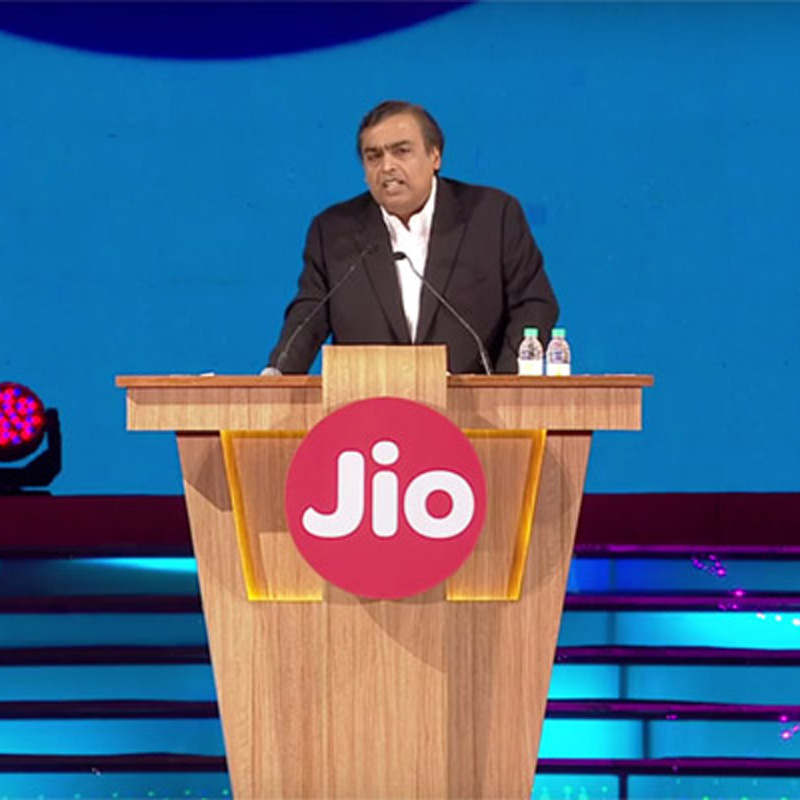
    MUMBAI: On the eve of the 83rd birth anniversary of the family patriarch Dhirubhai Ambani, Reliance Infocom Limited (RIL) launched Jio, Mukesh Ambani’s most ambitious digital initiative designed to deliver hi-speed connectivity and 4G broadband services in every nook and corner of India, to its one lakh-plus employees and their families.

    The star-studded event, which featured Shah Rukh Khan and Academy-winning music director A R Rahman, saw many a firsts. The event saw the third-generation of Ambanis – twins Isha and Akash – taking centre-stage and welcoming the audience. It was also the first Employee-only, Partner-Consumer initiative ever to have happened in the history of corporate India, with over a lakh employees spread across a 1,072 centres across India, and one in Dallas, US, connected to the launch event at RCP on Jio’s own hi-speed network. Through two-way video conferencing, RIL chairman and managing director Mukesh Ambani interacted with employees, who were watching the event from distant places.

    The participants, all of whom where RIL and Jio’s employees hailed from varied cultural backgrounds located in diverse geographies. The motto: One India. One RIL. One Jio. One for all and all for one – resounded at the venue.

    RIL launch event was reflective of a miniature India, where people from all walks of life and from various backgrounds engaged simultaneously. With this employee launch, Jio became the common strand that runs through every single employee, entwining them together.

    Speaking on the occasion,  Ambani said, “Friends, today on the eve of the 83rd birthday of Dhirubhai, it is my proud privilege to invite all our Reliance families and friends to be the first to experience Jio’s services. While you enjoy Jio Digital Life, I am also counting on you, as part of my family, to be part of co-creating the best experience for all our customers. I am sure that when you experience the next generation service of Reliance Jio – you will spread the word.” 

    Iterating his confidence in the youth of India, he further added, “India and Indians cannot afford to be left behind in this new world. India is ranked around 150 in the Internet and mobile broadband penetration out of 230 countries; Jio is conceived to change this. 1.3 billion Indians cannot be left behind as the world enters a new era. We have the youngest population in the world. Give them the tools. Give them the skills. Give them the environment. They will surprise us. It is this opportunity to transform the lives of our 1.3 billion Indians that motivated Reliance to enter this space. And Jio is the result. Jio will help advance and realise the potential of every Indian and India. I have no doubt that with the launch of Jio, India’s rank will go up from around 150 to among the top 10 in the next few years for internet and mobile broadband penetration.”

    The event also saw the Old Reliance, the traditional projects and production powerhouse (B2B), joining hands with the New Reliance, the consumer-facing business of retail and digital services (B2C), to celebrate the employee launch of Jio, elevating them all on to a common digital platform where they will be living the same Digital Life. 

    The event was unique in another aspect. Digital townhalls of large corporates and multinationals usually involve only the top bosses. This is the first time a company has involved every single one of its employees, from the lowest rung right to the top, and their families in the town hall event. The corporate world has never witnessed anything like this before.

    As was reported earlier by Indiantelevision.com, the commercial launch of Reliance Jio is slated for March – April 2016.

  • Reliance Jio to soft launch with two lakh ‘privileged’ subscribers

    Reliance Jio to soft launch with two lakh ‘privileged’ subscribers

    MUMBAI: Mukesh Ambani’s Reliance Jio Infocomm is all set to soft launch its telecom services brand Reliance Jio on 28 December, 2015 by handing out two lakhs cards to hand-picked ‘privileged’ people as a part of the launch.


    It may be recalled that Indiantelevision.com was the first to report that Reliance Jio would soft launch on the eve of Dhirubhai Ambani’s birth anniversary (28 December) this year.


    Reliance Jio has been running test signals from a month now wherein the company’s employees have also been availing the services.


    A senior Reliance Jio official on condition of anonymity told Indiantelevision.com, “We will analyse the performance of our services over the next two months and a consumer base of two lakh is robust enough for that. After thorough analysis, we will do our commercial roll-out by March 2016.”


    The official added, “Our price package will be way lower than what is available in the market at this stage. We are entering a market where we want to have the largest number of subscribers and we will do that by providing the best services at the lowest price.”


    With a pan India MSO (multi-system operator) license under its belt, Reliance Jio is also in talks with both broadcasters and cable operators for their cable TV services. “By next month we will start signing deals. The technology is already in place and now we will focus on content deals. The work on cable TV front is also progressing at a good pace and by April we plan to start with 20 cities,” informed the official.


    Launching in a highly competitive market with multiple players, be it in the telecom or the cable space, it now remains to be seen how Reliance Jio’s pricing and service offerings are a notch above the rest.

  • Reliance Jio touches 70 mbps download speed during trials

    Reliance Jio touches 70 mbps download speed during trials

    NEW DELHI: The download speed on Reliance Jio’s 4G network during its beta-test phase peaked at 70 megabit per second but remained in 15-30 mbps range on most occasions, as per field trial report by brokerage firm Credit Suisse.


    “We experienced peak download speed of 70 mbps during our trials, and on most occasions in the 15-30 Mbps range, even on the move,” said the report by Credit Suisse Research Analysts Sunil Tirumalai and Chunky Shah.


    At 70 mbps download speed, a Bollywood movie size video can be downloaded in about half a minute while at 15-30 mbps, the same can be downloaded in about three minutes.


    The report compared the commercially launched 4G service of telecom major Airtel and beta network of Reliance Jio and found “Airtel 4G giving 10-20 mbps, often slower than Jio, and 3G network speeds of sub 2 mbps (peak 7 mbps).”


    Analysts found urban coverage of RJio network at par with incumbents but remarked rural coverage as “poor.”


    During trials analysts experienced call drop-free RJio network in Mumbai but lost signal three – four times when they entered on village roads.


    Analysts said that they experienced seamless phone call experience between Reliance Jio and network of other telecom operators.


    “Overall, our take away is that the Reliance Jio network is turning out to be as strong a threat to incumbents as we had feared. Next focus would be on pricing and marketing execution,” the report said.


    The conglomerate is planning to do a soft launch of the 4G services on Dhirubhai Ambani’s birth anniversary this year, which falls on 28 December.


    Credit Suisse analysts said that the speeds will fall once a commercial launch happens and more users get on to the network but globally 4G has delivered better speed than 3G services.


    The company has matched up with incumbents on coverage in urban area but there is not much rural focus.


    “Until the rural network is fixed, RJio could enter into roaming agreements with other operators. We suspect Jio would use sub-1GHz spectrum for rural coverage,” the report said.


    Commenting on handset availability for Reliance Jio’s 4G service, the report said that ZTE is making Reliance Jio’s LYF branded 4G handset and some handsets of Samsung, LG, Lenovo and ZTE also supported VoLTE calls.