Tag: Devyani Rana

  • Coca-cola bowls a green over with Maidaan Saaf at Women’s World Cup

    Coca-cola bowls a green over with Maidaan Saaf at Women’s World Cup

    MUMBAI: Forget sixes and stumpings, this World Cup is also about sweeping. As the ICC Women’s Cricket World Cup 2025 kicks off in India, Coca-cola India, in partnership with the International Cricket Council (ICC), has launched its Maidaan Saaf campaign, turning stadiums into test cases for sustainability between 30 September and 2 November.

    The idea is simple but striking: fold responsible waste management into the very fabric of the fan experience. That means volunteers guiding spectators on segregation, safai saathis and waste workers working shoulder to shoulder with stadium staff, and installations crafted from recycled plastic that double as Instagrammable art. Even the giant national flags unfurled during anthem ceremonies have been stitched from recycled PET bottles (rPET), a reminder that waste can wave as a symbol of pride.

    Coca-cola vice president of public affairs communications and sustainability for India & South West Asia Devyani Rana said, “Cricket connects millions of people, and through Maidaan Saaf we want to ensure these shared moments of joy also leave a positive impact. Our work with ICC and grassroots partners demonstrates that major sporting events can inspire communities to recycle more and waste less, while still delivering an unforgettable fan experience.”

    The ICC is equally invested in making sustainability part of cricket’s playbook. ICC chief commercial officer Anurag Dahiya added, “Cricket has the power to inspire positive change well beyond the boundary. Through this partnership with Coca-cola India, we are embedding sustainability into the ICC Women’s World Cup 2025. Fans will see how simple actions like segregating waste or celebrating recycled creations can make our sport more inclusive and responsible.”

    The campaign builds on Coca-cola India’s earlier innings: at the ICC Men’s World Cup 2023, the company ran one of the largest-ever waste management programmes at a sporting event in India. The Rpet flag from that tournament entered the Limca Book of Records 2025, cementing its place in sustainability’s hall of fame.

    With Maidaan Saaf, Coca-cola India is doubling down on its commitment to circularity. Working with NGOs, recyclers and local authorities, the initiative aims to show that cricket can be more than a spectacle, it can be a platform for greener habits.

    So as fans cheer boundaries and wickets this season, they’ll also be part of a quieter but equally important game: proving that stadiums can be as clean as they are loud.
  • Coca-Cola India’s recycled PET flag makes Limca Book of Records history with sustainable swing

    Coca-Cola India’s recycled PET flag makes Limca Book of Records history with sustainable swing

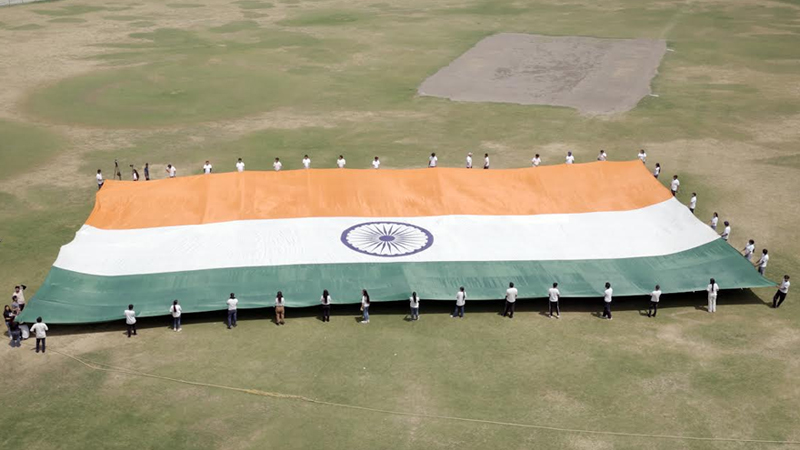
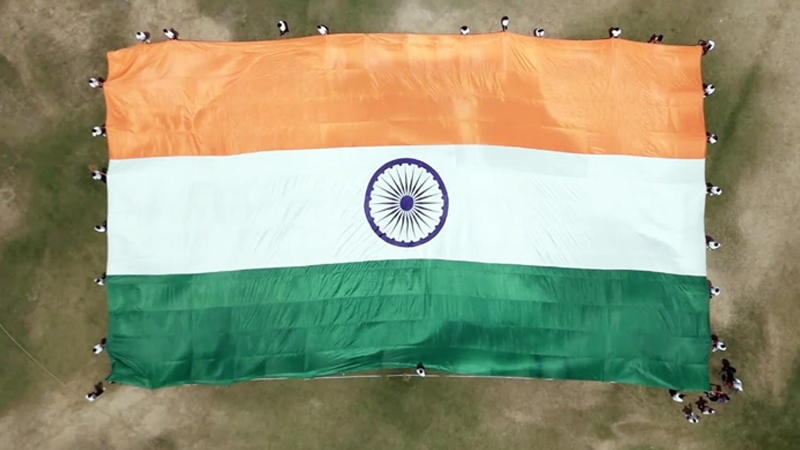
    MUMBAI: On a cricket field where sixes were smashed and fans chanted for centuries, a different kind of record took centre stage. Coca-Cola India has earned a spot in the Limca Book of Records 2025 for crafting the country’s largest national flag made from recycled PET (rPET) bottles—a sustainable salute that flew high during the ICC Men’s Cricket World Cup 2023.

    The eco-friendly tricolour, stitched from approximately 11,000 post-consumer PET bottles, made its debut at the tournament’s opening ceremony and fluttered proudly at every India match across 10 stadiums from 5 October to 19 November 2023. This showstopper wasn’t just about symbolism. It was a centrepiece of Coca-Cola India’s Maidaan Saaf campaign, aimed at advocating responsible waste management and nudging fans toward conscious consumption.

    Backed by Go Rewise and Ganesha Ecoverse Limited, the bottles were turned into Global Recycled Standard-certified yarn before being stitched into the vibrant flag. Alongside it, over 1,000 volunteers clad in rPET safety jackets took on the role of cleanliness champions. They fanned out across stadiums to educate fans on proper waste segregation while ensuring the stands didn’t look like post-match war zones.

    “This moment is not just about setting a record; it’s about reimagining possibilities”, said Coca-Cola India & south west Asia VP – public affairs, communications and sustainability Devyani Rana. “We extend our heartfelt thanks to our partners ‘Go Rewise’ who played a crucial role in creating the Recycled PET Flags, and to ICC for their invaluable efforts”.

    International Cricket Council CCO Anurag Dahiya called the recognition a ‘proud moment’, while Go Rewise founder Yash Sharma underlined the impact of innovative recycling, “It not only reduces waste but also gives rise to powerful symbols of unity and environmental responsibility”.

    The Maidaan Saaf campaign, launched in 2023, is part of Coca-Cola’s wider sustainability roadmap. It focuses on innovative packaging, integrating recycled materials, and boosting recyclability. The flag is both a literal and figurative banner of Coca-Cola’s packaging goals, which include ‘Design’ and ‘Partner to Collect’—strategies built to leave a lasting impact on communities while tackling India’s plastic problem.

    With the Limca Book of Records nod, Coca-Cola India has given a new meaning to making the nation proud—not just with cricket, but with conscience.

  • Coca-Cola India promotes sustainability at Maha Kumbh with ‘Maidaan Saaf’

    Coca-Cola India promotes sustainability at Maha Kumbh with ‘Maidaan Saaf’

    MUMBAI: The Maha Kumbh 2025 in Prayagraj, a historic gathering of millions, isn’t just about spirituality this year—it’s also taking a giant leap towards sustainability.

    Enter Coca-Cola India, whose ‘Maidaan Saaf’ initiative is not only cleaning up the grounds but also cleaning up its image (quite literally).

    Swachh Kumbh initiative

    In partnership with PHD Rural Development Foundation (PHDRDF) and the Prayagraj Mela Authority (PMA), Coca-Cola India is turning waste into wonders, proving that recycling is more than just a buzzword.

    From 21,500 jackets made of recycled PET bottles to women’s changing rooms crafted entirely from multi-layered plastic waste, they’ve taken trash and turned it into treasure.

    When was the last time your jacket had a backstory?

    At this year’s Kumbh:

    . 21,500 recycled PET jackets were handed out to sanitation workers, boatmen, and waste volunteers.

    .10,000 jackets for sanitation workers championing the Swachh Kumbh initiative.

    . 10,000 life jackets for boatmen ferrying devotees across the river.

    . 1,500 jackets for waste management volunteers.

    Swachh Kumbh initiative

    These jackets don’t just look cool—they’re a walking billboard for the potential of recycling.

    Who knew trash could look so chic?

    Privacy is golden, especially at an event hosting millions. Coca-Cola has installed 1,000 changing rooms made entirely from recycled plastic along a 12 km stretch of the river ghats. But these aren’t your average cabins—each room is a work of art, featuring designs by Aravani Art Project, Gaysi Family, and Priyankar Gupta.

    The aim? To make visitors rethink waste, one colourful illustration at a time. Plus, let’s not forget—these rooms are designed to be ventilated and, of course, Instagram-worthy.

    What’s more innovative than a regular dustbin? A Reverse Vending Machine (RVM). Coca-Cola has installed these at railway stations, food courts, and hotspots around the city. Toss your PET bottle in, and voila, you’ve contributed to recycling on the go.

    And for those needing hydration on their spiritual journey, hydration carts are placed every 400 metres, complete with waste bins and creative artwork that screams, “Recycle Me!”

    PHDRDF CEO Vivek Vyas summed it up perfectly, “This partnership with Coca-Cola India embeds sustainable practices into the heart of the Kumbh. It’s a benchmark for a cleaner, safer, and eco-conscious future.”

    Meanwhile, Coca-Cola India VP Devyani Rana added, “With Maidaan Saaf, we aim to show that discarded items can be transformed into valuable resources, uniting millions of visitors in a collective mission to reduce waste.”

    If faith can move mountains, can it also move trash? Coca-Cola India, alongside its collaborators, is making a bold statement: sustainability isn’t a side gig—it’s the main act. By turning one of the world’s largest gatherings into an eco-friendly wonderland, they’re setting a benchmark for future events.

    If Coca-Cola can turn its packaging into life jackets and changing rooms, what can you do with your waste?