Tag: Department of Consumer Affairs

  • Misleading ads: Govt moots proposal to penalise celeb endorsers

    Misleading ads: Govt moots proposal to penalise celeb endorsers

    NEW DELHI: “Strongly feeling” that misrepresentation of a product, especially a food product should be taken very seriously considering the influence of celebrities and high net worth individuals or companies, a Parliamentary Committee has proposed stringent provisions to tackle this as well as to fix liability on endorsers/celebrities.

    In its report on the Consumer Protection Bill, which was introduced in Parliament last year in August, the Parliamentary Standing Committee on Consumer Affairs said the existing laws are not deterrent enough to discourage manufacturers or publishers from using celebrities for misleading advertisements.

    However, a Group of Ministers that met yesterday here to debate the regulatory initiatives was undecided. Some of the ministers, according to government sources, were not sure how some provision of the Bill, if enacted into a law, could actually enforce penalties relating to celeb endorsers.

    The Parliamentary Committee has recommended that for first time offence, the offender may be penalized with either a fine of Rs 10 lakh and imprisonment up to two years or both, for second time offence a fine of Rs 50 lakh and imprisonment for five years, and for subsequent offences, the penalties may be increased proportionately based on the value of sales volumes of such products or services.

    At the outset, the Committee noted that several eminent public personalities or celebrities who are honoured with National Awards such as Padma Shri, Padma Bhushan and Bharat Ratna for excelling in various walks of life are often engaged as brand ambassadors for promoting various products and services.

    Such personalities are deployed to make advertisements “that are often misleading by making unrealistic claims” and consumers tend to believe such advertisements promoted by eminent personalities or celebrities blindly.

    However when the unfair trade practices are exposed, the celebrities are quick to disassociate themselves with the products/companies they were hitherto representing.

    The Committee wanted the definitions relating to misleading, false and objectionable advertisements under the provision 2 (41) (f) of the relevant Act to be clearly defined so as to avoid any ambiguity by evolving suitable code in this regard to be followed by the advertisers before releasing the advertisement in the print and electronic media.

    It agreed with the proposal of the Department of Consumer Affairs (DCA) that the words ‘electronic intermediary’ should have the same meaning as defined in Section 2 (i) (w) of The Information Technology Act 2000.

    The Committee said the words “endorsement” had not been included in the body of the Bill. In order to make the provisions of the Bill more inclusive, the Committee suggested that the DCA should insert a clause to incorporate the word “endorsement” in the definition of the Bill at the appropriate place(s). The word ‘endorsement” should also be clearly and comprehensively defined so as to leave no room for any misinterpretation and ambiguity, the panel observed.

    DCA proposed that definition of an advertisement may be modified to make it more comprehensive and modified as following: “2(1) `advertisement’ means any oral or written audio or visual publicity, representation or pronouncement made by means of any light, sound, smoke, gas, print, electronic media, internet or website and includes any notice, circular, label, wrapper, invoice or other documents”

    Secretary DCA informed the parliamentary panel that celebrities/VIPs supporting and advertising products without knowing anything about it has been taken care to a certain extent. In the unfair trade practices this concept has been included by making it clear that misleading advertisement is also an unfair trade practice. The definition of unfair trade practice clearly sets out what constitute unfair trade practice, including misleading advertisement.

    The Secretary stated that “when megastar Amitabh Bachchan endorses a product or Ms Hema Malini says ‘buy Kent RO’, rural people will feel that that RO must be very good because she is endorsing it. It is because the film stars or sportspersons nowadays have a certain level of credibility”.

    The Committee noted that in its 26th Report, it had envisioned a progressive instrument and urged the DCA to strengthen the (relevant) Act to enable effective interventions for consumer protection. The recurring theme in consumer protection has been the need to deploy effective measures to prevent unfair trade practices.

    Consumer markets for goods and services have undergone profound transformation since the enactment of the Consumer Protection Act in 1986. The modern market place contains a plethora of increasingly complex products and services. The emergence of global supply chains, rise in international trade and the rapid development of e-commerce have led to new delivery systems for goods and services and have provided new opportunities for consumers. Equally, this has rendered the consumer vulnerable to new forms of unfair trade and unethical business practices.

    Misleading advertisements, tele-marketing, multi-level marketing, direct selling and e-tailing pose new challenges to consumer protection and will require appropriate and swift executive interventions to prevent consumer detriment. There is a need for an executive institution, to make interventions when necessary, including through class action, to counter unfair trade practices. Simply put, there is need to modernise the Act to address the myriad and constantly emerging vulnerabilities of the consumer in the market economy extant.
  • Misleading ads: Govt moots proposal to penalise celeb endorsers

    Misleading ads: Govt moots proposal to penalise celeb endorsers

    NEW DELHI: “Strongly feeling” that misrepresentation of a product, especially a food product should be taken very seriously considering the influence of celebrities and high net worth individuals or companies, a Parliamentary Committee has proposed stringent provisions to tackle this as well as to fix liability on endorsers/celebrities.

    In its report on the Consumer Protection Bill, which was introduced in Parliament last year in August, the Parliamentary Standing Committee on Consumer Affairs said the existing laws are not deterrent enough to discourage manufacturers or publishers from using celebrities for misleading advertisements.

    However, a Group of Ministers that met yesterday here to debate the regulatory initiatives was undecided. Some of the ministers, according to government sources, were not sure how some provision of the Bill, if enacted into a law, could actually enforce penalties relating to celeb endorsers.

    The Parliamentary Committee has recommended that for first time offence, the offender may be penalized with either a fine of Rs 10 lakh and imprisonment up to two years or both, for second time offence a fine of Rs 50 lakh and imprisonment for five years, and for subsequent offences, the penalties may be increased proportionately based on the value of sales volumes of such products or services.

    At the outset, the Committee noted that several eminent public personalities or celebrities who are honoured with National Awards such as Padma Shri, Padma Bhushan and Bharat Ratna for excelling in various walks of life are often engaged as brand ambassadors for promoting various products and services.

    Such personalities are deployed to make advertisements “that are often misleading by making unrealistic claims” and consumers tend to believe such advertisements promoted by eminent personalities or celebrities blindly.

    However when the unfair trade practices are exposed, the celebrities are quick to disassociate themselves with the products/companies they were hitherto representing.

    The Committee wanted the definitions relating to misleading, false and objectionable advertisements under the provision 2 (41) (f) of the relevant Act to be clearly defined so as to avoid any ambiguity by evolving suitable code in this regard to be followed by the advertisers before releasing the advertisement in the print and electronic media.

    It agreed with the proposal of the Department of Consumer Affairs (DCA) that the words ‘electronic intermediary’ should have the same meaning as defined in Section 2 (i) (w) of The Information Technology Act 2000.

    The Committee said the words “endorsement” had not been included in the body of the Bill. In order to make the provisions of the Bill more inclusive, the Committee suggested that the DCA should insert a clause to incorporate the word “endorsement” in the definition of the Bill at the appropriate place(s). The word ‘endorsement” should also be clearly and comprehensively defined so as to leave no room for any misinterpretation and ambiguity, the panel observed.

    DCA proposed that definition of an advertisement may be modified to make it more comprehensive and modified as following: “2(1) `advertisement’ means any oral or written audio or visual publicity, representation or pronouncement made by means of any light, sound, smoke, gas, print, electronic media, internet or website and includes any notice, circular, label, wrapper, invoice or other documents”

    Secretary DCA informed the parliamentary panel that celebrities/VIPs supporting and advertising products without knowing anything about it has been taken care to a certain extent. In the unfair trade practices this concept has been included by making it clear that misleading advertisement is also an unfair trade practice. The definition of unfair trade practice clearly sets out what constitute unfair trade practice, including misleading advertisement.

    The Secretary stated that “when megastar Amitabh Bachchan endorses a product or Ms Hema Malini says ‘buy Kent RO’, rural people will feel that that RO must be very good because she is endorsing it. It is because the film stars or sportspersons nowadays have a certain level of credibility”.

    The Committee noted that in its 26th Report, it had envisioned a progressive instrument and urged the DCA to strengthen the (relevant) Act to enable effective interventions for consumer protection. The recurring theme in consumer protection has been the need to deploy effective measures to prevent unfair trade practices.

    Consumer markets for goods and services have undergone profound transformation since the enactment of the Consumer Protection Act in 1986. The modern market place contains a plethora of increasingly complex products and services. The emergence of global supply chains, rise in international trade and the rapid development of e-commerce have led to new delivery systems for goods and services and have provided new opportunities for consumers. Equally, this has rendered the consumer vulnerable to new forms of unfair trade and unethical business practices.

    Misleading advertisements, tele-marketing, multi-level marketing, direct selling and e-tailing pose new challenges to consumer protection and will require appropriate and swift executive interventions to prevent consumer detriment. There is a need for an executive institution, to make interventions when necessary, including through class action, to counter unfair trade practices. Simply put, there is need to modernise the Act to address the myriad and constantly emerging vulnerabilities of the consumer in the market economy extant.

  • New case filed against Nestle India in Consumer Court

    New case filed against Nestle India in Consumer Court

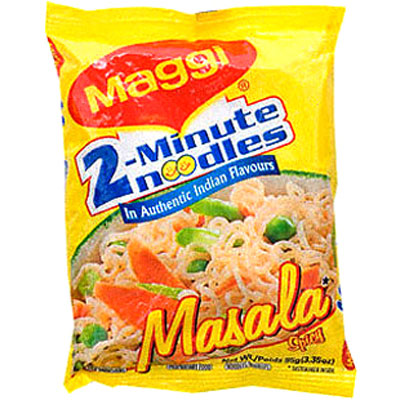
    NEW DELHI: Even after reports that Maggi Noodles have been found to be safe for consumption, a complaint has been filed against Nestle India in the National Consumer Disputes Redressal Commission (NCDRC) by the Department of Consumer Affairs on behalf of consumers of Maggi.


    The case has been filed under section 12(1)(d) of the Consumer Protection Act, 1986 in the National Consumer Disputes Redressal Commission (NCDRC) as class action suit on behalf of the large number of consumers of Maggi in the country on grounds of unfair trade practices, sale of defective goods and sale of Maggi Oats Noodles to the public without product approval.


    The complainant has sought a total claim of Rs 639.95 crore.


    This includes a sum of Rs 284.55 crore that the opponent company is liable to pay and a sum of Rs 355.40 crore as punitive damages on account of the gross negligence, apathy and callousness on the part of the opponent company. 

  • Portal launched to help consumers complain against misleading ads

    Portal launched to help consumers complain against misleading ads

    NEW DELHI: A three-tier system has been constituted by the the Department of Consumer Affairs (DoCA) to tackle the menace of misleading advertisements as part of its mission to address misleading advertisements and avoid unfair trade practices.


    DoCA has partnered with the Advertising Standard Council of India (ASCI) as an executive arm to process the incoming consumer complaints.


    Consumer Affairs, Food and Public Distribution Minister Ram Vilas Paswan today launched the web portal GAMA (“Grievances against Misleading Advertisements”) at the National Conference on Consumer Rights in New Delhi to help this mission.


    The collaboration will see joint efforts to evaluate and pass strictures against the violators. The six priority sectors that would be covered are agriculture and food, health, education, housing, financial services and e-commerce.


    The complaints will be evaluated across media including print, packaging, internet, outdoor, wall paintings, posters and billboards amongst others.


    The complaints of misleading advertisements received on GAMA portal (gama.gov.in), will be handled in a three level-system: first by ASCI, in case of non-compliance by a sub-committee headed by the Joint Secretary DoCA under Inter Ministerial Monitoring Committee (IMMC) and finally the concerned regulator will take action in case of persistent offenders.


    DoCA is also leveraging the network of Grahak Suvidha Kendra to make it easier for consumers in remote areas to complain.


    DoCA additional secretary G Gurucharan said, “The problem of misleading advertisements and the consequent unfair trade practices that arise is widespread – across sectors, mediums and geographies. DoCA’s partnering with ASCI is an important step in empowering self-regulatory bodies and demonstrating “More Governance – Less Government.”


    ASCI chairman Narendra Ambwani added“We are very happy to have been entrusted with this responsibility by DoCA. GAMA portal will be very consumer friendly as one can track the status of the complaints which he or she registered on this portal.”