Tag: Dentsu Creative

  • Dentsu Creative names John Mescall global chief creative partner

    Dentsu Creative names John Mescall global chief creative partner

    MUMBAI: Dentsu Creative has appointed John Mescall as its global chief creative partner, a move designed to sharpen the agency’s creative edge and align standards across markets.

    Based in New York, Mescall will work closely with Yasu Sasaki, Dentsu’s global chief creative officer, to strengthen creative craft, foster collaboration and integrate emerging technologies like AI into workflows. He will also focus on talent development across the network.

    “What drew me to Dentsu Creative is its deep belief in the power of creativity to drive meaningful impact,” said Mescall. “It’s rare to find a global organisation so aligned in purpose yet so attuned to the strengths of its local teams.”

    Mescall is one of advertising’s most decorated creative leaders. At Mccann Worldgroup, where he served as global executive creative director and president of its global creative council, he helped steer the network to Cannes Lions and Effie global network of the year titles. His career haul includes more than 100 Cannes Lions, eight of them Grand Prix, along with top honours at D&AD, One Show, Clio and beyond. Adweek has named him to its creativity 50, while Business Insider ranked him among the world’s top 10 most creative people in advertising.

    Dentsu Creative, global president, Abbey Klaassen said Mescall’s “ability to unite teams around a shared vision” will be key to scaling the agency’s creative impact. Sasaki added that his appointment reflects the network’s “commitment to transformative creativity that delivers cultural and business impact.”


  • Ashit Chakravarty joins Magiccircle as associate partner & COO

    Ashit Chakravarty joins Magiccircle as associate partner & COO

    MUMBAI: Ashit Chakravarty has been appointed associate partner & chief operating officer at Magiccircle. With a distinguished career spanning renowned global agencies, Chakravarty brings extensive experience in brand strategy, marketing, and business growth.

    Dentsu Creative appointed Chakravarty as managing partner & brand strategy & west, following key prominent roles at Dentsu Webchutney, where he advanced from vice president to executive vice president & growth & strategy. His expertise in forecasting, cross-functional management, & consumer behaviour has shaped campaigns for top brands.

    Leo Burnett, contract advertising, and Dentsu Aegis Network have also been part of Chakravarty’s professional journey, along with his role as head of brand marketing at Zopper.com. 

  • Sunaina Jairath joins RPG group as VP – group brand & communications

    Sunaina Jairath joins RPG group as VP – group brand & communications

    MUMBAI: Communications professional Sunaina Jairath has been appointed as vice president – group brand & communications at RPG Group. In her new role, she will oversee brand management, corporate communications, CSR, employer branding, and reputation management.

    Sunaina brings extensive experience to this role, with a career spanning over two decades across diverse industries, including corporate communications, policy advocacy, marketing strategies, and social impact campaigns. She has previously held senior positions at organizations such as Bencos Research Solutions, Cred, Aliaxis, and Dentsu Creative, where she contributed to building robust communication protocols, spearheading digital campaigns, and mentoring cross-functional teams.

    A graduate of Delhi University with a Postgraduate diploma in communication from Xavier Institute of Communication, Sunaina is known for her leadership, strategic acumen, and expertise in branding, stakeholder engagement, and market intelligence.

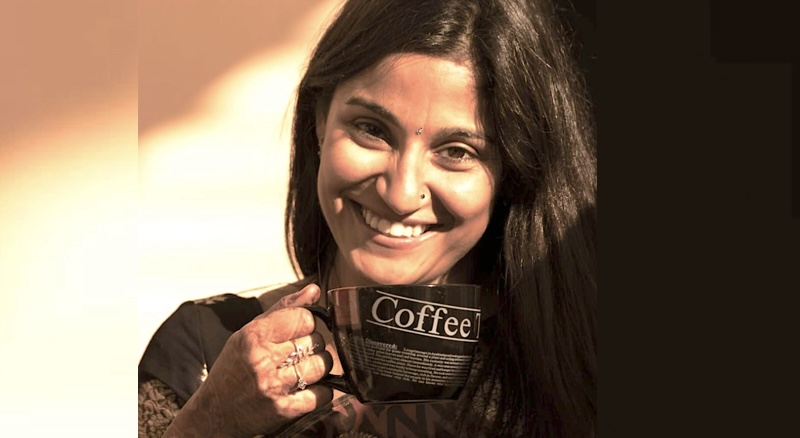
    A big Calvin & Hobbes fan, the first things she looks out for in any newspaper is the comic strip. of her favorite characters And of course she loves her cuppa – nothing like coffee to freshen her up.

    She expresses  her enthusiasm for the new assignment:  “Excited to join RPG Group and contribute to its legacy through impactful branding and communications strategies.

  • Dentsu Creative charts trends marketers need to look out for in 2025

    Dentsu Creative charts trends marketers need to look out for in 2025

    MUMBAI: It’s a complicated world we are living in today what with rapid digitalisation changing the way we interact with our individual selves, others, our evolving consumption habits, and the way we view culture, technology, society and money.

    To make some significant sense of the forces impacting today’s cultural, economic, and technological landscapes, Dentsu Creative recently launched its 2025 Trends Report, Fragment Forward.

    The report draws from insights across the agency’s global network, showcasing actionable opportunities for brands to engage in a more culturally sensitive, connected, and inclusive world. Each trend is accompanied by case studies and detailed sub-trends, equipping brands with the knowledge they need to navigate a market where consumer priorities are continually evolving.

    A quick run through it, reveals that the world is getting increasingly fragmented where shared experiences and aspirations are growing scarcer, shaped by long periods of isolation, the cost of living crisis and of course, a fragmented media landscape. The report asks not only what brands and businesses need to win in the age of the algorithm, but what humans need to thrive in a world where old certainties are crumbling, and new possibilities are emerging.  

    It highlights that technology advances, yet quality of life has not kept pace, leaving younger generations unable to meet the same milestones and aspirations as their elders. Some find promise in the expanding “passion economy,” while others seek comfort by embracing traditional values and practices. Older generations embrace miracle drugs, “silver start ups” are booming, while younger generations are impatient to get started, questioning the value of a conventional education. In an unpredictable future, many prioritise the now, the moment, the vibes; embracing personal wellbeing, simple pleasures, and financial freedom over constant striving. Overall, we are seeing old certainties crumbling; the certainties of life’s milestones, of generational norms, of the societal ties and spaces that connect us. New possibilities are emerging – from virtual communities to AI companions – but may be imperfect substitutes for a sense of our shared humanity – and responsibility.

    Fragment Forward explores five trends shaped by the age of the algorithm, examining the implications for brands, businesses and individuals and exploring both timeless human desires and their most timely and trending expressions.
     

    The good enough life in numbers

    The  first trend is The Good Enough Life – Redefining what it means to live well in a world where old milestones are less achievable, and shared aspirations are fewer. Research by Deloitte revealed that almost two-thirds of young people believe that owning their own home will be a challenge, while 47 per cent of millennials feel that starting a family is out of reach, In some cases this leads to angry protests and social unrest – such as the housing protests that sprang up across Europe in 2023 and 2024 – as young people grapple with an acute sense that the social contract that promises every generation the ability to progress has broken down. For others the response is at worst a sense of resignation, at best a re-evaluation of what a life well-lived means, and whether an alternative definition of success, one that prioritises well-being and personal fulfilment, may be possible.

    The passion economy is having a transformational effect on the future of employment, as more and more individuals embrace a freelance existence, develop their own business or find ways to monetise their passions. 45 per cent of millennials in the US are freelancers, while 60 per cent of young people in the UK want to start their own business. 

    Within this, Dentsu Creative has identified three sub-trends. The first sub-trend is  Saving for now: Whereas previous generations saved for the future, younger audiences today are saving for trips, treats, and the freedom to live on their own terms. Travel has emerged as a high priority.  

    The second sub-trend is complex consumption. What this shows up in is the trend to use what you have and encourage others to do the same by showcasing your “good-enough” old items. It follows other nudge-based trends that seek to normalise not spending like “loud budgeting” and “de-influencing”.  

    The third sub-trend  has been defined as  rest is radical.  This is now reverberating across the generations. The FIRE (Financial Independence, Retire Early) movement – which encourages a frugal approach in your younger years to fund early retirement, travel and well-being – has been gaining pace for some time, in contrast to the “save for now” trend.
     

    The togetherness deficit

    The second major trend is the Togetherness Deficit – the fragmentation of media, long periods of lockdown and a cultural shift towards remote working have contributed to a “togetherness deficit” around the world. People are exploring the new technologies, experiences and narratives emerging in their  attempts to reignite a lost sense of togetherness.

    The first sub-trend under this  is craving companionship. People are willing to go any lengths  to get that connection with someone who can be their companion or lover.

    The desire for togetherness has  triggered  a  second sub-trend which is Nostalgia is so now. Many are showing a fondness, a desire for a time when cultural references were simpler and more collective. A report from Ipsos and the Effies, by Samira Brophy and Rachel Emms, shows that 44 per cent of people in Great Britain agree that “given the choice I would prefer to have grown up at the time when my parents were children.” While data in the same report shows that utilizing aspects of a brand’s heritage in advertising provides an 8 per cent bump in brand attention.

    The third  sub-trend is connected communities. At the heart of our desire to come together in a fragmented world is the rise of online communities of shared passion and interest. In fact, nearly 80 per cent of people say that the most important group they belong to operates online.In some cases, these online communities spill over into real-world connection: community-based sports such as park runs, and team sports such as netball and football are booming in popularity versus solitary gym workouts. Book clubs are hugely popular, on and offline, accelerated by the #booktok phenomenon.
     

    THe generation blur

    The third major trend is Generation Blur: A world where old generational boundaries are much less accurate predictors of attitudes, behavior, or affinity.  In 2025, attitudes and behaviors will become less predictable and more fluid across generations. A recent study from Ikea reveals that age is no predictor of affinity or connection, showing that 21 per cent of us find a sense of belonging from shared values versus just 11 per cent  who feel that belonging results from being part of a similar age group.

    Gen Alpha (born early 2010s-2025) will constitute the largest generation – some two billion  individuals by 2025 – with surprisingly mature tastes and sophisticated digital understanding. Gen X and Boomers, the most valuable but perhaps the most under-valued generation, are re-defining what it means to be middle (or old) aged, maturing on their own terms and resisting stereotypes.

    We see a shift in familial responsibility – in the west caring responsibilities are falling heavily on the “sandwich” generation – whilst traditionally dutiful young adults in developing economies seek to carve out their own identity beyond the family unit.

    In some cohorts, gender is becoming a greater determinant of attitudes than age or generation. Recent data shows a stark contrast between the attitudes of young men and young women around the world. Data reported in the Financial Times shows a 30 percentage point gap between young men and women’s liberal vs conservative worldviews in the US and Germany. Similar patterns appear internationally. 

    Younger generations are also turning back to religion and spirituality to manifest better fortune in an uncertain world, where the usual routes to success aren’t delivering as they once did. In India, young people are returning to temples whilst in China, traditional rituals are being digitised for a new generation. The Buddhist and Taoist ritual of knocking on wooden fish has been translated into an app-based version. Within this trend we see a huge blurring of interests and attitudes across  the sub-trends.

    The first of these sub-trends is The new Old age: Gen X and the Baby Boomer generation boast the greatest spending power  yet their commercial influence is routinely overlooked by marketers. Mature audiences and savvy brands are reframing conversations around what it means to ‘age.’

    The second sub-trend is Learning the Alpha-bet: By 2025 Gen Alpha will be the biggest generational cohort, reaching two billion people. While, as we note, generational cohorts may be becoming less and less relevant, there is no denying that is a group who are more technically sophisticated, and more demanding in their purchasing behaviours than their elders. “95 per cent  of their parents learn about brands from them” while “49 per cent of parents’ purchasing decisions were influenced by their child’s opinion” according to a study by DKC. Exposure to online content and advertising is driving an accelerated maturity and with it challenges for brands to navigate responsibly such as Gen Alpha’s obsession with luxury skin-care and the rise of the “Sephora Kids.”

    The third sub-trend is The Blended Home: By 2030, one in six people in the world will be aged 60 years or over (WHO, 2024)25 while birthrates are dropping around the world. An ageing population has created a cohort who are simultaneously raising children and caring for their own ageing parents. In response, Sweden has introduced a grandparental “maternity leave” to help even out responsibilities. Amazon is introducing term-time only working options to help with childcare.

    Curioser and curioser

    The fourth major trend is that we are getting Curiouser and Curiouser –With all the world’s content available at the touch of a button, consumers are exploring compelling stories across culture and languages. A meeting of global cultures is generating access to a dynamic and enriching kaleidoscope of new content, codes, perspectives and aesthetics.

    We live in paradoxical times, where the world’s information is at our fingertips but the channels and platforms we access it through can make us feel as though we’re wading through a highly polished sea of sameness. This sparks a hunger and curiosity for all things different, authentic and unexpected.

    The first  sub-trend we are seeing in this is Fandom is going beyond borders. Where brands in the past focused on local relevance, we now see many seek to re-energize familiar brand stories by mobilising international communities and passion points.

    The second sub-trend is Cultural fluency: Foreign language films and series continue to accelerate within streaming platforms in English speaking markets. Research firm Ampere (July, 2024) found that regular viewing of non-English-language TV shows and movies has increased by 24% among 18- to 64-year-olds in the UK, US, Australia, and Canada in the past four years.

    The third sub-trend is Paths less traveled  : In 2024 we have seen an unprecedented backlash against over-tourism motivated by a desire to prevent strains on local infrastructure, preserve local dignity, reduce antisocial behavior and resist the commoditization of a culture, city or landmark. This has opened up wider conversations about what we are seeking when we travel and what “off the beaten track” looks like in a world where every view and landmark has its own Instagram following.

    Algorithms and blues

    The fifth major trend Dentsu Creative has identified is Algorithms and Blues. In a world where every piece of content we see and every product we buy has been shaped and recommended by powerful algorithms and crafted by AI, brands face a dual challenge. The newsfeed, all too often, is a sea of sameness; similar content with similar design cues targeting similar audiences. To cut through, brands must understand how to make the algorithm work for them, not against them, which means hacking a complex combination of signals and variables, from recency to reach to popularity. But the AI assisted platforms we’ve built to drive efficiency can compound the problem if not blended with craft and distinctiveness.

    Navigating the algorithmic era means every piece of content must perform; not always by driving conversion, but by driving visibility; sending the right signals to the algorithms that determine whether our content surfaces in the feed, or must pay a higher and higher premium to interrupt.

    A sub-trend that is emerging from this is Running on Vibes:   In a polarised and often confusing world, “vibes” have replaced facts as the driver of public opinion, political affiliation and purchasing behaviours. While deeply irrational, consumers instinctively trust the vibes. Economist Kyla Scanlon coined the phrase “vibecession” back in 2022, now widely adopted by politicians and financial institutions to explain how perception of poor economic performance lags reality.

    The second  sub-trend  is Binge-snacking content: As the boundaries between content and commerce become ever more blurred, only a fraction of content’s cultural and commercial value lies in traditional views. Younger generations are just as likely to watch in bite-sized chunks on social media, enough to be part of the conversation without committing to an entire episode. Viewers admit to watching series or movies in minute-long clips on TikTok or Instagram; a highlight reel approach to popular culture where contemporary hits jostle alongside Gossip Girl, Sex and the City and Friends for attention.

    The third sub-trend under this is  AI everywhere:  AI generated content has shifted from a quirk to something deeply embedded in how we search, consume content and present ourselves to the world in a matter of months. Yet while Gen AI has made it easier for brands to generate SEO-friendly content at pace, it has also created new challenges.

    The Dentsu creative leadership also gave their views on what the report has tried to achieve and what lessons we can learn from it as we go in to 2025. Hear them out:

    Abbey Klaasen Yasu Sasaki

    Dentsu Creative global brand president Abbey Klaassen: 

    “Winning in the age of the algorithm means winning an outsized share of culture, not just a robust share of voice. Our work with Nutter Butter, for example, understands how to hack the weird and wonderful side of internet culture to revive the fortunes of a 55-year old cookie brand. The challenge brands face in the age of the algorithm is that it is very easy for all highly optimised content to start to look the same – so when we think about the efficiency AI brings us we also need to blend AI-assisted production with craft and brand distinctiveness. Our work with Adobe is helping brands make AI work for them, rather than contributing to a sea of sameness.”  

     Dentsu Creative global chief creative officer Yasu Sasaki:

    “As a creative, I’m constantly looking to the future, but inspired as well by the craft and beauty of the past. Some of the most innovative projects we’ve been involved in combine leading edge technology with the simplest and most human impulses; like Hugtics, a project that enables users to give themselves a hug. Or the “Upcycling Possibility” project which combines the traditional art of Kintsugi with circuitry and electronics to create an entirely new drinking experience.”  

    Pats McDonald Amit Wadhwa

    Dentsu Creative global CSO Pats McDonald:

    “As we look around, we see a world where marketers and innovators are using all manner of tactics to try to engineer the sense of togetherness we once perhaps took for granted. From innovative wearables to social experiments to the power of nostalgia, there is a huge drive to fill what we call the “togetherness deficit”. Which provides a huge challenge, and opportunity for the industry; to create ideas and platforms that connect brands to culture, businesses to customers and communities to one another.” 

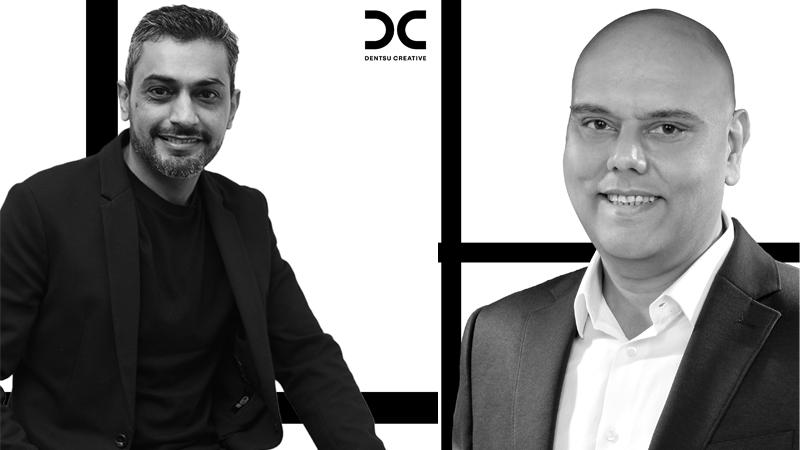
    Dentsu Creative chief executive officer south Asia Amit Wadhwa:

    “In an age where technology and culture intersect at every turn, the 2025 Trends Report captures the evolving ways people live, connect, and define themselves. From reimagining what a fulfilling life looks like to navigating the ever-blurring lines between generations, these trends reflect a world in flux—one where shared aspirations are fewer but possibilities are endless. As we confront the challenges of algorithms shaping content and a growing togetherness deficit, the report offers insights into how brands, businesses, and individuals can thrive. It reminds us that while technology drives change, it’s human creativity and connection that will ultimately shape the future.”

  • Global digital agency Dept brings in David Neal as CFO

    Global digital agency Dept brings in David Neal as CFO

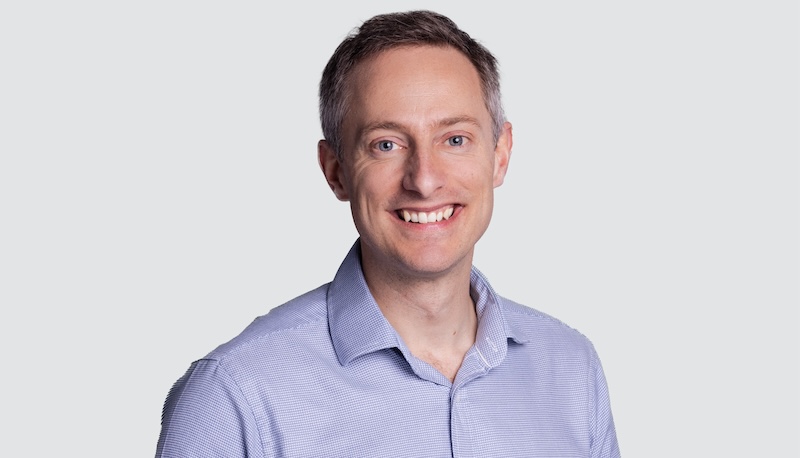
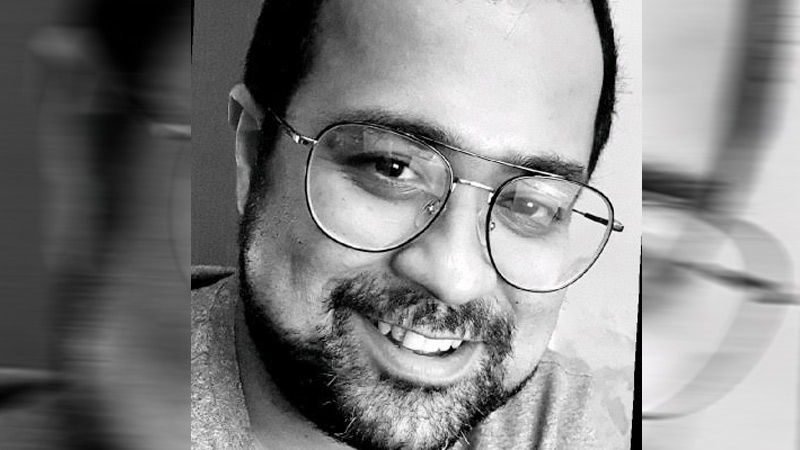
    MUMBAI: He is getting on board to get to the depth of finance in tech and marketing services agency Dept.  Former global CFO for Dentsu Creative and Tag, David Neal has joined the close-to-30-year old digital agency as its new global chief financial officer (CFO). In this role, David Neal will bring together the global finance and operations team at Dept, driving innovation and streamlining processes by positioning finance as a strategic partner to the business.

    “During my conversations with the leadership team and colleagues, I was invigorated by the energy and ambition within Dept,” said Neal. “I realised this is a place where we can do things differently. I hope to transform finance into a true strategic partner, providing insights, analysis, and driving commercial growth.”

    David brings substantial experience as a chief financial officer, with a proven track record in the marketing and advertising sectors across south and southeast Asia and global leadership positions.

    In his new role, David will  be based in London. He will leverage his extensive background to redefine the finance department as a strategic ally within Dept, enhancing collaboration with other business units—especially operations, and people & culture. Neal has been mandated to  harness the potential of AI to transform financial processes, fostering a culture of relentless curiosity and innovation.

    “At Dept,  we’re all about keeping innovation at the core of everything we do. By bringing our finance and operations teams closer together, we are merging two key business areas to drive strategic growth. David will help us unlock new opportunities and ensure that innovation remains at the heart of everything we do,” says Dept global CEO Dimi Albers.

    Neal is stepping into the role as Mickey Kalifa moves on after two years with the company. 

    In the past two years, the company has welcomed seven agencies and achieved remarkable growth, with revenues increasing by over 200 per cent. This impressive performance is heavily supported by its AI services; currently, 50 per cent of its global revenue is AI-enabled. Dept continues to set industry standards as a B-corp-certified agency. It works with top-tier brands like Google, KFC, Philips, Audi, Twitch, Patagonia, and eBay, has offices in 30 countries and employs close to 4,000 digital specialists.

  • Dentsu Creative launches ‘Future Mandala’ in India

    Dentsu Creative launches ‘Future Mandala’ in India

    Mumbai: Dentsu Creative, a global network within the Dentsu Group that consolidates various creative, digital, and branding agencies, has introduced ‘Future Mandala’ in India. This tool is designed to provide brands with insights and foresight to innovate and develop new business ecosystems. Originally developed by Dentsu Tokyo in 2011, the tool has already made an impact in global markets and is now set to guide Indian brands toward sustainable growth and market leadership.

    Unlike traditional trend reports that offer limited insights, Future Mandala provides a deeper understanding of socio-economic shifts, third-party research, and demographic trends. It delivers brands a blueprint to stay ahead of the market by identifying opportunities for product innovation and developing communication platforms and business models. This dual capability enables businesses to anticipate changes and take decisive action.

    Dentsu Creative South Asia CEO Amit Wadhwa emphasised that understanding the future is essential to shaping it. Future Mandala helps brands move beyond short-term trends and focus on long-term innovation. It reflects Dentsu’s commitment to “Innovating to Impact” by helping clients lead the market with strategic clarity.

    Dentsu Creative India chief strategy officer Sumeer Mathur added that the tool assists marketers in understanding how current trends will influence the future. It helps shape business ecosystems, from product development to consumer communication, providing an actionable roadmap for the next five years. Drawing on data from government reports, industry insights, and trends, Future Mandala enables brands to drive innovation in a changing economy.

    Offered as a premium service to Dentsu’s clients, Future Mandala has a proven track record of driving business transformation globally. Developed by experts including Takuya Kagata of Dentsu Consulting Inc., it equips Indian brands to be future-ready and achieve long-term growth.

  • Dentsu Creative India appoints Nikhil Kumar as managing partner (West)

    Dentsu Creative India appoints Nikhil Kumar as managing partner (West)

    Mumbai: Dentsu Creative, the creative agency network of Dentsu India, has announced the appointment of Nikhil Kumar as managing partner (West)

    As per the mandate, Nikhil will be responsible for leading the West region, with a focus on growth and creative excellence & will be reporting to Indrajeet Mookherjee, President, of Dentsu Creative.

    Dentsu Creative is evolving by expanding beyond creative solutions to provide end-to-end marketing consultancy. It embraces Creative tech in both thinking and execution, going beyond traditional art and copy domains.

    Nikhil’s appointment aligns with the agency’s recent transformation, combining digital experts and brand specialists for seamless integration with media, CX, and data.

    Nikhil joined Dentsu Creative from Publicis Groupe, where he was an EVP and business head for a few key mandates. He has over 16 years of experience within the M&A industry. And has championed a few marketing roles in the initial stages of his career before transitioning into specialized fields of the agency ecosystem. Including P&L management, business consultancy, brand strategy, shopper science & even digital excellence.

    Speaking on the appointment, Indrajeet said, “The West will play a pivotal role in driving sustained growth & glory for the agency and we are certain with Nikhil’s past expertise across diverse functions of the marketing realm, he has the right ambition and attitude to take us on this journey ahead. We welcome him to our family and wish him the best in his current & future endeavours.”

    Nikhil added, “Dentsu Creative has been a formidable leader in its craft & has historically challenged the paradigm of what’s conventional. With its impeccable pool of talent & teams, I’m looking forward to this responsibility of collaborating and steering the agency in a direction that benefits our partners and us equally.”

  • Dentsu Creative India & Posterscope launch  #SCANASWASTIK campaign for Samco Securities

    Dentsu Creative India & Posterscope launch #SCANASWASTIK campaign for Samco Securities

    Mumbai: Dentsu Creative, the creative agency, and Posterscope, the OOH agency from dentsu, have partnered to introduce an innovative campaign for Samco Securities, one of India’s leading online stockbrokers. The campaign, titled #ScanASwastik, promises to redefine the Muhurat trading experience and change the way people perceive the sacred Swastik symbol.

    As Diwali approaches, the tradition of decorating homes with the Swastika symbol is a well-known practice in Hindu households. This symbol represents the promise of good fortune and prosperity, closely intertwined with the much-anticipated Muhurat Trading during Laxmi Pooja. Samco’s logo itself resembles a Swastika, making this campaign an ideal platform to embrace and promote this symbol of prosperity, particularly during the auspicious Diwali and Muhurat Trading period.

    At the core of this innovative campaign lies an Augmented Reality (AR) filter. When pointed at any Swastika symbol, this filter performs a magical transformation, granting users access to valuable trading tips and insights on stocks to consider during Muhurat Trading. Additionally, it displays a unique message, offering motivation and guidance for individuals in their trading decisions during this auspicious period. The AR filter’s goal is to streamline Muhurat Trading for all by providing instant, expert guidance, empowering people to make well-informed trading decisions effortlessly with Samco.

    To raise awareness about the significance of Muhurat Trading and shed light on the hidden aspects that revolve around it, Dentsu Creative India has also crafted a captivating digital film. Through this film, the brand encourages individuals to delve deeper into their understanding of Muhurat Trading, prompting a thoughtful discussion about this crucial financial tradition.

    Samco

    Samco Securities CGO Ajay Dusane said, “We are excited to introduce our Muhurat Trading campaign for Diwali, blending tradition and innovation. Our Web AR filter will make this festive season unforgettable. With a Swastika-inspired campaign, an important element of our brand logo, our AR filter simplifies trading for all, offering expert guidance. We are addressing the need for guidance in Muhurat Trading, using the Swastik to simplify and enhance the experience for our users’ wealth creation journey.”

    Posterscope India managing director Imtiyaz Vilatra commented, “We have teamed up with Dentsu Creative to bring a revolutionary idea for Samco Securities, using technology to amplify the significance of Muhurat trading. Our innovation, linking the Swastik with Samco, showcases the timeless tradition of auspicious Mahurat trading moments. Together, we celebrate the spirit of prosperity.”

    Dentsu Creative India executive creative director Giamaria Fernandes and Posterscope India creative director Hassnain Kurreshi added, “Emphasizing the significance of Samco’s logo, which resembles a Swastik, we recognized a unique opportunity to embrace this symbol of prosperity. Particularly with Diwali and Muhurat Trading approaching, we conceived the idea of an augmented reality (AR) filter. This AR filter allows users to scan any Swastik and gain access to valuable Muhurat Trading insights, eliminating the need to seek advice from others. In doing so, it simplifies the process of prospering with Samco, providing traders and others with convenience and empowerment during this auspicious time.”

  • Spikes Asia announces its jury presidents

    Spikes Asia announces its jury presidents

    Mumbai: Spikes Asia, APAC’s most prestigious and sought-after award for creativity and marketing effectiveness, has announced today that submissions are open for 2024, in addition to revealing the jury president line-up.

    2024 sees the highest number of markets represented across the 13 industry experts, which are: Australia, Mainland China, India, Japan, New Zealand, the Philippines, Singapore, South Korea and for the first time, a Taiwan-based agency. Dentsu Creative, Taiwan chief creative officer Alice Chou who will preside over the direct and outdoor juries, said: “Spikes Asia is a pivotal creative platform in Asia, and I’m very honoured and thrilled to be representing the first Taiwan-based agency on the Jury President line-up. In this era of profound change, old orders crumble, new platforms emerge, everything is undergoing reinvention. As technology advances, creativity must embrace human wisdom to connect with people, spark conversations, and invite them into this wonderful playground, and take action in the direction we envision. At this moment, as we’re still capable of reshaping the present, I hope to see more remarkable works uniting people and weaving a shared vision of the future we desire.” The Jury Presidents will convene in Singapore with their Juries next year to set the benchmark for creative excellence in APAC for a 37th edition.

    Spikes Asia has also announced changes to the 2024 Awards. New for 2024 are the Gaming Spikes, which will celebrate creative work that connects people to brands through gameplay. Submissions will need to demonstrate how brands successfully tapped into complex gaming communities and seamlessly added real value to the overall gaming experience, while driving commercial success.

    Inaugural jury president of the Gaming Spikes, Octopus&Whale, the Philippines founder & CEO Joey David Tiempo commented: “Being the President of the Entertainment, Music, and Gaming Jury at Spikes Asia is a tremendous honour, especially with the exciting addition of the Gaming Spike in 2024. Gaming has evolved into a cultural force, infusing its creative potential into marketing that connects with dedicated communities around the world. It’s thrilling to witness this alongside the groundbreaking strides in entertainment and music. Asia’s longstanding dominance in gaming is finally being recognized – a testament to the incredible talent and innovation thriving in this dynamic region. Let’s embrace the future of creativity!”

    Other changes include the strategy & effectiveness Spikes evolving into the creative strategy spikes, celebrating the idea behind the idea and highlighting how strategic planning has the power to reshape a brand, transform its business and shape consumer behaviour. The Media Spikes has been refreshed, with a dedicated section for media agencies and the Mobile Spikes has been retired to reflect how mobile-led creativity has been expanding into almost every Spike. More information on the Awards can be found here.

    The Spikes Asia 2024 Jury Presidents have been named as:

    Brand experience & activation, creative commerce, glass: The award for change, integrated and Grand Prix for good jury president: McCann Worldgroup, APAC, chief creative officer, Valerie Madon.

    Creative data and innovation jury president: EssenceMediacom, Mainland China, chief digital officer, Mandy Hou

    Creative effectiveness and creative strategy jury president: DDB Mudra Group, India, CEO and MD Aditya Kanthy

    Design and industry craft Jury president: TBWAHAKUHODO, Japan, chief creative officer, Takahiro Hosoda

    Digital Craft and Social & Influencer Jury President: Cheil Worldwide, Global, Global Creative Director, Jax Jung

    Direct and Outdoor Jury President: Dentsu Creative, Taiwan, Chief Creative Officer, Alice Chou

    Entertainment, Gaming and Music Jury President: Octopus&Whale, The Philippines, Founder & CEO, Joey David Tiempo

    Film Jury President: Special, New Zealand, Founder, Tony Bradbourne

    Film Craft Jury President: FINCH, Australia, CEO, Rob Galluzzo

    Healthcare Jury President: BrandCare Asia, India, Executive Creative Director, Lyndon Louis

    Media jury president: Publicis Groupe, APAC, Chief Solutions Officer, Sapna Nemani

    PR jury president: Ogilvy Public Relations, APAC, president, Asia, Emily Poon

    Print & publishing and radio & audio jury president: BBDO, Singapore, creative chairman, Guan Hin Tay

    Commenting on the Jury President line-up, LIONS CEO Simon Cook said: “The Jury Presidents have a vital role to play in upholding the integrity of the Spikes Awards, as well as setting the creative benchmark for the industry in APAC. We’re excited to welcome a record number of markets to the Jury President line-up for 2024 and we wish them luck

    for the important task ahead of them. The introduction of the Gaming Spikes is an exciting evolution of the Awards and our belief is that this Award will offer a new benchmark, and shine a spotlight on creative work that sits at the intersection of brands, creativity,

    gaming, customer experience and communities.”

    Event registration is now open, and entries into Spikes Asia are being accepted until 1 February 2024.