Tag: Dentsu Aegis Network

  • Virtual Fireside Series: A week of exploring the new world order in the marketing space

    Virtual Fireside Series: A week of exploring the new world order in the marketing space

    NEW DELHI: The world of advertising and marketing is going through a massive transformation as the new normal of the pandemic-era syncs in. A business that was based on millions of face-to-face meetings and gazillions of group discussions has gone digital almost completely. Now client relationships are being built across screens and internal meetings are getting virtual. A sea change in consumer behaviour is also expected as they learn to live on bare essentials. 

    All this has been leading to a change in client behaviour too. There is a more than ever increased focus on digital mediums, traditional mediums are expected to transform, and the changing consumer sentiments are leading to great creative transformations too. The publishers are also reworking on their strategies. 

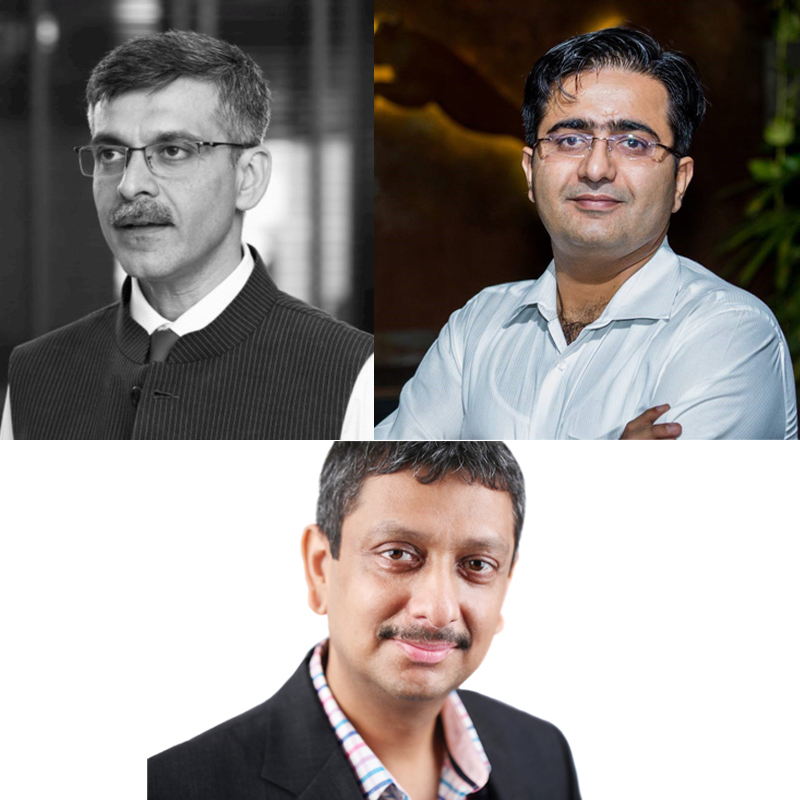
    To understand this new order of the marketing and advertising world, Indiantelevision.com will be hosting a series of fireside chats with the stalwarts of the industry, who will be answering some interesting questions by our founder CEO and editor-in-chief Anil Wanvari. The audience will also get a chance to directly interact with the speakers as the discussions will be live on our social media channels and website. 

    Starting today, the first live discussion will have Bennett Coleman & Co Ltd president-response Partha Sinha giving an overview of the print and digital publishing industry. It will go live at 6:30 pm and you can register for the same here.

    The next discussion scheduled for tomorrow 4:00 pm is with Zee Entertainment Enterprises Ltd chief growth officer advertisement revenue Ashish Sehgal. Register here

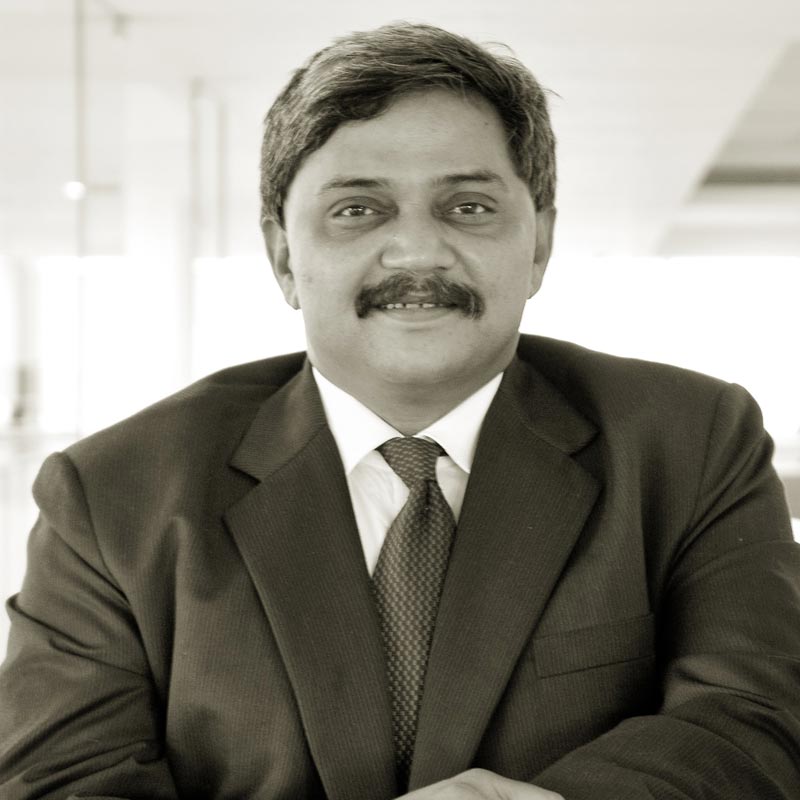
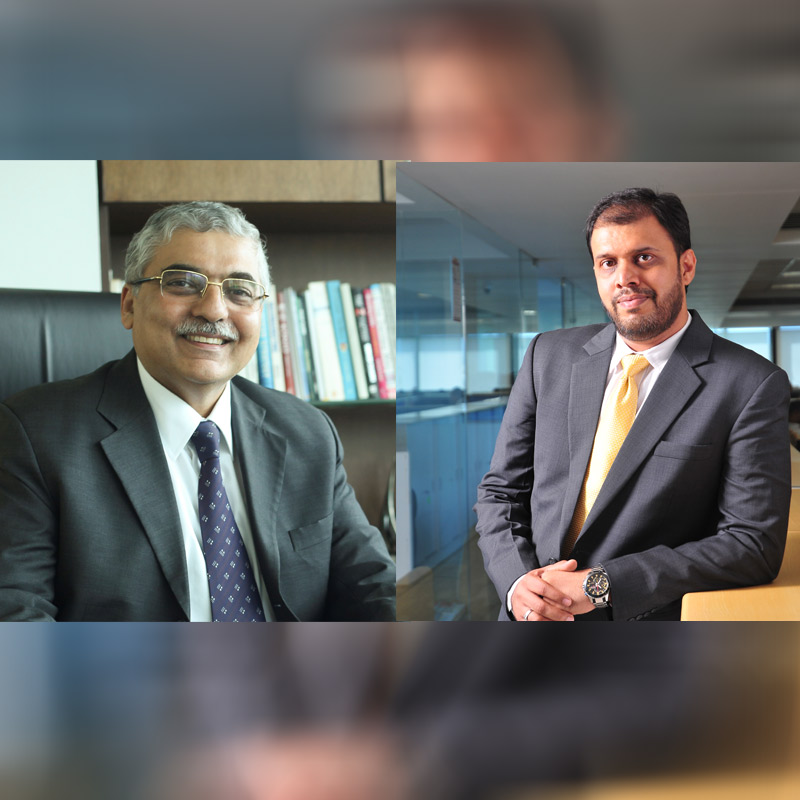
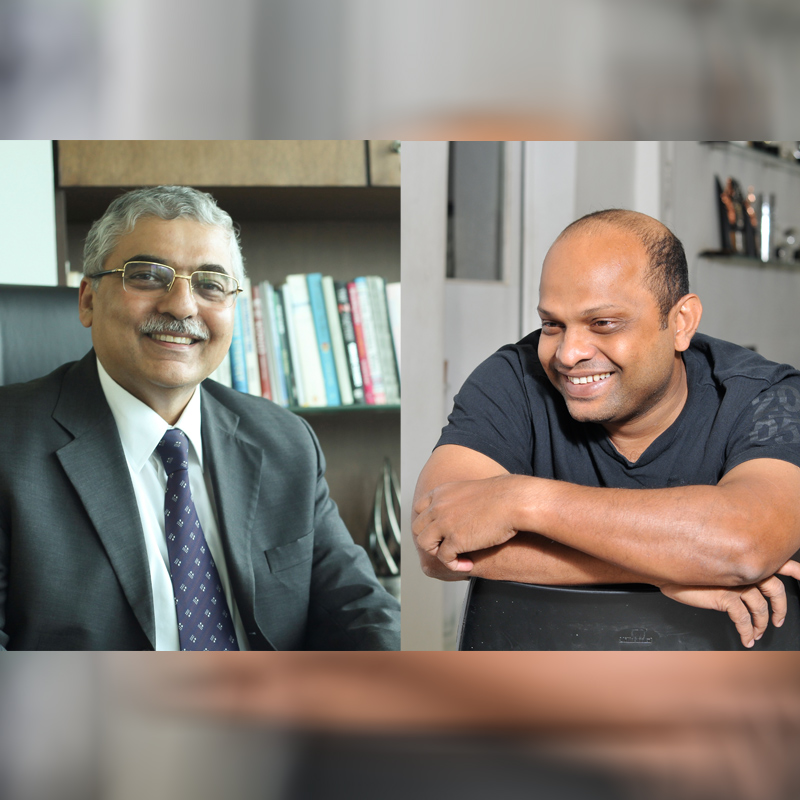
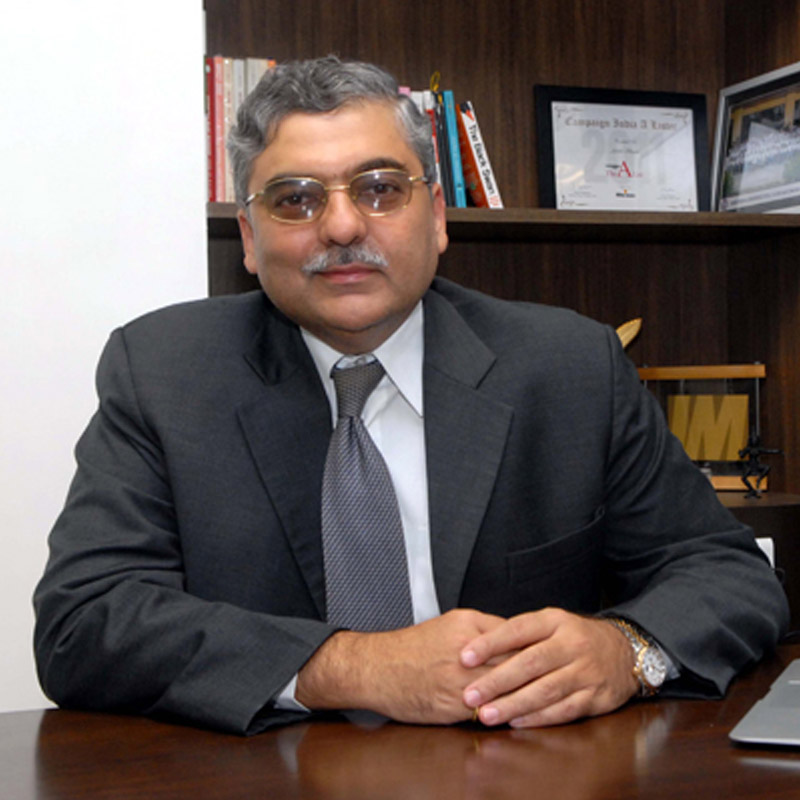
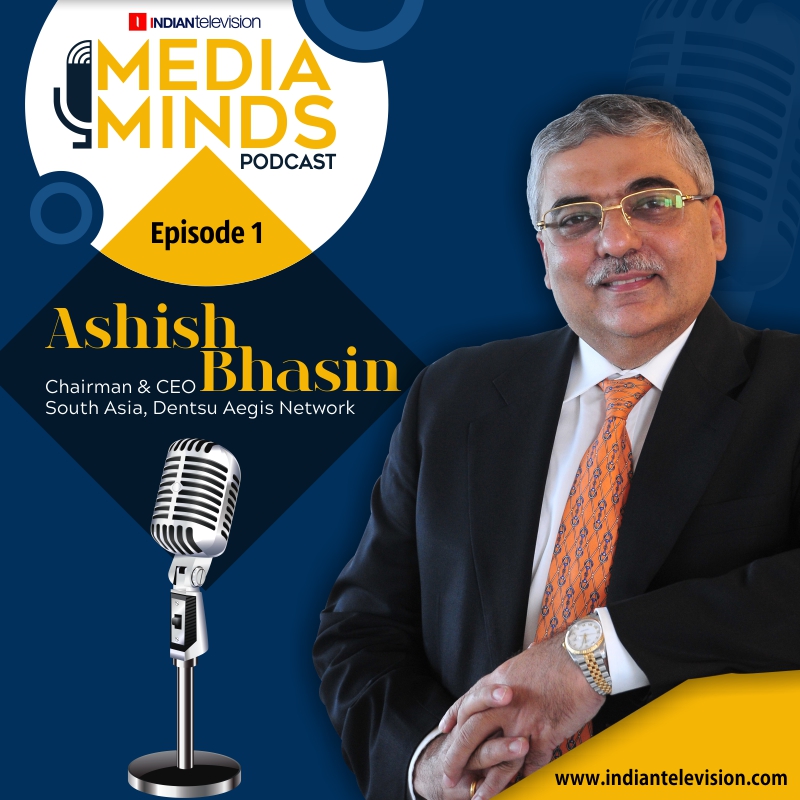
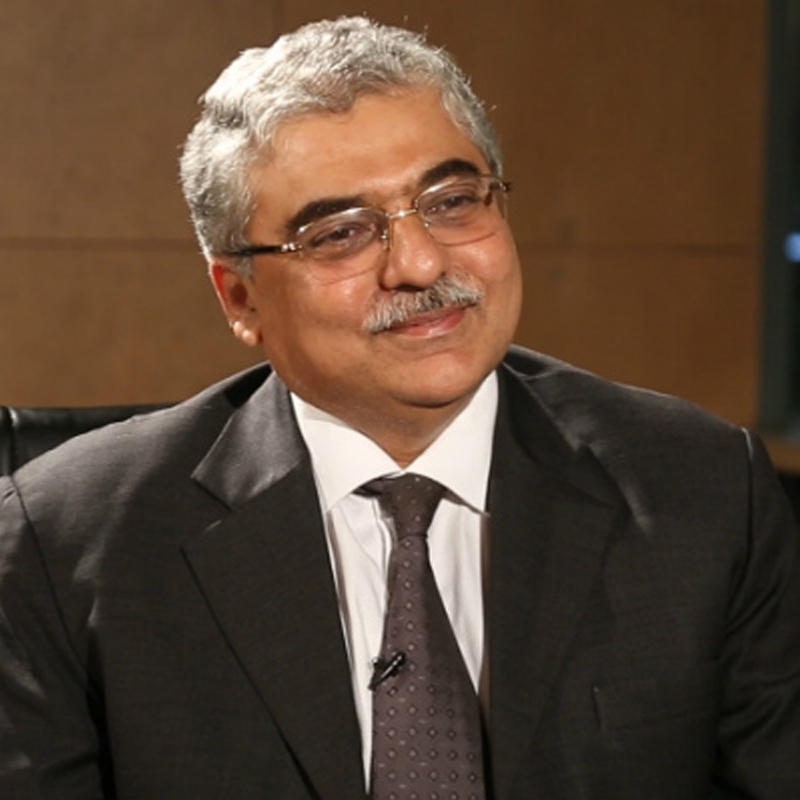
    On 2 September, we will be going live with Dentsu Aegis Network CEO APAC and chairman India Ashish Bhasin who will highlight the global perspective along with Indian market sentiments. You can register for the 11:00 am live here.

    The last episode, going live at 5;00 pm on 3 September will feature IPG Mediabrands CEO-India Shashi Sinha giving an extensive insight into the Indian market and changing scenarios. 

    Keep watching this space for more information. 

  • Facebook celebrates the power of people coming together to support one another in the next phase of its consumer marketing campaign for India

    Facebook celebrates the power of people coming together to support one another in the next phase of its consumer marketing campaign for India

    India, August 01, 2020: Facebook today launched the next phase of its consumer marketing campaign in India – ‘More Together’, to showcase how people across the country can do more together by harnessing the power of their connections on the platform – even more so in the current situation The latest campaign is inspired by real stories and celebrates the people who came together in these trying times to help and support one another.

    As a part of Facebook’s priority of transparently communicating the role its services play in the world, the ‘More Together’ campaign showcases stories that celebrate and highlight the power of connections. The campaign includes four 30 second films featuring young parents, grandparents, two roommates and a doctor and depicts how they found support through their connections to help each other during these extraordinary times.

    Speaking about the campaign, Avinash Pant, Director-Marketing, Facebook India, said, “At the core of this campaign is our brand belief that people can do more together than alone. Over the last several months, all of us have seen and heard many stories of people across India that have been the embodiment of this idea. People who were once strangers, connected with one another through Facebook, and together addressed many challenges that have surfaced in recent times. Through this campaign, we are shining a spotlight on the real stories that have inspired us, and hope more and more of our consumers will recognise that people are indeed each other’s best resources. Sometimes all you need to do is reach out to the world”.

    The core campaign has been conceptualized and executed by Taproot Dentsu, the creative agency from the house of Dentsu Aegis Network (DAN) India. As part of the campaign, Facebook will leverage the power of its platform extensively to bring stories to life and has partnered with Dentsu WebChutney to craft the creative strategy and communication across digital and social  media.

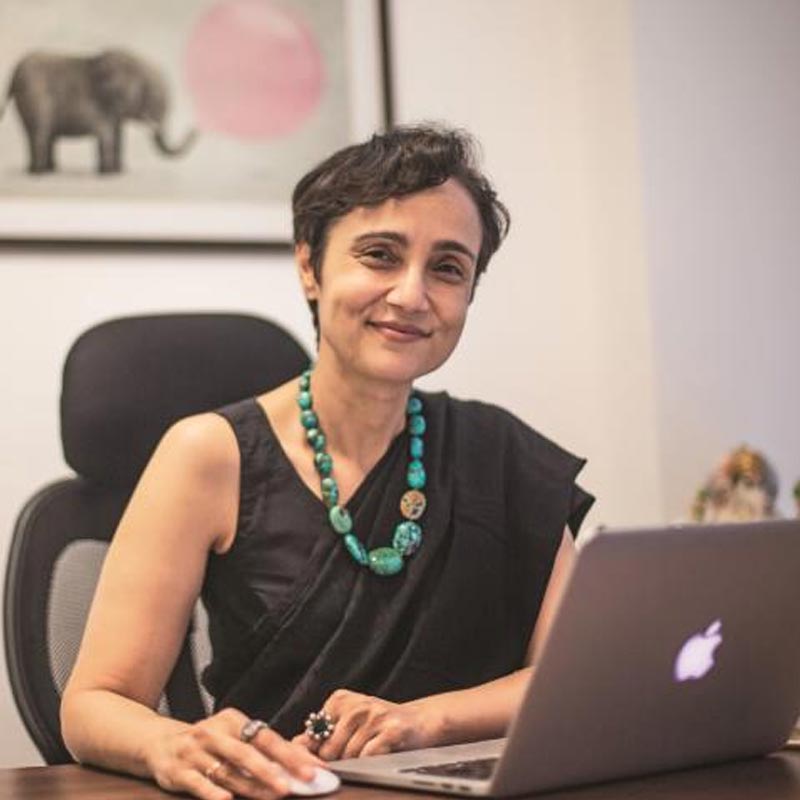
    Talking about the inspiration behind the campaign Pallavi Chakravarti, Executive Creative Director, Taproot Dentsu explains, “When it came to looking out for each other in the months gone by, we found that Facebook was a vehicle. People were the fuel. This is the simple truth the campaign tries to capture. When times are tough, we truly can do more together than we can alone.”

    Agency credits:

    ●        Co-Founder, Taproot Dentsu and Creative Chairperson, Dentsu Aegis Network India: Agnello Dias

    ●        Co-founder and Chief Creative Officer: Santosh Padhi

    ●        Chief Executive Officer: Umesh Shrikhande

    ●        Executive Creative Director: Pallavi Chakravarti

    ●        General Manager: Ayesha Ghosh

    ●        Head of Strategic Planning: Shashank Lanjekar

    ●        Senior Creative Director: Neeraj Kanitkar

    ●        Group Head (Copy): Gauri Burma

    ●        Account Supervisor: Ana Iman

    ●        Associate Vice President: Radhika Sabherwal

    Film credits:

    Equinox Films

    ●        Director: Sandeep Modi

    ●        Executive Producer: Manoj Shroff

    ●        DOP: Mikhaeil Shah

    ●        Production Designer: Anna Ipe

    ●        Directors Assistant: Nisarg Vaidya

    ●        Costumes: Maiti Shahani

  • mcgarrybowen India launches latest report ‘The New Darwinism’

    mcgarrybowen India launches latest report ‘The New Darwinism’

    NEW DELHI: mcgarrybowen India, the creative agency from the house of Dentsu Aegis Network (DAN), has launched its latest report, ‘The New Darwinism’. The report uses creativity to paint a world of the future and attempts to predict how human beings will behave once the lockdown is rolled back. 

    ‘The New Darwinism’ is one of its kind understanding of the future through the lens of the present. It enables brands to be prepared for the new behavioural forces of the world, making them easily accepted by their consumers. The report builds on the idea of post-Covid2019 transformations, changing lifestyles, new work culture, and brand revolutions.

    Some of the key behavioural trends highlighted in the report are:

        Travel will focus on unwinding and chilling. It will not focus on exploration and discovery of the unknown as people will look towards the comfort of the known. The choice of destination will not be governed by just the quest for the unseen but will be guided by cities/places that have good support infrastructure and bigger hotel chains, which can guarantee safety. Experimenting with local, authentic cuisine in a restaurant at a remote part of town will change to trying out food at safety-certified big restaurants. Since people will be wary of traveling, staycations will rule over vacations.

        Comfort will seep into the realm of Fashion and Beauty industry as consumers will be less guided by external validation and focus more on what they really like. Party wear will get replaced by more comfortable house party ranges. Fashion may see a rise of the new work from home wear, clothes that are multi-functional, activewear and people might focus on affordability. There will be a resurgence of themes like national pride and sustainability because the pandemic has led to a collective realisation of working in harmony with each other and our surroundings. DIY (Do it yourself) beauty products will see more adoption as will ‘do-good’ products rather than ‘look-good’ products.

        For malls and cinemas, restrictions will be the new freedom that people will seek. Restricted seating, restricted tickets/passes and focus on more pre-packaged food at theatres will be asked for. The movie-going occasions will be creatively created as most of the movie releases have been delayed or pushed to next year. Japanese, Korean and International film festivals will be driving the theatre queues as will the replaying of marquee 3D and IMAX based films to bring back the lure of the theatres.

        The need for entertainment is going to redefine the home space. The interest in Smart TVs, Firestick, Chromecast, Xbox and Bluetooth speaker is going to intensify.  When it comes to the durable category, kitchen appliances will get a facelift with consumers spending more time in the kitchen and experimenting with food. Hence, oven, microwave and water purifier might get traction, as will durable categories that drive convenience like vacuum cleaners and dish washers.

    mcgarrybowen president Nishi Kant said, “We are living in interesting times. The future of Indian businesses is going to be defined and shaped by what we are going through. So, we thought instead of discovering it when it happens, why don’t we start imagining how it will look like. We wanted to create a playbook that brands across different categories can use.”

    mcarrybowen India general manager Pragati Rana added, “We had a lot of fun while coming up with this report. Not only did we consider the present, we wanted to emphasise on the future and create something that brands, and businesses could put to use.”

  • Dentsu Aegis Network names Nishi Kant as new president for mcgarrybowen India

    Dentsu Aegis Network names Nishi Kant as new president for mcgarrybowen India

    NEW DELHI:  mcgarrybowen India, the creative agency from the house of Dentsu Aegis Network (DAN), has named Nishi Kant as its new President. Prior to this, Kant was EVP and ranch head, Dentsu Webchutney, Delhi and Mumbai. In his new role, Kant will spearhead the agency across its three offices in Delhi, Mumbai and Bangalore. He will continue to report into Sidharth Rao, chairman, mcgarrybowen India & Dentsu Webchutney.

     Sidharth Rao said, “In my 15 years of work experience with Nishi, I have seen him grow into a business leader par excellence from a mighty creative resource. He has successfully led Dentsu Webchutney’s offices in Delhi and Mumbai. mcgarrybowen holds a great legacy globally and I welcome him to instill his values and lead the team, nationally. I firmly believe his insights will enhance the company’s brand value and empower potential growth.”

    Nishi Kant added, “I am honoured and energised by the opportunity to assume the leadership of mcgarrybowen India in the midst of these challenging times. I have deep respect for all the work that has taken place to transform mcgarrybowen as a global creative powerhouse. I am looking forward to working with our talented team and group leaders over the coming years to create a truly integrated agency. Together, we will capture the next wave of growth for mcgarrybowen India by remaining laser-focused on serving our clients, crafting efficient creative work, and providing the best career experiences to our people.”

  • Dentsu Aegis Network adds Dentsu India CCO portfolio to Soumitra Karnik

    Dentsu Aegis Network adds Dentsu India CCO portfolio to Soumitra Karnik

    NEW DELHI: Dentsu Aegis Network (DAN), the global media & marketing communications conglomerate, has now entrusted Soumitra Karnik, currently chief creative officer (CCO) at Dentsu Impact and mcgarrybowen India, with the additional charge of CCO, Dentsu India. He will assume this role for Dentsu India, the full-service agency headquartered in Bangalore, with immediate effect, and will report into DAN India creative chairman Agnello Dias.

    Under the expanded mandate, Karnik will lead Dentsu India’s creative output nationally and will be responsible for maintaining and amplifying a robust client-agency relationship for the agency across its offices in Bangalore, Mumbai, Chennai and Kochi. 

    Agnello (Aggi) said, “I have known Soumitra for many years now and he is the sort of guy you could go to war with. Nothing fazes him. I have seen him take on the most absurd challenges with a happy fascination at having found a new puzzle to solve. He has that rarest of attributes in a creative person – his creative stamina, and I am sure he will go on to do more than justice to his new extended role.” 

    Karnik said, “Keeping the big-sounding designations aside, I am the same hungry and relentless creative person that I have always been. Lately, I find a lot of people from the industry complain about the prevalent diminishing standards and mediocrity everywhere; and while I am certainly not going to deny this, I also believe that the only way out of it is to roll up our sleeves, put our heads down, and get to work. That is exactly what we did when we were giving shape to Dentsu Impact a few years back. We won a lot of good clients and did a lot of good work which won us a battery of awards nationally and internationally. I am fortunate to have worked very closely with some great clients and some amazingly talented team members. Without the support of both, consistently producing good work is just not possible. With the mandate and the freedom to build a strong creative culture at Dentsu India, what I now have is an incredibly exciting challenge and an opportunity – all rolled into one.”

    DAN India  chairperson creative line of business Narayan Devanathan said, “Soumitra and I have been partners in crime for close to nine years now, and I couldn’t be happier to have him now also lead the creative mandate at Dentsu India. Over the years, Dentsu India has grown to be one of the most stable partners any client could ask for. With this solid foundation, I’m sure Soumitra will help the agency scale new heights with a creativity-first approach.”

    Soumitra joined the network in 2012, playing a key role in the resurgence of the group’s creative reputation. Prior to that, he was an ECD at JWT. In over 11 years spent there, he worked on a variety of clients, including Pepsi, Airtel, Nestle and Hero Honda. Karnik has also worked at Lowe and Percept. Among his notable campaigns are ‘Pepsi Yeh Hai Youngistaan Meri Jaan’, Slice Aamsutra, ‘Yaari Ki Gaadi’ for Hero Honda Splendour NXG, and the ‘What Makes Us Click’ Campaign for Canon, to name a few.

  • WATConsult finds 70% of internet users to access in local languages by Dec 2020

    WATConsult finds 70% of internet users to access in local languages by Dec 2020

    MUMBAI: WATConsult, the globally awarded hybrid digital agency from the house of Dentsu Aegis Network (DAN) India, under its market research division –Recogn, has unveiled its latest report on ‘Digital, Diverse & Multilingual India’. The report maps digital content consumption patterns of Indian users across local and regional languages. It also shares an in-depth analysis of the users’ preferences inside the Indian demography.

    Over the past few years, internet usage behaviour has changed tremendously with more users accessing the internet in their respective languages. Also, whilst most Indians are well-versed in at least two languages, it is observed that they are more comfortable accessing information in their local dialects. Consequently, a variety of digital solutions along with mobile and internet applications have recently been introduced in several local languages to cater to such consumer demands.

    This report, therefore, brings afore the digital content consumption patterns of these users across categories such as music, video streaming, and short-and-long-format content, amongst others. For a deeper understanding of the audience, the report has further segmented them into categories like functional users, casual users, students, etc.

    Below are the key findings of the report: 

        By December 2020, WATConsult estimates that close to 70% of all internet users will access the internet in their local languages.

        A majority of Indians prefer watching content around food, entertainment and education in their local language.

        Video content on technology, gadgets, fashion, and sports are preferred to be consumed in English.

        57% of the audiences watch online videos several times a day. YouTube is the most used application to watch and consume online video content, followed by Hotstar     and JioTV.

        There has been a great transition in the music streaming market with the advent of global players like Spotify, YouTube Music, and others. The audiences prefer     listening to music in their local or regional languages because it builds an emotional connect.

        While browsing on social media platforms, more than one-fourth of the users like to consume content related to memes, videos, images, etc. in their local language.
        More than one-fourth of the users feel that the search results in their local language is inaccurate.

        43% of the housewives feel that there are limited options to choose the language on online shopping websites. Lack of this local language feature does not result in a suitable experience that the customer is looking for.

    Speaking on the report WATConsult CEO Heeru Dingra said, “The report brings across a plethora of interesting data that can be further useful for stalwarts across industries. Since India is a diverse country with multiple languages and dialects, we believe that it is extremely important to approach consumers in the languages they prefer. While it is a mammoth challenge to process and train all the data for so many different languages, the insights presented in the report would benefit marketers significantly in chalking their way ahead.”

    The report can be viewed on: (https://www.watconsult.com/watinsights/local-language/)and is available for download at Rs. 999.

    Follow Tellychakkar for the consumer facing news & entertainment

  • iProspect India, Essilor launch #SeeGoodDoGood campaign

    iProspect India, Essilor launch #SeeGoodDoGood campaign

    MUMBAI: As the world struggles amidst the COVID-19 lockdown, many brands across sectors have stepped up to empower their workforce including the international ophthalmic optics company, Essilor. To lend support to its staff during these weary times,
    Essilor has partnered with iProspect India, the digital agency from the house of Dentsu Aegis Network (DAN), to launch the #SeeGoodDoGood campaign. For the record, Essilor is a French spectacle lens manufacturing company and ranks #1 in spectacle lens production,
    worldwide.

    Executed by iProspect India, #SeeGoodDoGood is an initiative by the brand to support the livelihoods of the sales staff at optical stores. The agency’ is assisting Essilor to disseminate the brand’s first-of-its-kind initiative in the optical industry across India, digitally. It is
    pertinent to note here that the agency’s Bengaluru office assisted to churn out supportive communication pieces for the campaign.

    Through the 8-week-long campaign, the brand intends to reach out to its customers and urge them to stand up for those who are currently in desperate need. For every Essilor lens purchased, the brand is contributing 3% of the proceeds to the sales staff at the stores
    where the purchase was made.

    iProspect India branch head – South Krishna Kumar Revanur said “Digital medium is helping brands to communicate during such difficult times. We are happy to partner with Essilor on their latest campaign.”

    Essilor CEO – South Asia Maarten Geraets added, “By leveraging the digital medium, we want to reach out to the ones affected by the pandemic and help as many as possible.  #SeeGoodDoGood campaign is one of our several initiatives that is meant to support our partners in trade to relaunch themselves post the Covid-19 crisis. The campaign will help the stores revive and support their staff as we drive more footfalls to the store. We are all together in our efforts to fight the current crisis and everyone – brand or an individual – need to help and support each other.”

  • The HR role in a post-pandemic world

    The HR role in a post-pandemic world

    MUMBAI: As we look forward to a post-Covid2019 world, minus any lockdown restrictions and worries about the virus, how will companies deal with the scenario? Indeed, the world will never be the same again. How will then companies cope in such a changed world? The human resources (HR) personnel will have the cardinal duty of ensuring seamless business operations and employee welfare. Assessing the new requirements of the office as well as employees will be the immediate task.

    Indiantelevision.com spoke to media and advertising industry heads to understand how their HR heads are preparing for the post-Covid2019 world.

    Townhalls and virtual meet-ups are the common ways to ensure people feel connected to each other. DDB Mudra Group EVP and head-HR Rita Verma and Dentsu Aegis Network head HR business partner – south Asia Sunil Seth say that open and honest communication has been the way to tackle stress.

    “Everyone is juggling their own unique personal living situation, so offering people some flexibility in work schedules and encouraging them to take time off, if they feel overwhelmed, has been critical. We’ve offered physical fitness sessions, virtual meditation, tips to manage stress at work and home. The idea is to help people tackle whatever roadblock they may be facing in a given week,” says Verma.

    On the other hand, #ARM Worldwide co-founder and COO Abhishek Punia says that Covid2019 has taught the importance of mental health. “Psychologically, people will have fears in their mind and by providing them with a safe and clean environment, with all sanitisation and hygiene measures in place, we can instil confidence in their minds,” he says.

    To tackle stress, Logicserve Digital created an online chat room, virtual tea-time session where employees can share stories, dance sessions, pet meetup, meditation sessions and money management sessions.

    TheSmallBigIdea co-founder and CEO Harikrishnan Pillai says that there is a tendency to get deeply engrossed with work and forget that we are humans who are used to interacting with many individuals but now confined to the walls of our homes. “We have encouraged managers to keep speaking with the team members, especially ones staying away from the family or the ones who are new to the organisation,” he says.

    As green zones have slowly started resuming operations, companies will now have to deal with an increased focus on health and wellness and in some cases, paranoia. Companies agree that checks such as using sanitizers or washing hands frequently, thermal scanners, compulsory wearing of masks, reminders to maintain social distancing will have to be taken. Additionally, pre-sanitisation, as well as frequent cleaning, will need to be incorporated as new measures. Another requirement will be to maintain physical distance between employees when they work as well as in spaces like lounges or cafeterias.

    After health measures come flexibility, which most companies will now undertake if they haven’t yet already. The next step is to create batches of employees and divide them into shifts if they are called on the premises.

    Seth says that there will be no change in shifts. Verma adds that common work hours have been found to be fruitful. “Not everything is solved through a company policy alone, but largely through office culture and ours is seen in the continued good work our teams are doing,” she says.

    Godrej & Boyce Mfg has planned for business scenarios and rosters of employees who are required to come to work and which work could be carried out from home. It is also encouraging the use of personal vehicles.

    Logicserve Digital head – HR Anshuman Misra says that they are in no rush to bring the workforce back to the office since flexible policies are already in place. He is considering flexi-working and flexi-timing with a greater focus on results than efforts.

    While most companies are encouraging people to travel using their personal vehicles, if possible, The Visual House founder and CEO Deepmala says that carpools will be encouraged only after considering the health and safety of everyone involved. Similarly, TheSmallBigIdea is considering non-peak-hour travel to ensure minimal contact.

    AGENCY09 culture manager Archita Arekar says that they are mentally prepared for another six months and the HR team is working on a new policy post-Covid2019 that favours work flexibility and employee safety.

    Elderly people have to be extra cautious about the Covid2019 virus. Companies that employ older people need to take extra care. While DAN has a majority of millennials, elderly employees will be advised to continue to work from home until enough measures in the external environment allow them to travel to office with full safety. Same is the case with Logicserve; the company will also be cautious with those who have kids or senior citizens at home or those with health conditions.

    The HR department will play a prime role in ensuring the wellbeing of employees in the new era. This will include creating new policies, structures and measures. There will be a nuanced approach to employee health, safety and wellbeing.

    Verma says that HR will take a health-first approach with lesser crowds and more virtual engagement. Productivity matrix will also be a key focus. Different functions will be analysed and their ways of working will be looked into. Reskilling, restarting and realignment will be the newer approach, according to her. “But the lens through which we will continue to look at our policies will remain, i.e., empathy; to come out of this as healthy and strong as possible,” she adds.

    According to Seth, organisations, where HR practices were strong, will see no difference. However, the HR horizon will require to be widened from the perspective of the psychological and emotional needs of employees. “It will further need a strong configuration in terms of leadership and management. It may also require certain investments to offer in terms of coverage on health, emotional and financial benefits to the employees,” he says.

    As a consequence of the pandemic, companies have started focusing on intensive hygiene practices as a daily routine. Misra says, “Once the lockdown is lifted, HR’s role will be even more crucial and important as the personnel have to continually ensure the health safety and wellbeing of all employees while being aligned with the organisational goals.”

    On the other hand, Pillai says, “In times like these, our HR department has played a crucial role in keeping the teams connected, formulating policies and helping in smooth operations along with the admin team. HR teams will need to be on top of the game as we might be looking at a workforce that won’t meet every day but still need to be kept motivated.”

    HR heads have a lot on their plate right now and going forward, they will have to ensure strong measures that will enable their employees to be at their productive best.

  • Digital advertising saw 24 per cent growth in 2019 : FICCI-EY report

    Digital advertising saw 24 per cent growth in 2019 : FICCI-EY report

    MUMBAI: Despite headwinds, India’s importance in global advertising increased in 2019. The forecasted 2020 growth rate of 11 per cent for India is more than twice the average rate of the top ten countries, according to FICCI-EY 2020 report. As per GroupM, India became the eighth largest ad market in the world in 2019, up from tenth largest in 2018. It contributed the third most to incremental ad spends in 2019 after the USA and the UK.

    Dentsu Aegis Network CEO APAC and chairman India Ashish Bhasin said, “India will be the fastest growing major market in the advertising world over the next five to 10 years. We are in a unique situation in India where all media will grow, albeit at very different rates, over the next five years, with digital leading the charge and print continuing to grow relatively slow. The pace of change, the omnipresence of mobile and the preponderance of voice, video and vernacular will dominate the Indian advertising scenario for the next five years.”

    While overall advertising spends grew, there was a marked slowdown during the latter half of 2019 due to fears of economic slowdown. With advertising and events reaching Rs 878 billion in 2019, it was a considerably tough year for traditional advertising.  Growth rate of traditional advertising (television, print, OOH, radio) fell because of print and radio, where both saw over five per cent degrowth for the first time.

    However, digital saw a growth of 24 per cent, the highest among all.

    Marketer ad spend sentiment saw a dip in 2019 with only 47 per cent of marketers increasing their marketing spends in 2019 as compared to 66 per cent in 2018. However, 17 per cent of marketers kept the spending constant or reduced them.

    The dip in the ad spend in 2019 can largely be attributed to the New Tariff Order and resultant revision in ad rates, coupled with a sluggish auto-sector and a slowing economy in the second half of the year.

    Although marketers’ future outlook seems more optimistic, 39 per cent of the respondents feel positive about the economy. They believe that the ad spends will grow in 2020. This appears to be corroborated by initial signs witnessed in January 2020, which indicated an expansion in both manufacturing and services sectors, with services activity hitting a seven-year high and manufacturing PMI at an eight-year high.

    However, supply chain disruptions due to the novel coronavirus could again dampen ad spends.

    Havas Media CEO India and South East Asia Anita Nayyar says, “More than the NTO or any other factor, it is COVID-19 that is impacting the ad spends. There is a lot of caution on ad spends in the market. The current fiasco in the banking sector is just adding fuel to fire. Advertisers are waiting and only undertaking crucial spends.”

    Digital advertising continues to be the fastest growing platform in the country. As per the report marketers will continue to grow their digital advertising budgets.

    37 per cent of marketers allocated five to 10 per cent of their ad spends on digital advertising. Meanwhile 50 per cent of the marketers had begun spending over 10 per cent of their total spends on digital advertising.

    Out of the total marketers surveyed 82 per cent are expected to grow spends on digital by over 10 per cent during the next two years.

    The top priorities for Indian marketers’ in 2020 include direct-to-consumer (D2C) market. More than one in five respondents in the US plans to make 40 per cent or more of their purchases from D2C companies.

    As per the survey, India is not far behind D2C interaction being a leading priority, right after improved RoI on spends. According to an estimation, 100 D2C brands have already launched in India.

    Amidst the growth witnessed in the digital ad industry, continuous incidents of fraud are a matter of concern. However, the worry of ad fraud seems to have reduced in 2019 with 30 percent as compared to 34 per cent in 2018. The report states that despite the risk of ad fraud in digital industry 56 percent of the respondents in 2019 increased their spending as compared to from 45 per cent in 2018.

    The FICCI EY report suggests that the budget for influencer marketing in India is going to increase. Over 72 per cent of Indian firms are planning to increase their spending on social media influencers, big and small, in 2020. However, the report mentions that it hasn’t taken into account the impact of Covid-19 so the estimate is pre-Covid era.

    Digital platform has opened new avenues for content creators. Consumers will look for content and ads that take up less time. According to a recent survey by Vuclip, 85 per cent viewers preferred short-form video content (i.e., short films/ videos of 10 minutes) on smartphones. The report predicts that the demand for short-form content will increase several times in 2020.