Tag: Den

  • From Couch Potatoes to Content Creators: Hathway & Den reel it in

    From Couch Potatoes to Content Creators: Hathway & Den reel it in

    MUMBAI—Move over, television executives. The inmates are about to take over the asylum—or at least, the broadcast.

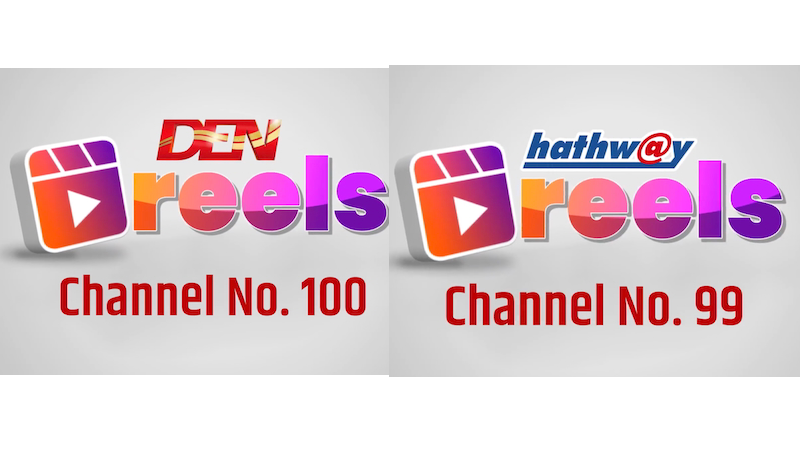
    Cable television multiservice operators Hathway and Den have launched an experiment that could rewrite the rulebook of broadcast media. Their new platform, Hathway/DEN Reels, is turning content creation and  its broadcast on its head – viewers are creating content which is being packaged and shown on a specialised service on Hathway channel no 99 and on  Den channel no 100. 

    Launched on 18 March, Hathway Reels and Den Reels  have already captured the imagination of wannabe performers nationwide. In just five days, over 1,000 user-generated reels have flooded in—a deluge that suggests a deep hunger for democratised stardom.

    “This isn’t television as we know it,” says an industry observer. “It’s television as people have always dreamed it could be”.

    The concept is disarmingly simple. Aspiring performers—be they singers, dancers, comedians, or pure eccentrics—need only a smartphone and a dash of courage. No casting calls, no industry connections, no prohibitive barriers to entry.
    Hathway reels
    Social media has long promised such democratisation, but often delivered only algorithmic mirages of fame. Hathway/DEN Reels promises something more tangible: actual broadcast airtime.

    What sets this initiative apart is its radical inclusivity. It’s not about polished performances but raw, unfiltered talent. A call centre executive in Bengaluru, a farmer in Punjab, or a student in Mumbai can now find themselves beamed into living rooms across India.

    The platform represents more than entertainment—it’s a social leveller. For every frustrated creative soul shelving dreams due to practical constraints, this is a lifeline. No need to quit the day job. No need to move to Mumbai or Delhi. The stage has come to them.

    Initial response suggests the concept has struck a nerve. In an era of algorithmic content and manufactured viral moments, Hathway/DEN Reels offers something revolutionary: genuine human connection.

    As television wrestles with relevance in the streaming age, this could be a blueprint for survival. Not by competing with slick productions, but by becoming a mirror—reflecting the vibrant, diverse, utterly unpredictable talent that pulses through India’s veins.

    For those who’ve ever mumbled “I could do that” at their television, the time has come. The spotlight awaits.

  • SN Sharma gets AIDCF responsibilities once again

    SN Sharma gets AIDCF responsibilities once again

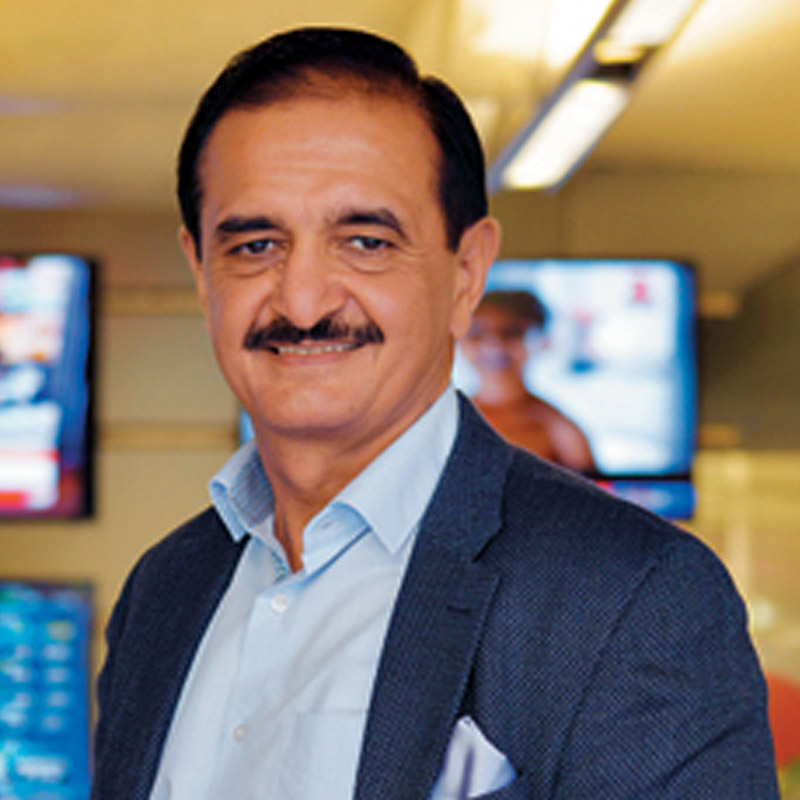
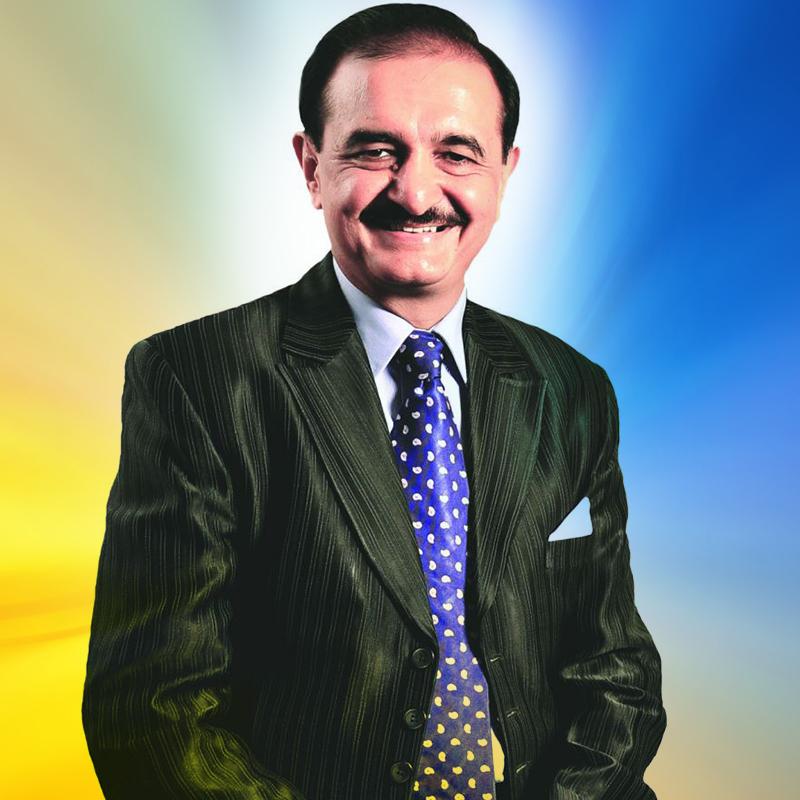
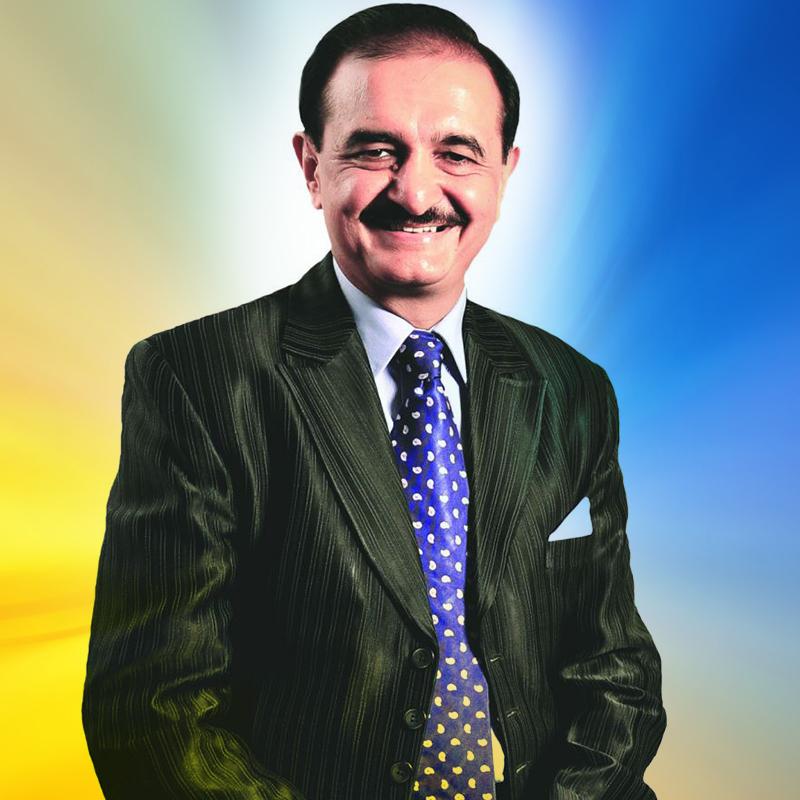
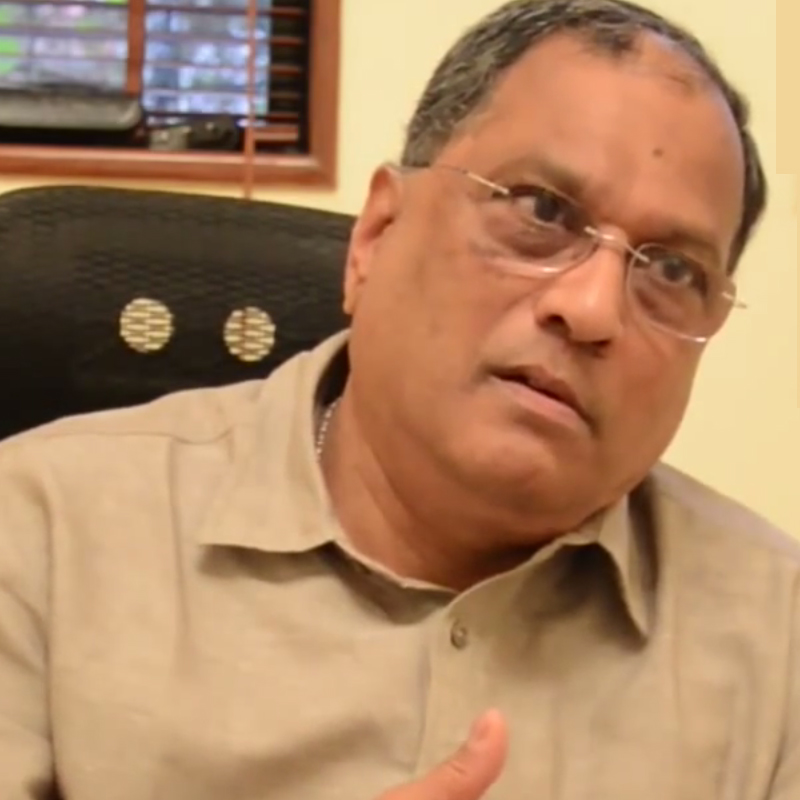
    MUMBAI: It’s back to being president of the All India Digital Cable Federation (AIDCF). DEN Networks CEO S.N. Sharma who led the AIDCF from April 2019 to March 2021 as its president has once again been appointed to that post. His term will continue till March 2025 when a new head will hopefully be selected. 

    The AIDCF was set up in 2014 with VD Wadhwa, the then CEO of Siti Networks as its head.

    Sharma, a veteran and popular figure in the cable TV industry, succeeds Fastway CEO Peeush Mahajan, who stepped down from the position in May 2024 due to personal reasons (apparently, he’s migrated to Canada and won’t be coming back). Peeush took over as president in April 2023 and his term was supposed to end in March 2025.

    Sharma had been acting president of the association since then. 

  • KCCL signs subscription agreement under NTO 3.0

    KCCL signs subscription agreement under NTO 3.0

    Mumbai : The interconnection subscription agreement with the broadcasters was signed by MSO Kerala Communicators Cable Ltd (KCCL) in accordance with the Trai-mandated NTO 3.0 after UCN.

    Now that the Trai’s new rate order has been modified, KCCL has joined a growing group of MSOs, including Siti Cable, KAL Cables, Tamil Nadu Arasu Cable TV, and Thamizhaga Cable TV, that have agreed to negotiate interconnection agreements with the broadcasters.

    Even as the legal dispute between cable operators represented by the AIDCF (All India Digital Cable Federation) and the broadcasters continues in the Kerala High Court, there now appears to be a rift within the cable fraternity in its fight against the broadcasters regarding signing the interconnection agreements under the NTO 3.0.

    Den, Fastway Transmissions, GTPL Hathway, Hathway Digital, and other MSOs are among those that are still engaged in this conflict with the broadcasters.

    Leading three broadcasters (Sony, Disney Star India, and Zee Entertainment) cut off their signals to nearly ten MSOs on February 19 who are AIDCF members.

    Broadcasters are justifying the increase in price after a four-year hiatus. Cable operators, on the other hand, claim that the price increase is exorbitant and will raise consumers’ monthly cable bill. They have also filed numerous petitions against the amended tariff regime in the country’s high courts.

    AIDCF claims that despite the fact that the case is in court, these major broadcasters disconnected their signals.

    Meanwhile, AIDCF has warned advertisers, media planners, and ad agencies, against advertising on Disney-Star, Sony and Zee, because their recent actions have “deprived more than 25 million households across India from watching their channels since Saturday, 18 February 2023.

    The federation claimed that the 25 million homes account for nearly 35 per cent of the pay TV market in India.

    “Are you still getting the reach that you have paid for? Your advertisements are not reaching more than 200 million consumers across all states and Union Territories in India for the past three days. More than 46 billion minutes of viewing time are being lost per day across India on the largest cable networks in India including GTPL, DEN, Hathway, Fastway, In Cable, NXT Digital, Asianet, KCCL, UCN and many more. These networks cater to large audiences in HSM as well as South with dominant presence in Punjab/Haryana/ Chandigarh HP, UP Uttarakhand, Gujarat, Rajasthan, Maharashtra, West Bengal Odisha, Madhya Pradesh/Chhattisgarh, Bihar/Jharkhand, North-East, AP Telangana, Kamataka, Kerala, Tamil Nadu, etc,” said a release by AIDCF.

    The industry body warns the advertisers to take an informed decision when they advertise on any of the channels including Star Plus, Zee TV, Sony.

  • Broadcasters promoting pay-TV on Free Dish are shooting themselves in the foot – Saurabh Sancheti

    Broadcasters promoting pay-TV on Free Dish are shooting themselves in the foot – Saurabh Sancheti

    Mumbai: With a 40 million base, which is constantly growing at the cost of Pay-TV, Prasar Bharati’s DD Free Dish is not just another competing platform, but considered by many as a precursor to the success of Free Ad-Supported Television (FAST) model in India. The implementation of NTO 2.0 is going to further intensify this cannibalisation. While broadcasters are riding the FTA wave, some fairly and some in an unfair manner, distribution platform owners are pushing for regulatory intervention and new ways to tackle the challenge.

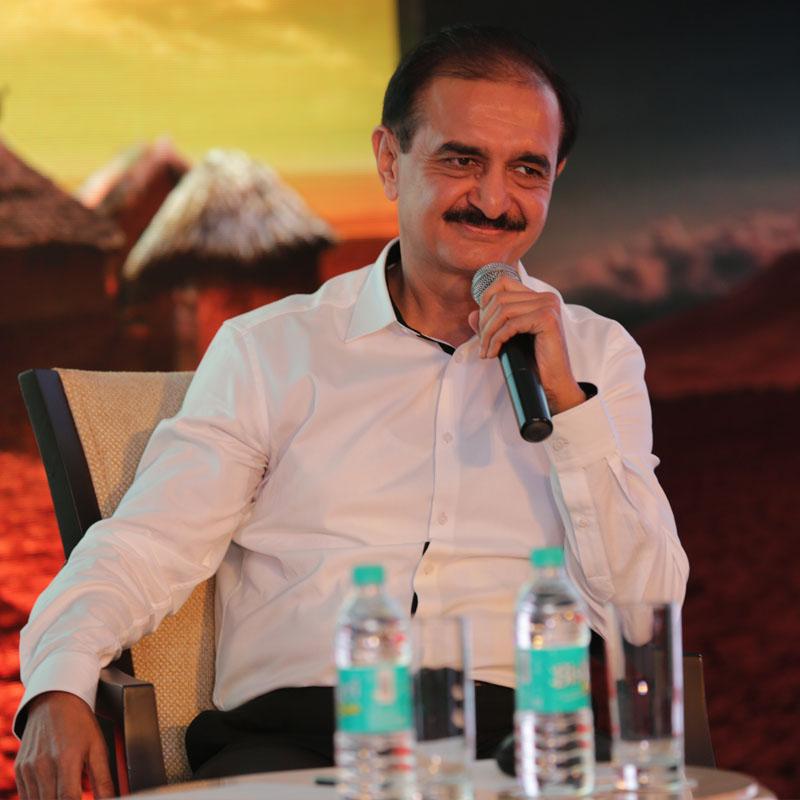
    Saurabh Sancheti – Business Head | Hathway GTPL,   has long been advocating and working towards building a ‘rupee-a-day’ product that can take on Free Dish. At the Video & Broadband Summit organised by Indiantelevision.com on 19 January, he outlined the approach that is needed to arrive at this solution.

    “Out of the country’s 280-300 million households, nearly 200 million own a television set, and of this, only about 120 million have Pay TV. MSOs and broadcasters have to work together on wooing the remaining 80 mn base with a customised product. LCOs too need to reinvent themselves by adopting digital technology that serves their customers better,” he said. Sancheti is confident that if all players can collaborate on it, not only can the economics be worked out, but the pay-TV basket can be grown by at least 30-40 million in the next couple of years.

    Cog in the wheel

    In the current scenario, (short-term) gains and survival concerns are driving the top and bottom of the pyramid. Elaborating on what he terms as “death by annual plan”, Sancheti remarked, “Broadcasters promoting Pay-TV on Free Dish are shooting themselves in the foot. No matter how big you become on Free Dish, the platform cannot be monetised.”

    “They need to understand the possibilities of working with the DPOs. As people’s income levels increase, they will spend more on subscriptions. Those who join at a Free Dish equivalent pricing today, can become our regular and even premium customers tomorrow. But instead of thinking about taking customers up the funnel, and about the long-term growth of pay-TV, they are worried about their annual and quarterly targets,” he rued.

    Further, he noted that with infrastructure sharing and cheaper bandwidths making it possible to achieve last-mile delivery to the level of a gram panchayat at very low costs, distribution networks will also have to re-engineer themselves to align with the broadband revolution that’s underway.

    It’s obvious that the postulated rupee-a-day product cannot run in the same high-touch manner as the current base is running and hence the requirement of “lot more digital, lot more long-term packs and lot more of DIY”.

    Would that mean LCOs losing control of the last mile and eventually dropping out of the value chain? Commenting on the long-standing issue, Sancehti stated, “The primary models have failed, and MSOs realise that they cannot reach out to consumers directly, but only through the LCOs. That being said, today, consumers want more control. This is the reason why DTH, which has declined globally, is still surviving in India. It is the only medium that allows you to do everything yourself; from channel selection to bill payments. So, the risk of being eliminated is clearly there, however, it’s not because of the large players but the LCOs’ unwillingness to reinvent.”

     The next big opportunity

    Sancheti believes that the linear TV model still has a lot of scope left. Out of the 200 million TV-owning households in India, the top tier of 20-25 mn has both pay-TV and fixed-line connectivity. Their number is growing, and so is their OTT consumption.

    The second set of 100 mn households, which is 70 per cent urban, consumes linear TV on the large screen and OTT on private/mobile screen. It will gradually go the 25 mn way.

    The remaining 80 million (TG for the rupee-a-day product) are the ‘cord nevers’ who are subscribed to either analogue or Free Dish today. As their income levels increase and more content and services suitable for them are made available, they will move up the ladder into the pay-TV base.

    Sancheti, however, finds the 100 million ‘TV nevers’ equally if not more promising than the 80 mn cord nevers. “At Den, Hathway, and GTPL, we believe this is where the opportunity lies to as much as double our base. As the economy progresses, spends on services will increase exponentially, and we are reinventing ourselves for the change; whether it is by way of working on connectivity/network or by value engineering the set-top boxes that begin at an 800 Rupees price point today.”

    Pinpointing the 100 mn challenge and opportunity, he added, “It’s not like the cable hasn’t reached the ‘villages’. The problem is that it has found only 500-odd homes/subscribers there. The art is in doubling this number by offering the right product and pricing.”

    Impact of NTO 2.0

    Winding up the discussion with a word on the present state of regulation and the impact of NTO 2.0, Sancheti observed that “whatever rationalisation had to happen in terms of channel selection at the customer end has already happened with NTO (2019). Beyond a point, more à la carte will only do more harm. With NTO 2.0 we are looking at a 25-30 per cent increase in prices as per published broadcaster RIOs. India being a price-sensitive and value-seeking market, this will further pressurise the PayTV base, leading to more people opting out of it.”


    Please Note : “The views expressed are personal and do not represent the views of Reliance Industries Limited or any of group companies”

  • RIL to sell stakes in Den, Hathway for Rs 1,122 crore

    RIL to sell stakes in Den, Hathway for Rs 1,122 crore

    NEW DELHI: Reliance Industries Ltd (RIL) is getting ready to divest its shares in Den Networks and Hathway Cable through offers for sale (OFS) in compliance with the minimum public holding norms laid down by the Securities and Exchanges Board of India (SEBI).

    RIL will sell its stakes in Den and Hathway, acquired through its subsidiaries in 2018, for Rs 853 crore and Rs 269 crore respectively.

    According to a BSE filing, Jio Content Distribution Holdings, Jio Internet Distribution Holdings and Jio Cable and Broadband Holdings, promoters of Hathway Cable & Datacom, will sell 338 million shares, or a 19.1 per cent stake with a floor price of Rs 25.25. The promoters currently hold 94.09 per cent stake in Hathway.

    Jio Futuristic Digital Holdings, Jio Digital Distribution Holdings and Jio Television Distribution Holdings will sell 55.5 million shares, or an 11.63 per cent stake, in Den Networks with a floor price of Rs 48.50

    The OFS will open for non-retail investors on 26 March and for retail buyers on 30 March. In both the offers, 10 per cent of the offered shares are reserved for retail investors.

    It may be recalled that in February 2020, RIL had merged Den Networks and Hathway with Network18 and TV18 to consolidate its media and distribution businesses under one umbrella entity.

    The multinational conglomerate had acquired a majority stake in Hathway and Den in October 2018. At that time, it had invested around $1 billion to acquire 58.92 per cent and 51.34 per cent stake in Den Networks and Hathway Cable, respectively. Prior to this, Hathway was owned by the Raheja Group and Sameer Manchanda held a majority stake in Den.

  • MCOF raises questions on Hathway, Den pushing existing STBs under Jio brand

    MCOF raises questions on Hathway, Den pushing existing STBs under Jio brand

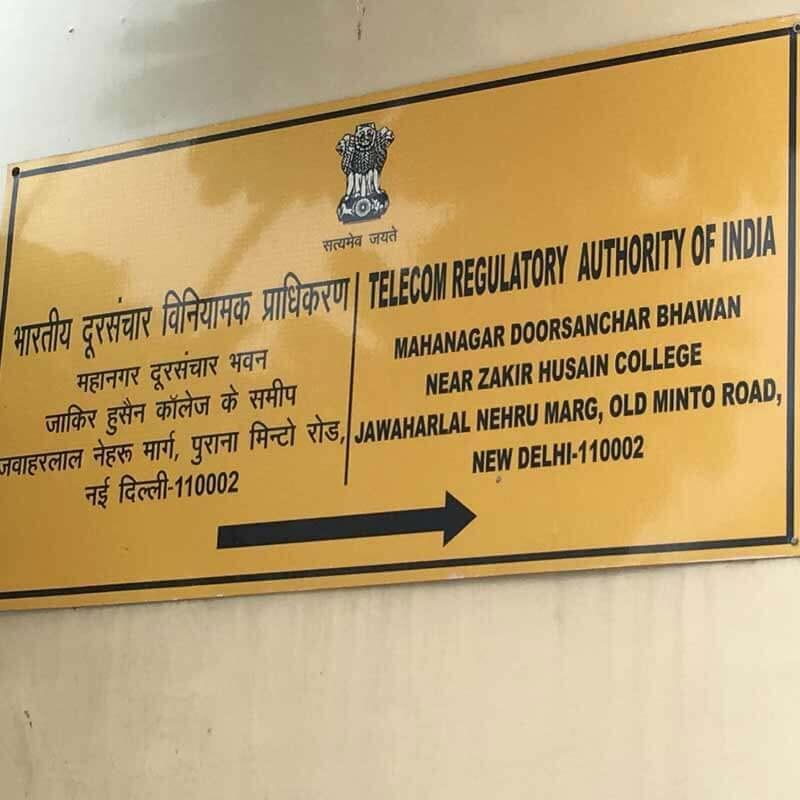
    KOLKATA: Maharashtra Cable Operators’ Foundation (MCOF) has flagged off several unethical practices in the television distribution segment. In a letter written to the Telecom regulatory authority of India (TRAI), it has alleged that some multi system operators (MSOs) are violating rules and taking the unethical route of business. 

    MCOF has expressed concern about Den Networks and Hathway for imposing replacement of existing STBs by STBs under Jio brand in the last six months. The federation has claimed that the two MSOs have not replaced the expired standard interconnection agreement (SIA) with the model interconnection agreement (MIA) without offering any explanation for the rebranding.

    “The LCOs who resist the imposition are made to toe the line by disabling their access to the Prepaid Portal resulting in service interruptions ton the subscribers. In addition to the arm-twisting, the MSOs have lined up numerous dummy operators to replace the existing LCOs who usurp their business and assets,” the letter added.

    MCOF stated that Jio is not a registered MSO nor has it signed interconnection agreement (ICA) with LCOs. Moreover, Hathway and DEN continued to rely upon expired SIA overlooking repeated requests to adopt MIA. 

    It has also claimed that BRDS provides signal feed to its network in Kolhapur and connected areas but deploys InCable STBs. InCable has been alleged of providing feed to Sampark Network (Powai Mumbai and Bhiwandi Area) through STBs that the latter has deployed. 

    “We fail to understand as to how auditors have overlooked the mismatch between CAS, STB inventory and conflicting branding, head-ends can be used as pass-through pipes for signals from another MSO, random off-site checks by broadcasters through watermarking have not detected the malpractices,” it added.

    Against this context, MCOF has asked copies of ICA between Jio and Broadcasters and status of MSO License to Den and Hathway. It has also called for clarification on whether a mere share purchase deal allows the buyers to change brands and automatically subrogate the company whose shares it buys. 

    It has also requested the industry watchdog to share the steps it is taking to prevail on MSO to sign up fresh ICA with LCOs by mutual consensus rather than arm-twisting via Prepaid Portal Access denial. MCOF has also asked directions for the course of actions that LCOs should take to safeguard against likely disabling of STBs that are drawing signals from third party head-end or suspension of feed sharing between MSOs. 

  • Ambani’s Reliance merges media & distribution biz under Network18

    Ambani’s Reliance merges media & distribution biz under Network18

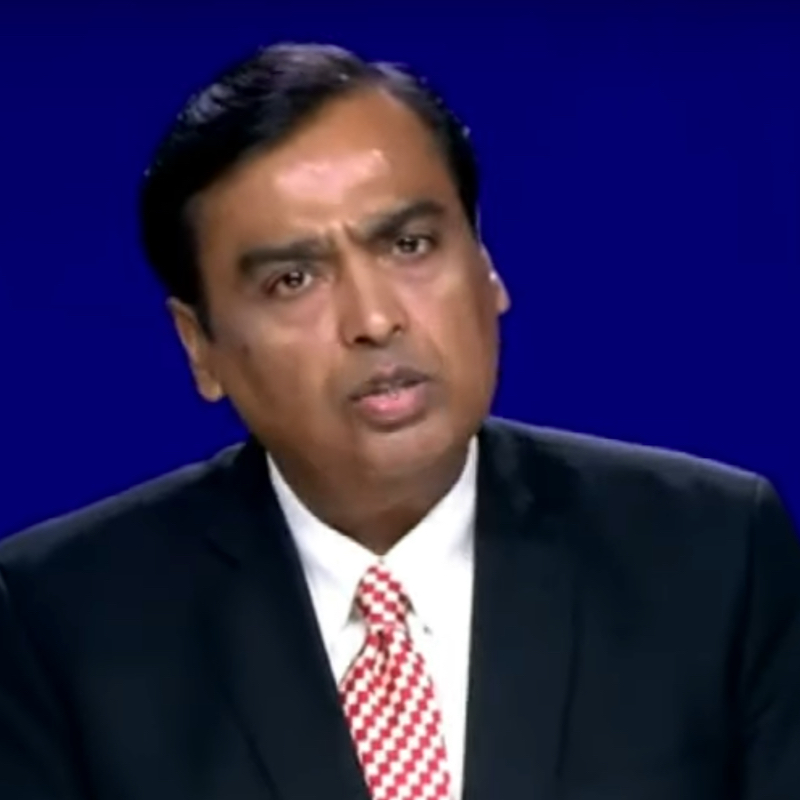
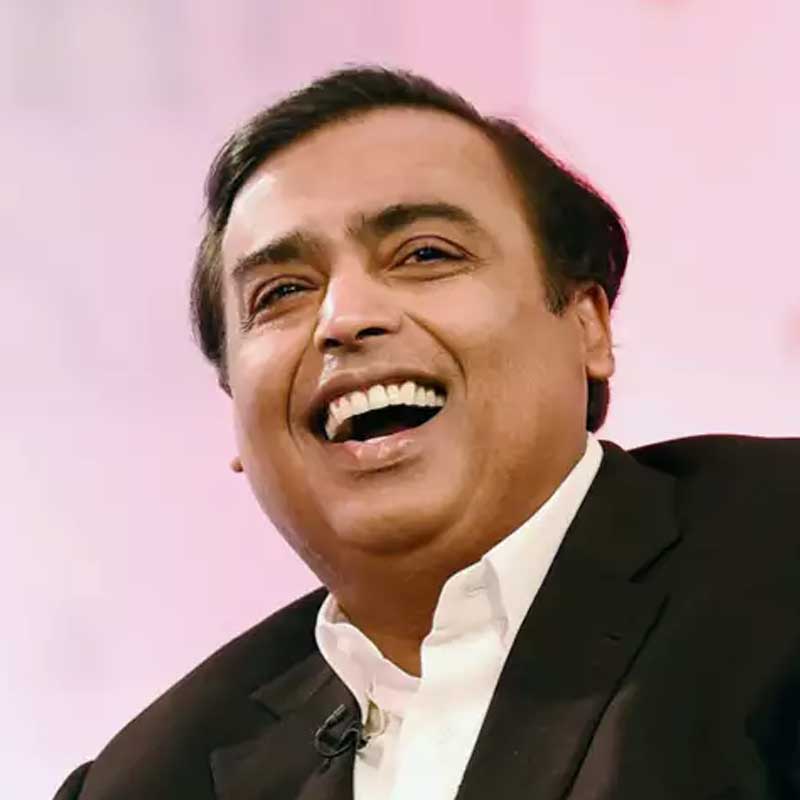
    MUMBAI: When you are Mukesh Ambani, you think size,  you think scale. Even as speculation is running rife whether a deal with Sony Pictures is on, the chairman & managing director of Reliance Industries yesterday announced that the megacorp is consolidating its media and distribution entities under one company Network18 Media & Investments. Under the scheme of arrangement, TV18 Broadcast , Hathway Cable and  Datacom and Den Networks  will merge into Network18 Media.


     The appointed date for the merger shall be 1 February, the company said in a statement. It also added that the broadcasting business will be housed in Network18 and the cable and ISP businesses in two separate wholly owned subsidiaries of Network18.


    In one of the the biggest takeovers of the Indian media industry, Ambani had announced in 2014 that it would spend big to take complete control of Network18. The acquisition kickstarted the billionaire Mukesh Ambani’s investment in the media and entertainment industry which ballooned over the years .


    After the consolidation, Network18 will be an integrated media and distribution company with a revenue of Rs 8,000 crore and net-debt free at a consolidated level. The company also said that the scheme shall also simplify the corporate structure of the group by reducing the number of listed entities.


    According to the share exchange ratio approved by the board, shareholders will get 92 shares of Network18 for every 100 shares of TV18; 78 shares of Network18 for every 100 shares of Hathway and 191 shares of Network18 for every 100 shares of Den. Reliance Industries’ holding in Network18 will reduce from 75 per cent to 64 per cent upon the scheme’s implementation.


    “The aggregation of a content powerhouse across news and entertainment (both linear and digital) and the country’s largest cable distribution network under the same umbrella shall boost efficiency and exploit synergies, creating value for all stakeholders,” the company stated.


    “The media industry is accelerating towards being a B2C play, led both by market factors and through regulation. An integrated media play shall further increase the breadth as well as depth of the group’s consumer touchpoints, and allow for retaining a larger share of the consumer’s spend on content,” it added.


    Back in 2018, Reliance Industries through its network of subsidiaries acquired major stakes in Den Networks and  Hathway Cable and Datacom Limited after few days of announcement of its fiber-to-the-home service.

    The company added that the consolidation of the cable businesses of Den and Hathway in one entity will leverage the combined strength of the 27,000 LCO partners who act as the touchpoints to 15 million households in India; delivering localised, people-friendly and ultra-fast customer services. The combined broadband entity will serve 1 million wired line broadband subscribers across the country.


  • DPOs suggest changes to draft interconnection addressable regulations by TRAI

    DPOs suggest changes to draft interconnection addressable regulations by TRAI

    MUMBAI: Distribution platform operators (DPOs) have shared their comments to modify Telecom Regulatory Authority of India (TRAI)’s draft on The Telecommunication (Broadcasting And Cable) Services Interconnection (Addressable Systems) (Amendment) Regulations, 2019.  The industry has welcomed TRAI’s move to amend Schedule III of the regulation and believes that provisions related to watermarking, fingerprinting and digital rights management along with CAS and SMS is in right direction.

    AIDCF said, “It is submitted that the provisions relating to watermarking, fingerprinting and digital rights management along with CAS and SMS, is a step in the right direction and AIDCF wholeheartedly supports the same. With respect to amendments proposed to be introduced by TRAI in the schedule III of the Interconnection Amendment Regulations 2019, AIDCF stands in agreement with the same and supports TRAI in bringing about the amendments in the regulations.”

    However, Bharti Telemedia (Airtel), Tata Sky and GTPL recommended a few changes in the draft of interconnection addressable regulations.

    Airtel, with regard to Section C Clause 8 of the regulation, recommended that the capacity of the CAS and SMS should be linked to the volume of transactions rather than the subscriber base. The rationale for the same is that each subscriber can generate multiple volumes of transactions and hence, to handle these transactions of a single customer, the system is equally consumed and therefore, the correct assessment of the system capacity should be linked to the transaction count instead of subscriber base.

    It further commented “The subscriber base may not be the appropriate criteria to assess the capacity of CAS and SMS, more so, in the current framework when a single customer can generate more than one transaction in terms of activation/deactivation of channel, recharge etc. We, therefore, suggest that the criteria of 5 per cent should be measured in context to total volume of transactions.”

    The company in its comments to TRAI also raised concern over generating customised bills. It said, “We submit that the requirement of generation of bills is applicable for the post-paid services and we, therefore, suggest that clause must specify the same to avoid any confusion.”

    Similarly, Tata Sky also expressed that bill generation is a postpaid concept. DTH operators do not have a postpaid platform and are completely prepaid. “Therefore, it is suggested that a suitable clarification be inserted in the regulations as well as the audit manual to avoid any understanding gap between the DTH operators and the auditors,” said Tata Sky.

    Tata Sky also suggested, “The STBs and VCs are issued against a CAF to a subscriber and the subscriber's address is captured in our systems. Consequently, the auditor can check our systems on a random sample basis, however, we will not hand-over our entire database along with addresses to the auditor in compliance with this requirement. We would, therefore, suggest that a suitable clarification be inserted in the regulations as well as the audit manual to avoid any understanding gap between the DPO and the auditors.”

    The draft’s Clause 12(a) & 12(c) states that it is mandated that amongst other things SMS should also be capable of viewing and printing of historical data in terms of the activations and the deactivations of STBs and generating historical data of changes in the subscriptions for each subscriber and the corresponding source of requests made by the subscriber.

    GTPL on the same commented, “It has been observed in the past audits that the auditors have demanded generation of such historical data for all subscribers and from inception which has put undue stress on the systems of the distributors and the resultant inconvenience to the customers. It is suggested that the Authority limit the generation of historical data to reasonable percentage of the total as a sample size. We suggest a sample size of 5 per cent of the active sub base for platforms which have more than 5,00,000 average active subscribers while for platforms which have a lesser active subscriber base the sample size can be 25 per cent.”

  • RIL subsidiary gets Competition Commission nod for Den, Hathway acquisition

    RIL subsidiary gets Competition Commission nod for Den, Hathway acquisition

    BENGALURU: The Mukesh Dhirubhai Ambani led Reliance Industries Limited has informed the bourses that permission from the Competition Commission of India for acquisition of shares and control of Den Networks and Hathway Cable & Datacom  (Hathway) by six SPV 100 percent owned and controlled by Digital Media Distribution Trust of which Reliance Content Distribution Limited, a wholly owned subsidiary of Reliance Industries Limited, is the sole beneficiary, has been received on 21 January 2019.

    The approval will enable subscription to the preferential issue of equity shares by Den and Hathway and purchase of equity shares of Den from the existing promoters, as specified in the disclosure dated October 18, 2018.

    RIL is now waiting for Securities and Exchange Board of India (SEBI) comments on the draft letter for mandatory open offer to shareholders of (a) Den; (b) GTPL Hathway Limited; and (c) Hathway Bhawani Cabletel and Datacom Limited,

    Yesterday, Den Networks had informed the Stock Exchanges that (i) Jio Futuristic Digital Holdings Private Limited, (ii) Jio Digital Distribution Holdings Private Limited and (iii) Jio Television Distribution Holdings Private Limited (collectively referred as “investors“) have received the above referred approval.

    Also, yesterday, Hathway had informed the Stock Exchanges – “Further to our intimations dated 17th October, 2018 and 14th November, 2018 with respect to Boards' and Shareholders' approval for raising of funds up to Rs. 2940,00,03,500 (Rupees Two Thousand Nine Hundred and Forty Crores Three Thousand and Five Hundred only) through preferential allotment to Jio Content Distribution Holdings Private Limited, Jio Internet Distribution Holdings Private Limited and Jio Cable and Broadband Holdings Private Limited (the "Proposed Investors"), please be informed that the Proposed Investors have received the approval from the Competition Commission of India on January 21, 2019.”

    Hathway had also submitted a copy of the Letter of Offer dated 21 January 2019 to Stock exchanges.

  • DEN aims to convert 10% of SD subscribers to HD in a year

    DEN aims to convert 10% of SD subscribers to HD in a year

    MUMBAI: DEN Networks CEO SN Sharma has set a target of converting 10 per cent of its standard definition (SD) subscribers to high definition (HD) within a year.

    Sharma, speaking on an analysts call, said that DEN currently has 7.4 million paid digital subscribers, but only about 100,000 of those view HD transmissions.

    He further noted that the price of HD set top boxes (STBs) has seen a decline from Rs 4,000-5,000 to Rs 1,500-1,600 and that should help in increasing the HD penetration.

    Reports said that DEN has locked in content deals with most broadcasters with the increase being less than 15 per cent. The MSO’s content deals are valid till April 2019 barring that of Star which will come up for renewal in nine months by January. DEN has also resolved its dispute with ZEEL. 

    “All these deals have been signed up and are firmly in the place. The content cost increase is in the range of less than 15 per cent,” Sharma said.

    He also said that all the deals will come up for renewal next year as agreements with Sony and IndiaCast will expire in March 2019. Star and Zee are now signing only one-year deals. 

    “So as of now our content deals are all frozen till March and April next year. By then all of them become due for renewal,” he noted.

    The deals with broadcasters are consolidated and include both standard definition (SD) and HD channels.

    Currently, the DEN strategy is to replace older STBs as they run out of warranty, as well as to use new HD STBs as the cable network expands into new areas.

    Also Read:

    Den Networks appoints Himanshu Jindal as CFO

    DEN expands broadband services; plans Rs 100 cr capex