Tag: Demonetisation

  • Cable operators seek exemption in entertainment at par with fuel & medical services

    Cable operators seek exemption in entertainment at par with fuel & medical services

    MUMBAI: Although demonetisation of high-demonination currency is largely seen as a boon for a thriving economy marred by a legacy of unaccounted money and corruption, it is a proving to be a bane for the common man. The only basic entertainment that a layman has access to is television which is suffering owing to a severe shortfall of small denomination currency.

    Though the government insists on having made arrangements for dispensing cash in new currency through ATMs and banks, the measures are inadequate for the serpentine queue-avoiding office-goer, a shop-keeper, a commoner and especially a ruralite who hardly has access to financial institutions/institutionalised lenders in India.

    Seven Star Satellite Cable Network founder and chief Atul Saraf said they have been accepting cheques since a long time. However, some of their franchisees were facing difficulties in collecting cash from the subscribers owing to demontisation.

    Generally, around 65-70 per cent of collection in the business is in cash, and the remainder is through cheque. Saraf said they have now made arrangements for online payments from 1 January, 2017.

    Saraf lamented that there was a slowdown in collections owing to cash crunch due to demonetisation. The situation would take at least 3–4 months to come to normal.

    To a question, Saraf said that installation of STBs had picked up pace as a natural progression of digitisation under Phase III and Phase IV in September and October, but it has slowed down again. “Customers are not willing to shell out whatever little cash they have for STBs; rather they would like to use it for buying essentials,” Saraf bemoaned.

    “I have written to the prime minister Narendra Modi to extend the date of exchanging old currency with new by 2-3 months beyond the 31 December deadline,” said Gujarat Cable Operators Association president Pramod Pandya.

    Pandya expects the government to be considerate with the plight of the common man especially in rural India. “Entertainment must also be exempt from immediate adherence to the new currency norms as in casewith fuel and emergency medical services,” said Pandya who is the honorary Gujarat state cable operators’ representative at the
    information and broadcasting (I&B) ministry.

    Customers in the rural areas under DAS Phase IV neither have cheques nor the new currency at all to pay the cable operators. “Approximately 4000 villages in Gujarat that fall under the purview of Phase IV digitisation do not have access to banks or ATMs; where would they fetch the new currency,” Pandya retorted.

    Digicable Network (India) Pvt. Ltd CEO Jagjit Singh Kohli sought to put on record that they have been accepting cheques and online payments since a long time. MSOs have never been averse to receipt of cheques. However, as far as LCOs are concerned, only 20-25 per cent subscribers preferred paying their cable bills through cheques. He parried a question on the status and installations of STBs.

    “We have been accepting cheques and issuing bills since CAS came into the picture around November 2012. But, lately, we have started issuing itemised bills,” said Maharashtra Cable Association Federation chief Arvind Prabhoo said, welcoming demonetisation during the period of transparency and digitisation. A majority of subscribers (around 70-80 per cent) living the areas serviced by operators who owe allegiance to MCOF have been paying trough cheques. “We also started accepting online payments last year,” Prabhoo said.

    “Neither cheque nor cash, however, is a compulsion. We are not insisting on a particular mode of payment,” Prabhoo said. But, subscribers, of course, were facing a shortage of cash, and it would take around 10 more days for things to normalise, he added. To a question on digitization and installation of STBs, Prabhoo said that there had been some reports of increase in STB sale which could be due to good monsoon.

    Since, there was a temporary shortage of cash, Prabhoo said, people were not too keen on buying a STB worth Rs 1500-2000. “The Phase III is stuck due to various court cases, and Phase IV could be delayed by a couple of months as it covers a vast geographical expanse. But, it (DAS III & IV) will happen for sure,” he remarked.

    “The situation in Tamil Nadu is grave as subscribers are neither willing to pay through cheque nor do they have ready cash due to demonetisation,” said Chennai Metro Cable Operators Association general secretary MR Srinivasan.

    The subscription rate is as low as Rs 100 per month in most of the areas (districts) in the state. But, owing to shortage of low-denomination notes, around 1.4 million subscribers in the state are not paying the cable operators.

    “Subscribers offer us old notes of Rs 500, and expect Rs 400 change from us. So, even while we are willing to exchange old notes in the bank, where do we get the change from,” Srinivasan seemed puzzled. And, the subscribers are not willing to pay five months’ advance subscription to tide over the temporary problem.

    “The central government is not effective on digitisation in Tamil Nadu as most of the state, except Chennai, is served by cable companies (directly or indirectly) owned by the incumbent government,” Srinivasan alleged.

    In Chennai, he said, STBs have been installed only in around 10 per cent of the four million (40 lakh) households. Due to court cases against digitisation also, the progress of modernisation is stuck.

    As in case of medical services and petrol pumps etc, Srinivasan expected the government to allow old Rs 500 notes for cable services as well. “At least, for the number of subscribers which have been accounted for, the operators should be allowed to accept that many (old) notes,” he said.

    One may be happy about the cable modernisation and demonetisation to stem the economic decay in the larger interest of the country, there seems to be no denying the fact that it will cause of a lot of tug-of-wars, transition and loss of business and lives, heartburns, political upheavals, dilly-dallying and legal wrangles before we move ahead.
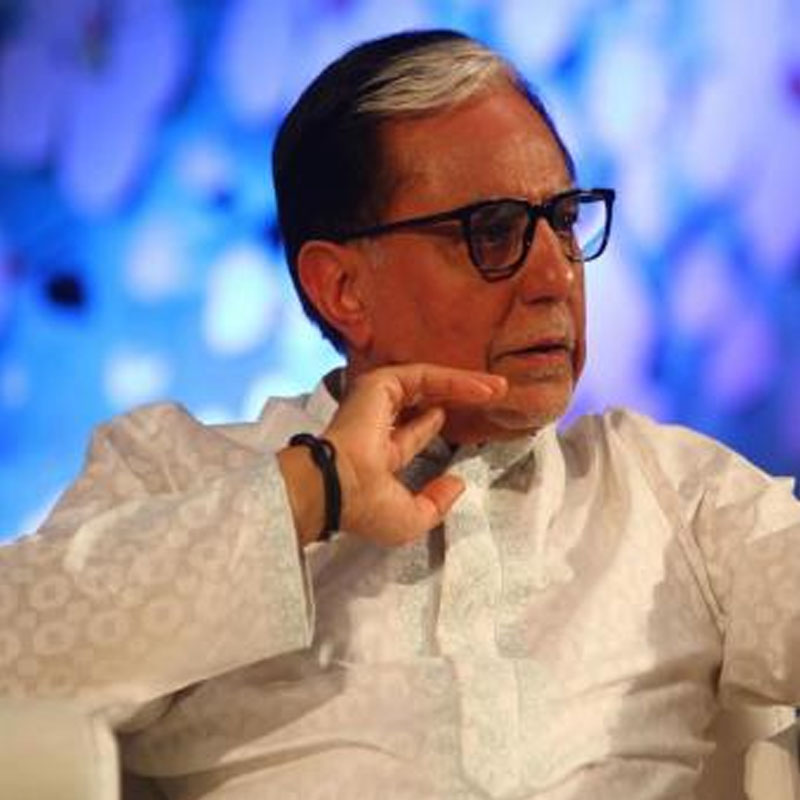
  • Subhash Chandra files defamation case against Delhi CM

    Subhash Chandra files defamation case against Delhi CM

    NEW DELHI: Subhash Chandra, Chairman of Essel Group and Zee, has filed a criminal defamation case in a Delhi court last week against Delhi’s Chief Minister Arvind Kejriwal.

    The plea, filed in Patiala House Court, said that while addressing a press conference on 11 November, 2016 — four days after PM Modi announced demonetisation of Rs 500 and 1000 notes to arrest the rising menace of black money — Kejriwal made “false, fabricated and defamatory allegations” against Chandra alluding that he had amassed black money.

    According to the complaint, the Delhi Chief Minister had “defamed the complainant (Chandra) by making inherently defamatory statements and caused serious harm to his reputation by imputing behaviour incompatible with proper conduct and suggestions of involvement in illegal activity.”

    Kejriwal had been slapped with a similar complaint in Delhi High Court by Finance Minister Arun Jaitley who had said that allegations were made against him without any basis and which amounted to character assassination.“There are many decisions in life that you don’t want to take initially, but you’re left with no other option except that. Personally, I didn’t find any happiness in doing what I have done; in fact it pained me a lot,” in a Facebook post on Sunday Chandra said, adding, “I have had differences of opinion with him (Kejriwal) on numerous occasions but never have I stooped so low and passed any personal remarks on him.”

    public://FullSizeRender.jpg

    Sometime back Chandra had created a stir in the media with his support to the government-imposed one-day ban on NDTV India news channel for breaching content code related to national security issues that was subsequently withdrawn. He has also openly favoured the government’s move on demonetisation — criticised by many as an ill-thought and badly implemented move that has hobbled a large swathe of Indians — saying in the long run the initiative would benefit the country.

    Pointing out that he had supported the Delhi CM’s various initiatives, including the odd-even number formula to check vehicular pollution in Delhi area when many had ridiculed the move, Chandra said, “I was one amongst the few and the first to have appreciated his move. Not because of any ulterior motive like his, but for the interest of Delhi-ites. Was I having `black money’ even then?”

    “What if I say that the Delhi CM had indulged in malpractices to win the Delhi election and he had taken bribe from the Congress Party to contest against Prime Minister Modi in Varanasi and he had paid and hired people to assault him in public and so on. I know all of this is false and so I will never question his integrity and make such personal and baseless remarks. Similarly, what gives him the right to do so?” quipped Chandra, a Member of Parliament of Rajya Sabha or Upper House.

    He further went on to ask: “Just because I run a news organization with which he (Kejriwal) is not in good terms or because I, like the whole nation, welcomed the Prime Minister’s demonetization masterstroke or because now I’ve been elected to the Rajya Sabha (public servant), gives him the right to hurl personal abuses?

    “And if he or his social media warriors or other AAP (Aam Aadmi Party) cadres, who have always found some pleasure in abusing me, are reading this then I want to humbly tell them that kindly convey it to the Hon’ble Delhi CM who enjoys your support that I never have and never will take any attack on me lightly. It wasn’t an attack just on me but the 10,000 colleagues of mine and the billion hearts and lives that we have touched. Come what may, any further baseless and allegation and remark will be dealt under the provision of law, of which I am a firm believer, unlike the Honourable Chief Minister.”

    Chandra’s parting advise to Kejriwal in Hindustani that translates into English as: People who live in glass houses shouldn’t throw stones.


  • Subhash Chandra files defamation case against Delhi CM

    Subhash Chandra files defamation case against Delhi CM

    NEW DELHI: Subhash Chandra, Chairman of Essel Group and Zee, has filed a criminal defamation case in a Delhi court last week against Delhi’s Chief Minister Arvind Kejriwal.

    The plea, filed in Patiala House Court, said that while addressing a press conference on 11 November, 2016 — four days after PM Modi announced demonetisation of Rs 500 and 1000 notes to arrest the rising menace of black money — Kejriwal made “false, fabricated and defamatory allegations” against Chandra alluding that he had amassed black money.

    According to the complaint, the Delhi Chief Minister had “defamed the complainant (Chandra) by making inherently defamatory statements and caused serious harm to his reputation by imputing behaviour incompatible with proper conduct and suggestions of involvement in illegal activity.”

    Kejriwal had been slapped with a similar complaint in Delhi High Court by Finance Minister Arun Jaitley who had said that allegations were made against him without any basis and which amounted to character assassination.“There are many decisions in life that you don’t want to take initially, but you’re left with no other option except that. Personally, I didn’t find any happiness in doing what I have done; in fact it pained me a lot,” in a Facebook post on Sunday Chandra said, adding, “I have had differences of opinion with him (Kejriwal) on numerous occasions but never have I stooped so low and passed any personal remarks on him.”

    public://FullSizeRender.jpg

    Sometime back Chandra had created a stir in the media with his support to the government-imposed one-day ban on NDTV India news channel for breaching content code related to national security issues that was subsequently withdrawn. He has also openly favoured the government’s move on demonetisation — criticised by many as an ill-thought and badly implemented move that has hobbled a large swathe of Indians — saying in the long run the initiative would benefit the country.

    Pointing out that he had supported the Delhi CM’s various initiatives, including the odd-even number formula to check vehicular pollution in Delhi area when many had ridiculed the move, Chandra said, “I was one amongst the few and the first to have appreciated his move. Not because of any ulterior motive like his, but for the interest of Delhi-ites. Was I having `black money’ even then?”

    “What if I say that the Delhi CM had indulged in malpractices to win the Delhi election and he had taken bribe from the Congress Party to contest against Prime Minister Modi in Varanasi and he had paid and hired people to assault him in public and so on. I know all of this is false and so I will never question his integrity and make such personal and baseless remarks. Similarly, what gives him the right to do so?” quipped Chandra, a Member of Parliament of Rajya Sabha or Upper House.

    He further went on to ask: “Just because I run a news organization with which he (Kejriwal) is not in good terms or because I, like the whole nation, welcomed the Prime Minister’s demonetization masterstroke or because now I’ve been elected to the Rajya Sabha (public servant), gives him the right to hurl personal abuses?

    “And if he or his social media warriors or other AAP (Aam Aadmi Party) cadres, who have always found some pleasure in abusing me, are reading this then I want to humbly tell them that kindly convey it to the Hon’ble Delhi CM who enjoys your support that I never have and never will take any attack on me lightly. It wasn’t an attack just on me but the 10,000 colleagues of mine and the billion hearts and lives that we have touched. Come what may, any further baseless and allegation and remark will be dealt under the provision of law, of which I am a firm believer, unlike the Honourable Chief Minister.”

    Chandra’s parting advise to Kejriwal in Hindustani that translates into English as: People who live in glass houses shouldn’t throw stones.


  • Ad world remains positive on eighth day of demonetisation despite inconvenience

    Ad world remains positive on eighth day of demonetisation despite inconvenience

    MUMBAI: India entered the eighth day of limited demonetisation in the backdrop of rejection of a petition by the Supreme Court, and still a majority of the nation is without access to cash.

    Unending queues are thronging the banks, with most of the ATMs either dysfunctional or running out of cash at the speed of light. Local shops are struggling to function with the newly-introduced Rs 2000 note amid this cash flow issue.

    The unorganised sector which mostly operates in cash has suffered the most.

    To ease the situation, the government has allowed use of high-value notes for some purposes — at milk booths, petrol stations and railway stations, up to 24 November.

    Indiantelevision.com takes a look at how the advertising world is coping with the cash crunch, whether any advertising campaign has felt the impact or any ad film shoots have been stalled.

    “We are not facing any difficulty as most of our work is with retainers. Moreover, our transaction is in white, nothing in black and grey, and mostly kept transparent by using cheques for transactions.
    The production houses may face problems during shoots but, so far, we have managed the show, and haven’t heard of an issue,” said Leo Burnett south Asia CEO Saurabh Verma.

    “Of course we will all get impacted by it eventually if the economy slows down in the next few months but we need to wait and watch,” Verma added.

    Similarly, The Glitch co-founder Rohit Raj agrees that there is no immediate impact on the industry. “For campaigns, which are pre-scheduled, money comes in cycles. Therefore, there is always some buffer. During shoots too, we mostly operate through cheques, Raj explained. The Glitch has an in-house studio and production unit for its video content. Luckily, for them, there was only one shoot that fell during this period, and hence the agency didn’t have to go through much hassle.

    Not just the big and well known agencies, but small and medium-sized players in the market have also been cashless in their operations, as explained by corporate films and TV promos video director Avi Sandhu.

    “We mostly operate electronically because that is how agencies pay us.

    Even the spot boy is paid through NEFT transfer. It is to ensure that we have a transaction trail. Sometimes, for props etc., we might need cash. In that case we either go with the available denomination or the company calls in the bank requesting to liquidate the required cash for daily use,” he shared adding that most banks are separately looking at corporate accounts.

    About the models who work on fee per shoot basis, Sandhu admitted that the industry is banking on the usual cycle of paying them after 40 to 45 days when the agencies distribute the payments that comes from the client, by when the situation will normalise.

    When it comes to advertising, the most unorganised sector is perhaps out of home. Asked if there is any challenge in operating, Milestone Brandcom’s Nabendu Bhattacharya explained that there is no issue from the agency’s end. “Our business is mostly cashless. We wire the money when we buy the spaces. But, agencies and vendors working on the selling side might have a different story.”

    The story remained mostly the same, except for some unique variations.

    “We mostly operate cashless as the clients prefer so. The only issue is — we are unable to deposit the cash which is already with us because of the serpentine queues. Because it is all billed money, I am not worried about it, but banking is a hassle these few days,” shared Pioneer Publicity director Sunil Vasudeva.

    Another out-of-home vendor, who wasn’t happy with how things were hampering the business, hesitated to share his plight in public in fear of repercussions from the government.

  • Ad world remains positive on eighth day of demonetisation despite inconvenience

    Ad world remains positive on eighth day of demonetisation despite inconvenience

    MUMBAI: India entered the eighth day of limited demonetisation in the backdrop of rejection of a petition by the Supreme Court, and still a majority of the nation is without access to cash.

    Unending queues are thronging the banks, with most of the ATMs either dysfunctional or running out of cash at the speed of light. Local shops are struggling to function with the newly-introduced Rs 2000 note amid this cash flow issue.

    The unorganised sector which mostly operates in cash has suffered the most.

    To ease the situation, the government has allowed use of high-value notes for some purposes — at milk booths, petrol stations and railway stations, up to 24 November.

    Indiantelevision.com takes a look at how the advertising world is coping with the cash crunch, whether any advertising campaign has felt the impact or any ad film shoots have been stalled.

    “We are not facing any difficulty as most of our work is with retainers. Moreover, our transaction is in white, nothing in black and grey, and mostly kept transparent by using cheques for transactions.
    The production houses may face problems during shoots but, so far, we have managed the show, and haven’t heard of an issue,” said Leo Burnett south Asia CEO Saurabh Verma.

    “Of course we will all get impacted by it eventually if the economy slows down in the next few months but we need to wait and watch,” Verma added.

    Similarly, The Glitch co-founder Rohit Raj agrees that there is no immediate impact on the industry. “For campaigns, which are pre-scheduled, money comes in cycles. Therefore, there is always some buffer. During shoots too, we mostly operate through cheques, Raj explained. The Glitch has an in-house studio and production unit for its video content. Luckily, for them, there was only one shoot that fell during this period, and hence the agency didn’t have to go through much hassle.

    Not just the big and well known agencies, but small and medium-sized players in the market have also been cashless in their operations, as explained by corporate films and TV promos video director Avi Sandhu.

    “We mostly operate electronically because that is how agencies pay us.

    Even the spot boy is paid through NEFT transfer. It is to ensure that we have a transaction trail. Sometimes, for props etc., we might need cash. In that case we either go with the available denomination or the company calls in the bank requesting to liquidate the required cash for daily use,” he shared adding that most banks are separately looking at corporate accounts.

    About the models who work on fee per shoot basis, Sandhu admitted that the industry is banking on the usual cycle of paying them after 40 to 45 days when the agencies distribute the payments that comes from the client, by when the situation will normalise.

    When it comes to advertising, the most unorganised sector is perhaps out of home. Asked if there is any challenge in operating, Milestone Brandcom’s Nabendu Bhattacharya explained that there is no issue from the agency’s end. “Our business is mostly cashless. We wire the money when we buy the spaces. But, agencies and vendors working on the selling side might have a different story.”

    The story remained mostly the same, except for some unique variations.

    “We mostly operate cashless as the clients prefer so. The only issue is — we are unable to deposit the cash which is already with us because of the serpentine queues. Because it is all billed money, I am not worried about it, but banking is a hassle these few days,” shared Pioneer Publicity director Sunil Vasudeva.

    Another out-of-home vendor, who wasn’t happy with how things were hampering the business, hesitated to share his plight in public in fear of repercussions from the government.

  • SC refuses to stay demonetisation

    SC refuses to stay demonetisation

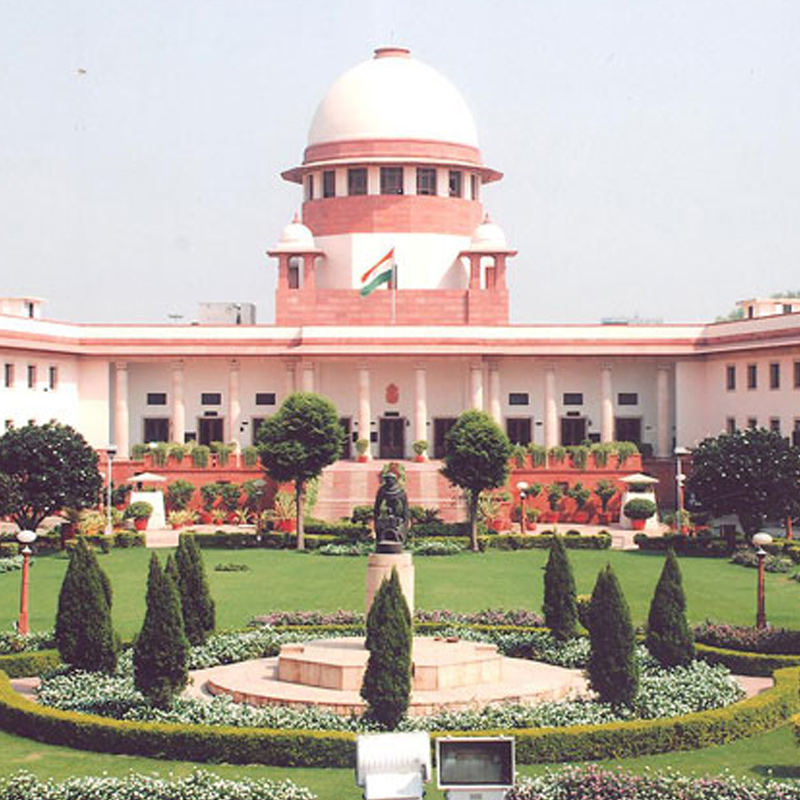
    MUMBAI: The Supreme Court of India on Tuesday refused to stay the Central Government’s notification demonetising Rs 500 and Rs 1,000 currency notes but asked it to enlist the measures to minimise public inconvenience. It asked the Centre to take immediate steps to alleviate the hardships of the common man. “Discontinuing of higher denomination notes appears to be carpet bombing, and not a surgical strike,” the court said.

    The apex court was hearing a bunch of petitions demanding the rollback of the decision to scrap old notes. Without issuing any notice to the RBI or the Centre, the apex court posted the matter for further hearing on 25 November. “We will not be granting any stay,” a bench comprising Chief Justice TS Thakur and DY Chandrachud said. The remarks were made after some advocates insisted on a stay.

    Senior advocate Kapil Sibal, however, said he was not seeking a stay on the notification but seeking answers from the government about the steps taken to lessen public inconvenience. The bench asked attorney-general Mukul Rohatgi to file an affidavit about the measures already undertaken by the government and the Reserve Bank of India to minimise public inconvenience and the steps likely to be taken in future.

    The Centre, which had filed a caveat in the matter, sought dismissal of the petitions challenging demonetisation on several grounds including that they were “misconceived”. Rohatgi outlined the idea behind demonetisation and said large number of counterfeit currency has been used to finance terrorism in various parts of the country including in Jammu and Kashmir and northeastern states.

    Rohatgi informed the bench that Rs 3.25 lakh crore were deposited in the banks since 10 November, and Rs 11 lakh crore would be added in the next few days. He also said there were as many as 24 crore bank accounts including 22 crore opened under the ‘Jan Dhan Scheme’, and the Centre was hopeful to “ramp up” the outflow of the cash to banks, post offices and two lakh ATMs across the country.

  • SC refuses to stay demonetisation

    SC refuses to stay demonetisation

    MUMBAI: The Supreme Court of India on Tuesday refused to stay the Central Government’s notification demonetising Rs 500 and Rs 1,000 currency notes but asked it to enlist the measures to minimise public inconvenience. It asked the Centre to take immediate steps to alleviate the hardships of the common man. “Discontinuing of higher denomination notes appears to be carpet bombing, and not a surgical strike,” the court said.

    The apex court was hearing a bunch of petitions demanding the rollback of the decision to scrap old notes. Without issuing any notice to the RBI or the Centre, the apex court posted the matter for further hearing on 25 November. “We will not be granting any stay,” a bench comprising Chief Justice TS Thakur and DY Chandrachud said. The remarks were made after some advocates insisted on a stay.

    Senior advocate Kapil Sibal, however, said he was not seeking a stay on the notification but seeking answers from the government about the steps taken to lessen public inconvenience. The bench asked attorney-general Mukul Rohatgi to file an affidavit about the measures already undertaken by the government and the Reserve Bank of India to minimise public inconvenience and the steps likely to be taken in future.

    The Centre, which had filed a caveat in the matter, sought dismissal of the petitions challenging demonetisation on several grounds including that they were “misconceived”. Rohatgi outlined the idea behind demonetisation and said large number of counterfeit currency has been used to finance terrorism in various parts of the country including in Jammu and Kashmir and northeastern states.

    Rohatgi informed the bench that Rs 3.25 lakh crore were deposited in the banks since 10 November, and Rs 11 lakh crore would be added in the next few days. He also said there were as many as 24 crore bank accounts including 22 crore opened under the ‘Jan Dhan Scheme’, and the Centre was hopeful to “ramp up” the outflow of the cash to banks, post offices and two lakh ATMs across the country.

  • Demonetisation: Housing, online payment gung-ho; others find solace in India’s larger interest

    Demonetisation: Housing, online payment gung-ho; others find solace in India’s larger interest

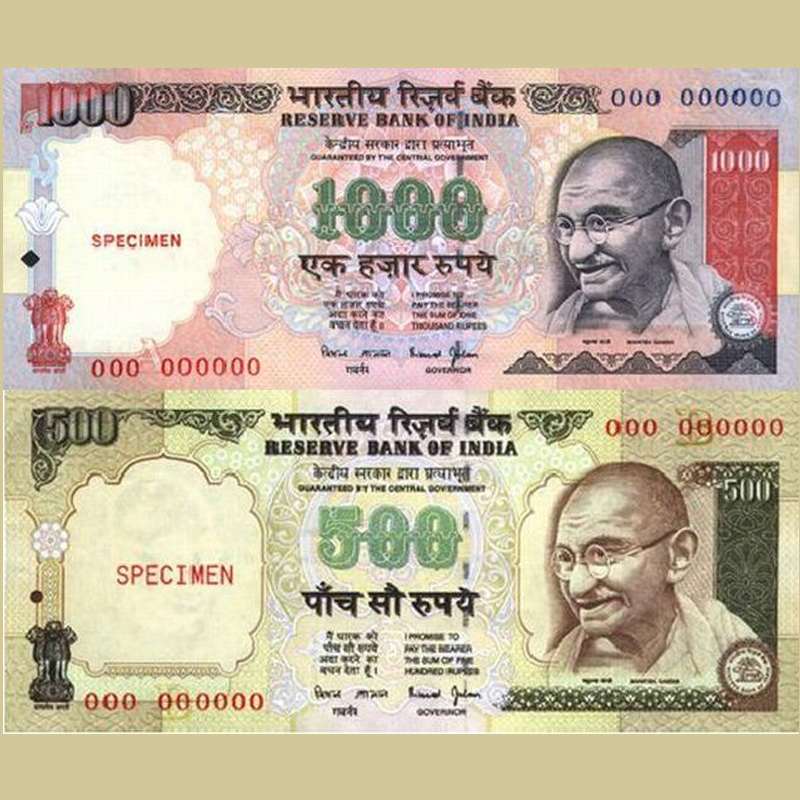
    MUMBAI: Prime Minister Narendra Modi’s decision to demonetise denominations above Rs 100 and circulate newly designed Rs. 500 and Rs 1000 sent tremors across the country on 8 November. By dawn the next day, news of how and to what extent, several industries would be affected by it, apart from the citizens, were circulating in the media.

    The unprecedented step has hit the markets hard, to say the least, as Sensex and Nifty 50 dropped to the lowest since August 2015. As the stock market recovered, real estate, jewellery, and recreation and a section of F&B industry are being expected to feel the brunt the most.

    “Cash transactions or black money deals have plagued the sector for a long time, sometimes even accounting for up to 50 per cent of transactions. This (demonetizing) move, combined with the Benami Property Act which became effective on 1 November, will help weed out corruption and black money to a large extent, from the sector. The organised segment of the market shouldn’t be majorly impacted since most homes are now bought by end-users who avail home loans. The unorganised segment which relies mostly on cash transactions, will be impacted significantly, however. While this will slow down the market in the short-term, it will make India’s real estate sector more transparent and organised in the long-term, which in turn, will attract more funds, both, domestically and internationally,” added housing.com CEO Jason Kothari on a more positive note.

    E-commerce suffered as well, as the players were restricted from operating on Cash On Delivery.

    Oxigen Services India DMD Sunil Kulkarni said, “In one of the impacts of the demonetization of Rs.500 and Rs.1,000 currency, many e-commerce companies have temporarily discontinued COD. However, the affected users have found an option in prepaid visa card. In the past couple of days, post-demonetization announcement, the load value on Oxigen Wallet prepaid visa cards increased four times. The daily average number of users have also increased by 167 per cent, which is clearly showing a trend that people are adopting new ways to make cashless transactions.”

    An Oxigen wallet user can create make a prepaid visa card on the go using balance in wallet or by cash loading through its 200,000 retail touch points spread across India and pay for all online transactions thereby addressing a concern for COD transaction ban.

    “Modi government continues to adopt innovative and feasible ways to eradicate the menace of black money and move India to 21st century nation. The demonetization is a bold step. Not only will this move bring transparency in the system but will also control the menace of counterfeit currency which has been swelling. After supporting the startups, giving impetus to the digital economy, this is another step for India to be at par with other great nations of the world,” added Droom and ShopClues founder Sandeep Aggarwal.

    On the other hand, online and mobile money services have felt the biggest push, as admitted by PayTm in a statement earlier released to the media.

    “As millions of consumers across India have taken to using their Paytm Wallets to transact offline, our biggest opportunity is to be available in every town and city in the country. We want to reach there faster, are looking to further strengthen our onboarding teams as we continue to build India’s biggest payments network.” said Paytm SVP Amit Sinha. The Paytm platform saw an overwhelming 435 per cent increase in overall traffic within hours of the Prime Minister’s demonetizing Rs 500s and Rs 1000.

    Similarly Vodafone’s M Pesa division also welcomed this move. “We reiterate our commitment to actualize the government’s vision through Vodafone M-Pesa that leverages the reach of mobile technology to enable financial inclusion and offers the convenience of a digital wallet for easy transactions. The unique cash-out feature of Vodafone M-Pesa makes it the ideal digital wallet for masses, enabling users to digitise cash, remit it to family and friends, pay bills and/or withdraw it at their convenience from over 120,000 touch points across the country,” said Vodafone India M-Pesa business head Suresh Sethi.

    Will this give a boost to digital marketing and encourage more marketers to spend on digital media?

    “This is a wonderful move by the prime minister and is sure to take the digital economy to the stratosphere! Digital can give India a huge competitive advantage – this action will help shift masses to using digital. While the initial few days will be tough, in the long run it will be greatly beneficial to the economy,” iProspect CEO Vivek Bhargava.

    “The bold move comes in as an effort to fight tax evasion, including allowing taxpayers this year to come clean about undeclared income, without facing full penalties. This initiative will lead to further assertive action towards fighting corruption and terrorism in the country. It aims at a long overdue newer, cleaner India,” seconded Mindshift Interactive CEO Zafar Rais.

    While many have predicted that SMEs and startups will have a hard time during the initial days of transition due to cash crunch, several start-ups are willing to look beyond. “Bold & visionary move! While its implications will take time to materialise and will hopefully be all positive, the sheer courage and audacity of it is truly inspirational,” shared Revv CEO and co-founder Anupam Aggarwal.

    Adding his perspective as an executive from the travel industry, FindMyStay co-founder Rohit Khetrapal added, “As the country has gone cashless for the next two days with the prime minister’s announcement, it will shift the offline bookings in travel domain to online bookings but leisure travel will be slow over few days because of cash not available in the market that people need for food, transport etc. For example, Goa doesn’t have Ola or Uber, and travelling is a challenge in a sense of cash. However, this is a revolutionary step to curb corruption.”

    A section of the broadcast industry supporting the incumbent establishment policy expressed happiness. Essel Group chairman, and Rajya Sabha MP had tweeted: “This decision is truly path-breaking, probably one of the biggest economic reforms in Independent India. It will definitely curb the black money issue and reduce corruption drastically.” ZEEL MD & CEO Punit Goenka stated: “The important decision is aimed towards the brighter future of our nation! There will be short-lived inconvenience, but for a better tomorrow.” DishTV CMD Jawahar Goel said “We are in sync with the cause (demonetisation) which in the long term will impact the economy positively. We have introduced special benefits to our patrons which will provide them continuity in entertainment and convenience of transactions in the present scenario.”

    While most industries as looking at the brighter side of the current situation, all isn’t merry in Bollywood. With new releases coming this weekend, Bollywood and other film industries in the country are also expected to feel the impact, especially the small budget releases. The All-India-Release of Hindi Feature Film “30 Minutes” was scheduled this Friday, 11 November. But now, fearing an empty house, the makers have decided to postpone it to 9 December, 2016.

    Producer-director Yesudas BC and executive producer Amarjit Singh Kohli, expressed their discontentment” “Since the sudden announcement of demonetization, a large number of requests from cine-goers have been constantly pouring in explaining that they (cine-goers) are having acute shortage of Rs 100 & low denomination notes owing to the closure of banks on 9 November 2016 and the subsequent restriction on the maximum amount of withdrawal of money from banks and ATMs.”

    On the flip side, Cinépolis India India Strategic Initiatives director Devang Sampat pointed out, “The ongoing demonetization is restricted to currency notes in circulation; the online booking will be a feasible option. We want to provide convenience to our customers. Booking tickets online will prove to be a win-win for our patrons; they can book tickets with convenience.”

  • Demonetisation: Housing, online payment gung-ho; others find solace in India’s larger interest

    Demonetisation: Housing, online payment gung-ho; others find solace in India’s larger interest

    MUMBAI: Prime Minister Narendra Modi’s decision to demonetise denominations above Rs 100 and circulate newly designed Rs. 500 and Rs 1000 sent tremors across the country on 8 November. By dawn the next day, news of how and to what extent, several industries would be affected by it, apart from the citizens, were circulating in the media.

    The unprecedented step has hit the markets hard, to say the least, as Sensex and Nifty 50 dropped to the lowest since August 2015. As the stock market recovered, real estate, jewellery, and recreation and a section of F&B industry are being expected to feel the brunt the most.

    “Cash transactions or black money deals have plagued the sector for a long time, sometimes even accounting for up to 50 per cent of transactions. This (demonetizing) move, combined with the Benami Property Act which became effective on 1 November, will help weed out corruption and black money to a large extent, from the sector. The organised segment of the market shouldn’t be majorly impacted since most homes are now bought by end-users who avail home loans. The unorganised segment which relies mostly on cash transactions, will be impacted significantly, however. While this will slow down the market in the short-term, it will make India’s real estate sector more transparent and organised in the long-term, which in turn, will attract more funds, both, domestically and internationally,” added housing.com CEO Jason Kothari on a more positive note.

    E-commerce suffered as well, as the players were restricted from operating on Cash On Delivery.

    Oxigen Services India DMD Sunil Kulkarni said, “In one of the impacts of the demonetization of Rs.500 and Rs.1,000 currency, many e-commerce companies have temporarily discontinued COD. However, the affected users have found an option in prepaid visa card. In the past couple of days, post-demonetization announcement, the load value on Oxigen Wallet prepaid visa cards increased four times. The daily average number of users have also increased by 167 per cent, which is clearly showing a trend that people are adopting new ways to make cashless transactions.”

    An Oxigen wallet user can create make a prepaid visa card on the go using balance in wallet or by cash loading through its 200,000 retail touch points spread across India and pay for all online transactions thereby addressing a concern for COD transaction ban.

    “Modi government continues to adopt innovative and feasible ways to eradicate the menace of black money and move India to 21st century nation. The demonetization is a bold step. Not only will this move bring transparency in the system but will also control the menace of counterfeit currency which has been swelling. After supporting the startups, giving impetus to the digital economy, this is another step for India to be at par with other great nations of the world,” added Droom and ShopClues founder Sandeep Aggarwal.

    On the other hand, online and mobile money services have felt the biggest push, as admitted by PayTm in a statement earlier released to the media.

    “As millions of consumers across India have taken to using their Paytm Wallets to transact offline, our biggest opportunity is to be available in every town and city in the country. We want to reach there faster, are looking to further strengthen our onboarding teams as we continue to build India’s biggest payments network.” said Paytm SVP Amit Sinha. The Paytm platform saw an overwhelming 435 per cent increase in overall traffic within hours of the Prime Minister’s demonetizing Rs 500s and Rs 1000.

    Similarly Vodafone’s M Pesa division also welcomed this move. “We reiterate our commitment to actualize the government’s vision through Vodafone M-Pesa that leverages the reach of mobile technology to enable financial inclusion and offers the convenience of a digital wallet for easy transactions. The unique cash-out feature of Vodafone M-Pesa makes it the ideal digital wallet for masses, enabling users to digitise cash, remit it to family and friends, pay bills and/or withdraw it at their convenience from over 120,000 touch points across the country,” said Vodafone India M-Pesa business head Suresh Sethi.

    Will this give a boost to digital marketing and encourage more marketers to spend on digital media?

    “This is a wonderful move by the prime minister and is sure to take the digital economy to the stratosphere! Digital can give India a huge competitive advantage – this action will help shift masses to using digital. While the initial few days will be tough, in the long run it will be greatly beneficial to the economy,” iProspect CEO Vivek Bhargava.

    “The bold move comes in as an effort to fight tax evasion, including allowing taxpayers this year to come clean about undeclared income, without facing full penalties. This initiative will lead to further assertive action towards fighting corruption and terrorism in the country. It aims at a long overdue newer, cleaner India,” seconded Mindshift Interactive CEO Zafar Rais.

    While many have predicted that SMEs and startups will have a hard time during the initial days of transition due to cash crunch, several start-ups are willing to look beyond. “Bold & visionary move! While its implications will take time to materialise and will hopefully be all positive, the sheer courage and audacity of it is truly inspirational,” shared Revv CEO and co-founder Anupam Aggarwal.

    Adding his perspective as an executive from the travel industry, FindMyStay co-founder Rohit Khetrapal added, “As the country has gone cashless for the next two days with the prime minister’s announcement, it will shift the offline bookings in travel domain to online bookings but leisure travel will be slow over few days because of cash not available in the market that people need for food, transport etc. For example, Goa doesn’t have Ola or Uber, and travelling is a challenge in a sense of cash. However, this is a revolutionary step to curb corruption.”

    A section of the broadcast industry supporting the incumbent establishment policy expressed happiness. Essel Group chairman, and Rajya Sabha MP had tweeted: “This decision is truly path-breaking, probably one of the biggest economic reforms in Independent India. It will definitely curb the black money issue and reduce corruption drastically.” ZEEL MD & CEO Punit Goenka stated: “The important decision is aimed towards the brighter future of our nation! There will be short-lived inconvenience, but for a better tomorrow.” DishTV CMD Jawahar Goel said “We are in sync with the cause (demonetisation) which in the long term will impact the economy positively. We have introduced special benefits to our patrons which will provide them continuity in entertainment and convenience of transactions in the present scenario.”

    While most industries as looking at the brighter side of the current situation, all isn’t merry in Bollywood. With new releases coming this weekend, Bollywood and other film industries in the country are also expected to feel the impact, especially the small budget releases. The All-India-Release of Hindi Feature Film “30 Minutes” was scheduled this Friday, 11 November. But now, fearing an empty house, the makers have decided to postpone it to 9 December, 2016.

    Producer-director Yesudas BC and executive producer Amarjit Singh Kohli, expressed their discontentment” “Since the sudden announcement of demonetization, a large number of requests from cine-goers have been constantly pouring in explaining that they (cine-goers) are having acute shortage of Rs 100 & low denomination notes owing to the closure of banks on 9 November 2016 and the subsequent restriction on the maximum amount of withdrawal of money from banks and ATMs.”

    On the flip side, Cinépolis India India Strategic Initiatives director Devang Sampat pointed out, “The ongoing demonetization is restricted to currency notes in circulation; the online booking will be a feasible option. We want to provide convenience to our customers. Booking tickets online will prove to be a win-win for our patrons; they can book tickets with convenience.”