Tag: Demonetisation

  • Demonetisation: Paytm & SBI most talked about on Twitter and Insta

    Demonetisation: Paytm & SBI most talked about on Twitter and Insta

    MUMBAI: It’s been close to a month since PM Narendra Modi announced the demonetisation of higher currency notes and the buzz around the topic hasn’t receded still. After all, several sections of the market remain affected by the scarcity of liquidity in the economy.

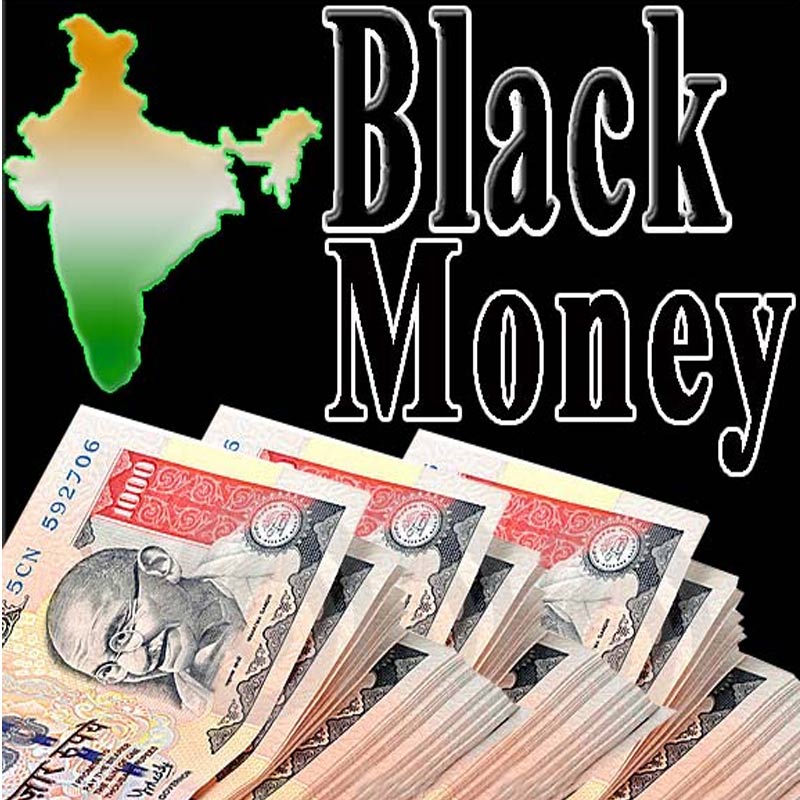
    While the country debates on whether the move has been successful in curbing black money or not, one thing is for certain, it caught everyone’s attention.

    Maxus Kaleidoscope has released data that reveals the location-wise mood of India from Twitter and Instagram.

    The conversations were mapped  between the 8 to the 24 of Nov 2016 by when we would get a clear picture of the how the initial euphoria of the demonetization panned out over time.

    Location based Tweets and Instagram Posts oscillated largely between Action oriented and Calm Moods in the fortnight since the demonetization from an All India basis. Calm moods were dominant in the North Eastern states of Mizoram and Meghalaya as depicted in the map below.

    Nearly 5 Lakh conversations on Twitter & Instagram made up the top 10 trending topics. Demonetization accounted for 6 of the top 10 trending topics since the announcement, of which the PM accounted for half of the trending topics. #IamwithModi and #Modi were the topics that made up for 19% of the conversations within the top 10 trends. Cricket shared a bit of the spotlight from demonetization thanks to the ongoing England-India test series.
    public://Demonetisation Mood Mapping by Maxus (1)_0.jpg

    Brands too shared some of the light light that demonetization drew. A total of 23 brands of were linked to the top 10 trending topics during the past fortnight. These brands factored in slightly over 30 per cent of the total conversations. PayTM  leading the bunch (avg. 53% association) and SBI (avg. 16% association) carved out the larger part of the Brand Share of Conversation.
    public://Demonetisation Mood Mapping by Maxus (2)_0.jpg

    The top 5 metros reflected similar patterns of Moods where Action dominated the moods however there were some days especially like 17 Nov in Delhi when the expression of Calm gave way to Action. Additionally Tamil Nadu showed a blip towards Anxiety on the 18, 19 and 21 Nov 2016 when subsequent announcements of the demonetization easing by the government and news of the CM Jayalalithaa seemed to have driven up the specific mood.

    public://Demonetisation Mood Mapping by Maxus (3).jpg

    public://Demonetisation Mood Mapping by Maxus (4).jpg

    public://Demonetisation Mood Mapping by Maxus (5).jpg

    public://Demonetisation Mood Mapping by Maxus (6).jpg

    public://Demonetisation Mood Mapping by Maxus (7).jpg

    According to Maxus Kaleidoscope’s mapped data over Twitter and Intagram, there is a sense of patient restraint in cities across India as the demonetization moves on into the 3rd week and nears the critical end of the month period when cash flows really come into play.


  • MIB’s digital deadline dilemma: to relax or not

    MIB’s digital deadline dilemma: to relax or not

    NEW DELHI: India’s ongoing cable digitalisation, plagued by court cases resulting in roll-out delays, may have just got entangled with the short to medium-term inconveniences caused by demonetisation of high-value currency notes signalling likely further delays.

    The ministry of  information and broadcasting (MIB), grappling with the issue of delays, was served with another likely roadblock when the the Telangana state government requested postponement of  the digital deadline of 31 December, 2016, at a stakeholders’ meeting on 29 November 2016.

    As per the government mandate, the sunset date for all analog television services in the country is 31 December, 2016, which would have signalled completion of Phase IV of the digital addressable system (DAS) rollout.

    While grudgingly admitting that the government is seized of the inconveniences caused due to demonetisation, a government official told indiantelevision.com that in view of the prevailing situation in the country and a major portion of Phase IV areas (about 60 per cent) still to be seeded with digital STBs, the government is unable to take a decision whether to hold on to year-end deadline or relax it.

    “The court cases filed by cable operators (relating to DAS Phase III and IV) have been a cause of a major delay and the situation arising out of demonetisation has further added to government’s dilemma,” a senior government official explained.

    At the monthly DAS Task Force meeting of stakeholders at MIB, chaired by the ministry’s additional secretary, not only the representative of the state of Telangana voiced his concern on the digital deadline of 31 December, 2016 requesting postponement, but some MSOs and Indian STB manufacturers too expressed their apprehensions.

    The Telangana state government’s proposal was opposed by a majority of those present in the meeting. Their concern: any official postponement of the sunset date of 2016 would send wrong signals, and may further derail the digital rollout. MIB is understood to be studying all the feedback before announcing its official position on the deadline.   

    Though, according to MIB, officially Phase IV of DAS is progressing as per schedule, a section of the cable industry estimates that approximately 10 million homes, part of DAS Phase III, are still to be seeded with STBs.

    The court cases relating to DAS in Delhi High Court have had several adjournments on grounds of technicalities.

    Information and broadcasting minister of state Rajyavardhan Singh Rathore admitted in the Parliament that DAS may get delayed. “As per Cable TV Rule, the cut-off date for complete digitisation is 31 December 2016. As such, all cable subscribers in the country should take STBs (set-top boxes) before this date to continue avail cable TV services. However, due to court cases the implementation may get delayed,” the Minister said in Lok Sabha or Lower House of Parliament earlier this week.

    ALSO READ:

    DAS cases put off to Nov 23 as processes incomplete


  • MIB’s digital deadline dilemma: to relax or not

    MIB’s digital deadline dilemma: to relax or not

    NEW DELHI: India’s ongoing cable digitalisation, plagued by court cases resulting in roll-out delays, may have just got entangled with the short to medium-term inconveniences caused by demonetisation of high-value currency notes signalling likely further delays.

    The ministry of  information and broadcasting (MIB), grappling with the issue of delays, was served with another likely roadblock when the the Telangana state government requested postponement of  the digital deadline of 31 December, 2016, at a stakeholders’ meeting on 29 November 2016.

    As per the government mandate, the sunset date for all analog television services in the country is 31 December, 2016, which would have signalled completion of Phase IV of the digital addressable system (DAS) rollout.

    While grudgingly admitting that the government is seized of the inconveniences caused due to demonetisation, a government official told indiantelevision.com that in view of the prevailing situation in the country and a major portion of Phase IV areas (about 60 per cent) still to be seeded with digital STBs, the government is unable to take a decision whether to hold on to year-end deadline or relax it.

    “The court cases filed by cable operators (relating to DAS Phase III and IV) have been a cause of a major delay and the situation arising out of demonetisation has further added to government’s dilemma,” a senior government official explained.

    At the monthly DAS Task Force meeting of stakeholders at MIB, chaired by the ministry’s additional secretary, not only the representative of the state of Telangana voiced his concern on the digital deadline of 31 December, 2016 requesting postponement, but some MSOs and Indian STB manufacturers too expressed their apprehensions.

    The Telangana state government’s proposal was opposed by a majority of those present in the meeting. Their concern: any official postponement of the sunset date of 2016 would send wrong signals, and may further derail the digital rollout. MIB is understood to be studying all the feedback before announcing its official position on the deadline.   

    Though, according to MIB, officially Phase IV of DAS is progressing as per schedule, a section of the cable industry estimates that approximately 10 million homes, part of DAS Phase III, are still to be seeded with STBs.

    The court cases relating to DAS in Delhi High Court have had several adjournments on grounds of technicalities.

    Information and broadcasting minister of state Rajyavardhan Singh Rathore admitted in the Parliament that DAS may get delayed. “As per Cable TV Rule, the cut-off date for complete digitisation is 31 December 2016. As such, all cable subscribers in the country should take STBs (set-top boxes) before this date to continue avail cable TV services. However, due to court cases the implementation may get delayed,” the Minister said in Lok Sabha or Lower House of Parliament earlier this week.

    ALSO READ:

    DAS cases put off to Nov 23 as processes incomplete


  • Magicbricks Now to reveal corruption on 5pm show today

    Magicbricks Now to reveal corruption on 5pm show today

    MUMBAI: In an investigation conducted across different locations in Mumbai, Magicbricks Now has made some shocking revelations from the sector. The industry still continues to accept payment in black. The channel will air this sting operation called Black In Demand today at 5 pm.

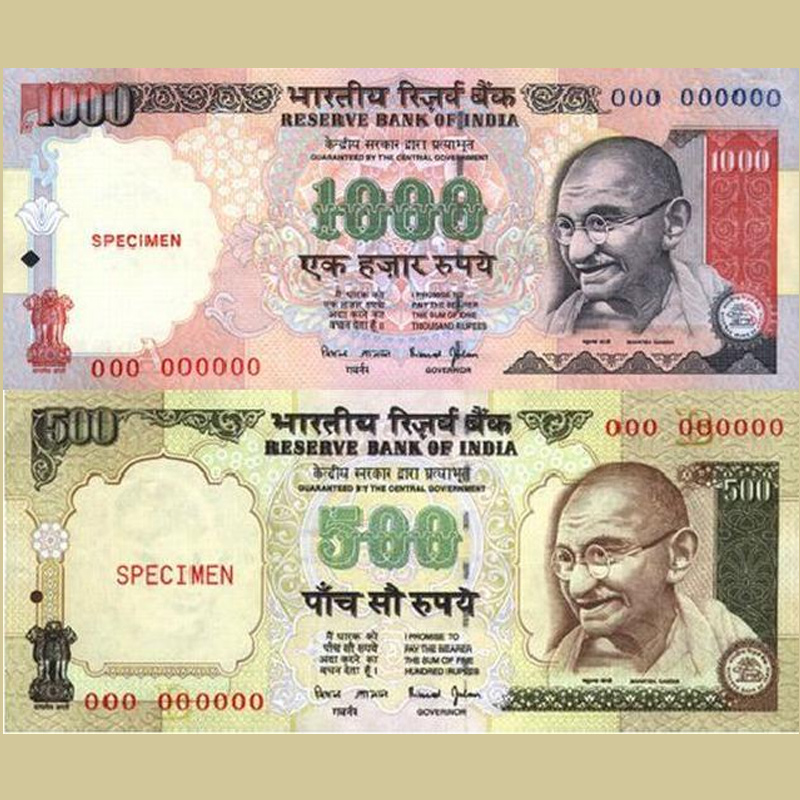
    While the government’s sudden decision to ban the 500 and 1000 rupee notes has sent shock waves across the country, real estate seems to be the industry that remains unaffected by this massive change. The show will see how builders are redeveloping their cash reserves with new notes.

    To examine the ground reality, the channel’s team of reporters visited a number of projects, posing as home buyers and met with several builders from the industry. The findings of this investigation were startling.

    The sales force of several developers offered discounts to customers if a certain percentage of the flat cost is paid in cash. On probing further, they offered customers a larger time-frame of payment extending until February next year if the payment was made in new notes.

    They were more than willing to accept the defunct old notes at a premium if payment was made in the next few days. The old 500 and 1000 notes are being accepted at a daily spot trading rate that decides the premium on these notes.

    The sensational demonetisation drive has caused distress among citizens from all walks of life and made everyone sit up and take notice. More than thousands are lining up at ATM’s everyday and even more sweating it out to exchange their old currency at the banks. Yet, a majority are willing to put up with this short-term inconvenience for what’s believed to be for the long-term good of the country.

    Even though amongst all industries it was expected to affect, real estate was widely expected to get the worst hit of them all. However, the loophole in curbing black money stands exposed and tells us a different story.

  • Magicbricks Now to reveal corruption on 5pm show today

    Magicbricks Now to reveal corruption on 5pm show today

    MUMBAI: In an investigation conducted across different locations in Mumbai, Magicbricks Now has made some shocking revelations from the sector. The industry still continues to accept payment in black. The channel will air this sting operation called Black In Demand today at 5 pm.

    While the government’s sudden decision to ban the 500 and 1000 rupee notes has sent shock waves across the country, real estate seems to be the industry that remains unaffected by this massive change. The show will see how builders are redeveloping their cash reserves with new notes.

    To examine the ground reality, the channel’s team of reporters visited a number of projects, posing as home buyers and met with several builders from the industry. The findings of this investigation were startling.

    The sales force of several developers offered discounts to customers if a certain percentage of the flat cost is paid in cash. On probing further, they offered customers a larger time-frame of payment extending until February next year if the payment was made in new notes.

    They were more than willing to accept the defunct old notes at a premium if payment was made in the next few days. The old 500 and 1000 notes are being accepted at a daily spot trading rate that decides the premium on these notes.

    The sensational demonetisation drive has caused distress among citizens from all walks of life and made everyone sit up and take notice. More than thousands are lining up at ATM’s everyday and even more sweating it out to exchange their old currency at the banks. Yet, a majority are willing to put up with this short-term inconvenience for what’s believed to be for the long-term good of the country.

    Even though amongst all industries it was expected to affect, real estate was widely expected to get the worst hit of them all. However, the loophole in curbing black money stands exposed and tells us a different story.

  • TRAI reduces ceiling tariff for mobile banking services

    TRAI reduces ceiling tariff for mobile banking services

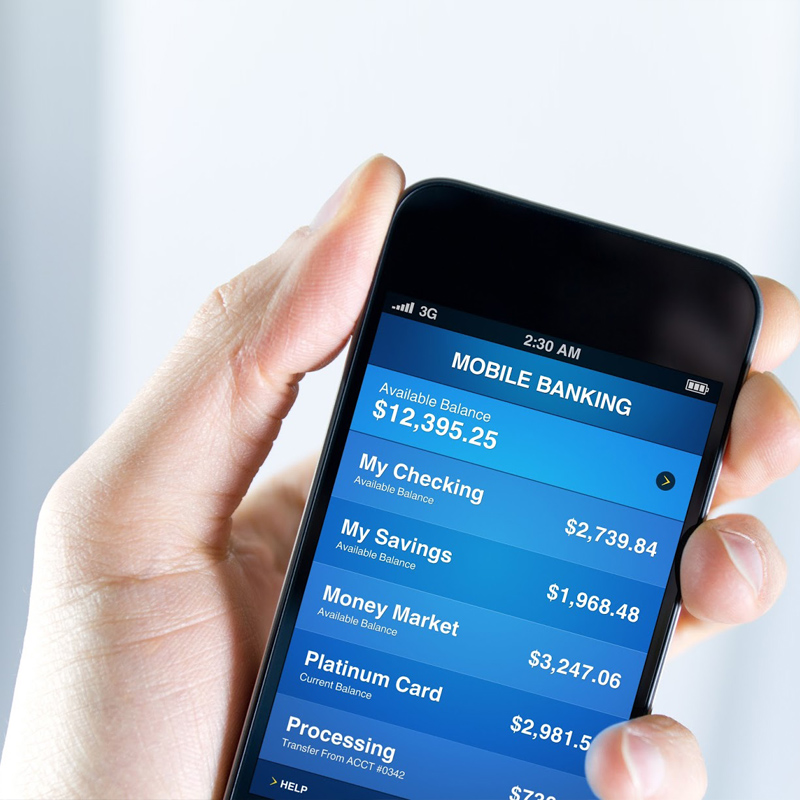
    NEW DELHI: It couldn’t have come at a more opportune moment, especially when the country is reeling under a severe cash crunch in the aftermath of demonetization of Rs 500 and Rs 1,000 currency notes. Telecom Regulatory Authority of India (TRAI) in an order yesterday reduced the ceiling tariff for the use of unstructured supplementary service data (USSD)-based mobile banking services from Rs 1.50 to Rs.0.50.

    TRAI also amended the Mobile Banking (Quality of Service) Regulations to increase the number of stages from 5 to 8 per USSD session.

    These amendments will facilitate banks, their agents or any entity authorized by the Reserve Bank of India for better delivery of banking and payment services to the consumers through mobile phones over USSD.

    Though these regulatory decisions are an outcome of a detailed consultation process initiated in August 2016, the timing cannot be missed as PM Modi-led government’s move on arresting black money and bring about more transparency through digitalization, including digital banking, has led to partial chaos in society and economy in the short to medium terms.

    “The availability of and easy access to banking services for all our citizens is a major objective of public policy. However, the harsh reality is that a large section of our population is still unbanked/under-banked. With a significant penetration of mobile telephony in rural India, the mobile phone can be leveraged to achieve the goal of financial inclusion. Accordingly, in November, 2013, with a view to facilitate mobile banking for financial inclusion, TRAI had established a framework to facilitate the agents of the banks to interface with the access service providers for use of SMS, USSD and IVR channels to provide mobile banking services and prescribed ceiling tariff of Rs. 1.50 per USSD session for USSD-based mobile banking service. However, all these initiatives did not lead to the desired result and both the number of transactions and success rate are below expectation,” TRAI said in a statement while mandating the tariff reductions.

    The latest diktat on USSD tariffs, which come into force with immediate effect, would, according to TRAI, hopefully result in greater financial inclusion in the country and contribute to the fulfillment of an important aspect of Digital India by encouraging a ‘less cash’ society.

    Welcoming the government’s initiatives to accelerate India’s progress into a `less cash’ economy, Vodafone India MD & CEO Sunil Sood said, “Vodafone India is committed to help actualise the government’s several initiatives designed to make India a digital economy. To ease the burden of masses, we are waiving off all USSD charges presently levied for mobile banking till 31 December 2016. As several million customers use feature phones, we are hopeful that this free access to mobile banking will encourage them to adopt it as their preferred and convenient mode for banking.”

  • TRAI reduces ceiling tariff for mobile banking services

    TRAI reduces ceiling tariff for mobile banking services

    NEW DELHI: It couldn’t have come at a more opportune moment, especially when the country is reeling under a severe cash crunch in the aftermath of demonetization of Rs 500 and Rs 1,000 currency notes. Telecom Regulatory Authority of India (TRAI) in an order yesterday reduced the ceiling tariff for the use of unstructured supplementary service data (USSD)-based mobile banking services from Rs 1.50 to Rs.0.50.

    TRAI also amended the Mobile Banking (Quality of Service) Regulations to increase the number of stages from 5 to 8 per USSD session.

    These amendments will facilitate banks, their agents or any entity authorized by the Reserve Bank of India for better delivery of banking and payment services to the consumers through mobile phones over USSD.

    Though these regulatory decisions are an outcome of a detailed consultation process initiated in August 2016, the timing cannot be missed as PM Modi-led government’s move on arresting black money and bring about more transparency through digitalization, including digital banking, has led to partial chaos in society and economy in the short to medium terms.

    “The availability of and easy access to banking services for all our citizens is a major objective of public policy. However, the harsh reality is that a large section of our population is still unbanked/under-banked. With a significant penetration of mobile telephony in rural India, the mobile phone can be leveraged to achieve the goal of financial inclusion. Accordingly, in November, 2013, with a view to facilitate mobile banking for financial inclusion, TRAI had established a framework to facilitate the agents of the banks to interface with the access service providers for use of SMS, USSD and IVR channels to provide mobile banking services and prescribed ceiling tariff of Rs. 1.50 per USSD session for USSD-based mobile banking service. However, all these initiatives did not lead to the desired result and both the number of transactions and success rate are below expectation,” TRAI said in a statement while mandating the tariff reductions.

    The latest diktat on USSD tariffs, which come into force with immediate effect, would, according to TRAI, hopefully result in greater financial inclusion in the country and contribute to the fulfillment of an important aspect of Digital India by encouraging a ‘less cash’ society.

    Welcoming the government’s initiatives to accelerate India’s progress into a `less cash’ economy, Vodafone India MD & CEO Sunil Sood said, “Vodafone India is committed to help actualise the government’s several initiatives designed to make India a digital economy. To ease the burden of masses, we are waiving off all USSD charges presently levied for mobile banking till 31 December 2016. As several million customers use feature phones, we are hopeful that this free access to mobile banking will encourage them to adopt it as their preferred and convenient mode for banking.”

  • TV industry may lose Rs 500-600 cr due to demonetisation

    TV industry may lose Rs 500-600 cr due to demonetisation

    MUMBAI: The government’s move to not accept Rs 500 and Rs 1000 currency notes as legal tender may affect the TV industry in a big way. 

    A recent media report has estimated that the Indian television industry is to suffer a loss of Rs 500 to Rs 600 crore in advertising revenue as fallout of PM Modi’s decision to demonetise close to 86 per cent of liquid cash in the economy.

    This is because several advertisers are postponing their campaigns scheduled to air in November and December due to a slowdown in consumer spending, a media buyer informed livemint.com. 

    As Colors TV CEO Raj Nayak puts it, “There is disruption in off-take of consumer goods & FMCG (fast moving consumer goods) products.”  According to a press statement shared by Nayak, the situation is also affecting new businesses as most advertisers are “clueless as to how the market will evolve and respond.”

    Dentsu Aegis Network South Asia chairman and CEO Ashish Bhasin feels that the reason for the cut back on the marketing spends could be the impact on sales that the demonetisation has had on the FMCG products.

    Typically, the October-December quarter is the most active quarter accounting for almost 30 to 40 percent of annual billing in terms of advertising spends. With how things are, that is unlikely to be the case this year, a worried Bhasin said.

    ALSO READ:   Demonetisation: Housing, online payment gung-ho; others find solace in India’s larger interest
     

  • TV industry may lose Rs 500-600 cr due to demonetisation

    TV industry may lose Rs 500-600 cr due to demonetisation

    MUMBAI: The government’s move to not accept Rs 500 and Rs 1000 currency notes as legal tender may affect the TV industry in a big way. 

    A recent media report has estimated that the Indian television industry is to suffer a loss of Rs 500 to Rs 600 crore in advertising revenue as fallout of PM Modi’s decision to demonetise close to 86 per cent of liquid cash in the economy.

    This is because several advertisers are postponing their campaigns scheduled to air in November and December due to a slowdown in consumer spending, a media buyer informed livemint.com. 

    As Colors TV CEO Raj Nayak puts it, “There is disruption in off-take of consumer goods & FMCG (fast moving consumer goods) products.”  According to a press statement shared by Nayak, the situation is also affecting new businesses as most advertisers are “clueless as to how the market will evolve and respond.”

    Dentsu Aegis Network South Asia chairman and CEO Ashish Bhasin feels that the reason for the cut back on the marketing spends could be the impact on sales that the demonetisation has had on the FMCG products.

    Typically, the October-December quarter is the most active quarter accounting for almost 30 to 40 percent of annual billing in terms of advertising spends. With how things are, that is unlikely to be the case this year, a worried Bhasin said.

    ALSO READ:   Demonetisation: Housing, online payment gung-ho; others find solace in India’s larger interest
     

  • Cable operators seek exemption in entertainment at par with fuel & medical services

    Cable operators seek exemption in entertainment at par with fuel & medical services

    MUMBAI: Although demonetisation of high-demonination currency is largely seen as a boon for a thriving economy marred by a legacy of unaccounted money and corruption, it is a proving to be a bane for the common man. The only basic entertainment that a layman has access to is television which is suffering owing to a severe shortfall of small denomination currency.

    Though the government insists on having made arrangements for dispensing cash in new currency through ATMs and banks, the measures are inadequate for the serpentine queue-avoiding office-goer, a shop-keeper, a commoner and especially a ruralite who hardly has access to financial institutions/institutionalised lenders in India.

    Seven Star Satellite Cable Network founder and chief Atul Saraf said they have been accepting cheques since a long time. However, some of their franchisees were facing difficulties in collecting cash from the subscribers owing to demontisation.

    Generally, around 65-70 per cent of collection in the business is in cash, and the remainder is through cheque. Saraf said they have now made arrangements for online payments from 1 January, 2017.

    Saraf lamented that there was a slowdown in collections owing to cash crunch due to demonetisation. The situation would take at least 3–4 months to come to normal.

    To a question, Saraf said that installation of STBs had picked up pace as a natural progression of digitisation under Phase III and Phase IV in September and October, but it has slowed down again. “Customers are not willing to shell out whatever little cash they have for STBs; rather they would like to use it for buying essentials,” Saraf bemoaned.

    “I have written to the prime minister Narendra Modi to extend the date of exchanging old currency with new by 2-3 months beyond the 31 December deadline,” said Gujarat Cable Operators Association president Pramod Pandya.

    Pandya expects the government to be considerate with the plight of the common man especially in rural India. “Entertainment must also be exempt from immediate adherence to the new currency norms as in casewith fuel and emergency medical services,” said Pandya who is the honorary Gujarat state cable operators’ representative at the
    information and broadcasting (I&B) ministry.

    Customers in the rural areas under DAS Phase IV neither have cheques nor the new currency at all to pay the cable operators. “Approximately 4000 villages in Gujarat that fall under the purview of Phase IV digitisation do not have access to banks or ATMs; where would they fetch the new currency,” Pandya retorted.

    Digicable Network (India) Pvt. Ltd CEO Jagjit Singh Kohli sought to put on record that they have been accepting cheques and online payments since a long time. MSOs have never been averse to receipt of cheques. However, as far as LCOs are concerned, only 20-25 per cent subscribers preferred paying their cable bills through cheques. He parried a question on the status and installations of STBs.

    “We have been accepting cheques and issuing bills since CAS came into the picture around November 2012. But, lately, we have started issuing itemised bills,” said Maharashtra Cable Association Federation chief Arvind Prabhoo said, welcoming demonetisation during the period of transparency and digitisation. A majority of subscribers (around 70-80 per cent) living the areas serviced by operators who owe allegiance to MCOF have been paying trough cheques. “We also started accepting online payments last year,” Prabhoo said.

    “Neither cheque nor cash, however, is a compulsion. We are not insisting on a particular mode of payment,” Prabhoo said. But, subscribers, of course, were facing a shortage of cash, and it would take around 10 more days for things to normalise, he added. To a question on digitization and installation of STBs, Prabhoo said that there had been some reports of increase in STB sale which could be due to good monsoon.

    Since, there was a temporary shortage of cash, Prabhoo said, people were not too keen on buying a STB worth Rs 1500-2000. “The Phase III is stuck due to various court cases, and Phase IV could be delayed by a couple of months as it covers a vast geographical expanse. But, it (DAS III & IV) will happen for sure,” he remarked.

    “The situation in Tamil Nadu is grave as subscribers are neither willing to pay through cheque nor do they have ready cash due to demonetisation,” said Chennai Metro Cable Operators Association general secretary MR Srinivasan.

    The subscription rate is as low as Rs 100 per month in most of the areas (districts) in the state. But, owing to shortage of low-denomination notes, around 1.4 million subscribers in the state are not paying the cable operators.

    “Subscribers offer us old notes of Rs 500, and expect Rs 400 change from us. So, even while we are willing to exchange old notes in the bank, where do we get the change from,” Srinivasan seemed puzzled. And, the subscribers are not willing to pay five months’ advance subscription to tide over the temporary problem.

    “The central government is not effective on digitisation in Tamil Nadu as most of the state, except Chennai, is served by cable companies (directly or indirectly) owned by the incumbent government,” Srinivasan alleged.

    In Chennai, he said, STBs have been installed only in around 10 per cent of the four million (40 lakh) households. Due to court cases against digitisation also, the progress of modernisation is stuck.

    As in case of medical services and petrol pumps etc, Srinivasan expected the government to allow old Rs 500 notes for cable services as well. “At least, for the number of subscribers which have been accounted for, the operators should be allowed to accept that many (old) notes,” he said.

    One may be happy about the cable modernisation and demonetisation to stem the economic decay in the larger interest of the country, there seems to be no denying the fact that it will cause of a lot of tug-of-wars, transition and loss of business and lives, heartburns, political upheavals, dilly-dallying and legal wrangles before we move ahead.