Tag: Delhi High Court

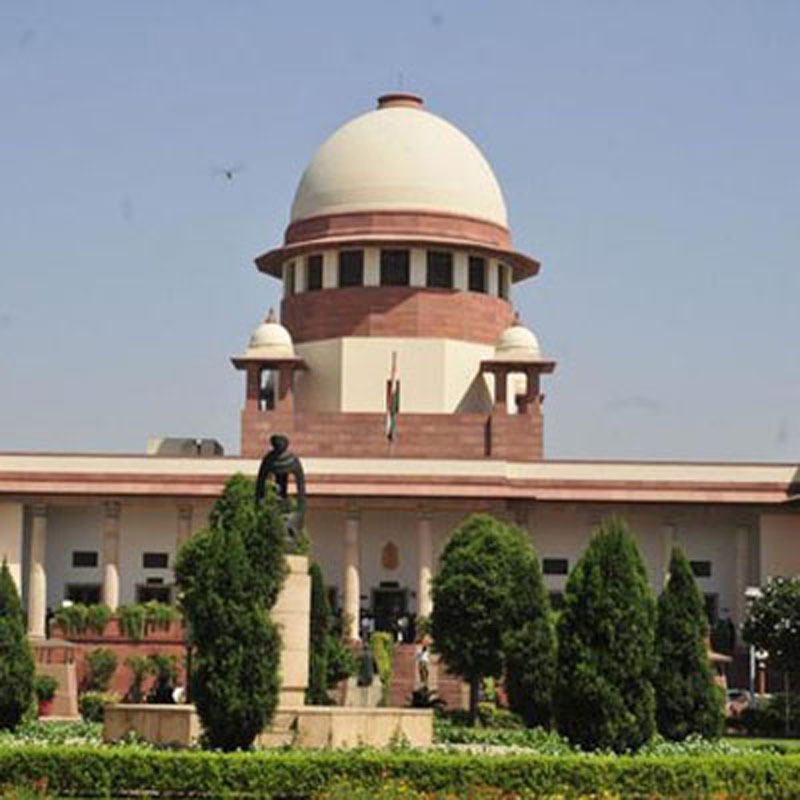
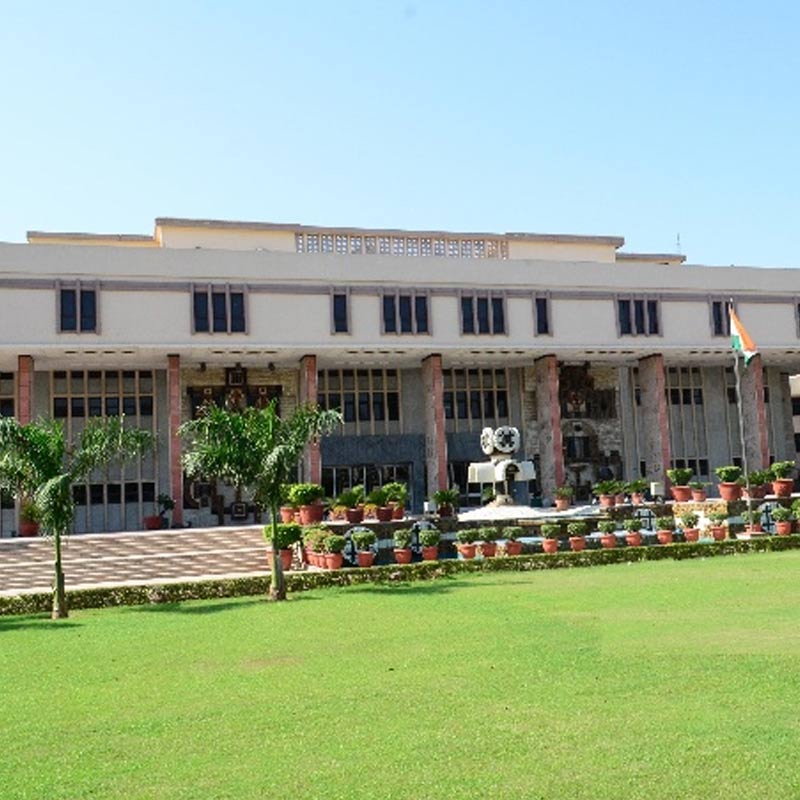
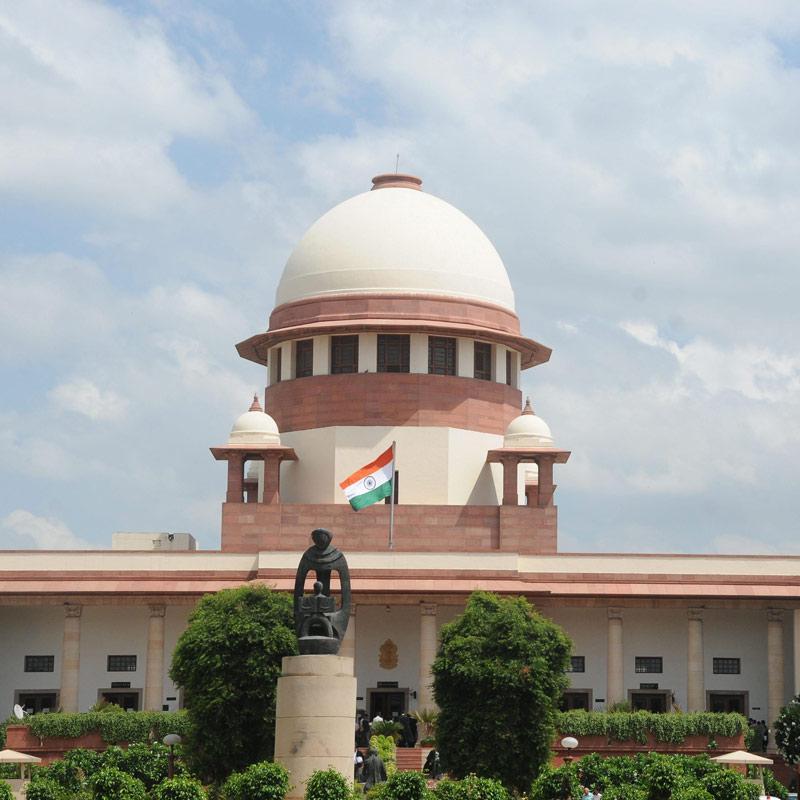
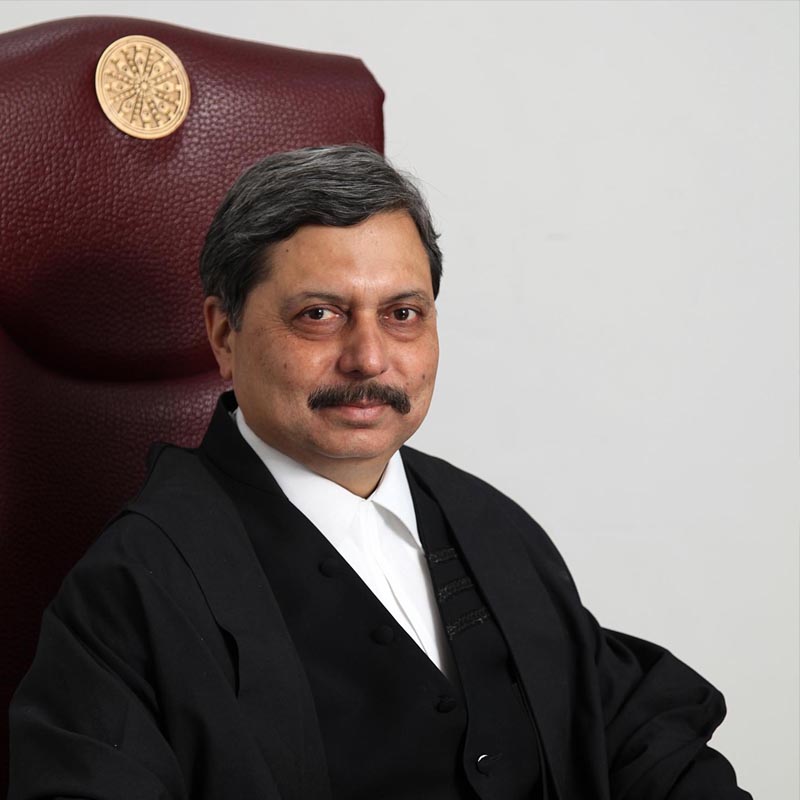
  • Delhi HC justice DN Patel appointed as chairperson of TDSAT

    Delhi HC justice DN Patel appointed as chairperson of TDSAT

    Mumbai: The central government has appointed Delhi HC justice DN Patel to the post of chairperson of Telecom Disputes Settlement and Appellate Tribunal (TDSAT) for a period of four years. Patel was appointed chief justice of Delhi high court on 7 June 2019.

    Notification issued by the law and justice ministry in this regard stated, “As approved by the appointments committee of the cabinet, the central government hereby appoints Justice D.N. Patel , chief justice of Delhi high court to the post of chairperson, Telecom Disputes Settlement and Appellate Tribunal, for a period of 04 years from the date of assumption of charge of the post, or till attaining the age of 70 years, or until further orders, whichever is the earliest.”

    “The conditions of service of Justice DN Patel as chairperson in the Telecom Disputes Settlement and Appellate Tribunal shall be governed by the provisions of the Tribunals Reforms Act, 2021 and the Tribunal (Conditions of Service) Rules, 2021,” it added.

    Prior to Delhi HC, Justice DN Patel served as acting chief justice of the Jharkhand high court and also as the judge of Jharkhand high court and Gujarat high court.

    Patel enrolled as an advocate in 1984, practicing at the Gujarat HC. He practiced in civil, criminal, and constitutional matters as well excise and customs on behalf of the Union of India at the Gujarat HC. He was appointed as special counsel of the state of Gujarat in other high courts.

  • Delhi HC orders suspension of websites infringing Aaj Tak trademark

    Delhi HC orders suspension of websites infringing Aaj Tak trademark

    Mumbai: The Delhi high court has directed digital media platforms Google and Facebook to suspend the domain names and web platforms of a number of websites for infringing the “Aaj Tak” trademark, according to a report by Bar and Bench.

    The order was passed by the single judge bench held by Justice Suresh Kumar Sait in a suit filed by Living Media India Ltd, a parent company of Aaj Tak. The court also extended the previously granted interim injunction passed against the websites in question.

    The HC order has restrained four websites from using the “Aaj Tak” trademark and observed that “the extensive and awareness of the plaintiffs’ trademarks and device/composite mark is apparent if one were to take into account the figures concerning turnover and advertisement spend set out in the plaint”, according to the report.

    During a previous hearing, senior advocate Darpan Wadhwa, appearing on behalf of Aaj Tak, had sought leave from the court to file for relief seeking similar orders against other rogue websites that emerged. Consequently, the plaintiffs sought impleadment of several additional websites and prayed for suspension of their domain names.

    The single judge bench concluded that the proposed defendants were “necessary parties for just adjudication of this case and if they are not impleaded, prima facie it will amount to immense loss of goodwill and reputation on account of the unlawful activities of these proposed defendants.”

  • HC restrains unauthorised broadcast of Tokyo Olympics by cable operators

    HC restrains unauthorised broadcast of Tokyo Olympics by cable operators

    New Delhi: The Delhi high court has restrained the unauthorised broadcast of the upcoming Tokyo Olympics by several rogue websites, multi-system operators, and local cable operators. The much-awaited international sports extravaganza is set to begin on 23 July and conclude on 8 August.

    The court was hearing a plea filed by Sony Pictures Networks India, which is the official, exclusive broadcaster of the 2020 Tokyo Olympics in India.

    According to the SPN, over 40 websites and over 30 multi-system operators, and local cable operators illegally broadcasted pirated content in violation of the copyright act and argued that the new IT Rules of 2021 required an ISP to protect a party’s proprietary rights. In the plea, Sony Pictures has stated that these websites and cable TV operators were habitual defaulters as they have in the past infringed its exclusive rights for the broadcast of certain cricket matches.

    The court thus directed the internet service providers (ISPs) to block access to these websites illegally broadcasting the games on their platforms. The ex-parte interim order will remain in force till the next date of hearing on 29 September, it added.

    The court has asked the government to issue necessary directions/notifications calling upon various ISPs to block access to rogue websites. It has also issued summons in the plea and sought response from the defendants within four weeks.

    Sony Pictures owns and operates the Sony Ten Network of channels which includes Sony Ten 1, Sony Ten 1 HD, Sony Ten 2, Sony Ten 3, Sony Ten 2 HD, Sony Ten 3 HD, Sony ESPN, Sony ESPN HD, Sony Six, Sony Six HD.

    In its agreement with the International Olympics Association, SPN has the exclusive right to broadcast the games over any media platform. The network has also put together a series of ‘Hum Honge Kamyab’ films on-air and on their social media platforms led by eminent personalities sending their best wishes to the Indian contingent for the Olympic Games Tokyo 2020.

    The Olympic Games Tokyo 2020 will be telecast LIVE on SONY TEN 1, SONY TEN 2, SONY TEN 3, SONY TEN 4, and SONY SIX channels from 23 July to 8 August.

  • Twitter complies with new IT rules

    Twitter complies with new IT rules

    New Delhi: The social media giant Twitter on Monday told the Delhi high court that it has appointed the grievance redressal officer, as required under the new IT (guidelines for intermediaries and digital media ethics code) rules, 2021.

    The court was hearing a plea by one Amit Acharya, alleging that Twitter India has not complied with the IT Rules, according to which it was required to appoint a Resident Grievance Officer, Nodal Officer and Chief Compliance officer to look into any complaints against the platform.

    Appearing on behalf of the US company, senior advocate Sajan Poovayya shared a letter dated 28 May, claiming that the company has already made the requisite appointment. However, the claim was disputed by the petitioner who argued that Twitter’s GRO details could not be found when a complaint was sought to be made against certain objectionable tweets, The Indian Express reported. He also alleged that the microblogging platform has appointed a US resident as the Grievance Officer, contradictory to what the IT rules mandated.

    During the course of hearing, the court has also made it clear that “if the rules have not been stayed then they have to be complied with”.  It issued a notice to Twitter and gave the company three weeks to put the details on record. The case was adjourned for next hearing on July 6.

    The government had released a circular on 26 May enquiring about compliance with the said rules by all SSMIs under the Rules. As per the rules, each significant social media intermediary is required to appoint a resident grievance officer, chief compliance officer, a nodal contact person for 24×7 coordination with law enforcement agencies. He/she would be required to acknowledge the complaint within 24 hours and resolve it within 15 days from its receipt.

    All three should be resident Indians. They will also have to publish a monthly compliance report mentioning the details of complaints received and action taken. The intermediaries are also required to prominently publish on their website, app or both, the name of the grievance officer and his/her contact details as well as the mechanism by which a user or a victim may make a complaint.

  • No accounts will be deleted because of the new update, says WhatsApp

    No accounts will be deleted because of the new update, says WhatsApp

    New Delhi: Facebook owned instant messaging platform WhatsApp has clarified that it will not delete Indian user accounts that do not accept its new privacy policy.

    The app had earlier told users that if they do not accept the new update by 15 May, they would lose access to their accounts.

    “No accounts will be deleted on 15 May because of this update and no one in India will lose functionality of WhatsApp either. We will follow up with reminders to people over the next several weeks,” said the messenger in a statement.

    The controversial privacy policy was initially expected to come into effect on 8 February but was later deferred to 15 May amid severe backlash from users. The app plans to make it mandatory for users to agree to its new data-sharing norms, a key point of which is allegedly sharing data from WhatsApp business chats with third-party apps including its parent Facebook. 

    India is WhatsApp’s largest market with over 400 million subscribers.

    The messaging platform has previously tried to assure users that the privacy update – which is for users of its business services – does not compromise its end-to-end encryption.

    “We’ve spent the last few months working to clear up confusion and misinformation. As a reminder this update does not impact the privacy of personal messages for anyone,” WhatsApp said recently.

    Meanwhile, the Delhi high court has sought a response from the government as well as Facebook and WhatsApp on a petition that challenged the new policy. The court has issued notices to the Centre, Facebook and WhatsApp and sought their stand on the petition by 13 May – two days before the policy comes into effect.

    Earlier, the court had dismissed the plea filed by Facebook and WhatsApp challenging the Competition Commission of India (CCI) order directing a probe into its controversial new privacy policy. According to CCI, WhatsApp’s new privacy policy would lead to excessive data collection and “stalking” of consumers for targeted advertising to bring in more users and is therefore an alleged abuse of dominant position.

  • Delhi HC dismisses WhatsApp, Facebook pleas against CCI order

    Delhi HC dismisses WhatsApp, Facebook pleas against CCI order

    New Delhi: The Delhi high court on Thursday dismissed the plea filed by Facebook and WhatsApp challenging the Competition Commission of India (CCI) order directing a probe into its controversial new privacy policy. The court said it found no merits in the petition and refused to quash the CCI probe.

    The CCI had launched an investigation into WhatsApp’s updated privacy policy on 24 March, amid the raging debate over users’ data and privacy on social media platforms. The antitrust body had taken a prima facie view that the messaging app’s new terms of use are in contravention of India’s Competition Act. 

    WhatsApp and its parent company Facebook had challenged the CCI's order through two separate petitions, and the court had decided to reserve its judgement during a hearing on 13 April.

    According to CCI,  WhatsApp's new privacy policy would lead to excessive data collection and "stalking" of consumers for targeted advertising to bring in more users and is therefore an alleged abuse of dominant position. On the other hand, the two social media platforms had contended that when the top court and the Delhi high court were looking into the privacy policy, then CCI ought not to have intervened in the issue. They also argued that the CCI's decision was an abuse of the commission's suo motu jurisdiction. WhatsApp also told the court that private conversations continued to be protected by end to end encryption and the messaging app cannot read the texts or see the media files that people send each other.

    The controversial policy was initially expected to come into effect on 8 February but was later deferred to 15 May amid severe backlash from users. The app plans to make it mandatory for users to agree to its new data-sharing norms, a key point of which is allegedly sharing data from WhatsApp business chats with Facebook. 

    On 19 January, the CCI took suo motu cognisance of the potential impact of the policy and terms for WhatsApp’s users and the market. In its statement, WhatsApp had stated that it “remains committed to protecting people’s personal communications with end-to-end encryption and providing transparency about how these new optional business features work.”

  • Petition filed against new intermediary and digital media rules before Delhi HC

    Petition filed against new intermediary and digital media rules before Delhi HC

    KOLKATA: Last month, the Centre notified new rules for digital media which caused a stir amid the industry’s online content providers. Now, a petition has been moved before the Delhi high court challenging the new rules under the Information Technology Act to regulate internet intermediaries, over-the-top (OTT) platforms and digital news media.

    The plea has been filed by the Foundation of Independent Journalism. It will be heard on 9 March by a division bench headed by chief justice DN Patel.

    Several journalists, lawyers and activists have decried the rules as an attempt to muzzle freedom of press by laying the ground for tightening executive control over digital media. The Editors Guild of India last week demanded the repeal of these rules.

    The government laid down new rules for social media platforms on 25 February, making a distinction between social media intermediaries and significant social media intermediaries. In a gazette notification, it also specified five million registered users in India as the threshold for significant social media intermediaries.

    “Social media platforms have done exceedingly well in terms of business and the number of users, while also empowering ordinary Indians. But it is very important that crores of social media users must be given a proper forum for resolution of their grievances against use and abuse of social media in a time-bound manner,” said union information technology minister Ravi Shankar Prasad.

    Each significant social media intermediary would be required to appoint a chief compliance officer, a nodal contact person for 24×7 coordination with law enforcement agencies and a resident grievance officer. All three would be resident Indians. They will also have to publish a monthly compliance report mentioning the details of complaints received and action taken.

    They will also have to give a prior intimation, in cases where they remove/disable access to any information (social media post) on their accord. So, the platforms will now have to communicate to the users, the grounds and reasons for such action and give users adequate opportunity to dispute the action taken by the intermediary.

    The government also asked the significant social media intermediaries providing services primarily in the nature of messaging to enable identification of the first originator of the information.

  • Delhi HC asks Aniruddha Malpani to remove posts critical of WhiteHat Jr

    Delhi HC asks Aniruddha Malpani to remove posts critical of WhiteHat Jr

    NEW DELHI: Controversy’s favourite child WhiteHat Jr got major relief in its defamation lawsuit case against the angel investor Aniruddha Malpani, who in a series of social media posts had accused the ed-tech platform of hiring people with no coding skills, as the Delhi high court asked the accused to take down selected social media posts. The HC has also passed an interim order restricting him from posting, publishing or sharing any content derogatory or deprecatory of WhiteHat Jr or its content or management.

    The court has also sought Malpani’s written response in the matter by 14 January 2021. 

    WhiteHat Jr, an edtech platform that offers online coding classes to school-going students had filed a $1.9 million case against Malpani alleging that he was defaming the company to promote his own start-up.  

    Malpani was earlier banned by LinkedIn for criticising WhiteHat Jr’s parent company Byju’s.

    Earlier in the week, the Delhi HC had also asked software engineer Pradeep Poonia to restrict his criticism of the quality of teachers at WhiteHat Jr on social media platforms and pull down specific content, in another defamation case filed by the ed-tech company. In this $2.6 million lawsuit, WhiteHat Jr had alleged that Poonia was in violation of the Trade Marks Act of 199, The Copyright Act of 1957 and Code of Civil Procedure of 1908.

    Poonia was also pulled up for sharing the name and numbers of lawyers who have filed the suit in the public domain, and hacking or unauthorisedly accessing the internal communication platform Slack and displaying communication between WhiteHat Jr’s employees on his YouTube channel. Poonia was also restrained from downloading any curriculum from WhiteHat Jr and circulating it to third parties. 

    Founded in 2018 by Karan Bajaj, WhiteHat Jr has been beset with wrangles since it was bought out by Byju's in August this year for $300 million in an all-cash deal. Byju's acquired the platform with a clear objective to drive its ever-widening reach in the ed-tech space in the country. The acquisition led to the fastest exit story at this size in the Indian start-up ecosystem. At the time of signing the deal, WhiteHat Jr claimed it had achieved an annual revenue run rate of $150 million. It had over 5,000 teachers and was dedicating one instructor to each student. Byju's then decided to make significant investments into the start-up and help it expand beyond Indian shores. 

    The tides of fortunes turned in WhiteHat Jr’s favour with the Covid2019 pandemic, as students were unable to attend school and many parents enrolled their children in the platform's coding program to help them learn more about technology.

    Post-acquisition, WhiteHat Jr has aggressively worked towards gaining new users. It launched an ATL campaign that ran through IPL 13, creating a buzz for the brand. The film showcased multiple investors and recruiters fighting to hire a young kid who had developed an app. The positioning of the brand was very clear – that it helps children learn more about technology from a very young age. 

    The campaign was supported with a strong digital and social media strategy. However, the brand had to face the ire of consumers on the digital front as it was continuously bombarding them with ads. On another occasion, it used the images of global leaders such as Sundar Pichai, Steve Jobs, Elon Musk and others to attract users, by urging them to be the next bigwig in Silicon Valley. Some of its ads were also in question and in October this year, the Advertising Standards Council of India (Asci) asked WhiteHat Jr to pull down several ads for making misleading claims.

    The ed-tech platform that teaches coding to children has definitely created a strong dent in the Indian start-up ecosystem and made inroads in the country – but not without more than its fair share of legal and PR hassles on the way. 

  • Delhi high court rules Republic TV cannot use  ‘News Hour’

    Delhi high court rules Republic TV cannot use ‘News Hour’

    New Delhi: The fight for who holds the rights to the words ‘News Hour’ and ‘nation wants to know’ between Benett Coleman & Co’s Times Now and ARG Media Outlier’s Republic TV has been on for a very long time. Earlier, BCCL had moved the high court seeking a permanent injunction against Arnab Goswami's ARG Media Outlier from using the abovementioned branding or any other derivatives or combinations of the same.

    On Friday, the case moved forward. The Delhi high court  granted interim relief to Times Now while restraining Republic TV from using the trademark ‘News Hour’ or any other mark that may be deceptively similar to it.

    The single-judge bench of justice Jayant Nath however did not grant any relief to Times Now regarding the use of the catchphrase ‘The nation wants to know’, informing the plaintiff that a detailed examination of the issue is required.

    Read more news on Republic TV

    The court found no merit in the defendant's argument against distinctiveness of the2014  registered trademark ‘News Hour"  which was prima facie in use since 2006. 

    As such, the defendant's use of prefix or suffix against the registered mark would also be viewed as being deceptively similar and the plaintiff would be entitled to relief in this regard. Observing the same, the court granted an interim injunction against the use of "News Hour" or anything deceptively similar to it. 

    The second trademark in dispute is not a registered mark and is a tagline that both parties stake claim to giving rise to the question of whether the defendant was indulging in passing off. While the plaintiff claimed proprietary right, the defendant said that the tagline was never associated with the plaintiff but always with Goswami. 

    The court, however, opined that this issue needs further examination of documents adduced by both sides and can be done when the parties lay their evidence. The court said, "The date of use of the tagline NWTK can only be decided appropriately after the parties have laid their evidence."  

    "In these facts and circumstances, prima facie it is not possible, at this stage without leading of evidence, to come to a conclusion that the defendants seek to mislead the consumers of the news channel or that the action of the defendants in using the said tagline would cause damage to the plaintiff as claimed," it added.

    The dispute between the Times Group and Republic Media dates  back to 2016 when Arnab Goswami (then anchor and editor) exited Times Now to set up his own venture ARG Outlier Media that owns Republic Network. Times Now started airing News Hour in 2006 and the show emerged as one of the flagship programs of the channel with Goswami leading it.

    The trademark, according to reports,  ‘News Hour’ was registered by the Times Group under Classes 16, 35 and 38 in 2014 and the mark itself has been in use since 2006. Therefore, the plaintiff claimed statutory right over this trademark.

     As for the phrase 'nation wants to know', Times Group claimed that the tagline was a product of the efforts of the editorial and marketing team' during the creative efforts undertaken for and on their behalf.

    The tagline was to be used during debates and discussions conducted during the primetime program News Hour, which was anchored by Arnab Goswami up until his acrimonious exit from Times Now.

    The plaintiff  has also alleged that Goswami took "undue advantage" of the popularity of the program he anchored at Times Now. Despite his employment agreement with Times Group vesting all rights to intellectual property exclusively with the plaintiff company, Goswami proceeded to use the disputed marks, the Times Group averred.

    Republic countered the claim saying that viewers of the two news channels are “informed and literate” and cannot confuse the programmes aired on the two channels especially since the animosity between the two is a matter of public knowledge.

    The defendant mentioned that the Times Group initiated the present proceedings "in the form of vendetta litigation" merely with the intention to "attempt to harass and arm twist."

    Republic has argued that the words ‘News Hour’ are generic, widely used and as such Times Group cannot claim a proprietary right on the same. In fact, it has even questioned the granting of trademark in favour of plaintiff terming the same as erroneous on the grounds that the term lacks distinctiveness and ought not have been granted as a trademark.

    After listening to both parties, the court granted partial relief, in the form of an interim injunction against the use of 'News Hour' while allowing Republic TV to keep using 'nation wants to know' pending further investigation of documents.

  • SPNI goes head to head with Indore-based Digiana Projects  on “piracy”

    SPNI goes head to head with Indore-based Digiana Projects on “piracy”

    KOLKATA: The battles in cable TV land continue, what with life gradually coming to the new normal.  Sony Picture Networks India (SPNI) ,for instance, says it is cracking the whip on Indore-based MSO Digiana Projects for allegedly availing signals through clandestine means. SPNI has gone ahead and switched off the transmission of its TV channels to the distributor as it has allegedly not paid its dues, and is pirating its channels. While the broadcaster has filed a contempt petition in the Delhi high court, the MSO has petitioned the Telecom Disputes Settlement &  Appellate Tribunal (TDSAT) to come to its rescue.

    The court has taken cognisance of piracy and admitted contempt of court case against Digiana along with issuing a notice to submit its response to the said petition. The matter will be listed in the second week of November this year. 

    In its response to TDSAT, SPN has charged that Digiana is continuing piracy even after undertaking before the court that it will not illegally broadcast the network’s signals. The broadcaster stated that it is difficult to deal with such a partner who is choosing unfair means along with withholding a huge amount in arrears – Rs 3.03 crore.

    However, Digiana claimed in its petition that the number is inflated and actually stands at Rs 1.48 crore. TDSAT has not found any good grounds to accept the claim and asked the defaulter to produce further materials and evidence. The next date of hearing is 2 November. In the meantime, the tribunal has directed Digiana to pay Rs 2 crore within ten days of the notice for the restoration of SPNI channels. Apart from payment Rs 2 crore, TDSAT also directed Digiana to clear dues of all forthcoming invoices within a period of 15 days from the receipt of Invoice.

    When indiantelevision.com reached out to the MSO, a senior staff member said that they had requested SPN for a fee waiver due to loss of revenue in Covid2019 crisis. He claimed that instead of waiving fees, the broadcaster hiked its bouquet price, which made the entire situation more difficult for its management. He also added that SPNI did not properly inform the MSO about the disconnection.

    indiantelevision.com tried reaching the CEO of Digiana for comment but he was unavailable at the time of publication.

    This isn't the first time that Digiana is in the dock over illegal transmissions of a broadcaster's signals. Last year, the Madhya Pradesh police registered a case against Digiana Projects after investigations revealed that the MSO had been stealing and broadcasting the signals of Star India at about 26 locations across the country.

    Major broadcasters have frequently complained about unauthorised transmission. Even major MSOs have also raised their voice against illegal theft of signals. A number of complaints before the MIB and TRAI remain unsolved, a senior executive recently said.

    The latest controversy involving SPN and Digiana comes amid an ongoing stand-off between broadcasters and TRAI over the amended new tariff order (NTO 2.0). While the case is sub-judice, the overall instability in the industry due to Covid2019 has precipitated more conflicts regarding signing agreements, timely payments, piracy, etc.