Tag: DeITY

  • TRAI chief pushes for b’band over cable TV, BharatNet for upping penetration

    NEW DELHI: Pointing out that initiatives such as broadband over cable and government’s OFC project BharatNet are important to increase broadband penetration, TRAI chairman RS Sharma has called for aggressively boosting India’s data connectivity profile as the country lags way behind many Asian countries on this score.

    According to Sharma, India’s data connectivity ranking was below Sri Lanka, Vietnam and Singapore, and way below the 46 per cent of average data connectivity level worldwide.

    “Indian telcos have delivered ubiquitous voice connectivity at affordable rates, but data connectivity remains a pain-point with the country ranked at 138 among the 175-odd countries, which is even below many African countries and island nations,” the Economic Times quoted Sharma from his keynote address at the ET Telecom India Mobile Congress last Friday.

    Highlighting the proactive nature of the regulator in giving fillip to broadband penetration, Sharma said the sector regulator has already recommended deployment of cable TV infrastructure for beefing up broadband, especially since 100 million homes already have cable connections. More recently, it has advocated freeing up new spectrum bands to ring in affordable Wi-Fi services in public places, the ET report stated, adding the chief regulator revealed the Department of Electronics & IT (DeitY) and the telecom department (DoT) were jointly initiating “a pilot program to offer affordable Wi-Fi, affordable Wi-Fi connectivity with free localized content“.

    Asserting that the national broadband project BharatNet would see significant acceleration in the coming months, the ET report quoted Sharma as saying the project could play a key role in boosting India’s overall data connectivity profile if implemented through the public-private partnership model as suggested by TRAI.

    Responding to a query on high spectrum costs in India, Sharma said the regulator had advocated a “pay-as-you-go model” for spectrum payouts to ease fiscal pains for telcos.

    Going forward, the sector regulator, according to the report, may also suggest that mobile virtual network operators (MVNOs) be allowed to partner with multiple telcos, which would give consumers more choice for voice and data services and also allowing telcos more options to monetize unused airwaves.

  • IoT conversations will promote interoperability: NASSCOM, Georgia Tech tie up

    IoT conversations will promote interoperability: NASSCOM, Georgia Tech tie up

    NEW DELHI: The National Association of Software and Services Companies (NASSCOM) and the Georgia Tech Advanced Research Corporation (GTARC) joined to advance Internet of Things (IoT) and fostering IoT-based innovation through the development of a conducive ecosystem in India.

    The partnership will also help drive conversations around IoT that will promote interoperability across industry and geographic markets. Both the COE-IoT and the GTARC will also get the opportunity to showcase their individual efforts to raise awareness on the subject.

    An MoU between the two provides for both NASSCOM and GTARC cooperating to address technological and non-technological challenges that surround the adoption of IoT technologies, creating an amiable environment for all organizations in the industry.

    The agreement between NASSCOM’s Center of Excellence on the Internet of Things (COE-IoT) based out of Bangalore and GTARC’s Centre for the Development and Application of Internet of Things Technologies (CDAIT) will see both organizations combine their individual efforts to raise awareness on IoT and drive topic related events for the purpose of developing a vibrant global IoT ecosystem facilitating the effective and efficient adoption of IoT technologies.

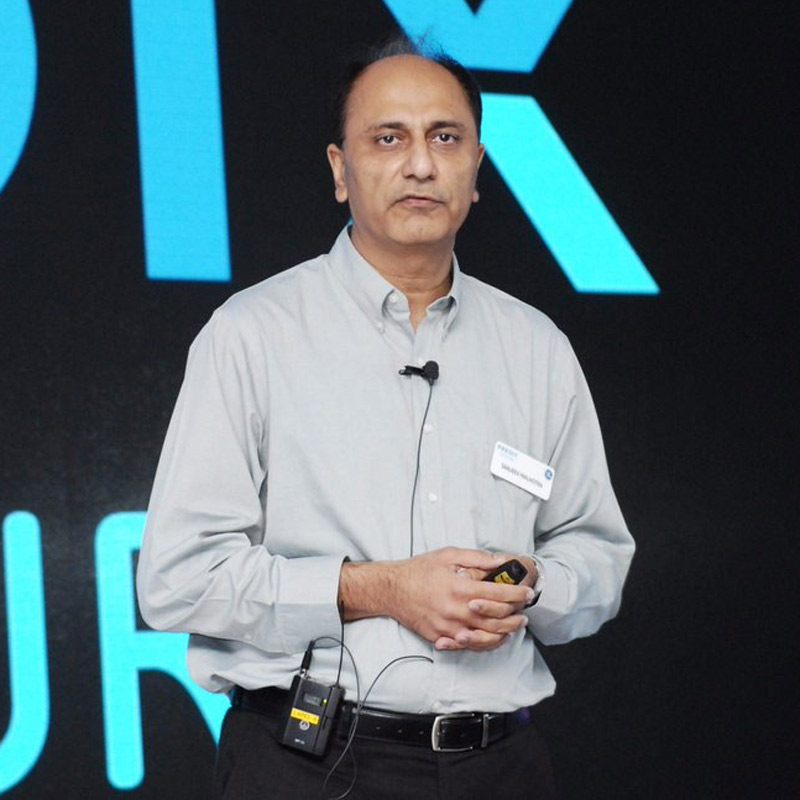
    NASSCOM COE-IoT CEO Sanjeev Malhotra said: “The disruptive nature of IoT will have a major impact in all areas of the consumer’s life – across all industries including industrial, healthcare, agriculture and smart homes. IoT will also be used across these industries to improve productivity with minimum usage of natural resources. We are happy to be partnering with GTARC, a leading institute with a focus on emerging technologies, leading to a mutually beneficial agreement that will help us combine GTARC’s advanced technology research along with the thriving innovation ecosystem in India.”

    Centre for the Development and Application of Internet-of-Things Technologies (CDAIT), GTARC, MD Alain Louchez said: “In close cooperation with NASSCOM’s IoT center, we intend to explore ways to leverage IoT technologies to accelerate and optimize the pace of digital transformation throughout the economy.”

    Through its COE-IoT located in Bangalore, NASSCOM is focusing on systemically expanding the technology ecosystem, with the Center providing a platform to address challenges such as the lack of understanding that leads to low adoption levels and security issues faced by the industry. The CoE – IoT is a joint initiative between the Department of Electronics and Information Technology (DEITY), Education and Research Network (ERNET) and NASSCOM and features laboratory that provides IoT focused startups the usage of various facilities that help them develop IoT solutions in application areas like Agriculture, Automobile, Telecom, Healthcare and Consumer IoT.

  • IoT conversations will promote interoperability: NASSCOM, Georgia Tech tie up

    IoT conversations will promote interoperability: NASSCOM, Georgia Tech tie up

    NEW DELHI: The National Association of Software and Services Companies (NASSCOM) and the Georgia Tech Advanced Research Corporation (GTARC) joined to advance Internet of Things (IoT) and fostering IoT-based innovation through the development of a conducive ecosystem in India.

    The partnership will also help drive conversations around IoT that will promote interoperability across industry and geographic markets. Both the COE-IoT and the GTARC will also get the opportunity to showcase their individual efforts to raise awareness on the subject.

    An MoU between the two provides for both NASSCOM and GTARC cooperating to address technological and non-technological challenges that surround the adoption of IoT technologies, creating an amiable environment for all organizations in the industry.

    The agreement between NASSCOM’s Center of Excellence on the Internet of Things (COE-IoT) based out of Bangalore and GTARC’s Centre for the Development and Application of Internet of Things Technologies (CDAIT) will see both organizations combine their individual efforts to raise awareness on IoT and drive topic related events for the purpose of developing a vibrant global IoT ecosystem facilitating the effective and efficient adoption of IoT technologies.

    NASSCOM COE-IoT CEO Sanjeev Malhotra said: “The disruptive nature of IoT will have a major impact in all areas of the consumer’s life – across all industries including industrial, healthcare, agriculture and smart homes. IoT will also be used across these industries to improve productivity with minimum usage of natural resources. We are happy to be partnering with GTARC, a leading institute with a focus on emerging technologies, leading to a mutually beneficial agreement that will help us combine GTARC’s advanced technology research along with the thriving innovation ecosystem in India.”

    Centre for the Development and Application of Internet-of-Things Technologies (CDAIT), GTARC, MD Alain Louchez said: “In close cooperation with NASSCOM’s IoT center, we intend to explore ways to leverage IoT technologies to accelerate and optimize the pace of digital transformation throughout the economy.”

    Through its COE-IoT located in Bangalore, NASSCOM is focusing on systemically expanding the technology ecosystem, with the Center providing a platform to address challenges such as the lack of understanding that leads to low adoption levels and security issues faced by the industry. The CoE – IoT is a joint initiative between the Department of Electronics and Information Technology (DEITY), Education and Research Network (ERNET) and NASSCOM and features laboratory that provides IoT focused startups the usage of various facilities that help them develop IoT solutions in application areas like Agriculture, Automobile, Telecom, Healthcare and Consumer IoT.

  • Internet included in broadcasting for purpose of Copyright

    Internet included in broadcasting for purpose of Copyright

    NEW DELHI: “All kinds of broadcasting including internet broadcasting” will also form part of broadcasting organizations desirous of communicating to the public for purposes of copyright, according to the Government.

    Amplifying the definition of broadcasting in section 31D of the Copyright Act 1957, Department of Industrial Policy and Promotion Deputy Secretary Surabhi Sharma has said in a directive to the Registrar of Copyrights that broadcasting should not be restrictively read as meaning just radio and television.

    The Section refers to any performance or work available for being seen or heard or otherwise enjoyed by the public “other than by making physical copies of it.”

    This is one of the several measures taken by the DIPP since administration of the Copyright Act and Intellectual Property Rights were shifted to it in March this year. Until then, it had been part of the Human Resource Development Ministry and the film, music and television industries have always grudged this as they feel it should be with the Information and Broadcasting Ministry.

    A single window interface was unveiled by the Government for information on IPR and guidance on leveraging it for competitive advantage. The Indian IP Panorama portal seeks to increase awareness and build sensitivity towards IP, among stakeholders in the SME sector, academia and researchers. The Indian IP Panorama can be accessed at http://ict-ipr.in/index.php/ip-panorama

    It is a customized version of IP Panorama Multimedia toolkit developed by World Intellectual Property Organization, Korean Intellectual Property Office and Korea Invention Promotion Association.

    The toolkit has been adapted to cater to SMEs and start-ups, especially in the ICTE sector of India based on an agreement signed between WIPO and Department of Electronic and Information Technology. The Indian IP Panorama is thus a customized version of WIPO’s original product and is in accordance with Indian IP laws, standards, challenges and needs of the Indian ICTE sector.

    The Indian IP Panorama has been developed under the aegis of Department of Electronics and Information Technology (DeitY) and Department of Industrial Policy and Promotion (DIPP), Government of India by Centre for Development of Advanced Computing (C-DAC), in close coordination with the Indian IP office.

    India is a member of WIPO and party to several treaties administered by WIPO. Recognizing that the strategic use of intellectual property could contribute significantly to the national development objectives of India, DIPP entered into an MoU with WIPO on 13 November 2009.

    The Indian IP office has been recognised as an International Searching Authority and International Preliminary Examining Authority under the Patent Cooperation Treaty (as in force from 15 October 2013).

    India acceded to Madrid Protocol for the International Registration of Marks at WIPO on July 8, 2013. The Madrid System for the International Registration of Marks (Madrid system) offers trademark owners a cost effective, user friendly and streamlined means of protecting and managing their trademark portfolio internationally.

  • Internet included in broadcasting for purpose of Copyright

    Internet included in broadcasting for purpose of Copyright

    NEW DELHI: “All kinds of broadcasting including internet broadcasting” will also form part of broadcasting organizations desirous of communicating to the public for purposes of copyright, according to the Government.

    Amplifying the definition of broadcasting in section 31D of the Copyright Act 1957, Department of Industrial Policy and Promotion Deputy Secretary Surabhi Sharma has said in a directive to the Registrar of Copyrights that broadcasting should not be restrictively read as meaning just radio and television.

    The Section refers to any performance or work available for being seen or heard or otherwise enjoyed by the public “other than by making physical copies of it.”

    This is one of the several measures taken by the DIPP since administration of the Copyright Act and Intellectual Property Rights were shifted to it in March this year. Until then, it had been part of the Human Resource Development Ministry and the film, music and television industries have always grudged this as they feel it should be with the Information and Broadcasting Ministry.

    A single window interface was unveiled by the Government for information on IPR and guidance on leveraging it for competitive advantage. The Indian IP Panorama portal seeks to increase awareness and build sensitivity towards IP, among stakeholders in the SME sector, academia and researchers. The Indian IP Panorama can be accessed at http://ict-ipr.in/index.php/ip-panorama

    It is a customized version of IP Panorama Multimedia toolkit developed by World Intellectual Property Organization, Korean Intellectual Property Office and Korea Invention Promotion Association.

    The toolkit has been adapted to cater to SMEs and start-ups, especially in the ICTE sector of India based on an agreement signed between WIPO and Department of Electronic and Information Technology. The Indian IP Panorama is thus a customized version of WIPO’s original product and is in accordance with Indian IP laws, standards, challenges and needs of the Indian ICTE sector.

    The Indian IP Panorama has been developed under the aegis of Department of Electronics and Information Technology (DeitY) and Department of Industrial Policy and Promotion (DIPP), Government of India by Centre for Development of Advanced Computing (C-DAC), in close coordination with the Indian IP office.

    India is a member of WIPO and party to several treaties administered by WIPO. Recognizing that the strategic use of intellectual property could contribute significantly to the national development objectives of India, DIPP entered into an MoU with WIPO on 13 November 2009.

    The Indian IP office has been recognised as an International Searching Authority and International Preliminary Examining Authority under the Patent Cooperation Treaty (as in force from 15 October 2013).

    India acceded to Madrid Protocol for the International Registration of Marks at WIPO on July 8, 2013. The Madrid System for the International Registration of Marks (Madrid system) offers trademark owners a cost effective, user friendly and streamlined means of protecting and managing their trademark portfolio internationally.

  • 9 Indian companies to manufacture STBs; iCAS cost less than $0.5: Govt

    9 Indian companies to manufacture STBs; iCAS cost less than $0.5: Govt

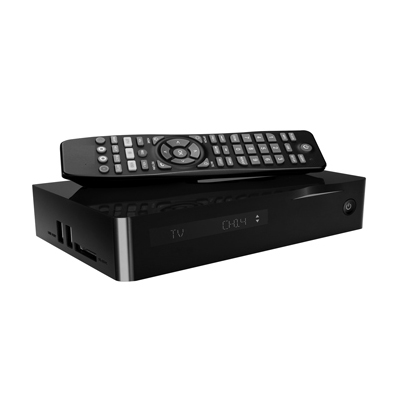
    NEW DELHI: A total of nine private companies have been identified by India’s Department of Electronics and Information Technology (DeitY) for manufacturing indigenous set top boxes equipped with Indian Conditional Access System (iCAS).

    However, the government department could not give a time-frame as to when indigenously-manufactured STBs would be ready to address the growing demands for boxes as digital rollout inches towards the finishing line.

    Sources in DeitY said STBs with iCAS is a techno-commercial decision of the operators, but indicated it could coincide with the Phase IV deadline of Digital Addressable System in December this year.

    In the third and fourth phase of ongoing digitisation of TV services in India, industry experts estimate need for approximately 70-80 million boxes.

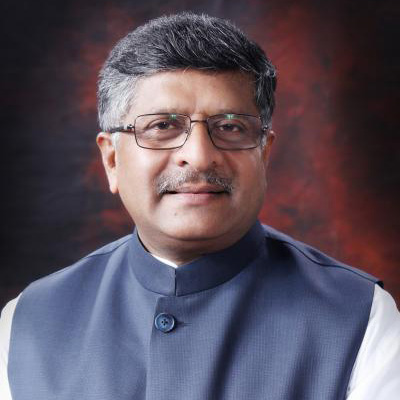
    DeitY, till recently part of the Communications Ministry but since then sliced away under the charge of minister Ravi Shankar Prasad, had been set up to promote e-Governance for empowering citizens, promoting inclusive and sustainable growth of the electronics, IT & ITeS industries, enhancing India’s role in Internet governance, promoting R&D and innovation and ensuring a secure cyber space.

    The companies identified so far for manufacturing iCAS STBs and with whom ByDesign India Pvt. Ltd. of Bangalore had signed Memorandums of Understanding included New Delhi-based Melbon-Millenium Technologies, Solid-KMTS Engineering Pvt. Ltd, MyBox Technologies Pvt. Ltd and C-Net Communications India Pvt. Ltd.

    The Bangalore-based companies include Smasher Communications Pvt. Ltd and Velankani Electronics Pvt. Ltd, while the others are Exza Info system from Pune, ABS Productions Pvt. Ltd. of Mumbai and Aurangabad-based Videocon.

    ByDesign India Pvt. Ltd. had been shortlisted after a tendering process for the development and implementation of iCAS in association with a government organisation, Centre for Development of Advanced Computing (C-DAC).

    The development stage of iCAS had been successfully completed as on November 14, 2015.

    As per the agreement with STB manufacturers, ByDesign will make available the developed iCAS to all domestic manufacturers or to the operators at not more than $ 0.5/license (including smart card, if required) for a period of three years.

    Government sources indicated more than 25,000 STBs with iCAS have already been deployed across the country between December 2015 and January 2016.

    DeitY has recently informed a parliamentary committee on information technology that during five months till March 2016, iCAS was presented in various national and regional level conferences/forums. The product received encouraging response both from cable and DTH operators.

    iCAS had been test deployed by 13 operators by March-end at Sandur, Challekere and Ranebennur in Karanataka; Chalisgaon and Wai in Maharashtra; Yeraguntala and Tadapatri in Andhra Pradesh; Madurai in Tamil Nadu; Durgapur in West Bengal; Hamirpur in Himachal Pradesh; Neemuch in Madhya Pradesh; Bikaner in Rajasthan

    and Haldwani in Uttarakhand.

    The Department said operators in these towns had confirmed successful deployment of iCAS.

    The installation of the system is in progress at seven more operator locations of Nevada in Bihar; Narayanpur and Leilunga in Chhattisgarh; Ganjam and Bhingarpur in Odisha; Pachora and Daund in Maharashtra.

  • 9 Indian companies to manufacture STBs; iCAS cost less than $0.5: Govt

    9 Indian companies to manufacture STBs; iCAS cost less than $0.5: Govt

    NEW DELHI: A total of nine private companies have been identified by India’s Department of Electronics and Information Technology (DeitY) for manufacturing indigenous set top boxes equipped with Indian Conditional Access System (iCAS).

    However, the government department could not give a time-frame as to when indigenously-manufactured STBs would be ready to address the growing demands for boxes as digital rollout inches towards the finishing line.

    Sources in DeitY said STBs with iCAS is a techno-commercial decision of the operators, but indicated it could coincide with the Phase IV deadline of Digital Addressable System in December this year.

    In the third and fourth phase of ongoing digitisation of TV services in India, industry experts estimate need for approximately 70-80 million boxes.

    DeitY, till recently part of the Communications Ministry but since then sliced away under the charge of minister Ravi Shankar Prasad, had been set up to promote e-Governance for empowering citizens, promoting inclusive and sustainable growth of the electronics, IT & ITeS industries, enhancing India’s role in Internet governance, promoting R&D and innovation and ensuring a secure cyber space.

    The companies identified so far for manufacturing iCAS STBs and with whom ByDesign India Pvt. Ltd. of Bangalore had signed Memorandums of Understanding included New Delhi-based Melbon-Millenium Technologies, Solid-KMTS Engineering Pvt. Ltd, MyBox Technologies Pvt. Ltd and C-Net Communications India Pvt. Ltd.

    The Bangalore-based companies include Smasher Communications Pvt. Ltd and Velankani Electronics Pvt. Ltd, while the others are Exza Info system from Pune, ABS Productions Pvt. Ltd. of Mumbai and Aurangabad-based Videocon.

    ByDesign India Pvt. Ltd. had been shortlisted after a tendering process for the development and implementation of iCAS in association with a government organisation, Centre for Development of Advanced Computing (C-DAC).

    The development stage of iCAS had been successfully completed as on November 14, 2015.

    As per the agreement with STB manufacturers, ByDesign will make available the developed iCAS to all domestic manufacturers or to the operators at not more than $ 0.5/license (including smart card, if required) for a period of three years.

    Government sources indicated more than 25,000 STBs with iCAS have already been deployed across the country between December 2015 and January 2016.

    DeitY has recently informed a parliamentary committee on information technology that during five months till March 2016, iCAS was presented in various national and regional level conferences/forums. The product received encouraging response both from cable and DTH operators.

    iCAS had been test deployed by 13 operators by March-end at Sandur, Challekere and Ranebennur in Karanataka; Chalisgaon and Wai in Maharashtra; Yeraguntala and Tadapatri in Andhra Pradesh; Madurai in Tamil Nadu; Durgapur in West Bengal; Hamirpur in Himachal Pradesh; Neemuch in Madhya Pradesh; Bikaner in Rajasthan

    and Haldwani in Uttarakhand.

    The Department said operators in these towns had confirmed successful deployment of iCAS.

    The installation of the system is in progress at seven more operator locations of Nevada in Bihar; Narayanpur and Leilunga in Chhattisgarh; Ganjam and Bhingarpur in Odisha; Pachora and Daund in Maharashtra.

  • Seven mfrs making set top boxes locally, MSOs adopt iCAS

    Seven mfrs making set top boxes locally, MSOs adopt iCAS

    NEW DELHI: Even as most high courts extended the deadline for phase III of digital addressable system citing shortage of set top boxes, a total of seven local manufacturers are now producing STB.

    This figure is almost double compared to the details given during the last meeting of the DAS Task Force on 16 February 2016.

    The 15th Task Force meeting on 30 May was informed that seeding of about 41 million (4.1 crore) STBs had been completed.

    However according to a representative of Consumer Electronics and Appliances Manufacturers Association (CEAMA), there was a lull in the market and no orders had been received in the recent past.

    The representative said seven indigenous STB manufacturers had taken Indian Conditional Access System (iCAS) licenses and five out of them are in the process of implementing iCAS in their STBs.

    He said 22 MSOs’ had placed orders for iCAS-based STBs. Twelve MSOs’ had deployed iCAS by 15 February, the 14th meeting had been told.

    Meanwhile, the Department of Electronics and Information Technology is planning a meeting with the operators and stakeholders on 24 June 2016.

    In the meeting on 16 February 2016 which was the first after the deadline for phase III covering all urban areas, it was claimed that the seeding of STBs by multi system operators increased from 6.91 million to 12.43 million between 31 December 2015 and 15 February 2016.

    The Indian Conditional Access System (iCAS) had been developed by DeITY and will be initially available to indigenous STB manufacturers for three years at a nominal fee of $ 0.5 per STB. .

  • Seven mfrs making set top boxes locally, MSOs adopt iCAS

    Seven mfrs making set top boxes locally, MSOs adopt iCAS

    NEW DELHI: Even as most high courts extended the deadline for phase III of digital addressable system citing shortage of set top boxes, a total of seven local manufacturers are now producing STB.

    This figure is almost double compared to the details given during the last meeting of the DAS Task Force on 16 February 2016.

    The 15th Task Force meeting on 30 May was informed that seeding of about 41 million (4.1 crore) STBs had been completed.

    However according to a representative of Consumer Electronics and Appliances Manufacturers Association (CEAMA), there was a lull in the market and no orders had been received in the recent past.

    The representative said seven indigenous STB manufacturers had taken Indian Conditional Access System (iCAS) licenses and five out of them are in the process of implementing iCAS in their STBs.

    He said 22 MSOs’ had placed orders for iCAS-based STBs. Twelve MSOs’ had deployed iCAS by 15 February, the 14th meeting had been told.

    Meanwhile, the Department of Electronics and Information Technology is planning a meeting with the operators and stakeholders on 24 June 2016.

    In the meeting on 16 February 2016 which was the first after the deadline for phase III covering all urban areas, it was claimed that the seeding of STBs by multi system operators increased from 6.91 million to 12.43 million between 31 December 2015 and 15 February 2016.

    The Indian Conditional Access System (iCAS) had been developed by DeITY and will be initially available to indigenous STB manufacturers for three years at a nominal fee of $ 0.5 per STB. .

  • India enters niche STB global market with indigenously designed CAS system, funded by DeiTY

    India enters niche STB global market with indigenously designed CAS system, funded by DeiTY

    New Delhi: ByDesign India Pvt Ltd of Bangalore has successfully completed development of Conditional Access System (CAS) for Set Top Boxes (STBs) and enabled India to enter a niche market hitherto dominated by five big global companies.

    The Communications and Information Technology Ministry said in a note today that the CAS had been developed under a project funded by the Department of Electronics and Information Technology (DeitY) for promotion of Electronics design and manufacturing in the country.

    Prasar Bharati sources told indiantelevision.com that Doordarshan’s free-to-air DTH Freedish has also adopted a version of this design for raising the number of channel slots on the platform from 64 to 112.

    The global STB market is estimated to be about 250 Million (25 crore) STBs per annum and the CAS market is expected to be nearly $2 billion ($200 crore) per annum. The projected demand in India for completing the digitization of broadcasting network is nearly 100 Million (10 crore) STBs, thereby signifying an attractive domestic market. 

    ByDesign India Pvt Ltd, Bangalore, was selected and awarded the task for development and implementation of Indian Conditional Access System (iCASTM) in association with Centre for Development of Advanced Computing (C-DAC) in November 2014 with technical specifications that were the best in the world.

    C-DAC was responsible for design review, code review, monitoring, testing and validation of the entire project. The Development Stage of iCASTM was successfully completed on 14.11.2015 within the specified time. 

    The developed iCASTM already supports seven Indian Languages and will support fifteen more languages in the near future. The iCASTM has been tested at the Cryptography Verification Labs, accredited by NIST in the United States and has also been widely field tested under Indian conditions. 

    ByDesign is required to tie up with at least five Operators and install STB with iCASTM in atleast 2,50,000 STBs. The implementation of iCASTM in the cable networks has already started.

    More than 25,000 STBs with iCASTM have already been deployed across the country in the last two months, from Haldwani in the North to Madurai in the South and Durgapur in the East to Satara District in the West. 

    iCASTM exemplifies successful collaboration between industry and Government for R&D and IPR generation in Electronics design and manufacturing. The iCASTM is also beneficial to domestic STB manufacturers because it is available to them at a price of $ 0.5 license for a period of three years as against market price of $ 4 to 5 license for other competing products.