Tag: Deepak Ramsurrun

  • India’s quest for good animated content

    India’s quest for good animated content

    MUMBAI: If you don't give the audience what they want, someone else will. Kids' content producers and broadcasters have figured out that Indian kids want relatable and even local characters.

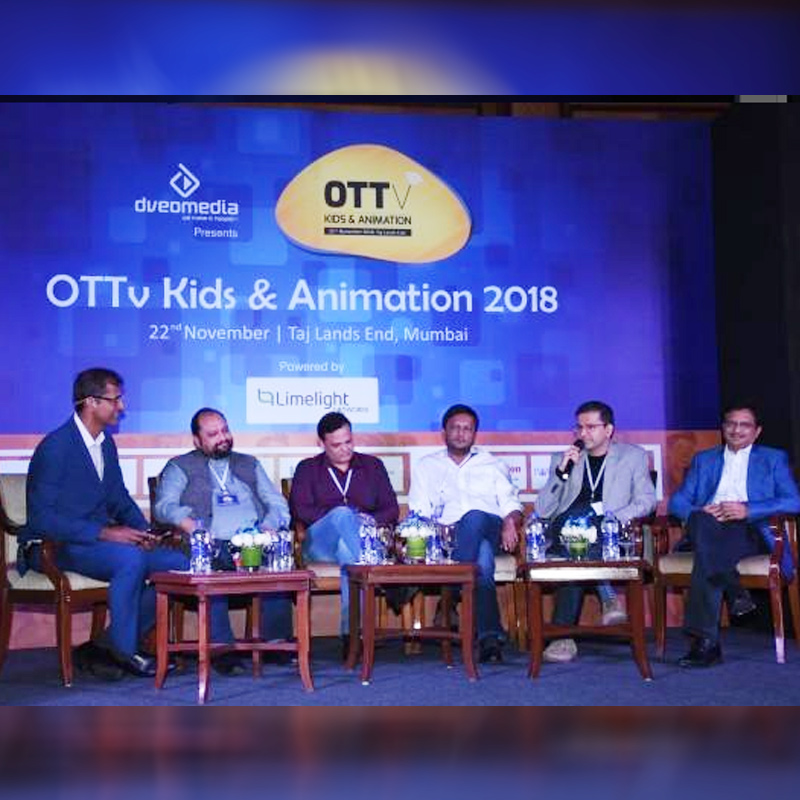
    The OTTV Kids and Animation Summit 2018 saw a session on the making of home-grown characters with panelists Punnaryug Artvision founder Ashish Kulkarni, Toonz Media Group content alliance and partnerships SAARC Kishor Srivastav, Green Gold Animation chief strategy officer Srinivas Chilakalapudi, Graphiti Multimedia director and COO Munjal Shroff and Sony Yay head of programming Ronojoy Chakraborty. Dveo Media CEO Deepak Ramsurrun moderated the panel.

    Highlighting more about the making of home-grown characters, Shroff said that it should keep kids engaged and enable them to dream about it. Adding to Shroff’s point, Kulkarni said that when he started, he had to look at the heritage characters as they didn’t have the liberty to use those projects in other countries because they didn’t have the support from government to produce original content. "There was support for content services but not for content creation. The challenge here is that we are struggling with budgets to create our original content. When you create a character, there are certain things to be taken into consideration. First is that kids don’t understand sequel. Second is that kids would like to see the same character that they relate to. So when you touch upon the heritage, you cannot create 150 episodes of repetitions. The start, middle and end of the story should be in that 11-22 minute episode and they should be able to find themselves inside the characters.”

    Commenting on the same, Srivastav said that while creating original content, we need to see the channel’s feedback and proper research is to be conducted on industry trends and need gap. He added, “We consider the steal character while making an original content, which means, how the character speaks, what they wear and what effect they have on their storyline and background of the character is also important.”

    Chakraborty chipped in saying that according to their research kids love remote control cars and that is why they came up with a show named Kicko and Super Speedo. He said that they also found out that that kids love funky hairstyles, clothes etc.

    When asked about the aspects being considered while making a localised show, Kulkarni said people need to find new content. One should look at the economics, which plays a major role. The key to animation content is powerful idea, powerful character and the ability to tell hundreds of stories in the same plot.

    “I have never sold my IPs to anyone till date; I only gave licensing rights to the channels. So it depends how you want to do it and why you want to do it. If you are selling the IPs, there’s a lot of creative people tampering with the content around. The dilemma that we have with this country and the struggle that we are facing since the last decade is that the price gaps of 22 minutes caps around Rs 12 lakh or Rs 20-25 lakh and that is the challenge to build quality content," he said.

    Only if people are willing to fund animation will we see a future where Indian content is making waves abroad.

  • Reality shows: Kids’ personal lives come into focus

    Reality shows: Kids’ personal lives come into focus

    MUMBAI: Children-based reality shows or talent-based shows are gaining in popularity in India. But do they leave behind unwholesome after effects on the little contestants?

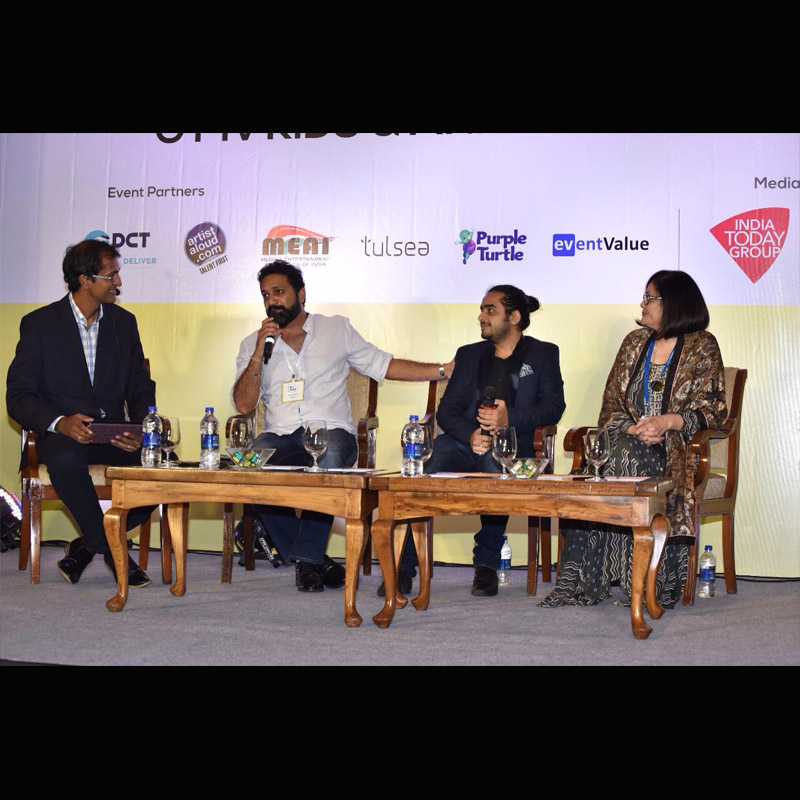
    Exploring this question at the OTTV Kids & Animation 2017 on 22 November were Frames co-founder Ranjeet Thakur, singer and musician Abhas Joshi, Billabong High International School – Santacruz principal Kusum Kanwar and moderator Dveo Media CEO Deepak Ramsurrun. They spoke on the topic ‘Do kids’ reality shows have more negative than positive impact on participants & young audiences.’

    Thakur has been producing reality shows for years and stated that they have remained the same as the talent-based shows that have been on TV since always.

    Joshi, who has been on shows like Sa Re Ga Ma Pa in 2004 and Jury’s Choice Voice of India, feels that shows today have changed since the last decade. Though the shows start off with the motive to promote talent, within a few episodes, the focus shifts to unravelling the personal lives of contestants. This also leads to bias in votes for those with interesting backgrounds.

    Kanwar agreed with Joshi’s views and admitted, “Children get a talent platform but after that are we scaffolding them. Do we have a cushioning for them to understand the success and failure that comes with it? I guess we are not doing that.” She revealed that there have been instances where kids skip studies in favour of these shows. She added, “Today reality shows are catching the emotional side of the audience for TRPs and other reasons.” Clarifying that she is not against the competition but when children realise that certain shows are scripted or the outcome is known, it eventually becomes difficult for a child to cope with that. Counsellors should guide children about both the positive and negative sides of these shows.

    To counter that, Thakur said that channels comply with government rules and have a psychologist, dietitian, nutritionist and doctors on the sets 24X7. He added, “We make sure that parents are around the children and that they are rested and given enough help and support from counsellors, psychologists and parents. We do not shoot for more than 10 hours a day.”

    However, Kanwar, said that channels’ focus on ‘star’ parents also adds to their experience of fame and they start living in a virtual world. “In the class, we have to treat them in the same way as others but due to this the kid’s curriculum and everyday interaction suffer. So, it’s misleading and a dichotomy actually.” Her school has a team of five counsellors and special educators to get the children back into reality.

    Sharing his experience from 2004, Joshi said it wasn’t so glamorous then. But today, kids become popular at a young age and get into the professional world, minting money at an unfair age. This leads to a change in their attitude and they leave the grooming part behind which can eventually end their careers in four to five years.

    Thakur has travelled to the smallest of towns in search of talent and found how gifted children don’t have opportunities. These children have the chance to turn their family’s fate. “We have seen positive impacts on various families across the country,” he said.

    Sticking to her point, Kanwar countered that while changing the fate of the family, kids have gone through a lot of pressure of earning money. She strongly felt that kids should be told and shown the career path after they complete their 10th or 12th standard education.

    She pointed out that kids are made to do unimaginable things such as flirting with a female judge six times his age on a show recently, making it difficult to bring back their innocence. Thakur agreed that drama is inserted in reality show to make them look ‘cool’.

    The panel concluded with stating that parents need to keep children grounded while reality shows need to have proper management methods to not negatively impact children.

  • OTTV 2017: Co-existence with traditional TV predicted, scope for OTT kids content

    MUMBAI: “Can OTT TV challenge traditional TV?” was the session on OTTV Summit 2017, as industry experts shared their views with regards to the future of the traditional TV consumption and OTTV consumption. Will traditional TV die soon? Will OTT take over traditional TV?

    Moderated by Dveo Media CEO Deepak Ramsurrun, the session saw Alt Balaji COO Sunil Nair, Sony Pictures Network India head of marketing and analytics digital business Abhishek Joshi, Lattu Media founder and CEO Vivek Bhutyani and News Corp VC Circle’s Shreyas Rao expressing their views..

    The session started by Nair stating that every platform has its audience so the whole assumption that, at any point of time, OTT is going to impact traditional television, is not going to happen. “I think OTT and television will co-exist for a long time. The audience will not go away easily. There might be 100m users of Jio, but still the number is small as compared to this huge animal. So, we should accept this and co-exist with them.”

    Sharing his view, Joshi mentioned, “Fortunately, I am from the organisation which has a strong presence in traditional TV and in OTT space as well. We strongly believe that content is democratic. We treat other platforms as distribution partners to increase the reach of the content on TV and OTT service as well. How do we differentiate the OTT digital content and traditional TV content? I firmly believe that whatever content works on TV will work on OTT. There are 30 OTT platforms in India — the strategy is not how to distribute it but how to monetise it. As a digital platform, we have not been able to crack that code yet. We all are doing Freemium, SVoD, TVoD whereas traditional television have been existing since 30 years.”

    Having a different point of view, Bhutyani who founded Lattu Kids, India’s first kids’ only platform which aims to become the safest destination for kids and parents to view content, compared the consumer on traditional TV and the one on digital, he likened traditional TV to Rajasthani Thali and Gujarati Thali. What he actually meant was that, “in a thali”, the consumer gets so many options but, s/he may not want a few of the items that are offered. In digital, it gives the consumer the power to have that choice. Content is very important. The viewership in kids genre has been on a decline. Globally, in top 10 YouTube channels, there are 2-3 kids channel. Parents informed us that they are not happy with the kind of content broadcasters have been showing.”