Tag: DD Freedish

  • Three new TV channels join DD FreeDish bouquet; 24 get extension

    Three new TV channels join DD FreeDish bouquet; 24 get extension

    NEW DELHI: Doordarshan earned a sum of Rs 1293 million (Rs 129 crore ) by sale of three new slots and extension of the licence of another 24 on the 31st auction of its free-to-air direct-to-home platform FreeDish on 20 and 21 October.

    The auction was called off on 6 October 2016 because of technical glitches. The new channels which successfully bid for the slots are — News State Uttarakhand/Uttar Pradesh, 9x Bajao TV, and a teleshop channel.   

    A DD announcement had earlier said the reserve price per slot is Rs 4.3 crore. FreeDish has not raised its reserve price, although the price for one channel went up to Rs 5.3 crore in an earlier auction. The reserve price had been Rs 3.7 crore till last year but was raised to its present level for the 25th e-auction in January.

    The e-Auction was conducted by M/s. C1 India Pvt. Ltd., Noida which also conducted the first stage of the FM Radio Phase III auctions on behalf of Prasar Bharati.   

    Earlier this month, a senior DD official told indiantelevision.com that the “glitches were experienced by the bidders”. Following several complaints received in this regard, “the Competent Authority has cancelled the e-Auction conducted for the slots on 5 and 6 October 2016”.

    DD had made it clear that all registered bidders for the 31st e-Auction will be eligible for participating in the fresh bidding process on the rescheduled date, “which will be communicated in due course of time”.

    Meanwhile, DD has formally announced that it is now capable of carrying 104 television channels on its FTA FreeDish and the 24 channels being added to the present 80 channels will be the first to be launched on MPEG4 technology.

    DD officials also confirmed that FreeDish will soon be capable of carrying up to 250 channels.

    The official confirmed that a Call Centre would be set up for subscribers as soon as MPEG 4 becomes fully operational. The customer care service will have extensive complaint redressal mechanism. 

    DD has decided to implement Indian Conditional Access System (iCAS) on DD Freedish Platform. iCAS, an initiative of the Central Government, is being initially introduced in the 24 MPEG-4 Channels. The introduction of iCAS will provide enhanced viewing experience to the viewers.

    DD officials said these additional 24 MPEG-4 SDTV channels will be available to viewers in FTA mode. The existing viewers will continue to get 80 SDTV channels, but will have to obtain iCAS-enabled authorised Set Top Boxes for accessing all 104 channels.

    Although FreeDish will remain free to air with no monthly or periodic fee, the viewers will be required to register with DD Freedish on getting the new STB from Doordarshan authorised STB dealers.

    FreeDish was launched with a modest bouquet of 33 channels in December 2004 and now carries 80 TV channels and 32 radio channels. 

    The platform has a bouquet of channels consisting of 22 Doordarshan channels, two Parliamentary channels, seven general entertainment channels, 18 movie channels, 13 news channels, seven ,music channels, three religious channels and eight channels of other genres.

    After active consultation with all the stakeholders, DD has started the process for rolling out MPEG-4 STBs for its DD Freedish with iCAS. Doordarshan has invited e-Applications for authorisation/empanelment of STB original equipment manufacturers (OEMs) to sell / distribute DD approved CAS enabled DD Freedish STBs in India. In this regard a pre bid meeting with the Indian STB manufacturers was held on 3 October 2016.

    Once the Indian STB OEMs are authorised by DD, they will start manufacturing quality STBs in India. They will set up their distribution network all over India for selling Indian STBs and providing services to Doordarshan Free Dish viewers.

    The participation amount (EMD) in the e-Auction was Rs.1.5 crore which had to be deposited in advance before or by 12 noon on the date of auction along with processing fee of Rs.10,000 (non-refundable) in favour of PB (BCI) Doordarshan Commercial Service, New Delhi.

    Incremental amount for the auction will be Rs 10 lakh and the time for every slot e-auction will be of fifteen minutes duration. This may be extended by five minutes if a bid is received before the closing time.

    Of the reserve price, Rs 1.1 crore will be deposited within one month of placement and another Rs 1.1 crore within two months along with service tax of 14.5 per cent on the bid amount.

    The balance bid amount will be deposited within six months, failing which the deposited amount will be forfeited and the channel discontinued after a 21-day discontinuation notice.

    Tags: e-Auction, FreeDish, Doordarshan, C 1 India, MPEG4, iCAS, Prasar Bharati, Set Top Box, Original equipment manufacturers,

    Also read: FreeDish ready to beam 104 TV channels; 24 on MPEG4
  • DD FreeDish to roll out call centre

    DD FreeDish to roll out call centre

    MUMBAI: It’s getting customer-focused. Almost as if inspired by the services provided by the private DTH providers such as Tata Sky, DishTV, Videcon d2h, Airtel Digtial TV, and Sun Direct, the Doordarshan-promoted free TV provider DD FreeDish is getting set to launch its call centre facility.

    It is taking this step concurrent with the expansion of its channel capacity from 80 channels to 104, courtesy the move to upgrade its set-top boxes from MPEG2 to MPEG4.

    A senior Prasar Bharati official yesterday confirmed while talking to indiantelevision.com that a call centre would be set up after completion of MPEG4 Switchover.

    Once customers buy their iCAS-enabled and approved set top boxes from authorized retailers, they will then have to make a call to the FreeDish call centre to get their STB registered. This will then allow DD’s engineers to keep a tab on the number of subscribers the DTH platform has.

    The call centre would be set up after the total switch-over to MPEG4 when a centre number on which a subscriber could call would also be given, the Prasar Bharati official said.

    DD has been plagued by a lack of subscriber information to DD FreeDish over the years. The pubcaster created the platform but sold the MPEG2 STBs through retailers without keeping a tab on who was buying them and who is active. Estimates are that its subscriber base could be anywhere from 20 million to 40 million.

    Since the new STBS are MPEG 4 compliant and have a conditional access system installed in them, they will have to be activated which will happen courtesy the call centre. This will give DD the facility of logging in every new subscriber into its system and hence have accurate subscriber counts. The call centre will apparently be the touch point for all service related complaints to the STB also.

    Hitherto DD FreeDish had toll free help line and a customer help desk numbers which operate from morning to 10 pm, according to its website. The opening of a 24 hour call centre facility could add to the FreeDish customer’s delight

  • DD FreeDish to roll out call centre

    DD FreeDish to roll out call centre

    MUMBAI: It’s getting customer-focused. Almost as if inspired by the services provided by the private DTH providers such as Tata Sky, DishTV, Videcon d2h, Airtel Digtial TV, and Sun Direct, the Doordarshan-promoted free TV provider DD FreeDish is getting set to launch its call centre facility.

    It is taking this step concurrent with the expansion of its channel capacity from 80 channels to 104, courtesy the move to upgrade its set-top boxes from MPEG2 to MPEG4.

    A senior Prasar Bharati official yesterday confirmed while talking to indiantelevision.com that a call centre would be set up after completion of MPEG4 Switchover.

    Once customers buy their iCAS-enabled and approved set top boxes from authorized retailers, they will then have to make a call to the FreeDish call centre to get their STB registered. This will then allow DD’s engineers to keep a tab on the number of subscribers the DTH platform has.

    The call centre would be set up after the total switch-over to MPEG4 when a centre number on which a subscriber could call would also be given, the Prasar Bharati official said.

    DD has been plagued by a lack of subscriber information to DD FreeDish over the years. The pubcaster created the platform but sold the MPEG2 STBs through retailers without keeping a tab on who was buying them and who is active. Estimates are that its subscriber base could be anywhere from 20 million to 40 million.

    Since the new STBS are MPEG 4 compliant and have a conditional access system installed in them, they will have to be activated which will happen courtesy the call centre. This will give DD the facility of logging in every new subscriber into its system and hence have accurate subscriber counts. The call centre will apparently be the touch point for all service related complaints to the STB also.

    Hitherto DD FreeDish had toll free help line and a customer help desk numbers which operate from morning to 10 pm, according to its website. The opening of a 24 hour call centre facility could add to the FreeDish customer’s delight

  • DD FreeDish e-auction put off due to technical errors

    DD FreeDish e-auction put off due to technical errors

    MUMBAI: In probably what is a first, DD FreeDish’s e-auction was scrapped yesterday. The reason: technical glitches on the site of the auctioneer C1 India Pvt Ltd.

    DD has made this announcement on its website admitting that, since bidders were experiencing problems, the bidding process was being put off until C1 India rectifies the errors.

    DD FreeDish had announced 5 October as the 31st e-auction date last month. It had put the reserve price for the vacant slot at Rs 4.3 crore despite the bid amount touching Rs 5.2 crore in the previous 30th e-auction. It had also urged private channels whose agreement with the free DTH was expiring on 31 December 2016 needed to take part in the e-auction to continue to be distributed by it.

    DD said it would keep bidders informed about the resumption date.

    The free TV service is gearing up to expand its capacity to 104 channels and then to 250 by 2018. It has started rolling out MPEG4 boxes with iCAS, in place of the earlier MPEG2 ones.

    DD FreeDish has come as a boon of sorts, helping India’s broadcasters to generate good revenues from old library and catalogue channels. Channels such as Zee Anmol, Sony Pal, Star Utsav – tenants of DD FreeDish — which show reruns of old TV shows and films have suddenly become the eye candy of the advertising community as they offer them reach in rural areas that channels distributed by cable TV and private DTH cannot.

  • DD FreeDish e-auction put off due to technical errors

    DD FreeDish e-auction put off due to technical errors

    MUMBAI: In probably what is a first, DD FreeDish’s e-auction was scrapped yesterday. The reason: technical glitches on the site of the auctioneer C1 India Pvt Ltd.

    DD has made this announcement on its website admitting that, since bidders were experiencing problems, the bidding process was being put off until C1 India rectifies the errors.

    DD FreeDish had announced 5 October as the 31st e-auction date last month. It had put the reserve price for the vacant slot at Rs 4.3 crore despite the bid amount touching Rs 5.2 crore in the previous 30th e-auction. It had also urged private channels whose agreement with the free DTH was expiring on 31 December 2016 needed to take part in the e-auction to continue to be distributed by it.

    DD said it would keep bidders informed about the resumption date.

    The free TV service is gearing up to expand its capacity to 104 channels and then to 250 by 2018. It has started rolling out MPEG4 boxes with iCAS, in place of the earlier MPEG2 ones.

    DD FreeDish has come as a boon of sorts, helping India’s broadcasters to generate good revenues from old library and catalogue channels. Channels such as Zee Anmol, Sony Pal, Star Utsav – tenants of DD FreeDish — which show reruns of old TV shows and films have suddenly become the eye candy of the advertising community as they offer them reach in rural areas that channels distributed by cable TV and private DTH cannot.

  • IDOS 2016: The DD FreeDish alternative for TV channels & advertisers

    IDOS 2016: The DD FreeDish alternative for TV channels & advertisers

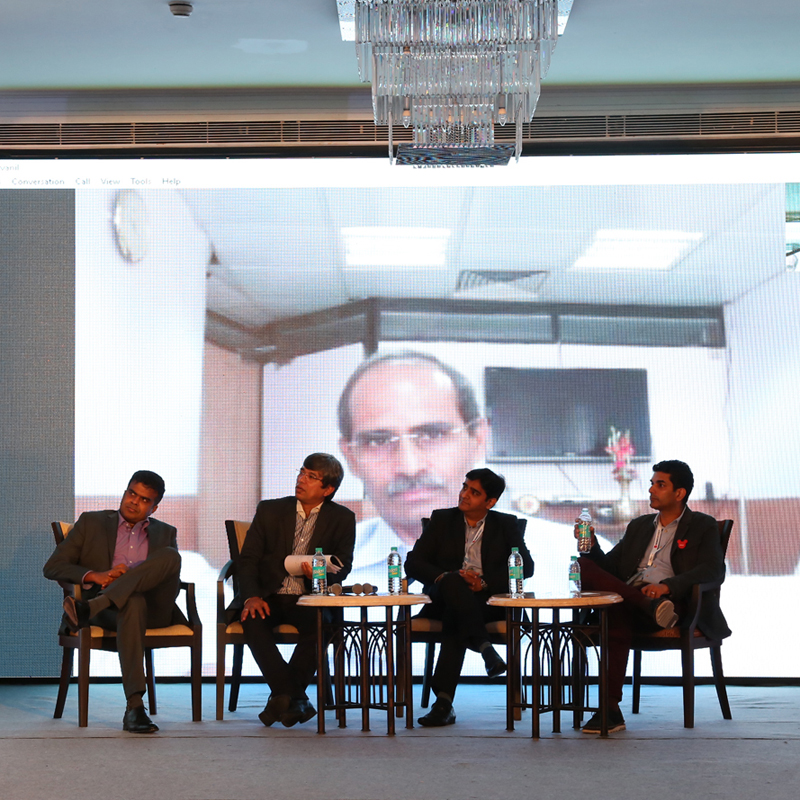
    GOA: Has the pubcaster DD’s free to air platform FreeDish emerged as a viable proposition for advertisers? What are its expansion plans, going forward? These were some of the questions posed by the Indiantelevision.com founder, CEO & Editor in chief Anil Wanvari at IDOS 2016 in Goa during the session on FTA channels to SAB Group CEO Manav Dhanda, B4U broadcasting division COO and CFO Sandeep Gupta, Starcom India group CEO Mallikarjun ‘Malli’ Das, and DD’s FreeDish deputy director-general (engineering) AK Jha.

    Jha started out by saying that the DTH platform has 55 private tenants including those from the majors – Sony Pictures Television Networks, Star India, and Zee TV – as well as from smaller broadcast networks such as B4U and the SAB group. “We want more such customers to come on our platform,” he expressed. He, however, confessed that getting an exact count of the number of subscribers was difficult as FreeDish was only a platform and the STBs were distributed by recognized vendors. “But, by extrapolating TRAI DTH data, conversations with STB manufactures and chipset suppliers, our estimates are that it could be anywhere between 20 million and 40 million. We would safely put it at about 25 million,” said Jha.

    Gupta and Dhanda explained why the two networks have taken the FTA route on the DTH platform.

    “As a broadcaster, we wanted to be on every platform. Since our focus was to be present everywhere, we got on to it very early when there were very few tenants. Although we were pay channels, we were FTA on DD FreeDish. B4U Movies was the Star Plus of DD direct is what MSOs told us. Only after BARC data rolled out did we come to know that rural has got so much of weightage. Otherwise, FreeDish was only one of the means of getting ourselves available everywhere,” said Gupta.

    Added Dhanda: “We wanted to build the maximum reach. We have five channels. We are also on cable, DTH and other platforms. It was not triggered by the advent of BARC data which suggests you need to be there. There is a cost for entry. Distribution and content are major costs for broadcasters. As a broadcaster, we want ROI. Syndicated content channels like us have not managed to build a compelling pay TV channel proposition. Hence, it is safe to go to FTA.”

    But, is it good to go FTA on DD FreeDish? Since the only revenue stream is from advertising, is the platform attracting advertiser interest?

    “FTA has just come into focus as BARC gave a new set of lenses. Earlier, TAM used to measure LC1 but media planners did not take it seriously as they were urban focused. Now with the 6,000 metres under BARC’s rural sample, it has taken on a different hue,” said Malli. “There are three segments advertisers look at from an audience segmentation – HD – 9 million-10 million homes; the fat middle with all the pay channels. And, there is the rural which is FTA. For brands, which are purely rural, it makes sense to go FTA. Distribute the spends over 30-40 weeks on an FTA media outlet, rather than finish it over eight to nine weeks on the more expensive pay channels. Some money is going into FTA from existing TV channel spends, some is coming from local cable, wall paintings and OOH.”

    But, are media buyers buying air time on channels on FreeDish purely for the rural audiences or for urban and rural audiences as defined by BARC? “When media planners are buying for rural, it makes sense,” he said. “When they look at rural+urban, they start looking at old currencies, and things don’t move. There’s still some confusion. Once these old data currencies are exhausted, and some new benchmarks are set for rural, the ad dollars will start flowing in aggressively. HD channels have only nine to 10 million subscribers, yet planners are putting the advertiser’s money into them. Whereas FTA has a larger reach, but the currency dynamics need to be taken care of.”

    Is there a ROI coming in for advertisers? “It’s a little too early. The plane has to yet land,” opined Malli. ”Retailers, distributors and sales people say, take Star Plus. The rural sample is 6,000 metres. We have to triangulate what the trade says with the BARC data, as they will want the spectacular as they will want the ads to be in the biggest properties. Currently, we have put the money for our clients on FTA. We have to get a larger body of evidence.”

    Jha said that DD FreeDish is augmenting its capacity by 24 channels and gearing up for this by moving to MPEG4 STBs, which are going to be made available to subscribers soon. “Currently, we are empanelling the STB manufacturers for MPEG4 boxes,” he explained. “Within four months, the STBs will roll out. Post that, the existing subscribers will be able to receive the 80 channels, whereas the new subscribers with MPEG 4 boxes will get 104 channels after the auctions conclude and tenants got on board.”

    Malli expressed that this was good news, it was not something that the advertising community would put its money immediately on .”At least, we know what we are investing in with the MPEG-2 boxes now,” he said. “We will have to see how many MPEG4 STBs roll out, how they are accepted before we put our might behind them.”

    Jha responded to this by saying that, in the new regime of MPEG4, DD FreeDish will be able to tell the advertiser community, exactly how many subscribers there were because the conditional access was being built in to the STBs. “Over time, we hope the entire universe of FreeDish will migrate to the new boxes,” he said.

    Jha is bullish about the prospects of free TV. “Customers in rural areas cannot afford the high sticker prices of Rs 3,000-7,000 per year that commercial DTH players are charging consumers,” he said. “Customers need to pay just Rs 2,000-Rs 3,000 for the STBs once to be able to receive a bouquet of good channels free. Hence, we are quite confident of DD FreeDish and the alternative we offer to Indian TV viewers.”

  • IDOS 2016: The DD FreeDish alternative for TV channels & advertisers

    IDOS 2016: The DD FreeDish alternative for TV channels & advertisers

    GOA: Has the pubcaster DD’s free to air platform FreeDish emerged as a viable proposition for advertisers? What are its expansion plans, going forward? These were some of the questions posed by the Indiantelevision.com founder, CEO & Editor in chief Anil Wanvari at IDOS 2016 in Goa during the session on FTA channels to SAB Group CEO Manav Dhanda, B4U broadcasting division COO and CFO Sandeep Gupta, Starcom India group CEO Mallikarjun ‘Malli’ Das, and DD’s FreeDish deputy director-general (engineering) AK Jha.

    Jha started out by saying that the DTH platform has 55 private tenants including those from the majors – Sony Pictures Television Networks, Star India, and Zee TV – as well as from smaller broadcast networks such as B4U and the SAB group. “We want more such customers to come on our platform,” he expressed. He, however, confessed that getting an exact count of the number of subscribers was difficult as FreeDish was only a platform and the STBs were distributed by recognized vendors. “But, by extrapolating TRAI DTH data, conversations with STB manufactures and chipset suppliers, our estimates are that it could be anywhere between 20 million and 40 million. We would safely put it at about 25 million,” said Jha.

    Gupta and Dhanda explained why the two networks have taken the FTA route on the DTH platform.

    “As a broadcaster, we wanted to be on every platform. Since our focus was to be present everywhere, we got on to it very early when there were very few tenants. Although we were pay channels, we were FTA on DD FreeDish. B4U Movies was the Star Plus of DD direct is what MSOs told us. Only after BARC data rolled out did we come to know that rural has got so much of weightage. Otherwise, FreeDish was only one of the means of getting ourselves available everywhere,” said Gupta.

    Added Dhanda: “We wanted to build the maximum reach. We have five channels. We are also on cable, DTH and other platforms. It was not triggered by the advent of BARC data which suggests you need to be there. There is a cost for entry. Distribution and content are major costs for broadcasters. As a broadcaster, we want ROI. Syndicated content channels like us have not managed to build a compelling pay TV channel proposition. Hence, it is safe to go to FTA.”

    But, is it good to go FTA on DD FreeDish? Since the only revenue stream is from advertising, is the platform attracting advertiser interest?

    “FTA has just come into focus as BARC gave a new set of lenses. Earlier, TAM used to measure LC1 but media planners did not take it seriously as they were urban focused. Now with the 6,000 metres under BARC’s rural sample, it has taken on a different hue,” said Malli. “There are three segments advertisers look at from an audience segmentation – HD – 9 million-10 million homes; the fat middle with all the pay channels. And, there is the rural which is FTA. For brands, which are purely rural, it makes sense to go FTA. Distribute the spends over 30-40 weeks on an FTA media outlet, rather than finish it over eight to nine weeks on the more expensive pay channels. Some money is going into FTA from existing TV channel spends, some is coming from local cable, wall paintings and OOH.”

    But, are media buyers buying air time on channels on FreeDish purely for the rural audiences or for urban and rural audiences as defined by BARC? “When media planners are buying for rural, it makes sense,” he said. “When they look at rural+urban, they start looking at old currencies, and things don’t move. There’s still some confusion. Once these old data currencies are exhausted, and some new benchmarks are set for rural, the ad dollars will start flowing in aggressively. HD channels have only nine to 10 million subscribers, yet planners are putting the advertiser’s money into them. Whereas FTA has a larger reach, but the currency dynamics need to be taken care of.”

    Is there a ROI coming in for advertisers? “It’s a little too early. The plane has to yet land,” opined Malli. ”Retailers, distributors and sales people say, take Star Plus. The rural sample is 6,000 metres. We have to triangulate what the trade says with the BARC data, as they will want the spectacular as they will want the ads to be in the biggest properties. Currently, we have put the money for our clients on FTA. We have to get a larger body of evidence.”

    Jha said that DD FreeDish is augmenting its capacity by 24 channels and gearing up for this by moving to MPEG4 STBs, which are going to be made available to subscribers soon. “Currently, we are empanelling the STB manufacturers for MPEG4 boxes,” he explained. “Within four months, the STBs will roll out. Post that, the existing subscribers will be able to receive the 80 channels, whereas the new subscribers with MPEG 4 boxes will get 104 channels after the auctions conclude and tenants got on board.”

    Malli expressed that this was good news, it was not something that the advertising community would put its money immediately on .”At least, we know what we are investing in with the MPEG-2 boxes now,” he said. “We will have to see how many MPEG4 STBs roll out, how they are accepted before we put our might behind them.”

    Jha responded to this by saying that, in the new regime of MPEG4, DD FreeDish will be able to tell the advertiser community, exactly how many subscribers there were because the conditional access was being built in to the STBs. “Over time, we hope the entire universe of FreeDish will migrate to the new boxes,” he said.

    Jha is bullish about the prospects of free TV. “Customers in rural areas cannot afford the high sticker prices of Rs 3,000-7,000 per year that commercial DTH players are charging consumers,” he said. “Customers need to pay just Rs 2,000-Rs 3,000 for the STBs once to be able to receive a bouquet of good channels free. Hence, we are quite confident of DD FreeDish and the alternative we offer to Indian TV viewers.”

  • Eleventh IDOS to commence in Goa today

    Eleventh IDOS to commence in Goa today

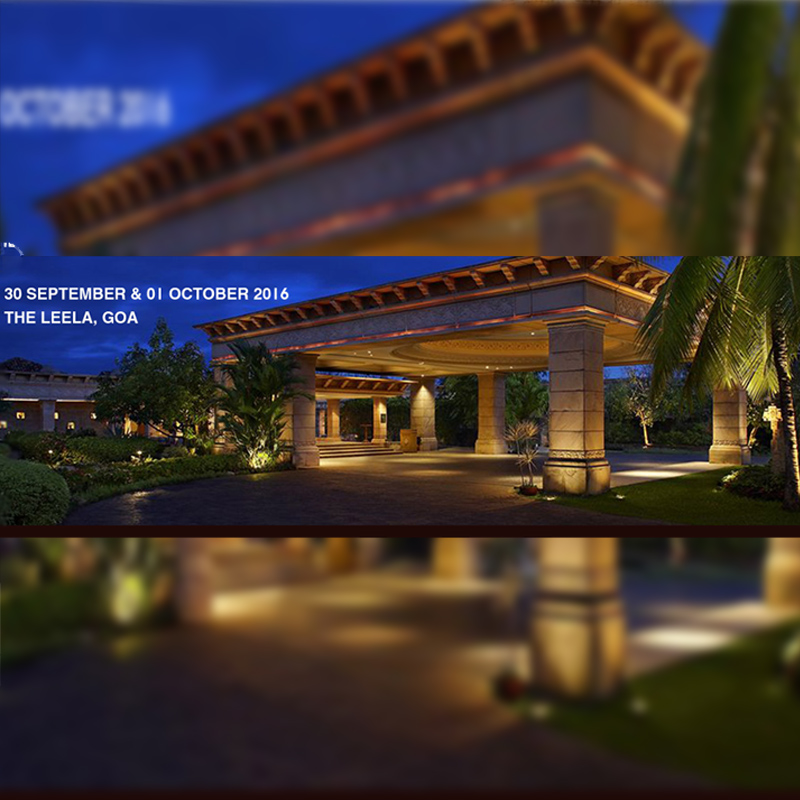
    GOA: The 11th Indian Digital Operators Summit (IDOS 2016) is slated to be flagged off today evening – 30 September — at south Goa’s prestigious Hotel Leela. India’s largest gathering of India’s broadcast, distribution, investment, technology players and the regulators is happening at a time when the industry is grappling with issues related to the government mandated digital addressable system (DAS) which seeks to digitize India’s 100-million viewer strong cable TV ecosystem.

    While two phases of DAS have been progressing gradually, the third phase has been stalled awaiting a decision from the Delhi high court. The logjam despite, the countdown to the fourth phase deadline of 31 December 2016, has commenced.

    It’s challenging times for the whole video distribution ecosystem. OTT live streaming and VOD platforms, telco companies are all marching into what was traditionally a broadcaster, cable TV operator’s or DTH or HITS operator’s turf. And, though they are yet to come up with robust business models, some of them have deep pockets. DTH players, on the other hand, are beginning to bear the fruits of their early investments in delivering quality, transparent services across India.

    Churn rates are stable, and, in fact, the subscriber numbers for many of these players are rising.

    A large part of the smaller cable TV community — especially in phase III and phase IV – is fragmented, undercapitalised and is fearful for its future and, in some areas, is resisting digitisation. Larger MSOs have brought in some organization to the ground in phase I and phase II over the past few years and will continue doing so as the years pass by, even in the interiors. Niggling issues such as interconnection and tariff agreements, carriage fees with broadcasters continue to seek resolution.

    Free to air DTH services such as DD FreeDish serve the needs of some of the viewers in the heartlands. And HITs platforms are waiting on the sidelines and are hoping to plug the infrastructure gap for delivering video signals to the undercapitalized cable operators in the phase III and phase IV areas.

    The regulators, the Telecom Regulatory Authority of India and the ministry of information and broadcasting, are seeking to put in place a regulatory framework which would fuel DAS nationally, keeping everyone’s interests in mind.

    “It is against this backdrop that IDOS 2016 is being held,” says Indiantelevision.com founder, CEO & editor in chief Anil Wanvari.

    “Over the years it has proved to be a fertile ground for moving the needle on distribution further. We hope this year’s DAS will also help in supporting the progress.”

    Among the major speakers at IDOS are: DEN Networks CEO SN Sharma, Prasar Bharati CEO Jawahar Sircar, Hathway Cable CEO Jagdish Kumar, Times Television Network CEO M.K. Anand, Sony Pictures Networks India executive vice president and head – digital business, Uday Sodhi, Indusind Media CEO Tony D’Silva, Walt Disney Co India vice president Nikhil Gandhi, Asianet Satellite Communications president & COO G.

    Sankaranarayana, India Cast EVP Amit Arora, Ortel Communication CEO Bhibhu Rath, CastleMedia executive director Vynsley Fernandes, Reliance BIG TV business head Vivek Garg, GTPL COO Shaji Matthews, Akamai head of mobile strategy Vijay Kolli and regional vice president, media sales Sid Pisharoti, Chrome Data CEO Pankaj Krishna, and TRAI adviser Sunil Kumar Gupta.

    The conference will end on 1 October late evening.

    Among the partners who have come forward to support IDOS 2016 are:
    Walt Disney Co India (Title Partner); Discovery India (Summit Partner), Elemental and Hathway (Associate Partner), Akamai Technologies (CDN Partner), Friends MTS, Sony Pictures Network and Zee Distribution Networks (Support Partners), SES (Name Badge Partner), and IndiaCast (LanYard Partner).

  • Eleventh IDOS to commence in Goa today

    Eleventh IDOS to commence in Goa today

    GOA: The 11th Indian Digital Operators Summit (IDOS 2016) is slated to be flagged off today evening – 30 September — at south Goa’s prestigious Hotel Leela. India’s largest gathering of India’s broadcast, distribution, investment, technology players and the regulators is happening at a time when the industry is grappling with issues related to the government mandated digital addressable system (DAS) which seeks to digitize India’s 100-million viewer strong cable TV ecosystem.

    While two phases of DAS have been progressing gradually, the third phase has been stalled awaiting a decision from the Delhi high court. The logjam despite, the countdown to the fourth phase deadline of 31 December 2016, has commenced.

    It’s challenging times for the whole video distribution ecosystem. OTT live streaming and VOD platforms, telco companies are all marching into what was traditionally a broadcaster, cable TV operator’s or DTH or HITS operator’s turf. And, though they are yet to come up with robust business models, some of them have deep pockets. DTH players, on the other hand, are beginning to bear the fruits of their early investments in delivering quality, transparent services across India.

    Churn rates are stable, and, in fact, the subscriber numbers for many of these players are rising.

    A large part of the smaller cable TV community — especially in phase III and phase IV – is fragmented, undercapitalised and is fearful for its future and, in some areas, is resisting digitisation. Larger MSOs have brought in some organization to the ground in phase I and phase II over the past few years and will continue doing so as the years pass by, even in the interiors. Niggling issues such as interconnection and tariff agreements, carriage fees with broadcasters continue to seek resolution.

    Free to air DTH services such as DD FreeDish serve the needs of some of the viewers in the heartlands. And HITs platforms are waiting on the sidelines and are hoping to plug the infrastructure gap for delivering video signals to the undercapitalized cable operators in the phase III and phase IV areas.

    The regulators, the Telecom Regulatory Authority of India and the ministry of information and broadcasting, are seeking to put in place a regulatory framework which would fuel DAS nationally, keeping everyone’s interests in mind.

    “It is against this backdrop that IDOS 2016 is being held,” says Indiantelevision.com founder, CEO & editor in chief Anil Wanvari.

    “Over the years it has proved to be a fertile ground for moving the needle on distribution further. We hope this year’s DAS will also help in supporting the progress.”

    Among the major speakers at IDOS are: DEN Networks CEO SN Sharma, Prasar Bharati CEO Jawahar Sircar, Hathway Cable CEO Jagdish Kumar, Times Television Network CEO M.K. Anand, Sony Pictures Networks India executive vice president and head – digital business, Uday Sodhi, Indusind Media CEO Tony D’Silva, Walt Disney Co India vice president Nikhil Gandhi, Asianet Satellite Communications president & COO G.

    Sankaranarayana, India Cast EVP Amit Arora, Ortel Communication CEO Bhibhu Rath, CastleMedia executive director Vynsley Fernandes, Reliance BIG TV business head Vivek Garg, GTPL COO Shaji Matthews, Akamai head of mobile strategy Vijay Kolli and regional vice president, media sales Sid Pisharoti, Chrome Data CEO Pankaj Krishna, and TRAI adviser Sunil Kumar Gupta.

    The conference will end on 1 October late evening.

    Among the partners who have come forward to support IDOS 2016 are:
    Walt Disney Co India (Title Partner); Discovery India (Summit Partner), Elemental and Hathway (Associate Partner), Akamai Technologies (CDN Partner), Friends MTS, Sony Pictures Network and Zee Distribution Networks (Support Partners), SES (Name Badge Partner), and IndiaCast (LanYard Partner).

  • DD in process of strengthening its coverage in J and K, to be completed in 2017-18: Naidu

    DD in process of strengthening its coverage in J and K, to be completed in 2017-18: Naidu

    NEW DELHI: Projects to set up five new High Power TV transmitters in Jammu and Kashmir are presently at various stages of implementation and are targeted for completion during 2017-18.

    Stating this, Information and Broadcasting Minister M Venkaiaih Naidu told the Rajya Sabha that Doordarshan at present has 243 TV transmitters of varying power functioning in border districts of the country.

    Strengthening of the terrestrial coverage of AIR and Doordarshan to counter foreign broadcast signal along border areas is a priority of Government and is an ongoing process.

    Special packages for expansion and improvement of Doordarshan and AIR services in the border areas have been formulated from time to time, the Mnister said.

    All the areas uncovered by terrestrial transmission (including those in border areas) alongwith rest of the country, have been provided with multi-channel TV coverage through Doordarshan’s free to air DTH service DD Freedish.

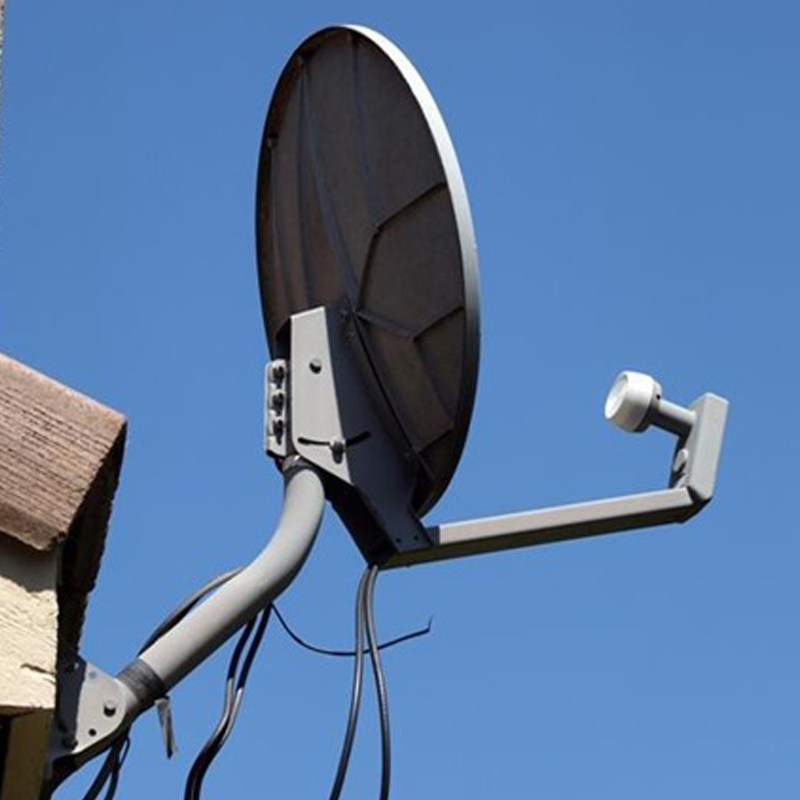
    DTH signals can be received anywhere in the country including border areas with the help of small sized dish receive units.

    Freedish is now installing Indian Conditional Access System (iCAS) to keep track of the number of subscribers, and is also moving from MPEG 2 to MPEG 4 to enable it to increase the number of channels that can be carried by Freedish.