Tag: DD Free Dish

  • Pittie group to launch a new spiritual TV offering in Shubh TV

    Pittie group to launch a new spiritual TV offering in Shubh TV

    MUMBAI: The divine world in television is set to witness one more addition as chairman of Pittie group, Krishan Kumar Pittie  will launch a spiritual channel ‘Shubh TV tomorrow (8 April 2016).

    The channel will initially be present on DTH platforms Dish TV and DD free dish, but has plans of expanding its distribution in near future “We are starting with Dish TV and DD free dish but in next six months we plan to launch on all DTH platforms,” says  Krishan Kumar Pittie.     

    The channel will be airing lectures by prominent spiritual speakers from across the country and will also be featuring spiritual events. Its key focus in the beginning will be on the much talked ‘Kumbh’ which will host pilgrims from across the country starting next month.

     “We are pleased to announce our new venture in spiritual channels Shubh TV,” says the chairman.

    The sector has very little advertising happening on it and hence slot selling remains the key revenue generator. The new channel will also focus on slot selling, but at the same time will strive for better advertisement revenue, “With exclusive spiritual content on Shubh TV, we aspire to attract more advertising and create a better model for this genre” informs Pittie.

    ‘Shubh TV’ is also following the trend of launching an exclusive app. The app will be available for both android and iOS users.

    The live telecast slots will generally be available from 10.30 AM to 1.30 AM. The channel will follow  the 3 hour slot model. The other prime time slot will be from 6.00 AM – 10:00 AM.

    The group has many more launches in its pipeline,  “We are also planning to launch Shubh Cinema in near future which will air spiritual and patriotic movies,” confirms Pittie. 

    If sources are to be believed a Music channel is also on the cards.

  • Pittie group to launch a new spiritual TV offering in Shubh TV

    Pittie group to launch a new spiritual TV offering in Shubh TV

    MUMBAI: The divine world in television is set to witness one more addition as chairman of Pittie group, Krishan Kumar Pittie  will launch a spiritual channel ‘Shubh TV tomorrow (8 April 2016).

    The channel will initially be present on DTH platforms Dish TV and DD free dish, but has plans of expanding its distribution in near future “We are starting with Dish TV and DD free dish but in next six months we plan to launch on all DTH platforms,” says  Krishan Kumar Pittie.     

    The channel will be airing lectures by prominent spiritual speakers from across the country and will also be featuring spiritual events. Its key focus in the beginning will be on the much talked ‘Kumbh’ which will host pilgrims from across the country starting next month.

     “We are pleased to announce our new venture in spiritual channels Shubh TV,” says the chairman.

    The sector has very little advertising happening on it and hence slot selling remains the key revenue generator. The new channel will also focus on slot selling, but at the same time will strive for better advertisement revenue, “With exclusive spiritual content on Shubh TV, we aspire to attract more advertising and create a better model for this genre” informs Pittie.

    ‘Shubh TV’ is also following the trend of launching an exclusive app. The app will be available for both android and iOS users.

    The live telecast slots will generally be available from 10.30 AM to 1.30 AM. The channel will follow  the 3 hour slot model. The other prime time slot will be from 6.00 AM – 10:00 AM.

    The group has many more launches in its pipeline,  “We are also planning to launch Shubh Cinema in near future which will air spiritual and patriotic movies,” confirms Pittie. 

    If sources are to be believed a Music channel is also on the cards.

  • Big Magic hops back on DD Free Dish to enhance distribution

    Big Magic hops back on DD Free Dish to enhance distribution

    MUMBAI: In a bid to enhance its distribution and reach out to the masses, Reliance Broadcast Network Ltd’s (RBNL) Big Magic has hopped on back to Doordarshan’s free to air (FTA) direct to home (DTH) platform DD Free Dish albeit after making a few key changes in its programming strategy.


    It may be recalled that in November this year, Doordarshan deputy director general C K Jain had told Indiantelevision.com that Big Magic had paid a sum of Rs 6 crore in the 24th e-auction to get back on the platform. The channel, which went off DD Free Dish in August this year, began beaming again from today (18 December).


    Pertinent to note here in that in its initial days, the pay channel Big Magic was present on the DD’s DTH platform but after thorough introspection, the network decided to take the channel off from the platform in order to rejuvenate its content. The Broadcast Audience Research Council (BARC) India, after rolling out its rural data has changed the entire game plan. DD Free Dish has emerged as one of the premier factors determining a channel’s performance in terms of ratings and hence making it a must for the broadcasters to present on.


    RBNL COO Ashwin Padmanabhan says, “It gives the reach, which helps gain viewership, but only if you have quality content in your catalogue. The reason why we went off the platform in the first place was to fill the gaps in our content. The content needs to be a slice of life and topical; only then people will cherish it. We made a gradual move towards more non-fiction from fiction and now we think we have adequate content to go back to the platform.”


    The channel banks on the humour quotient, which automatically tilts them towards a predominantly male audience. However, the network is quite clear when it comes to its target group. “We want to reach out to a pan India audience. I agree to the perception that humour as a genre is more male dominant but at the same time, I believe we have a diverse enough catalogue to cater to both male and female audience. Our target audience is both male and female aged between 15 to 45 years,” adds Padmanabhan.


    “General entertainment channels (GECs) are heavily female inclined, news channels cater to males, whereas youth channels have their audience cut out for them. Big Magic is positioned in a unique position where we break all such discriminations and cater to all because humour has universal appeal. We plan to strengthen our humour offering by adding more topical content, which people can relate to,” asserts Padmanabhan.


    The production cost of a non-fiction show is way higher than fiction content and RBNL, at this stage, is not shying away from spending. 


    Padmanabhan says, “Advertisers are excited about the content that we are creating; there is a lot of room for innovations and branded content. Going forward, we can even conceptualise a show sitting together with the advertiser. So we have confidence on our path ahead and hence if strengthening content needs investment we are happy to do so.”  


    Big Magic is available across all DTH platforms as well as major cable operators and with the presence on DD Free Dish, the channel’s distribution is well taken care of. However, Padmanabhan was quick to point out that distribution revenue was minuscule at this stage.


    The channel currently airs shows like Fakebook, Ji Sirjee, Family Fortunes, Lete Hain Khabar, Comedy Ka Rocket and Nautanki News.


    A senior media planner informs, “The ad rate of a 10 second slot on Big Magic during prime time would be somewhere between Rs 4000 – 5000.”


    With strong distribution in place and the added platform of DD Free Dish, Big Magic is well poised to take things to the next level in terms of programming content.

  • Q2-2016: Indian DTH players replicate improved performance of previous quarters

    Q2-2016: Indian DTH players replicate improved performance of previous quarters

    Over the past two quarters, the DTH segment of the television carriage industry has posted improved performances as has been mentioned by Indiantelevision.com for Q4-2015 and Q1-2016.

    The industry seems to have reached an inflection point in Q4-2015, with three players that have a combined market share of about 62 per cent posting improved results. The biggest player among them in terms of revenue as well as number of subscribers, Dish TV with about 27 per cent market share even reported a consolidated profit after tax (PAT) of Rs 34.94 crore in Q4-2015, a figure that helped wipe out the losses reported by the company for the previous three quarters. Dish TV reported consolidated PAT of of Rs 3.14 crore for FY-2015.

    As a matter of fact, even Airtel DTH services reported a positive EBIT of Rs 8.1 crore for Q4-2015, as compared to a negative EBIT of Rs 36 crore in Q3-2015 and a negative EBIT of Rs 67.6 crore in Q2-2015. The three players have now reported improved performances for the quarter ended 30 September, 2015 (Q2-2016, current quarter).

    Note: (1)100,00,000 = 100 lakh = 10 million = 1 crore.

    (2) This paper covers only three of the seven DTH service providers in India (as had the previous two papers) since the other four– Reliance Digital TV, Sun Direct (about 97 lakh subscribers as on 31 March, 2015), Tata Sky and DD Free Dish are not listed directly on the bourses and their financial numbers are not available, unless the principals of these companies/segments chose to reveal them. The three players – Airtel DTH, Dish TV and Videocon d2h have already been covered in our earlier reports mentioned above.

    (3) Some of the three players mention their financial as well as subscription numbers in millions in their financial reports/investor presentations and other documents that they make available publically. The financial numbers have been converted to Rs crore to an approximation of a single decimal place, though percentages have been mentioned to the second decimal place approximation.

    (4) There could be some ambiguity about the market share of the three players. If one were to go by the latest numbers released by the Telecom Regulatory Authority of India (TRAI) in November 2015 for June 2015. TRAI’s indicator report says that the number of registered DTH subscribers as on 30 June, 2015 was 787.4 lakh. The combined subscription numbers of the three players as on the same day as reported by them individually was 343.12 lakh and hence the market share of these players works out to 45.58 per cent. However, TRAI’s report also says that the number of active DTH subscribers as on 30 June, 2015 was 397.4 lakh. Based on the second TRAI number, the combined total subscribe market share of the three players in this paper works out to 86.34 per cent. The figures of 27 percent and 62 per cent have been taken from Dish TV’s estimates.

    (5) Videocon d2h EBIDTA numbers are adjusted – Q4-2015 Adjusted EBIDTA is before accounting for one off securities issue expenses of Rs 10.543 crore and Employee Share based Compensations cost of Rs. 2.974 crore towards provision of ESOP plan of 2014; Q1-2016 and Q2-2016 Adjusted EBITDA is before accounting for Employee Share based Compensations cost of Rs. 2.944 crore towards provision of ESOP plan of 2014

    Please refer to the graphs below. Panel A, B and C and D show the Q2-2015, Q1-2016 and Q2-2016 combined performances of the three DTH operators in this report and then in alphabetical order- Airtel DTH, Dish TV and Videocon d2h respectively. Panel E shows the ARPU value trends and Panel F shows the Monthly Subscriber Churn of the three players over 6 consecutive quarters starting Q1-2015 until Q2-2016.

    Please refer to Panel A in the graphs below. The combined revenues of the three players in the current quarter grew 16.20 per cent year on year (YoY) to Rs 2149.32 crore as compared to Rs 1849.60 crore and grew 3.12 per cent quarter on quarter (QoQ) as compared to Rs 2084.28 crore. EBIDTA increased 47.96 per cent YoY in Q2-2016 to Rs 680.30 crore (31.65 per cent margin) as compared to Rs 459.8 crore (24.86 per cent margin) and grew 1.90 per cent QoQ as compared to Rs 667.6 crore (31.65 per cent margin). Hence, EBIDTA margin declined slightly in the current quarter as compared to the immediate trailing quarter. Reported Combined Subscription numbers in Q2-2016 grew 12.77 per cent YoY to 351.16 lakh as compared to 311.4 lakh and increased 2.34 per cent QoQ as compared to 343.12 lakh.

    All the three DTH operators reported growth in revenue and subscription numbers, both YoY and QoQ. Dish TV and Videocon d2h reported growth in YoY and QoQ EBIDTA, while Airtel DTH reported a YoY increase, but a QoQ drop in EBIDTA and EBIT for Q2-2016. In terms of subscription numbers as well as revenue, Dish TV is the biggest player among the three. While Videocon d2h has a slight edge in terms of subscription numbers over Airtel DTH, the latter has a slight edge over Videocon d2h in terms of revenue.

    The average revenue per customer (ARPU) in the case of Airtel DTH increased QoQ to Rs 224 from Rs 222, it was flat in the case of Videocon d2h at Rs 205 and declined to Rs 171 in Q2-2016 from Rs 173 in the immediate trailing quarter in the case of Dish TV.

    During the six consecutive quarter period starting Q1-2015 until the current quarter, ARPUs of all the three DTH players show linear increasing trends. Monthly Subscriber Churn also seems to be increasing in case of all the three players as is obvious from the linear broken trend lines in Panel F. As a matter of fact the Monthly Subscriber Churn reported by all the three players in the current quarter – Q2-2016 was the highest during a period spread over six consecutive quarters.

    At the cost of repeating some of what has been mentioned above, let us see how these players have performed in Q2-2016.

    Airtel DTH

    Airtel DTH is a small segment of Indian telecom major Bharti Airtel Limited and its revenues constitute around four per cent of its parent company’s revenues and its EBIDTA is contributes just three per cent to overall EBIDTA. Capex investment however is in the seven per cent region of Bharti Airtel’s overall capex investments.

    Please refer to Panel B in the graphs above. Airtel’s DTH segment reported 12.85 per cent YoY growth in its revenue for the current quarter at Rs 706.8 crore as compared to the Rs 623.6 crore in Q2-2015. QoQ, the segment’s revenue grew 3.21 per cent as compared to Rs 684.8 crore.

    EBIDTA increased 53.24 per cent YoY to Rs 234.3 crore (33.15 per cent margin) as compared to the Rs 152.9 crore (24.41 per cent margin), but was 2.70 basis points lower than the Rs 240.8 crore (35.16 per cent margin).

    Airtel DTH segment reported a positive EBIT of Rs 17 crore (2.41 per cent margin) in the current quarter as compared to a negative EBIT of Rs 67.7 crore in the corresponding year ago quarter. EBIT in the current quarter, however was less than half (declined by 59.04 per cent) as compared to the Rs 41.5 crore (6.06 per cent margin) in the immediate trailing quarter.

    The company reported a 10.86 per cent YoY growth in its subscriber base to 105.76 lakh in Q2-2016 as compared to the 95.40 lakh in the corresponding year ago quarter and a 1.58 per cent QoQ growth from 104.12 lakh in the immediate trailing quarter. Monthly subscriber churn however increased to 1.3 per cent in the current quarter as compared to 1.1 per cent in Q2-2015 and 0.8 per cent in Q1-2016.

    The company reported a slight increase in Average Revenue per User (ARPU) in Q2-2016 in terms of Indian rupees, but a flat ARPU in terms of the US dollar at $3.5, which means that ARPU in dollar terms declined due to the rise in the price of the dollar in Indian Rupees. ARPU in Q2-2016 increased to Rs 224 as compared to the Rs 220 in Q2-2015 and the Rs 222 in Q1-2016.

    Monthly Subscriber churn in Q2-2016 at 1.3 per cent was higher than the 1.10 per cent in the corresponding year ago quarter and the 0.80 per cent in the immediate trailing quarter.

    Airtel MD and CEO India & South Asia Gopal Vittal said, “Airtel’s revenue growth in India has accelerated to 13.3 per cent in Q2 on an underlying basis, the highest in the last 12 quarters. Our smaller businesses – home broadband, DTH and our business segment all continue to perform strongly.”

    Dish TV

    This is the third consecutive quarter that Dish TV has reported growth across important financial and operational parameters including operating revenues (Total Income from operations or TIO), PAT and subscription numbers. During the previous fiscal and its last quarter (year and quarter ended 31 March, 2015, Q4-2015), the Subhash Chandra led Essel group’s Dish TV Limited turned the corner with a consolidated PAT of Rs 3.14 crore and Rs 34.94 crore (margin 4.8 per cent) respectively. The company followed this up with even better numbers in the previous quarter (Q1-2015). Dish TV was probably the first among listed DTH companies in the country in FY-2015 and Q4-2015 to report a profit after tax as opposed to the operating profits reported by a segment of the other Goliaths for whom DTH services is just another small segment or group company.

    Please refer to Panel C in the graphs above. For the current quarter ended 30 September, 2015 (Q2-2015), Dish TV has reported Operating revenue of Rs 752.42 crore, hence registering a 15.77 per cent YoY growth as compared to Q2-2015’s number of Rs 649.90 crore and a 2.14 per cent QoQ growth as compared to Rs 736.68 crore.

    The company reported PAT of Rs 86.96 crore (11.56 per cent margin) for the current quarter as compared to a loss of Rs 14.2 crore in the corresponding year ago quarter and a whopping 60.41 per cent growth in profit as compared to the Rs 54.21 crore (7.36 per cent margin) in the previous quarter.

    EBITDA in the current quarter increased 57.50 per cent YoY to Rs 255 crore (33.89 per cent margin) as compared to Rs 161.9 crore (24.91 per cent margin) and increased 7.69 per cent QoQ as compared to Rs 236.8 crore (32.14 per cent margin).

    The company’s subscriber numbers in Q2-2016 increased by 3.38 lakh to touch a subscriber base of 137 lakh as compared to the 133 lakh subscribers reported at the end of the previous quarter (Q1-2016). Monthly Subscriber Churn increased to 0.8 per cent after remaining flat for the previous five consecutive quarters at 0.7 per cent.

    Dish TV reported a YoY growth in Average Revenue per User to Rs 171 as compared to the Rs 166, but a QoQ decline from Rs 173 in the previous quarter.

    Dish TV chairman Subhash Chandra said, “Dish TV further reinforced its leadership position during the quarter. The company, while being at the forefront of the DTH industry in India, reached out to television viewers with innovative products that promise to enhance their television viewing experience. Dish TV’s improving financial strength coupled with its passion to be ahead of the curve, should be an advantage to further enhance its presence in the vast and still untapped analogue and free-to-air television markets in the country.”

    Videocon d2h

    Videocon d2h reported sales growth in both subscription revenue and revenue from operations for the current quarter. Subscription revenue increased 24.63 per cent YoY to Rs 629 crore as compared to Rs 504.7 crore, and increased 4.67 per cent QoQ as compared to Rs 599.61 crore.

    Please refer to Panel D in the graph above. Total revenue increased 20.35 per cent YoY to Rs 690.1 crore as compared to Rs 573.40 crore and increased 4.12 per cent QoQ as compared to Rs 662.83 crore.

    The company reported lower loss in Q2-2016 at Rs 24.6 crore as compared to a loss of Rs 61.4 crore in Q2-2015, but was slightly higher than the loss of Rs 24.4 crore in the immediate trailing quarter.

    Adjusted EBIDTA in the current quarter increased 31.72 per cent YoY to Rs 191 crore (27.68 per cent margin) as compared to Rs 145 crore (25.29 per cent margin) and was almost flat (increased 0.53 per cent) as compared to Rs 190 crore (28.67 per cent margin).

    The company notched up higher net subscribers at 108.4 lakh in Q2-2016 as compared to 94.6 lakh in Q2-2015 and 106.4 lakh in the immediate trailing quarter. Monthly Subscriber Churn in the current quarter at 1.19 per cent was higher than 0.85 per cent in Q2-2015 and 0.46 per cent in the immediate trailing quarter.

    The company reported higher ARPU at Rs 205 in Q2-2016 as compared to Rs 190 in Q2-2015 but was flat when compared to Rs 205 in the immediate trailing quarter.

    Videocon d2h executive chairman Saurabh Dhoot said, “I am happy to share that we have achieved EBITDA growth of 30.3 per cent in the first half of the current fiscal as against our guidance of 25 to 30 per cent growth. We are on track to deliver even stronger growth in the second half of this year, in line with the guidance shared earlier. During the quarter, we focused on enhancing our channel offering and added 14 Standard Definition and four High Definition channels. We have recently launched two proprietary services, namely d2h Hollywood HD and Darshan. With more than 500 lakh eye balls we also continue to gain traction on advertising revenue with marque advertisers coming on our platform.”

    Speaking on the near term subscriber growth outlook, Videocon d2h CEO Anil Khera said, “We estimate around 500 lakh television homes come under Phase III digitization, of which 240 to 250 lakh television homes are already on the digital platform. Thus, the target market under Phase III digitization is the remaining 250 to 260 lakh television homes that are currently on analog cable.”

    End Points

    Implementation of Phases III and IV of DAS presented a potential of about 700 to 750 lakh existing television households plus another 200 to 250 lakh new television households for the carriage industry as per industry estimates. How well each of the players in the ecosystem takes advantage of this  potential remains to be seen. The DTH players in the country are adding to their net subscription numbers, going by the combined 7.64 lakh net subscriber additions that the three players in this paper have reported for Q2-2016 as compared to the immediate trailing quarter. Reported capex investments to the extent of Rs 250 crore in the current quarter and Rs 211 crore in the previous quarter by Airtel DTH and Rs 246 crore in Q2-2016 and Rs 153 crore in Q1-2016 by Videocon d2h indicate that the DTH players are intent on gaining a large portion of this opportunity.

    An Icra Research Services paper of September 2015 on TV Distribution says that DTH players remain well positioned for tapping growth opportunities in Phase III and Phase IV markets due to inherent technology advantage and easier access to cable dark areas. Moreover, incremental investments towards the establishment of infrastructure in the rural markets and relatively high operating costs render it commercially unviable for national MSOs to enter such markets.

    The rural markets continue to remain cost sensitive; hence, MSOs and DTH players are also looking at introducing plain vanilla set top boxes (STBs) specifically for these markets to encourage subscribers to migrate. In this direction, Dish TV launched a lower priced STB under the brand name of Zing, the base pack of which is typically 20 per cent lower than a regular Dish TV STB. Amongst other measures, distributors are also evaluating channel packages with focus on regional content. The media consumption in Phase III and Phase IV markets are driven by regional content and hence such packages are expected to help distributors further expand their subscriber universe in these markets says the Icra report.

    HD channels is another opportunity that DTH players have sensed. Sensing a strong business opportunity Videocon d2h has started augmenting a new strategy early this year. With the number of HD channels set to increase in the coming years, Videocon d2h, which also manufactures STBs, will be phasing out its Standard Definition (SD) STBs over the next year or so. Videocon d2h is looking at 50 to 60 per cent acquisitions in the HD STB space.

    In early May 2015, while speaking at the Asia Pacific Video Operators Summit (APOS) held in Bali, Videocon d2h’s Khera had said, “The cost of difference between SD and HD set top boxes for us is only one and half dollar. In terms of gross adds, the market has been consistently growing and we have seen a growth of eighty to ninety lakh new additions in a year. Net additions has been a challenge, and the industry has been able to get net addition of fifty to sixty lakh. As far as the rotation churn is concerned how one retains customers and provides additional services, is a big challenge.”

    This brings forth another challenge-bandwidth allocation with a limited satellite bandwidth available. Projecting that there would be at least a hundred HD channels over the next one and a half year, Khera had then said, “All the Hindi and English general entertainment channels and movie channels will have a HD and SD feed.” That was six months ago.

    The cut-off date for DAS Phase III – 31 December, 2015 is less than a month away and for DAS IV – 31 December, 2016 just a little more than a year away. Initially the next 13 months followed by a year or two is the period required by the industry to gain some sort of maturity and have a semblance of stability. The next two to four years are going to be real chaotic and exciting times for the carriage industry. For now, the existing analogue consumers and the new television households, are the real low hanging fruits that can be plucked with relative ease. Post digitisation the game will be different, probably with a different set of unwritten rules (and most probably written rules on the path to market maturity).
  • Revamp the Dominant News Pattern through India 24X7 Kya Khabar Hai!

    Revamp the Dominant News Pattern through India 24X7 Kya Khabar Hai!

    MUMBAI: India 24×7 ushers in a breadth of fresh air, revamping the dominant pattern of Indian News channel and bringing Hope amidst apparently gloomy happening. India 24X7 a national Hindi ‘Free To Air (FTA)’ news Channel is going to start operations in Indian domain from October 24, 2015.


    To cut the morass of market, the channel aims to serve family entertainment, healthy viewing and distinctive news to upgrade its viewers to make informed choices rather than only news. To draw fringe audience on to the channel, anchors will play a key role. Their personality, styling and reliability will determine which audiences find resonance with the brand.


     While the news genre is traditionally seen as largely an individual viewing space, India 24×7 wishes to create a family appointment viewing experience. It will attract different age groups and different gender skews. It will also address viewers who are young in terms of mindset and shared value.


    Channel Editor Vasindra Mishra said, “India 24X7 will choose clarity over aggression, Jankari over sensationalism. It endeavours to offer ‘distinctive news’ as opposed to breaking news, or sensational news. With our family viewing objective, the flavour of coverage will focus on the positive side of every story and also enliven us through its entertainment quotient.”


    Mishra went on to add, “If you look at existing news programmes, you will find that majority of the news channels are busy proliferating negativity in the society as if there is no hope available for them. But, India 24X7 believes in hope. We will try to fish out hope even from the tragic incidents.”


    Traditionally, news genre targets male 35+ audiences, but India 24×7 is young at heart through the presentation of its content.  The channel will work on inventory of 12 mins per hour giving more content and news to the viewers that brings knowledge and empowers them.


    The channel is available on major DTH platforms and local cable networks like Dish TV, Airtel, Tata Sky, DD Free Dish, Siti Cable, Fastway, Digi Cable, DEN, Hathway, In Cable, GTPL and other local cable networks.

  • Q1-2016: Affirmation that DTH in India has turned the corner?

    Q1-2016: Affirmation that DTH in India has turned the corner?

    BENGALURU: If numbers reported by direct-to-home (DTH) operators in Q1-2016 are anything to go by, then the segment might just have turned the corner last quarter.


    As may be recalled, Indiantelevision.com had reported in the last quarter that the DTH industry in India had probably reached an inflection point in FY-2015 (financial year ended 31 March, 2015, previous year), and more so during the last quarter of the previous year (Q4-2015). The financial results for the quarter ended 30 June, 2015 (Q1-2016, current quarter) seem to confirm this fact.


    Another endorsement of this website’s surmise is a single statement in the Sun TV Network’s earning release for the current quarter – Subscription revenues continue to grow with cable TV revenues growing by approximately 13 per cent and DTH subscription revenue growing by nine per cent over the same quarter of last year. Sun TV had approximately eight per cent market share among the private Indian DTH players as on 31 March, 2015.


    Note: 100,00,000 = 100 lakh = 10 million = 1 crore.


    This report covers only the three of the seven DTH service providers in India (as had the previous one) since the other four – Reliance Digital TV, Sun Direct (about 97 lakh subscribers as on 31 March, 2015), Tata Sky and DD Free Dish are not listed on the bourses and their financial numbers are not available, unless the principals of these companies/segments chose to reveal them. The three players – Airtel DTH, Dish TV and Videocon d2h have already been covered in our earlier report mentioned above.


    Despite Q1 being a relatively weak quarter seasonally, two of the three players – Airtel DTHDish TV and Videocon d2h have reported QoQ and YoY growth across all the important parameters that include revenue, operating profits with healthy margins, subscription numbers, average revenue per user (ARPU) for the current quarter. The third player Videocon d2h, has also shown improved numbers across all the parameters mentioned above, except in the case of operating profits – the company’s YoY and QoQ loss reduced significantly in Q1-2016.


    Dish TV is the largest DTH player in terms of subscriber base and probably revenue too, in India. The company posted a 55.2 per cent QoQ growth in consolidated profit after tax of Rs 54.21 crore (7.2 per cent margin) in Q1-2016 on revenue of Rs 736.68 crore. For the corresponding quarter of last year, Dish TV had reported a loss of Rs 14.97 crore on revenue of Rs 618.04 crore.


    As a matter of fact, Dish TV is also the first among listed DTH companies in the country in FY-2015 and Q4-2015 to report a profit after tax as opposed to the operating profits reported by a segment of the other goliaths for whom DTH services is just another small segment.


    Airtel DTH reported the highest YoY growth in ARPU in Q1-2016, as well as the highest ARPU among the three players in this report.


    Let us look at some of the numbers reported by the three players:


    Airtel DTH


    For Bharati Airtel Limited (Airtel), Digital TV services (Airtel DTH) contributes just a small fraction to its overall numbers. The DTH segment’s contribution to overall Airtel numbers is approximately four per cent to revenue and three per cent to EBIDTA, and yet it had a seven per cent share in the company’s capex investments pie to the extent of Rs 211.3 crore fresh investments in Q1-2016. Overall, cumulative investment made by Airtel into its DTH segment is Rs 5621.6 crore (about three per cent of Airtel’s overall cumulative investments).


    Mentioning the DTH segment in Airtel’s Q1-2016 earning release, Airtel MD and CEO, India & South Asia Gopal Vittal said, “I am pleased that our revenue growth is broad based across all business units, especially the domestic enterprise and corporate segment, which saw revenues grow by 18.1 per cent, and DTH business which had a underlying topline growth of 26.8 per cent.”


    Airtel DTH reported 15.8 per cent increase in YoY revenue to Rs 684.8 crore in Q1-2016 as compared to the Rs 591.5 crore in Q1-2015 and 7.9 per cent more than the Rs 634.8 crore in Q4-2015.


    The telecom major’s DTH segment reported a 67 per cent growth in operating profit (EBIDTA) in the current quarter at Rs 240.8 crore (46.1 per cent margin) as compared to the Rs 143.8 crore (24.3 per cent margin) in Q1-2015 and 15.9 per cent more than the Rs 207.8 crore (32.7 per cent margin) immediate trailing quarter.


    Airtel’s DTH segment reported 10.9 per cent YoY growth in Airtel DTH customer base for the current quarter at 104.12 lakh as compared to the 93.88 lakh in Q1-2015 and 3.4 per cent growth as compared to the 100.73 lakh in Q4-2015.


    As mentioned above, ARPU in Q1-2016 improved significantly to Rs 222 as compared to the Rs 214 in both Q1-2015 and Q4-2015. Monthly churn in the current quarter was higher at 0.8 per cent as compared to the 0.6 per cent in the corresponding year ago quarter, but lower than the one per cent in the immediate trailing quarter.


    Dish TV


    Dish TV has shown almost flat QoQ revenue growth in Q1-2016. The company reported 0.9 per cent higher consolidated net total Income from Operations (TIO) in the current quarter at Rs 736.68 crore as compared to the Rs 729.93 crore in the immediate trailing quarter and 19.2 per cent more than the Rs 618.04 crore in Q1-2015.


    As mentioned above, the company has reported 55.2 per cent higher PAT at Rs 54.21 (7.4 per cent margin) as compared to the Rs 34.94 crore (margin 4.8 per cent) in Q4-2015. The company had reported a loss of Rs 14.97 crore in Q1-2015, while it had reported a consolidated PAT of Rs 3.14 crore for FY-2015.


    With effect from 1 April, 2015, Dish TV says that it has started netting-off certain collection fees paid to its trade partners from its topline. This has resulted in the company’s topline getting shrunk by around four per cent, with a similar number being decreased from the middle line.


    Further, Dish TV transferred its non-core business (including set-top boxes, dish antenna and related services) to its wholly owned subsidiary Dish Infra Services Private Limited (formerly known as Xingmedia Distribution Private Limited) on 1 April, 2015 on a going concern basis.


    The company reported addition of 3,90,000 net subscribers in Q1-2016, taking its total subscriber base to 1.33 crore as on 30 June, 2015. Post consolidation, Dish TV’s ARPU was Rs 173 versus Rs 172 (QoQ) in Q4-2015. The company reported consolidated subscription revenues at Rs 628.88 crore, up 20.6 per cent YoY.


    Dish TV chairman Subhash Chandra said, “Dish TV has been actively contributing to the ‘Digital India’ movement by digitizing analog TV homes in DAS phase 3 and 4 markets and remains optimistic about its prospects to acquire a substantial share in these markets.”


    Dish TV managing director Jawahar Goel added, “Our first quarter results are in line with the success of our regional and high definition (HD) strategy. Our regional offering, ‘Zing’, would soon be launched in Kerala and would carry the largest cache of vernacular channels offered in that market. ‘Zing’ cemented Dish TV’s supremacy in the DAS Phase 3 and 4 markets with custom-made content, hardware and service packages for the regional audience. High definition continues to be a value driver and a key differentiator for us compared to other DTH offerings in India. Dish TV’s industry leading bandwidth capacity supports 42 HD channels, the largest on offer by any distribution platform so far.”


    Further, Dish TV recently formed a content negotiating joint venture (JV) called Comnet with its group company and multi system operator (MSO) Siti Cable Network Limited. Both Dish TV and Siti Cable are equal partners in the JV that came into existence on 1 July, 2015. As part of the JV, both companies will hold joint discussions with broadcasters post, which separate direct contracts between the broadcaster and distribution platform will be signed. The JV also tends to bring together the industry on contentious taxation issues like the recent arbitrary hike in entertainment tax in Delhi.


    Videocon d2h


    For Videocon d2h, the addition of 6.1 lakh gross subscribers and 4.6 lakh net subscribers in Q1-2016 coupled with higher ARPU for Q1-2016, resulted in a YoY 32.1 per cent growth in subscription revenue and 23.3 per cent growth in revenue from operations (TIO) in Q1-2016. On a QoQ basis, subscription revenue increased 3.7 per cent, while TIO increased six per cent. The company also reported a marked fall in finance costs and consequently the company’s loss in the current quarter more than halved to Rs 24.4 crore as compared to the Rs 55.8 crore in Q1-2015 and was less than a third of the Rs 75.7 crore in Q4-015.


    TIO in Q1-2016 at Rs 662.83 crore was 23.3 per cent more than the Rs 537.65 crore in Q1-2015 and 6 per cent more than the Rs 625.27 crore in Q4-2015.


    Videocon achieved strong subscription revenue growth of 32.1 per cent to Rs 599.61 crore (90.5 per cent of TIO) in Q1-2016 as compared to the Rs 453.77 crore (84.4 per cent of TIO) in Q1-2015 and growth of 3.7 per cent as compared to the Rs 578.33 crore (92.5 per cent of TIO) in the immediate trailing quarter Q4-2015.


    Average revenue per user (ARPU) in Q1-2016 at Rs 205.30 was 9.7 per cent more than the Rs 187.14 in the corresponding year ago quarter and was 1.5 per cent more than the Rs 202.17 in Q4-2015. (Conversion rate from 1 dollar = 62.59 Indian rupee for all the three quarters).


    The company considers advertisement revenue as an important contributor to its numbers, and is beginning to see an encouraging response from multiple advertisers. Videocon d2h recently set up an advertising team to sell ad inventory on its own proprietary channels and added three proprietary channels – d2h nursery rhymes; d2h Cinema HD; and another music channel. The company has also launched three Active services, namely, Active Kids, Active Games and Active Learning in this quarter, which the company says are beginning to get traction from its customer.


    Videocon d2h executive chairman Saurabh Dhoot said, “We are pleased to declare a strong set of results for the quarter ended 30 June, 2015 and are on track to achieve the guidance provided for fiscal 2016. With a strong subscriber growth outlook, DTH sector gaining market share over cable and an improving ARPU scenario; we believe we are just at the beginning of a multi-year strong growth opportunity.”


    Conclusion


    The three players considered in this report had an approximate combined market share of 67 per cent in among the private players India at the end of the previous year, or more than two-thirds. It is still early days as yet to really conclude that the DTH sector in India has turned the corner based on good results for only two consecutive quarters reported by three companies that represent about two thirds of the sector. Of course, the amount of representation goes up to 75 per cent of the private players, if one were to consider the Sun TV market share of eight per cent. However, looking at the intensity and the moves of these players, it is quite likely that the sector should continue showing improved positive results, and may have turned the corner in Q4-2015.

  • FY-2015: Inflection point for DTH companies in India?

    FY-2015: Inflection point for DTH companies in India?

    BENGALURU: Is FY-2015 the inflection point for direct to home (DTH) companies in India? The answer seems yes, if one were to go by the financials declared by three listed operators for the quarter and year ended 31 March, 2015 (Q4-2015 and FY-2015 respectively) – Airtel Digital TV, Dish TV and Videocon d2h. And the players are gung-ho about the future. Subscriber growth and higher ARPUs (Average Revenue Per User) are some of the factors that have brightened the picture for this segment of the carriage industry in fiscal 2015.


    Note: 100,00,000 = 100 lakh = 10 million = 1 crore.


    This report covers only three of the seven DTH service providers in India since the other four – Reliance Digital TV, Sun Direct (about 97 lakh subscribers as on 31 March, 2015), Tata Sky and DD Free Dish are not listed on the bourses and their financial numbers are not available.


    The Numbers


    Dish TV


    Dish TV’s standalone and consolidated net Total Income from Operations (TIO) in FY-2016 at Rs 2781.64 crore was 10.9 per cent more than the Rs 2508.97 crore in FY-2014. Standalone TIO in Q4- 2015 at Rs 754.72 crore grew 18.5 per cent as compared to the Rs 636.91 crore in the corresponding year ago quarter and was 10.3 per cent more than the Rs 684.26 crore in Q3-2015.


    According to Dish TV, the DTH sector is a direct beneficiary of a positive consumer sentiment. The company achieved strong subscriber growth of 1.5 million net subscribers during the year. Fiscal 2015 also saw Dish TV swing to net profit, a first for any DTH company in India.


    The biggest among the three in terms of revenue as well subscribers, Dish TV at the close of FY-2015, reported standalone net profit after tax (PAT) of Rs 35.01 crore in Q4-2015 and a standalone PAT of Rs 1.01 crore in FY-2015 as compared to a standalone loss of Rs 154.21 crore in FY-2014. For Q3-2015, Dish TV’s loss was just Rs 2.87 crore as compared to double-digit crore loss numbers in the previous or like-to-like quarters. Dish TV also doubled its subscriber growth to 15 lakh in FY-2015 as compared to the previous year. As on 31 March, 2015, the company reported a net subscriber base of 1.29 crore, having added 4.04 lakh subscribers in the last quarter of 2015.


    Dish TV also reported higher ARPU of Rs 179 in Q4-2014 as against Rs 177 in Q3-2015 (1.13 per cent increase in ARPU) and was 5.3 per cent higher than the annual ARPU of Rs 170 reported in Q4-2014.


    “As digitization spreads far and wide, we continue to believe that there is sufficient headroom to further explore price differentials between key urban markets and their rural counterparts. All pack prices, for new as well as existing subscribers of Dish TV, have been moved by Rs 10 each in the 42 cities under phase I and II. We are confident that pack price hikes, higher HD uptake, as well as industry level developments such as initiation of packaging in cable will be key contributors to ARPU expansion going forward,” said Dish TV managing director Jawahar Goel.


    Post a successful absorption of higher pack prices in Delhi, Mumbai, Pune and Kolkata, Dish TV initiated another price change during the current month. In less than three months since it was first introduced, differential pricing – an industry first from Dish TV was rolled-out in the balance 38 cities covered under DAS phases I and II with effect from midnight on 12 May, 2015.


    Last year Dish TV launched a second brand, Zing, in the Indian DTH space. A resounding success, Zing cemented Dish TV’s supremacy in the DAS Phase 3 and 4 markets with custom-made content, hardware and service packages for the regional audience, says the company.


    Airtel Digital TV Services


    Airtel’s Digital TV Services (DTH segment) revenue grew 19.2 per cent in FY-2015 to Rs 2475.9 crore from Rs 2077.1 crore in FY-2014. The segment reported 11.8 per cent growth in number of subscribers with 100.73 lakh subscribers on 31 March, 2015 as compared to the 90.12 lakh subscribers at the close of the previous year. ARPU in FY-2015 at Rs 214 was five per cent more than the Rs 203 in FY-2014. The segment reported slightly higher monthly churn of one per cent as compared to 0.9 per cent in FY-2014.


    The DTH segment reported an operating profit of Rs 8.1 crore in Q4-2015 as compared to an operating loss of Rs 36 crore in the immediate trailing quarter. For FY-2015, Airtel DTH reported a lower operating loss of Rs 158.1 crore, for FY-2014, operating loss was three times more at Rs 481.2 crore.


    EBIDTA and EBIDTA margins in FY-2015 at Rs 675.2 crore (27.3 per cent of total revenue) were more than double (2.02 times) the Rs 334.7 crore (16.1 per cent of total revenue) in the previous year.


    Videocon d2h


    Coupled with higher ARPU for FY-2015 at Rs 196, and Rs 202 in Q4-2015, Videocon d2h reported 32.5 per cent growth in revenue from operations in FY-2015 at Rs 2337.7 crore as compared to the Rs 1764.4 crore in FY-2014. The company’s subscription revenue increased 38.3 per cent in the current year to Rs 2058.1 crore from Rs 1487.7 crore in the previous year.


    Videocon d2h says that it was able to push through an inflation linked ARPU increase in February 2015. As a result, Q4-2015 ARPU was Rs 202, up 11.7 per cent from FY-2015.


    Videocon d2h closed fiscal 2015 with 101.8 lakh subscribers as compared to 84.4 lakh in the previous year. It claims market leadership in subscriber growth in FY-2015 with 26.4 lakh gross subscribers and 17.4 lakh net subscriber additions. Subscriber churn per month increased fractionally in FY-2015 to 0.8 per cent as compared to 0.76 per cent in the previous year.


    The company reported lower net loss in FY-2015 at Rs 272.7 crore as compared to the Rs 319.5 crore in the previous year. Adjusted EBIDTA increased 55.3 per cent in the current year to Rs 609.1 crore (margin 26.1 per cent) from Rs 319.5 crore (margin 34.1 per cent), the company said in its earnings release on NASDAQ.


    Videocon d2h CEO Anil Khera said, “The Pay TV segment in India is positioned for extraordinary growth over the next few years with millions of new TV homes being created on account of the strong economic outlook in India as well as the Government of India’s initiative to roll out its digitalization mandate across the country. We believe that 9 to 10 crore homes will be making the switch to digital platforms, which will be available to the DTH and digital cable operators. We are well positioned to benefit from this and we believe we will take the largest share of this opportunity, as we have in the past. With strong economic growth outlook for India, overall media sector is expected to grow in the years to come. We believe this will help grow ARPU, TV penetration and increase HD uptake leading to stronger revenue growth for Pay TV in general and Videocon d2h in particular.”


    End points


    The last quarter of fiscal 2015 (Q4-2015) has shown better than average results in the case of all the three DTH players examined in this report. PAT in Q4-2015 eliminated the loss Dish TV incurred in the first three quarters of FY-2015. In the case of Airtel DTH segment, EBITDA for Q4-2015 increased to Rs 207.8 crore as compared to Rs 96.7 crore in the corresponding quarter last year. The reported EBITDA margin improved significantly to 32.7 per cent in Q4-2015, as compared to a margin of 17.9 per cent in the corresponding quarter last year.


    As mentioned above, Airtel DTH turned EBIT positive to Rs 8.0 crore in the current quarter, as compared to EBIT loss of Rs 110.7 crore in the corresponding quarter of last year. Comparable numbers for Videocon d2h have not been made available since the company debuted on NASDAQ on 1 April, 2015 and has disclosed only a limited amount of information about its annual numbers.


    The Indian carriage universe has 16.8 crore households. DTH operators have continued to focus on improving realisations by increasing penetration of HD channels, premium channels and value added services (VAS) according to the FICCI-KPMG Indian Media and Entertainment Industry Report 2015. However, they may have to rework their channel packages to be more relevant and affordable for phases III and IV subscribers. A case in point mentioned above is Dish TV’s sub-brand Zing, which caters to specific linguistic needs of subscribers and offers regional specific packs as a part of all available packs.


    Also, all major DTH operators have launched apps for mobiles and tablets through which subscribers can watch live TV for an additional fee and DTH operators have the advantage of monetising these viewers because of their existing payment relationships with their subscribers. 


    The FICCI-KPMG 2015 report also says that battle for subscribers in phases III and IV of DAS in India is expected to be more keenly fought between MSOs’ and DTH players. While DTH players managed to get only 20 to 30 per cent of the subscribers converting from analogue to digital in phases I and II, they are in a much better position in phases III and IV due to inherent technology advantage of DTH in sparsely populated areas and also due to their balance sheets being healthier than the MSOs’.


    The Ministry of Information and Broadcasting extended the deadlines for phases III and IV to 31 December, 2015 and 31 December, 2016, respectively, and there could be another delay by 12 months according to experts, which means that phase IV rollout could complete only at the end of 2017 or even 2018. The benefits of digitisation in these phases in terms of improved addressability and ARPU is expected to take much longer. At the end of 2019, the FICCI-KPMG report expects digital cable subscriber and DTH subscriber ratio to be 55:45 with 9.4 crore digital cable subscribers and 7.6 crore DTH subscribers.


    HITS (Headends in the Sky), if it takes off even in a small way, could affect the fortunes of both the DTH and the cable TV industry. Let’s wait and watch how the Hinduja Group, which has a license to launch HITS and is a major player in the cable TV business, plays this out. Jain TV, the other licensee for HITS, has made a miniscule dent. IPTV is still at less than an infancy stage in the country.


    If DTH companies can sustain, innovate in technology and offerings and grow from here, FY-2015, and maybe Q4-2015 could really be the turning point when at least one segment of the carriage business in India has started making money. Only time will tell…

  • Big Magic launches weekend property ‘Shahi Shanivaar’

    Big Magic launches weekend property ‘Shahi Shanivaar’

    MUMBAI: Big Magic, the flagship Hindi general entertainment channel from Reliance Broadcast Network brings another new offering in its bouquet of shows.


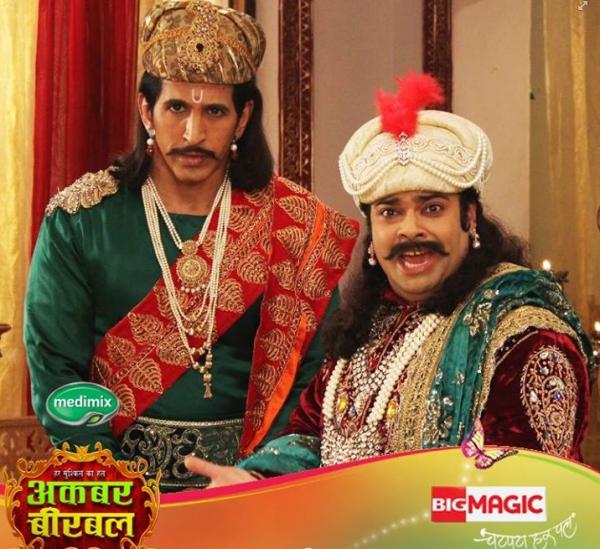
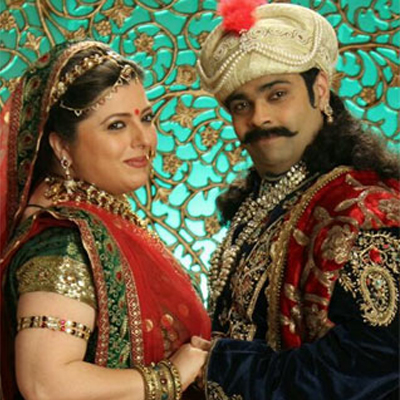
    Riding on the immense popularity of ‘Har Mushkil Ka Hal Akbar Birbal’, the channel is extending the show now on weekends with a one hour new episode every Saturday at 9 pm.


    Titled Shahi Shanivaar’, the latest weekend property stands on the backdrop of magnificent look and historical stories and aims to retain its audience attention even on weekends.


    Commenting on announcement of Shahi Shanivaar, Reliance Broadcast Network COO Lavneesh Gupta said, “We are delighted to announce a weekend property called ‘Shahi Shanivaar’ on the popular show ‘Har Mushkil Ka Hal Akbar Birbal’ that keeps up the historical comedy quotient on Saturdays too.”


    “The one hour shows will have new and interesting plots backed by historical research on the backdrop of royal splendour and special appearances by celebrities. We have maintained the same timing of 9pm so that from Monday to Saturday our audience’s experience the show same time thus offering greater value and consistency for marketers,” he added.


    Beginning on 1 November 2014, popular artist and celebrity Chetan Hansraj will be a part of a major conspiracy plot in the show, which will be followed by an episode on ‘Vishkanya’ on 18 November and a ‘Maha-episode’ on 15 November. Each of these episodes will also be integrating local festivals of the Hindi heartland that characterises India and is backed by strong local research and insight.

  • Medimix is presenting sponsor for Har Mushkil Ka Hal -Akbar Birbal

    Medimix is presenting sponsor for Har Mushkil Ka Hal -Akbar Birbal

    MUMBAI: Medimix Face Wash has come on board as presenting sponsor for India’s first Historical Comedy – HarMushkilKa Hal Akbar Birbalon Big Magic. Akbar Birbal stories have a timeless appeal across generations and this latest addition to the programming assortment of the Channel supported with a high decibel multi-media campaign synergises excellently with Medimix Face Wash’s endeavor to further brand reach.

     
    The popularity of the show and its potential to work excellently with Indian audiences, its novel format of presentation, the extensive reach of the campaign across the Hindi speaking belt, the multiple formats engaged for the campaign – across television, radio, outdoor, cinemas, on ground, social media and more, and most importantly the reach of the Channel, to the even the LC1 markets through its availability on DD Free Dish, and the audience overlap, made it the perfect platform to ride on creating the partnership.

    Mr. Lavneesh Gupta, COO, Television Business, Reliance Broadcast Network said in a statement, “The holistic media campaign for the show HarMushkilKa Hal Akbar Birbal provides for an excellent opportunity for brands looking for widespread depth in reach across multiple touch points. With both brand objectives in congruence, it just makes for the perfect partnership. It continues to remain our endeavor to offer audiences with superlative entertainment and marketers with properties that they can ride on to meet their business objectives.”

    Speaking on the partnership, Mr. Anish Rajan who is heading the marketing function in Cholayil Pvt Ltd said “Akbar Birbal requires no introduction and we are confident about the comedy entertainment quotient it will offer. With the 360 multi-media marketing plan that has been introduced to promote this high impact property across HSMs, we are assured of an excellent platform to amplify our brand promise as India’s most trustedAyurvedic personal care brand.”

    BIG MAGIC is available across key DTH players ranging Airtel, Videocon, DD Free Dish, Dish TV, Reliance Digital TV along with Hathway, Incable, Digicable, DEN, 7 Star, ABS, Siticable, Star Broadband and GTPL amongst others.