Tag: David Roth

  • Communication more important than advertising: The Store WPP, David Roth

    Communication more important than advertising: The Store WPP, David Roth

    MUMBAI: Local is the way forward. India is at an interesting cusp right now where we see a lot of homegrown brands stealing the thunder of MNCs. The Indian retail industry is witnessing rapid transformation with new technology driving businesses and changing shopper behaviour.

    Indian brands get local nuances right which is the key to great marketing and brand building exercise. Interestingly, in the recent BrandZ report by WPP and Kantar Millward Brown, the top 10 brands are all Indian homegrown companies. The list saw HDFC Bank, LIC, Tata Consultancy, Airtel, State Bank of India, Maruti Suzuki, Kotak Mahindra Bank, Asian Paints, ICICI Bank, Reliance Jio, Flipkart and Paytm make it in the top 10, the first time ever. 

    It speaks volumes about Indian brands’ credibility, the modern Indian shopper’s behaviour and choices. New technologies are dramatically re-shaping the marketing, entertainment and retail industries. With data-infused in everything, the boundaries between content and commerce continue to blur.

    The Store WPP CEO EMEA and Asia David Roth is known as a man whose love for marketing is evident in every statement he makes. Roth loves India, Indian brands, the local retail sector here and is optimistic about the growth in the country. 

    The Store is WPP’s global retail practice. With offices in London and Chicago, the company shares best practice in retail across WPP’s group companies to facilitate leading-edge thinking and deliver extra value that supports client initiatives.

    As a knowledge hub, The Store draws insights from the group’s unparalleled understanding of consumers, retailing, brands, technology and shopper marketing. The Store interprets learnings and insights to a broad audience inside and outside of WPP in the form of conferences, articles, webinars, guest lectures at universities and digital content.

    Indiantelevision.com caught up with David Roth where he spoke to us about industry challenges, increasing brand loyalty for Indian brands, way forward for e-commerce and more.

    Excerpts:

    What are brands and agencies focusing on right now?

    I think they are spending more time understanding the consumer better and understanding the consumer journey, from awareness to purchase. They are working out where along that consumer journey is the best place to communicate with them and to give them new information. Brands and agencies are working very hard on innovating in a useful way for the customers. 

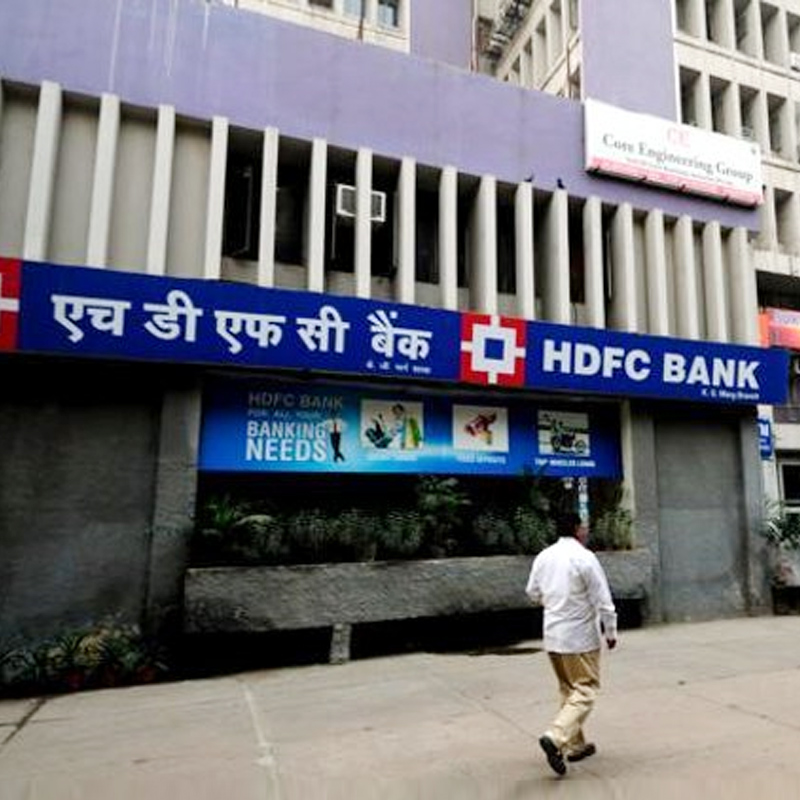
    If we see the recent BrandZ report, HDFC bank retained its pole position for the fifth consecutive year but we haven’t seen too much advertising activity from the brand. Isn’t advertising equally important along with creating brand loyalty and being innovative?

    Advertising is clearly important but communication is exceptionally important. There are ways in which brands can now communicate with customers and potential customers as well. The combination of communicating with customers on a one-to-one basis along with brand building communication is the best and cost-effective way to build stronger brands.

    What are the things that e-commerce players in India should focus on right now to get more customers on board?

    The market currently is a land grab where it is exceptionally hard to get the customer attention and get them to try your products once or twice. For e-commerce companies, most of the effort needs to go in increasing the level of trials and it is equally important to have a promise of providing a seamless experience and a good physical delivery experience. E-commerce platforms have growth opportunity in India and it will only occur if the actual proposition and what they promise to the customers is delivered in reality. The most important metrics for me are acquisition, the cost of acquisition and the per cent of customers they acquire who become their loyal customers.

    What are the challenges in the retail industry globally and do you see a growth in the business going forward? Will retail continue to flourish or will we see fewer stores?

    Retail is a very challenging business globally at the moment because of the fundamental economic model of retailers that are coming under pressure due to the cost of space. The real estate prices are soaring high around the world and that is not being offset by their ability to raise prices and contain their cost. In addition, they have to invest heavily in new technologies, e-commerce, delivery and that puts a big cost on their structure. However, I believe that physical retail stores are going to stay in the future. I think there will be fewer stores but those stores will be better focused on customer experience.

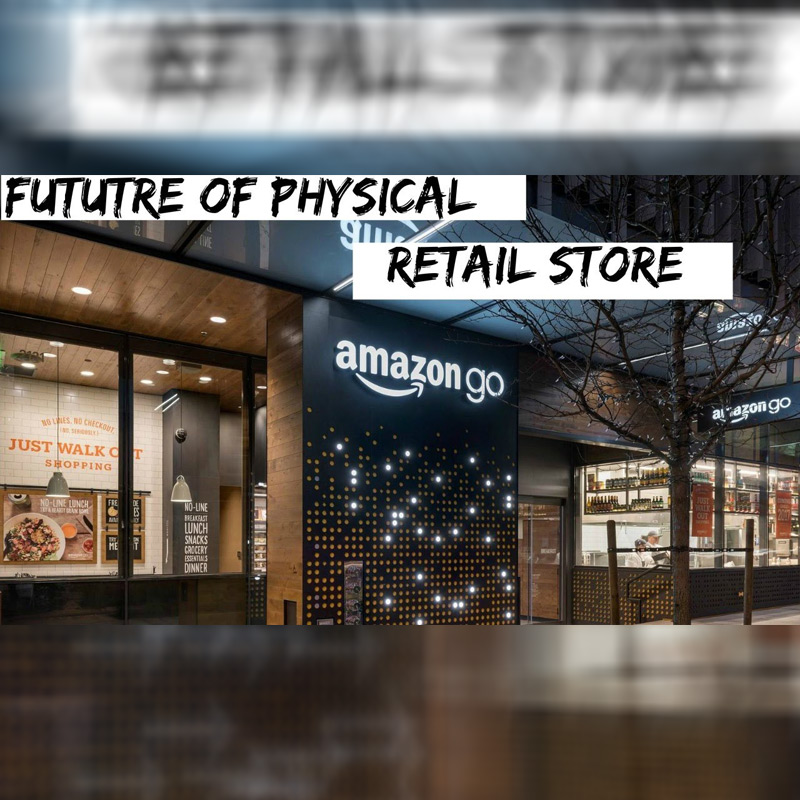
    What’s interesting is that Amazon also has its own store now and other Indian e-commerce players have also started opening brick and mortar outlets…

    Amazon, Alibaba and other major e-commerce platforms are all opening up physical stores. This shows the importance of having a mix of both physical stores and virtual shopping in the future, especially grocery stores. In India, the strength of grocery stores is far too much as compared to other parts of the world. It will take a lot for e-commerce to displace them, especially as they deliver most of the e-commerce benefits such as personalised service, fast delivery and they also have an added advantage of giving customer credit.

    Everyone talks about how the millennial consumer is fickle about their buying options. How can brands woo this new generation of consumers?

    I don’t think the millennial consumers are fickle. I think they know what they want and they are much more prepared to try things. If somebody comes with a new idea, product or innovation in the market, they are much more likely to try it. The millennial consumers are slightly less loyal though because of that, but they value brands and they buy into brands. It is just that they are more difficult to reach but once you reach them, and once they have tried your products, you have every opportunity to make them loyal customers.

    Recently, we are seeing an emergence of homegrown Indian brands. Is the Indian audience finally willing to accept and believe in homegrown companies?

    It all comes down to a strong consumer proposition and really understanding who the customer is and then being very fast and agile. We are seeing that local brands have the ability to do that quickly and swiftly and that is a distinct advantage when consumers are more fickle about what they choose.

    What are some of the key industry problems according to you and how can they overcome them?

    The foremost challenge for the industry is the fast-changing consumer and to anticipate those changes. The second challenge is that all companies need to start acting like startups and be agile, quick moving. The third challenge is that consumers are available across different mediums and you just have to find the right mix while creating tailor-made communication for the consumers.

    While everyone talks about video being the way forward and how ADEX is shifting towards creating more digital ads, the truth remains that it’s annoying after a point of time. Facebook and Youtube now also have pre-rolled ads that you can’t skip and that’s why we are getting “ad-blocked”. How can the industry skip being ad blocked?

    I think brands have to be very good at communication and it all comes down to that. The advertising needs to be timely, appropriate and relevant. We as brand custodians, have a duty to make sure that we are reaching customers in ways that they don’t find it annoying. The more we bombard them with unnecessary ads, the more likely they are to click the skip button and install ad blockers. The ad industry owes it to itself to make sure that we act appropriately and not be ad-blocked by our acts.

  • BrandZ report 2018: All Indian brands in top 10 most valued

    BrandZ report 2018: All Indian brands in top 10 most valued

    MUMBAI: HDFC Bank continues to remain India’s most valued brand for the fifth consecutive year according to the recent BrandZ report by WPP and Kantar Millward Brown’s BrandZ. Interestingly, for the first time, the top 10 brands in BrandZ list were all Indian homegrown brands.

    HDFC Bank topped the list as the bank has built a reputation for its sustainable livelihood initiative by introducing smaller loans worth as little as $175 that can be accessed via its bank branches.

    The report analysis reveals that brand value was boosted by rising consumer confidence, the country’s return to rapid economic growth and consumers becoming increasingly brand aware.

    Trust is an important key driver of brand value, which is exemplified by HDFC Bank, that continued to build trust by clearly communicating the benefits of its products to consumers and delivering differentiated financial services offerings consistently and repeatedly.

    Insurance brand LIC came in at second spot because of the key role played by its pension plan business whilst Tata Consultancy Services ranked third having leveraged digital technologies to drive growth and business transformation. 

    Indian telecom operator Bharti Airtel came in at fourth position followed by State Bank of India. 

    [[{“fid”:”836551″,”view_mode”:”default”,”fields”:{“format”:”default”,”alignment”:””,”field_file_image_alt_text[und][0][value]”:”Channel”,”field_file_image_title_text[und][0][value]”:”Channel”},”link_text”:null,”type”:”media”,”field_deltas”:{“1”:{“format”:”default”,”alignment”:””,”field_file_image_alt_text[und][0][value]”:”Channel”,”field_file_image_title_text[und][0][value]”:”Channel”}},”attributes”:{“alt”:”Channel”,”title”:”Channel”,”height”:397,”width”:700,”class”:”media-element file-default”,”data-delta”:”1″}}]]

    The report also saw an emergence of new brands on the list including e-commerce retailer Flipkart, e-commerce and payment wallet Paytm and Zee TV.

    The Store WPP CEO EMEA and Asia David Roth said, “A booming economy and an increasingly digital world are re-shaping India’s brand landscape and creating new opportunities. Brands that get it right, regardless of whether they are established players or newcomers are reaping the rewards.”

    “However, there is no room for complacency in this fast-paced environment where so many ambitious companies are ready to rise to the occasion,” added Roth.

    A strong brand heritage is no longer essential for developing brand trust. New brands that proactively build and reinforce trust as an integral objective rather than relying on it being a by-product of their main offering can do well. For example, the recent investment from Warren Buffett’s Berkshire Hathaway into payment brand Paytm added credibility to the relatively youthful brand, making it one of India’s most valuable startup brands.

    The premiumisation phenomenon has gained importance for Indian brands, given increased competition and the need to differentiate themselves. Higher quality premium brands have increased in appeal. As consumers in both urban and rural areas become increasingly well-informed, they are also now willing and have more money to spend on brands that demonstrate and deliver relevance. 

    On the concept of premiumisation phenomenon, Kantar Millward Brown, South Asia Managing Director Vishikh Talwar mentioned, “Trust is not the sole prerogative of heritage brands; young brands can be equally trustworthy if they have a clear purpose and deliver consumer experiences that reinforce this.”

    There are 30 newcomers in the expanded ranking including Jio, Flipkart and Paytm, which have all seen growth in brand value, as well as Ola and travel agency MakeMyTrip. 

    [[{“fid”:”836553″,”view_mode”:”default”,”fields”:{“format”:”default”,”alignment”:””,”field_file_image_alt_text[und][0][value]”:”Channel”,”field_file_image_title_text[und][0][value]”:”Channel”},”link_text”:null,”type”:”media”,”field_deltas”:{“2”:{“format”:”default”,”alignment”:””,”field_file_image_alt_text[und][0][value]”:”Channel”,”field_file_image_title_text[und][0][value]”:”Channel”}},”attributes”:{“alt”:”Channel”,”title”:”Channel”,”height”:496,”width”:700,”class”:”media-element file-default”,”data-delta”:”2″}}]]

    With young professionals moving to cities for work, there are openings for brands to offer new services. Video calls have become hugely popular, and have been made feasible for many people through Jio reducing the cost of data. Paytm and the advent of digital banking enable instant money transfers from family members working in the city to their relatives in rural areas. E-commerce brands are riding the boom in gifting, particularly during national festivals.

    BFSI sector seems to be the most valuable category as there are eight bank brands in the ranking followed by insurance, where the five brands which together make up 35 per cent of the total ranking value.

    This time, the ranking also incorporated brands from key and growing sectors such as technology (IT services), technology (online); durables and home appliances, tobacco, and entertainment (TV stations). Privately owned brands, where financial information is publicly available, and unicorn brands based on their most recent valuations are also now included.

  • Jio, Sun Direct, Dish TV among top 50 as HDFC retains BrandZ crown

    Jio, Sun Direct, Dish TV among top 50 as HDFC retains BrandZ crown

    MUMBAI: HDFC Bank has continued to maintain its leadership position in fourth consecutive year, according to the BrandZ Top 50 Most Valuable Indian Brands 2017 report released by WPP and Kantar Millward Brown.

    HDFC Bank (24 per cent) is the India’s most valuable brand, almost doubling its brand value since the ranking started in 2014 from $ 9.4bn to $ 18.0bn.

    “It has a strong purpose – to improve lives by bringing world class financial services to all sections of India – and demonstrates it through increased access to banking in rural areas, an expanded digital presence and leveraging the latest technology to simplify its offering for customers. BrandZ data shows that consumers perceive the bank as increasingly innovative,” the report stated.

    India’s most valuable brands have increased their brand value by 21 per cent to US$ 109.3 billion in the last year. This compares with a two per cent decline in 2016, and is well ahead of the eight per cent value increase of the BrandZ Top 100 Most Valuable Global Brands 2017.

    There are seven newcomers in the overall ranking. Telecom provider Jio ranks at number 11 — only months after its launch, having disrupted its category with free-data promotions. The others are newly-listed retailer D-Mart (no.24), appliance brand Whirlpool (no.45), insurance brand Bajaj Allianz (no.49), Canara Bank (no.50) and entertainment brands Sun Direct (no.27) and Dish TV (no.47)

    The Store WPP CEO EMEA and Asia David Roth said, “Indian consumers seek authenticity and value for money, and the meaning of those things is being constantly redefined. As consumers become wealthier, they look beyond price to factors such as extra features, innovation and a personalised experience. As reflected in this year’s ranking the most agile Indian brands have recognised the complexity in the market, and achieved just the right balance between aspirational and affordable.”

    The automobile category, which also includes tyres, lubricants and motor fuels, grew 23 per cent in value. Brands responded to the changing market with new models that combined smart pricing and functionality with style and power. Royal Enfield, Maruti Suzuki and TVS were among the Top 10 overall fastest risers. Royal Enfield (no.40, 59 per cent) engaged with biker  groups on social media, and marketed a range of accessories. Maruti Suzuki (no.7, 56 per cent) extended the brand beyond its traditional appeal to the value segment of the market, while introducing new showrooms called NEXA to reach premium customers.

    India’s Top 50 faced successive disruptions in the last year, some global, some created by fast-growing competitors and others strategically imposed by the government – including demonetisation.

    The FMCG category, which includes alcohol, food and dairy, personal care and soft drinks, was significantly affected by these challenges but still managed to grow 6 per cent in total value. Some brands achieved impressive value increases by accurately understanding and responding to Indian sensibilities. Noodle brand Maggi (no.32; 66 per cent), the overall second-fastest riser, aligned itself with the trend for nostalgia. This helped it bounce back after a difficult couple of years; its rapid regrowth demonstrating how a strong brand can help a company weather a crisis and recover faster, although it is still some way below its peak brand value of $1.1bn in 2014. Health food brand Saffola (no.36; 24 per cent), meanwhile, introduced oats in new localised flavours and expanded its range of oils into a new super premium sub-segment.

    The financial services category increased its value by 26 per cent. The fastest rising banks were Punjab National Bank (no.39; 43 per cent), which is highly customer-focused and more agile than some of its competitors, and Kotak Mahindra Bank (no.6; 36 per cent), which has innovated in areas including digital banking. Both of these brands still have significant catching up to do, however, if they are to reach the top of the leader board.

    The BrandZ™ Top 10 Most Valuable Indian Brands 2017

    Rank 2017

    Brand

    Category

    Brand value 2017 (US$M)

    Change

    1 (-)

    HDFC Bank

    Banks

    17,965

    +24%

    2 (-)

    Airtel

    Telecom providers

    10,233

    +3%

    3 (-)

    State Bank of India

    Banks

    8,334

    +31%

    4 (-)

    Asian Paints

    Paints

    4,717

    +15%

    5 (-)

    ICICI Bank

    Banks

    4,697

    +19%

    6 (+1)

    Kotak Mahindra Bank

    Banks

    4,522

    +36%

    7 (+1)

    Maruti Suzuki

    Automobiles

    4,449

    +56%

    8 (-2)

    Bajaj Auto

    Automobiles

    3,564

    +5%

    9 (-)

    Hero

    Automobiles

    3,295

    +17%

    10 (-)

    Axis Bank

    Banks

    2,428

    +2%

    Other trends highlighted in this year’s BrandZ Top 50 Most Valuable Indian Brands include: The long-term growth curve of the Top 50 is positive, with the total brand value of the ranking up 57 per cent  since the study was first carried out in 2014, when it amounted to $69.6bn

    India experienced a resurgence in national pride, while also embracing globalization. This manifested in a desire for products and brands that best reflect Indian heritage, sensibilities and tastes, which benefited local brands and put pressure on multinationals to follow suit. Colgate (no 28; two per cent) launched a toothpaste with Ayurvedic properties to meet this demand.

    The top riser is insurance brand ICICI Prudential (no.35; 89%). It benefited from the ‘halo effect’ of other brands’ successful responses to rising consumer affluence, which led to an increase in sales of assets such as cars that need insurance protection

    Kantar Millward Brown MD — South Asia Vishikh Talwar said, “There are now ‘multiple Indias’. Consumers continue to love the brands they’ve loved for generations, while equally embracing the brands of the future. Brands must be completely in rhythm with the pulse of the market. Those that can accurately interpret Indian sensibilities, while ensuring smart pricing, are likely to be most successful. This is easier for local brands, but people will relate just as positively to a global brand if it uses insight to understand and meet their needs, and communicate in a way that builds trust.”

    For the first time, this year’s BrandZ Top 50 Most Valuable Indian Brands 2017 study incorporates new research from Y&R’s BAV Group into what it takes to build powerful nation brands. According to the 2017 Best Countries report, India stands out for its history, cultural influence, distinction and reputation for entrepreneurship; especially among the world’s business decision-makers.

  • HDFC is India’s most valuable brand: Brandz India top 50 (2016)

    HDFC is India’s most valuable brand: Brandz India top 50 (2016)

    MUMBAI: The third annual BrandZ™ Top 50 Most Valuable Indian Brands ranking released by WPP and Kantar Millward Brown has lot of good and something bad for the marketing industry.

    On the positive side, the total value of India’s most valuable brands has risen by 30 per cent over the last three years, with the top 50 brands now worth $ 90.5 billion from $ 69.6 billion in 2014. But, unlike 2015, which saw an unprecedented growth in terms of brand equity that pushed  the brand value of top 50 brands to USD 92.2billion, 2016 saw a dip of 2 per cent, mostly owing to a decline in brand value of state-owned banks.

    Like last year, the financial sector dominated the top 10 spots accounting for 38 per cent of the top 50s brand value ($ 34.28 billion). HDFC maintained its number one position for the 3rd consecutive year with a brand value of USD 14.4 billion following a 15 per cent growth over the past year. It was followed by Airtel from the telecom sector with a brand value of USD 9.98 billion. State Bank Of India with a brand value of USD 6.352 billion stood at number three. “A brand cannot be built unless each one of us at HDFC Bank believes in it. Fundamentally, a brand is what we stand for in terms of the emotional value and the real value that we want to deliver to the customer. The emotional value is a combination of honesty, trust, integrity and being able to deliver the product at all times to the satisfaction of the customer. The real value is to deliver a differentiated product which changes the life of the customer which we have tried to do in financial services by making it more convenient, ” said HDFC Bank  managing director Aditya Puri.

    Among the new entrants in the top 50 list are airlines Indigo and Jet Airways at 26 and 36 positions respectively, followed by TVS and Reliance at 48 and 50, respectively.

    Top 10 most valuable brands here:

    Rank 2016

    Brand

    Category

    Brand value 2016 ($m)

    Rank 2015

    1

    HDFC Bank

    Banks

    14,438

    1

    2

    Airtel

    Telecom Providers

    9,978

    2

    3

    State Bank of India

    Banks

    6,352

    3

    4

    Asian Paints

    Paints

    4,089

    5

    5

    ICICI Bank

    Banks

    3,957

    4

    6

    Bajaj Auto

    Automobiles

    3,403

    6

    7

    Kotak Mahindra Bank

    Banks

    3,333

    9

    8

    Maruti Suzuki

    Automobiles

    2,850

    10

    9

    Hero

    Automobiles

    2,807

    7

    10

    Axis Bank

    Banks

    2,377

    8

    Interestingly, the top four ranks remained unchanged from 2015 rankings, something which The Store WPP, EMEA & Asia CEO David Roth calls an anomaly when juxtaposed against other mature markets or the global ranks.

    “Until recently in China, the top most valuable brand list was dominated by the state-owned Chinese companies, but now they are being taken over by technology and entrepreneurial companies. The global top 100 brands list has also seen some major changes. So yes, India is a bit of an anomaly as a developing state to see the same brands maintaining their positions for the last three years. But, I think it’s a matter of India’s growth and development cycle.”

    But, that says little about the immense competition that each brand faced to retain its position. According to Kantar Millward Brown managing director for south Asia, Dinesh Kapoor, 27 brands had slipped from its last year’s position while seven more brands dropped off the top 50 margin. “Brands required maintaining at least 35 per cent growth in its brand value to be able to hold on to its position,” shared Kapoor.

    Another way in which India drastically differs from the global markets is the absence of the technology brands from the top 50 list. 

    “Be it Global 100 or Asian market giant like China, technology brands have a huge presence in the top most valuable brands list. We see a clear absence of technology brands when it comes to India’s top 50 brands. Although India has been behind the scene of some of the major global technological innovations, it has been more from a service stand point rather than doing it in a branded way. I think there is a lesson to learn in this,” opined Roth. 

    Kapoor feels that the clear absence of Indian tech giants from the list is largely due to the companies not being listed. “You have to consider the methodology that goes into making this ranking. In order for a brand to be eligible for consideration for the list, it needs to be owned by a company listed on a stock exchange in India.  But, most of the tech companies that we speak of aren’t listed. The other big difference from global trends is the retail brands which have a strong presence in the more mature markets, whereas in India, only one retail brand — Reliance Retail —  has made it to the top 50 list.

    The report also warns marketers of the weakened brand loyalty among consumers. Internet penetration has risen sharply as the number of people living in rural areas accessing internet almost doubled over the past year, with almost 69% of urban internet users using the internet every day. This access educates consumers while providing them access to larger diaspora of premium brands available at affordable prices.

    While marketers have a lot to take away from the insight behind BrandZ India top 50 brands report, GroupM south Asia CEO CVL Srinivas shared what agencies can learn from this. “Reports like BrandZ are very useful for us who are in the business of media management for clients. In this age when competition is increasing and consumer’s attention span is decreasing, along with number of policy changes, a consolidated study like this helps us map a better strategy for our clients.  For example, the need for a brand to be present in multiple touch points with a singular communication idea and what it does to the brand’s value is the learning.”

  • HDFC is India’s most valuable brand: Brandz India top 50 (2016)

    HDFC is India’s most valuable brand: Brandz India top 50 (2016)

    MUMBAI: The third annual BrandZ™ Top 50 Most Valuable Indian Brands ranking released by WPP and Kantar Millward Brown has lot of good and something bad for the marketing industry.

    On the positive side, the total value of India’s most valuable brands has risen by 30 per cent over the last three years, with the top 50 brands now worth $ 90.5 billion from $ 69.6 billion in 2014. But, unlike 2015, which saw an unprecedented growth in terms of brand equity that pushed  the brand value of top 50 brands to USD 92.2billion, 2016 saw a dip of 2 per cent, mostly owing to a decline in brand value of state-owned banks.

    Like last year, the financial sector dominated the top 10 spots accounting for 38 per cent of the top 50s brand value ($ 34.28 billion). HDFC maintained its number one position for the 3rd consecutive year with a brand value of USD 14.4 billion following a 15 per cent growth over the past year. It was followed by Airtel from the telecom sector with a brand value of USD 9.98 billion. State Bank Of India with a brand value of USD 6.352 billion stood at number three. “A brand cannot be built unless each one of us at HDFC Bank believes in it. Fundamentally, a brand is what we stand for in terms of the emotional value and the real value that we want to deliver to the customer. The emotional value is a combination of honesty, trust, integrity and being able to deliver the product at all times to the satisfaction of the customer. The real value is to deliver a differentiated product which changes the life of the customer which we have tried to do in financial services by making it more convenient, ” said HDFC Bank  managing director Aditya Puri.

    Among the new entrants in the top 50 list are airlines Indigo and Jet Airways at 26 and 36 positions respectively, followed by TVS and Reliance at 48 and 50, respectively.

    Top 10 most valuable brands here:

    Rank 2016

    Brand

    Category

    Brand value 2016 ($m)

    Rank 2015

    1

    HDFC Bank

    Banks

    14,438

    1

    2

    Airtel

    Telecom Providers

    9,978

    2

    3

    State Bank of India

    Banks

    6,352

    3

    4

    Asian Paints

    Paints

    4,089

    5

    5

    ICICI Bank

    Banks

    3,957

    4

    6

    Bajaj Auto

    Automobiles

    3,403

    6

    7

    Kotak Mahindra Bank

    Banks

    3,333

    9

    8

    Maruti Suzuki

    Automobiles

    2,850

    10

    9

    Hero

    Automobiles

    2,807

    7

    10

    Axis Bank

    Banks

    2,377

    8

    Interestingly, the top four ranks remained unchanged from 2015 rankings, something which The Store WPP, EMEA & Asia CEO David Roth calls an anomaly when juxtaposed against other mature markets or the global ranks.

    “Until recently in China, the top most valuable brand list was dominated by the state-owned Chinese companies, but now they are being taken over by technology and entrepreneurial companies. The global top 100 brands list has also seen some major changes. So yes, India is a bit of an anomaly as a developing state to see the same brands maintaining their positions for the last three years. But, I think it’s a matter of India’s growth and development cycle.”

    But, that says little about the immense competition that each brand faced to retain its position. According to Kantar Millward Brown managing director for south Asia, Dinesh Kapoor, 27 brands had slipped from its last year’s position while seven more brands dropped off the top 50 margin. “Brands required maintaining at least 35 per cent growth in its brand value to be able to hold on to its position,” shared Kapoor.

    Another way in which India drastically differs from the global markets is the absence of the technology brands from the top 50 list. 

    “Be it Global 100 or Asian market giant like China, technology brands have a huge presence in the top most valuable brands list. We see a clear absence of technology brands when it comes to India’s top 50 brands. Although India has been behind the scene of some of the major global technological innovations, it has been more from a service stand point rather than doing it in a branded way. I think there is a lesson to learn in this,” opined Roth. 

    Kapoor feels that the clear absence of Indian tech giants from the list is largely due to the companies not being listed. “You have to consider the methodology that goes into making this ranking. In order for a brand to be eligible for consideration for the list, it needs to be owned by a company listed on a stock exchange in India.  But, most of the tech companies that we speak of aren’t listed. The other big difference from global trends is the retail brands which have a strong presence in the more mature markets, whereas in India, only one retail brand — Reliance Retail —  has made it to the top 50 list.

    The report also warns marketers of the weakened brand loyalty among consumers. Internet penetration has risen sharply as the number of people living in rural areas accessing internet almost doubled over the past year, with almost 69% of urban internet users using the internet every day. This access educates consumers while providing them access to larger diaspora of premium brands available at affordable prices.

    While marketers have a lot to take away from the insight behind BrandZ India top 50 brands report, GroupM south Asia CEO CVL Srinivas shared what agencies can learn from this. “Reports like BrandZ are very useful for us who are in the business of media management for clients. In this age when competition is increasing and consumer’s attention span is decreasing, along with number of policy changes, a consolidated study like this helps us map a better strategy for our clients.  For example, the need for a brand to be present in multiple touch points with a singular communication idea and what it does to the brand’s value is the learning.”

  • India’s Top 50 brands are worth $92.2 billion: BrandZ report

    India’s Top 50 brands are worth $92.2 billion: BrandZ report

    MUMBAI:  On the back of government’s efforts to create a more conducive business environment and brands’ successful response to the rising sense of empowerment among Indian consumers, India’s top 50 brands are now worth $92.2 billion from just under $70 billion in 2014. The finding comes from the second annual BrandZ Top 50 Most Valuable Indian Brands report released by WPP and Millward Brown.


    The report also indicates that the total value of India’s strongest brands has risen by a third (33 per cent) over the last year. This is the highest rate of growth achieved by any BrandZ ranking in the 10 years, exceeding that of the Global Top 100 as well as the rankings for China, Latin America and Indonesia.

    “The 2015 study shows that India is a market of great opportunities where consumers are feeling empowered, and this is increasingly reflected in their brand choices. The new Modi government is committed to creating an environment in which brands can flourish. Any brand intending to compete in India must gain deep insights into its nuances – such as the need to modernise while respecting the past, and the desire to remain fundamentally Indian,” said WPP’s The Store CEO David Roth.

    Millward Brown south Asia managing director Prasun Basu states that even with this growth there is no room for complacence.  “The top four had to grow their value by 37 per cent on average to hold on to the same positions as last year, and close to 10 per cent of the brands that made the Top 50 in 2014 have dropped out,” he pointed out.


    “To benefit from the continuing rise in consumer confidence and optimism brands need to understand the changing consumer, respond with innovative products and breakthrough communication, and experiment and invest in new media that reflect the spirit of the country today,” he added.

    Brands in the financial sector (+49 per cent growth) made the largest contribution to the overall increase in value, but significant lifts were also seen across most other sectors. Home and personal care brands achieved a combined increase of 32 per cent, followed by the auto aftermarket sector (28 per cent), automobile brands (27 per cent) and telecom providers (21 per cent).

    52 per cent of the brands in the Top 50 are privately-owned, evidence of India’s entrepreneurial energy. 30 per cent of the brands are owned by multinationals, which have successfully adapted to the needs of Indian consumers, becoming so embedded in their lives that they are perceived as ‘local’.

    Key highlights of the 2015 BrandZ Top 50 Most Valuable Indian Brands study are as follows:


    .   Financial brands dominate: With 13 brands in the Top 50 accounting for 41 per cent of its value  the financial sector has built brand strength by making a consistent effort to serve consumers better. Biggest risers: Union Bank of India (no.46, +72 per cent), Punjab National Bank (no.22, +61 per cent) and IndusInd Bank (no.13, +46 per cent).


    .   Home and personal care brands grew 32 per cent: Thanks to increased disposable income and spending on premium products and investment by marketers across traditional and new media. These 12 brands hold 15 per cent ($13.4 billion) of the ranking’s total brand value. Fastest risers: Lakme (no.44, +69 per cent), Lifebuoy (no.31, +49 per cent) and Colgate (no.26, +44 per cent).


    .   Brands with a purpose:  Indian consumers expect brands to actively participate in building a better society, and those that do have a higher brand value. Examples include Lifebuoy (no.31)  and Asian Paints (no.5) .  


    .   The trust factor:  In stark contrast with other markets, trust in brands is growing steadily. 33 per cent of Indian consumers say they trust brands. Among the most trusted are jeweller Tanishq (no.21) and Colgate.


    .   New entrants: Axis Bank, Canara Bank, MRF (tyres) and Royal Enfield are of Indian origin. The three are privately owned, and one is an SOE.


    .   Disruption is on the horizon – from e-commerce and mobile brands that are building scale and connecting with consumers at a frenetic pace. These are not yet eligible to be ranked in the Top 50 because they are not publicly traded.


    .   The BrandZ India Top 50 outperforms sensex. It has a weighted index of 30 stocks on the Bombay Stock Exchange, showing how valuable brands deliver superior returns. A stock portfolio comprised the Top 50 increased their share value 18.6 per cent between August 2014 and July 2015, while India’s sensex index increased only 1.5 per cent. The ROI produced by the BrandZ portfolio was over 12 times greater.

  • Apple pips Google to take top spot as most valuable brand

    Apple pips Google to take top spot as most valuable brand

    MUMBAI: Apple has overtaken Google to reclaim the title of ‘world’s most valuable brand’ in the 2015 BrandZ Top 100 Most Valuable Global Brands released by WPP and Millward Brown.

    Apple has increased its brand value to $247 billion, a rise of 67 per cent year on year. Google (no.2) also grew, achieving a nine per cent value increase to reach $173.7billion. Microsoft, now worth $115.5billion, is the new no.3, rising one position with value growth of 28 per cent.

    Though the AppleWatch has proved extremely popular, it is the success of the iPhone 6 that has been the main driver of Apple’s brand value growth.

    Millward Brown’s Global Head of BrandZ Doreen Wang said, “Apple continues to ‘own’ its category by innovating and leading the curve in a way that generates real benefits for consumers. It meets their rational and emotional needs, and makes life easier in a fun and relevant way. Apple is clear on what it stands for, and never stops refreshing its message to sustain the difference that makes it so desirable.”

    The total brand value of the Top 100 now stands at $3.3 trillion, a 14 per cent increase on 2014 and a 126 per cent growth over the 10 years since the ranking was first launched.

    WPP’s The Store CEO, EMEA and Asia David Roth said, “Brand value has risen substantially despite a disruptive decade. This is a pivotal moment for brand builders. We’re at the threshold of a new normal, and a changing consumer. The past 10 years of valuing brands proves that investing in creating strong, valuable brands delivers superior returns to shareholders.”

    Highlights and key findings from this year’s BrandZ Top 100 study include:

    •Technology is the fastest-growing category – up 24 per cent in the last year, the tech brands in the Top 100 are worth more than $1 trillion, nearly a third of the value of all brands in the ranking.

    •Facebook is the fastest riser, with 99 per cent growth achieved through its successful strategy of acquiring and integrating other social apps such as Instagram and WhatsApp, and an understanding of how to monetise and cross-sell its platforms.

    •E-commerce boosts retail brand value as Alibaba enters ranking and overtakes Amazon – Chinese e-commerce leader Alibaba entered the retail ranking at $66.4billion, helping to grow the retail category ranking by 24 per cent and overtaking both Amazon and Walmart. The most valuable retail brands Alibaba and Amazon, which lack physical stores, are now worth more than Walmart, which has 11,000 stores worldwide.

    The BrandZ Top 100 Most Valuable Global Brands is now in its tenth year. Analysis of the 10-year trajectory of the brands in the ranking has revealed that:

    •Europe’s brand powerhouses stagnate as Chinese brands grow and US brands make a comeback. The number of Chinese brands continues to grow with 14 brands in the Top 100, up from one in 2006, and an increase of 1004 per cent in value. The value of US brands grew by 137 per cent in the last 10 years (up 15 per cent in the last year) compared to just 31 per cent in Europe (down -9.3 per cent in the last year). There are now just 24 brands from Europe in the ranking (down from 35 in 2006). This represents a shift from West to East; most of the brands that have been ‘pushed out’ of the Top 100 by China were from Europe.

    •High value brands provide faster bottom-line growth and shareholder value. In the last 10 years, a measurement of the strongest brands from the Top 100 as a ‘stock portfolio’ shows their share price has risen over three times more than the MSCI World Index and almost two thirds more than the S&P500.

  • HDFC Bank Named India’s Most Valuable Brand In Brand Ranking

    HDFC Bank Named India’s Most Valuable Brand In Brand Ranking

    MUMBAI: According to the first ever BrandZ™ Top 50 Most Valuable Indian Brands ranking announced today, the combined Brand Value of all the brands in the rankingis almost $70bn.HDFC Bank is India’s most valuable brand, with a value of $9.4bn. Carried out by marketing and brand consultancy Millward Brown in conjunction with WPP, the valuationis the only one in India that takes into account consumers’ opinion of brands to calculate thecontribution that product brands make to business success.

    The BrandZ™ India study shows that India’s unrestricted ‘right to play’ for businesses has nurturedgreat diversity amongst brands in the ranking.The Top 50 come from 13 different categories. Seventeen are multi-national corporations (MNCs), 26 are private Indian brands and seven are state-owned brands. This indicates that India is an open, fertile market for building valuable brands, irrespective of age, origin, structure, category, ownership or even price range.

    HDFC Bank, the no.1 brand, has a network in more than 2,100 cities. It is popular with its 28 million customers for launching mobile apps designed to make banking easier, and running literacy, education and skills training programmes in rural areas. The No.2 brand, Airtel, is the fourth largest mobile operator in the world with nearly 300 million customers, while India’s largest commercial bank, State Bank of India, is at No.3 in the ranking.

    Services businesses (Banking, Telecoms and Insurance), which are the nerve centre of today’s Indian economy, are prominent in the ranking.Seven of the Top 10 brands, and 30% of the Top 50 brands, come from the service sector. Financial services stand out, with the12 banks and insurers in the ranking holding the largest proportion (37%) of total Brand Value.Analysis shows these brands have built value by successfully achieving scale – both ingeographical reach and the diversity of their offerings. Telecoms, Personal Care, and the Food and Dairysectors also feature strongly in the Top 50. The data shows that these brands – along with the other FMCG brands in the ranking – excel at connecting with Indian consumers.

    The average Brand Contribution (ameasure of the impact brand alone has on value) of the Top 5 brands is far higher than the overall average of the Top 50, illustrating the positive impact that building a strong brand has on the financial valuation of the brand. These brands create powerful connections by being meaningful to consumers,and differentiating themselves from others.

    The BrandZ™ Top 50 Most Valuable Indian Brands 2014

    Key findings highlighted in the BrandZTMTop 50 Most Valuable Indian Brands include:

    •    Being meaningful and different builds value – India’s most valuable brands are highly relevant to consumers and differentiate themselves through service, new offerings and brand experiences. One such example is personal care brand Colgate (No.28) – even after 70 years in India the brand has successfully remained relevant and continues to differentiate itself from the competition.

    •    India has evolved into a brand powerhouse – its Top 50 most valuable brands have as much Brand Power (consumers’ predisposition to choose that brand over another) as the global Top 50, and are ahead of the other emerging economies.

    •    Private sector players and multinational corporations dominate – together these contribute around 85% of total brand value. They have succeeded by nurturing a strong relationship with Indian consumers.

    •    Megabrands lead the game – like other fast growing economies, India is dominated by a handful of big brands or companies that own stables of brands: the Top 5 account for 45% of the ranking’s total value. Their tremendous scale and ability to cater to a wide spectrum of the population has translated into financial gains.

    •    ‘Balanced brands’ is the mantra – brands that are able to build both strong connections with consumers and business scale that leads to the creation of financial value are contenders for entering or rising up the BrandZ ranking. Three out ofthe Top 5 Indian brands demonstrate this balance.

    •    Consumer technology is ‘the category waiting to happen’ – there are currently no home-grownconsumer technology brands in the Top 50, but this category is on the verge of emergence. The presence of Indians working in the sector globally is high, and consumer-facing technology brands founded by young entrepreneurshave already started to gain ground.

    •    ‘Indianizing’ products and services is important – the many successful international brands in the ranking have taken the time to understand Indian needs and tastes and adapt to them. Noodles, food seasoning, soup and sauce brand Maggi (No.18), personal care brand Colgate (No.28) and beverage brand Horlicks (No.20) are mastersat this – and are thought of as Indian brands by most consumers as a result.

    •    Old and new sit side by side – living with one foot in the ancient world and one in the modern makes consumers equally receptive to heritage brands (Bajaj Auto, No.5, established 1945) and new brands (Airtel, No. 2, established 1995). More than a quarter of the Top 50 brands were created after the economic liberalization in 1991 while Dabur, No.22, was established 130 years ago.

    Prasun Basu, Millward Brown’s Managing Director – South Asia, said, “The stronger the relationship a brand can build withconsumers in its category, and the more it canleverage that to build scale, the more sustainable and profitable it becomes. All of the Top 50brands are reputable, successful engines of growth for the future of India. Any global manufacturer that makes the effort to understand the diversity of the Indian consumer’s needs, tastes and aspirations, and which can build a proposition that is both meaningful and appropriately differentiated,will succeed in building a strong brand.”

    David Roth, CEO of The Store, WPP added,“With the second highest number of social networking users in the world, and the third highest number of users of mobile devices, developing an e-commerce strategy that focuses on social and mobile platforms is essential for brands in this region.”

    CVL Srinivas, CEO GroupM – South Asia, added,“We are already seeing the impact of the purchasing power of the internet and mobile users in India, with the exponential growth of e-commerce companies in the space of travel, e-tailing, ticketing and many main line brands increasing their brand building budgets to digital media in multiples.”

    In addition to the rankings, special awards were also presented to brands among the Top 50 under the following categories.

    Millward Brown BrandZ India Awards 2014


  • Google overtakes Apple to become world’s most valuable brand

    Google overtakes Apple to become world’s most valuable brand

    MUMBAI: After three years at the top, Apple slipped to number two position as Google overtook it to become the world’s most valuable global brand in the ‘2014 BrandZ Top 100 Most Valuable Global Brand’ ranking.

    Google worth $159 billion saw an increase of 40 per cent year on year whereas Apple slipped on the back of a 20 per cent decline in brand value, to $148 billion. Whilst Apple remains a top performing brand, there is a growing perception that it is no longer redefining technology for consumers, reflected by a lack of dramatic new product launches. The world’s leading B2B brand, IBM, held onto its number three position with a brand value of $108 billion.

    Millward Brown Optimor MD Nick Cooper said, “Google has been hugely innovative in the last year with Google Glass, investments in artificial intelligence and a multitude of partnerships that see its Android operating system becoming embedded in other goods such as cars. All of this activity sends a very strong signal to consumers about what Google is about and it has coincided with a slowdown at Apple.”

    “This year’s index highlights the end of the recession, with a strong recovery in valuations and, for the first time, real growth across every category and the Top 100 as a whole,” said WPP’s The Store CEO David Roth. “What’s remarkable is the way that strong brands have led the recovery. Seventy-one of the brands listed in our 2014 Top 100 were there in 2008. Despite the financial turmoil and the digital disruption that have decimated many businesses during the last few years, these brands have remained in the ranking, proving the durability of strong brands.”

    The BrandZ Top 100 Most Valuable Global Brands study, commissioned by WPP and conducted by Millward Brown Optimor, is now in its ninth year.

    The combined value of the Global Top 100 has nearly doubled since the first ranking was produced in 2006. The Top 100 today are worth $2.9 trillion, an increase of 49 per cent compared with the 2008 valuation, which marked the start of the banking and currency crisis.

    The BrandZ Top 10 Most Valuable Global Brands 2014