Tag: DAS

  • Digitisation: Trai directs MSOs and LCOs to comply with QoS in DAS areas

    Digitisation: Trai directs MSOs and LCOs to comply with QoS in DAS areas

    NEW DELHI: For the Telecom Regulatory Authority of India (Trai), it is time to take audit of the first phase of implementation of digital addressable system (DAS) by cable TV networks. Though satisfied with the deployment of set-top boxes (STBs), the broadcast sector regulator now seems to be wanting faster progress made on packaging of channels and billing so that cable TV subscribers can select their channels according to their budgets.

    In a toughening of stance, Trai has directed multi-system operators (MSOs) and the local cable operators (LCOs) to make their subscriber management system (SMS) fully operational in DAS areas. The systems are provided for under Regulation 20 of the Standards of Quality of Service (QoS) Regulations.

    Trai has asked the MSOs and the LCOs to file a compliance report of the QoS within seven days from the date of issue of this directive. The sector regulator had sent the directive on 22 February.

    “It has come to the notice of the Trai that this feature has not been implemented effectively by many MSOs. Also, in many of the cases the LCOs have not provided the completed subscriber application forms to their linked MSOs,” Trai said.
    The compliance report to be given to the Authority will contain total number of STBs received from the linked MSO, total number of STBs seeded and operationalised, total number of consumer application forms duly filled and complete in all respects (all the relevant consumer details and his choice of channels/ bouquets) and submitted to the linked MSO.

    An addressable system “enables the subscribers to exercise their choice of services and budget their bills accordingly”. It also “facilitates the MSOs to effectively manage their accounting and billing of the services rendered”.

    Though the process of SMS had started, senior executives of several MSOs said on condition of anonymity that the entire system would take some time. They also admitted that they faced resistance from some LCOs, following which there was delay in selling channel packages to their subscribers and implementing a proper billing system. Meanwhile, some LCOs have carried out protests to express their dissatisfaction over Trai‘s prescribed revenue share with the MSOs in DAS markets.

  • Digitisation: Hathway Cable’s capex need is Rs 4 bn in Q4

    Digitisation: Hathway Cable’s capex need is Rs 4 bn in Q4

    MUMBAI: Hathway Cable & Datacom‘s capital expenditure in the last quarter of this fiscal on account of Phase 2 digitisation will be in the region of Rs 4 billion, a top executive of the company said.

    The multi-system operator (MSO) is anticipating a deployment of 2.6 million set-top boxes (STBs) in the quarter beginning January.

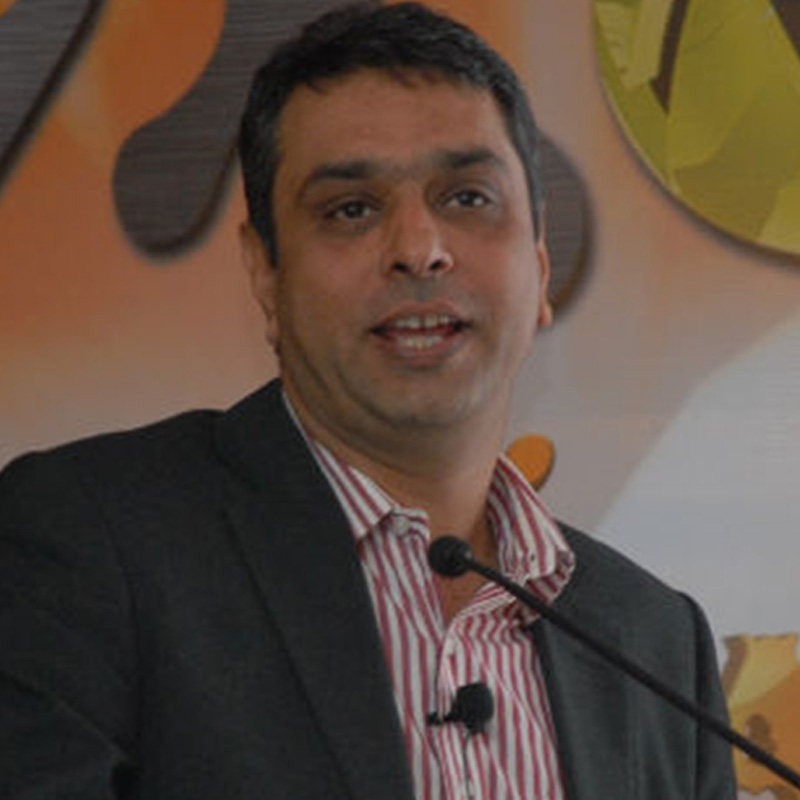
    “The financing will be met by a mix of debt and vendor financing. We will be requiring a debt of Rs 3 billion,” Hathway Cable and Datacom managing director and chief executive officer Jagdish Kumar told Indiantelevision.com.

    With this fresh debt, Hathway Cable & Datacom‘s total debt would touch Rs 8 billion.
    The company has seeded 2.1 million boxes in the first phase of digitisation. “We are looking at touching 2.2 million in the Phase 1 DAS (Digital Addressable System) cities,” Kumar said.

    Kumar feels that there will be no major decline in carriage fees. “In the first phase, we have seen around 10 per cent fall in carriage fees. We do not anticipate any impact on carriage fees as more channels have come under the ambit with the bandwidth expanding due to digitisation,” Kumar said.

    But when will the MSO start offering packages to the subscribers and start billing them in the DAS markets? “We expect the billing to be effective from the first quarter of next fiscal,” said Kumar.

    Hathway is considering broadband upgrade from DOCSIS 2.4 to 3.4. The MSO is doing pilots but no final decision has been taken yet.

  • LCOs in Bangalore hold black flag demonstration to protest DAS deadline for 2nd phase

    LCOs in Bangalore hold black flag demonstration to protest DAS deadline for 2nd phase

    NEW DELHI: Cable TV operators from Bangalore and Mysore staged a black flag protest here to oppose the deadline for the second phase of digitisation on 31 March which will cover these cities.

    The protest was held outside the venue of a seminar on the Digital Addressable System (DAS) here.

    Operators associations demanded that the 31 March deadline be extended. The members of the Karnataka State Cable TV Operators Association submitted a memorandum to Information and Broadcasting Ministry’s Technical Advisor Yogendra Pal who also participated in the seminar.

    Their demands included extension of the deadline, changing the revenue-share model with multi-system operators (MSOs) prescribed by the Telecom Regulatory Authority of India, and evolution of a licensing frame for local cable operators (LCOs).

    Association President Patrick Raju said the deadline was not feasible and demanded to know the status of implementation in the metros. Countering Pal‘s claim that digitisation was total in Delhi, Kolkata and Mumbai, Raju said the situation on the ground was different.
     
    “Let them set it right there, carry out an honest assessment and then start the next phase. This is being done in haste without consulting us, who are the major stakeholders,” he said.

    Meanwhile, Ministry sources told indiantelevision.com that around 47 per cent of consumers in Bangalore and 38 per cent in Mysore had already taken new digital set-top boxes. The sources claimed that MSOs in the two cities had adequate number of STBs.

  • Music channels sing growth tune in 2012: Punit Pandey, EVP & Business Head, 9X Media Group

    Music channels sing growth tune in 2012: Punit Pandey, EVP & Business Head, 9X Media Group

    The Music Broadcasting scenario in 2012 has registered a significant growth both in terms of viewership, which is more consumption of the genre leading to absolute GRPs, and also in terms of ad revenues as compared to 2010.

    Way back in early 2010, the youth & music genre had a viewership share of 5.6 per cent in the total TV space, which went up to 6.7 per cent in 2011 and has grown to 8.5 per cent by end of 2012. One of the key reasons for the growth in consumption is the number of channels launched in these three years. There currently exist 15 Hindi music/youth channels catering to youth (the C&S 15-24 ABC target segment), which had only a count of eight in early 2010.

    Music genre revenues for the year 2012 were in the region of Rs 5.50 – Rs 6 billion with the Hindi Music genre contributing the lion’s share at approximately Rs 4.25 – 4.50 billion. In 2011 this number was around Rs 3.50 – 4 billion and should translate to Rs 4.80 – 5 billion in calendar year 2013.

    I would optimistically call this a significant growth given the nature of the content on a pure play music channel. Music which forms over 90 per cent of the content on any pure play music channel is a generic commodity. Therefore the key differentiator between pure play music channels is the packaging and the presentation by the channel which is the ‘Viewer Experience’.

    Like at 9XM, we give equal attention to content and the on-air presentation. The A Cappella version of Maa Tujhe Salam or the Ganesh special collaboration with Taufiq Quershi or the special rendition of the popular freedom song Yeh Desh Hai Veer Jawano Ka aired on 9XM has always resonated well with the viewers giving the channel an edge over other similar pure music channels. With viewers now having the option to choose the channels they want to watch, content may soon become more important than distribution in the digital era and therefore the on-air presentation will play a bigger role in case of pure music channels like ours.

    Another trend in the music broadcasting sector is the launch of regional and niche channels. At 9X Media, we have launched regional channels such as 9X Tashan (the Punjabi music channel) and 9X Jhakaas (Maharashtra’s first Marathi music channel) and have also ventured into the niche category with 9XO (International music channel) and 9X Jalwa (Timeless Bollywood Hits channel). These regional channels get their fair share of loyal viewers thus bringing in ad revenues from regional as well as national clients with regional focus. The niche channels are now part of media plans to target a specific set of consumers who are loyal viewers of such channels. With digitisation, the subscription revenues for such channels are also on the rise.

    In the first phase of digitisation which was restricted only to the four metros of Delhi, Mumbai, Chennai and Kolkata, niche television channels have gained ground. These channels have witnessed an increase in viewership thanks to the higher reach of digital networks. While analog networks had the bandwidth to carry only 80 to 90 channels, digital networks can carry as many as 500 channels.

    Also, broadcasters earlier had to shell out exorbitant carriage fees to cable operators. In the digital era, this fee is expected to drop significantly.

    The implementation of Digital Addressable System (DAS) in the second phase will cover 38 cities. This will positively impact the music television genre on account of increase in viewership driven by increasing Reach and TS (Time Spent) Viewer. This in turn should help to increase genre revenues. Music channels would now be included in Media plans to boost incremental reach along with frequency. Also, as music channels broadly do not operate at high PCS levels like the GECs, with DAS this factor gets negated. Hence, Music channels will witness increased reach.

    2012 also witnessed the change in the programming strategy of some of the music and music + youth channels, with Channel [V] dropping music from its content and MTV lowering the music content substantially. In 2013, we may see more channels going this route because of higher GRP / Revenue potential. Ad sales deals could be CPRP (Cost per Rating Point) driven instead of ER (Effective Rate) driven. However such a business model will need larger break even periods.

  • Hathway Cable in process of finalising fresh terms with LCOs in digital markets

    Hathway Cable in process of finalising fresh terms with LCOs in digital markets

    MUMBAI: Hathway Cable & Datacom, India‘s leading multi-system operator (MSO), has said that on account of digitisation it is in the process of finalising fresh terms with local cable operators (LCOs) in Mumbai and Delhi, the only cities in first phase where it has a direct presence. In Kolkata, Hathway has a presence through JV partner GTPL KCBPL.

    Pending such finalisations, the management has on estimated basis recognised activation fees and subscription income in these two cities, which is based on on-going discussion with LCOs, market trend and considering the collection made till date.

    The management has reasonable certainty of collecting the amount recognised as income, Hathway said.

    Meanwhile, the company has seen its fiscal third quarter net loss widen to Rs 74.2 million from Rs 17.8 million in the preceding quarter on account of foreign exchange loss and decrease in other income.

    Hathway suffered a foreign exchange loss of Rs 14.89 million compared to a gain of Rs 44.78 million during the fiscal second quarter. The company‘s other income decreased to Rs 13.55 million from Rs 30.63 million.

    Net income from operations during the quarter, which saw the roll-out of first phase of digitisation, rose to Rs 1.53 billion from preceding quarter‘s Rs 1.3 billion.

    Led by increase in pay channel cost and purchase of stock in trade, the expenses for the quarter also jumped to Rs 1.47 billion from Rs 1.37 in the earlier quarter.

    The pay channel cost increased to Rs 429.6 million from Rs 390.4 million while the purchase of stock in trade grew to Rs 43.06 million from Rs 16.48 million.

    The exceptional item includes the amount company spent on Digital Addressable System (DAS) which is Rs 26.79 million for the quarter as opposed to Rs 7.61 million in the previous quarter.

    As of 31 December 2012, Hathway has utilised the entire amount of Rs 3.25 billion from the IPO proceeds that it had proposed to spend on development of digital capital expenditure, services and set-top boxes as well as development of broadband infrastructure.

    The company has spent Rs 124.86 million on customer acquisition out of the proposed Rs 150 million.

  • Tewari to meet LCOs on Wed over revenue sharing under DAS

    Tewari to meet LCOs on Wed over revenue sharing under DAS

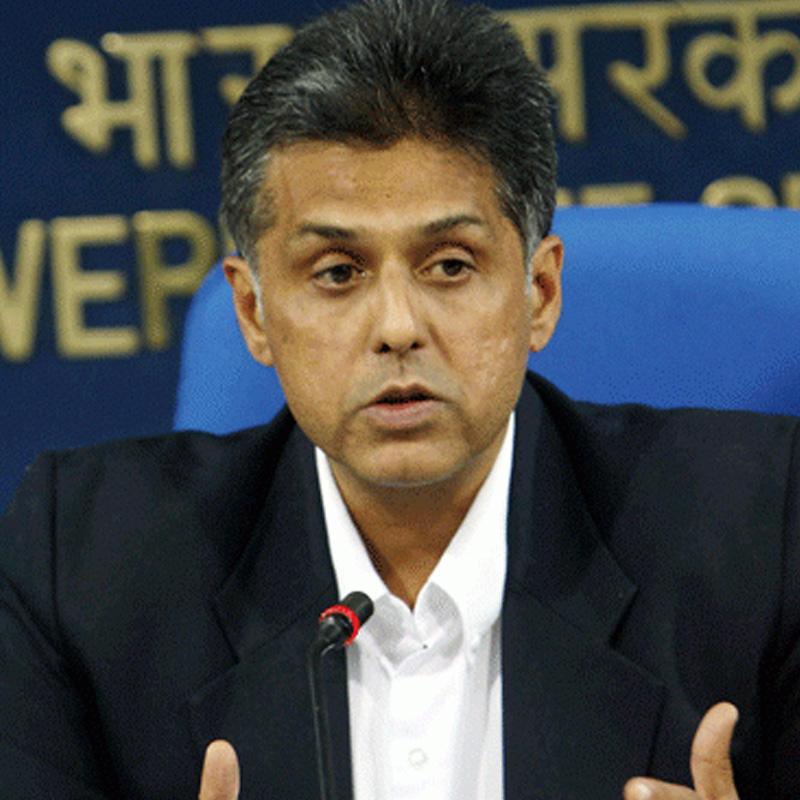
    NEW DELHI: Information and Broadcasting (I&B) Minister Manish Tewari will meet a delegation of Delhi-based local cable operators (LCOs) on Wednesday to hear their complaints with regard to the ‘unreasonable‘ revenue sharing under the digital addressable system (DAS).

    The minister agreed to meet the LCOs after around 300 LCOs from different parts of Delhi forced their way into the venue of the Broadcast Engineering Services (India) Expo this morning and shouted slogans against Tewari and I&B secretary Uday Kumar Varma, who was also present.

    Tewari was heckled as he attempted to leave the venue after his inaugural address at the three-day conference. The minister then asked the LCOs to meet him in a delegation at his office Wednesday morning.

    A S Kohli, a leading cable operator and part of the protesting LCOs, told indiantelevision.com that he expected around 1,000 LCOs from all parts of Delhi to gather on Wednesday.

    Cable Operators Federation of India President Roop Sharma who will also meet the Minister tomorrow told Indiantelevision.com that it was unfortunate that the pleas of the LCOs for a more rational share in the tariff, and the recent blackout in parts of East and North East Delhi had failed to make the government react.

    She said that consumers who wanted both pay and free-to-air channels under DAS regime would have to pay anything between Rs 250 to Rs 300 or even more against amounts ranging between Rs 80 to Rs 150 that they have been paying under analogue.

    LCOs in Delhi have been complaining against the revenue sharing between LCOs and MSOs. LCOs from east and north-east Delhi recently resorted to a day‘s blackout of cable TV to draw the government‘s attention to the revenue sharing formula, which they claim is unfair for the LCOs.

    Another LCO Ashok Pandit said several representations have been made to both the ministry and the Telecom Regulatory Authority of India (Trai) about how the revenue sharing under DAS was unworkable. The revenue sharing ratio is 55:45 between MSOs and LCOs in the basic service tier of Rs 100 for 100 free-to-air (FTA) channels, and of 65:35 in a mix of pay and FTA channels.

    He pointed out that even the MSOs had admitted that it was the LCO who did the entire work of fitting the connections or climbing electricity poles to lay the cable TV wire, and added that it was, therefore, wrong to deprive the LCO of his rightful share. Furthermore, he said many subscribers in east Delhi were paying as low as Rs 75 despite the fact that some of them had more than one TV set in their homes, and would therefore refuse to pay more.

  • Inter-ministerial group to study Trai recommendations

    Inter-ministerial group to study Trai recommendations

    MUMBAI: An inter-ministerial group headed by J S Mathur, additional secretary in the Information and Broadcasting (I&B) Ministry, will examine the Telecom Regulatory Authority of India‘s (Trai) recommendation against allowing government or government entities in television broadcasting and distribution.

    The I&B Ministry has already cleared a proposal for the setting up of an inter-ministerial group, which would in fact function as an institutional mechanism to study all the recommendations made by Trai.

    The I&B Ministry will take a view on the recommendations of Trai after the inter-ministerial group gives its views. This could mean a decision on the application by The Tamil Nadu Arasu Cable TV Corporation for a digital addressable system (DAS) licence for Chennai would be delayed.

    Any prolonged delay in deciding on Arasu‘s application, which was submitted in July, could also have an implication for implementation of digitisation in Chennai.

    Mumbai and Delhi have already switched over to digital delivery of television channels, while Kolkata is almost through.

    The I&B Ministry had in November made a reference to Trai to re-examine its 2008 recommendations which said government, government entities and government-owned companies should not be allowed in television broadcasting and distribution. Trai stuck to its 2008 views and also reiterated that any government entity allowed in television distribution should be allowed an exit route.

    Apart from central government ministries, the governments of Andhra Pradesh, Gujarat and Punjab also have expressed intentions of launching their own television channels.

  • Bengal TV ad market to touch Rs 19 bn by 2016

    MUMBAI: The total advertising spend on Bengali television is projected to reach Rs 19 billion by 2016 from an estimated Rs 7.8 billion in 2012, according to a Deloitte report on the media and entertainment industry in West Bengal.

    Out of the Rs 7.8 billion in the current year, about Rs 6 billion was cornered by the Bengali general entertainment channels (GECs) while the rest is split between news, movies and other channels.

    The report says GECs continue to dominate the canvas of West Bengal television market, with high production values, a robust content bank based on movies and local programming, helping them propel ahead.

    The industry, the reports contends, could not realise its complete growth potential this year due to scaling back of operations by a few channels in a veiled reference to the shutting down of ABP Group‘s Bengali GEC Sananda TV.

    However, phased digitisation and continued interest of audiences in Bengali TV is expected to revive the growth in coming years through investment from newer players like Network18 (post ETV investment) and newer ventures of national producers like Sphere Origin (Chirosathi) and Balaji Telefilms, it said.

    According to Deloitte, West Bengal also generated an estimated Rs 9.5 billion in subscription revenues during 2012, which is expected to grow at a fast pace due to digitisation roll-out.

    “Advent of Digital Addressable System (DAS) is expected to help the broadcasters increase their subscription revenues, reduce distribution expenses and add to the health of the industry,” the report states.

    The other salient features of the report:

    Trends in Content

    The diversity of content in Bengali television is expected to increase going forward. Digitisation is expected to be an important lever enabling this over the next 5 years, especially if the timeline beyond Kolkata is maintained.

    Increased investment from various players based on the reach and growth potential of the Bengali television market is also expected to act as an enabler.

    Driven by strong investment in content, Bengali channels have managed to garner a bigger share of eyeballs in West Bengal, the report noted.

    The production budgets of content for Bengali GECs are roughly 25 per cent of what is spent on national GECs.

    However, creativity under budgetary constraints has allowed Bengali content to almost match the production values of any other national or regional content. As the national players in the Bengali TV space lay emphasis on the Bengali television, the production budgets of content are expected to increase

    Emergence of niche channels

    With digitisation expected to support more channels, players in West Bengal are getting ready to explore niche content and channels. The launch of Bengali movie channels by Zeel and Star India are portends of this trend.

    The TV industry may also see launches of music channels with Bengali film and non-film music; lifestyle channels; youth entertainment channels and channels focusing on content around Rabindranath Tagore or Satyajit Ray, amongst others.

    The existing channels are likely to begin testing such content through dedicated time slots before launching full-fledged channels based on the content‘s acceptability and popularity. A similar trend was sampled in the 90s‘when the national GECs started testing the waters with Bengali content in the evenings before launching full scale Bengali channels.

    Rise of flagship, non-mass programming

    Though the primary focus of GECs continues to be around mass market, they have also started exploring newer formats. This is due to changing consumer preferences driven by younger audiences and lack of distinctive content in the soaps/serials space.

    With digitization working in their stride, broadcasters are likely to have more resources to plough back into content. As a result, short series and telefilms are expected to grow. Moreover, many in the industry sense a space for flagship programs (e.g. such as ‘Satyamev Jayate‘ on national airwaves) on Bengali GECs, which are aimed at creating buzz, starting conversations and attracting newer audiences.

    National players in production will look to play a bigger role

    While national players like Sphere Origins (e.g. Chirosathi on Star Jalsha) and Reliance are already looking at producing content for the Bengali GECs, this trend is likely to accelerate going forward. It will be driven by higher budgets of Bengali GECs as well as the rise of niche channels with their own need for content.

    Cross-pollination of content and formats from other languages
    Bengali GECs have been able to maintain a program mix based on adaptations of successful national content, along with original content inspired by rich Bengali literary heritage.

    Fiction shows, which are preferred to closely resemble the local everyday life and culture by the Bengali audiences, are perceived as more challenging to adapt from successful stories in other languages than a commercial film. Bengali channels have been able to portray a very authentic but aspirational depiction of customs, rituals and traditions that are omniscient – in their homes, roads, markets, and in the hearts of Bengalis for their successes.

    On the other hand, there have been adaptions of Bengali success stories for national television: e.g. “Ma” and “Sansaar Shukher Hoy Romonir Gune” were adapted for larger Hindi audience. This displays the best-in-class creative skills and high quality of technicians in Bengali television industry, which have been able to create national quality content even at the fraction of costs as compared to the national television.

    Increase in online engagement

    Like in other traditional mediums, online presence will play an increasingly important role for promotion and engagement with viewers for television as well. Existing engagement like Facebook pages are largely aimed at urban audiences. Going forward, the Bengali television industry is looking at closer integration (e.g. Zee Bangla exploring online auditions for Sa Re Ga Ma Pa), which will encompass the population from larger districts audiences as well.
    Star and Zee, amongst others, currently distribute their bouquet of channels globally and Bengali television has seen acceptance from the larger Bengali diaspora. This is expected to increase as the television content becomes available and easier to monetize through multiple screens.

    In parallel, channels are also looking at newer ways to increase their adoption in Bangladesh. Zee Bangla8 has been engaging audiences in Bangladesh through holding auditions for its shows like ‘Mirakkel‘ in Dhaka. This trend will accelerate in sync with use of online medium, which can take such participation to more places around the globe.
  • Kolkata misses DAS deadline the third time

    Kolkata misses DAS deadline the third time

    NEW DELHI: West Bengal government is again headed for a showdown with the Information & Broadcasting Ministry as the deadline for compulsory switchover to digital cable ends today, the third time since digitisation in the four metros was notified.

    The Multi-System Operators (MSOs) have been given strict instructions by the state government against switching-off analogue signals to cable TV homes.

    According to TAM, around 70 per cent of TV homes in Kolkata have gone digital by mid-December. Going by industry estimates, 25-30 per cent homes are still to be seeded with set-top boxes (STBs) required to receive signals of television channels in digital mode.

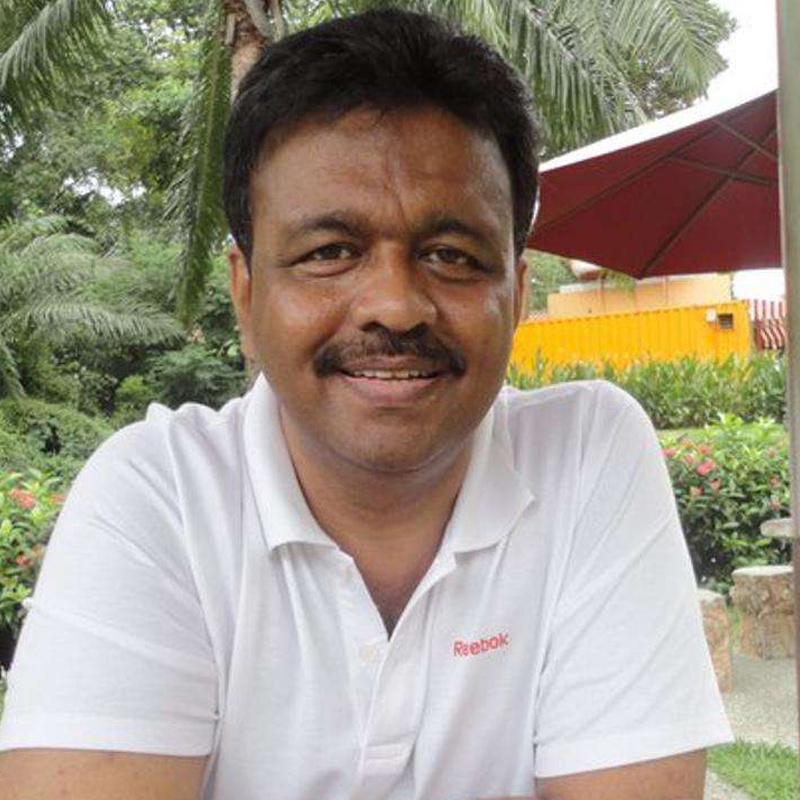
    West Bengal Urban Development Minister Firhad Hakim has made it clear that the central government cannot force cable operators in Kolkata to switch to digital addressable systems.

    The minister has also warned of action against operators who switch-off analogue signals, which will lead to television sets going blank with no STBs.
     
    He said, "The Centre cannot arbitrarily announce these deadlines for compulsory switchover to digital signals. We have written to the Centre and emphasised that such an exercise can only be attempted through a proper dialogue, but we have not received any response."

    Hakim said I&B ministry is yet to respond to the letters by him and the state‘s Chief Secretary Sanjoy Mitra on the matter.

    While analogue signals of some television channels would continue, the number of channels being carried by MSOs in analogue has reduced significantly. The MSOs had begun the process of switching off of analogue signals from 16 December. The Bengali language channels were expected to go dark by 27 December.

    "While we have switched off a lot of channels but at the same time we have to do a balancing act," an executive from a leading MSO said on the condition of anonymity.

    The executive said the off-take of STBs for installing in cable TV homes has been very good and complete switchover is only a matter of time.

    Echoing his sentiment, an executive from another MSO said, "We have to go along with the I&B Ministry as well as the state government. In the last one month, STB seeding progressed very smoothly."

    The executive said the state government has called for a meeting in the first week of January to take stock of the situation.

    Cable operators in the city told Indiantelevision.com that West Bengal Chief Minister Mamata Banerjee had been a member of the Union Cabinet when it had decided to go in for digitisation in four phases, beginning with the metros.

    But now the operators felt they were being put in an awkward situation with the centre and the state at loggerheads on the situation.

    "We have to operate in West Bengal and it will not be prudent to act against the instructions of the state government. But if the MSOs do not follow the directives of the Centre then they risk losing their licences," said Cable & Broadband Operators’ Welfare Association Secretary Swapan Chowdhury. 
     
    It must be noted that the original deadline for the first phase of digitisation in the four metros was 30 June which was extended to 31 October by the ministry to allow MSOs more time to prepare.

    While Mumbai and Delhi adhered to the 31 October deadline by switching off analogue signals (although pirated signals were available in many parts of Delhi), in Kolkata the signals were not switched off by MSOs on the state government‘s diktat.

    After maintaining a studied silence on the issue for more than a month, the ministry had finally cracked the whip on Kolkata MSOs to switch off analogue television signals in a phased manner in Kolkata by 27 December.

    Meanwhile, broadcasters have begun carrying scrolls on their channels about the 38 cities that will be digitised in the second phase by 31 March even as Chennai is yet to be digitised.

  • TN CM alleges central govt favouring Maran family

    TN CM alleges central govt favouring Maran family

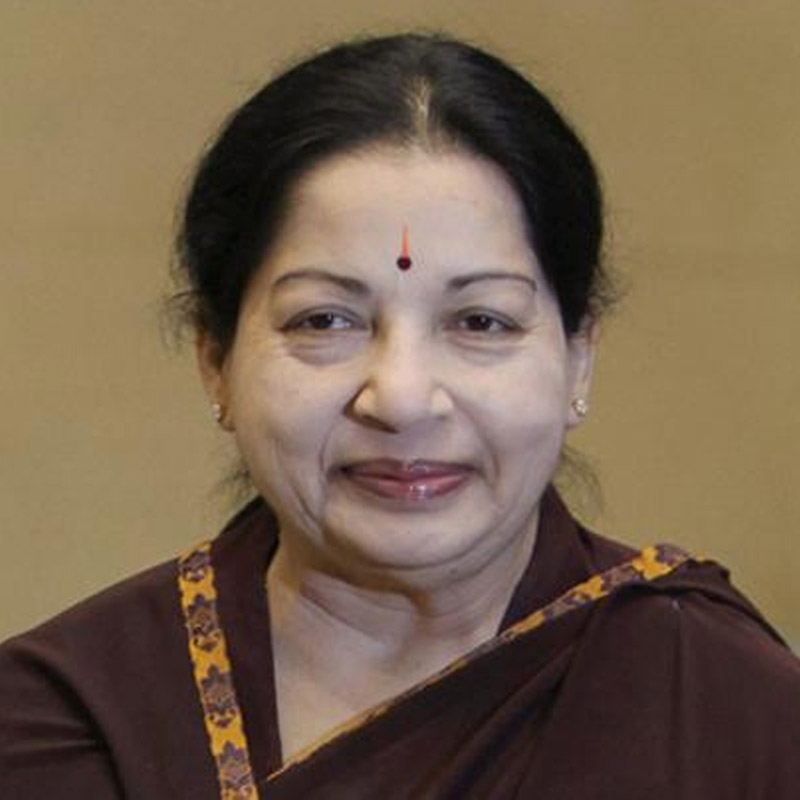
    MUMBAI: Tamil Nadu Chief Minister J Jayalalithaa on Thursday accused the central government of deliberately not issuing Digital Addressable System (DAS) licence to Arasu Cable TV Corporation in order to benefit Maran family-owned cable TV network.

    Talking at the 57th National Development Council meeting in New Delhi, Jayalalitha lashed out at the Manmohan Singh-led government for its in-different attitude to Tamil Nadu.

    "Every single legitimate request of our State has been turned down or ignored and every initiative stymied," she said during her speech at the meeting.

    She pointed out how the government is yet to grant a licence to Arasu five months after applying for the same.

    "Even a simple request from a State PSU for a Digital Addressable System (DAS) License for Chennai City has not been granted on totally extraneous considerations," Jayalalitha added.
     
    Despite repeated representations to the Prime Minister and the concerned Union Minister, the DAS licence is yet to be given to the Tamil Nadu Arasu Cable TV Corporation.

    While asserting that Arasu Cable caters to the poor and the middle class by providing cable TV service at nominal costs, without naming anyone she said that the government was "facilitating" the business interests of Sun Group, which also owns Sumangali Cablevision, a multi-system operator competing with Arasu.

    "The deliberate non-issuance of DAS licence to the state government-owned Tamil Nadu Arasu Cable TV Corporation is only to facilitate the business interests of a particular family which forms part of the ruling coalition at the Centre," she alleged.

    "This vindictive and discriminative act of the Government of India is highly condemnable and is yet another example of subverting the interest of the common people and the ruling dispensation‘s perpetual pandering to allies to ensure the survival of the Central Government."