Tag: DAS Phase III

  • Hathway’s outgoing exec Panesar yet to firm up future plan

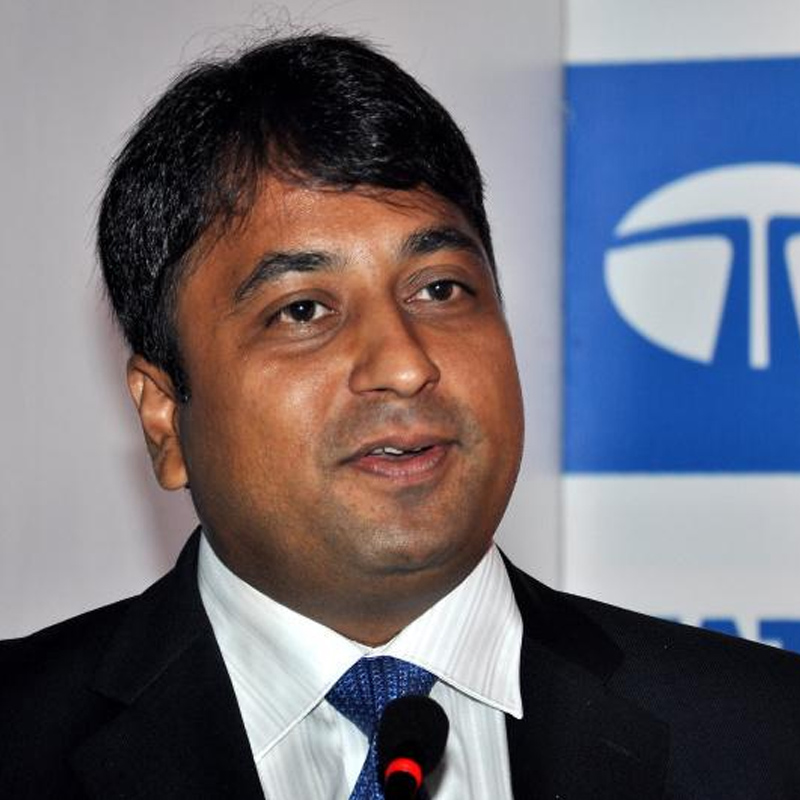
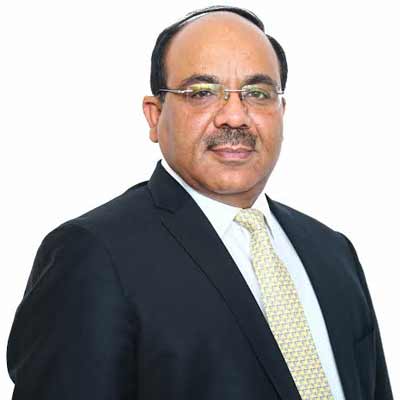
    MUMBAI: In a dramatic development, Hathway video business CEO TS Panesar has quit following the move where Hathway Cable and Datacom chose to opt out of its cable TV business to a wholly-owned subsidiary retaining the broadband operations in the parent company. Confirming the news, Panesar communicated to indiantelevision.com that he was yet to firm up his new plan and future course of action.

    The reformist Panesar, having a multifaceted 20 years of experience in the broadcasting sector, decided to call it off after spending two and half years in the cable TV distribution entity. The executive, who had moved in from Star India, played a pivotal role in reforming the TV and cable operations unveiling a battery of value-added services (VAS).

    The CEO also launched ‘Hathway Connect’, an online portal for local cable operators (LCOs) which helped them maintain their expenditures, revenues, reduce operational costs, to raise the profits and make transactions more transparent. Among other things, the former CEO contributed to the growth of Hathway in DAS Phase III areas and led the company’s foray into VAS. Panesar was responsible for the launch of an ad-free value added services (VAS) titled ‘Hathway Special’ for subscribers who wanted quality content. 

    Panesar’s exit comes after Hathway Cable & Datacom MD and CEO Jagdish Kumar quit in November 2016. Following Kumar’s exit, Hathway had reshuffled its top management team.

    Also Read:

    Hathway builds brand Special, adds two service categories 

    We believe the new cable TV tariff order will benefit everyone – Hathway Cable video CEO TS Panesar

  • Hathway revenue and operating profit up in third quarter

    BENGALURU: Indian multi system operator (MSO) Hathway Cable and Datacom Limited (Hathway) reported 25.5 per cent growth in Total Income from operations (TIO) and 46 percent growth in operating profits (EBIDTA) for the quarter ended 31 December 2016 (Q3-17, current quarter). The company reported TIO of Rs 337.6 crore in Q3-17 as compared to Rs 281.2 crore in the corresponding quarter of the previous year.

    The company’s EBDITA (earnings before depreciation, interest, taxes and amortisation or operating profit) including other income in the current quarter was Rs 66.6 crore (20 percent EBIDTA margin) and was Rs 45.4 crore (16 percent EBIDTA margin) in Q3-16. The company’s loss as per IND-AS in the current quarter increased to Rs 44.4 crore from a loss of Rs 41.2 crore in Q3-16.

    Hathway reported high growth in Cable subscription revenue, Activation fees and Broadband revenue, while placement revenue declined. The company’s broadband segment has been performing very well, as a matter of fact, among the national level MSOs’ Hathway has the highest subscription and revenue numbers among all of them. Like in the immediate trailing quarter, within Hathway, in Q3-17, Broadband subscription had the highest contribution to revenue, even more than Cable TV subscription revenue

    Hathway’s broadband subscriber base increased by 0.4 lakh in Q3-17 to 8.6 lakh from 8.2 lakh in the immediate trailing quarter. Consolidated broadband revenue in the current quarter as per IND AS increased 62 percent to Rs 127.8 crore from Rs 78.7 crore in the previous year. Consolidated Broadband ARPU in Q3-17 was Rs 654 as compared to Rs 631 in Q3-16 and Rs 643 in the immediate trailing quarter.

    Reported CATV subscription revenue as per IND AS in the current quarter increased 17 percent to Rs 114.1 crore from Rs 97.7crore in Q3-16 Hathway says that it has deployed 4 lakh STBs at a consolidated level. Standalone CATV ARPU in DAS Phase I was Rs 105, in Phase II areas was Rs 95. ARPU from phase III areas was Rs 45.

    Placement revenue as per IND AS in the current quarter declined 14 percent to Rs 70.4 crore from Rs 82.2 crore in Q3-16.

    Activation revenue as per IND AS increased 49 percent y-o-y in Q3-17 to Rs 21 crore from Rs 115 crore in Q3-16.

    Other revenue as per IND AS declined 43 percent in Q3-17 to Rs 4.3 crore from Rs 7.6 in Q3-16.

    Hathway’s Standalone Total Expenditure (without depreciation and amortization) in Q3-17 increased 14 percent to Rs 27.52 crore from Rs 239.4 crore in the previous year.

    Standalone Pay channel cost in the current quarter increased 10 percent to Rs 104.3 crore from Rs 94.5 crore in Q3-16. Standalone Employee Benefit expense in Q3-17 increased 19 percent y-o-y to Rs 23.3 crore from Rs 19.6 crore.

    Note: The unit of currency in this report is the Indian rupee – Rs (also conventionally represented by INR). The Indian numbering system or the Vedic numbering system has been used to denote money values. The basic conversion to the international norm would be:
    (a) 100,00,000 = 100 lakh = 10,000,000 = 10 million = 1 crore.
    (b) 10,000 lakh = 100 crore = 1 arab = 1 billion.

  • Delhi HC removes legal hurdles to implement DAS IV by 1 Jan 2017

    Delhi HC removes legal hurdles to implement DAS IV by 1 Jan 2017

    NEW DELHI/ MUMBAI: The Delhi High Court has vacated all interim orders giving extension of deadline in Phase III of digitisation, thus clearing legal hurdles for complete digitisation by the stipulated deadline of 31 December 2016 when the last and Phase IV is supposed to get completed.

    The court, disposing of pending petitions, directed all petitioners to run a scroll on their networks about digitisation and analog switch-off in two weeks, apart from informing their subscribers in advance about the change-over to digital signals that will require a set-top-box (STB).

    Last month, the court overruled orders passed by various other courts in the country and, in eight other cases, vacated the stay where petitioners had sought an extension of deadline for implementing digital addressable system (DAS) in Phase III areas.

    While originally the date for implementation of DAS Phase III was 30 September 2014, it was extended to 31 December 2015 by a notification issued by the ministry of information and broadcasting (MIB). The country, as per the original plan, is supposed to be fully digitised with the completion of Phase IV by the last day of 2016.

    With the latest court directive, now it’s up to the various industry stakeholders, the government and the regulator to ensure that Phase IV is completed on schedule or as early as possible. Complete digitisation of TV services in the country is expected to bring about more transparency in the system that would benefit all.

    Indian Broadcasting Foundation (IBF) president and Zee MD Punit Goenka said, “We welcome all stakeholders into the dawn of a new era and hope that the digitisation bandwagon continues unabated in Phase IV as well, which is to be implemented from 1 January 2017.”

    IBF, an apex body of broadcasting companies, has been involved in the cases filed in various courts that were finally transferred to the Delhi High Court under the direction of the Supreme Court. “We were hit by a flurry of litigations, all filed within a space of 15 days beginning with 30 December 2015, in Andhra Pradesh and Telangana. Stays were obtained on implementation for periods of up to two months. Soon, the fire spread to 18 other high courts with over 50 petitions being filed,” said IBF secretary-general Girish Srivastava.

    Welcoming the judgement, Siti Networks Limited ED & CEO and president of All India Digital Cable Federation (AIDCF) VD Wadhwa said, “This is a landmark moment in the Digital India journey as it will clear the passage for timely implementation of DAS Phase IV. It is now obligatory on part of broadcasters and other players to disconnect analog signals within two weeks. This will also pave the way for digital revenues to flow in from these areas.” AIDCF is an industry body representing digital MSOs.

    According to Hinduja Group CEO-Media Tony DSilva, “It’s a positive step in the direction of digitisation. I would appreciate if MIB comes out with a clarification on final cut-off date for digitisation and be more realistic in the dates for Phase IV.”

    DEN CEO S N Sharma, terming the court direction as positive, said that the demand (for STBs) would increase as the legal question marks over DAS have been cleared.

    Background To Legal Cases Relating to Digitisation

    A total of 62 cases had been filed in different courts and 29 cases had been transferred by various courts to Delhi by July-end. Of the 62 cases, 12 had been disposed off by respective courts and three cases had been withdrawn by the petitioners.

    While the Andhra Pradesh and Telangana High Court had given orders extending the deadline of 31 December 2015 for Phase III, the Bombay High Court, while referring to a judgement, had said that if similar situation prevails in all states, then the stay can be pan-India. This was because the plea taken by petitioners in high courts was shortage of STBs.
     Ministry of Information and Broadcasting (MIB) had admitted that the Law Ministry had observed the order passed by the Andhra Pradesh High Court staying Phase III “appears to have all-lndia applicability”.

    Indiantelevision.com had reported in January this year that MIB had told the Punjab and Haryana High Court it had “decided not to press the requirement of having a STB as for now till the decision of the cases, which are pending before various other high courts”.

    Sensing the wildfire effect the DAS Phase III cases could have, MIB approached Supreme Court with a plea to transfer all similar cases to one high court and the apex court asked Delhi High Court in April 2016 to handle these cases and directed notices to be sent to all other high courts to forward relevant files to Delhi HC.

    Also Read:

    DAS cases put off to 23 Nov as legal processes incomplete

    Siti Networks CEO V.D. Wadhwa hails dismissal of DAS III cases by Delhi HC


  • Delhi HC removes legal hurdles to implement DAS IV by 1 Jan 2017

    Delhi HC removes legal hurdles to implement DAS IV by 1 Jan 2017

    NEW DELHI/ MUMBAI: The Delhi High Court has vacated all interim orders giving extension of deadline in Phase III of digitisation, thus clearing legal hurdles for complete digitisation by the stipulated deadline of 31 December 2016 when the last and Phase IV is supposed to get completed.

    The court, disposing of pending petitions, directed all petitioners to run a scroll on their networks about digitisation and analog switch-off in two weeks, apart from informing their subscribers in advance about the change-over to digital signals that will require a set-top-box (STB).

    Last month, the court overruled orders passed by various other courts in the country and, in eight other cases, vacated the stay where petitioners had sought an extension of deadline for implementing digital addressable system (DAS) in Phase III areas.

    While originally the date for implementation of DAS Phase III was 30 September 2014, it was extended to 31 December 2015 by a notification issued by the ministry of information and broadcasting (MIB). The country, as per the original plan, is supposed to be fully digitised with the completion of Phase IV by the last day of 2016.

    With the latest court directive, now it’s up to the various industry stakeholders, the government and the regulator to ensure that Phase IV is completed on schedule or as early as possible. Complete digitisation of TV services in the country is expected to bring about more transparency in the system that would benefit all.

    Indian Broadcasting Foundation (IBF) president and Zee MD Punit Goenka said, “We welcome all stakeholders into the dawn of a new era and hope that the digitisation bandwagon continues unabated in Phase IV as well, which is to be implemented from 1 January 2017.”

    IBF, an apex body of broadcasting companies, has been involved in the cases filed in various courts that were finally transferred to the Delhi High Court under the direction of the Supreme Court. “We were hit by a flurry of litigations, all filed within a space of 15 days beginning with 30 December 2015, in Andhra Pradesh and Telangana. Stays were obtained on implementation for periods of up to two months. Soon, the fire spread to 18 other high courts with over 50 petitions being filed,” said IBF secretary-general Girish Srivastava.

    Welcoming the judgement, Siti Networks Limited ED & CEO and president of All India Digital Cable Federation (AIDCF) VD Wadhwa said, “This is a landmark moment in the Digital India journey as it will clear the passage for timely implementation of DAS Phase IV. It is now obligatory on part of broadcasters and other players to disconnect analog signals within two weeks. This will also pave the way for digital revenues to flow in from these areas.” AIDCF is an industry body representing digital MSOs.

    According to Hinduja Group CEO-Media Tony DSilva, “It’s a positive step in the direction of digitisation. I would appreciate if MIB comes out with a clarification on final cut-off date for digitisation and be more realistic in the dates for Phase IV.”

    DEN CEO S N Sharma, terming the court direction as positive, said that the demand (for STBs) would increase as the legal question marks over DAS have been cleared.

    Background To Legal Cases Relating to Digitisation

    A total of 62 cases had been filed in different courts and 29 cases had been transferred by various courts to Delhi by July-end. Of the 62 cases, 12 had been disposed off by respective courts and three cases had been withdrawn by the petitioners.

    While the Andhra Pradesh and Telangana High Court had given orders extending the deadline of 31 December 2015 for Phase III, the Bombay High Court, while referring to a judgement, had said that if similar situation prevails in all states, then the stay can be pan-India. This was because the plea taken by petitioners in high courts was shortage of STBs.
     Ministry of Information and Broadcasting (MIB) had admitted that the Law Ministry had observed the order passed by the Andhra Pradesh High Court staying Phase III “appears to have all-lndia applicability”.

    Indiantelevision.com had reported in January this year that MIB had told the Punjab and Haryana High Court it had “decided not to press the requirement of having a STB as for now till the decision of the cases, which are pending before various other high courts”.

    Sensing the wildfire effect the DAS Phase III cases could have, MIB approached Supreme Court with a plea to transfer all similar cases to one high court and the apex court asked Delhi High Court in April 2016 to handle these cases and directed notices to be sent to all other high courts to forward relevant files to Delhi HC.

    Also Read:

    DAS cases put off to 23 Nov as legal processes incomplete

    Siti Networks CEO V.D. Wadhwa hails dismissal of DAS III cases by Delhi HC


  • Hathway Q2-17 revenue and EBIDTA up; adds 1 lakh broadband subs

    Hathway Q2-17 revenue and EBIDTA up; adds 1 lakh broadband subs

    BENGALURU: Indian multi system operator (MSO) Hathway Cable and Datacom Limited (Hathway) reported 18.8 per cent growth in Total Income from operations (TIO) and 11.9 percent growth in operating profits (EBIDTA) for the quarter ended 30 September 2016 (Q2-17, current quarter). The company reported TIO of Rs 321.07 crore in Q2-17 as compared to Rs 270.35 crore in the corresponding quarter of the previous year.

    The company’s EBDITA including other income in the current quarter was Rs 54.9 crore (17 percent EBIDTA margin) and was Rs 49.05 crore (17.9 percent EBIDTA margin) in Q2-16. The company’s loss in the current quarter increased to Rs 40.45 crore from a loss of Rs 31.99 crore in Q2-16.

    High growth in Cable subscription revenue, Activation fees and Broadband revenue are chiefly responsible for the improved performance says the company. The company’s broadband segment has been performing very well, as a matter of fact, among the national level MSOs’ Hathway has the highest subscription and revenue numbers among all of them. Within Hathway, in Q2-17, Broadband subscription had the highest contribution to revenue, even more than Cable TV subscription revenue

    Hathway’s broadband subscriber base increased to 8 lakh in Q2-17 from 7 lakh in the immediate trailing quarter. Consolidated broadband revenue in the current quarter as per IND AS increased 67 percent to Rs 120.3 crore from Rs 71.9 crore in the previous year. Broadband ARPU in the current quarter increased to Rs 643 from Rs 616 in the corresponding quarter of the previous year, but declined from Rs 670 in the immediate trailing quarter.

    Consolidated reported CATV subscription revenue as per IND AS in the current quarter increased 12 percent to Rs 120.2 crore from Rs 107.5 crore in Q2-16 Hathway says that it has achieved a milestone of deployed 18 lakh STBs, of which 8 lakh STBs were deployed in Phase III & IV areas during Q1- 17. The company says that it has now digitized 92 percent of its cable TV universe. CATV ARPU in DAS Phase I increased to Rs 105 from Rs 100 in the corresponding year ago quarter.CATV ARPU in Phase II areas increased to Rs 90 from Rs 80 in Q2-16. ARPU from phase III areas was Rs 30.

    Placement revenue as per IND AS in the current quarter declined 23 percent to Rs 65.4 crore from Rs 84.8 crore in Q2-16.
    Activation revenue as per IND AS increased 37 percent y-o-y in Q2-17 to Rs 20.2 crore from Rs 14.7 crore in Q2-16.
    Other revenue as per IND AS declined 5 percent in Q2-17 to Rs 4.8 crore from Rs 5.1 in Q2-16.

    Hathway’s Standalone Total Expenditure in Q2-17 increased 19 percent to Rs 340.49 crore (99.6 percent of TIO) from Rs 286.19 crore (105.9 percent of TIO) in the previous year.

    Standalone Pay channel cost in the current quarter increased 22.3 percent to Rs 104.31 crore (32.2 percent of TIO) from Rs 85.56 crore (31.3 percent of TIO) in FY-15. Standalone Employee Benefit expense in Q2-17 increased 46.9 percent y-o-y to Rs 23.53 crore from Rs 16.02 crore.

    Note: The unit of currency in this report is the Indian rupee – Rs (also conventionally represented by INR). The Indian numbering system or the Vedic numbering system has been used to denote money values. The basic conversion to the international norm would be:

    (a) 100,00,000 = 100 lakh = 10,000,000 = 10 million = 1 crore.

    (b) 10,000 lakh = 100 crore = 1 arab = 1 billion.

  • Hathway Q2-17 revenue and EBIDTA up; adds 1 lakh broadband subs

    Hathway Q2-17 revenue and EBIDTA up; adds 1 lakh broadband subs

    BENGALURU: Indian multi system operator (MSO) Hathway Cable and Datacom Limited (Hathway) reported 18.8 per cent growth in Total Income from operations (TIO) and 11.9 percent growth in operating profits (EBIDTA) for the quarter ended 30 September 2016 (Q2-17, current quarter). The company reported TIO of Rs 321.07 crore in Q2-17 as compared to Rs 270.35 crore in the corresponding quarter of the previous year.

    The company’s EBDITA including other income in the current quarter was Rs 54.9 crore (17 percent EBIDTA margin) and was Rs 49.05 crore (17.9 percent EBIDTA margin) in Q2-16. The company’s loss in the current quarter increased to Rs 40.45 crore from a loss of Rs 31.99 crore in Q2-16.

    High growth in Cable subscription revenue, Activation fees and Broadband revenue are chiefly responsible for the improved performance says the company. The company’s broadband segment has been performing very well, as a matter of fact, among the national level MSOs’ Hathway has the highest subscription and revenue numbers among all of them. Within Hathway, in Q2-17, Broadband subscription had the highest contribution to revenue, even more than Cable TV subscription revenue

    Hathway’s broadband subscriber base increased to 8 lakh in Q2-17 from 7 lakh in the immediate trailing quarter. Consolidated broadband revenue in the current quarter as per IND AS increased 67 percent to Rs 120.3 crore from Rs 71.9 crore in the previous year. Broadband ARPU in the current quarter increased to Rs 643 from Rs 616 in the corresponding quarter of the previous year, but declined from Rs 670 in the immediate trailing quarter.

    Consolidated reported CATV subscription revenue as per IND AS in the current quarter increased 12 percent to Rs 120.2 crore from Rs 107.5 crore in Q2-16 Hathway says that it has achieved a milestone of deployed 18 lakh STBs, of which 8 lakh STBs were deployed in Phase III & IV areas during Q1- 17. The company says that it has now digitized 92 percent of its cable TV universe. CATV ARPU in DAS Phase I increased to Rs 105 from Rs 100 in the corresponding year ago quarter.CATV ARPU in Phase II areas increased to Rs 90 from Rs 80 in Q2-16. ARPU from phase III areas was Rs 30.

    Placement revenue as per IND AS in the current quarter declined 23 percent to Rs 65.4 crore from Rs 84.8 crore in Q2-16.
    Activation revenue as per IND AS increased 37 percent y-o-y in Q2-17 to Rs 20.2 crore from Rs 14.7 crore in Q2-16.
    Other revenue as per IND AS declined 5 percent in Q2-17 to Rs 4.8 crore from Rs 5.1 in Q2-16.

    Hathway’s Standalone Total Expenditure in Q2-17 increased 19 percent to Rs 340.49 crore (99.6 percent of TIO) from Rs 286.19 crore (105.9 percent of TIO) in the previous year.

    Standalone Pay channel cost in the current quarter increased 22.3 percent to Rs 104.31 crore (32.2 percent of TIO) from Rs 85.56 crore (31.3 percent of TIO) in FY-15. Standalone Employee Benefit expense in Q2-17 increased 46.9 percent y-o-y to Rs 23.53 crore from Rs 16.02 crore.

    Note: The unit of currency in this report is the Indian rupee – Rs (also conventionally represented by INR). The Indian numbering system or the Vedic numbering system has been used to denote money values. The basic conversion to the international norm would be:

    (a) 100,00,000 = 100 lakh = 10,000,000 = 10 million = 1 crore.

    (b) 10,000 lakh = 100 crore = 1 arab = 1 billion.

  • Several DAS III petitions may be transferred to Division Bench of Delhi High Court

    Several DAS III petitions may be transferred to Division Bench of Delhi High Court

    NEW DELHI: The Digital Addressable System (DAS) Phase III legal wrangle is moving on, albeit slowly and steadily.  Lawyers appearing on behalf of the multi-system cable TV operators (MSO) will inform a single-judge bench of the Delhi High Court about a large volume of cases relating to DAS III have challenged constitutional provisions.

    Justice Sanjeev Sachdeva, will on 18 October 2016, transfer to a Division Bench matters that have challenged provisions in the Constitution. This directive had been given by Justice Sachdeva in the last hearing on 5 October 2016.

    Senior lawyers said that as some of the cases were already pending with the bench headed by the Chief Justice, these will go to that bench, and the single bench will continue to hear other petitions.

    Justice Sachdeva had last month issued notice on two more petitions related to Phase III of DAS – filed by Om Systems of Mumbai and Digiana.

    The cases include an application by the Indian Broadcasting Foundation for being impleaded in the case

    The cases that were listed on that day included the Rohtak Cable Operators’ Association, Andhra Pradesh MSOs Welfare Federation, Multi System Operators’ Welfare Association, Sai Big Star Welfare Association, Sree Devi Digital Systems, Federation of Telangana MSO, DEN Manoranjan Satellite, Victory Digital, Sri Chowdeshwary Cable Network, Shyam Baba Cable Network, Panchajanya Media, Bharat Digital Cable Network, and Yogesh Cable Networks.

    In the hearing on 26 September 2016, the Dvision bench of Chief Justice G Rohini and Justice Ms Sangita Dhingra Sehgal had held that two matters filed by Indusind Media & Communication Ltd and Bhima Riddhi Digital Services were challenging the challenge to the constitutional validity of certain provisions of Maharashtra Entertainment Duty Act, 1923 as amended by Maharashtra Entertainment Duty (Amendment and Continuance) Act, 2014 and not the validity of the Telecommunication (Broadcasting and Cable Services) Interconnection (Digital Addressable Cable Television Systems) Regulations 2012.

    The Central Government counsel said appropriate steps would be taken before the Supreme Court to get these matters re-transferred to the respective High Courts and so the cases were adjourned sine die.

    Of the remaining, one by Rajasthan Cable Operators Foundation was dismissed as no one appeared for the petitioners, and orders reserved in two others including one by Nasik Zilla Cable Operators Association after hearing. The petition by Radiant Digitek Networks Pvt Ltd was adjourned to mid-October.

    The Supreme Court had on 1 April this year accepted the plea of the Central Government that ‘it would be just and proper’ for this Court to transfer to Delhi High Court all cases pending indifferent High Courts, many of which had given injunction orders.

    A total of 62 cases had been filed by some multi-system operators (MSOs) in various courts in the country for extension in the deadline of Phase lll. Out of these 62 cases, 12 cases had been disposed off by respective courts and 3 cases had been withdrawn by the petitioners.

    (The Bombay High Court had earlier this year made a reference to the Kusum Ingots case which had said that if one high court gives an order, others can give similar orders if similar circumstances exist. indiantelevision.com had reported in January this year that the MIB had told the Punjab and Haryana high court that it had ‘decided not to press the requirement of having a STB as for now till the decision of the cases which are pending before various other high courts’).

    Also read:

    Notice issued to Union of India on five DAS Phase III petitions

    Two more DAS cases put off to Oct. in Delhi HC

  • Several DAS III petitions may be transferred to Division Bench of Delhi High Court

    Several DAS III petitions may be transferred to Division Bench of Delhi High Court

    NEW DELHI: The Digital Addressable System (DAS) Phase III legal wrangle is moving on, albeit slowly and steadily.  Lawyers appearing on behalf of the multi-system cable TV operators (MSO) will inform a single-judge bench of the Delhi High Court about a large volume of cases relating to DAS III have challenged constitutional provisions.

    Justice Sanjeev Sachdeva, will on 18 October 2016, transfer to a Division Bench matters that have challenged provisions in the Constitution. This directive had been given by Justice Sachdeva in the last hearing on 5 October 2016.

    Senior lawyers said that as some of the cases were already pending with the bench headed by the Chief Justice, these will go to that bench, and the single bench will continue to hear other petitions.

    Justice Sachdeva had last month issued notice on two more petitions related to Phase III of DAS – filed by Om Systems of Mumbai and Digiana.

    The cases include an application by the Indian Broadcasting Foundation for being impleaded in the case

    The cases that were listed on that day included the Rohtak Cable Operators’ Association, Andhra Pradesh MSOs Welfare Federation, Multi System Operators’ Welfare Association, Sai Big Star Welfare Association, Sree Devi Digital Systems, Federation of Telangana MSO, DEN Manoranjan Satellite, Victory Digital, Sri Chowdeshwary Cable Network, Shyam Baba Cable Network, Panchajanya Media, Bharat Digital Cable Network, and Yogesh Cable Networks.

    In the hearing on 26 September 2016, the Dvision bench of Chief Justice G Rohini and Justice Ms Sangita Dhingra Sehgal had held that two matters filed by Indusind Media & Communication Ltd and Bhima Riddhi Digital Services were challenging the challenge to the constitutional validity of certain provisions of Maharashtra Entertainment Duty Act, 1923 as amended by Maharashtra Entertainment Duty (Amendment and Continuance) Act, 2014 and not the validity of the Telecommunication (Broadcasting and Cable Services) Interconnection (Digital Addressable Cable Television Systems) Regulations 2012.

    The Central Government counsel said appropriate steps would be taken before the Supreme Court to get these matters re-transferred to the respective High Courts and so the cases were adjourned sine die.

    Of the remaining, one by Rajasthan Cable Operators Foundation was dismissed as no one appeared for the petitioners, and orders reserved in two others including one by Nasik Zilla Cable Operators Association after hearing. The petition by Radiant Digitek Networks Pvt Ltd was adjourned to mid-October.

    The Supreme Court had on 1 April this year accepted the plea of the Central Government that ‘it would be just and proper’ for this Court to transfer to Delhi High Court all cases pending indifferent High Courts, many of which had given injunction orders.

    A total of 62 cases had been filed by some multi-system operators (MSOs) in various courts in the country for extension in the deadline of Phase lll. Out of these 62 cases, 12 cases had been disposed off by respective courts and 3 cases had been withdrawn by the petitioners.

    (The Bombay High Court had earlier this year made a reference to the Kusum Ingots case which had said that if one high court gives an order, others can give similar orders if similar circumstances exist. indiantelevision.com had reported in January this year that the MIB had told the Punjab and Haryana high court that it had ‘decided not to press the requirement of having a STB as for now till the decision of the cases which are pending before various other high courts’).

    Also read:

    Notice issued to Union of India on five DAS Phase III petitions

    Two more DAS cases put off to Oct. in Delhi HC

  • MIB, TRAI to examine DAS Phase III interconnect issues

    MIB, TRAI to examine DAS Phase III interconnect issues

    NEW DELHI: Multi-system operators and local cable operators were yesterday assured by senior officials of the Ministry of Information and Broadcasting (MIB) and the Telecom Regulatory Authority of India  (TRAI) that contentious issues relating to interconnect agreements of Phase III of digitisation would be resolved.

    In a meeting held under the chairmanship of MIB additional secretary Jayashree Mukherjee, the MSOs and LCOs presented problems being faced by them.

    Primarily, the issues arise in the areas switching from analogue to digital addressable system and where the MSOs and LCOs have to sign fresh interconnect agreements with broadcasters.

    In the last meeting of the DAS Task Force on 31 August 2016, it was stated that the broadcasters should request the MSOs with whom they have interconnect agreements but who have not applied for MSO registration whether they were interested to work as an MSO in DAS-notified area failing which they would not be able to act as an MSO after the cut-off date.

    MIB was told that there are around 6,000 MSOs operating in the country, but only about 1,300 had applied for the MSO registration.

    The Indian Broadcasting Foundation (IBF) representative was requested to ensure that similar action is taken by all members of the organisation and also that a list of member-boradcasters with their e-mail addresses is sent so that MIB  could also write to them.

    ALSO READ:

    What really happened at the 16th DAS Task Force meeting

    TRAI may moot MRP for bouquet TV channels; no price cap on unbundled premium products

  • MIB, TRAI to examine DAS Phase III interconnect issues

    MIB, TRAI to examine DAS Phase III interconnect issues

    NEW DELHI: Multi-system operators and local cable operators were yesterday assured by senior officials of the Ministry of Information and Broadcasting (MIB) and the Telecom Regulatory Authority of India  (TRAI) that contentious issues relating to interconnect agreements of Phase III of digitisation would be resolved.

    In a meeting held under the chairmanship of MIB additional secretary Jayashree Mukherjee, the MSOs and LCOs presented problems being faced by them.

    Primarily, the issues arise in the areas switching from analogue to digital addressable system and where the MSOs and LCOs have to sign fresh interconnect agreements with broadcasters.

    In the last meeting of the DAS Task Force on 31 August 2016, it was stated that the broadcasters should request the MSOs with whom they have interconnect agreements but who have not applied for MSO registration whether they were interested to work as an MSO in DAS-notified area failing which they would not be able to act as an MSO after the cut-off date.

    MIB was told that there are around 6,000 MSOs operating in the country, but only about 1,300 had applied for the MSO registration.

    The Indian Broadcasting Foundation (IBF) representative was requested to ensure that similar action is taken by all members of the organisation and also that a list of member-boradcasters with their e-mail addresses is sent so that MIB  could also write to them.

    ALSO READ:

    What really happened at the 16th DAS Task Force meeting

    TRAI may moot MRP for bouquet TV channels; no price cap on unbundled premium products