Tag: DAS P III

  • Dish TV expects significant growth from DAS P III & IV markets

    MUMBAI: Even as India’s consolidating MSOs race ahead to digitise India’s cable TV infrastructure — albeit in fits and starts — in smaller towns and villages, direct to home platform (DTH) owners expect to capture a slice of the action there. Amongst those who have been pushing in the heartlands include state-owned pubcaster’s DD FreeDish. And, it has registered some gains there. Dish TV — which is slated to complete its merger with Videocon d2h later this year — is also hoping to partake the TV subscriber harvest in heartland India.

    “We are anticipating that 70 per cent of the new connections over the next two years would come from those living in small towns and rural markets,” Dish TV CEO Arun Kapoor told PTI, adding that, “it would be primarily because of implementation of Digital Addressable System (DAS) in Phase III and IV.” Of Dish TV’s 15.5 million subscriber base at present, around 35 per cent are from top 100 cities, and the remainder from small towns and rural markets.

    Dish TV is expecting the Average Revenue Per User (ARPU) of the DTH industry to grow over two-fold in the next five years to Rs. 450-500. ARPU would increase from the current industry average of Rs. 150-160. This would be primarily driven by growth in number of HD channels, Value Added Services on DTH platform and implementation of DAS,” Kapoor added.

    Dish TV, the Zee group DTH service arm, is hoping to formally complete the merger with Videocon Group’s DTH arm Videocon d2h by October 2017 after receiving the required regulatory approvals. The merged company would have a subscriber base of 27.2 million, making it the largest DTH service provider in the industry. The merged entity will be renamed as Dish TV Videocon Ltd., the total revenue of Dish TV and Videocon d2h together was Rs. 5,915.8 crore on a pro-forma basis for the fiscal ended 31 March, 2016.

    Dish TV has an active subscriber base of 15.5 million, while that of Videocon d2h stands at around 12.2 million. The DTH industry has around 62 million active subscribers.

    Kapoor said it was soon expecting approvals from regulatory bodies such as National Company Law Tribunal, the Competition Commission of India, and stock exchanges.

    According to Kapoor, the DTH industry, which has players such as Sun Direct, TataSky, Airtel digital TV, Reliance Digital, has a current growth rate of 10 to 12 per cent.

    Also Read  :

    Migrate registration to GST regime, DishTV persuades distributors & trade partners

    DishTV expands its portfolio by 23 channels

    Active DTH subscriber growth subdued in Oct-Dec’16 quarter

  • DAS P-III deadline crossed: No court stay, only three cases pending

    DAS P-III deadline crossed: No court stay, only three cases pending

    NEW DELHI: Only 32 per cent seeding of set-top boxes had taken place in Phase IV areas of cable digitisation and ‘is not very encouraging.” However, adviser (DAS, MIB) Yogendra Pal said that digitisation had been completed in nearly 100 per cent areas for which the extended deadline was 31 January 2017.

    Speaking at the 20th DAS Task Force meeting on 18 January 2017, he said the actual seeding data would be much more, may be up to 50 per cent, as some MSOs have not been filling seeding data in spite of repeated requests and some MSOs are not filling full data.

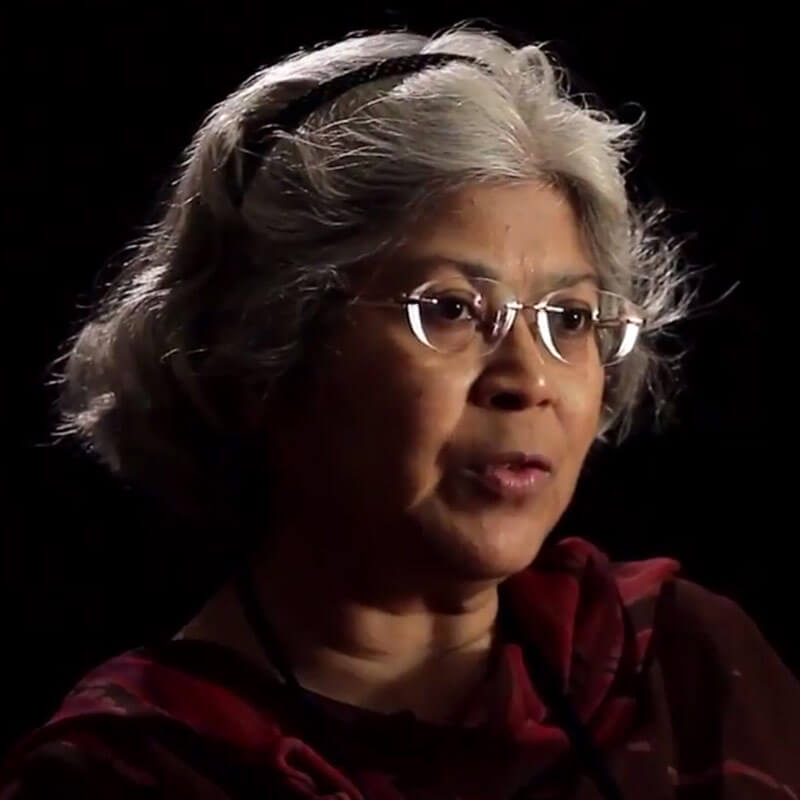
    Information and broadcasting ministry additional secretary Jayashree Mukherjee who chaired the meeting said she had visited a big MSO in Hyderabad who had stated that he had seeded 1.7 million STBs whereas the Ministry’s website shows that he had seeded only 100,000 STBs. In this regard it was decided to write to all Nodal Officers as well as State Governments for these discrepancies. The concerned Associations were requested to ensure their members faithfully enter the correct details to avoid any discrepancies.

    Regarding the Court cases, Pal said only three Phase III cases were pending and all other cases had been disposed of by Delhi High Court and there is no stay. He said the cut-off date for Phase IV has been extended to 31 March.2017.

    Mukherjee said there are no roadblocks now and enough quantity of STBs are available. She said that the seeding should also accelerate.

    In view of the analogue signals being switched off in Phase III areas for 31 January 2017 it was deciding that broadcasters will ensure that they have provided separate IRDs for Phase III and Phase IV areas; broadcasters will ensure that they do not have any analogue agreements with any MSO for Phase III areas. In case they are having any existing analogue agreements with any MSO for Phase III area, they will inform the concerned MSO that the existing agreement is not valid after 31 January 2017. Broadcasters would also carry out monitoring at the ground level to ensure that no MSO, with whom they have Interconnection Agreement, is supplying analog signal in Phase III area

    The representative of CEAMA stated that demonetization and reduction of import duty to zero from ASEAN countries is affecting the requirement of indigenous STBs from the service providers. He added that they are still in the planning mode of raising the demand of STBs from indigenous manufacturers.

    He hoped that some medium and small sized players would place orders after 31 January 2017 when Phase III Digitisation is over. The Ministry’s Joint Secretary (B-I) mentioned that a huge demand is expected due to the large number of households remaining to be covered in phase IV.

    The representatives from the State Governments outlined their readiness and action being taken by them with regard to successful implement of Digitization. They said they are holding meetings with stakeholders. The Representative from Odisha mentioned that the Principal Secretary had a meeting on 25 November 2016 and reviewed the progress of Digitisation. They have prepared district wise data for the registered MSOs, unregistered MSOs, MSOs who are seeding data and those who are not seeding. Chairperson appreciated the efforts being made by the Odisha Government and desired that similar steps may be taken by other States. She directed that measures taken by Odisha Governmentmay be shared with all the States. Nodal Officer from Odisha was asked to send a note on the steps being taken by them for circulation to all the States.

    Subhashish Mazumdar of In-Cable Net stated that progress in Phase IV areas can be better if infrastructure sharing is allowed. He said there is an issue of connectivity in remote areas such as Assam. However, he was of the opinion that since there are clear cut direction for implementation of Phase III, therefore, the progress of STBs installation will gear up in Phase IV areas.

    Anil Malhotra from SITI Cable said there are some connectivity problems in far flung areas of Phase IV. He requested that infrastructure sharing may be permitted and added that TRAI is already having consultation in this regard. He requested that they are required to carry all channels on Fibre Network in remote areas. Thus the cost of carries of channels is very high.
    He suggested that MSOs should be allowed to take 80 channels from the DD FreeDish. The chairperson has asked them to send a proposal to the Ministry for consideration.

    Malhotra also raised the issue of Andhra Pradesh State FiberNet Limited which has been providing Cable TV services on the Optical Fibre Network Infrastructure. He mentioned that State Governments has issued directions for removal of Cables by the cable operators from all the electricity poles. He added that all MSOs are afraid of the same and that they may not be able to provide cable services.

    Ajay from Hathway stated that though there are some problems in Andhra Pradesh, they are seeding the boxes in Phase IV areas and will be able to accelerate the seeding in the month of February and March 2017. He added that they are monitoring the process on weekly basis.

    Shaji Mathew from GTPL said the situation in Gujarat is very good and now they are seeding in Phase IV area but the position in other States is not so good though they are making efforts. He complained that some of the broadcasters, especially STAR, are still providing analogue IRDs and no separate IRDs have been provided for Phase III and Phase IV areas to the MSOs. Broadcasters should be asked to give profession IRDs for carrying of digital signals for Phase III as well as Phase IV areas. He also stressed the need of infrastructure sharing pointing out that TRAI should make an early recommendation on it. He mentioned that according to the terms and conditions mentioned in the Ministry’s MSO registration letter no infrastructure sharing is possible since a separate own headend is required by the MSOs. The chairperson asked the MSOs that a request with regard to sharing of infrastructure may come to the Ministry in writing.

    The MSOs asked that it should be possible to share SMS. The Ministry’s representative pointed out that Entertainment Tax Department of UP Government had complained that MSOs do not provide them the data from the SMS.

    Vaibhav representing Den pointed out that a representative of UP Government wanted User ID and Password and not the SMS output which cannot be provided.

    A Sony India representative said they have already issued directions to switching off analog signals in Phase III areas from 1 February 2017. He asked how the signals to Arasu Cable for Phase III areas could be stopped since they have been providing analogue signals in Tamil Nadu. In this regard, Pal said according to the Madras High Court directions, analog signals of Arasu Cable cannot be disturbed till Ministry decide on their MSO registration applications.

    Some of the representatives raised the issues of a Hong Kong based company, called ABS technologies, whose teleport is outside India, is able to provide DTH services. The boxes of this company are freely available in the market. It is showing free to air channels of broadcasters. BARC has captured this data. The chairperson has sought examining of this issue.

    One MSO pointed out about a letter from District Administration in Aurangabad, Maharashtra, which has directed the local MSOs not to stop analog. The chairperson asked the Ministry to get details in this regard.

    MSOs felt that in at least 20 per cent  of rural and remote/hilly areas cable TV digitization may not be financially and technically viable even though analogue may be working there. These remote areas are best served by DTH. It was learnt that some DTH operators have packages only for FTA channels but they actually do not offer the same to the public. Th chairperson directed that DTH operators should examine the issue and come out with cost effective packages especially for remote and inaccessible areas where it is not possible for MSOs to provide digital cable services.

    Also Read:

    No DAS III extension beyond 31 Jan, reiterates MIB

    MSO registrations remain slow even as DAS deadlines approach

    Is DAS III optional in AP, Telangana? HC seeks Govt answer by 31 Jan
  • DAS P-III deadline crossed: No court stay, only three cases pending

    DAS P-III deadline crossed: No court stay, only three cases pending

    NEW DELHI: Only 32 per cent seeding of set-top boxes had taken place in Phase IV areas of cable digitisation and ‘is not very encouraging.” However, adviser (DAS, MIB) Yogendra Pal said that digitisation had been completed in nearly 100 per cent areas for which the extended deadline was 31 January 2017.

    Speaking at the 20th DAS Task Force meeting on 18 January 2017, he said the actual seeding data would be much more, may be up to 50 per cent, as some MSOs have not been filling seeding data in spite of repeated requests and some MSOs are not filling full data.

    Information and broadcasting ministry additional secretary Jayashree Mukherjee who chaired the meeting said she had visited a big MSO in Hyderabad who had stated that he had seeded 1.7 million STBs whereas the Ministry’s website shows that he had seeded only 100,000 STBs. In this regard it was decided to write to all Nodal Officers as well as State Governments for these discrepancies. The concerned Associations were requested to ensure their members faithfully enter the correct details to avoid any discrepancies.

    Regarding the Court cases, Pal said only three Phase III cases were pending and all other cases had been disposed of by Delhi High Court and there is no stay. He said the cut-off date for Phase IV has been extended to 31 March.2017.

    Mukherjee said there are no roadblocks now and enough quantity of STBs are available. She said that the seeding should also accelerate.

    In view of the analogue signals being switched off in Phase III areas for 31 January 2017 it was deciding that broadcasters will ensure that they have provided separate IRDs for Phase III and Phase IV areas; broadcasters will ensure that they do not have any analogue agreements with any MSO for Phase III areas. In case they are having any existing analogue agreements with any MSO for Phase III area, they will inform the concerned MSO that the existing agreement is not valid after 31 January 2017. Broadcasters would also carry out monitoring at the ground level to ensure that no MSO, with whom they have Interconnection Agreement, is supplying analog signal in Phase III area

    The representative of CEAMA stated that demonetization and reduction of import duty to zero from ASEAN countries is affecting the requirement of indigenous STBs from the service providers. He added that they are still in the planning mode of raising the demand of STBs from indigenous manufacturers.

    He hoped that some medium and small sized players would place orders after 31 January 2017 when Phase III Digitisation is over. The Ministry’s Joint Secretary (B-I) mentioned that a huge demand is expected due to the large number of households remaining to be covered in phase IV.

    The representatives from the State Governments outlined their readiness and action being taken by them with regard to successful implement of Digitization. They said they are holding meetings with stakeholders. The Representative from Odisha mentioned that the Principal Secretary had a meeting on 25 November 2016 and reviewed the progress of Digitisation. They have prepared district wise data for the registered MSOs, unregistered MSOs, MSOs who are seeding data and those who are not seeding. Chairperson appreciated the efforts being made by the Odisha Government and desired that similar steps may be taken by other States. She directed that measures taken by Odisha Governmentmay be shared with all the States. Nodal Officer from Odisha was asked to send a note on the steps being taken by them for circulation to all the States.

    Subhashish Mazumdar of In-Cable Net stated that progress in Phase IV areas can be better if infrastructure sharing is allowed. He said there is an issue of connectivity in remote areas such as Assam. However, he was of the opinion that since there are clear cut direction for implementation of Phase III, therefore, the progress of STBs installation will gear up in Phase IV areas.

    Anil Malhotra from SITI Cable said there are some connectivity problems in far flung areas of Phase IV. He requested that infrastructure sharing may be permitted and added that TRAI is already having consultation in this regard. He requested that they are required to carry all channels on Fibre Network in remote areas. Thus the cost of carries of channels is very high.
    He suggested that MSOs should be allowed to take 80 channels from the DD FreeDish. The chairperson has asked them to send a proposal to the Ministry for consideration.

    Malhotra also raised the issue of Andhra Pradesh State FiberNet Limited which has been providing Cable TV services on the Optical Fibre Network Infrastructure. He mentioned that State Governments has issued directions for removal of Cables by the cable operators from all the electricity poles. He added that all MSOs are afraid of the same and that they may not be able to provide cable services.

    Ajay from Hathway stated that though there are some problems in Andhra Pradesh, they are seeding the boxes in Phase IV areas and will be able to accelerate the seeding in the month of February and March 2017. He added that they are monitoring the process on weekly basis.

    Shaji Mathew from GTPL said the situation in Gujarat is very good and now they are seeding in Phase IV area but the position in other States is not so good though they are making efforts. He complained that some of the broadcasters, especially STAR, are still providing analogue IRDs and no separate IRDs have been provided for Phase III and Phase IV areas to the MSOs. Broadcasters should be asked to give profession IRDs for carrying of digital signals for Phase III as well as Phase IV areas. He also stressed the need of infrastructure sharing pointing out that TRAI should make an early recommendation on it. He mentioned that according to the terms and conditions mentioned in the Ministry’s MSO registration letter no infrastructure sharing is possible since a separate own headend is required by the MSOs. The chairperson asked the MSOs that a request with regard to sharing of infrastructure may come to the Ministry in writing.

    The MSOs asked that it should be possible to share SMS. The Ministry’s representative pointed out that Entertainment Tax Department of UP Government had complained that MSOs do not provide them the data from the SMS.

    Vaibhav representing Den pointed out that a representative of UP Government wanted User ID and Password and not the SMS output which cannot be provided.

    A Sony India representative said they have already issued directions to switching off analog signals in Phase III areas from 1 February 2017. He asked how the signals to Arasu Cable for Phase III areas could be stopped since they have been providing analogue signals in Tamil Nadu. In this regard, Pal said according to the Madras High Court directions, analog signals of Arasu Cable cannot be disturbed till Ministry decide on their MSO registration applications.

    Some of the representatives raised the issues of a Hong Kong based company, called ABS technologies, whose teleport is outside India, is able to provide DTH services. The boxes of this company are freely available in the market. It is showing free to air channels of broadcasters. BARC has captured this data. The chairperson has sought examining of this issue.

    One MSO pointed out about a letter from District Administration in Aurangabad, Maharashtra, which has directed the local MSOs not to stop analog. The chairperson asked the Ministry to get details in this regard.

    MSOs felt that in at least 20 per cent  of rural and remote/hilly areas cable TV digitization may not be financially and technically viable even though analogue may be working there. These remote areas are best served by DTH. It was learnt that some DTH operators have packages only for FTA channels but they actually do not offer the same to the public. Th chairperson directed that DTH operators should examine the issue and come out with cost effective packages especially for remote and inaccessible areas where it is not possible for MSOs to provide digital cable services.

    Also Read:

    No DAS III extension beyond 31 Jan, reiterates MIB

    MSO registrations remain slow even as DAS deadlines approach

    Is DAS III optional in AP, Telangana? HC seeks Govt answer by 31 Jan