Tag: DAN India

  • Being self-reliant means much more than just going vocal for local

    Being self-reliant means much more than just going vocal for local

    NEW DELHI/MUMBAI: A country must be self-reliant irrespective of a pandemic, TERI School of Advanced Studies vice-chancellor (Actg) Manipadma Datta told Indiantelevision.com while sharing with us his thoughts on the “Vocal for Local” initiative of the Indian government. He insisted that one can’t link the idea of self-reliance with just the promotion of local brands but the term has a far deeper connotation that one needs to understand, as a business, as a consumer, and also as a policymaker. 

    So what does the term self-reliance mean and how is it different from the idea of vocal for local?

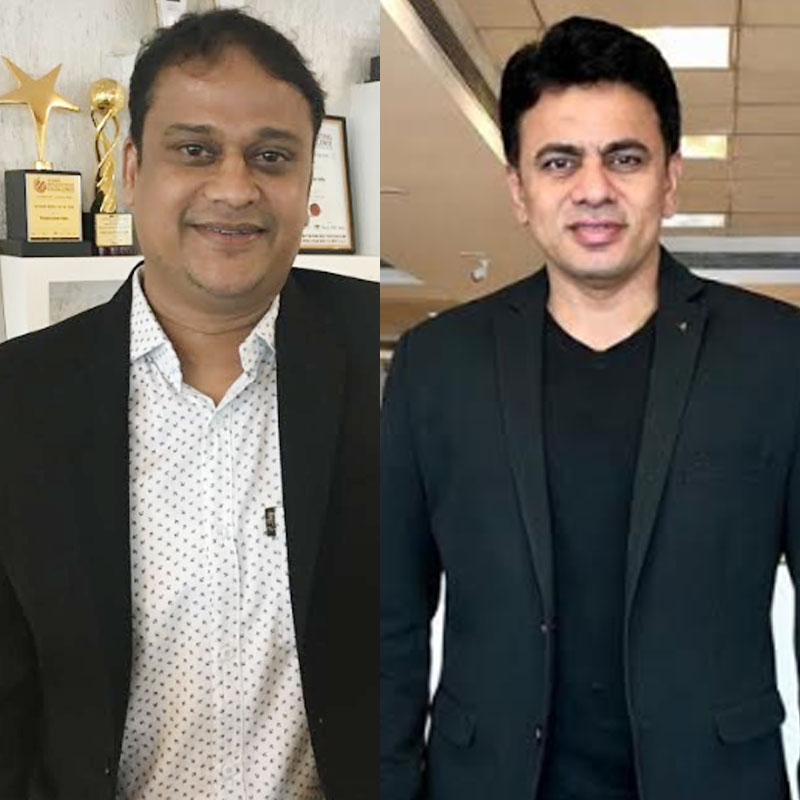
    FCB India chairman CEO Rohit Ohri explains, “While it (vocal for local) puts a great focus on local brands, popularising them and making people (consumer) more conscious, I think, it also has to be balanced (for being self-reliant) because you need to be globally competitive as well. The ultimate goal is to support the economy, after all. On the one hand, you are inviting global companies to set up factories here and on the other hand, if you ask people to buy only locally, it comes out as a contradictory statement.”

    DAN India CEO Anand Bhadkamkar adds, “Self-reliant is very similar to the government’s ‘Make in India’ initiative. One of the major challenges we are facing due to Covid2019 is that there has been too much dependence on external factors. In my opinion, self-reliant is being self-sufficient, being able to fulfil our growth ambitions. It does not mean we are cutting out from other countries, but it means to be independent for our core requirements and be able to sustain on our own. The initiative does not suggest India be excluded from global trade but it is to be best at what we do and to excel against others.”

    Digitalkites SVP Amil Lall says, “When I am talking about the self-reliance perspective, which PM Modi also spoke about in his speech, it is about doing end-to-end things on your own. It basically means you are independent and you don’t need any external collaborators to partner. According to PM Modi India is a huge population with extremely talented people and why don’t we create a product on our own and start supplying it across the world. What India is today China was in the ’90s. For us to succeed we will need to collaborate, we will have to partner and take everybody along.”

    However, there are certainly other factors that the government needs to address, “As an industry, we need to have less bureaucratic intervention from the government, to have a hassle-free business environment and to have all possible financial aid coming their way. Financial web startups will need all kinds of support in case they fail. Just saying self-reliant is not going to help. How it will get implemented is critical.”

    Metro Shoes MD and CEO Farah Malik Bhanji is optimistic that the endeavour will help encourage Indian consumers to buy local brands. At the same time, she feels that more support is needed from the government end to address demand-side issues. “The government has announced multiple economic packages and loans, primarily to support MSMEs. Most of the incentives, however, seem to be on the supply side of things, and there are not many incentives to boost demand from consumers, especially as many of them may be looking at pay cuts.”

    “It is very important for the government and the industry to work closely to understand the requirements to resume normalcy and reduce the economic impact. It is essential to understand the support the footwear industry needs to survive and sustain through the pandemic and build consumer trust to resume sales. The industry itself is collaborating to present a clear view of the government in terms of what may be needed,” she adds. 

    Dineout co-founder and CEO Ankit Mehrotra further shares, “I think this is a great initiative by the government. As a business, Dineout is already selling its solutions to five other countries, and we are hoping to extend it more but we will need a lot more support from the government.”

    Elaborating how the move to become self-reliant will help the Indian economy at large, Bhadkamkar shares, “According to me, in the long-term, it will definitely benefit India, as we are a land of huge population and a young workforce; which will generate exponential demand within the Indian market, as we move forward from Covid2019. And thus, we will start delivering to the best of our capabilities within the country and out to the world as well. Additionally, there are also several international companies who are likely to bring their base to India because of likely developments in global alignments, infrastructure and facilities as per government’s plans. This will further boost the Indian economy in the long run. A strong economy and cordial economic relations will further avoid trade tussles with other countries.”

    Bhanji says, “Every crisis is succeeded by periods of growth. We are hopeful that the pandemic will also be controlled in time and all of us will witness a better tomorrow. The pandemic has made us realize the importance of being self-reliant and provides us with an opportunity to showcase our capabilities to the world, especially in terms of manufacturing. This will only help the economy grow. This will also open up opportunities for many companies to move their manufacturing to India and support the economy. At a time of such global change, there may be a chance of tussles, but a greater chance of forming better partnerships as well.” 

  • DAN India’s Hyperspace to enhance effectiveness post lockdown

    DAN India’s Hyperspace to enhance effectiveness post lockdown

    MUMBAI: As the countrywide lockdown eases, organisations across sectors are deeply focusing on the health and safety agenda to sail through the Covid2019 era. In an endeavour to support the organisation's efforts towards safeguarding their staff, customers and clients, Hyperspace, the shopper marketing consultancy from Dentsu Aegis Network, has rolled out an Information Signage Programme. The program offers a bouquet of solutions that will enable social distancing, safety and hygiene across eleven touchpoints. A set of collateral designs on notable do’s and don’ts are also a part of the program.

    The eleven touchpoints include the entry gate, stairs, elevators, reception, washrooms, meeting rooms, cabins, walking areas, cubicles, general seating areas as well as the cafeteria. Moreover, these flexible and quick solutions can be implemented with much ease across all types of offices.

    Hyperspace AVP Sandeep Sawant said: “Covid2019 has altered our life and we just can’t afford to snap back into old ways especially when the risk of the virus is still hovering over us. While safety is of utmost importance, gaining momentum in business is also essential. In the midst of multitasking, being hypervigilant always may be challenging for any organisation, that’s where Hyperspace steps in and supports clients with the Information Signage Program. Leveraging DAN’s PAN India presence and strong legacy, Hyperspace will deliver this offering to corporate offices, branch offices, regional offices, factories as well as dealer outlets.”

    “One of the recent surveys revealed that 93 per cent employees are stressed about returning to office, fearing that health could be compromised. In such a situation, it’s imperative for any organisation to acknowledge these sentiments and indulge in offerings like the Information Signage Program. After all, happy employees are more productive than the ones surrounded by concerns. We’re living through unprecedented times, and unusual circumstances call for extraordinary measures. By implementing a handful of extreme protocols, we’ll survive this pandemic together and emerge stronger,” said Postterscope APAC president and DAN India COO media brands Haresh Nayak.

    Follow Tellychakkar for the consumer facing news & entertainment

  • DAN India’s Indeed supports global & homegrown brands in battle against Covid2019

    DAN India’s Indeed supports global & homegrown brands in battle against Covid2019

    MUMBAI: In the wake of the Covid-19 crisis, Indeed, the CSR advisory arm of Dentsu Aegis Network has partnered with over twenty organisations across sectors in their endeavour to provide and distribute relief material. With the objective of ensuring the safety of frontliners and the most vulnerable, Indeed distributed 1,00,000 PPE kits, over 100 ventilators, 10,00,000 face masks, 10,000 medical footwear and 5,00,000 biscuits packets in the remotest parts of the country.

    Global giants like Vivo, Crocs, Larsen & Toubro, Transworld Group, Citrix systems, Nutanix, MG Motor and leading homegrown companies like Parle, boAt and Laxmi Organic Industries have been some of the names on Indeed’s client roster. Additionally, government of Karnataka, municipal cooperation of Haryana, government of Tamil Nadu, government of Gujarat and government of Uttarakhand have also collaborated with Indeed to make a significant impact in the community during these unprecedented times.   

    Indeed AVP and CSR head Sahil Arora said, “At Indeed, we believe that to create a real impact, CSR initiatives must be aligned to corporate values and these initiatives must be put into action at the right time. Happy to collaborate with organisations that understand the gravity of the current situation and are taking steps towards mobilising help and ensuring that relief is provided with minimum movements. Indeed stands committed to lending its full support both to our clients and the community in their fight to collectively overcome the global crisis.”

    Commenting on Indeed’s admirable effort, DAN India COO media brands and Posterscope APAC president Haresh Nayak said, “Indeed has successfully lived by the DAN values of being ‘Responsible’, ‘Collaborative’ and ‘Agile’ as each member of the team has worked round the clock to provide the necessary support and gear to our essential workers in India with the support of their clients. Indeed’s work has been highly appreciated and I feel very proud.”

    During the distribution drive, Indeed has followed strict social distancing norms and has also taken all the precautionary measures. For future initiatives, the team is well equipped with masks, gloves, cover-all, and sanitizers.

    Follow Tellychakkar for the consumer facing news & entertainment

  • Archive re-runs help sports channels gain 21% viewership

    Archive re-runs help sports channels gain 21% viewership

    MUMBAI: Be it domestic or international, almost all sporting events have either been scrapped or postponed amid the COVID-19 pandemic. The cancellation of events has forced sports broadcasters to run dry with no live sporting tournaments and resort to showing archived re-runs.

    Star India group and Sony Pictures Networks (SPN) own a majority of sporting rights in India. Star India has all the International Cricket Council World Cup tournaments rights along with all team India matches played in India, and of course, Indian Premier League rights, too. SPN has a range of international sports properties such as wrestling, NBA, badminton, tennis and some marquee events such as Olympics 2020 and Euro Cup 2020.

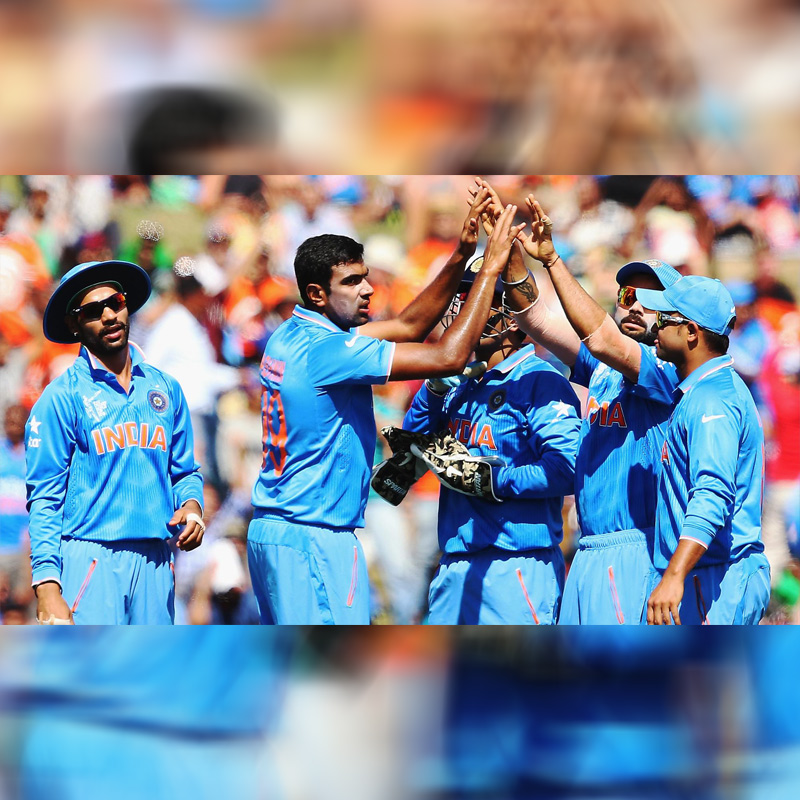
    Cricket being the most-watched sports in the country, Star Sports, this week, lined-up all the historical India vs Pakistan world cup matches from 1992 to the recent 2019 on its channels. With the branding of ‘Mauka Mania’, it says: “A week-long opportunity to relive several cricketing battles between India and Pakistan including nail-biting matches from the World Cups and the Asia Cup.”

    Not just that, the sports broadcaster has also indulged in producing a non-live talk show content, Cricket Connected, wherein cricket veterans will be connected digitally and speak about the gentlemen’s game. Each episode will have segments called ‘#AskStar’ & ‘Cricket Recreated’ that encourage fans to engage and interact with the cricketing legends through social media platforms.

    Sports channels thrive on live content from different sporting events. And, this unprecedented COVID19 situation has torpedoed the plans of sports channels. Citing the example of mythological show Ramayan on DD National, Madison Media chief executive officer Vanita Keswani says: “Re-run is a good move that the sports broadcasters are doing as people need entertainment. Sentiments are positive for re-runs in sports as well. It will certainly help sports broadcasters to gain the attention of brands and advertisers. Categories which are already spending in the current environment will, of course, try to take advantage of the re-runs of sporting events televised by the sports broadcasters.”

    SPN will show ‘great centuries’ in the history of cricket for two weeks, starting 6 April.

    SPN is the official broadcaster for important international non-cricket sporting tournaments, too. For World Wrestling Entertainment, the most-watched sport in India after cricket, the broadcaster has announced the launch of a new primetime programming slot, ‘WWE Blockbusters @ 8 pm’, which will be aired every day of the week.

    “WWE Blockbusters will celebrate some of the most iconic matches in WWE history, honouring WWE Legends and showcasing the current WWE Superstars representing flagship brands – RAW, SmackDown and NXT,” Sony Pictures Network said in its official statement.

    The sports genre has surged by 21 per cent in week 13 over the previous week on the back of telecasts of classic India cricket matches and World Wrestling Entertainment, as per a joint report released by Broadcast Audience Research Council (BARC) India and Nielsen India.

    Despite all their efforts, Dentsu Aegis Network India chief executive officer Anand Bhadkamkar feels that given the current COVID-19 situation, brands do not want to be on advertising platforms for now. “We are likely to see a reduction in the core advertising spends and it is expected that these spends will be slowed down substantially. Re-runs will definitely cheer up sports enthusiasts and certainly have the viewership go up. But whether that will convert into something concrete is quite doubtful,” he says. 

    Joining the race of re-runs, the government-owned free-to-air sports channel DD Sports will broadcast the highlights of India’s cricket matches from the early 2000s from 7 April onwards. At least 20 archived match highlights will be shown for a week on the platform including Tri-series India, Australia, New Zealand 2003, South Africa tour of India 2000, Australia tour of India 2001, West Indies tour of India 2002 and Sri Lanka tour of India (full matches).

    “Re-runs will certainly help long-term advertisers and somehow enable them to gain visibility associated with channels,” believes DigitalKites senior vice-president Amit Lall. “Advertisers have not paid for the re-runs but for the live tournaments. Considering the unforeseen situation of live matches not being played, broadcasters will certainly try to convince them, make them happy by at least getting some eyeballs through historical archived sporting events.”

    The International Cricket Council’s 2011 India-Pakistan world cup semi-final match saw a growth of 87 per cent and the final between India and Sri Lanka match gained viewership by 52 per cent. The semi-final was broadcasted on Monday – 30 March, whereas the final on Thursday – 2 April. These matches were televised on Star India’s sports channels at a time when there was no live sport happening.

  • Indian sports viewership rides on expensive cricketing properties

    Indian sports viewership rides on expensive cricketing properties

    MUMBAI: In the media industry, the saying goes that if there is viewership, there are advertisements. However, this doesn't seem to be the case for the sports genre, if one were to go by BARC India's 2019 annual report. It mentions that sports as a segment has grown nearly 90 per cent in viewership in the last four years, but advertisement volumes are stagnant at one per cent during the same period. 

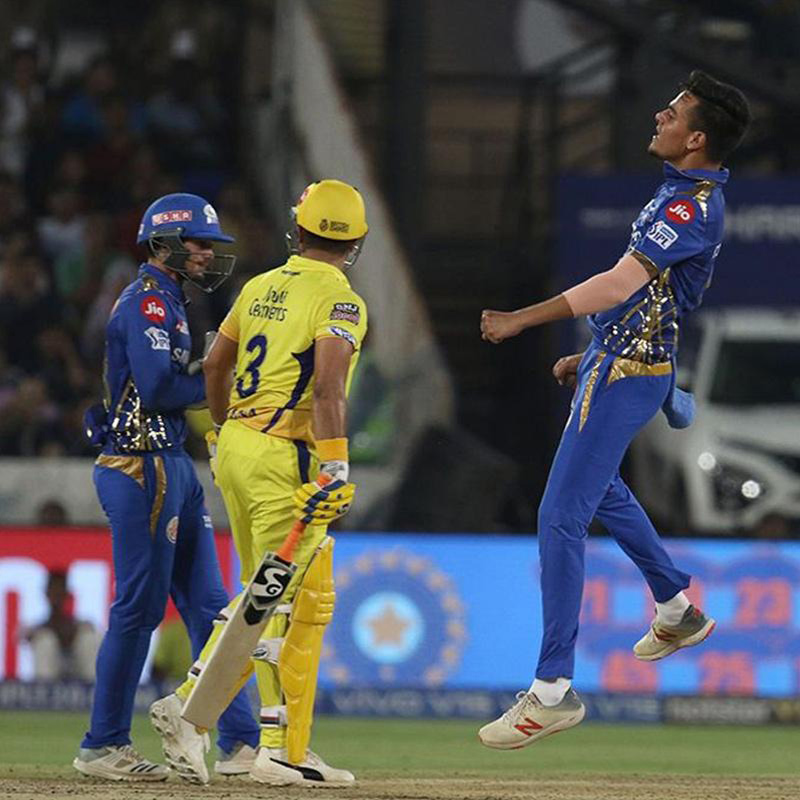
    Experts say cricket being the only most-watched sport in India along with expensive cricketing properties such as the Indian Premier League is the reason for the fewer ad volumes.

    Digitalkites senior vice-president Amit Lall says, “Unlike cricket and non-cricket sports category, India’s biggest domestic sporting event – Indian Premier League – has changed the whole ball game of the target audience. Sports which was seen as a male-target-audience-genre has now included a person of different age, gender, and class as their viewers due to the increasing popularity of IPL. Majority of brands are investing in cricket, especially in IPL. However, due to the massive viewership, the costing in IPL has gone up and brands with deep pockets are looking to leverage the other non-cricketing sports properties."

    A recent BARC report also mentioned that the female viewership in the sports genre has seen an 8 per cent rise, eating out of the forte of  Hindi GEC. As per an earlier BARC India data, sports genre's women viewership had 17.6 billion impressions in 2018 while the viewership grew by eight per cent to 19.1 in 2019.

    Despite all the data, cricket still leads. Lall says, “The co-sponsorship title of IPL which earlier could be bought for Rs 5 crore, is now sold for Rs 40-50 crore. However, the same co-sponsorship title in non-cricket property could be bought at just one-fourth the rate of IPL. The eyeballs on this property could be less but it will have maximum visibility if the target audience is bang-on.”

    Dentsu Aegis Network India chief executive officer Anand Bhadkamkar agrees that Indian sports is run mainly because of the popularity of cricket. "Advertisers are comfortable with cricket as there is sure-shot reach and returns. Naturally, spends done on cricket is high as compared to non-cricket properties due to its massive viewership.”  

    All said and done, the IPL has a lot working in its favour. Havas Media’s chief executive officer Anita Nayyar says: “Acquisition cost is higher in cricket, especially in IPL, as the tournament garners maximum eyeballs. IPL eats up 60-70 per cent sports ad spends of a brand. The cost that was Rs 5-6 lakh per 10 seconds in IPL has gone up to the Rs 8-10 lakh per 10 seconds, just because of the viewership rise of the tournament.”

    Judging by what the channel said, IPL 2019 saw a total reach of over 462 million across the Star network.

    However, despite an increase in viewership, sports other than cricket have hurdles. Nayyar adds, “Unlike cricket, which is watched pan-India, the other sports properties that are getting traction eventually are more regional in nature. Such as kabaddi is more of the north, football has keen enthusiasts in Kerala, West Bengal, and the Northeast region. These properties see the participation of regional advertisers and are reasonable as compared to pan-India-watched sports.”

    “A sports property like IPL is most-watched but has high costing, whereas a non-cricket sports property with meagre viewership has reasonable price and could be one of the reasons for the stagnant ad volumes in sports that BARC has mentioned in its 2019 report,” explains Nayyar.

    Bhadkamkar adds that apart from viewership on television, non-cricketing brands are indulging in non-traditional methods for promotion such as on-ground initiative, activations, etc. Moreover, apart from traditional sports, e-sports has become the talk of the town and brands do want to leverage it, too. Pro Kabaddi League is one of the non-cricketing sports that has been leveraging on-ground activations over traditional modes. 

    Unlike event-specific genres such as sports, the top three genres such as news, GECs and movies continue to account for over three-fourth of the total ad volumes in 2019, says the BARC 2019 viewership report.

  • Corona impact on IPL: Brands take a wait-and-watch approach

    Corona impact on IPL: Brands take a wait-and-watch approach

    MUMBAI: Three weeks into India’s biggest cricketing event, Indian Premier League, brands and sponsors are re-looking their strategy amid the outbreak of coronavirus.

    The virus that first appeared in the Wuhan city of China has spread to over 46 countries and entered India earlier this month. Around 50 positive cases have been confirmed in India as of Tuesday, as per the union health ministry.

    Amid the pandemic, the global trade has taken a toll and affected countries have shut their borders. “From a brand perspective, the market has slowed down a bit. Everybody is putting things on hold and is on wait-and-watch mode”, says Havas Media’s chief executive officer Anita Nayyar.

    She believes that as the League approaches, everybody will take a call on the impact of the virus on IPL. “Since money is involved in this event, the virus scare will absolutely impact the overall business. The impact will be there, but to what extent? It’s something we will get to know as we approach the sporting event,” says Nayyar.

    Nayyar adds, “Change in on-ground viewership will open up the box of re-negotiation amid the virus outbreak. Except for broadcasters, events, stadia-ads, event-ticketing will get impacted as on-ground viewership leads to different hue and add tinge to the entertainment-sporting event.”  

    Sharing the same view, Madison Media’s senior general manager Chirag Shah believes there will be a deep impact on on-ground revenue as the turnaround on stadiums could be lower, especially in regions like Delhi and Kerala where the virus spread is huge.

    “Though the co-sponsors and title sponsors may have been sold as the event nears there are inventories and spot-buys to be sold that will be impacted. Brands are somehow reluctant and discussions are happening within them and they definitely have doubts about it,” says Shah.

    Explaining as to why spot-buys will see an impact, Shah says, “Consumer durables are the major advertisers that buy inventories during IPL and are heavily dependent on the south-eastern countries like China, Japan and South Korea for the components or parts. And, as these countries are majorly being hit by the virus, there’s an impact on supply, and eventually, ad spends on such expensive property will be re-looked.”

    The virus being most contagious and its spread phenomenal, chances are that the stadium may see less number of turnout as people are worried about their lives.

    Trust Research Advisory CEO and brand expert N Chandramouli says, “Such sporting events draw the attention of large crowd gathering. Amid the virus outbreak, the crowd coming together is a big no-no. IPL not being that sacrosanct as Olympics can be held later. There would be viewership challenge if there’s no stadium crowd as they are the one who add drama, excitement, and passion to the tournament.”

    Says Chandramouli, “The virus’ impact is huge on the economy and all the other sectors. Similarly, don’t believe that IPL will be spared. The only thing is people are not sure about the intensity of that impact.”

    “Brands are re-looking their strategy very closely”, says Mouli, echoing Nayyar’s view. “Even brands themselves should pull back from the event and urge government for the postponement.” According to him, down the line if the situation worsens, the union government may step in and probably come up with the alternative of postponement or time cancellation of the event.

    On the other hand, Dentsu Aegis Network India’s chief executive officer Anand Bhadkamkar says, “At this point, nobody knows what will happen and postponement of the event won’t impact the brand value; however, there definitely will be a loss of viewership, and eventually revenue.” IPL during summer vacations garners maximum eyeballs.

    Adding further, the DAN India CEO says, “Every brand is going back to their drawing board and re-looking the strategy planned for the IPL. They are evaluating the options and scenarios considering a lot of money, manpower involved in the process.” How long this will go on? That is something we need to see, he adds.

    He says, “Anything that is changed or moved from the original format will certainly have ramifications; the only difference is that we are unaware of the impact and too early to predict loss. But the impact of the virus outspread will definitely be seen.”  

    Is the virus scare hyped?

    All the four industry experts are of the view that there is no hype regarding the outbreak, but people, of course, are overcautious and don’t wish to take risk as the virus is pandemic.

    Amid the concerns, the Maharashtra health minister Rajesh Tope had said the state government is thinking of postponing the 13 edition of IPL. The Board of Cricket Council of India president Sourav Ganguly has said the game will happen as planned and that the board will take as many precautions and measures as possible.

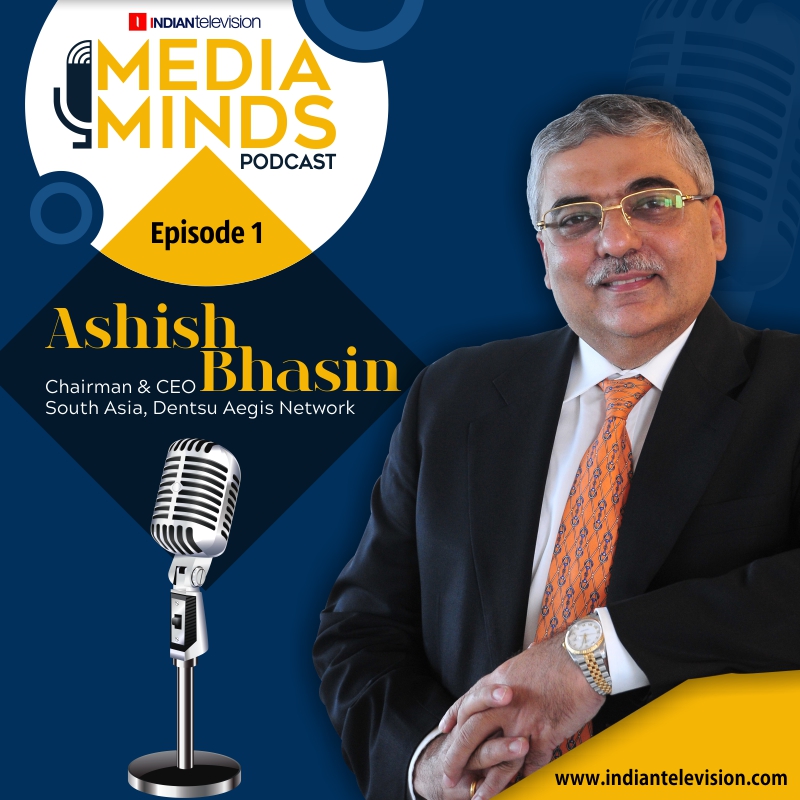
  • [Podcast] Media Minds: Dentsu Aegis Network’s Ashish Bhasin talks about everything digital

    [Podcast] Media Minds: Dentsu Aegis Network’s Ashish Bhasin talks about everything digital

    MUMBAI: As one of the biggest digital marketing agencies in India, Dentsu Aegis Network has been at the forefront of leveraging the digital content sphere and also establishing a robust ecosystem for this fast-growing industry. For the past two years, it has also been releasing a comprehensive Digital Advertising in India 2018 report that gives an insight into the numbers, trends and the general ecosphere of the industry.

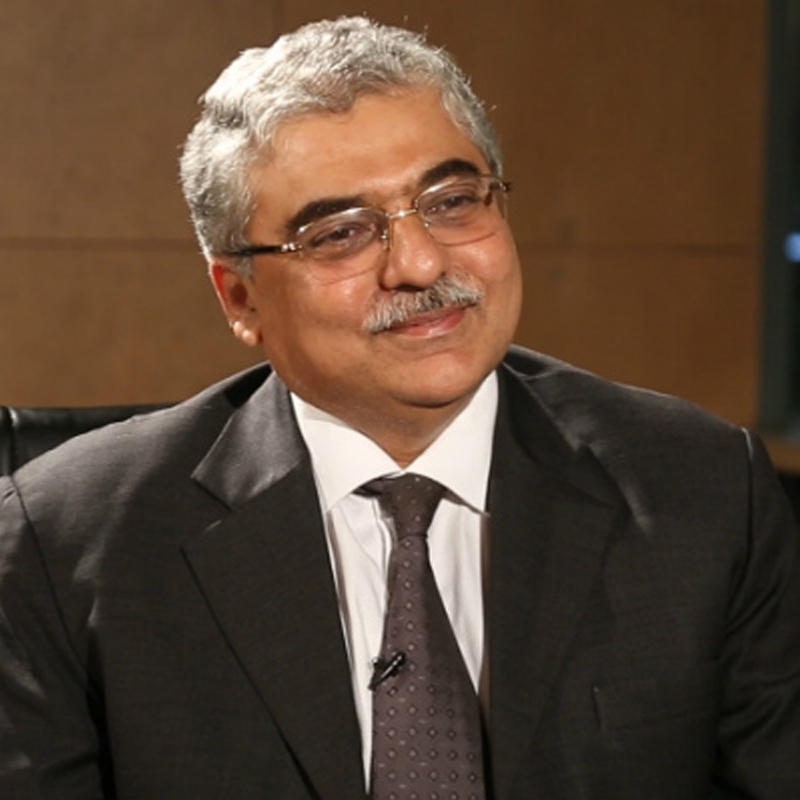
    The third edition of the report was launched earlier this year. On the occasion, Indiantelevision.com spoke to DAN South Asia chairman and chief executive officer Ashish Bhasin for the first-ever episode of our podcast: Media Minds.

    We talked to Bhasin about the report and why it is important for brands to use the digital medium smartly and responsibly. Talking about the launch, Bhasin proudly says, "We are very excited and very happy with the way the whole report has come out. What's very clear to us at DAN is that there is no business that is not going to be affected by digital. And as leaders of digital communication and advertising in India, we see it as our responsibility to make sure that authentic research on that is available, which, unfortunately, has not been revealed in India so far."

    He also shared how government intervention has helped the digital ecosphere to boom, the implications of the growth of programmatic advertising, the efficient use of video platforms, and the general perception of the brands and agencies towards digital in 2019 and beyond.

    Listen to the complete interaction on the first episode of ‘Media Minds’ here:

  • Digital suffers due to lack of common metric system: Ashish Bhasin

    Digital suffers due to lack of common metric system: Ashish Bhasin

    MUMBAI: Dentsu Aegis Network, one of the biggest marketing agencies in India, released the third edition of its annual Digital Report recently predicting a wholesome 31.96 per cent CAGR growth of digital advertising in India. An exhausting and thoroughly researched report, this initiative by DAN is probably the singular attempt being made by any agency in India. Therefore, it was definitely a proud moment for Ashish Bhasin, the chairman and chief executive officer for DAN South Asia. In an exclusive conversation with Indiantelevision.com, Bhasin reveals how working on this report serves the larger goal of maintaining a leading position in the market and how other marketers can learn from the insights revealed.

    Talking about the launch, Ashish Bhasin proudly says, "We are very excited and very happy with the way the whole report has come out. What's very clear to us at DAN is that there is no business that is not going to be affected by digital. And as leaders of digital communication and advertising in India, we see it as our responsibility to make sure that authentic research on that is available, which, unfortunately, has not been revealed in India so far."

    Bhasin is of the view that creating such reports serve the dual purpose of driving the cumulative growth of the digital ecosphere as well as preparing the team within the agency for opportunities and challenges forward. He notes, "We forecast the trends and lead the markets towards those trends. Now, that we know what the market is thinking and what our clients are aspiring, we have already started building capabilities in those areas which other agencies haven't even thought of."

    The report reveals a number of key marketing trends that will rule the digital industry in the coming years. Most important of them being the three Vs – voice, vernacular, and video. As far as the voice part is concerned, DAN made a fine move by launching the report on Google's voice assistant Alexa. Video is already a stronghold for the agency as many of its campaigns have already been bringing national and international honours.

    Asserting on the need for viable vernacular content, Bhasin shares, "In the next few years, around 200 to 300 million more people are going to be on the internet. Now, from these, very few will be coming from the metropolitan cities as the penetration there is very good. The people will be joining from tier 2 and tier 3 cities, all the way down from rural areas."

    But not many agencies are creating vernacular advertisements. "At best, they take a Hindi or English ad and translate it into other languages. That might be better than putting an English ad into a vernacular setting but it is not good enough. You have to start building the ability to create advertisements in local languages because that's where your audiences are."

    Bhasin also lauds the effort of the Indian government in starting initiatives that are augmenting this influx of larger population on digital platforms. He says, "I think digital is going to be key to governance, forget anything else and thus, the infrastructure for digital needs to be created and administered by the government. At the moment, there are between 400 and 450 million Indians who are on the internet. This is a large number but the more exciting part to me is that in the next two to three years we are probably going to see something like 200 to 300 million more people coming on to the internet. And that can be possible only if the government helps put up the right infrastructure, which they have been very good at so far."

    While the pouring in of new online customers is a positive sign, the digital ecosphere still faces the absence of a unified metric system to measure and evaluate the impact of online content. Sharing his thoughts, Bhasin elaborates, "I think that is the single biggest problem that digital advertising in India faces today. For a medium that is so measurable, we don't have an agreed common metric like Broadcast Audience Research Council is for television. The medium suffers because of that. If we are to get that right, I think that will make a huge difference."

    However, he is optimistic that this challenge will eventually be solved. He says, "We need to have common industry-accepted viewership parameters and I am hopeful that these metrics in the next couple of years will be in place. I believe that in the next two years, as an industry, we collectively will evolve a common metric system as not having that is a big disadvantage."