Tag: CyFy 2016

  • Vibrant Indian policy-making will ensure non-discrimination: Netflix APAC MD

    Vibrant Indian policy-making will ensure non-discrimination: Netflix APAC MD

    NEW DELHI: Netflix is not only upbeat on the Indian market, but feels the vibrancy in policy-making process here will ensure non-discriminatory access to the Internet for all.

    Pointing out that India is a place where many innovations are being witnessed, Netflix APAC managing director Yu-Chuang Kuek said that regulatory organisations (like TRAI) should take a wholistic view on issues like net neutrality and nuance the policies in such a way so as “not to stifle innovations.”

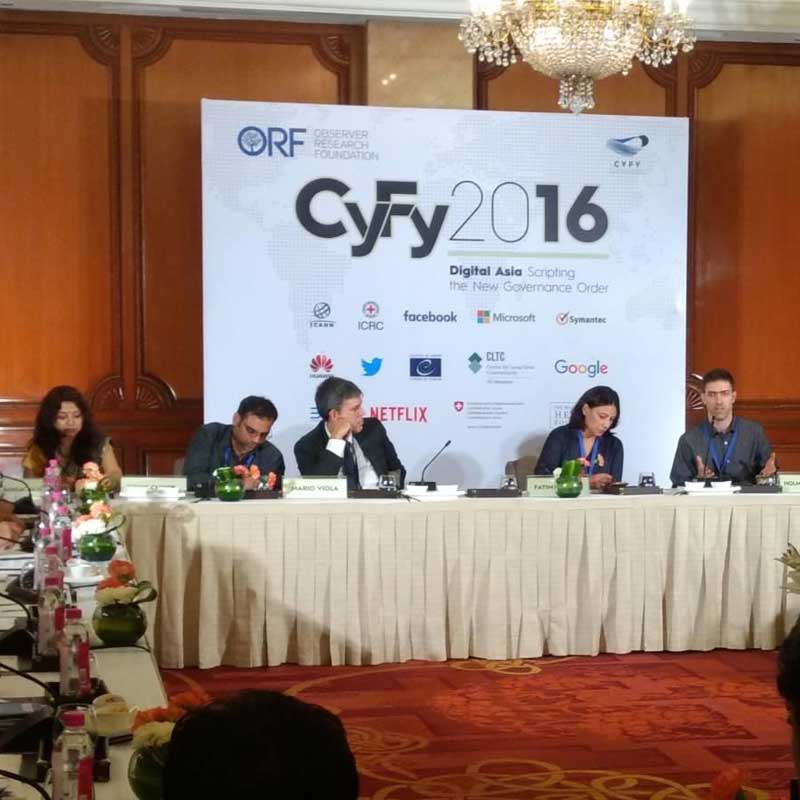
    Speaking as a panellist at a session on `The Future of Entertainment’ at ORF-organised `CyFy 2016: Digital Asia Scripting the New Governance Order’ here on Thursday, Kuek suggested Indian policy-makers should flesh out a policy after looking at all issues.

    Telecom Regulatory Authority of India (TRAI), the broadcast and telecoms regulator, is in the process of coming out with a set of guidelines for OTT services and net neutrality issue after lengthy debates with stakeholders. A section of the entertainment and telecoms industry in India has been lobbying hard to regulate mushrooming OTT services that have been claiming a growing subscriber base despite challenges of inadequate bandwidth and high cost of data.

    As to whether challenges of possible over-regulation (by TRAI), slow internet speed and high cost of data could pose a problem for the growth of OTT services like Netflix in India, Kuek emphasised that he’s much “heartened” by the ongoing “vibrant discussion” on net neutrality.

    He, along with another panellists, went on to clarify that regulations need to be “principled and technology-based” without “overreaching” as restrictive regulations were not good for the industry as a whole.

    Holding forth on Asian and global trends, the Singapore-based Kuek said that “entertainment and video consumption online is irreversible” and it becomes the “first point of contact for Internet adoption.” He added: “There has been an annual growth of 22 per cent in data consumption in Asia.”

    According to another panellist, Santa Clara University Associate Professor of Communication Rohit Chopra, the lines between entertainment and news have blurred (in the US) and the second wave of Internet has caused India to “jumpstart” to this trend.
  • Vibrant Indian policy-making will ensure non-discrimination: Netflix APAC MD

    Vibrant Indian policy-making will ensure non-discrimination: Netflix APAC MD

    NEW DELHI: Netflix is not only upbeat on the Indian market, but feels the vibrancy in policy-making process here will ensure non-discriminatory access to the Internet for all.

    Pointing out that India is a place where many innovations are being witnessed, Netflix APAC managing director Yu-Chuang Kuek said that regulatory organisations (like TRAI) should take a wholistic view on issues like net neutrality and nuance the policies in such a way so as “not to stifle innovations.”

    Speaking as a panellist at a session on `The Future of Entertainment’ at ORF-organised `CyFy 2016: Digital Asia Scripting the New Governance Order’ here on Thursday, Kuek suggested Indian policy-makers should flesh out a policy after looking at all issues.

    Telecom Regulatory Authority of India (TRAI), the broadcast and telecoms regulator, is in the process of coming out with a set of guidelines for OTT services and net neutrality issue after lengthy debates with stakeholders. A section of the entertainment and telecoms industry in India has been lobbying hard to regulate mushrooming OTT services that have been claiming a growing subscriber base despite challenges of inadequate bandwidth and high cost of data.

    As to whether challenges of possible over-regulation (by TRAI), slow internet speed and high cost of data could pose a problem for the growth of OTT services like Netflix in India, Kuek emphasised that he’s much “heartened” by the ongoing “vibrant discussion” on net neutrality.

    He, along with another panellists, went on to clarify that regulations need to be “principled and technology-based” without “overreaching” as restrictive regulations were not good for the industry as a whole.

    Holding forth on Asian and global trends, the Singapore-based Kuek said that “entertainment and video consumption online is irreversible” and it becomes the “first point of contact for Internet adoption.” He added: “There has been an annual growth of 22 per cent in data consumption in Asia.”

    According to another panellist, Santa Clara University Associate Professor of Communication Rohit Chopra, the lines between entertainment and news have blurred (in the US) and the second wave of Internet has caused India to “jumpstart” to this trend.

  • Govt favours net neutrality; data is the new oil: RS Prasad

    Govt favours net neutrality; data is the new oil: RS Prasad

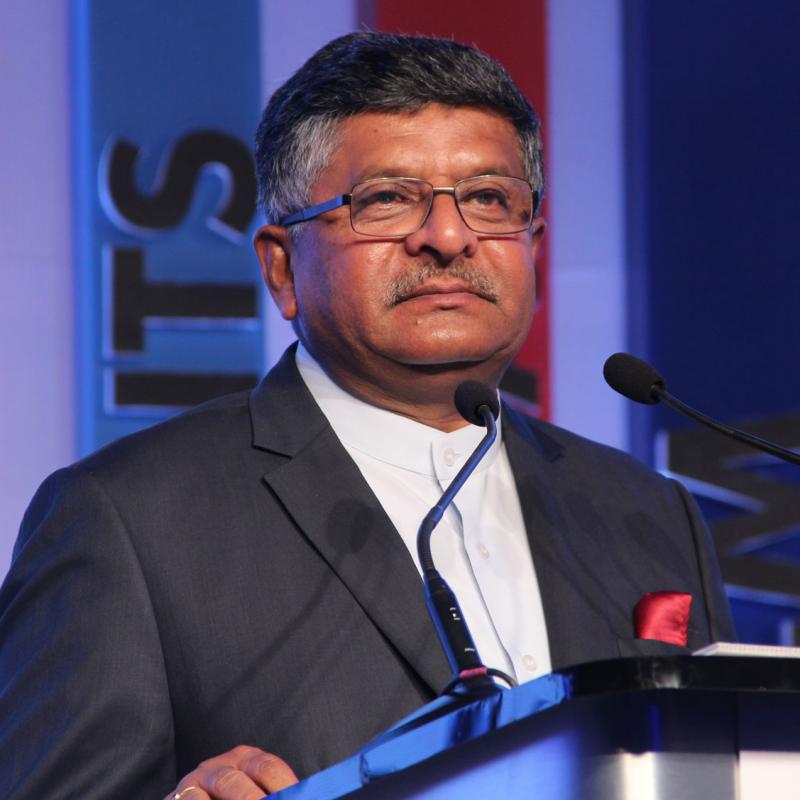
    NEW DELHI: The much-debated net neutrality issue got some additional boost from the Indian minister of electronics & information technology and law & justice Ravi Shankar Prasad when he said that the government favours non-discriminatory access to the Internet.

    “We are strong advocates of non-discriminatory access to Internet and democratization of Internet governance,” Prasad said yesterday while dwelling on the issue of net neutrality and digital dividends to average citizens.

    However, he didn’t elaborate on the net neutrality (and OTT) issue, which is being studied by the Telecom Regulatory Authority of India (TRAI) in totality for possible guidelines and regulations. TRAI has already undertaken a lengthy consultation process with various stakeholders and its final recommendations are awaited.

    Pointing out that India is home to 270 million smart-phones, a number that’s likely to swell to 500 million in few years time, Prasad said that India doesn’t want to miss out on the digital revolution having missed the industrial revolution.

    Making a case for more efficient bandwidth availability at affordable rates to an average Indian, Prasad said, “Data is the new oil… (and) digital India is ideology neutral, politics neutral and only pro-India.”

    Prasad, who was delivering the inaugural address at the Observer Research Foundation (ORF)-organised “CyFy 2016: Digital Asia & Scripting the New Governance Order” here yesterday evening, asserted if a digital profile of India is drawn it would look something like this: 1.03 billion mobile phones, 1.05 million digital identity (Aadhaar cards) and  400 million internet users, apart from a digital army of young people who have fanned out in rural areas running Common Services Centres at more than 200,000 places.

    Enumerating the various digital initiatives undertaken under the Digital India plan, something that is very dear to Prime Minister Modi, the senior minister opined that the government had undertaken some “path-breaking” programmes.

    “Digital India is for the under-privileged… (and) digital inclusion will come about with digital connect,” the Minister said, adding the government was creating a digital infrastructure for Indians so that citizens could reap digital dividends aplenty.

    Pointing out that a digital India would provide more effective governance and remove socialistic-era licence regime, Prasad said in a few years time India would become a $ 1 trillion digital economy.     

    But the cyber space also brings along many dangers. Emphasising on the importance of precaution, Prasad said, “Governments of all countries have to come together to safeguard their citizens from the threats of cyber crimes.”

    ORF, which annually organises a conference on cyber-related issues, including security and entertainment, is an independent self-sustaining think-tank. Having started in the early 1990s, it has been backed by the now Mukesh Ambani-controlled Reliance Industries.

    The full address of the minister could be viewed here:

    https://www.facebook.com/RaviShankarPrasadOfficial/videos/10154464395568329/


  • Govt favours net neutrality; data is the new oil: RS Prasad

    Govt favours net neutrality; data is the new oil: RS Prasad

    NEW DELHI: The much-debated net neutrality issue got some additional boost from the Indian minister of electronics & information technology and law & justice Ravi Shankar Prasad when he said that the government favours non-discriminatory access to the Internet.

    “We are strong advocates of non-discriminatory access to Internet and democratization of Internet governance,” Prasad said yesterday while dwelling on the issue of net neutrality and digital dividends to average citizens.

    However, he didn’t elaborate on the net neutrality (and OTT) issue, which is being studied by the Telecom Regulatory Authority of India (TRAI) in totality for possible guidelines and regulations. TRAI has already undertaken a lengthy consultation process with various stakeholders and its final recommendations are awaited.

    Pointing out that India is home to 270 million smart-phones, a number that’s likely to swell to 500 million in few years time, Prasad said that India doesn’t want to miss out on the digital revolution having missed the industrial revolution.

    Making a case for more efficient bandwidth availability at affordable rates to an average Indian, Prasad said, “Data is the new oil… (and) digital India is ideology neutral, politics neutral and only pro-India.”

    Prasad, who was delivering the inaugural address at the Observer Research Foundation (ORF)-organised “CyFy 2016: Digital Asia & Scripting the New Governance Order” here yesterday evening, asserted if a digital profile of India is drawn it would look something like this: 1.03 billion mobile phones, 1.05 million digital identity (Aadhaar cards) and  400 million internet users, apart from a digital army of young people who have fanned out in rural areas running Common Services Centres at more than 200,000 places.

    Enumerating the various digital initiatives undertaken under the Digital India plan, something that is very dear to Prime Minister Modi, the senior minister opined that the government had undertaken some “path-breaking” programmes.

    “Digital India is for the under-privileged… (and) digital inclusion will come about with digital connect,” the Minister said, adding the government was creating a digital infrastructure for Indians so that citizens could reap digital dividends aplenty.

    Pointing out that a digital India would provide more effective governance and remove socialistic-era licence regime, Prasad said in a few years time India would become a $ 1 trillion digital economy.     

    But the cyber space also brings along many dangers. Emphasising on the importance of precaution, Prasad said, “Governments of all countries have to come together to safeguard their citizens from the threats of cyber crimes.”

    ORF, which annually organises a conference on cyber-related issues, including security and entertainment, is an independent self-sustaining think-tank. Having started in the early 1990s, it has been backed by the now Mukesh Ambani-controlled Reliance Industries.

    The full address of the minister could be viewed here:

    https://www.facebook.com/RaviShankarPrasadOfficial/videos/10154464395568329/