Tag: cybercrime

  • Sparsh CCTV teams up with Sonu Sood for Fateh to promote cyber-secure surveillance

    Sparsh CCTV teams up with Sonu Sood for Fateh to promote cyber-secure surveillance

    MUMBAI: In Indian cinema, few stories reflect resilience like that of Sonu Sood. Recognised for his contributions beyond acting, Sood has become a figure in social causes. His latest venture involves cybersecurity with the film Fateh, where he highlights the role of secure surveillance systems. Sparsh CCTV has partnered with Fateh, featuring Sonu Sood. Set to release on 10 January 2025, the film focuses on combating cybercrime and aligns with Sparsh CCTV’s mission to provide surveillance solutions that protect captured data.

    Sparsh CCTV provides cyber-secure surveillance systems designed to protect against unauthorised access to data collected by its cameras. This partnership aims to raise awareness of how secure surveillance solutions can address modern threats while safeguarding businesses, homes, and communities.

    Sonu Sood, Sparsh CCTV’s brand ambassador, represents the brand’s values of trust, reliability, and innovation. His role in Fateh amplifies Sparsh’s commitment to empowering individuals and organizations with secure surveillance solutions that combine technology with ease of use. The association with Fateh brings Sparsh’s expertise in cyber-secure surveillance to the forefront, with its cameras showcased in key scenes of the film. These integrations demonstrate their importance in fostering a culture of safety and vigilance.

    Sparsh CCTV cameras are engineered with cybersecurity features, ensuring that the data they capture is protected against unauthorized access. As a pioneer in the Indian surveillance industry, Sparsh has consistently delivered solutions that meet STQC certification standards to secure both physical and digital spaces.

    Sparsh CCTV founder & CEO Sanjeev Sehgal stated: “At Sparsh, we believe in taking steps to protect what matters most. Partnering with Fateh is more than just a collaboration—it’s a shared mission to inspire action. Our surveillance solutions made in India ensure that communities, businesses, and individuals have the tools to stay secured and protected. This partnership is a step toward raising awareness about secure surveillance and its role in a safer India.”

    Sonu Sood, the film’s lead actor and Sparsh CCTV’s brand ambassador, shared, “As Sparsh CCTV’s brand ambassador and the lead in Fateh, I’m honoured to champion the cause of cybersecurity. Sparsh’s solutions are fortifying India’s defences, and I’m proud to contribute to this mission.”

  • Disney Star India cracks down on illegal streaming website

    Disney Star India cracks down on illegal streaming website

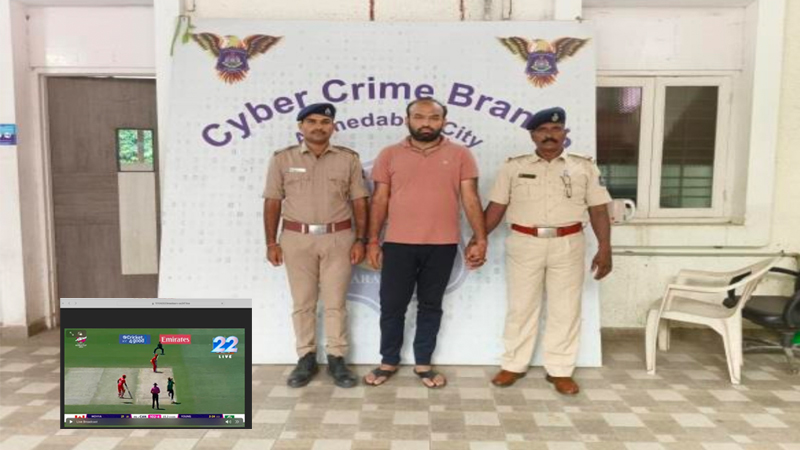
    MUMBAI: There’s reason to celebrate at Disney Star India. The media behemoth’s anti-piracy cell – led by Major Ashok Yadav – has – with the help of the Ahmedabad police – managed to crack down on a clutch of betting websites which were illegally running ICC T20 World Cup cricket streams.

    “What’s alarming is the number of betting websites that have popped up this time during this World Cup and they are running live match video streams simultaneously. These guys at magicwin.games, magicwin.com were streaming the matches and encouraging youngsters to place bets,” said Yadav “We filed an FIR and asked help from the cybercrime cell in Ahmedabad and it has since been blocked from running the video streams. It’s to the police commissioner’s credit that it was brought down in 10 days and the pirate arrested.”

    The cybercrime cell led by Lavina Sinha along with ACP Hardik Mankadiya have named three accused Divyanshu Patel, Shubham Patel and Harsh Patel, According to both Sinha and Mankadiya, the match video feed was being provided to Divyanshu from a cable operator in Pakistan who goes by the name of Azhar, while Shubham – who is based in Canada – would bring in customers from overseas. The police have arrested Divyanshu, who is a website developer from Mehsana district in Gujarat, and another member of the ring Omkumar Goswami whose job was to open bank accounts in which the betting money was deposited. Laptops, routers, encoders, personal servers have all been recovered from Divyanshu’s premises. Additionally, an international lookout notice has been issued against Shubham Patel.

    “Servers were running in Winnipeg, Russia, Germany to keep this operation going,” said Mankadiya.

    For the police, the larger crime of illegal betting is something that they are further chasing.

    Investigations are currently ongoing around the fintech company that was involved in the UPI transactions for betting transfers while also looking into the media agency which had placed billboards throughout Ahmedabad promoting magicwin.

    “Celebrities like Vidyut Jamal were endorsing magicwin without really knowing what they were doing,” said Mankadiya.

    “We hope the new advertising regulations will help make these celebs more aware and be careful about what they are promoting,” said a media professional.

    Shall we say Amen to that!

  • SCAM ALERT! False ads impersonating Anuj Singhal of CNBC-Awaaz

    SCAM ALERT! False ads impersonating Anuj Singhal of CNBC-Awaaz

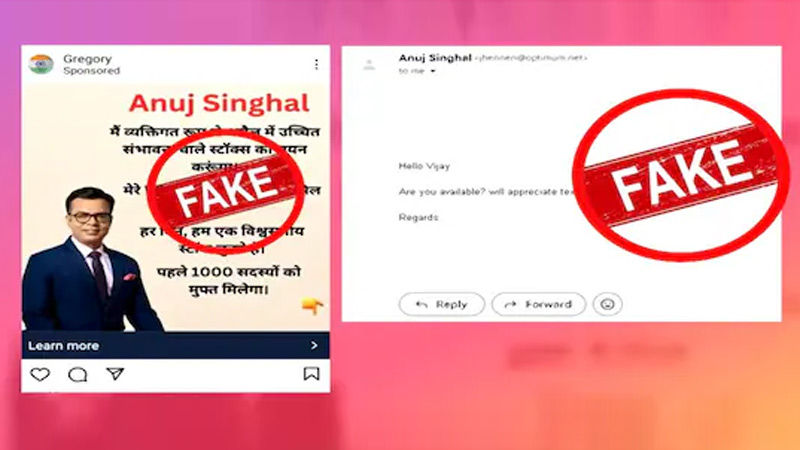
    Mumbai: CNBC-Awaaz has issued an alert about fraudulent activities involving the misuse of the name of CNBC-Awaaz’s managing editor, Anuj Singhal by cybercriminals. There have been instances where individuals were deceived through false ads and investment schemes on social media, particularly Facebook and Instagram, claiming to be associated with Anuj Singhal and CNBC Awaaz.

    Anuj Singhal does not provide any investment advice or recommendations through WhatsApp groups or any other social media platform. He is not associated with any group offering stock recommendations or financial advice in exchange for joining a WhatsApp group. CNBC-Awaaz and Anuj Singhal are not involved in any such activities, and people are urged to exercise caution and report any suspicious activities immediately.

    It has come to light that fake profiles impersonating Anuj Singhal are being used to lure investors with promises of high returns and misleading claims about his involvement with brokerage firms. While these profiles may look like Anuj’s at first, a closer look at the handle name, follower count and posts can reveal their fraudulent nature. The public is strongly advised to be wary of such schemes and not to share personal or financial information with unknown individuals or groups.

    To avoid falling victim to such fraud, it is recommended to ignore advice from unknown sources, verify information from official sources, and maintain secure practices for personal and financial transactions. It is important not to trust any information shared through unofficial channels and sources. In case of any suspicious activity, CNBC-Awaaz advises people to report it to the appropriate authorities immediately.

  • India and US working on a joint Cyber Relationship document

    India and US working on a joint Cyber Relationship document

    NEW DELHI: India and the United States have agreed to ensure shared understanding of technology access policy, including dual use technologies sought to be controlled by either country, including through such mechanisms as the bilateral High Technology Cooperation Group.

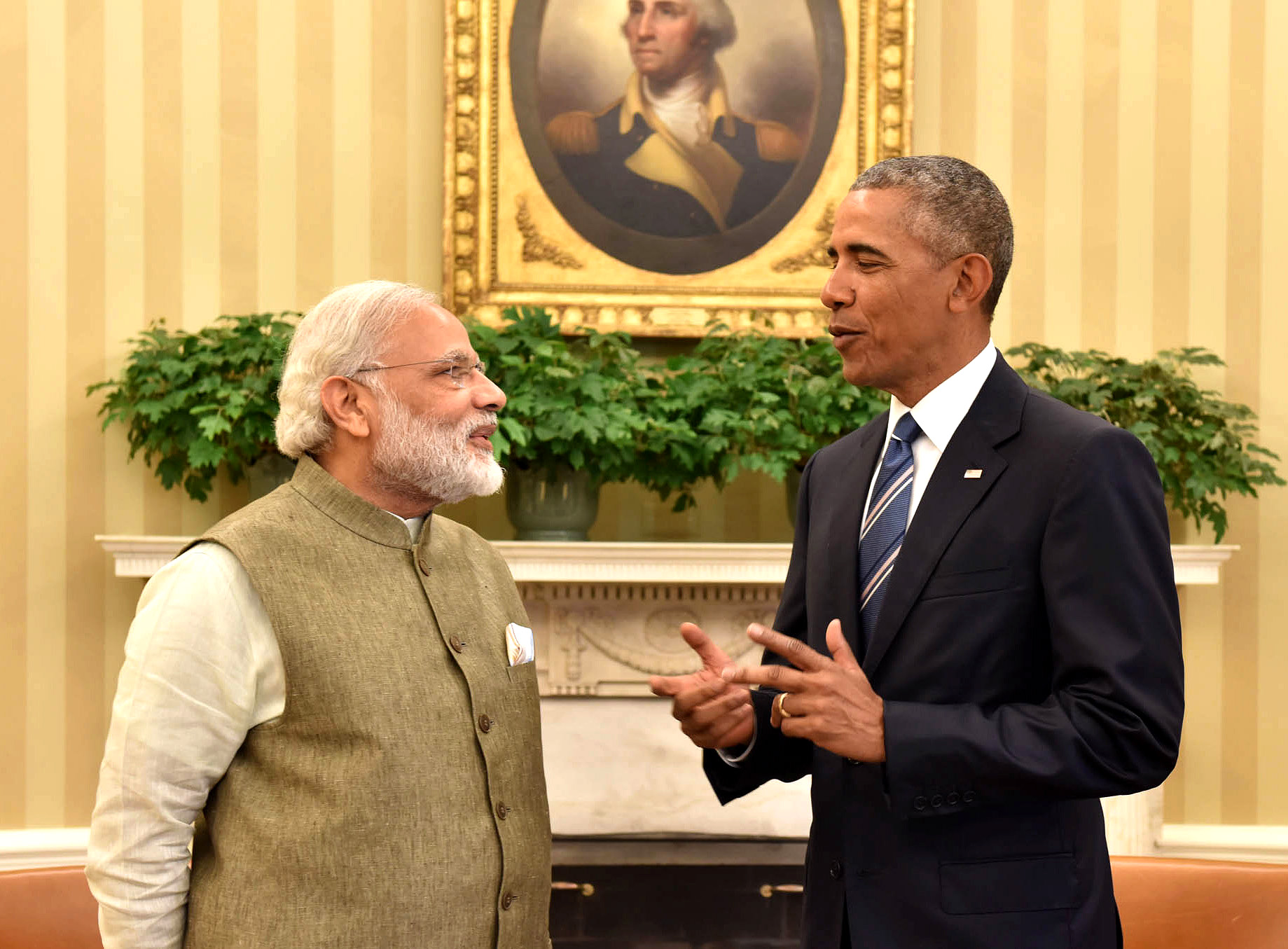
    It was decided during the current visit of Prime Minister Narendra Modi to the United states that the complete Framework for the U.S.-India Cyber Relationship will be signed within 60 days.

    According to a government release, reiterating a commitment to promote the free flow of information, the two countries will work towards an open, interoperable, secure, and reliable cyberspace environment; and a commitment to promote the Internet as an engine for innovation, economic growth, and trade and commerce.

    It was announced after a meeting between Modi and President Barrack Obama that cooperation on cyber issues is a key component of the bilateral relationship between India and the United States.

    The two countries have a strategic cyber relationship that reflects their shared values, common vision, and shared principles for cyberspace. Both sides recognize the value of enhancing and further institutionalizing their broad-based cooperation on cyber issues.

    The two countries intend to complete a framework that will include a commitment to promote cooperation between and among the private sector and government authorities on cybercrime and cybersecurity.

    There will be recognition of the importance of bilateral and international cooperation for combating cyber threats and promoting cybersecurity, and a commitment to respect cultural and linguistic diversity, and promote international security and stability in cyberspace through a framework that recognizes the applicability of international law, in particular the UN Charter, to state conduct in cyberspace and the promotion of voluntary norms of responsible state behaviour in cyberspace.

    There will be a commitment to the multistakeholder model of Internet governance that is transparent and accountable to its stakeholders, including governments, civil society and the private sector, and promotes cooperation among them.

    There will be recognition of the leading role for governments in cyber security matters relating to national security, of the importance of and a shared commitment to cooperate in capacity building in cyber security and cyber security research and development, and a ommitment to promote closer cooperation among law enforcement agencies to combat cybercrime between the two countries.

    Other subjects relate to strengthening the security and resilience of critical information infrastructure; Identifying, coordinating, sharing, and implementing cybersecurity best practices; sharing information on a real time or near real time basis, when practical and consistent with existing bilateral arrangements, about malicious cybersecurity threats, attacks and activities, and establishing appropriate mechanisms to improve such information sharing; and developing joint mechanisms for practical cooperation to mitigate cyber threats to the security of ICT infrastructure and information contained therein consistent with their respective obligations under domestic and international law.

  • India and US working on a joint Cyber Relationship document

    India and US working on a joint Cyber Relationship document

    NEW DELHI: India and the United States have agreed to ensure shared understanding of technology access policy, including dual use technologies sought to be controlled by either country, including through such mechanisms as the bilateral High Technology Cooperation Group.

    It was decided during the current visit of Prime Minister Narendra Modi to the United states that the complete Framework for the U.S.-India Cyber Relationship will be signed within 60 days.

    According to a government release, reiterating a commitment to promote the free flow of information, the two countries will work towards an open, interoperable, secure, and reliable cyberspace environment; and a commitment to promote the Internet as an engine for innovation, economic growth, and trade and commerce.

    It was announced after a meeting between Modi and President Barrack Obama that cooperation on cyber issues is a key component of the bilateral relationship between India and the United States.

    The two countries have a strategic cyber relationship that reflects their shared values, common vision, and shared principles for cyberspace. Both sides recognize the value of enhancing and further institutionalizing their broad-based cooperation on cyber issues.

    The two countries intend to complete a framework that will include a commitment to promote cooperation between and among the private sector and government authorities on cybercrime and cybersecurity.

    There will be recognition of the importance of bilateral and international cooperation for combating cyber threats and promoting cybersecurity, and a commitment to respect cultural and linguistic diversity, and promote international security and stability in cyberspace through a framework that recognizes the applicability of international law, in particular the UN Charter, to state conduct in cyberspace and the promotion of voluntary norms of responsible state behaviour in cyberspace.

    There will be a commitment to the multistakeholder model of Internet governance that is transparent and accountable to its stakeholders, including governments, civil society and the private sector, and promotes cooperation among them.

    There will be recognition of the leading role for governments in cyber security matters relating to national security, of the importance of and a shared commitment to cooperate in capacity building in cyber security and cyber security research and development, and a ommitment to promote closer cooperation among law enforcement agencies to combat cybercrime between the two countries.

    Other subjects relate to strengthening the security and resilience of critical information infrastructure; Identifying, coordinating, sharing, and implementing cybersecurity best practices; sharing information on a real time or near real time basis, when practical and consistent with existing bilateral arrangements, about malicious cybersecurity threats, attacks and activities, and establishing appropriate mechanisms to improve such information sharing; and developing joint mechanisms for practical cooperation to mitigate cyber threats to the security of ICT infrastructure and information contained therein consistent with their respective obligations under domestic and international law.

  • BBC World News commissions major new Cybercrime series

    BBC World News commissions major new Cybercrime series

    MUMBAI: BBC World News has commissioned a major new six- part series, presented by technologist Ben Hammersley, exploring a global threat that could impact us all.  Cybercrimes with Ben Hammersley, produced in partnership with The Open University by Tern TV, delves into the dark world of hacking, now home to a new generation of highly organised cybercriminals running complex commercial enterprises, involving leaders, planners, engineers, infantry and hired money mules.


    Journeying into a murky online world, Ben investigates the scam emails that fill up your inbox, why our credit card details are under threat, how drugs and guns can be bought anonymously on the darknet and discovers that governments have the ability to spy on their citizens or launch cyber war fare at the push of a button.


    Ben Hammersley said: “Cybercrime affects each and every one of us. Every aspect of our lives is vulnerable to the criminal abuse of our networked world – not just by hackers and criminals, but by governments and foreign enemies. In this series, we tell the jaw-dropping stories of some of the biggest cybercrimes of our time and what’s being done to try and thwart the criminals.”


    Cybercrimes with Ben Hammersley is majority funded by the Open University, series produced and directed by Will Aspinall and executive produced by Harry Bell for Tern TV. It was commissioned for The Open University by Caroline Ogilvie.


    Series information:

    Episode 1

    DARKNETS

    1 November 7.30am and 9.00pm

    2 November 3.00pm

    The Silk Road was a billion dollar drugs marketplace on the darknet, run by a mastermind called Dread Pirate Roberts. Then, in October 2013, the site was closed down by the FBI and its alleged founder arrested in San Francisco. Ben Hammersley explores whether the young man who now awaits trial -Ross Ulbricht- really is Dread Pirate Roberts, and finds out what impact alter egos, darknets and cryptocurrencies like Bitcoin have on the modern world.


    Episode 2

    HEISTS

    8 November 7.00am and 9.00pm

    9 November 3.00pm

    2013 was a very bad year for big business. In February $45m was stolen from ATMs around the world after cyber criminals hacked credit cards and gave them unlimited withdrawal limits. Then, in November, 40 million credit card numbers were removed from the point-of-sale terminals of US retailer Target. Ben Hammersley travels to New York and Washington DC to look at how crime has evolved, forensically examining the many ranks and roles of a modern criminal organisation. He also asks whether the vast fruits of cybercrime are responsible for the fall in violent crime in the West.  


    Episode 3

    SCAMS

    15 November 7.00am and 9.00pm

    16 November 3.00pm

    It has been estimated that almost 70% of all email traffic is spam. And, in the online world, it is Nigeria that is often seen as the biggest culprit. Ben Hammersley travels to Lagos to meet online scammers and the police tasked with tracking them down. He also tells the incredible story of how, in the mid-90s, Nigerian scammers stole nearly a quarter of a billion dollars from Brazilian bank Noroeste. But in a diverse country of 168 million and the largest economy in Africa, Ben asks if labelling Nigeria as the worst offender is just another lazy stereotype.


    Episode 4

    PIRACY

    17 November 7.00am and 9.00pm

    18 November 3.00pm

    The Pirate Bay is one of the largest file sharing sites in the world, founded in Sweden in 2003 by Gottfrid Svartholm, Fredrik Neij and Peter Sunde. Faced with extreme pressure from the US-led entertainment industry, the founders were tried for copyright infringement in 2009. Ben Hammersley visits Stockholm to tell the story of the internet trial of the century and looks at how it affected our relationship with Big Media, copyright, and the notion of ownership online.


    Episode 5

    CYBER WAR

    29 November 7.00am and 9.00pm

    30 November 3.00pm

    It has been described as the Hiroshima of cyber war, the moment where the fevered imaginations of science fiction finally came true. A computer worm called Stuxnet disrupted what the west claimed to be Iran’s top-secret plans to build a nuclear bomb. Ben Hammersley travels to LA, Berlin and London to find out what impact Stuxnet has had on the future of warfare.


    Episode 6

    SURVEILLANCE

    6 December 7.00am and 9.00pm

    7 December 3.00pm

    In 2013 Edward Snowden revealed to the world the systematic surveillance of global internet traffic by the US and the UK. What he revealed was simply spectacular. Ben Hammersley travels to Washington DC, New York, London and Berlin to examine the ramifications of Snowden’s NSA files. Do our governments need these powers to protect us from terrorism, paedophilia and cyber criminality? Or should we fight for the right to privacy online? 

  • Sibal says some nations are indulging in cybercrime

    Sibal says some nations are indulging in cybercrime

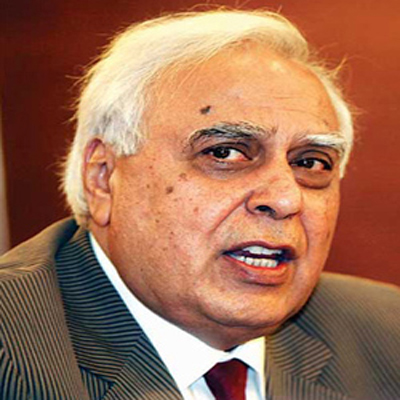
    NEW DELHI: Communications and IT Minister Kapil Sibal says some nations are found to be indulging in cybercrime, or are employing individuals who are not directly linked to them for carrying out such practices.


    Sibal said: “Now, what is happening today is that we know for a fact that nations have organised themselves to indulge in cyber crime. We know for a fact that they work sometimes through individuals far removed from them and from spaces that may not be even cited in their own country and part of the attack may come from somewhere else.”


    Speaking at an IT-ITeS body Nasscom event here, the minister said that there is a need to create a global standard to fight cybercrime. “Now, the internet world today does not allow us to find where the attack came from and who attacked us, nor does it allow us to disclose the identity of the attackers. We need to develop global rules for that. We need a global accord for that and we then need a system of cyber justice,” he added.


    Sibal said it is important to evolve rules so that internet freedom does not deteriorate into lawlessness. “So in that situation how do we evolve rules to deal with those issues? If we don’t do that we will have lawlessness. Freedom and lawlessness are two sides of the same coin. If freedom is not exercised with a sense of responsibility, then it results in lawlessness. So, freedom becomes its own enemy in the absence of accountability. It is a very dangerous proposition and we can’t let that happen,” he added.