Tag: CVL Srinivas

  • GroupM acquires controlling interest in MediaCom India

    GroupM acquires controlling interest in MediaCom India

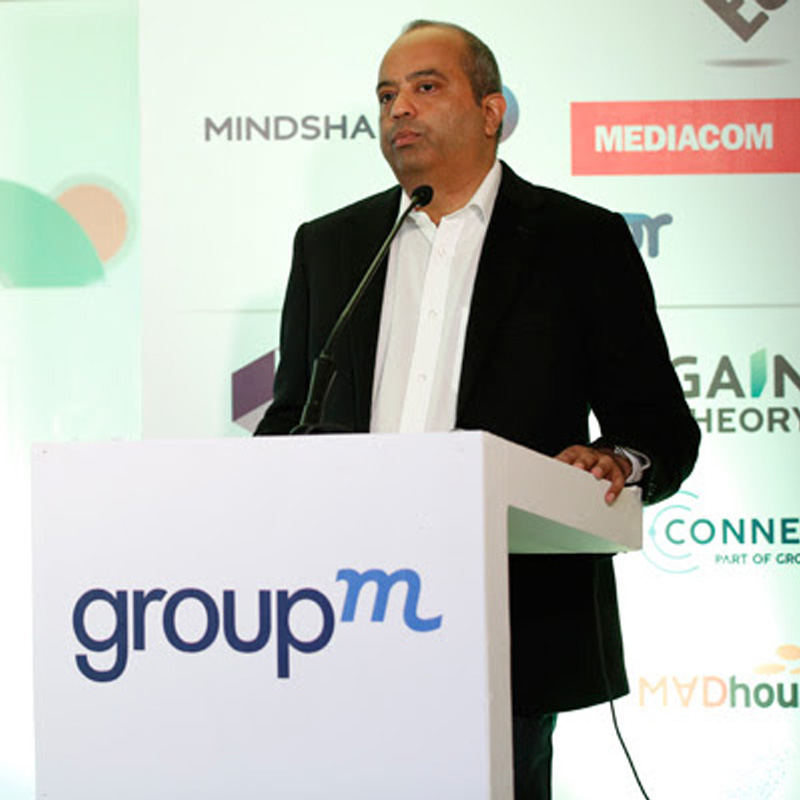
    MUMBAI: WPP’s GroupM, the world’s leading global media investment group, yesterday announced it will be acquiring a majority stake in MediaCom India, a joint venture between GroupM India and Sam Balsara, the principal shareholder of the Madison Media group. While MediaCom India will continue operating as an independent brand, the agency will have the advantage of access to GroupM’s global infrastructure.

    This acquisition continues WPP’s strategy of investing in fast growth markets, new media and digital.

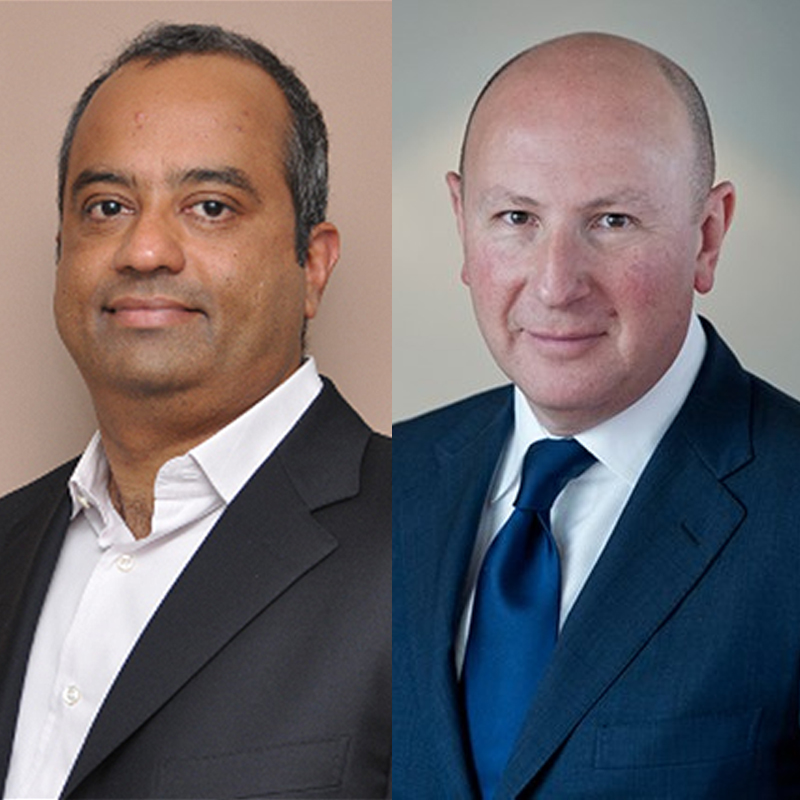
    “The majority acquisition of MediaCom in India represents a significant evolution in one of the world’s fastest growing economies. As India becomes a very attractive business hub for global clients, we are confident our talented team in India will deliver exemplary growth and results for all stakeholders,” MediaCom Worldwide CEO Stephen Allan.

    Speaking on the acquisition, GroupM South Asia CEO CVL Srinivas said, “MediaCom India has won several prestigious clients, developed a strong digital presence and has delivered award-winning campaigns for clients. As a network, we have taken giant strides globally and in India towards a more Data and Tech-led core to our business. MediaCom India can harness our world-class media infrastructure to provide more value to its clients and people.”

    Founded in 2007, MediaCom India became a joint venture in 2008. Over the last eight years, MediaCom India has established itself as one of the top 5 media agencies in the market in terms of market share (source: RECMA ratings 2015). In 2016, WARC ranked MediaCom India’s Mumbai office as one of the top 10 media agencies in the world based on performance in effectiveness and strategy impact for its clients.

    The Content + Connection agency, MediaCom India, delivers not just individual channel efficiencies but also connected communications system effectiveness by developing and optimising all content –as the fuel that drives high-performing systems. Furthermore, the India team has adapted the ‘People First’ philosophy very well from its global parent, resulting in the lowest attrition rate in the media industry. The agency has consistently won all major awards, both global and local including M&M, Spikes Asia, FOM Asia as well as The Global Awards, EMVIEs, ABBYs, etc.
  • DAN’s Ashish Bhasin is Goafest Organising Committee chairman

    DAN’s Ashish Bhasin is Goafest Organising Committee chairman

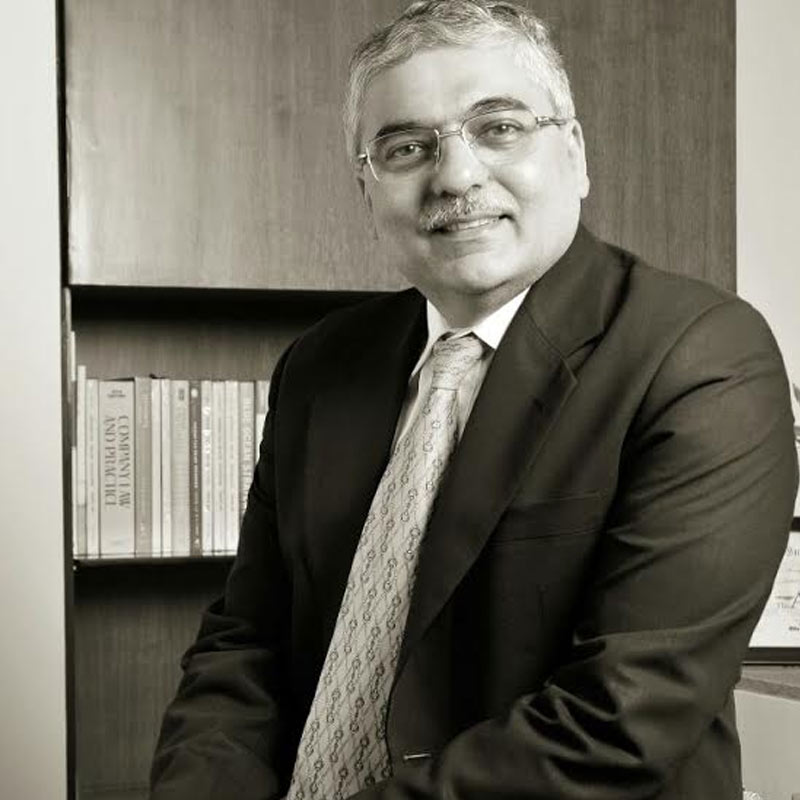
    MUMBAI: The Advertising Agencies Association of India and The Advertising Club today announced the appointment of Dentsu Aegis Network south Asia chairman and CEO Ashish Bhasin as the chairman of Goafest Organising Committee 2017. Independent Business Advisory founder Nagesh Alai has been elected as the co-chairman of the committee. The scheduled dates for Goafest 2017 will be announced soon.

    Other members on the committee are as below.

    · Bhaskar Das, ‎ President and Chief Growth Officer, Zee Unimedia

    · CVL Srinivas, Chief Executive Officer, South Asia, GroupM

    · Jaideep R Gandhi, Chairman, Jaya Advertising

    · M G Parameswaran, Founder at Brand-Building.com

    · Partho Dasgupta, Chief Executive Officer at BARC India,

    · Rana Barua, CEO, Contract Advertising

    · Rohit Ohri, Group chairman and CEO of FCB Ulka

    · Shashi Sinha, Chief Executive Officer, IPG Mediabrands

    · Tarun Rai, Tarun Rai, CEO, JWT, South Asia

    · Vikram Sakhuja, Group CEO at Madison Media

    Advertising Agencies Association of India (AAAs of I) president Nakul Chopra said, “Ashish has been a celebrated industry veteran and has deep understanding of this event. I am sure that he will bring new fervor and spirit into the event this year. I am sure that his vision will make Goafest 2017 scale new highs.”

    “Ashish has been an intrinsic part of the Goafest organizing committee last year and has played an important role in its success. I am sure that his rich experience, vision and insider view of media and advertising trends make him the best man for the role,” said Advertising Club president Raj Nayak.

    ”The event has emerged as a key thought leadership platform and I hope to be able to further elevate the experience of Goafest 2017 for the entire fraternity,” added Bhasin.

  • DAN’s Ashish Bhasin is Goafest Organising Committee chairman

    DAN’s Ashish Bhasin is Goafest Organising Committee chairman

    MUMBAI: The Advertising Agencies Association of India and The Advertising Club today announced the appointment of Dentsu Aegis Network south Asia chairman and CEO Ashish Bhasin as the chairman of Goafest Organising Committee 2017. Independent Business Advisory founder Nagesh Alai has been elected as the co-chairman of the committee. The scheduled dates for Goafest 2017 will be announced soon.

    Other members on the committee are as below.

    · Bhaskar Das, ‎ President and Chief Growth Officer, Zee Unimedia

    · CVL Srinivas, Chief Executive Officer, South Asia, GroupM

    · Jaideep R Gandhi, Chairman, Jaya Advertising

    · M G Parameswaran, Founder at Brand-Building.com

    · Partho Dasgupta, Chief Executive Officer at BARC India,

    · Rana Barua, CEO, Contract Advertising

    · Rohit Ohri, Group chairman and CEO of FCB Ulka

    · Shashi Sinha, Chief Executive Officer, IPG Mediabrands

    · Tarun Rai, Tarun Rai, CEO, JWT, South Asia

    · Vikram Sakhuja, Group CEO at Madison Media

    Advertising Agencies Association of India (AAAs of I) president Nakul Chopra said, “Ashish has been a celebrated industry veteran and has deep understanding of this event. I am sure that he will bring new fervor and spirit into the event this year. I am sure that his vision will make Goafest 2017 scale new highs.”

    “Ashish has been an intrinsic part of the Goafest organizing committee last year and has played an important role in its success. I am sure that his rich experience, vision and insider view of media and advertising trends make him the best man for the role,” said Advertising Club president Raj Nayak.

    ”The event has emerged as a key thought leadership platform and I hope to be able to further elevate the experience of Goafest 2017 for the entire fraternity,” added Bhasin.

  • Mobile third largest ad medium; may grow to Rs 10,000 cr by ’18

    Mobile third largest ad medium; may grow to Rs 10,000 cr by ’18

    MUMBAI: The Mobile Marketing Association (MMA), in association with GroupM, one of India’s largest media and marketing conglomerate, has released a report on the mobile marketing ecosystem in India. Called the ‘Mobile Ecosystem and Sizing Report’, this report states that the mobile medium is the third largest mass media in India in terms of ad spends, after television and print. The ad spends on mobile media is estimated to be Rs. 4200 crore by the end of 2016, and is expected to grow to Rs. 10,000 crore by end of 2018.

    The report is an endeavour to decode the burgeoning Indian mobile market in terms of reach of the medium, rural-urban divide in-terms of usage habits and increasing mobile data usage. The report takes into account the mobile service providers and handset manufacturers ecosystem as well. It is a collaborative effort by the marketing and mobile industry, championed by the research team at GroupM India.

    The growing use of mobile in rural media-dark markets has made brand marketers look at increasing their ad spends on mobile marketing. While spends are increasing, organizations are still evolving in terms of familiarity with mobile marketing. Industry sectors such as e-commerce and BFSI are leading the way in mobile advertising, while sectors such as FMCG are now going beyond the SMS and IVR-based mobile solutions The report also brings in perspective on the role of local language in enabling the next spurt of growth in rural India.

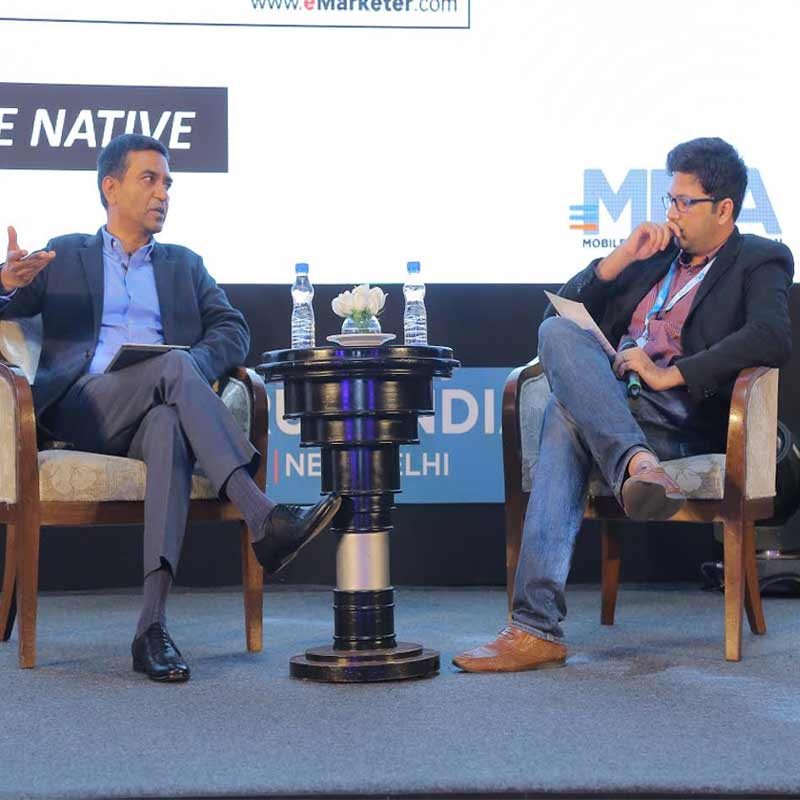
    CVL Srinivas, CEO, GroupM South Asiasaid, “It is clear that brands cannot ignore the power of the small screen. It may be the third largest (after TV and print) in terms of ad spends but is by far the leader in terms of time spent and consumer engagement.”

    PepsiCo India Holdings chairman and CEO, D Shivakumar, said, “MMA felt there was a distinct need for a single comprehensive report that covers the mobile marketing ecosystem in India and provides insights to marketers to help them make sharper decisions.”

    “Marketers are aware that mobile is arguably the closest you can get to the consumer with its powerful promise of ‘immediacy’. The consumer is getting steadily used to everything in the ‘now’ with regards to content, commerce, information or utilitarian. This very concept has transformed the mobile into a tool of action and transaction,” said Mobile Marketing Association India manager, Preeti Desai.

    2015 has been a good year for mobile subscriber growth in India. Over 60 million new mobile subscribers were added since the start of year, at an average 5 million subscribers added every month. This was a 20% growth in comparison to 2014. Research has found that in the last 5 years, rural tele-density in India has increased by 60%; rural mobile internet subscriber saw a 90% YOY growth in 2015 and they are using the internet primarily with their mobile phones.

    In terms of usage, the report clearly states the varied usage patterns between urban and rural consumers. While urban consumers are adopting 3G and 4G technology at a much faster rate, the growth spurt in new technology and smartphone penetration is coming from the Tier 2, Tier 3 and rural markets. There is a high demand for affordable smartphones in rural markets, as mobile phones are replacing or supplementing TV as an important entertainment and marketing medium, alongside other traditional communication methods. Handset manufacturers are also looking at developing distribution channels to meet this high demand and thus as seen in the report, eTailers are gaining significance where 29% of smartphone purchases in 2015 happened via e-commerce channels.

    This increase in higher speed data penetration along with growth in smartphones will lead to data driven marketing. It is also reported that traditional TV players are getting more vertical with OTT driving the case for mobile as the stronger secondary screen. [Leading video publishers have seen watch-time in India grew 80% over the last one year, of which 55% of the watch time was on mobile. 90% content upload on these services was from mobile as well]. All this could mean that Native and Video formats are set to dominate mobile marketing in the years to come. Consumers look at Native ads 53% more often than they look at traditional mobile display ad. Also, mobile based audio and video streaming apps provide measurable reach, with 100+ million monthly active user base in India according to the report.

    MMA’s objective through this report is to give the readers a comprehensive view of the mobile marketing ecosystem in India and the various factors that influence it like the various mobile marketing channels, the mobile marketing landscape and the growing subscriber, internet and app user base. It also highlights some of the case studies that readers of the report can leverage to better understand the medium from a marketing perspective. Going forward, MMA also plans to follow up with a second report that will deep dive on topics like use of location and other signals on mobile for predictive analytics and intelligence and mobile measurability.

  • Mobile third largest ad medium; may grow to Rs 10,000 cr by ’18

    Mobile third largest ad medium; may grow to Rs 10,000 cr by ’18

    MUMBAI: The Mobile Marketing Association (MMA), in association with GroupM, one of India’s largest media and marketing conglomerate, has released a report on the mobile marketing ecosystem in India. Called the ‘Mobile Ecosystem and Sizing Report’, this report states that the mobile medium is the third largest mass media in India in terms of ad spends, after television and print. The ad spends on mobile media is estimated to be Rs. 4200 crore by the end of 2016, and is expected to grow to Rs. 10,000 crore by end of 2018.

    The report is an endeavour to decode the burgeoning Indian mobile market in terms of reach of the medium, rural-urban divide in-terms of usage habits and increasing mobile data usage. The report takes into account the mobile service providers and handset manufacturers ecosystem as well. It is a collaborative effort by the marketing and mobile industry, championed by the research team at GroupM India.

    The growing use of mobile in rural media-dark markets has made brand marketers look at increasing their ad spends on mobile marketing. While spends are increasing, organizations are still evolving in terms of familiarity with mobile marketing. Industry sectors such as e-commerce and BFSI are leading the way in mobile advertising, while sectors such as FMCG are now going beyond the SMS and IVR-based mobile solutions The report also brings in perspective on the role of local language in enabling the next spurt of growth in rural India.

    CVL Srinivas, CEO, GroupM South Asiasaid, “It is clear that brands cannot ignore the power of the small screen. It may be the third largest (after TV and print) in terms of ad spends but is by far the leader in terms of time spent and consumer engagement.”

    PepsiCo India Holdings chairman and CEO, D Shivakumar, said, “MMA felt there was a distinct need for a single comprehensive report that covers the mobile marketing ecosystem in India and provides insights to marketers to help them make sharper decisions.”

    “Marketers are aware that mobile is arguably the closest you can get to the consumer with its powerful promise of ‘immediacy’. The consumer is getting steadily used to everything in the ‘now’ with regards to content, commerce, information or utilitarian. This very concept has transformed the mobile into a tool of action and transaction,” said Mobile Marketing Association India manager, Preeti Desai.

    2015 has been a good year for mobile subscriber growth in India. Over 60 million new mobile subscribers were added since the start of year, at an average 5 million subscribers added every month. This was a 20% growth in comparison to 2014. Research has found that in the last 5 years, rural tele-density in India has increased by 60%; rural mobile internet subscriber saw a 90% YOY growth in 2015 and they are using the internet primarily with their mobile phones.

    In terms of usage, the report clearly states the varied usage patterns between urban and rural consumers. While urban consumers are adopting 3G and 4G technology at a much faster rate, the growth spurt in new technology and smartphone penetration is coming from the Tier 2, Tier 3 and rural markets. There is a high demand for affordable smartphones in rural markets, as mobile phones are replacing or supplementing TV as an important entertainment and marketing medium, alongside other traditional communication methods. Handset manufacturers are also looking at developing distribution channels to meet this high demand and thus as seen in the report, eTailers are gaining significance where 29% of smartphone purchases in 2015 happened via e-commerce channels.

    This increase in higher speed data penetration along with growth in smartphones will lead to data driven marketing. It is also reported that traditional TV players are getting more vertical with OTT driving the case for mobile as the stronger secondary screen. [Leading video publishers have seen watch-time in India grew 80% over the last one year, of which 55% of the watch time was on mobile. 90% content upload on these services was from mobile as well]. All this could mean that Native and Video formats are set to dominate mobile marketing in the years to come. Consumers look at Native ads 53% more often than they look at traditional mobile display ad. Also, mobile based audio and video streaming apps provide measurable reach, with 100+ million monthly active user base in India according to the report.

    MMA’s objective through this report is to give the readers a comprehensive view of the mobile marketing ecosystem in India and the various factors that influence it like the various mobile marketing channels, the mobile marketing landscape and the growing subscriber, internet and app user base. It also highlights some of the case studies that readers of the report can leverage to better understand the medium from a marketing perspective. Going forward, MMA also plans to follow up with a second report that will deep dive on topics like use of location and other signals on mobile for predictive analytics and intelligence and mobile measurability.

  • When advertisers turn singers for Sony Mix’s ‘Dhun Project’

    When advertisers turn singers for Sony Mix’s ‘Dhun Project’

    MUMBAI: The folks at Sony Pictures Networks India (SPN) are in a celebratory mood not just for one but two reasons. In an all cash deal worth $385 million, the network has recently inked a pact to acquire the Ten Sports channel portfolio which was with Zee Entertainment Enterprises Ltd (ZEEL). Second, it is the fifth anniversary of its music channel Sony Mix.

    To commemorate its birthday, the network has initiated The Dhun Project. Through this, the channel intends to pay tribute to Indian musicians and aims to give back to India’s rich musical heritage by raising funds to empower those musically oriented and donate to educational initiatives across levels.

    “This is our way of giving back to music, by empowering its creators, curators and everyone associated with the art in India,” says SPN senior EVP and business head Max cluster, Sony Mix Neeraj VyasI. “It is a tribute to the musicians of Bollywood. Several things go into the making of a song which do not get recognised. The name ‘Dhun’ because it is a key word for music and also goes with the channel’s name. We had launched in 2011 because we clearly saw a need gap wherein music channels were providing everything else but music. We came with an aim to play more music, with a clear mood map to match music with various moods and 12 minutes of advertising. There was very little variety. The last five years have been exceptional for us. ”

    “Music is an integral part with or without Bollywood. We always wanted to grow music in this country. According to me, this is a good way to contribute and I hope to make some difference through this initiative. With The Dhun Project we want to encourage talented musicians, to help them further contribute to music in India and inspire society with the melodies they create that harmoniously unite us. The advertisers featuring in the video have identified the cause, they connect to music and will take the communication ahead from there,” adds SPN CEO N.P.Singh.

    The new initiative will be promoted on the various channels under the network and by featuring the CXO’s of media and entertainment industry, the initiative hoped to get a push through each one’s Twitter and Facebook page. Championing the cause, it has brought together stalwarts from the advertising and media industries to record an exclusive music video for the anthem. Senior executives like GroupM’s CVL Srinivas , Madiso’s n Vikram Sakhuja, Lodestar’s Shashi Sinha, Future Group’s Sandip Tarkas, Mindshare’s Amin Lakhani, Zenith Optimedia’s Anupriya Acharya, Idea Cellular’s Shuchi Singhal, OMD ‘s Harish Shriyan, Mudra’s Sonal Dabral, SPN’s Rohit Gupta and SPN’s Neeraj Vyas feature in Dhun Project music video. The project will also be played live during Goafest in front of the entire media and entertainment industry.

    The first leg of project involves the channel’s contribution of Rupees 10 Lakhs towards helping a musician who needs medical support every year. The ambassador for this year is Roshan Ali (a dholak player). Ali has recorded with artists like R.D.Burman, Laxmikant Pyarelal, etc. The project is seeking help from the Indian Cine Musician Association head who suggests them a name which the channel will filter further and pin down on a person.

    It is also leveraging the crowdsourcing platform Ketto.Org, co-founded by actor Kunal Kapoor to raise funds for Spic Macay to organize a series of events across the country that will enable heritage musicians to perform in schools and colleges. Young students will be exposed to music performed by nationally celebrated musicians, who in turn will continue to earn a living from this artistic endeavour.

    To catch a glimpse of the music video, visit:

  • When advertisers turn singers for Sony Mix’s ‘Dhun Project’

    When advertisers turn singers for Sony Mix’s ‘Dhun Project’

    MUMBAI: The folks at Sony Pictures Networks India (SPN) are in a celebratory mood not just for one but two reasons. In an all cash deal worth $385 million, the network has recently inked a pact to acquire the Ten Sports channel portfolio which was with Zee Entertainment Enterprises Ltd (ZEEL). Second, it is the fifth anniversary of its music channel Sony Mix.

    To commemorate its birthday, the network has initiated The Dhun Project. Through this, the channel intends to pay tribute to Indian musicians and aims to give back to India’s rich musical heritage by raising funds to empower those musically oriented and donate to educational initiatives across levels.

    “This is our way of giving back to music, by empowering its creators, curators and everyone associated with the art in India,” says SPN senior EVP and business head Max cluster, Sony Mix Neeraj VyasI. “It is a tribute to the musicians of Bollywood. Several things go into the making of a song which do not get recognised. The name ‘Dhun’ because it is a key word for music and also goes with the channel’s name. We had launched in 2011 because we clearly saw a need gap wherein music channels were providing everything else but music. We came with an aim to play more music, with a clear mood map to match music with various moods and 12 minutes of advertising. There was very little variety. The last five years have been exceptional for us. ”

    “Music is an integral part with or without Bollywood. We always wanted to grow music in this country. According to me, this is a good way to contribute and I hope to make some difference through this initiative. With The Dhun Project we want to encourage talented musicians, to help them further contribute to music in India and inspire society with the melodies they create that harmoniously unite us. The advertisers featuring in the video have identified the cause, they connect to music and will take the communication ahead from there,” adds SPN CEO N.P.Singh.

    The new initiative will be promoted on the various channels under the network and by featuring the CXO’s of media and entertainment industry, the initiative hoped to get a push through each one’s Twitter and Facebook page. Championing the cause, it has brought together stalwarts from the advertising and media industries to record an exclusive music video for the anthem. Senior executives like GroupM’s CVL Srinivas , Madiso’s n Vikram Sakhuja, Lodestar’s Shashi Sinha, Future Group’s Sandip Tarkas, Mindshare’s Amin Lakhani, Zenith Optimedia’s Anupriya Acharya, Idea Cellular’s Shuchi Singhal, OMD ‘s Harish Shriyan, Mudra’s Sonal Dabral, SPN’s Rohit Gupta and SPN’s Neeraj Vyas feature in Dhun Project music video. The project will also be played live during Goafest in front of the entire media and entertainment industry.

    The first leg of project involves the channel’s contribution of Rupees 10 Lakhs towards helping a musician who needs medical support every year. The ambassador for this year is Roshan Ali (a dholak player). Ali has recorded with artists like R.D.Burman, Laxmikant Pyarelal, etc. The project is seeking help from the Indian Cine Musician Association head who suggests them a name which the channel will filter further and pin down on a person.

    It is also leveraging the crowdsourcing platform Ketto.Org, co-founded by actor Kunal Kapoor to raise funds for Spic Macay to organize a series of events across the country that will enable heritage musicians to perform in schools and colleges. Young students will be exposed to music performed by nationally celebrated musicians, who in turn will continue to earn a living from this artistic endeavour.

    To catch a glimpse of the music video, visit:

  • Ten commandments for agencies to stay in business: GroupM’s CVL Srinivas

    Ten commandments for agencies to stay in business: GroupM’s CVL Srinivas

    MUMBAI: It was hard hitting, the way CVL Srinivas began his address at Zee MELT 2016. With a satirical audio-visual titled ‘The Last Agency On Earth’ (2010), the GroupM south Asia CEO laid down the fundamentals of the ‘change or perish’ ecosystem today’s agencies exist in; bringing down the media behemoths from their high horses and urging them to face the reality.

    If an agency needs a reality check on where it stands in this era of disruption it needs a clear understanding of where its client stands. It needs to ask itself ‘What keeps my clients up at night?’ Srinivas insisted.

    “Clients are being witness to this disruption all across – be it the value chain, the consumer chain, supply chain. This introduces a lot more cost pressure on the advertisers, and pressure on procurement as well. Not to mention the planning cycle is getting shorter as well. From an annual plan, the clients are moving to quarterly evaluations,” Srinivas shared, adding that managing multiple partners could be the most challenging issue for these clients.

    While the agency has to deal with newer business for clients, the same disruption within the clients adds more pressure on it. Positioned between the client and the consumer the agency has to stay updated with every new development that might translate into an insight.

    “Therefore the contents of the ‘agency survival kit’ consist of the will to contemporising traditional or existing models, building speed and adaptability and staying relevant and farsighted,” Srinivas said.

    In spite of all this talk of data, digital insight, tools and technical support, the clients still judge an agency on an excel spread sheet and ask ‘at what rate can you buy media for me?’ : Srinivas painted the sad picture.

    So what are agencies to do to be relevant to its clients and ensure a revenue generating future? Follow these ten rules, of course.

    1. Turning one’s weakness to strength is a first step in overcoming any major challenge and the media management world is no exception. Touting ‘tech’ to be the industry’s Achilles’ heel, Srinivas advised all to brainstorm into aggressively adapting new technology. No going forward until this is achieved.

    2. Tracing media agencies back to the roots, the business was mostly trade centric. “Those days are gone, now you have to be data centric, in whatever form you acquire it,” Srinivas simply put.

    3. Agencies must constantly question themselves on their relevance to client and the market, as a lot of the grunt work that was part of the daily chore has been automated. So how else can an agency add value to stay relevant?

    4. Adaptive marketing: There is no room for settlement and creating routines if you ask Srinivas. Giving an example of PepsiCo’s ‘Pressure is good’ campaign using real-time data, he showcased what wonders a truly nimble and adaptive agency can create.

    And let’s not forget the holy trinity of timing, content and authenticity.

    5. Srinivas encouraged agencies to keep an ‘open source’ mindset that lends itself to various partnerships and collaborations. The Cannes Lions 2016 Grand Prix winner ‘Six Pack band’ initiative by Brooke Bond Red Label was the result of that.

    6. Keeping a fluid structure within the organisation can help internal processes from becoming bottle necks sometimes.

    7. Talent diversity is the key, Srinivas said. “Earlier you either had math men or mad men in the organisation. Now the skills sets are more diversified.”

    8. Breaking hierarchies within the organisation can help an agency from becoming rusty as fresh ideas are encouraged. “We must ensure contribution from the junior level as they may be better placed to take calls in certain issues in this digital world.”

    9. All the above points would fall flat if not for an’ Integrated system,’ which keeps an agency tied to its data center while connecting it to several other touch points like pricing platform etc.

    10. All that jazz about data still can’t displace ‘creativity’ from being the key focus of any agency. “Ultimately we are in the creative business,” Srinivas concluded.

  • Ten commandments for agencies to stay in business: GroupM’s CVL Srinivas

    Ten commandments for agencies to stay in business: GroupM’s CVL Srinivas

    MUMBAI: It was hard hitting, the way CVL Srinivas began his address at Zee MELT 2016. With a satirical audio-visual titled ‘The Last Agency On Earth’ (2010), the GroupM south Asia CEO laid down the fundamentals of the ‘change or perish’ ecosystem today’s agencies exist in; bringing down the media behemoths from their high horses and urging them to face the reality.

    If an agency needs a reality check on where it stands in this era of disruption it needs a clear understanding of where its client stands. It needs to ask itself ‘What keeps my clients up at night?’ Srinivas insisted.

    “Clients are being witness to this disruption all across – be it the value chain, the consumer chain, supply chain. This introduces a lot more cost pressure on the advertisers, and pressure on procurement as well. Not to mention the planning cycle is getting shorter as well. From an annual plan, the clients are moving to quarterly evaluations,” Srinivas shared, adding that managing multiple partners could be the most challenging issue for these clients.

    While the agency has to deal with newer business for clients, the same disruption within the clients adds more pressure on it. Positioned between the client and the consumer the agency has to stay updated with every new development that might translate into an insight.

    “Therefore the contents of the ‘agency survival kit’ consist of the will to contemporising traditional or existing models, building speed and adaptability and staying relevant and farsighted,” Srinivas said.

    In spite of all this talk of data, digital insight, tools and technical support, the clients still judge an agency on an excel spread sheet and ask ‘at what rate can you buy media for me?’ : Srinivas painted the sad picture.

    So what are agencies to do to be relevant to its clients and ensure a revenue generating future? Follow these ten rules, of course.

    1. Turning one’s weakness to strength is a first step in overcoming any major challenge and the media management world is no exception. Touting ‘tech’ to be the industry’s Achilles’ heel, Srinivas advised all to brainstorm into aggressively adapting new technology. No going forward until this is achieved.

    2. Tracing media agencies back to the roots, the business was mostly trade centric. “Those days are gone, now you have to be data centric, in whatever form you acquire it,” Srinivas simply put.

    3. Agencies must constantly question themselves on their relevance to client and the market, as a lot of the grunt work that was part of the daily chore has been automated. So how else can an agency add value to stay relevant?

    4. Adaptive marketing: There is no room for settlement and creating routines if you ask Srinivas. Giving an example of PepsiCo’s ‘Pressure is good’ campaign using real-time data, he showcased what wonders a truly nimble and adaptive agency can create.

    And let’s not forget the holy trinity of timing, content and authenticity.

    5. Srinivas encouraged agencies to keep an ‘open source’ mindset that lends itself to various partnerships and collaborations. The Cannes Lions 2016 Grand Prix winner ‘Six Pack band’ initiative by Brooke Bond Red Label was the result of that.

    6. Keeping a fluid structure within the organisation can help internal processes from becoming bottle necks sometimes.

    7. Talent diversity is the key, Srinivas said. “Earlier you either had math men or mad men in the organisation. Now the skills sets are more diversified.”

    8. Breaking hierarchies within the organisation can help an agency from becoming rusty as fresh ideas are encouraged. “We must ensure contribution from the junior level as they may be better placed to take calls in certain issues in this digital world.”

    9. All the above points would fall flat if not for an’ Integrated system,’ which keeps an agency tied to its data center while connecting it to several other touch points like pricing platform etc.

    10. All that jazz about data still can’t displace ‘creativity’ from being the key focus of any agency. “Ultimately we are in the creative business,” Srinivas concluded.

  • GroupM’s global brand Essence to enter India with Maxus’ aid

    GroupM’s global brand Essence to enter India with Maxus’ aid

    MUMBAI: Essence, a global digital agency, today announced it has established operations in India via the opening of a new location in Delhi. This will be the agency’s fifth office in the Asia Pacific (APAC) region and the third to open its doors this year.

    In March, Essence announced its debut in Shanghai, China and Sydney, Australia.

    GroupM acquired Essence, the largest buyer of digital media, in November 2015. It is GroupM’s fifth global brand.

    As the formerly independent agency continues to scale globally, APAC remains a key growth region due to Essence’s commitment to deliver its proposition to its existing client roster across greater geographies, and to support the abundance of new business activity. India, in particular, holds strong strategic importance given its status as a dominant and dynamic growth market within the region, a company statement said.

    To help ease its transition into India, Essence turned to Maxus, a GroupM agency in India.  The unified Essence-Maxus team will be based out of the GroupM Delhi office.

    In addition to transferring several existing Essence and Maxus employees to fill relevant positions, the agency is actively recruiting to hire local, outside talent for roles across the account management, strategy and planning, advertising operations, biddable and performance disciplines.

    Kunal Guha, client partner and head of strategy, APAC, is serving as the Essence office lead, reporting into APAC CEO Kyoko Matshushita.

    “Just over three years ago, Essence opened its first APAC office in Singapore,”  Matsushita was quoted in the company statement.  “It’s incredible what we’ve been able to accomplish in such a short period of time.  Working with innovative clients has helped Essence unlock opportunities to bring digital innovation to the region.  We see even more opportunity in India and are excited to align with GroupM as we navigate this crucial market.”

    “We are delighted to bring Essence into India at a time when more and more clients are looking at cutting edge digital media solutions for their brands. With their very focussed approach they have built deep client engagements globally. Our digital offering in India is further strengthened by their opening of an office here, ” said GroupM South Asia CEO CVL Srinivas in a statement.