Tag: CTV

  • Gracenote says advertisers are botching connected TV with wrong targeting tactics

    Gracenote says advertisers are botching connected TV with wrong targeting tactics

    NEW YORK: Connected television was supposed to be the performance marketer’s dream: precision targeting on the biggest screen in the house. A decade in, it’s not delivering. American advertisers will spend $26.6 billion on CTV this year, up 12 per cent from 2024, according to the IAB. Yet 27 per cent cite lack of insight into whether ads reach their intended audience as their top challenge. Nearly a third rate CTV only “moderately effective” despite pouring money in.

    The problem is a mismatch between strategy and medium. Marketers are treating CTV like social media—chasing users with demographic and behavioural targeting—when they should be focusing on what people watch, not just who’s watching. A Gracenote survey of 600 American brand and agency executives found 30 per cent rank brand awareness as their top CTV objective, with customer retention a distant fourth. Yet 80 per cent still prioritise audience-based targeting over contextual approaches.

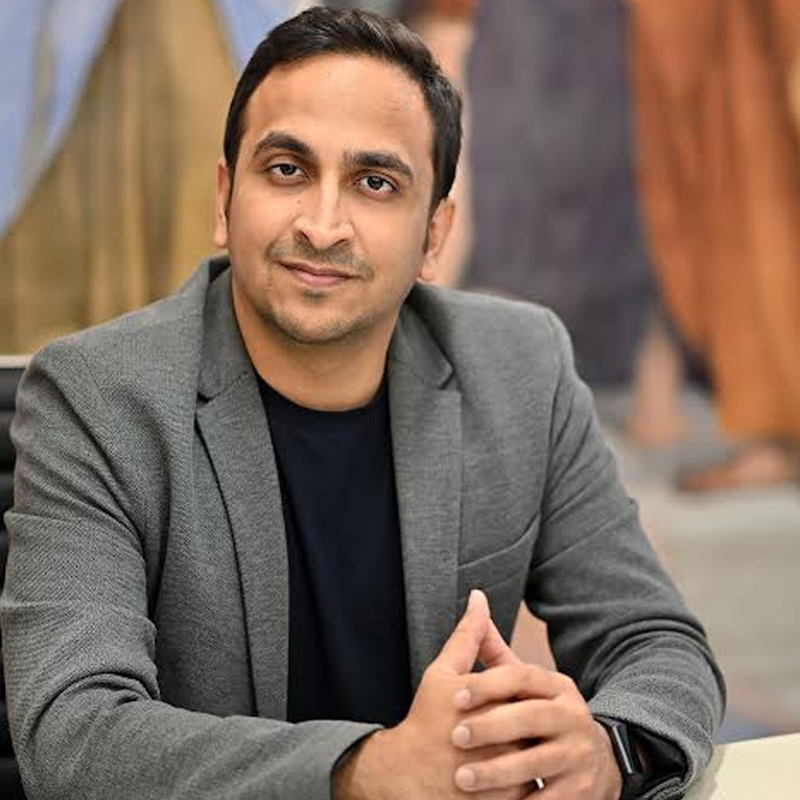
    “CTV has not delivered the scale and premium reach that marketers expect of the largest screen in the house largely based on the use of narrow targeting tactics,” said Gracenote VP of partnerships Jake Richardson. “By taking better advantage of contextual targeting capabilities with their CTV campaigns, they have new opportunities to drive both return on ads spend and the scale they’ve been looking for.”

    The irony is sharp. CTV now accounts for 48 per cent of American viewing time, overtaking live television’s 46 per cent in the first quarter of 2025. Ad-supported content makes up 45 per cent of streaming viewership. The audience is there, engaged and watching ads. But marketers haven’t adapted their playbook.

    Nearly 46 per cent of survey respondents have shifted at least 26 per cent of their budgets to CTV over the past three years. Among financial services, retail, technology and healthcare brands, that figure rises to 52 per cent. A quarter now allocate 40 per cent or more of total budgets to CTV. Yet confidence remains shaky. Only 28 per cent consider their CTV spending “extremely effective.”

    The culprit, according to Gracenote, is fragmentation and missing metadata. With 85 per cent of CTV buys purchased programmatically, incomplete or inconsistent content data leaves platforms blind. Nearly 70 per cent of respondents say lack of standardisation is at least a modest challenge when developing campaigns.

    Free ad-supported television (Fast) channels illustrate the problem. Gracenote tracked nearly 1,850 active Fast channels distributing more than 182,000 programmes as of July 2025. Pluto TV, Tubi and The Roku Channel accounted for 5.7 per cent of total American television usage in May 2025, up 36 per cent year-on-year. Yet the metadata is patchy. Before enrichment, 55 per cent of sports programmes on  Fast  channels lacked original air date information. A sample of 28 sports programmes shared by Rain the Growth Agency found only eight included proper content titles—three simply said “tv.”

    This matters because knowing whether a sports event is live, which teams are playing, or whether it’s a playoff game is crucial for advertisers. TV listing data can distinguish an MLB game between the Los Angeles Dodgers and San Francisco Giants from a Liga MX match between Santos Laguna and Pumas UNAM—both aired live on Fast channels on 12 July 2025.

    When asked if standardised content metadata would boost confidence in CTV planning, 62 per cent of respondents said yes. More than half said it would justify higher spending. When asked about TV schedule information, 72 per cent said it would help with planning and investing—rising to 78 per cent among financial services, retail, technology and healthcare advertisers.

    The solution, Gracenote argues, is contextual targeting at programme level. Only nine per cent of respondents currently prioritise this approach, compared with 29 per cent for demographic targeting. Yet contextual signals—knowing a programme has a TV-MA rating, includes adult language, has a gritty mood, or involves arms trafficking—provide the brand suitability insight that audience targeting can’t.

    The pitfalls of over-focusing on existing customers are well documented. Nike’s 2020 direct-to-consumer pivot, which neglected broader brand building, became a cautionary tale last year. Despite CTV’s addressable nature, excluding anyone outside the funnel inhibits future growth. Marketers want CTV for brand building, but to capitalise they’ll need to embrace a simple truth: what people watch matters as much as who’s watching.

    The survey was conducted online between 10 and 20 July 2025, polling brand and agency associates with director-level titles or above across media, entertainment, telecommunications, retail, financial services, automotive, consumer goods and healthcare.

  • Russhabh Thakkar on cracking India’s CTV code, one immersive ad at a time

    Russhabh Thakkar on cracking India’s CTV code, one immersive ad at a time

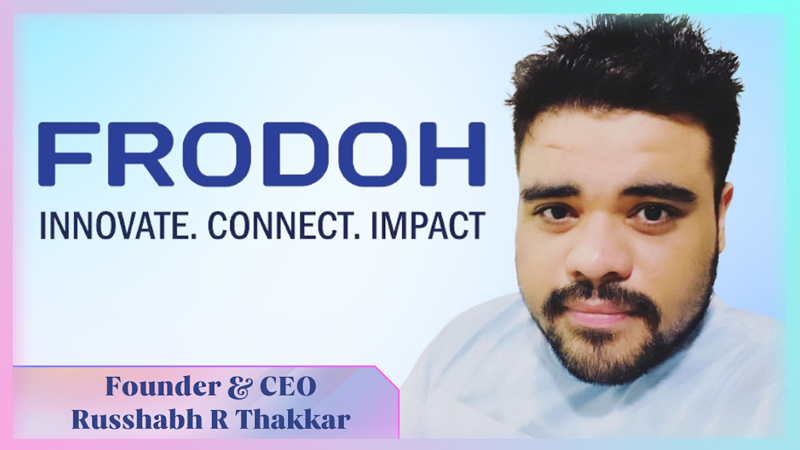
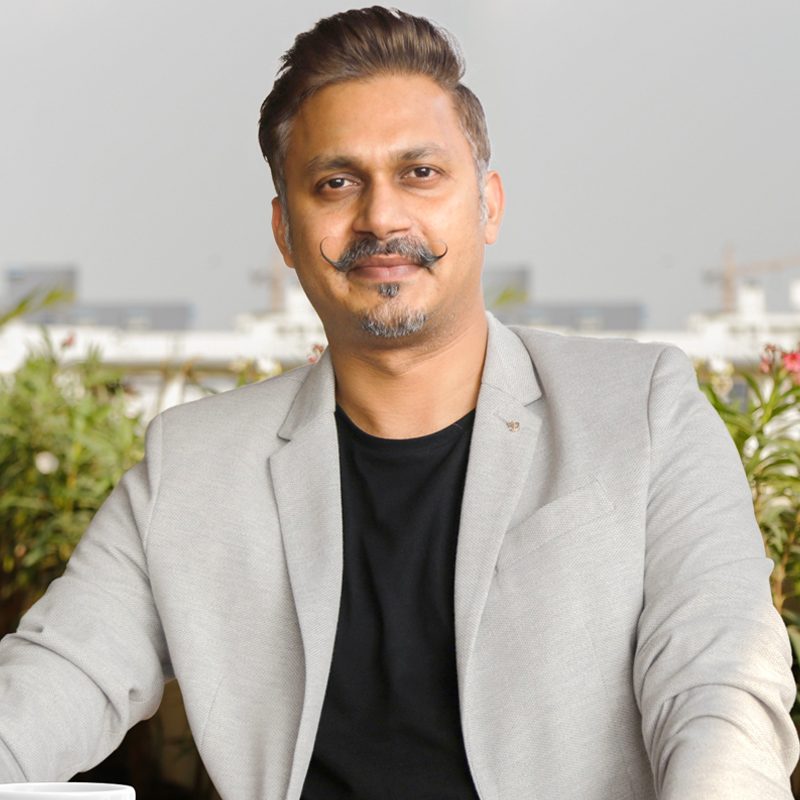
    MUMBAI: For Russhabh Thakkar, founder and CEO of Frodoh, held a curiosity back in time about where technology intersects with media CTV, DOOH, and the systems behind how ads really work. He knew that he wanted to build something of his own in that space. Frodoh came from spotting the gap between how people watch today and how brands still plan. The goal was simple, build for the way attention actually works now, not how it used to.

    Perched in his no-frills office in the heart of Lower Parel, Thakkar was all set for a deep-dive chat, coffee brewed and insights loaded. But in true Mumbai fashion, the city’s legendary traffic had other plans. Yours truly arrived fashionably late (read: embarrassingly delayed), much to Thakkar’s polite but unmistakable dismay.

    Still, being the sport he is, we squeezed in a zippy 20-minute power convo before he dashed off for an urgent client meet. “No worries,” he smiled, “I’ll put pen to paper or well, fingers to keyboard and send over the rest.” And just like that, what started as a botched in-person interview turned into a digital dialogue packed with CTV gold.

    With the mantra “Don’t just get viewed, get noticed,” Thakkar and his team are helping brands ditch passive impressions for precision engagement. “We saw the gap early,” says Thakkar. “People were watching content differently, but ads hadn’t caught up. Frodoh is built for the way attention works now and not how it used to.”

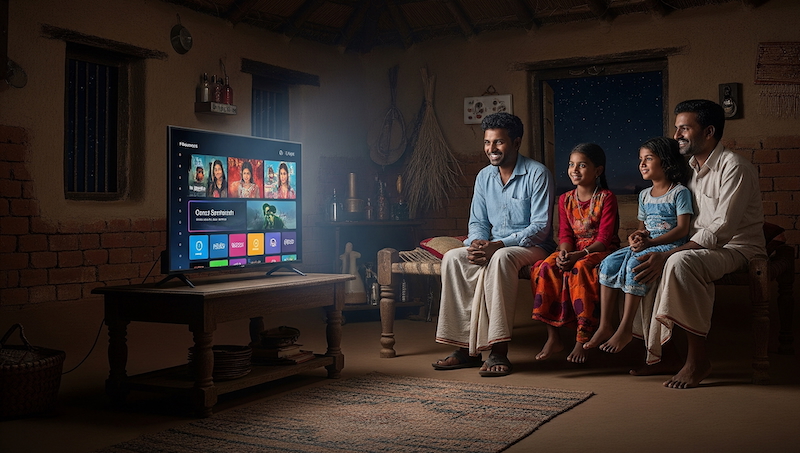
    According to the FICCI-EY 2025 report, India has over 30 million CTV sets, with viewers clocking 40+ hours per month on smart TVs. But Thakkar believes this isn’t just about reach, “It’s where scale meets intent in real time.” With tier 2 and 3 towns joining the CTV party thanks to affordable smart TVs and bundled OTT deals, the viewing landscape has exploded. But most brands, he says, are “still fumbling with legacy playbooks.” Yes, Frodoh is helping them unlearn.

    Old-school demographics don’t work in today’s CTV ecosystem. Thakkar explains, “It’s not about who is watching, but why, when, and how.” His team helps brands track viewing behaviour, content types, and time-of-day data to serve dynamic creatives, sequential stories, and context-rich moments.

    To supercharge this, they built Frodoh Forge, an AI-powered campaign planner that takes a brand brief, decodes audience signals, suggests channels, and builds a media plan in minutes. “No extra forms. No lag. And everything’s tracked live,” he adds.

    While many still see programmatic CTV as a shiny new buzzword, Thakkar insists it’s “the backbone of how smart media gets delivered today.” As a supply-side platform (SSP), Frodoh curates inventory across niche OTTs, regional OEMs, and long-tail content players—making them DSP-agnostic and giving agencies the flexibility they crave.

    And with India’s ad market pegged to hit Rs 1.64 lakh crore according to GroupM’s TYNY 2025 report, CTV is no longer a footnote. “It’s the bridge between scale and precision,” says Thakkar. “We’re already seeing brands move from testing to long-term bets.”

    Frodoh sees shoppable TV, QR overlays, and pause ads as the next big frontiers—formats that turn the screen into a point-of-sale without breaking immersion. “We’re not just watching CTV anymore, we’re starting to use it,” he says.

    Thakkar is clear-eyed about the road ahead. “India’s CTV shift isn’t a trend, it’s a tectonic change. Some are adapting. We were built for it.”

    With the right blend of technology, talent, and timing, Frodoh World is ensuring brands don’t just survive this bonfire, they shine through it.

  • Fashion sizzles on CTV with 97 per cent ad completion rate: VDO.AI report

    Fashion sizzles on CTV with 97 per cent ad completion rate: VDO.AI report

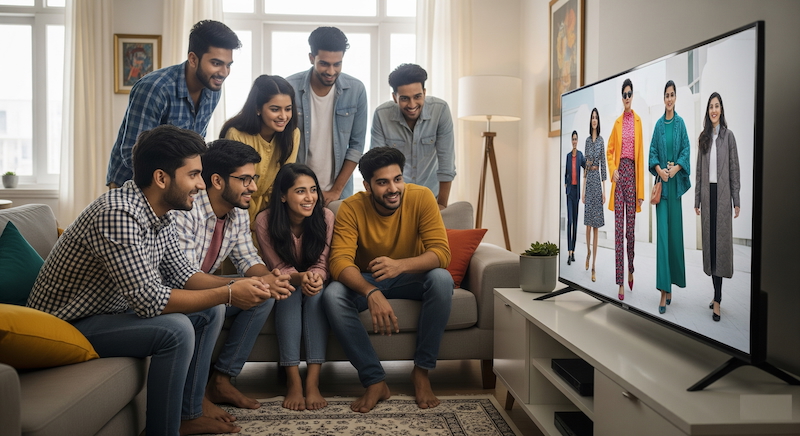
    MUMBAI;  Viewers in India are tuning in and staying glued to fashion ads on connected TV, with a staggering ~97 per cent video completion rate, according to a new report from adtech player VDO.AI. The study, released on 4 July, reveals that fashion brands are reaping the benefits of immersive, distraction-free CTV formats, with advanced formats like DCO and API-triggered ads powering 67 per cent of top-performing campaigns.

    Fashion storytelling is thriving in CTV’s premium environments, particularly in southern cities. Bengaluru, Chennai, Hyderabad and Goa are leading the charge, posting an 87 per cent higher engagement rate compared to their northern counterparts, including Delhi and Jaipur.

    Fashion Ads on CTVVDO.AI co-founder & chief executive Amitt Sharma said: “CTV represents the convergence of cinematic storytelling capability with precision target ing that fashion brands require. Such a heightened completion rate validates our thesis that when content quality meets the right viewing environment, consumer engagement follows naturally. We are sure these insights will help fashion marketers make the right decision to move beyond traditional impression-based campaigns toward more sophisticated storytelling approaches that build emotional connections with consumers.”

    What's powering Top fashion campaigns on CTVCo-founder & chief technology officer Arjit Sachdeva pointed to the visual appeal of CTV for fashion campaigns. “CTV provides a high-quality, distraction-free, full-screen experience, especially powerful for a visually driven category like fashion.,” he explained. “As a result, fashion brands are increasingly leveraging advanced CTV advertising formats to create shopping-like experiences. Interactive elements such as CTV carousel ads and store discovery units are enabling viewers to explore collections and brand offerings without leaving their screens, mimicking the intuitive browsing behaviour familiar from social media and e-commerce 
    platforms.”

    As fashion advertisers chase performance over reach, VDO.AI’s latest data signals a fundamental shift—CTV is no longer just for awareness; it’s driving real engagement, brand recall and intent.

  • Kantar study: CTV revolution gains ground as 23 per cent  Indians ditch linear TV

    Kantar study: CTV revolution gains ground as 23 per cent Indians ditch linear TV

    MUMBAI: India’s media landscape is turning the page, and the headline is clear: Connected TV (CTV) is booming, and one in four Indians is now digital-only. That’s the key takeaway from Kantar’s Media Compass 2025, which maps the country’s evolving media consumption habits across linear TV, print, and digital.

    With a whopping 87,000-strong sample and quarterly tracking, Kantar’s new offering aims to replace outdated guesswork with data-driven firepower. And the early signs are disruptive: 35 million Indians have jumped on the CTV bandwagon, and 23 per cent of the population now accesses the internet without watching a second of linear TV.

    While linear TV still claims 58 per cent monthly reach, the shifts are seismic. CTV, once a metro darling, is now reaching deep into rural India. And digital-only audiences are mushrooming among young, male, and lower-income demographics—dispelling old myths and throwing up new marketing equations.

    Media preferences split starkly by age: 55 per cent of Indians aged 15–34 favour OTT and social platforms, while 44 per cent of those above 45 remain loyal to the TV set. Notably, 75 per cent of digital-only and linear TV viewers reside in rural areas, demolishing the notion of urban dominance.

    CTV remains a premium medium, with its incremental growth concentrated in NCCS A households, while digital is democratising access in lower-income groups.

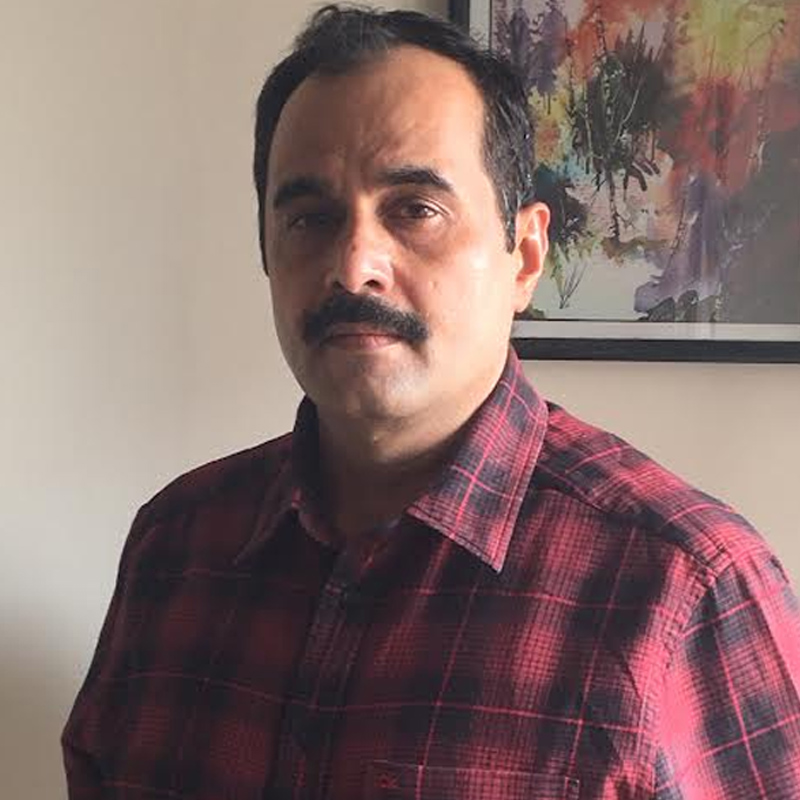
     Kantar director – specialist businesses, insights division (south Asia) Puneet Avasthi said: “In today’s fragmented and fast-evolving media landscape, brands are under pressure to make every media rupee count. Yet, most decisions are still being made using outdated or incomplete data, leading to suboptimal media planning and missed connections with consumers. Media Compass 2025 aims to correct this and equip advertisers with timely, in-depth insights across platforms- enabling smarter media planning, stronger audience engagement and sharper targeting for maximum impact.”

    The message to marketers? India’s media map is redrawn. The compass has shifted. Time to follow the data.

  • Driving Ad-Vantage, Adcounty and Auto Group shift gears in Asia

    Driving Ad-Vantage, Adcounty and Auto Group shift gears in Asia

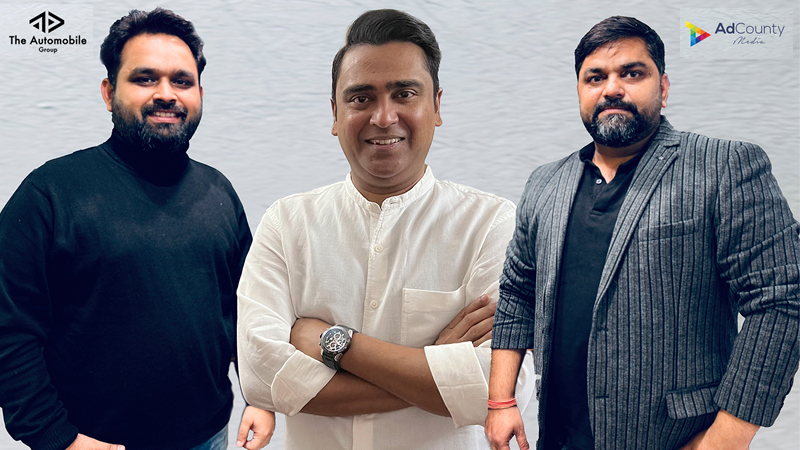
    MUMBAI: It’s not every day that adtech and the auto world go full throttle together but this partnership is clearly built for speed. Adcounty Media has teamed up with The Automobile Group in a high-octane alliance aimed at turbocharging automotive advertising across Southeast Asia and the Middle East.

    Targeting high-growth markets like Indonesia, the Philippines, and the UAE, the duo is set to bring a digital pitstop to brands chasing performance-first strategies. Armed with AI-assisted precision and a keen understanding of local market dynamics, they’re not just selling ads they’re rewriting the playbook for how car brands reach revved-up digital consumers.

    “This partnership underscores our commitment to delivering hyper-targeted, brand-safe, and performance-driven solutions specifically designed for the modern automotive consumer,” said Adcounty Media co-founder & chief revenue officer Delphin Varghese.

    The Automobile Group co-founder Yash Vardhan added, “Our vision with The Automobile Group is to build Asia’s most powerful auto-centric performance network. The partnership with AdCounty is a strategic step toward expanding our footprint in Southeast Asia, especially in Indonesia and the Philippines markets with immense potential.”

    “We’re thrilled to collaborate with Adcounty, whose expertise and reach will be instrumental in scaling our delivery capabilities in new markets. Together, we aim to redefine how automotive brands connect with their audiences in this region,” said The Automobile Group co-founder, Shwetank Pandit.

    The blueprint? A blend of AdCounty’s programmatic prowess DSPs, contextual targeting, and real-time optimisation with The Automobile Group’s deep-rooted auto domain know-how. Together, they plan to dominate dashboards in high-intent markets where digital media spend is shifting into the fast lane.

    From luxury-obsessed Gulf buyers to EV-curious Southeast Asians, the collaboration promises campaigns that speak the local lingo, respect brand safety lanes, and keep performance metrics in pole position. And as more brands drift toward platforms like Meta, Tiktok and CTV to fuel test drives and showroom visits, this partnership might just be the engine that powers the next era of automotive marketing.

    If digital disruption had a fast car, this duo would be behind the wheel.

  • Affle launches AI-driven ad tech solutions for SMEs, targeting connected TV growth

    Affle launches AI-driven ad tech solutions for SMEs, targeting connected TV growth

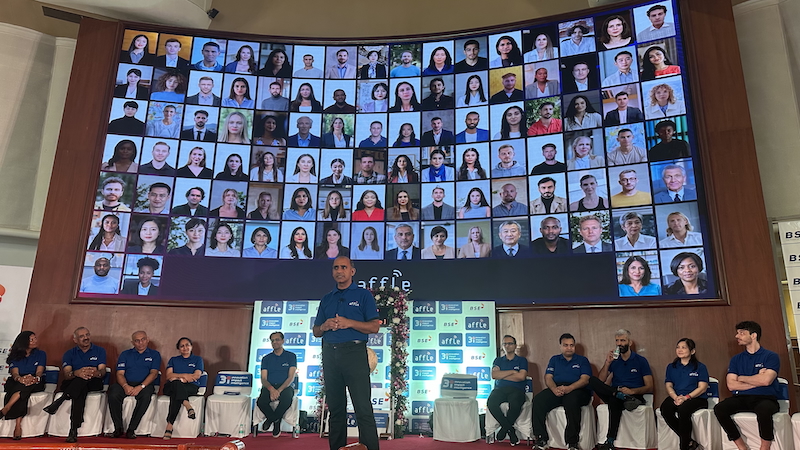
    MUMBAI: Affle India, celebrating its 20th anniversary at the Bombay Stock Exchange, has announced the launch of new AI-powered advertising technology solutions aimed at small and medium-sized enterprises (SMEs). Founders Anuj Khanna Sohum and Anuj Kumar presented the company’s long-term strategy, focusing on innovation, impact, and intelligence, during the event.

    Key platforms introduced include OpticksAI for hyper-local creative generation and CTV AI, designed to facilitate ad campaigns for SMEs on connected television (CTV). The company also showcased 100 AI agents developed to enhance team productivity.

    “We are targeting a tenfold growth over the next decade, with a planned increase in manpower from 600 to 1,000,” stated Sohum.

    The CTV AI platform aims to provide SMEs with affordable access to television advertising within geographically defined areas. 

    “Shopkeepers and SME business owners can utilise these platforms to advertise on connected TVs,” explained Kumar. “Both platforms feature user-friendly interfaces.”

    Sohum elaborated, “Many small business owners desire television advertising at an accessible cost. Our CTV AI service enables them to achieve this at a significantly lower expense compared to traditional satellite and national television in a performance advertising format for bite sized ad campaigns.”

    Kumar highlighted the potential market growth, noting, “Currently, there are approximately 12,000 television advertisers out of a total of 250,000 advertisers across various mediums, indicating substantial growth potential.”

    Affle intends to deliver approximately a billion hyper local and hyper contextual  creatives annually through OpticksAI and onboard one million SMEs globally. “We are focusing on the vernacular vertical, addressing language and localisation needs for ad creation and delivery,” emphasised Sohum.

    The company is exploring various strategies to reach and onboard smaller advertisers, including the potential use of agents spread all over the country.

  • India’s ad spend set to hit Rs 1.64 trillion in 2025, growing by 7 per cent

    India’s ad spend set to hit Rs 1.64 trillion in 2025, growing by 7 per cent

    MUMBAI: India’s advertising industry isn’t just growing; it’s strutting down the marketing runway like a star-studded campaign launch. The media investment giant under WPP, GroupM has unveiled its latest This Year, Next Year (TYNY) report, forecasting a seven per cent boost in India’s ad market, pumping total spend up to Rs 1,64,137 crore in 2025. That’s a jaw-dropping Rs 10,730 crore more—now that’s what we call an ROI worth bragging about!

    Digital is the undisputed king, now commanding a hefty 60 per cent of ad revenues. As brands compete for attention, they are diving deep into AI-driven marketing, immersive content, and hyper-personalised engagement to stay ahead.

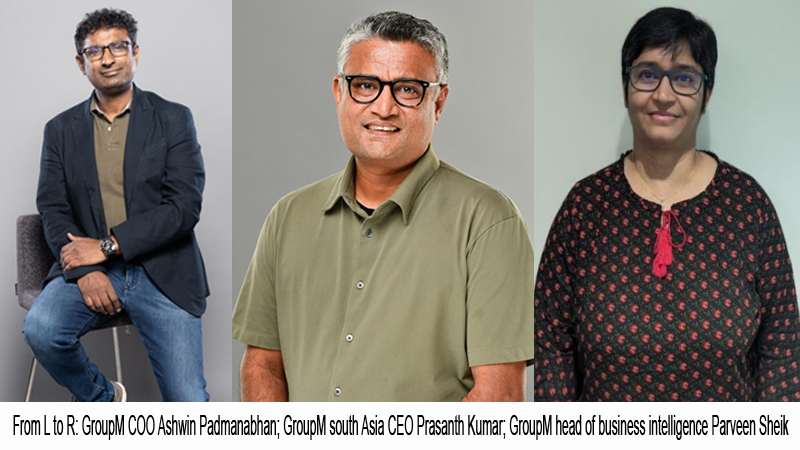
    GroupM south Asia CEO Prasanth Kumar stated, “India is at the forefront of a marketing revolution driven by AI and data privacy. As global ad spend surpasses $1 trillion, India emerges as a top 4 growth market, with digital now accounting for over 60 per cent of ad spend. With a shift to personalised engagement, commerce-driven marketing, and responsible innovation, mixed reality and immersive tech fuel experiential content. While TV remains vital, AI agents are transforming customer interactions, and emerging formats like programmatic CTV and AI-driven retail media are redefining brand-audience connections. All of this positions India for unprecedented innovation and impact in the modern marketing era.”

    TV and digital together are the powerhouses of India’s ad industry, contributing a colossal 86 per cent of total ad spend. Streaming TV is no longer an afterthought either, now making up 12.6 per cent of total TV ad revenue.

    “India’s advertising ecosystem is being reshaped by digital dominance and shifting consumer behaviours,” said GroupM COO Ashwin Padmanabhan. “Key sectors like SMEs, real estate, education, BFSI, and tech/telco—contributing 60 per cent of total advertising—are set to grow at around 10 per cent, further accelerating market expansion. Additionally, rising investments from EVs, fintech, and gaming are fuelling the market’s momentum.”

    Despite economic fluctuations across the globe, India’s GDP is projected to expand by 6.5 per cent in 2025, keeping its advertising sector resilient and strong. GroupM head of business intelligence Parveen Sheik highlighted, “With India’s GDP projected to grow by 6.5 per cent in 2025, its advertising market remains strong, ranking 9th globally. Digital ad spend is now close to Rs 1 lakh crore, driven by AI, commerce, retail media, and hyper-personalisation marketing. As the economy grows, brands must embrace agility, data intelligence, and sustainable strategies to maximise impact in this dynamic landscape.”

    Trends shaping 2025: What’s hot in advertising?

    GroupM’s TYNY report reveals a host of transformative trends set to redefine India’s advertising scene in 2025. Here’s what brands should keep an eye on:

    ●   AI agents take over: Marketing campaigns are being revolutionised with AI-driven customer interactions.

    ●   Immersive experiences explode: Mixed reality, immersive tech, and smartphones are fuelling India’s surge in experiential content.

    ●   Privacy takes centre stage: Data clean rooms are shaping India’s privacy-first marketing landscape.

    ●   Retail media booms: Omnichannel strategies are redefining India’s e-commerce future.

    ●   Quick commerce accelerates: The e-commerce sector is shifting gears with lightning-fast commerce solutions.

    ●   Generative AI rules search: Traditional search and SEO are evolving as AI takes the lead.

    ●   AI influencers rise: Forget traditional celebrities; AI-driven brand storytelling is taking centre stage.

    ●   Chief prompt officers arrive: India’s content marketers are leading a global transformation in AI-driven campaigns.

    ●   CTV goes big: Streaming TV’s rise is ushering in an era of hyper-personalisation and programmatic ads.

    ●   Data privacy & AI converge: New integrated measurement frameworks are addressing fragmentation and privacy concerns.

    With AI shaping every facet of marketing, India’s advertising industry is on an unstoppable trajectory—like a viral ad campaign that refuses to be skipped. Brands that embrace this digital-first, AI-powered landscape will thrive, riding the Rs 1.64 trillion wave of opportunity. Those that don’t? Well, they’ll be the advertising equivalent of a banner ad—ignored, blocked, and eventually forgotten. 

  • FAST frenzy: Viewers binge more, advertisers cash in, everyone wins!

    FAST frenzy: Viewers binge more, advertisers cash in, everyone wins!

    MUMBAI: Not too long ago, TV lovers had two choices—pay up for endless subscriptions or rely on old-school cable. But just when you thought you were stuck juggling streaming bills like a circus act, FAST (free ad-supported streaming television) swooped in like a digital superhero. Forget flipping channels—now, viewers get premium content for free, advertisers get their dream audience, and content providers rake in the ad dollars. It’s a win-win-win, and Amagi’s latest Global FAST Report 14 Edition proves it.

    The report unveils staggering double-digit growth in both hours of viewing (HOV) and ad impressions, making it clear that FAST isn’t some fleeting trend—it’s an advertising revolution. Gone are the days when ads interrupted your binge session; now, they power the very shows you love.

    Amagi crunched the numbers from 3,300+ channels streaming via its SSAI (Server-Side Ad Insertion) platform, Amagi Thunderstorm. The results? A jaw-dropping 95 per cent YoY surge in global HOV and a 65 per cent jump in ad impressions—because when it comes to FAST, the stream never stops, and neither do the ad dollars. If streaming had a crystal ball, it would be flashing ‘bright future ahead!’

    Key takeaways:

    . U.S. and Canada keep the FAST train running at full throttle, contributing the lion’s share of global ad impressions and HOV. Who needs cable when free streaming is this good?

    .  APAC is the new streaming superstar, boasting a blockbuster 132 per cent YoY increase in HOV and a 130 per cent spike in ad impressions. If FAST were a stock, you’d want to buy in now.

    . LATAM and EMEA aren’t sitting on the sidelines, with entertainment, news, and documentaries leading the charge. Because who doesn’t love free content that informs and entertains?

    .  Entertainment remains the undisputed champion of FAST, making up 40–45 per cent of global HOV. Drama, reality TV, and movies—FAST has it all, without the price tag.

    .  New FAST channels are shaking up the game, with 25 per cent of global HOV and ad impressions coming from channels launched after December 2023. The future of TV is FAST, and it’s only getting started.

    The streaming wars may be ongoing, but FAST has found its niche. Unlike SVOD (Subscription Video on Demand), which relies on subscription models, FAST offers premium content free-of-cost, funded entirely by ads. Viewers have spoken, and their preference for free, high-quality content has set the stage for an advertising revolution.

    Amagi’s consumer survey of 500+ U.S. households revealed key trends:

    . 75 per cent of respondents watch free, ad-supported streaming content.

    . 66 per cent reported watching FAST channels multiple times per week.

    . 67 per cent noticed and engaged with overlay ads, proving the model’s efficacy for advertisers.

    FAST isn’t just standing alone—it’s merging with traditional Pay TV and SVOD models. Pay TV services now offer FAST channels, SVOD giants like Warner Bros. Discovery are experimenting with ad-supported tiers, and FAST services are enhancing their content portfolios with premium offerings.

    With global advertisers shifting their focus from Pay TV to CTV (Connected TV) and FAST, content providers are being forced to rethink their distribution strategies. Industry leaders like Dazn are already unifying conventional broadcasting with FAST to create a seamless viewing experience.

    As more regions embrace FAST, expect to see a sharper focus on localised content, better ad targeting, and stronger partnerships between streaming giants and advertisers. The numbers don’t lie—a 95 per cent rise in viewing hours and a 65 per cent spike in ad impressions make one thing clear: FAST isn’t slowing down—it’s just getting warmed up.

    So, whether you’re an advertiser chasing eyeballs, a content creator searching for the next big platform, or just someone who loves free TV with a side of perfectly timed ads, FAST is your new best friend. 

  • GroupM’s year-end ad industry update and projections for 2025

    GroupM’s year-end ad industry update and projections for 2025

    MUMBAI: GroupM, WPP’s media investment group, today published the topline findings of its End-of-Year Global Advertising Forecast for 2024. The report, which analyses advertising investments over the past 12 months and shares projections for 2025 and beyond, finds that strong performance of the largest sellers of advertising and increased digital expansion have propelled growth in global advertising investment to 9.5 per cent this year.  The industry will surpass $1 trillion in total revenue for the first time in 2024 (excluding US political advertising) and grow another 7.7 per cent in 2025 to reach $1.1 trillion. Additionally, ad revenue growth will outpace nominal GDP growth in 2024 and 2025.

    Ad revenue growth

    Pure-play digital advertising (excluding digital extensions of traditional media such as CTV and digital out of home – DOOH-  but including YouTube and Tiktok) –  remains the strongest channel and is estimated to grow 12.4 per cent globally in 2024 and make up 72.9 per cent of total advertising in 2025. It is expected to grow 10 points in 2025 to $813.3 billion. The steady growth till 2029 will see it capture 76.8 per cent of all spends. 
    TV remains the most effective form of advertising, according to research. Yet we forecast global TV (including both linear and streaming, but excluding political revenue) will grow just 2.4 per cent on a compound basis from 2024 to 2029, significantly slower than total advertising growth of 6.4 per cent.  It is estimated to grow 1.9 per cent in 2025 to touch $169.1 billion.

    Retail media continues to emerge as a rapidly expanding segment within digital advertising, is estimated to reach $177.1 billion globally in 2025, surpassing total TV revenue, including streaming, for the first time.

    Out-of-home (OOH) advertising has maintained its share of the global advertising industry, largely due to the strong performance of its digital counterpart, DOOH, which is predicted to account for 42 per cent of total OOH revenue in 2025. Growth in 2025  is expected to be at at 7.2 per cent reaching $56.1 billion and accounting for five per cent of overall global ad spend. OOH has done  better than any other channel in the face of the digital onslaught.  It has almost certainly benefited from its “unskippable” nature in more recent years, its location-based value proposition, and its rapid digitalisation and innovation.

    Global AD growth vs Global GDP growth

    Global audio revenue will remain largely flat in 2025. But  streaming audio will see double digit growth in 2024 and 4.4 per cent growth on a compound annual basis through 2029.. Traditional audio, however, will see its share drop from 1.8 per cent of global advertising in 2024 to 1.2 per cent in 2029  (although it will still account for more than 60 per cent of total audio ad revenue).

    Print advertising, inclusive of all traditional and digital formats across both newspapers and magazines, will face further declines, dropping 4.5 per cent in 2024 and a further 3 per cent in 2025 to $48.1 billion. This medium continues to faces further declines, largely due to increasing digitization and the influence of AI.   By 2029 their combined share will represent just 3.0% of total ad revenue, down from 10.7  per cent in 2019 and 35.1 per cent in 2009. 

    Cinema advertising is forecast to grow 5.2 per cent in 2024 and a further 5.9 per cent in 2025, though the $2.3 billion total will fall short of 2019’s $3.0 billion global figure. Some markets will have surpassed 2019 levels by 2025, but of the world’s five largest cinema ad markets, namely the US, Brazil, the UK, India, and south Korea, only Brazil will have completed its recovery by 2025.

    All top 10  advertising markets are forecast for growth in 2024, although to varying degrees. The US and China remain the two largest markets, with total ad revenue expected to grow 9 per cent to $400.2 billion and 13.5 per cent to $204.5 billion respectively. The UK remains in third place, just ahead of Japan. Germany and France  maintain their rankings, followed by Canada, Brazil, India and Australia.

    Growth rates in ad revenues country by country

    On artificial intelligence the Group M report say that it is s a multiplier of technology and creativity, not a driver of advertising growth in and of itself. Brands are often rewarded by shareholders for touting their use of the technology to increase efficiency and improve productivity. Yet consumers are more fickle, at times embracing its uses and at other times decrying them. Brands that lean into the obvious direction of travel toward more AI while ensuring it remains ethically responsible are likely best positioned over the long
    term to capitalize on the effects. 

    The Group M report also gave some insights of the main advertising categories: 

    CPG: In a world preoccupied with conflict, technology, and an increasingly algorithmically driven media diet, CPG brands are looking to identify and align with cultural moments to help drive brand differentiation and sales growth. While media consumption has shifted in some part to online, and social channels in particular, the impact of TV (including both linear and streaming) is likely to retain its importance for CPG brands as companies look to drive both long-term brand health and near-term purchases.  the median advertising intensity (advertising expense as a percentage of revenue) is at 5.3 per cent.

    Digital endemics: In 2017, nearly a decade ago, the median advertising intensity (advertising expense as a percentage of revenue) for this group of companies was more than 19 per cent invested to a large extent on digital channels by in-house teams. Over the last two years, a focus on profitability amid rising interest rates and an increasing reliance on brand storytelling by the now “establishment players” has led to some growing pains and a sector-typical willingness to test, innovate, and make big bets. The median advertising intensity currently stands at 12.8 per cent.

    Retailers: While the biggest companies in this group, including Amazon, PDD and Walmart, have continued to report strong GMV growth, others (especially smaller, more nationally focused brick-and-mortar players), have sounded the alarm on consumer cautiousness and slowing sales. These companies may be able to offer an in-store experience the e-commerce players can’t, but some marketers may find it challenging to differentiate their store’s offerings across a range of more digital touch points. The median advertising intensity  for this category stands at 0.8 per cent.

    Media and entertainment:  The outlook for the year ahead does appear more positive than when we penned last year’s report. Streaming platforms at Disney, WBD, Paramount, and Netflix have all turned quarterly profits, and losses are narrowing at Comcast, ITV, and others. Revenue growth accelerated in Q3 of this year for all segments other than music, with positive growth in all segments (the first time that has been true since Q1 of 2022). However, linear TV’s gains from having the U.S. elections, the Olympics, the Copa America, and the Euros all in the same quarter are unlikely to be sustainable going forward. The median advertising intensity  for this category stands at 5.9 per cent.

    Automotive: Automotive advertisers are now caught in a similar situation to media companies. The writing seems to be on the wall as to future emissions requirements and the transition to battery powered and hybrid cars (similar to the shift to streaming). But the economics haven’t yet caught up and the competitive field for electric vehicles is much more fragmented than that of traditional combustion vehicles. Newer players like Byd are offering cheaper EVs and at the same time investing in coveted sports sponsorships like the UEFA Euros tournament in summer of 2024. The median advertising intensity  for this category stands at 7.4 per cent.

    Financial services: Because of compliance issues and integration complexities, the industry has been slow to avail itself of a host of new offerings that other sectors have adopted, including retail media networks, social media, and influencer marketing. Partly due to a renewed (and necessary) focus on brand building, companies in the sector continue to make significant investments in audio, TV, and sports sponsorships. Economic uncertainty and the growing distrust of traditional financial institutions further complicate the landscape, creating both opportunities and challenges for tech-forward financial brands. Balancing brand building with performance marketing and navigating compliance requirements are likely to remain key areas of focus. The median advertising intensity  for this category stands at 1.9 per cent.

    Technology:  The rapid pace of innovation is forcing adaptation on the part of tech advertisers. B2B brands are shifting to more digital marketing-led strategies, adding complexity to existing measurement and reporting. Digital channels are increasingly seen as critical to reaching new generations of consumers (whether for consumer or enterprise products), but as competition heats up, differentiation is challenging. Brand building continues to rely on sports, though advertisers are finding the space crowded as more sectors look to sporting events for scaled reach and cultural relevance. The median advertising intensity  for this category stands at  2.1 per cent.

    Pharma: Every industry is in a constant state of evolution and flux, but healthcare may rival advertising with the pace and magnitude of external factors driving change for the sector. Populations are aging and environmental and dietary factors are rapidly influencing future health outcomes (and future healthcare and pharmaceutical needs). And, in a recurring motif from this year’s report, competing successfully in a rapidly evolving industry can be complicated by internal divisions, regional and local nuance, and lagging technological integration. The median advertising intensity  for this category stands at  2.8 per cent.

    Luxury: Luxury advertisers have experienced significant volatility by region over the last four years. Consumption has flagged in China this year, and organic growth has slowed in North America as well. The APAC region, excluding Japan, has declined in the last three quarters for most companies reporting such a segment. Outperformance in Japan likely has more to do with a weaker yen and travelers from China, especially, looking for deals, implying a more transactional and price-conscious luxury consumer in 2024 and 2025.  The median advertising intensity  for this category stands at nine  per cent. 

    The report concludes by saying that the advertising industry is hurtling through a rapid evolution brought on by the pervasive use of AI and an ongoing shift to digital channels. Pureplay digital advertising, projected to surge 12.4 per cent  in 2024 and 10.0 per cent in 2025, is solidifying its dominance, representing 72.9 per cent of total advertising revenue in 2025 and a projected 76.8 er cent  by 2029. This digital dominance, however, is accompanied by increasing scrutiny and regulation, creating a complex environment for marketers to navigate. 
     
    While the narrative of television’s decline persists, its effectiveness remains undeniable. Despite this, global TV revenue, including streaming, is forecast to grow at a more modest 2.4 per cent  compound annual rate from 2024 to 2029, significantly trailing overall advertising growth. This divergence underscores the need for marketers to pursue a balanced approach, leveraging all the tools and channels available to meet both performance and long-term brand goals.

    (The visual was generated using Canva. No copyright infringement is intended)
     

  • ThinkAnalytics launches ThinkContextualAI  high privacy ad solution

    ThinkAnalytics launches ThinkContextualAI high privacy ad solution

    MUMBAI: If you think about, privacy is becoming increasingly important online what with GDPR and all the regulations which apply.

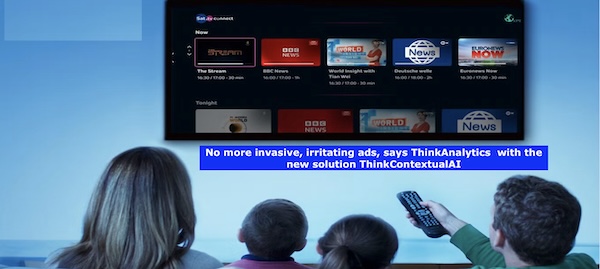
    AI driven video discovery, viewer insights, targeted advertising solutions provider ThinkAnalytics thought about it. The company has launched ThinkContextualAI, a contextual advertising solution that raises the bar for privacy-first, audience-aligned advertising. The solution complements ThinkAnalytics’ broader ThinkAdvertising offerings which have been instrumental in redefining ad targeting across connected TV (CTV)  platforms.

    Combining its  two decades of expertise in viewer behavior and advanced AI technology, ThinkContextualAI leverages a proprietary ontology of more than 40,000 metadata tags, crafted to decode not only what content is about but why it resonates with individual viewers.

    With this insight, ThinkContextualAI allows CTV advertisers to engage with audiences without invasive tracking, ensuring that content signals like genre and sub-genre are mapped to a known ontology so that they can be leveraged consistently by supply side platforms (SSPs).
     
    As fragmentation increases, privacy regulations tighten and personal data access diminishes, advertisers face mounting challenges to engage with audiences. Traditional contextual advertising solutions often fall short, either lacking nuance or failing to capture the true mood and engagement factors of content. In addition, SSPs  are seeing up to 11 million similar but different titled genres and subgenres, meaning buyers can’t reliably buy content-based audiences.

    ThinkContextualAI meets this untapped need, enabling advertisers to target viewers with unmatched precision by moving beyond simple context to align ad placements with themes and emotions.
     
    “Our 40,000+ metadata tags represent not only the subjects of content but also why viewers connect with it,” says ThinkAnalytics CTO & founder Peter Docherty. “This unique capability allows advertisers to achieve a new level of relevance and resonance in ad placement, benefiting both viewer engagement and campaign performance. We worked closely in partnership with customers to ensure this solution meets advertisers’ needs across diverse markets in an evolving regulatory environment.”
     
    ThinkContextualAI empowers advertisers with advanced contextual targeting capabilities, including:

    * Premium Audience Segmentation: advertisers can reach high-value segments like luxury lifestyle and travel enthusiasts without using personal data.
    * Scalable Content Understanding: Scale across vast content libraries with consistent, high-quality categorisation, to enhance the impact of advertising campaigns.
    * Privacy-Safe Solutions: Deploy ad campaigns that are compliant with global privacy standards, helping advertisers maintain audience trust while maximising results.

    ThinkContextualAI offers measurable improvements in campaign effectiveness and user experience:

    * Improved Ad Recall: Drive higher ad recall through genuine content-ad alignment.
    * Increased Viewer Satisfaction: Maintain ad relevance, increasing viewer engagement.
    * Enhanced ROI: Maximize ROI with targeted, privacy-safe placements.
    * Reduced Ad Waste: Minimise irrelevant placements, ensuring efficient ad spend.

    With over 85 service providers serving approximately 475 million subscribers in 47 languages, and generating eight billion recommendations per day, ThinkAnalytics is amongst the largest independent content discovery platform. Its clients include Liberty Global, Vodafone, Deutsche Telekom, DirecTV, Sony Pictures Entertainment, Bell Media, BritBox International, Crunchyroll, Astro, Intigral, MBC, OSN, Proximus, Rogers, Sky Mexico, Tata Play, TELUS, and Mediacorp.