Tag: covid2019

  • Guest column: Pause, Reset, Play – The M&E sector’s mantra during pandemic

    Guest column: Pause, Reset, Play – The M&E sector’s mantra during pandemic

    MUMBAI: This Covid2019 pandemic has forever transformed the way content is consumed across the world. With people confined at home and all outdoor public entertainment shut, and with easy access to 24×7 TV and high-speed internet, viewers consumed content across screens like never before. This paradigm shift prompted the M&E industry to pause, re-assess strategies and finally, scramble back on its feet with a refreshed plan of attack.

    Like most of our contemporaries, we, at Endemol Shine India, were taken by complete surprise when India went into its first lockdown in March. Some of our ongoing shows had to be halted mid-way. Instead of throwing our hands up in despair, we utilised the forced break to go back to the drawing board to reset and put in place extremely detailed blueprints, SOPs and protocols, ready to be deployed for all production units when the lockdown opened.

    When Unlock 1.0 was announced, we were well prepared to hit the ground running. We immediately deployed our well-laid plans, and over the next couple of weeks, started productions across the country. A lot of precious prep-time was saved through meticulous pre-planning that was done between our operating teams and medical experts over numerous Zoom calls.

    Over the next couple of months, we successfully launched three Bigg Boss productions – in Telugu, Tamil and Hindi – all being some of the most complex on-ground productions in India that involve complex workflows and employ significant manpower throughout the day and night, across multiple months. It’s no less than war, but each day brings new learnings, and we are constantly on high vigil – the slightest error can be irreversibly catastrophic.

    Despite inevitable financial setbacks due to a few show cancellations and postponements, we have been able to deliver to our customers what Endemol Shine India has always stood for — top-drawer high quality content. The biggest lesson learnt from this crisis is to always stay prepared for the next one. A great Plan A is now hygiene; the ability to pre-emptively keep Plan B ready is now the true differentiator.

    The other side of the coin

    While the lockdown period stalled productions and original content on TV went off air, repeats of successful older shows saw substantial viewership.

    Ramayan returned to the small screen after 25 years, making DD the #1 channel in the country. Our very own Bigg Boss reruns contributed significant GRPs to our broadcaster partners. With original content back from July and with Bigg Boss and IPL driving viewership in Hindi and regional markets, broadcasters are also looking at a healthy turnaround in the advertising market. With the Covid numbers across India seeming in control and experts staying cautiously optimistic, the M&E industry is slowly but surely raising its head once again.

    These steady progressions have not only fuelled optimism but also investments into the sector. As global brands like Apple, HBO and NBC as well as a few of our domestic giants wait in the wings to test the waters, the timing couldn’t be better for content creators and producers.

    To make the best use of new and emerging opportunities in the post Covid era, it is imperative for organisations to reflect on long-term strategies, consolidate the green shoots and double-down on operating plans for 2021 and beyond. At Endemol Shine India, over the last couple of years, we have been actively pursuing a two-pronged strategy – preserve and grow our non-scripted portfolio, with newer formats and newer platforms; and significantly scale up our scripted portfolio.

    We believe that upstream participation in Intellectual Property (IP) creation is critical and have been investing a lot in creative development – through book rights, original stories, and talent tie-ups. While we are the producer of choice for non-scripted shows, our next frontier is to become the producer of choice in the scripted space. We have set ourselves an ambitious target of delivering 50 per cent of our business from scripted productions over the next three years. As the industry is pivoting around content across devices and as consumption habits change, we realise that we too need to adapt and diversify. To deliver our plans, we are organising ourselves around content. To service the platform demand across the variety of shows we produce, we have created dedicated teams of creative, commercial and production personnel across scripted, non-scripted and factual content.

    As we step on to this ambitious journey, we have identified three critical levers in our production playbook:

    1.    Modularity in execution

    Decentralised, empowered teams for each show, to deliver volumes without sacrificing quality. In 2021, quality supply at scale will be the single biggest USP of production houses.

    2.    Customer-centric approach

    Platform is king and feedback deserves utmost respect. As platforms re-orient their business models and discover newer consumption patterns in 2021, a strategic approach will differentiate production houses and decide who gets repeat volume business.

    3.    Eye on ROI

    The gains of diligent book-keeping cannot be under-stated. Also, we have realised that commercial efficiency and creative excellence are not always a zero-sum game. With granular planning, robust scheduling and tight execution, the interests of the platform and the production P&L can be aligned.

    Looking ahead

    In hindsight, the pandemic has been a steep learning experience, and luckily has not been the unmitigable hopeless disaster it threatened to be. On the contrary, it has made us deliberate and question the fundamentals of our operating models and come up with smarter ways of creating content for our diverse customer base.

    The industry as a whole, has become more resilient and adaptive to new realities – of consumption shifts, lower margins and cost efficiencies. The government can support by easing taxation across the value chain and offering meaningful incentives for productions showcasing our beautiful country, a move that can indirectly help spur domestic tourism. After all, an industry that positively engages 750+ million consumers daily for hours at end, can only boost the revival sentiment in the near and long run as we head into an interesting 2021.

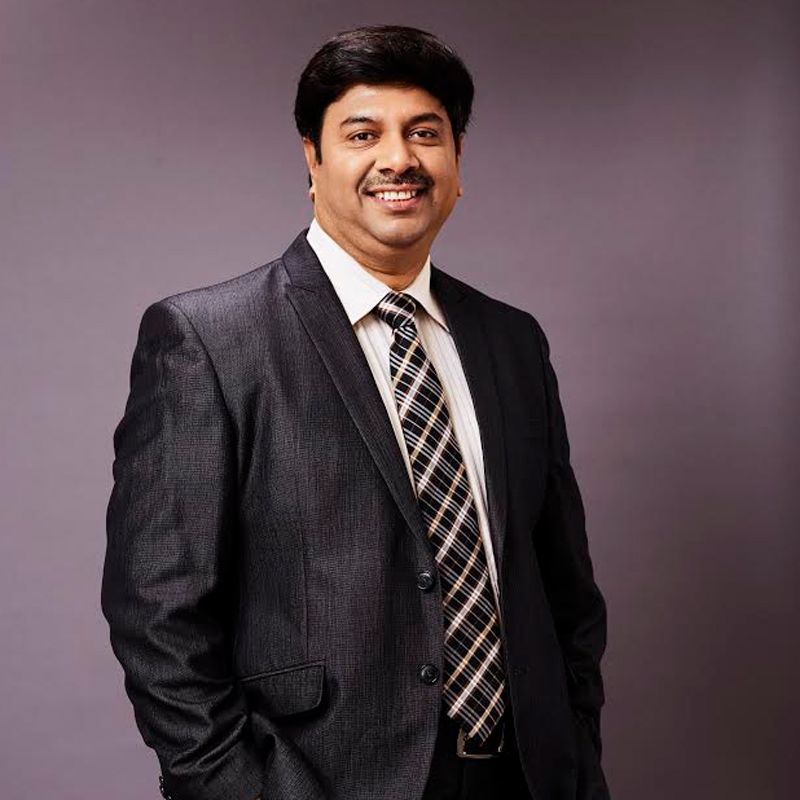
    (The author is COO, Endemol Shine India. Indiantelevision.com may not subscribe to his views.)

  • Guest column: Holiday spirit to spur demand for advertising

    Guest column: Holiday spirit to spur demand for advertising

    NEW DELHI: The pandemic seems to be behind us. Though it hasn’t really disappeared, a slight ray of hope and safety has emerged from the talks of a vaccine soon becoming available. The effect of the prolonged lockdown has impacted economies across the globe, with India being no exception to it. In fact, for an economy which was already reeling under fiscal pressures, the pandemic and resultant lockdown only exacerbated things further. 

    To put things in perspective, look at the dismal performance of the economy in Q1. GDP contracted by a whopping 23 per cent in the June quarter of FY21 after having expanded by a not so impressive 3.3 per cent in the last quarter of FY20. With the first two quarters being wiped out, the third quarter numbers are only expected to be marginally good compared to the ones preceding it. In fact, the GDP in Q3 had expanded by slightly more than 5 per cent in FY19 and 4.6 per cent in FY20. The prolonged lockdown which completely shut down economic activity will have a paralysing effect on the Q3 GDP growth too.  

    A depressed economic growth has an all-pervasive impact on sectors, whether primary or tertiary. The advertising sector too has taken its fair share of hits. Most of the festive season this year has been under the shadows of the pandemic. Bigger festivities have been a complete washout until Diwali. But from here on there seems to be a light of hope. 

    With the world slowly opening, advertisers are likely to spend the remainder of the festive season trying to cover up for what was lost during the lockdown period. A paradigm shift in the overall marketing scenarios following the pandemic will obviously need a change in advertising strategies, creatives and mediums. This is likely to bode well for the advertising world. 

    What will drive advertising going forward?

    With Diwali witnessing a slight uptick in activity, a lower spread rate of Covid2019 will help in maintaining the momentum from here on out. The focus now shifts to year-end festivities starting with Thanksgiving towards the end of November and moving towards Christmas and New Year. 

    One factor that will drive demand from consumers is the very fact that across the board they have been weary of spending big and focusing on saving in a scenario where job losses and pay cuts have been bothering them. Targeted advertising towards the consuming class will hence drive the fortunes of the industry over the next couple of months until New Year.

    The large swathe of middle and upper middle-class consumers are key in the Indian context. This is exactly the layer of society which has been able to weather the economic storm of the pandemic to some extent. With salary structures crawling back to normal, spending habits too can be expected to return to pre-Covid levels. 

    In the changed mindset that we are presently living, fine tuning advertising to the temperaments of consumers will become essential. While products suited to the changed environment, where safety takes precedence over all else will be in demand, pricing will be the next crucial element to target consumers. 

    Though a bumper season is not what it looks like, a rejuvenated spirit among advertisers will surely buoy spirits keeping them high enough to be prepared for a better festive season next year. After all hope is the only reality!

    (The writer is founder & CEO of VDO.AI. Indiantelevision.com may not subscribe to his views.)
     

  • Flipkart sees tier 3+ markets as the new frontier for e-commerce

    Flipkart sees tier 3+ markets as the new frontier for e-commerce

    KOLKATA: With the need for social distancing and prioritising safety, the pandemic has led to millions of people turning to e-commerce this past year, not only in metros but in tier-3 regions and beyond as well. Etailers have focused on ecosystem partnerships, technological advancements and new tools that enable ease of experience for first-time users and to meet the needs of consumers this year, while ensuring business continuity for millions of MSMEs and sellers.

    Flipkart has witnessed interesting demand patterns across India in 2020 as it catered to an array of consumer requirements in this unprecedented year. The company focused on consistently addressing the needs of aspiring customers in tier-3+ regions, who seek the latest products but have limited access, and customers in metros who seek new products with a minimum delivery time frame.

    From changes in category preferences, the emergence of the ‘new essentials’ category, to the adoption of native languages, and surge in new-age forms of payments, 2020 has borne witness to an array of unique consumer trends.

    ‘Bharat’ consumers lead the race in a post-pandemic world

    E-commerce established deep inroads in different regions of the country this year. As people turned to online shopping to meet daily necessities as well as non-discretionary purchases, Flipkart witnessed a new user growth of close to 50 per cent right after the lockdown, with tier-3+ regions registering the highest growth of 65 per cent during the Unlock (July-September) phase. Consumers from tier-2 and tier-3+ regions also spent the most time on the platform, signalling a continuing rise in user engagement and a shift in shopping preferences.

    Increased adoption courtesy voice assistant and vernacular interface

    To ensure that first-time users are at ease while shopping, Flipkart introduced two new capabilities to handhold them through the purchase journey – a voice assistant in grocery, and vernacular interfaces across multiple languages including Hindi, Tamil, Telugu and Kannada. As more consumers joined the e-commerce bandwagon this year, a growing preference to shop in their local language was seen. This year, the adoption of native languages saw a 2.5X increase from pre-Covid to the festive period (January to November 2020).

    Digital transactions reach new heights with UPI surge

    This year, consumers across India embraced and increasingly relied on the convenience of online financial transactions. UPI adoption on the Flipkart platform increased nationally by 4.5X from January 2020 to August 2020, with Maharashtra taking the lead with a 5.2X growth. Andhra Pradesh, Telangana, Kerala, Karnataka and Tamil Nadu were the other states that were at the top of the list for UPI adoption on the platform.

    MSMEs and micro-businesses become atmanirbhar

    E-commerce, over the last few years, has played a significant role in accelerating the growth of MSMEs, micro-businesses, artisans, weavers and handicraft makers across the country. This year, e-commerce played an even more essential role in extending livelihood opportunities and a chance of operational revival as these businesses were hit severely due to the pandemic.

    Flipkart saw close to a 35 per cent increase in sellers onboarded in 2020, in comparison to the same period last year. These sellers came from tier-2 and tier-3 regions such as Tirupur, Howrah, Zirakpur, Hisar, Saharanpur, Panipat, and Rajkot. They primarily catered to categories such as household needs, women’s ethnic wear, grooming, home decor and toys and school supplies.

    To ease the transition of MSMEs to online retail, Flipkart has offered working capital support, constant counsel to leverage unique benefits on its marketplace model, analytics and market intelligence to support business decisions as well as on-ground support to ensure smooth movement of goods.

    The emergence of ‘new essentials’ in 2020

    The term ‘essentials’ got a whole new interpretation in 2020, as consumer needs evolved dynamically throughout the year. Moving beyond what was previously perceived as critical goods, the definition has now shifted to include daily items that a consumer needs, not just for food or health, but also for work and even remote learning. Pre-Covid, the most searched products included personal care, men’s clothing, footwear and women’s clothing. During the lockdown, food and nutrition, household, toys and audio products witnessed the highest demand.

    In fact, this year has been marked by catering to evolving consumer preferences, said Flipkart Group chief corporate affairs officer Rajneesh Kumar said.

    “The emergence of ‘the new essentials’ has seen the creation of greater opportunities and partnerships on our marketplace. This past year, we have strived to expand our offerings across categories to ensure our consumers are well-equipped with everything that they need. We have consistently worked towards creating an ecosystem that serves consumers’ growing needs and also helping Indian sellers and MSMEs access the pan-India market more effectively and efficiently,” Kumar added.

  • Film & TV shoots resume around the globe under Covid2019 protocols

    Film & TV shoots resume around the globe under Covid2019 protocols

    MUMBAI: The Covid2019 pandemic has had a substantial impact on the film and television industry, shutting down or delaying production of movies and programmes in many countries, with consequent negative ripples on revenues (through rights and advertising sales) and employment. But now, as countries across the globe gradually lift restrictions, filmmakers are heaving a sigh of relief.

    Let’s take a look at how film and TV production is faring in key markets as the media and entertainment industry slowly comes back to life.

    New York

    New York City, one of the most densely populated states in the US, was one of the epicentres of the Covid2019 outbreak. As shoots restarted, New York state has implemented various regulations to ensure film and television productions could be conducted safely.

    In October, the state introduced a three-tier rating system under which locations based on the infection rates are assigned red, orange or yellow colours. With red notifying the highest rates and yellow being the lowest, different restrictions are placed on the production set based on what colour area the studio is located in.

    Although filming has resumed, increased costs of sanitisation during the pandemic have led to small projects making up a large portion of ongoing productions. Bigger projects like Amazon Prime’s The Marvelous Mrs. Maisel are in pre-production stage until the beginning of 2021.

    Producers in New York can still benefit from a tax credit program to incentivise the creation of shows in the state. The program gives eligible production companies credit for 25 per cent of production costs. An additional 10 per cent credit is available in certain counties.

    But Gotham soundstages such as Silvercup and Kaufman Astoria are reporting more bookings. And New York City is seeing such series as Blue Bloods, and new series The Equalizer, NBC’s Manifest and New Amsterdam, Showtime’s City on a Hill, and Starz’s Power Book II: Ghost back in the shooting process.

    California

    In March, all approved projects under the California film and TV tax credit program requested force majeure, meaning that their status for receiving tax credits won’t be affected. Ten, including TV series The Orville, Animal Kingdom and Good Girls. The films include King Richard and Macbeth, have resumed production since June. But projects that had been disrupted by the pandemic are still working on stricter timelines.

    Greece

    Although there was a sudden surge in the number of Covid2019 cases in Greece, which pushed it towards a second lockdown on 7 November, production has continued since early summer, with the government putting out safety protocols to ensure cameras continue to roll on despite the pandemic.

    Woody Harrelson-starring Triangle of Sadness, directed by Oscar-nominee and Palme d’Or winner Ruben Östlund, wrapped its shoot on 13 November. The Lost Daughter, written and directed by Maggie Gyllenhaal and starring Olivia Colman and Dakota Johnson, wrapped just days earlier. It is an adaptation of the Elena Ferrante novel.

    The film commission and the ministry of culture have worked together to introduce strict guidelines for all film and TV shoots, while the Greek government this summer raised the cash rebate from 35 per cent to 40 per cent. A new 30 per cent tax relief for incoming film and TV productions has also been finalised, it can be used in combination with the rebate.

    Italy

    Italy, initially hit hardest by the deadly pandemic, is responding to the second wave well with film and TV production churning out relatively more content with adherence to safety protocols and government incentives.

    Culture minister Dario Franceschini has allotted a good sum of money to support production, upping resources to fund the Italian tax rebate from €400 million ($474 million) to $652 million for 2021; while raising the incentive’s cap from 30 per cent to 40 per cent of a local production’s budget (for international productions, Italy’s cash-back rebate remains capped at 30 per cent, which is still attractive). The tax rebate provided by the government is Italy’s main tool which has helped it to combat the rise in economic costs.

    Meanwhile, Paramount’s Mission: Impossible 7 shot in Italy for several weeks in October and November.

    South Africa

    After partially lifting travel restrictions in early October, South Africa is now fully open for business, with international film and TV productions resuming in time for the southern hemisphere. As the country went into semi-lockdown, shooting kicked off on the sets of Nudes, and Wild Bunch TV’s first Italian production.

    The new guidelines allow entry for all foreign travellers who are tested Covid2019 negative within 72 hours of departure. Domestic production was given the green light as early as May, allowing the industry to prepare necessary health and safety measures for international shoots to return.

    Moonlighting restarted production in early October and is currently in pre-production on an international TV series that will begin shooting early next year.

    Recently, South Africa has emerged into one of the world’s leading hubs for international film and television shoots, with the help of financial incentives, skilled English-speaking crews and a spectacular range of locations. Foreign productions can claim a 25 per cent cash rebate on all qualifying local spend, while the rebate for South African co-productions starts at 35 per cent. For productions that meet the requirements for the emerging Black filmmakers incentive, the rebate rises to 50 per cent.

    Recent projects that have started in the country include Good Omens, Bloodshot starring Vin Diesel, and Sony’s fantasy action film Monster Hunter.

  • Covid effect: Italian TV market shrinks by over €400 million

    Covid effect: Italian TV market shrinks by over €400 million

    MUMBAI: After debilitating Italy right at the outset, Covid2019 is now hitting the country in a different way. The Television Market in Italy 2020-2022 report published by Rome-based ITMedia Consulting has estimated that the Italian TV market has lost over €400 million in value this year.

    The report states that pay-TV is the only resource that is growing, while advertising has dropped by 13 per cent.

    Notably, pay-TV has surpassed FTA for the first time in terms of revenues, while the TV market should start growing again as a result of the considerable increase in pay-TV revenues and the partial recovery of the advertising market.

    A strong contribution is expected with the entry of Sky Italia as a network triple player operator and SVoD, which should see a 31.3 per cent CAGR in the time period.

    Although Sky Italia, Mediaset and RAI will remain the dominant players overall (over 75 per cent of the total combined), they will lose market share to other operators whose joint turnover will reach almost €2 billion in revenues. While Mediaset still collects over half of the advertising investments, it is losing ground and now accounts for less than 20 per cent of overall TV sector revenues.

    Sky Italia is still the main market player, albeit with a downward trend, as new and aggressive VoD players increasingly gain market share.

    The report highlights that traditional players that rely only on consolidated business models are being penalised, to the benefit of new players that are able to exploit new technological means and changing viewer demand, increasingly moving towards a personalised, multi-platform and multi-screen experience.

    The pandemic has accelerated and amplified ongoing shifts in consumers’ behaviour, pulling forward digital disruption and forging industry tipping points that wouldn’t have been reached for many years. As a result, the entertainment and media world in 2020 has become more remote, more virtual, more streamed. In the Entertainment & Media Outlook in Italy 2020-2024 report predicted that total E&M revenues in Italy will rise at a compound annual growth rate (CAGR) of 3.0 per cent to reach €39.5 billion in 2024.

    In conclusion, this year's ITMedia Consulting report shows how Italian consumers today are also following the new consumption patterns accentuated by the pandemic. They are watching TV with a greater awareness of the different offers and business models, both linear and non-linear.

    Traditional broadcast TV has sensed the looming and very dynamic presence of online streaming services, and adapting their business models to match those of international operators. Even Sky is leaving no stone unturned to develop new strategies to better confront these internet-based players.

    The report also points out how operators who rely solely on consolidated models are being penalised, to the benefit of new entrants who are able to exploit the opportunities offered by technological evolution and the changing needs of demand, translating them into an attractive offer to the public, increasingly oriented towards personalised use, multi-platform, multi-screen, even on mobile.

  • Film shoots resume in Madhya Pradesh under Covid2019 norms

    Film shoots resume in Madhya Pradesh under Covid2019 norms

    MUMBAI: Madhya Pradesh has become the first state to permit film production post the unlock. The state is taking all necessary measures to ensure shooting takes place safely. The government has come out with a set of standard operating guiding principles that need to be followed at film sets and by the crew at all places where filming takes place.

    Moreover, Madhya Pradesh is a predominantly Hindi speaking state, making it more viable and manageable for Bollywood movies. The availability of production facilities, line producers, artists, local crew etc, makes it much more economical to shoot in.

    Till now, more than 200 projects including feature films, TV serial/series, TVCs and reality shows have been shot in Madhya Pradesh, such as Stree, Sui-Dhaga, Kalank, Manikarnika, Luka Chhupi, Padman, Toilet ek Prem Katha, Bajirao Mastani, Paan Singh Tomar, Lion, C, Aarakshan, and Raajneeti, to name a few.

    Recently, actors like Anupam Kher and Bhumi Phednekar have wrapped up filming in Madhya Pradesh for their movies. And a few shoots with actor Vidya Balan are in the pipeline around the last week of November.

    Anupam Kher said, “It is picture wrap for our movie #TheLastShow!! What an amazing, creatively satisfying and courageous journey it has been. We will miss this time together. But I think we have created something, the memories of which will last us for a lifetime. ‘Thank you’ is a small expression to express our gratitude. But we couldn’t have created this gem without the help of #MPGovt, local authorities and people of #Bhopal. Especially @mptourism dept. Jai Ho to you all.  #Film #PassionAndPaseenaFilms.”    

    Madhya Pradesh Tourism department is liable to coordinate with the different concerned departments for shoot permission on behalf of filmmakers. The state is working on a Film Tourism Policy to simplify the process of securing permission for shoots.

    The vision of this policy is to make Madhya Pradesh a major filmmaking hub and generate a number of employment opportunities in the state.

    MP tourism provides the following facilities to producers/directors:

    •      Dedicated film facilitation cell shall work as a nodal agency to ease out the shooting permissions through single window clearance system.

    •      Authentic shooting locations

    •      Film friendly authorities and strong government support

    •      Easy permissions

    •      Modern infrastructure and omnipresent hotels

    •      Favourable law and order condition

    •      Cost-effective infrastructure, crew, local talent and other skilful workforce

    •      Hindi speaking people, food/cuisine flexibility and ideal climate

    Comfort of filming in MP:

    ·        A dedicated online film web portal shall be created to provide a single-point interface and time bound clearance mechanism for filmmakers intending to shoot in Madhya Pradesh.

    ·        All the applications shall be received through online mode by the film facilitation cell and action shall be taken in coordination with the concerned department for permission.

    ·        The portal shall also act as a platform for information dissemination related to film tourism policy and shall also act as a forum for the dissemination and the rules, regulations, also provide information on grants and other utility services.

  • 97% Indians have increased their monthly spends on content: Dolby

    97% Indians have increased their monthly spends on content: Dolby

    New-Delhi: Today, Dolby Laboratories, Inc. (NYSE: DLB), a leader in immersive entertainment experiences, released findings from a new global study illustrating a significant shift in consumer entertainment behaviour in India. The new homebound work and leisure economy has led to a sky-rocketing demand for new and quality content and for better devices. As per a new global consumer study by Wakefield Research conducted in four countries for Dolby, Indian consumers are now prioritizing and seeking better experiences possibly driven by long hours spent at home. Indian consumers are spending more on quality in order to better connect with content—and to connect with each other.

    “Despite all of the challenges of this past year, this study has illustrated the power of entertainment in bringing us together with those that are most important to us,” Dolby Laboratories MD emerging markets Pankaj Kedia “We take great pride in creating more immersive experiences through our technologies and see the significant growth of Dolby Vision and Dolby Atmos as proof that consumers are seeking these experiences as well.”

    Wakefield Research senior partner Nathan Richter said, “We are all confined and what better way to use this time than to bond with friends and family, both in-person and virtually. People love entertainment and there is an exponential rise in demand for quality content that can be enjoyed in the comfort of one’s home. People recognize that high quality sound and visual experiences have a huge impact and make viewing more exciting. More than that, it enhances the entertainment experience and helps people to better connect during these challenging times.”

    The Wakefield study on ‘Quality Time is Quality Picture and Sound’ highlights shifting consumer patterns for content consumption. It throws light on their preferences and the willingness to invest in premium quality content and in devices andto be able to have an enhanced audio and visual experience that is helping increase family bonding time.

    The India leg of the study conducted across six cities, including New-Delhi, Mumbai, Chennai, Kolkata, Hyderabad and Ahmedabad, was aimed at understanding the changing content consumption habits during the pandemic. The study cuts across generational breaks and includes the voice of Gen Z, Millennials, Gen X & Boomers.

    Here are some of the most interesting study findings:

    · Contented by Content-COVID-19 has driven many Indians to use entertainment as a way of unwinding, including 66 per cent of Indian respondents saying they use it as an opportunity to relax and 60 per cent saying they find it as a good social experience of watching with others.

    · Ripped from the Headlines-Current events can drive viewers to entertainment and even alter their choices. This includes 92 per cent respondents in India, who said the news impacts what they watch.

    ·Investing in the Experience-. The study shows that consumers are spending more on quality in order to better connect with content—and connect with each other.Compared to the start of the year-

    • 97 per cent of Indian respondents have increased their monthly spends on content by 48 per cent on an average compared to the start of the year

    • 88 per cent of Indians respondents have in the past six months already invested in upgrading their streaming services

    • 96 per cent Indian respondents plan to upgradetheir entertainment equipment in the next 6 months

    • Equipment upgrades include better mobile devices. In India, 61 per cent respondents plan to upgrade their mobile device to improve their viewing experience

    · Worth It- Consumers connect with their content better with enhanced picture and sound quality. 94 per cent Indian respondents would pay more for a premium subscription to receive enhanced picture and sound quality

    · Broadened Horizons- As consumers stayed at home with more time to watch, many consumers got into a genre of content they had not consumed before

    • 95 per cent Indian respondents got into new types of content they didn’t watch before

    • Those engaging with new types of content had a wide variety to pick from. In India, streaming live music events lead popular new content (50 per cent), followed by comedy (48 per cent), video game streaming (46 per cent) & DIY videos (45 per cent).

    · Multiple ways to Watch- In India, 29 per cent say their smartphone is their primary entertainment device. This is followed by 22 per cent who say television and 20 per cent who say computer.

    · Smaller Screens, Higher Quality- Consumers are particularly interested in enhanced picture and sound quality for watching movies and TV shows. In India, 49 per cent respondents rank movies as one of their top-two forms of entertainment that merit enhanced quality.

    · Work Hard, Play Hard- With work now requiring video conferencing, many are “borrowing” that tech for personal purposes. In India, 92 per cent respondents are using work video applications for social purposes, including 80 per cent who do so often or all the time.

    · First Time for Everything- In India, 65 per cent respondents of those who engaged in live-chat while watching streaming videos did so for the first time.

    At Dolby, we are committed to bringing premium, immersive experiences to as many people as possible. Just in the last year, the adoption of Dolby Vision and Dolby Atmos in the home has been widespread. There are hundredsof millions of Dolby Vision and Dolby Atmos enabled devices in market from the world’s leading devicemanufacturers.

    As this study shows, the drive for better experiences doesn’t stop at devices. Content adoption is also growing rapidly, completing the ecosystem that we have been building through global partnerships with leading streaming services that continue to release their top shows and films in Dolby technology every month.

    “Ultimately, we expect the desire for more human connection to continue in the future and immersive experiences can help fulfil this demand,” added Kedia. “Just as entertainment drives cultural conversation, that same conversation drives the connection across the globe, and we are seeing connections grow stronger every day through elevated entertainment experiences.”

  • TV segment ad revenue decline to be in range of 20-25% at end of FY21, report estimates

    TV segment ad revenue decline to be in range of 20-25% at end of FY21, report estimates

    KOLKATA: The broadcasters have had rockier than the usual first half of the year due to ongoing crisis as the advertising spends fell drastically. While the market is slowly recovering, ad decline could be in the range of 20-25 per cent at the end of FY21. The report published by Elara Capital also predicts that Zee Entertainment Enterprises Limited (Zeel) and TV Today Network (TV Today) will outperform other broadcasters in terms of ad revenue.

    Zeel’s growth will be driven by Zee Anmol moving back towards FTA and strong gains in the south based regional genre, as per the report. It further adds that TV Today will have an advantage of the shift in the news genre due to sharp viewership gains compared to other genres, which has tapered off post the unlock. However, it still remains high compared to pre-Covid levels. Aaj Tak being the leader in the news genre in the first half of FY21, the traction for ad spends in the festive season is expected to remain healthy along with some benefits during Bihar elections, thanks to strong market share for election poll viewership.

    It re-emphasises that the re-conversion of channels like Zee Anmol, STAR Utsav from paid to FTA will continue to benefit the listed broadcasters like Zeel positively as they have been gaining significant market share within the GEC genre attracting ad revenues. Hence, the report predicts the ad revenues from these channels to move back to pre-NTO levels, which had plummeted after their conversion to paid channels post NTO 1.0 implementation.

    Genre-wise, Hindi and regional GEC will outperform TV ad spends, while other genres like English, music, infotainment etc. will underperform given the continued weakness witnessed in the English entertainment genre and struggle of music, infotainment in attracting ad spends.

    The report says that the pricing of GEC genre has seen a sharp recovery and down by merely 25-30 per cent narrowing the gap from 60-65 per cent in April-May. However further recovery for pricing in the GEC genre is expected only after the Indian Premier League (IPL) i.e. November onwards, as the latter has extracted a huge chunk of ad budgets. It also says that the festive uptick coupled with the resumption in GEC ad spends post the IPL season to bode well for the broadcasters, during the first half of the third quarter leading to 15 per cent growth year-on-year.

    Nonetheless, the report mentions that broadcasters would not be able to close the quarter with the festive gains due to some drop towards December. Hence, they will end overall Q3 at a 7-8 per cent growth excluding IPL. During the fourth quarter, broadcasters are expected to report a growth of 10-12 per cent given the low base of FY20 impacted by Covid2019. Based on these expectations, FY21E ad decline translates to average 17- 19 per cent (ex-IPL).

  • How ISL is putting Indian football on the world map

    How ISL is putting Indian football on the world map

    Indians have long nursed a smouldering passion for football and sporting clubs have been around for decades in the country. A few of these hallowed clubs are over a century old, with an illustrious history and devoted fanbase of their own. In the past though, their woeful refrain was how India had yet to make a mark on the international footballing scene. That has changed over the past few years.

    When the Hero Indian Super League (ISL) gave the clarion call of ‘Let’s Football’, a new generation of football fanatics took up the cry and thus, a sports phenomenon was born. Global recognition soon followed.

     Recently, the fast developing football league has been catching the attention of international investors as well. For starters, the City Football  group plonked down top dollar  to acquire a 65 per cent stake in the Mumbai FC in November 2019. What’s noteworthy is that the group is 78 per cent owned by the Abu Dhabi United group (ADUG), 12 per cent by the American private equity firm Silver Lake with the remainder owned by Chinese firms China Media Capital and CITIC Capital  and it has stakes in in clubs in most of the football  leagues globally. The most prominent is English Premier League major Manchester City FC. The City Football group’s investment in an ISL club showed that the league has arrived on the football map.

    Then in mid-August 2020, ISL franchise Hyderabad FC announced that it had struck a two-year partnership with German Bundesliga giant Borussia Dortmund (BVB), the twelfth richest football team in the world. The intent: use BVB’s experience in nurturing and developing young players, and transplant that into Hyderabad’s academy structure and coaching education. The German club will impart its expertise in technology to drive innovation apart from help expand its fan base.

     Moreover, the Hero ISL has also became the first league from South Asia to be inducted into the prestigious World Leagues Forum, which includes professional football leagues like La Liga, Bundesliga and Premier League, to name a few.

    That India was chosen by these prestigious groups speaks volumes to ISL's contribution in exhibiting the country's potential to be the next big thing in international football. Tie-ups like these are actually advantageous for both parties – while the global players get to expand their audience and fan  base in India, for the home teams it’s a chance to gain exposure and pick up new skills and techniques. It helps build synergies that make the Indian football ecosystem more diverse and competitive, while also being inclusive.

    “It’s similar to how the IPL has helped India in becoming one of the strongest cricketing teams. There are expectations for the ISL to do the same for Indian football. As a sports-loving nation, we need something besides cricket and football can be a game for the masses,” said Kaushik Chakraborty, senior vice president at Vizeum India.

    In some ways, the ISL is still a virgin league next to the EPL and other established brands. But it has emerged as a highly interesting property with global appeal, shared a media veteran. The upcoming season will host 74 overseas players contracted with different clubs. Such 'crossovers' will consequently raise the quality of football being played, especially since a handful of these athletes have played top-flight football in some of the biggest leagues in the world. As the ISL grows bigger in reach and repute, and more investment pours in, it will set the stage for A-list players to consider becoming a part of the league too.

    Investment from foreign teams not only boosts popularity but also helps Indian sides market themselves better, noted Chakraborty.

    But what about the impact of Covid2019 on ad spends?

    The good news is that select advertising categories have been showing they have the appetite to spend, Covid2019 or not, during the unique confluence of the festive period and the IPL this year.

    The question arises: will they continue to spend on the ISL now?

    The answer is a resounding yes.

    An annual event on the sports calendar, it has worked effectively for brands wanting to associate with a tent pole event that gathers a reasonably large cohort at affordable prices. ISL 2020 has already attracted sponsors – some rock solid ones. Among them: Hero, the title partner, which has been associated with the league since inception. Apollo Tyres and Nivia have signed as official partners. And more are jumping on the bandwagon.

    Brands have taken a fancy to associating with the clubs as well. Puma for instance has signed on with the Mumbai FC as its kit partner; sports news site SBOTOP.net has partnered with ATK Mohun Bagan as the team’s principal sponsor.

    Not to mention that the Premier League, the wealthiest and most-watched football league in the world, has come onboard as strategic partner. This, perhaps, is the biggest vote of confidence the homegrown ISL could ask for with regards to its prospects as a global player of the future.

    The ISL has always believed in playing offense. With the support of its sponsors and loyal viewers, it is only a matter of time before it drives India past the goal line and puts us well and truly on the world map of football. 

  • ‘Safer For Each Other 2.0’: Uber reassures riders of safety

    ‘Safer For Each Other 2.0’: Uber reassures riders of safety

    NEW DELHI: Uber has launched the second-leg of its marketing campaign, ‘Safer For Each Other 2.0,’ to reassure riders of various precautionary measures it is undertaking for rider and driver safety, including in-car partitions and frequent disinfection of vehicles.

    Uber has already installed safety screens in 81,000 autos across more than 20 cities and in 42,000 cars across seven cities. These high quality safety partitions are being installed just behind the driver’s seat and will act as an additional physical barrier between drivers and riders, facilitating social distancing while on a trip and help restrict contact. 

    Through ‘Safer For Each Other 2.0,’ Uber aims to make its partitions a tangible marker of safety in autos and cars. By sitting on the opposite sides of the safety screen, both riders and drivers are helping keep themselves #SaferForEachOther. The 360-degree campaign amplification plan will leverage print, radio, digital, social media, and other channels to ensure widespread awareness about Uber’s safety standards. 

    Uber marketing director, India SA & APAC rides brand marketing Sanjay Gupta, said, “At Uber, we are constantly defining transportation safety standards. The campaign salutes the human spirit & ability to move forward amidst crisis. As a brand that is reimagining how people move forward safely, the campaign highlights the importance of safety screens in maintaining physical distancing, while keeping riders & drivers connected on the common goal of keeping each other safer.”

    Over the past few months, Uber has announced various features and policies to help riders and driver partners feel safer. It has launched a comprehensive set of safety measures such as the pre-trip mask verification selfies for drivers and riders, mandatory driver education around Covid2019 related safety protocols, and an updated cancellation policy.