Tag: covid2019

  • Guest column: Brands have to re-strategise for impactful engagement with consumers

    Guest column: Brands have to re-strategise for impactful engagement with consumers

    MUMBAI: 2020 has been a year of hard lessons that will leave an impact across industries and societies for decades to come. The year of the pandemic made us change the way we conduct business, and rethink our strategies, compelling us to adapt to the changing realities of the times. We’ve already witnessed a fundamental shift in how companies approach their marketing. However, one thing is clear to all of us: the pre-Covid2019 world is gone for good and 2021 is going to be about how brands amend and adjust their strategies for the new normal. We don't know yet if schools will open anytime soon. We don't know about the functions of vaccines, however, we have to re-evaluate, gear up and think of a way forward for 2021 and beyond.

    1. Digital expansion

    When the dust from the Covid2019 crisis finally settles, it will be clear that we’ve dramatically accelerated the adoption of digital technology into our lives. The pandemic has shown us how this digital transformation has made many aspects of our home and work continue almost as normal, despite the abnormal circumstances. Agile marketing and a presence on both online and offline platforms is the need of the hour. Our online presence and digital engagement have always been high and we would also be focusing on how our brand can work on making the digital community stronger.

    2. Reconnecting with the normal world and fostering human connection

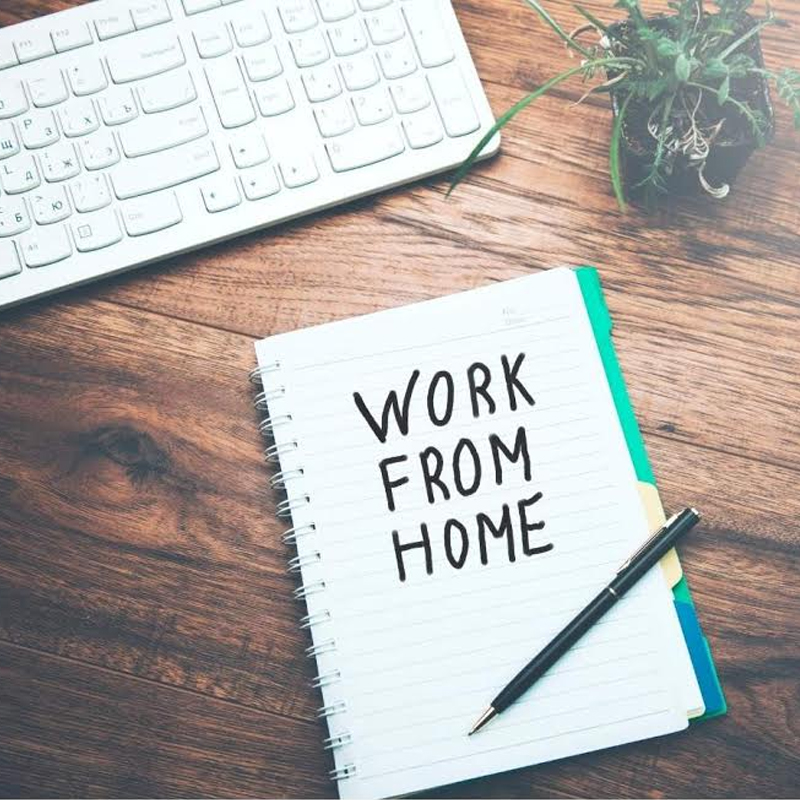
    As we’re navigating a new way, we know that many of those activities we took for granted have transformed. From going to the grocery store to children attending school, our lives have changed for good. For many of us, work has also shifted from full time work in an office to work from home. This has impacted the ways we humans interact with each other and we’re transitioning to virtual relationships. Now that we all are getting to grips with the new normal, it’s never been more important to stay connected to the people and embrace flexibility. Brands will have to re-target and re-strategise to engage with consumers in newer and more impactful ways.

    3. Ease of purchase

    As the pandemic has compelled consumers and us to adopt e-commerce/door-to-door services and dependency on digital means at a rapid pace, 2021 will see brands working further to improve product accessibility for consumers as India's digital revolution gathers pace after a subdued economic year overall.

    4. Climate change and sustainability

    Even though it might not be obviously clear, the Covid2019 pandemic has highlighted the fragility of human existence itself, and that in turn has forced consumers to prioritise sustainability and climate change issues that might have been overlooked five years ago. The rising penetration of social media in every aspect of lives has also compelled consumers to signal to their peers that they care about the planet. Caring for the planet and sustainable ecosystems along with proselytisation of veganism have become key virtue-signalling elements in our thought process. Brands across the world have responded to this change and even fossil fuel conglomerates are presenting “Green, sustainability” funds to mitigate the effects of climate change. The world is witnessing the power of mass behaviour change and everyone is remembering the importance of leading with purpose. Consumers prefer to connect with brands that display a sense of sustainability ethic.

    In 2020, Faber-Castell launched its recycled range of paper pencils, made with recycled and repurposed paper. The rainbow shavings in this product underlined the brand’s priority to promote inclusivity. Added to this, the water-soluble seeds found at the bottom of the product emphasized its eco-friendly quality. Through this one product, we are forwarding our goals of sustainability as well as inclusivity. This is not to say that we are resting on our accomplishments. Through advanced research and product development, we are constantly attempting to further improve our sustainability score through innovation in our packaging and products. The consumers have always positively responded to this and we hope that we will continue to be appreciated for it.

    (The author is marketing director of Faber-Castell India. Indiantelevision.com may not subscriber to her views.) 

  • Guest column: Lockdown learnings for TV land

    Guest column: Lockdown learnings for TV land

    MUMBAI: The Covid2019 pandemic has given us an opportunity to reflect on how we go about our daily lives, and has taught us to be leaner and greener both at work and at home. The lockdown has brought many together, a few apart, and brought out the best and the worst in us. Cocooned in our homes with the spectre of Covid2019 looming over us has led to radical changes in our consumption habits across categories. Television is no exception and the way we consume media and entertainment has changed as well. The absence of original content has seen broadcasters rummaging through their larder for content and this search has manifested itself in dusting off legacy shows, a renewed love for movies, an insatiable appetite for news, a grudging acceptance of dubbed content and the emergence of user-generated content amongst others.

    Whether these changes are transitory, quasi-permanent, or permanent, only time shall decide but a few crucial learnings during this period are highlighted below:

    Curation is as powerful as creation

    It has been an accepted norm that original content ratings are significantly higher than recycled content ratings. However, the careful curation of legacy shows, the introduction of dubbed shows and movies, and proactive FPC management have ensured that many truisms had to be revisited. There has been a blurring of prime time versus non-primetime ratings, original versus repeat ratings and discrete versus continuous content. So moving forward curation is at par with creation but both fundamentally require a deep understanding of viewers' sensibilities, need states, and cultural sensibilities and sensitivities.  

    Recycle, repeat and reuse is the new mantra

    Re-telecast of successful mythological shows delivered ratings in their original as well as dubbed avatar across markets. Channels across markets juggled their programming strategies over the past few months to give prominence to mythological shows such as Mahabharata, Ramayan, etc. The mythological shows bought in an element of hope and belonging during the time of unprecedented uncertainty. Gauging the audience’s response, reruns of erstwhile popular fiction shows also became a norm during the lockdown and were being aired alongside original shows.

    Language is no longer a barrier

    Thanks to the rising availability and popularity amongst viewers, regional language content has emerged as a key growth driver for TV viewership. Indian audiences are more than willing to consume content in their respective languages. In the past few years, rural electrification and smartphone penetration have also added to the popularity of regional language content.

    Movies have found their mojo

    Film-based content not only performed well in Hindi speaking markets but also in southern markets. According to BARC India data, the movie genre saw a 27 per cent growth in primetime viewership share in the south market as compared to the pre-Covid2019 period. Driven by the fact that movies, as a form of content, appeal to all age groups in a family and encourage co-viewing, the category emerged as the primary source of entertainment on GECs across markets.

    Families are the new TG

    Amidst the pandemic, during the time of lockdown, television cemented its role of bringing families together. Lockdown led channels to gradually move from ‘women-centric’ entertainment to ‘family-centric’ entertainment. Content consumption patterns have now changed from ‘me’ to ‘we’.

    Senior citizens can pack a powerful punch

    The population of senior citizens is projected to increase to 20 per cent by 2050. Pre-Covid2019, senior citizens were always underestimated as a target group. The lockdown phase defined them as a significant target group and led us to acknowledge them as an important audience while curating content.

    To conclude, as Socrates said, “The secret of change is to focus all of your energy, not on fighting the old, but on building the new.” While this has been a tough year for everyone across markets, we have grown in a few and may have declined in a few others, but in either case, we have maintained our position for 2020. We are constantly learning from our viewers every day. As we move along, our lockdown learnings continue to provide us with an opportunity to become significant and far more meaningful.

    (The author is business head, Viacom18 regional entertainment – Kannada and Marathi clusters. Indiantelevision.com may not subscribe to his thoughts.)

  • Covid effect: Warner Bros, Disney, Universal TV postpone LA-based shows

    Covid effect: Warner Bros, Disney, Universal TV postpone LA-based shows

    MUMBAI: Close to two dozen southern California-based television shows have been put on extended hiatus as Covid2019 infection rates continue to rise in Los Angeles county.

    Warner Bros TV has confirmed that series productions such as comedies Mom, B Positive, CBS’ Bob Hearts Abishola, and dramas Shameless (Showtime) and You on Netflix will not resume shooting next week as scheduled. The studio aims to return the week of 11 January but will evaluate as conditions get better.

    On a similar note, Universal TV has pressed pause on six comedies — NBC’s Mr. Mayor, Kenan, Good Girls and Brooklyn Nine-Nine, HBO Max’s Hacks, and Netflix’s Never Have I Ever. Universal is also eyeing a 11 January return date for most of its originals.

    Both Walt Disney-owned 20th Television and ABC Signature have extended production hiatuses on 16 shows: 911, Lone Star, American Crime Story: Impeachment, American Horror Story, American Housewife, Big Shot, Black-ish, Grey’s Anatomy, Last Man Standing, among several others. Reports stated that none of the Disney shows are expected to return to production floor before 18 January.

    Sony Pictures Television has also deferred The Goldbergs and Atypical; both of the shows were slated to resume production next week.

    The moves follow the decision Tuesday by CBS Television Studio to extend the holiday production hiatus after Los Angeles county suggested that shooting in the area be suspended amid a surge in Covid2019 cases.

    “Although music, TV and film productions are allowed to operate, we ask you to strongly consider pausing work for a few weeks during this catastrophic surge in Covid2019 cases,” public health department representatives wrote in a 24 December email, according to FilmLA. “Identify and delay higher risk activities, and focus on lower-risk work for now, if at all possible.”

    According to the reports, Los Angeles county on Wednesday hit a single-day high with 262 Covid2019-related deaths.

  • ABP News to buzz in 2021 with diverse year-ender shows

    ABP News to buzz in 2021 with diverse year-ender shows

    NEW DELHI: Aiming to dial up the excitement for 2021 after a tumultuous year, ABP News has curated a special programming line-up on new year's eve. After its recent rebranding, the channel is taking another step forward to keep viewers engaged with a host of interesting programmes marking the end of 2020. 

    The channel will be reflecting on the best and memorable moments of 2020 and will also give a sneak peek into how 2021 is going to be. ABP News, which has otherwise tried to remain away from astrology-based shows on it for the past few years, will host a special show called 2021 ka Rashiphal. It will be hosted by renowned astrologer Pawan Sinha. Another special show called Bade logon ke liye kaisa rahega saal 2021 will have different astrologers and numerologists predicting how the year 2021 will turn out to be for 10 big personalities of the country.

    Bringing cheer to viewers whilst bidding adieu, the diverse line-up will include a Comedy Special show which will have the ‘Best of Comedy by Kapil Sharma’ and a discussion with other renowned guests; Kavi Sammelan – another unique show, will mark the presence of Kumar Vishwas and other renowned poets.

    Other interesting shows like Corona Ki Zubaani 2020 Ki Kahani will talk about the Covid2019 pandemic and its impact; 100 Khabrein 100 Reporters will feature 100 reporters of ABP Network narrating different stories of the year 2020; Jai Jawaan Jai Kisaan will be a new year special show on the soldiers and farmers of the country, highlighting their contribution and service to the nation. 

    2020 aur Modi will dissect the journey of PM Narendra Modi and how he navigated the past year; 10 Badi Tasveerien  – a show which will talk about the different aspects of 2020 through 10 big stories; Top Viral – a special programme featuring viral stories of 2020; and Vyakti Vishes will nominate the personality of the year through a five-day viewer engagement poll on social media.

  • 2020: The tipping point for the Indian OTT ecosystem

    2020: The tipping point for the Indian OTT ecosystem

    KOLKATA: The Covid2019 pandemic has walloped many industry verticals this year but digital-first categories including over-the-top (OTT) or streaming video services have actually been given a leg up. A host of new users, paid subscribers have tuned in to consume online platforms, due to stay-at-home directives, limited social activities, enforced theatre shutdowns, fewer entertainment options. With multifold growth across metrics, the sector has witnessed growth that would have normally taken four to five years.

    The Indian OTT industry has been steadily growing in the past couple of years, especially since Jio democratised internet for the country’s masses. As the country entered into lockdown, fresh content on TV dried up and OTT platforms emerged as the most sought after medium for entertainment. India’s data consumption went through the roof with demand on OTT and VoD platforms rising by a whopping 947 per cent within July compared to the pre-pandemic period, according to data from internet exchange DE-CIX.

    As the curtains to 2020 are being pulled down, we look at not only statistics but at the emerging trends as well.

    Indian consumers are willing to pay more than ever for OTTs:

    Along with the growth in consumption and users, the number of paid subscribers has also gone up during the year. Back in 2017-18, there was a myth in the market that Indian subscribers would not pay for premium content. While 2019 was already indicating otherwise, 2020 has strongly broken all notions. According to a Boston Consulting group report, pandemic has increased growth of over-the-top (OTT) subscriptions by 60 per cent. It is not only a fad but more than half of these new users are likely to continue using the service. A PwC report has also forecast that subscription based video-on-demand (SVoD) will be the prime driver of revenue, growing at a 30.7 per cent CAGR.

     Although global streaming giant Netflix has not released any country-focused data as yet, it is likely to end the year with 4.6 million paid subscribers in India, as per estimates from researcher Media Partners Asia (MPA). Previously held estimates for 2019 were two million subscribers. Media giant The Walt Disney Co. (Disney)’s digital arm Disney+ entered in India combined with the existing Hotstar service as Disney+Hotstar. Now, Indian streamer accounts for 30 per cent of Disney’s overall subscriber base that is 26 million subscribers. Among indigenous players, ZEE5 also contributed significantly to its parent company’s overall revenue, thanks to its subscription revenue growth. Other platforms like ALTBalaji saw daily additions of 17,000 subscribers at the beginning of lockdown. Newly launched subscription services like Voot Select, Discovery Plus also claimed that the platforms exceeded expectations around customer acquisition.

    Launches, relaunches, the rush continues, even as some exit

    India is seen as the new streaming Mecca and the OTTs are rushing in like lemmings.  Both international and local players launched their services this year. Apple+ which launched towards late 2019, pushed forward with its customer acquisition plans through the year. And one of the most awaited services, Disney+ entered the country through its Indian cousin Hotstar, part of the Star India network, which it acquired the previous year from Twenty First Century Fox. The service was branded Disney+Hotstar and it was introduced just as India was entering the Covid2019 lockdown. Discovery began its video streaming journey with the launch of Discovery+. Hollywood Studio Lionsgate strengthened its direct-to-consumer presence with Lionsgate Play, while it was playing earlier in a distribution partnership model. SonyLiv went in for a relaunch, serving out a very different looking new version Voot from Viacom18 introduced its Voot Select offering.  ErosNow – a part of Eros Media – went for a refresh announcing the launch of new extensions and services  after its merger with US entertainment mid-sized player STX Entertainment.  

     A host of new hyperlocal platforms have also been launched like Aha as they strive to capture a piece of the regional language preferring audiences. Telugu diaspora targeted YuppTV took another shot at domestic audiences by launching an educational service as well as launching new shows.

    Like in satellite television, pan Asian or global  streaming services backed with relatively less capital and by local entrepreneurs, went belly up or restricted their focus on specific countries. Five year old Hooq – a streaming service which promised a lot – shut shop by May 2020, including its Indian operations. The just as the year 2019 was ended, another streamer Viu promoted by HongKong based PCCW, wound up in India.  The biggest disaster was the downward spiral of the Jeffrey Katzenberg-Meg Ryan run short from professional produced video streamer Quibi after guzzling down nearly a billion dollars in investment worldwide. In the US, AVod service Tubi, which had its eye on India, was acquired the Murdoch-run Fox Corp for $440 million. Expect some India play from this player going forward.

    OTT platforms increases direct-to-digital releases:

    The streaming services started premiering movies directly on the platforms earlier but this year saw movies with big names also debuting on those platforms as theatres were closed for six months across the country. Deep-pocketed  players including Amazon Prime Video, Disney+Hotstar went aggressive to acquire big-budget movies. A PwC report has stated that global SVoD revenue will overtake box office spend in 2020.

    At the initial phase of the lockdown, Disney+Hotstar launched  its ‘Multiplex’ feature and went on an acquisition binge acquiring titles such as Laxmmi Bomb, Dil Bechara, Lootcase, Sadak 2. Amazon Prime Video, the Jeff Bezos owned platform, also released Gulabo Sitabo , Shakuntala Devi and several others. Netflix jumped on the bandwagon with the likes of Ludo, and  Gunjan Saxena. Platforms like SonyLIV, Zee5 also turned to old, unreleased films. This trend is not only limited to India but is reflected globally. For instance, WarnerMedia has announced to release its entire 2021 movie slate on HBO Max and simultaneously in theatres. At the same time, ShemarooMe also launched Box Office to release small budget Bollywood movies. 

    Higher investment in original content:

    As the user base, consumption rate grows; appetite for quality premium content amongst India’s massive populace has also ballooned. For consumer stickiness, broadcaster led OTT platforms are heavily investing in original content. One of the early movers in the OTT segment SonyLIV has reinvented itself this year with a higher focus on churning out original content like its runaway hit Scam 1992. The idea was to increase its subscriber base significantly. Viacom18’s Voot also launched a subscription service called Voot Select with a promise of releasing more than 30 originals. Other international OTT players like Amazon Prime Video, Netflix, Disney+Hotstar are also upping their content significantly. London-based technology research and consulting firm Omdia has projected that the three OTT players are expected to collectively spend approximately Rs 2824.9 crore ($383 million) on original content in India in 2021.The OTT players are collectively expected to spend Rs 4,905 crore ($665 million) in 2021. However, Covid2019 restrictions have postponed around 30 per cent of the projects programmed to start in 2020.

    Enriching content library with diverse content, new features:

    Many of the OTT players are aiming to build themselves as super apps. ZEE5 has forayed into short-video category HiPi, gaming. Times Internet’s MX Player has also built a short video platform Mx TakaTak which has been considered as one of the most successful user generated apps post the  TikTok ban. To provide more value to users, ZEE5 partnered with an edu-tech platform at the beginning of the year. During the lockdown, Disney+Hotstar, Voot expanded their health and wellness portfolio on the back of new partnerships. Another niche area,  the kids segment , has also emerged as a big area of attention. While Voot already launched Voot Kids in 2019, ZEE5 added a dedicated section for kids this year with content focused on a blend of fun and learning. Amazon Prime Video which has already established a stronghold with its rich original content, has forayed into live sports acquiring rights for broadcasting New Zealand cricket matches in India. 

    Rising regional market:

    A recent BCG-CII report has shown that 35-40 per cent of the consumption on OTT services happens in local languages. And the hours of original programming in local languages have tripled in the past two years standing at 1,400-1,800. Throughout the year, a number of hyperlocal platforms have sprung up. Many among them, like the Telugu language Aha have committed huge investments to release more than 50 originals in a year. Bengali OTT platform Hoichoi has also announced a huge line up of content on its third anniversary. SunNXT is also looking at investing Rs 200 core for original content in FY 22. National players like ZEE5, Voot, and MX Player have strengthened their local offerings producing many hits across languages. Even international players have also gone deeper into regional markets as digital infrastructure across tier-II and III cities and  rural areas has increased, gradually leading to more traffic.

    Business models expand

    The year 2020 also saw attempts being made at unearthing a new business model transactional video on demand, with ZEE5, Shemaroo and bookmyshow announcing initiatives in this direction. The latter two at least have been planning their services seriously in building such a model. They are taking heart from the tremendous success that Universal’s Trolls World Tour had from digital rentals logging in almost $100 million in collections.

    Of course, the most prevalent model in the OTT ecosystem is the AVoD one or one that depends on advertising and offers free content to subscribers. Amongst the biggest players in this space is MX Player which claims around 200 million subscribers. Of course all the Indian majors – Disney + Hotstar, ZEE5, SonyLiv, Voot – have skin in this game, but their premium shows, sports events, and films are behind pay walls. The free content is used to upsell subscribers to premium services. Advertising is expected to contribute 43 per cent of all OTT revenues.

    Almost every player experimented with pricing during the year. Netflix was the prime example with the introduction of the mobile only plan of Rs 199 per sub in 2019, followed by a mobile+ package of Rs 349 in 2020 which offered streaming to handsets, tablets or laptops. Others too launched varying pricing points to cater to different audiences.  

    Connected TV viewership growth:

    The lockdown has not only increased consumption but has brought significant change in how online content is consumed. While India has been always described as mobile centric market, the growth in high-speed broadband connectivity, and affordable smart TVs has brought more users to connected devices. Moreover, the spike in family viewing has boosted connected TV viewership. A few leading players like ZEE5, Amazon Prime Video, Disney+Hotstar has seen it as a potential trend which can emerge soon. In addition to that, the steady rise in home broadband and increasing OTT partnerships with internet service providers will boost the viewership.

    Challenges ahead:

    2020 has definitely been the tipping point for Indian OTT market, albeit few challenges. The regulatory intervention into online content has ignited the fear of censorship with a negative sentiment looming over the players, and the creative fraternity. A number of petitions are pending before several Indian courts challenging a number of shows. While users flock to OTT platforms for more progressive content, it would be a challenge for the latter to balance between creative freedom and the regulatory noose.

  • “Saal Khatam Hua hai, Khatra Nahi”, says MTV with its new brand film

    “Saal Khatam Hua hai, Khatra Nahi”, says MTV with its new brand film

    MUMBAI: January, February, Lockdown, December –sums up 2020 for all of us! Not only did the pandemic grip the world and a ‘masked’ reality took over us, it ushered in the phenomena of a ‘new normal’ that is here to stay in the near future. As this overwhelming year bids adieu to us in a few days, we must remember that there’s no way safety can be compromised in 2021! In its new brand film, MTV gears up for the much-awaited new year but with a message, “Saal Khatam Hua Hai, Khatra Nahi, Continue Staying Safe!”.

    Showcasing a girl’s routine on the first day of 2021, the brand film kickstarts with her being resolute to work out and keep up with her healthy lifestyle. However, as soon as she is ready to step out for a brunch, she finds herself unable to move outdoors, and keeps getting directed back to the living room. Despite her repeated efforts to step out, she finds herself stuck indoors, much to her dismay. Her house help waves her a goodbye from the same door and leaves the house but she can’t. Perplexed to the core, she tries to figure out what the house help do differently, to finally realize that the latter was wearing a mask. On picking up and wearing her own mask, she eventually manages to step out successfully.

    In culmination, the film conveys the message “Saal Khatam Hua Hai, Khatra Nahi, Continue Staying Safe” as a strong reminder to keep safety a priority in the times to come. While the world is slowly rolling back to the usual, the need to wear masks and maintain social distancing will continue to define our way of lives and rightfully so! 2020 is almost over but the pandemic isn’t.

    Brand Film Links:


    A post shared by MTV India (@mtvindia)


  • Throwback2020: DD’s importance stood out this year

    Throwback2020: DD’s importance stood out this year

    NEW DELHI: 2020 was a challenging year for public broadcasting. But it was also the year when public broadcasting made its presence felt and reminded people of the reason it exists. That the mission was fulfilled at the peak of the pandemic, when everything was paralyzed, but Doordarshan and All India Radio (AIR) continued their services uninterruptedly.

    Unfortunately, we lost some colleagues to the pandemic. Our reporters tested positive for the coronavirus while they were out in the field. So in that sense, public broadcasting went through the test of times.

    One key area where public broadcasting came through was in delivering social messages and creating awareness about the pandemic. Doordarshan emerged as the top five social advertisers, which underscores the value of public messages put out by us. We also saw record viewership ratings in the early days of the lockdown.

    Then, the tele-classes on Doordarshan ensured that the academic year did not go waste for students from far-flung areas. India is blessed with the only free to air satellite platform DD FreeDish, reaching thirty-five million plus households. With thirty plus Doordarshan channels and fifty-one educational channels, we have eighty-six channels delivering tele-classes across different languages.

    This year reminded us why people tune into Doordarshan. It remains the only platform where the entire family can come together and watch iconic content, no matter which region they belong to. This will be our focus going forward- to create selective iconic content that is not only a part of the heritage of the country but will appeal to the entire population and becomes a benchmark for the decades to come. Content like Mahabharata, Ramayana, Shaktimaan, which have a recall value that spans decades.

    But it’s not just content, but also a question of production values. People, especially youth, have high expectations. The benchmark is, what they call ‘over the top (OTT) quality,’ coupled with the latest use of technologies, graphics, and visual effects. We will try to ensure that the projects we work on bring in those elements.

    At the same time, we need to acknowledge that public broadcasters operate on public funds. There are constraints. So it cannot invest in the same manner that a private sector media house could do.

    NewsOnAir application proved to be a dramatic game-changer this year on the radio front, just like DD FreeDish proved to be a game-changer on the television front. It ensured that traditional radio listening is no longer restricted to the terrestrial reach of the transmitters. Now, it does not matter where you are, you can listen to your favourite channel. It has changed radio listening habits for audiences across the world.

    It also brought all radio services of AIR under one umbrella. Unlike TV where everything is uplinked in the satellite so you can monitor what is going on, with radio, it used to be restricted to that particular radius of a few kilometres. But, now we can tune into any of the radio stations among the 200 livestreams. It has also brought a degree of transparency and accountability.

    We also saw Doordarshan regional channels discovering life beyond the satellite way of traditional broadcasting. From our TV rating standpoint, they may be struggling with the private channels, because there are hundreds of channels, so it’s a huge challenge for a public broadcaster to stand out. However, on the digital side, each of these channels has acquired a distinct place. Several of them crossed half a billion subscriber base on YouTube, because of teleclasses being available on demand.

    I have a special mention for north-east Doordarshan because it saw dramatic growth in the news this year. The news was available in languages that were otherwise not available in Garo, Khasi, and Assamese. DD News Guwahati and DD News Shillong performed very well digitally as youth increasingly consumed content through the internet and smartphones.

    Apart from that, the most interesting thing has been the DD archives. In order to take full advantage of the nostalgia, we had started putting the archival content online, digitising it and making it available online. Old plays, old serials, old songs, all content will be made available. So it has driven renewed interest in regional languages.

    On the revenue side, the income was fairly steady, except for some disruptions, on the radio side. There were some hiccups for DD FreeDish too and some channels had to leave, but many new channels came on board, including three movie channels in the recent auction. Overall DD FreeDish remains on a steady path and a source of substantial revenue.

    On the advertising side, we definitely saw an uptick in commercial advertising because of the renewed interest in Mahabharata. But some of the biggest sporting events did not happen, so that was a disappointment. Hopefully, we will catch up in 2021.

    (Shashi Shekhar Vempati is the CEO of Prasar Bharati. This is an excerpt from a conversation he had with Srishti Choudhary)

  • 2020 and the debate of TV vs digital video

    2020 and the debate of TV vs digital video

    MUMBAI: It’s been two decades since I have been listening, participating and speaking about the great inflection point in digital in India. Every five years with some growth in consumer usage of the internet, adoption of platforms and growing online shopping, the claim used to only add fuel. Further to tons of VC money going into start-ups, every third person used to say “Digital Inflection Point” has truly arrived in India.

    So, I am kind of tired of this whole story, but wait… 2020 has been that year when the digital inflection point truly arrived. I say it with total conviction, data points and authority as a media agency head, based on what I am seeing on the ground and how clients have responded to the turning landscape and massive consumer behavior changes happening around us.

    VCs invest in ideas for the future and 90 per cent of them fail but the ones that stick, address the growing need when the inflection point arrives, solving a problem and making the business viable because the business has a purpose. Purpose of disseminating information or spreading joy through entertainment or enabling healthcare in remote places or bringing education to people’s homes or even making financial transactions simpler.

    This would not be possible without the technology that could back the high-speed internet required for addressing any of the purposes I have mentioned above. India as a country still has affordability issues. So,  when the high-speed internet became affordable, consumer intent naturally swayed towards cheaper options, making viewability of content agnostic in nature.

    That is the only true reason why I believe that the inflection point has arrived and it’s here to not just stay but grow exponentially. Now how does that translate to comparing digital video to TV?

    TV is known as the idiot box and it will continue to be one. Mobile will be known as an idiot brick, but these idiotic products are the only mediums that enable communication with the latter being a two-way mechanism of communication at the highest levels.

    Indians have consumed AV since the early fifties  through movies, which was later followed by terrestrial TV, then the VCR wave settled in with cable TV from early nineties. Indians are emotional and therefore anything that brings in emotional highs has always worked, which is why entertainment as an industry is so large in India. Naturally, the progression would be towards affordable consumption, and high-speed internet did just that. It enabled consumption of the ever-growing content from emotional to comedy to dramatic to romantic to edgy to sexual to the next level. Add to that social media, where you could be a star with millions of followers generating income for the content you create, made the medium even more adoptable for creators and stickier for the consumers.

    We haven’t even spoken about cricket here!

    Add to that the pandemic in 2020, every aspect of consumption soared, and India’s favorite pastime now made its entry into the idiot bricks or what we call mobile phones. Everything changed and I am going to quickly explain how the growth of mobile internet actually grew the market and did not take away the share from TV.

    I recently met an MD of a very large financial institution with my team and we started talking about how OTT is taking away the share from TV in terms of reach and I begged to differ with him because the data that I am narrating shows that not only has TV grown in size and consumption, but digital video has also in fact created newer audiences, thereby breaking the myth of OTT taking over TV in the future.

    India is the second largest television market in the world with 195 Million households of which 80 per cent are paid C&S channels, which makes it a subscription market for TV at around 156 million as per Statista. As per BARC, TV viewership grew by 10 per cent  in 2020 over 2019 (consolidated – urban + rural, Jan – Nov). India is looking at a projected revenue generation of $3 billion  from TV as an industry through advertising in FY 21.

    Despite the growth in C&S, digital advertising is going to overtake TV advertising in FY 21 with a projected revenue of $3.5 billion. As per KPMG, the 20 per cent drop from projections is largely the dismal economic situation due to the Covid 19 pandemic but what that did was to enable the massive adoption of OTT and grew the whole base of paid subscribers which will cross 40 million in FY 21 fueling the growth of digital advertising northwards.

    There are standing examples of these claims with the release of movies on OTT and its subsequent adoption, IPL on Hotstar which saw unprecedented growth reaching over 300 million handheld devices and the ever-growing connected TV story, for which Samsung is gearing up to provide solutions on advertising in the near future.

    With an average of $10 in subscriptions, we are estimating  paid subscription revenue on OTT to be around $400M which clearly indicates that consumers are willing to pay to consume more and more video content. Players to watch out for in 2021 will be YouTube, Hotstar, Instagram Reels, Netflix, Amazon Prime, Zee5, SonyLiv, MX Player, Ullu, Hoichoi and SunNext.

    If TikTok makes a comeback then it will see tremendous adoption but there are players like Josh who are taking that space up quickly, so while OTT consumption will continue to grow, social video sharing apps are also now part of the same mix when it comes to content consumption if it has to be classified as digital video.

    So, my humble submission therefore is, “inflection point” has truly arrived in 2020 and was accelerated by the pandemic, which is why in FY 21, digital advertising will overtake television advertising and while TV is seeing growth in viewership, it is declining in revenues due to the drop of 20 per cent  in advertising spends again due to the pandemic that impacted our economy on the whole. TV and OTT are parts of the same coin as heads and tails are. Hence, while we see OTT adoption is growing at a rapid pace, it will necessarily not replace TV anytime soon. OTT behavior is in silos except when on connected TVs  and television viewing is typically family driven, again a big difference in consumer behavior thus making a niche for both these mediums which is why I continue to believe that OTT as disruption has increased the overall size of audience and not taken away share from TV. Therefore, both these mediums will co-exist in India for some time to come, period!

    (The author is managing partner at DDB Mudra Group and is responsible for the media business. )

  • #Throwback2020: New channels on the airwaves

    #Throwback2020: New channels on the airwaves

    MUMBAI: Consumers’ viewing habits are changing, and it’s landed a clear impact on the overall broadcast sector. Despite the challenges posed by the Covid2019 pandemic and other setbacks, broadcasters are seeing virtue in launching new channels. Even during the lockdown, people turned to television to keep themselves engaged and entertained, with BARC reporting a 43 per cent increase in India's TV viewership during this period, compared to the pre-Covid2019 figures.

    The rise in TV consumption signifies viewers’ appetite for content – and clearly, the time is ripe to green-flag new channels catering to different tastes and smaller sub-segments across geographies. Let’s have a look at all the new channels that arrived on the idiot box in 2020.

    ZeeL

    ZeeL’s first lifestyle channel Zee Zest started airing 1 October 2020. The channel presents content that is a perfect encapsulation of food, travel, lifestyle, home improvement, wellness, culture, and DIY. Zee Zest brings some original shows like 100% South Indian, India’s 50 Best Dishes, Ghar Sa YummySwaad Familywala, Food Veda, and Meetha toh Banta Hai. Also in the pipeline are popular global shows making their debut in India, such as Anthony Bourdain Parts Unknown Season 5, Jaime: Keep Cooking & Carry On, Far Flung with Gary Mehigan, MasterChef Australia – Season 9, MasterChef USA Junior Season 5, and more programmes across various genres.


    The broadcaster forayed into the regional music space with the launch of its Marathi music channel – Zee Vajwa. It will offer 3,000+ playlists, and also have a non-fiction show in the comedy genre, a category first. The network has already captured 57 per cent viewership share in Maharashtra with Zee Marathi, Zee Yuva and Zee Talkies.

    ZeeL chief consumer officer Prathyusha Agarwal said, “With Zee Vajwa, we identified a need gap in the lifestyle genre to serve a holistic entertainment experience to the focused Sec A target audience. These viewers seek experiences from around the world but from the comfort of their own homes. That’s where Zee Zest seamlessly comes in, with diverse lifestyle content themes such as wellness, travel, lifestyle, food, home improvement, and culture.”

    Another offering, Zee Thirai was launched on 19 January 2020. The channel offers the latest blockbuster Kollywood movies and premieres.

    Agarwal stated that all of Zeel’s new launches not only established themselves strongly in their respective markets but also aided market growth. Zee Punjabi captured a third of the viewership pie in the first four weeks of its debut, and consumption of Punjabi language content grew by 23 per cent compared to the one per cent growth in total TV viewership in Punjab/Chandigarh. Even during the lockdown, Zee Punjabi capitalised on the surge in demand for content as viewership grew by nearly 60 per cent (BARC data: weeks 12-15). The network’s new movie channels – Zee Biskope, Zee Picchar and Zee Thirai – captured a significant share in the movie genre, which rose by 28-29 per cent in a growing TV pie. (BARC data: weeks 12-15).

    Enterr10 Television Network

    The network expanded its footprint in south India with Dangal Kannada, close on the heels of its Bhojpuri offering, Enterr10 Rangeela.

    Dangal Kannada underlines the network’s aggressive expansion into the growing regional broadcast entertainment space. Armed with dubbed versions of shows such as Ramayan, Mere Sai, Phir Laut Aayi Naagin, Tenali Rama, etc, the channel started airing from 30 September. Kannada film and TV actress Hariprriya is the brand ambassador for the channel and plays an integral part in its marketing campaigns.

    After Bhojpuri Cinema, Enterr10 Rangeela is the network’s second offering for Bhojpuri audiences. The channel has launched a strong mix of fiction and non-fiction content ranging across series and reality shows, awards, and blockbuster films and world television premieres. Ramayan (Bhojpuri) is the channel’s launch pad serial.


    Star India

    Star Vijay, owned by Disney-Star, came out with Tamil music channel Vijay Music. Priced at Re 1 per month, Vijay Music hopes to compete with other channels in the segment such as Raj Television Network’s Raj Musix, Sun Network’s Sun Music, Jaya TV Network’s Jaya MAX.


    Star India has also postponed the launch of three new channels, Star Movies Select, Star Sports 3 HD, and Disney Channel HD. It is also rebranding Movies OK as Star Gold 2. It has not provided a new date of release.  

    The broadcaster has decided to add Star Movies Select to cater the audiences in standard definition (SD) category as a premiere movies channel, in addition to Star Movies Select HD (high definition).

    To give larger-than-life experience to customers, the broadcaster will offer Star Sports 3 HD at a price of Rs 5 per month, in addition to existing Star Sports 3 in the SD category. Meanwhile, it plans to launch a second HD kids’ channel, Disney Channel HD, that will cost around Rs 10 per month.

    With the revamping of Movies OK to Star Gold 2, the broadcaster will end the ‘OK’ branding. Previously, it had renamed the Life OK channel to Star Bharat. Star Gold 2’s SD version will cost Rs 2 per month, while for its HD variant customers will need to shell out Rs 5 per month.

    DD Free Dish 

    The state broadcaster run free-to-air DTH platform DD Free Dish added three new channels – ANB News, Aryan TV National, and News India 24×7 hese channels won the bid during the forty seventh e-auctions held on 26 August. They are allotted slots for the period between 1 September 2020 to 31 March 2021.

    All three channels have a presence on other DTH platforms and fall under the news category – ANB News is a Punjab-based Hindi news channel, Aryan TV National caters primarily to Bihar, and News India 24×7 is a Hindi news channel focused on Rajasthan.

    Tata Sky

    In a move to further strengthen its regional slate, the DTH operator launched Tata Sky Malayalam Cinema, for which it joined forces with leading Malayali GEC Asianet.

    Tata Sky Malayalam Cinema offers an uninterrupted movie-viewing experience to film enthusiasts, across the content spectrum – action, romance, drama, and comedy on television. The service will showcase the biggest blockbusters of Mollywood with exclusive movie premieres before television. The channel is now available to all subscribers on #1805 (SD) at a minimal cost of Rs 1.5 per day. With this, Tata Sky has regional cinema offerings in all four major south Indian languages – Tata Sky Telugu Cinema, Tata Sky Tamil Cinema, Tata Sky Kannada Cinema, and now Tata Sky Malayalam Cinema.

    In10 Media Network

    The network recently ventured into the kids’ entertainment space on Children’s Day with a new premium Hindi channel, Gubbare — Masti Ke Phuwarre. The current programming includes a mix of Indian animation such as Appu – The Yogic Elephant, Love U Ganesha, Chhota Hatim and Seven Monsters, and has introduced Billa Jasoos, Marcus Khiladi, My Bhoot Friends, Leo and Tig, The Dabangg Girls, Atchoo to Indian audiences on the channel. Apart from cartoon shows, animated movies are telecast on weekends. Gubbare, a pay channel, is available on all major DTH and cable operators across India.

    In10 Media Network MD Aditya Pittie shared that the network is focused on building scalable businesses and strategically expanding its footprint in the industry. He added, “In our country, television continues to be a primary viewing platform for kids’ entertainment among most households.”

    Prior to this, the IN10 Media Network launched its first regional movie channel – Filamchi – Filman Ka Laalchi, a 24×7 linear broadcast channel for Bhojpuri cinema fans across the country. With an extensive collection of over 250 Bhojpuri blockbusters, the channel is available on DD FreeDish and will soon be accessible across all major cable operators and platforms.

    Shemaroo Entertainment Media Network

    On 1 May 2020, Shemaroo Entertainment Media Network launched Hindi GEC Shemaroo TV. CEO Hiren Gada mentioned that the network is always keen to experiment and set milestones in the media and entertainment space. With this industry-first initiative allowing viewers to tune into Shemaroo TV live on Facebook, Gada hopes to reach out to a new and wider set of audience and offer content that they would like to watch and enjoy in their free time.


    Other channels that debuted in 2020 include Fun TV, Blue (Naaptol), Satya Movies, Surya Cinema, BDM Bhojpuri, Surya Bhojpuri, 9X Jalwa, Maha Punjabi, C7 and Lord Budhha TV.

  • Guest column: Brandsville beckons ‘genuine’ empathy

    Guest column: Brandsville beckons ‘genuine’ empathy

    GURUGRAM: The article is inspired by the great recent occurrences in Brandsville and published in the interest of all creative thinktanks in our fraternity.

    WhiteHatJr lost its battle too soon. But it has jolted us marketers to think and analyse. The takeaway of the entire episode is that consumers are as well informed as the brand and can’t be considered naïve no more. An implication of information technology, it is one of the first times when we saw an uprise in India’s burgeoning knowledge society. Empathy is an aptitude that enables us to feel and express what someone else is feeling. It is something that is offered and brands have an advantage there.

    Consumers simply don’t want to purchase products. They want to make connections and relationships. There are many factors that add meaning and purpose to a brand, and they can all be derived from one source – empathy.

    Today’s consumers are not only interested in consuming content. Rather, they are actively seeking out content that prompts change, in both themselves and the world around them, allowing brands to build an emotional connection with their audience.

    The ability to think about the world from someone else’s point of view is an absolutely critical quality that content marketers must possess. The sanctity of a brand’s empathy is in creating a shared journey with the target audience. When we start interacting with our customers in a more personalized way, it will make them feel special. That catalyses brand value.

    Brands’ Dos and Don’ts for 2021

    The brand should act on the value to treat consumers as people (Well, this should be followed at all times nonetheless). Brands should demonstrate the values through supportive actions for all stakeholders.

    The brand should not get involved only in virtue signalling, which is only backing an idea to look good in public. It implies the brand entering a hibernation without communicating with the consumers, signalling an overly opportunistic behaviour in times of uncertainty.

    eBay prides itself on its rich history of launching small businesses and had an idea to make it a bit easier for these smaller organisations to make it through this tough time. To help out during the Covid2019 outbreak, eBay in California, started its ‘Up & Running’ program, an accelerator program pledging $100 million in support for small businesses and making eBay Store free for three months. With this support offered by the brand the small businesses will have a better chance of surviving the pandemic. The program will help them connect at a personal level with the aspiring entrepreneurs and it is equally impactful than an ad campaign.

    Some famous brands have also used this key ingredient in their branding recipe to add a purpose. Ogilvy’s Cadbury advertisement released during Diwali starts with a most intriguing line: “Not just a Cadbury ad.” The brand has tried to reach out to 1,800+ local retailers, across 260+ pin codes, whose businesses are promoted locally through this ad. The brand has been effective in evoking empathy among small businesses, who have received the worst blow of the pandemic’s economic fallout.

    The campaign is a great step to show that the problems faced by the people are understood by the brand. An assurance that it will do whatever is within its reach to help them out.

    Empathy branding isn't just a ‘feel-good’ technique

    Empathy allows marketers to step into the shoes of their target audience so they can better understand and respond to their wants and needs. Many times it is not just the core product offering at all. Emotion is like the lighthouse that guides the boats of consumer’s brand loyalty and their buying decisions. We have to create and algorithm that the consumers relate with and then create the marketing content which will put across the brand’s message in the most impactful way.

    One way to connect with consumers is to present an image of ‘realness’ This creates compassion and connection, presenting a brand as ‘just like you.’ Brands are using this very secret ingredient of empathy as a cherry on top of the cake.

    Empathy is about ringing the right chord with the individual’s emotions. Nike has a legacy of identifying and narrating inspiring stories of the indomitable human spirit. The sports brand's 2020 viral campaign received great praise online for its message of inclusiveness and perseverance as organised sports were immensely affected by the pandemic.

    The Covid crisis has created a very different situation for consumers of the travel industry. In August this year, Makemytrip came up with a digital campaign ‘Azaadi Wali Feeling' coaxing travellers to plan those much-delayed trips. Yet, it didn’t ripen enough for the traction desired. OYO Rooms took up the task around the same time to bring back consumer confidence with safety and hygiene towards travel. It launched the campaign ‘Road Tripping’ – Dekho Apna Desh. The articulately planned campaign hit the TG well and was rather engaging.

    At the end of the day, the simplest version of understanding what a brand is, is what your customers feel about you, what makes the company unique and understanding what the biggest needs and values of the customers are. Empathetic marketing follows the golden rule: "Do (treat) unto others as you would have them do unto you.” Let us remember that social distancing is for humans, not for brands.

    (The author is integrated marketing specialist at Topline Consulting Group. Indiantelevision.com may not subscribe to his views.)