Tag: covid2019

  • Production houses rope in external Covid2019 compliance teams

    Production houses rope in external Covid2019 compliance teams

    MUMBAI: After seven members of Hats Off Productions’ show Bhakarwadi tested positive for Covid2019 and one of them, a tailor present on the set, succumbed to the infection on 21 July, the makers of the show found themselves in a difficult situation.

    The shoot was immediately shut for four days. When shooting resumed on the sets of Bhakarwadi, hygiene and other safety protocols were revisited. Hats Off Productions producer JD Majethia also purchased a UV machine to ensure better screening and the crew was given three vitamin tablets, immunity boosters and warm lemon water daily to boost immunity.

    After these unfortunate incidents, several production houses have hired Covid2019 compliance agencies to monitor the situation. Majethia has also consulted a Covid2019 compliance company called TISA looked after by Manish Popat and Harish Salve.

    Majethia says, “When we resumed shooting, we asked TISA to visit our sets. They joined us on a Zoom conference call with our unit and guided us. They suggested and supplied UV machines. They taught us the right way of wearing a mask too.”

    TISA is also engaged with other companies and shows such as Green Valley Studio, Endemol Shine India’s show Fear Factor, Studio Next’s Ek Duje Ke Vaste, an outdoor shoot happening in Baramati for Banijay India, BBC Studios and is in talks with Amazon Prime too.

    Manish Popat who last worke with Contiloe Pictures and member of  TISA team says, "Our whole purpose of initiating the Covid2019 compliance initiative was from the point of view of "safety as a service ". From the beginning we have been of the opinion that for all to be Covid2019 compliant, presence of a health and safety officer is critical. Trained manpower has to ensure that everyone on set is Covid2019 compliant. All our offering insist on a health and safety officer and we are happy to say that all the clients working with us have believed in us and accepted our solutions lock, stock and barrel.

    In an earlier interaction with Indiantelevision.com, Contiloe Pictures CEO Abhimanyu Singh had mentioned that the studio has hired an external agency called Momentum India to look after sanitisation, fumigation and other safety measures. According to him, it is not the studio’s forte to understand Covid2019 related measures so it is better to hire an outside agency that understands all the nuances.

    Swastik Productions producer Rahul Kumar Tewary highlights that the studio has hired a Covid2019 action team that looks at SOP measures. He has permanently purchased the sanitisation and fumigation equipment.

    He says, “We are rigorously implementing all the guidelines mentioned by the government and we have been fortunate that nothing has happened on our set. They are responsible to look after the number of people who are regularly visiting our sets. They also ensure that the people who are present on the set do not move out or interact with outside people. Access to people visiting from Mumbai is also limited. Even if they come, they have to get quarantined for 14 days. They are responsible for the daily thermal screening and maintaining data. They constantly monitor if social distancing is maintained or not.”

    Tewary’s action team is not involved in any production work. Private vehicles and cars are fumigated once they exit the set. The set is also fumigated after every shoot.

    Creative Eye Limited MD Dheeraj Kumar already has a full-fledged system in place at Kailash Plaza. He is of the opinion that rather than hiring an outside agency it is more suitable to have own people to monitor all the SOP measures.

    Kumar mentions that the protocols are followed at both the production set and office. Kumar has a post-production unit, edit team, dubbing and sound team present in the office. Thrice a week, the entire building and the office premise is sanitised. He too has purchased the equipment permanently and prefers doing the task in-house as the external agency may be neglectful.

    Whether in-house or external, a Covid2019 compliance team seems to be a must for production houses until the pandemic recedes. 

  • Radico keep spirits high with soulful marketing initiative

    Radico keep spirits high with soulful marketing initiative

    NEW DELHI: This year, when the world’s movement and celebrations are restricted, Radico has taken up the task to not allow the pandemic to affect the spirit of our people. Continuing its momentum to keep the consumers’ spirit high, Radico Khaitan has come up with another power-packed initiative for India’s 74th Independence Day. The company has launched a gratitude song- “Shukriya” under the banner of The Spirit of Victory in the honour of the courageous Indian Army on the eve of August 15. Through the song, Radico Khaitan pays tribute to the Army for their immense sacrifice throughout and protecting the motherland without fearing for their own lives. The song is written and sung by our friend and versatile musical artist Padamjeet Sehrawat.

    The brand had earlier associated with programmes like Tales of Valour and Avadh Festival to pay tribute to martyrs and also honor soldiers for their selfless deed in protecting the country. Tales of Valour is a series of authoritative factual documentaries that depict the 10 most valiant stories of bravery.

    Radico Khaitan COO Amar Sinha said, “The army plays a vital role in protecting the borders of the country and ensuring all the citizens are safe at all times. Even during tough times as the pandemic, the army is fighting tirelessly to protect our country. Launching this song is a small effort in the direction of saluting their bravery and devotion towards the country”.

    He further added, “Radico Khaitan has always been at the forefront to cater to this segment of the society. Be it creating a product dedicated to the fighters of the 1965 war that exclusively caters to the armed forces or contributing to the upliftment of the martyrs’ families, it is our commitment to keep the protectors of our country in the focus of our endeavours.”

    With this association, Radico Khaitan is also taking forward the tradition of celebrating art, culture, and literature in the country. The company’s focus on mindful marketing strategy leaps into the future with its associations with a social cause attached to it.

    As the company has been outperforming the industry for the last four years, our objective of creating an inclusive and wholesome ecosystem comes true with such activities.

    Watch the music video here:

  • Sun TV operating margin up despite revenue and bottom-line fall in Covid2019 quarter

    Sun TV operating margin up despite revenue and bottom-line fall in Covid2019 quarter

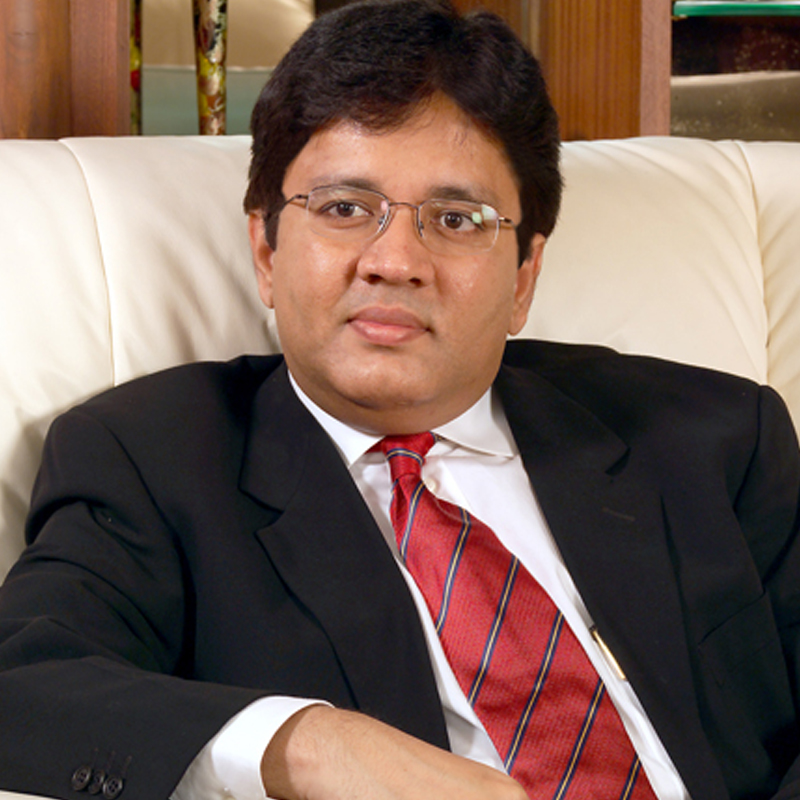
    BENGALURU: Kalanathi Maran’s regional telecaster and FM radio broadcaster Sun Tv Network (Sun TV) reported 44.3 percent y-o-y decrease in consolidated operating revenue for the quarter ended 30 June 2020 (Q1 2021, period or quarter under review) as compared to the corresponding quarter of the previous year Q1 2020. Total Income (operating revenue plus other income) during the quarter declined 38.2 percent y-o-y as compared to Q1 2020. Profit after tax (PAT) declined 33.5 percent y-o-y in Q1 2021 as compared to the year ago quarter. Even the operating profit (EBITDA) for Q1 2021 fell 41.1 percent y-o-y in Q1 2021 as compared to Q1 2020. However, EBITDA margin of operating revenue for Q1 2021 was 66.9 percent as compared to 62.6 percent in Q1 2020. Sun TV is one of the largest networks in the country that has channels across the four major South Indian languages. All the numbers in this reported are consolidated unless stated otherwise.

    The company reported revenue of Rs 611.51 crore and Rs 1,110.04 crore in Q1 2021 and Q1 2020 respectively, PAT for Q1 2021 was Rs 257.11 crore and for Q1 2020 it was Rs 386.81 crore. EBITDA in Q1 2021 was Rs 409.11 crore as compared to Rs 694.95 crore in the corresponding year ago quarter. The company attributes the fall in revenue to the absence of IPL which normally happens during the first quarter and also absence of movie distribution in particular during the COVID2019 quarter. In the corresponding year ago quarter, Sun TV had reported revenue of Rs 244.39 crores and corresponding costs of Rs 138.40 crores for its IPL franchisee SunRisers Hyderabad.

    Sun TV has mentioned in its earnings release for Q1 2021 that subscription revenue during the quarter under review increased 17.6 percent y-o-y to Rs 442.25 crore from Rs 375.95 crore in Q1 2020.

    Let us look at the other consolidated numbers reported by the company for Q1 2021

    Consolidated total expenditure in Q1 2021 was 38.8 percent lower y-o-y at Rs 356.82 crore as compared to Rs 582.09 crore in the corresponding quarter of the previous year.

    Consolidated operating expense in Q1 2021 reduced 52.1 percent y-o-y to Rs 70.85 crore from Rs 148.01 crore in Q1 2020. Consolidated employee benefits expense in Q1 2021 declined 1.2 percent y-o-y to Rs 80.03 crore as compared to Rs 81.02 crore in Q1 2020. Consolidated other expenses (OE) in the Q1 2021 fell 63.1 percent to Rs 51.52 crore as compared to Rs 139.75 crore in Q1 2020.

  • Kent RO’s film honours building watchmen on Independence Day

    Kent RO’s film honours building watchmen on Independence Day

    NEW DELHI: As the nation preps up to commemorate its seventy-fourth Independence Day, Kent RO has come up with a campaign #NewNazairya which is currently doing the rounds of digital media. The first short digital film has a core message at its heart: let’s celebrate the unsung heroes who have helped us during the raging Covid2019 pandemic by bringing them centre stage on Independence Day.

    Conceptualised and produced by Jigsaw Pictures, it begins with the secretary of a residential housing society looking upset when he is informed that he will not be hoisting the flag on 15 August like he has been doing for the past five years. That’s because Ramdhan will be taking his place, he is told, and that change for him is unwelcome and undignified. His wife, who overhears his annoyance, calmly fills a glass of water from a Kent RO water purifier and while he sips from it she explains to him that there is dignity in getting freedom from old and sick thinking.  “Whether it’s you or Ramdhan, all are equal. Maybe he’s more than equal.”

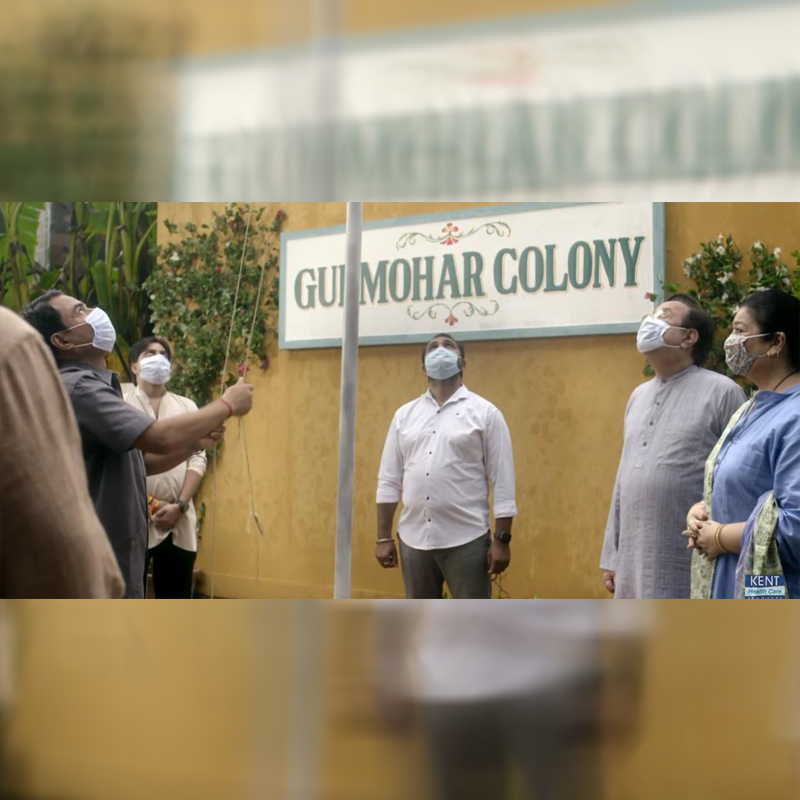
    The next shot reveals who Ramdhan is: the watchman or security guard of the building complex. Masked and very grateful at being given the honour, he hoists the national colours with the members urging him on and saluting the flag.  A beaming Ramdhan gratefully acknowledges the honour that has been thrust on him. The secretary’s wife then says: “This act was his right. He kept us safe 24 hours every day during the pandemic.”

    The film ends with a voiceover declaring: “Let’s celebrate Independence Day by honouring our Covid2019 warriors.”

    At first glance, it looks like a very ordinary film, a simple thought, a simple truth, which has been used in many a film earlier in the past few months. But its message is deep. The SarsCov2 virus has taught us that it does not differentiate between rich and poor, it infects both, and kills both. It is the great leveller, just as death. The film makes us ponder how we can acknowledge this and respect those who keep us safe. And it brings to our attention the watchmen who are under our noses, but whom we take for granted.

    “We have all experienced the surge of humanism and equality around and within us due to many who have come forth to help us be safe and survive,” says Jigsaw Pictures founder and creative producer Rajnish Lall. “Amongst the set of Corona warriors, the one who didn’t get much appreciation widely was the security guard or watchman manning our residences as they are not specialists.”

    Adds Lall: “Watchmen all over India have gone beyond their defined duties and duty hours; they have made huge sacrifices. They have ensured that social distancing is practised and thus have helped millions of us escape the ravages of the infection. This is our way of reminding us of their contribution. We hope many other residential buildings and societies take note after watching our film and acknowledge their watchmen too. That will give us the greatest satisfaction.”

    Kent Ro has collaborated with the official brand ambassador Hema Malini in most of its advertising. However, this time the brand has opted for well-known film and TV actors Apara Mehta and Feroz Bhagat, who are playing the husband and wife in this film.

     “Kent Water Purifiers and Hema Malini are synonymous because of their long and impactful association,” explains Lall. “But as in the past, Kent makes its digital medium communications with actors other than Hema Malini. Because of the values the brand and she share, she’ll also be happy with the purity of thought in this communication and help spread it.”

    The producer shared that filming in early August was a different experience altogether, “We shot in a restricted controlled environment. We had to ensure that everyone felt safe on the set hence extra efforts had to be put to adhere to the SOPs set by the government. Then the post-production had to be done completely from remote which is much more taxing and time-consuming both. This really tested the patience of all the team members since weren’t around to see or hear and approve every bit of creative,” Lall points out. “But after seeing the end result I really believe it has been worth it.”

  • White Rivers Media launches 101 Marketing Insights for the post-pandemic world

    White Rivers Media launches 101 Marketing Insights for the post-pandemic world

    MUMBAI: White Rivers Media today, launched three assets under its title—101 Marketing Insights for a Post-pandemic World by India’s top marketers & entrepreneurs, a free eBook; Better World Initiative, a creative responsibility program to amplify social causes; and its digital showreel for 2020 encapsulating eight years’ highlights. These releases were a part of the independent, award-winning agency’s 8th-anniversary celebrations, themed ‘To Infinite Possibilities’. The intent was to add value to the different stakeholders of the agency, namely patrons, peers, and the public. 

    The new publication ‘101 Marketing Insights for a Post-pandemic World’ by India’s Top Marketers & Entrepreneurs, delves into the industry learnings through the times of Covid2019. It strings together the collective wisdom of industry’s top-ranking leaders, most influential trendsetters, and key decision-makers who are changing the face of digital marketing in respective ways. 

    It leads with three touchpoints: Learnings from a Covid2019-infected market, leanings into the future marketing strategies, and lessons for all those who are new to digital marketing. It ends with a greater understanding of the post-pandemic consumerism and marketing essentials.

    If you too want to know what India’s top marketing minds are planning for the post-COVID era, you can download the eBook https://unlk.in/101MarketingInsights_PostPandemic/

    The Better World Initiative is a not-for-profit marketing platform, where the agency’s creative forces bring their skills to the table, and there’s a seat for anyone and any brand that has a story, which the world needs to hear. This initiative is their pledge to be catalysts for better and to use creativity for good. It is established as a mouthpiece for those who help others. It brings together designers, managers, videographers, and writers who believe in marketing for a cause to publish with the sole purpose of helping those in need right now. To learn more about this initiative, kindly visit https://bit.ly/BetterWorldIntiviative_WRM

    "The pandemic has been our time to learn. Our anniversary, however, presented the perfect opportunity to celebrate those learnings. So here we are, taking a humble initiative to string that knowledge together and impart it to the entire marketing ecosystem. Our compilation of '101 Marketing Insights' is a handbook for marketing in the post-pandemic world with opinions from India's most recognised and celebrated marketing leaders; we thank each one of them for contributing. However, we are not only focused upon catalysing effective change within the digital ecosystem and prepare it for a new world. We are also ensuring that the new world is a better place for everyone to live in. Our Better World Initiative takes us one step closer to fulfilling the objective," said the co-founders Shrenik Gandhi & Mitesh Kothari.

    It also launched a showreel, where it has flexed the creative muscle. The snazzy demonstration walks viewers through select application areas and their representative projects, letting them a glimpse of the agency’s 8-year journey. 

    https://unlk.in/WhiteRiversMedia_Agency_Showreel/

  • PhonePe launches new campaign saluting indomitable spirit of India

    PhonePe launches new campaign saluting indomitable spirit of India

    NEW DELHI: India’s digital payments platform PhonePe today announced the launch of a new brand campaign saluting the resilient spirit of the people of India and their unstoppable drive in the face of the COVID2019 pandemic. Inspired by the brand’s philosophy of “Karte Ja, Badhte Ja”, the new brand film showcases how PhonePe continues to help over 20 crore users and over one crore merchants do more and move forward with adequate precautions. PhonePe’s ambassador Aamir Khan has featured and lent his voice to the films of this campaign.

    The inspiring narrative of the campaign illustrates how people are navigating the ‘New Normal’ as the country continues to open up in phases after months of lockdown. It traces stories of unhindered progress of merchants and users, aided by PhonePe, while the pandemic has effectively changed our ways of life. By enabling safe payments from home & contactless payments everywhere else, PhonePe is helping everyone adapt to their new circumstances. The Indian drive for progress has no full stop, as captured in one of the lines in the film – “Rukna toh humein aata nahin”. PhonePe’s offerings which include contactless payments, easy money transfers on chat, bill payments, fast recharge among others nurture the spirit of resilience and always moving ahead.

    PhonePe founder and CEO Sameer Nigam said, “During these unprecedented times, Indians from small villages to large metros are striving to get back to normalcy and progress in their lives. We see our platform as a trusted partner to those billion-plus aspirations. Our latest brand campaign is a tribute to the indomitable spirit of the people of India and reflects everyday stories of progress with PhonePe’s varied offerings.”

    Link to the film:

    Creative Credits: Leo Burnett & OffRoad Films

    The campaign includes a one minute 50-second master film and five shorter 15-second stories. These can be viewed on digital and social media platforms such as YouTube, Facebook, Twitter, Instagram and LinkedIn. PhonePe users can also watch it on the app.

  • Bright Outdoor offers discounted rates to revive OOH economy during festive season

    Bright Outdoor offers discounted rates to revive OOH economy during festive season

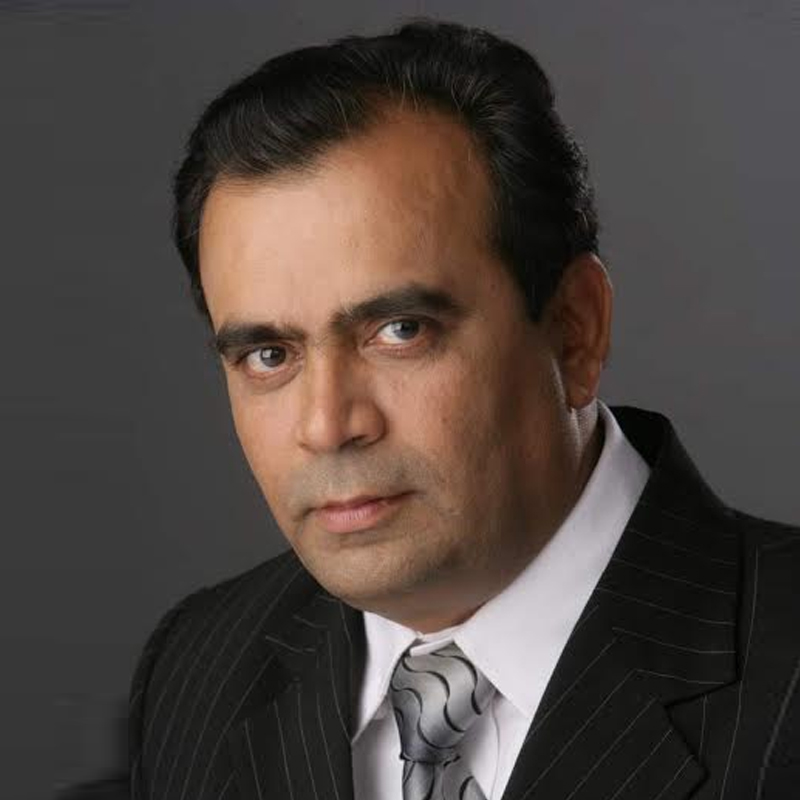
    NEW DELHI: As the out of home (OOH) industry struggles to get back on its feet, Bright Outdoor Media has already come up with plans for the festive season. Bright Outdoor Media CMD Dr Yogesh Lakhani is optimistic that the OOH industry will pick up soon as people make the maximum use of festive season.

    With Unlock 3.0 and relaxations given by the government, there has been a slight improvement. Lakhani opines, “The coming phase is a festive phase. Brands have started to invest in OOH advertising but it is still minuscule of what it would have been without Covid2019.”

    The pandemic caused several hurdles for the OOH industry. He adds, “For three months there was zero revenue. All the hoardings in MMR were taken by MCGM for COVID2019 awareness. Traffic was almost zero. While the revenue remained a big zero, the expenses continued. The government hasn’t given us relaxations in taxes. On the contrary, it is charging us even for the lockdown period. It has become a matter of survival for some of the hoarding providers in the industry. We, at Bright, stand in solidarity with other OOH providers in this unprecedented circumstance. However, slowly and steadily the traffic is returning on the roads but, as per reports, 50 per cent of the people will still avoid travelling unless urgent. With only 10 per cent workforce permitted, fewer vehicles are on the streets.”

    With no movement, he says that the industry saw a 20 per cent drop as only essential service people were allowed to travel during the lockdown. Lakhani shares that the coming two quarters are extremely important for the industry and festivals are the only hope.

    “Brands have started to come back but the rate of purchase has drastically reduced. We are eyeing for a very big Diwali as the marketing spends of all other festivals will also be used during that time. Movies will hit theatres in the coming few months. The big-ticket films are due. Bright shall make a change rather than asking for change from others. We are providing a 30 per cent discount and are ready to sit across the table with the clients and get them the best value and offer value additions to their spends and power them to revive as early as possible to bring the economy back to normal,” he shares.

    With shopping malls gym and other spaces opening up, Lakhani is optimistic that categories including entertainment industry, pharmaceuticals, online services, educational institutions and real estate will revive and avail OOH services.

  • Tourism Australia says need of the hour is to educate customers

    Tourism Australia says need of the hour is to educate customers

    NEW DELHI: Since the announcement of various unlock phases, business and economic activities have gradually resumed. However, the future is still uncertain for the tourism industry. In a bid to stay afloat amid Covid2019, the travel industry is seeking new ways to engage customers.

    According to Tourism Australia country manager (India & Gulf) Nishant Kashikar, there is a slow but promising rise in queries related to travel.  “People are increasingly seeking out alternative dwellings and short escapes, which is expected to foster a demand for homestays.”

    The revival of the sector, as in the case of every other industry, still largely depends upon the recovery curve across geographies and the timeline allocated for the same.

    He said, “We are optimistic that the travel industry will continue to remain resilient in the face of this adversity and revive soon.”

    Kashikar feels that the need of the hour is to educate consumers. “It is now more essential than ever to reach out to audiences across the world by sharing content that continues to engage them positively while also transparently relaying information on the protocols implemented.”

    He affirms that the brand will continue to communicate all necessary health, safety and well-being measures to ensure the safety of customers.

    Kashikar adds that in a world where brands have little or no physical contact with their customers, effective utilisation of both traditional and digital mediums of marketing is taking precedence. It is imperative for brands to maintain high top of mind recall and positive engagement with customers through these times.

    According to him, brands will effectively use different sets of mediums to communicate as its necessary to do instead of a pause. “This trend will be further supplemented by the large spike in consumption across OTT platforms, social media, and television by global audiences, amid the lockdown. Each of these can be creatively leveraged to reach out to a diverse target audience,” he says.

    He also adds, “One must effectively utilise all their available mediums of communication to educate customers about the prevalent scenario and safety protocols implemented for their welfare whilst also building reassurance.”

    The summer season was a washout but the festive season is expected to bring some relief for domestic tourism. The brand also believes that the festive season will see people opt for staycations to close boundaries.

    Kashikar explains, “The festive season will definitely usher in some positivity directly proportionate with consumption and spending. This may also imply that while customers may not be ready to travel at the advent of the season, they are likely to start planning and booking for holidays and experiences in advance.”

    “While one cannot predict which markets will revive earlier, given the uncertain nature of the pandemic, in view of travel, we are anticipating a surge in activity from the ‘revenge traveler’, once borders open up,” he concludes.

    Follow Tellychakkar for the consumer facing news & entertainment

  • “There’s nothing called unbiased news, only the degree of bias changes”: ABP Network’s Avinash Pandey

    “There’s nothing called unbiased news, only the degree of bias changes”: ABP Network’s Avinash Pandey

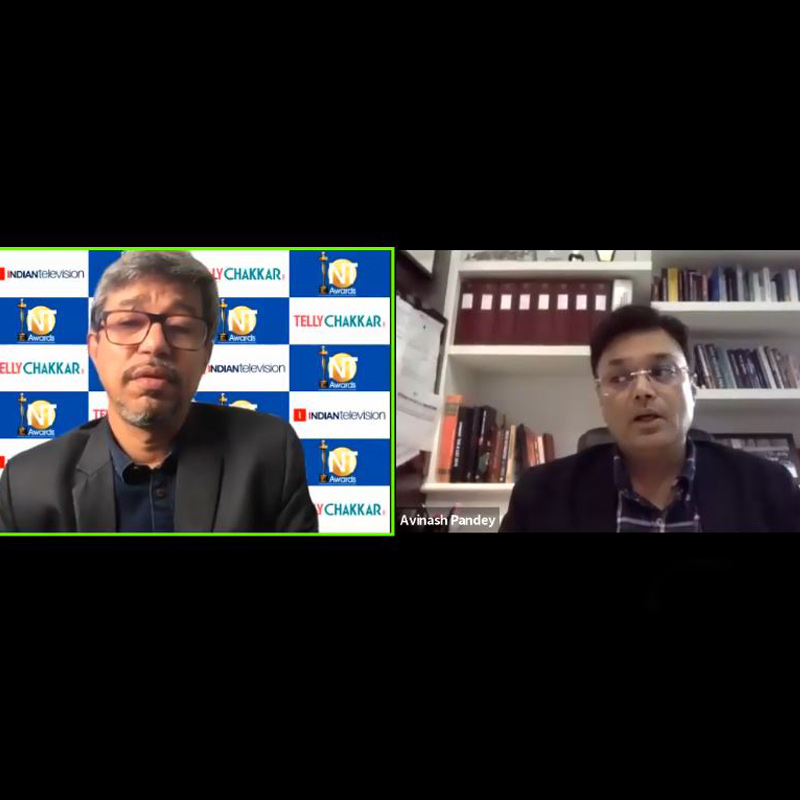
    The television news ecosphere is battling great image issues in India. Their over-the-top, arguably, frivolous, coverage of sensitive matters and in certain cases, their eyes turning blind to many important issues are attracting a lot of flak from viewers and in a few cases from advertisers alike. Recently, ABP Network (earlier ABP News Network) CEO Avinash Pandey sat down to address these issues and many more with Indiantelevision.com founder, CEO, and editor in chief Anil Wanvari over a virtual fireside chat.

    Edited excerpts:

    How have been the past few months for you amidst the Covid2019 pandemic? 

    When the Covid2019 pandemic started in March, there was a lot of uncertainty around it and no one had any idea how to exit. We could not predict the level of infections or the economic implications it brought. But we looked at it and thought, at the end-of-the-day, we can’t do what we do sitting at home. At the same time, it is important to keep our employees safe, understanding that we are making them face potential death. So, we set up a critical incidents management team and went on with our business. Some of our staff, including me, got infected but we were strong and brave enough to battle that. 

    The viewers were glued to the screen watching the news and we knew our responsibility on the highest level. Business-wise it has been mayhem in the market. The advertising inventory went down and traditional advertisers for the news channels like white goods, car and mobile manufacturers, bike companies, etc., were out of the market because the shops were not open, markets were not open. But fortunately, it picked up at the end of May for most of us. June became a big month for us; it was over-filled and looks like we are slowly inching into a new normal.  

    I would like to know from you what you think about the news industry right now. Roger Ailes, the man who founded Fox News believed that news channels have to have a lot of drama and he propagated that sort of journalism too. Do you think Indian channels have been impacted by his model of journalism?

    In a very poor way, yes. The problem of news television in India is two-fold: how the channels are, what are the entry barriers in the industry and what sort of competitive advantage each product comes and offers in the marketplace. On the other hand, the existing measurement system and how it measures the news channels. 

    As you rightly said, the big problem with news channels is drama but there was a time when there was a scope for intellectual drama. So, shows like Big Fight or sting operations on MPs, or Cash for Questions Scam got good ratings while performing basic duties of doing good journalism. Slowly, that disappeared. What you see on television now is that each channel has created a different type of Rafale and all kind of swings are happening in the studio. Ailes wouldn’t even have thought about drama like that. 

    But I will not solely blame the editors, chief editors or the people who are producing these shows because what happens in that if you do a nice investigative story for 20 minutes, chances are there that you will not get good ratings but if you do 100 news in 10 minutes or five minutes, which is basically telling the same news in five different formats, it will bring ratings. 

    The industry is heavily dependent on advertising and thus ratings, which makes you think what’s the future of doing good journalism on television in our country. 

    So is it just the ratings or you think the Indian audience is such that it likes drama? 

    I think ratings represent society. But also, if you look at the definition of NCCS A category today, our drivers will easily qualify for that. Now, the content sensibilities for different levels of society is very different. And largely because the NCCS model is so generalised, there is hardly any scope for good content. 

    Look at the overall TV industry, so many unique content channels came and shut down because of zero ratings. It’s not that they don’t have an audience but ratings do not reflect their true constituency. It is hard to believe that an audience searching for the same content on pull mediums are rejecting it on push mediums. 

    Both areas, the quality of content and how you measure it need to be worked on. All people have different views about how the rating system should reflect them and that is why we need to look at alternative methods. Some technologies are available and BARC today is headed by the best people in our industry. So I cannot say that they don't know what is to be done. The time for change is right here and if you don’t do it within the next one-two years, it will slim down. We need to refine the system for better and certainly move away from the NCCS system. 

    So how do you see the future of news channels in India? You talked about the whole push and pull medium. How do you see them diversifying on your platforms? 

    We put out the same content that we show on television on our OTT platforms right now. For example, we are the only channel that doesn’t put astrology content on our channel. We do not even take ads from such babas. We do not run the news of death till it is certified and there have been cases that we have delayed in sharing the news of certain celebrity deaths too. So, we follow certain principles and that works for us. It gets us similar traction on all platforms. 

    I am going to slightly contradict you here. Recently, National Human Right Commission had to intervene regarding the insensitive coverage of Sushant Singh Rajput’s death. They even wrote to NBA and all of you responded in your way stating you did not go wrong with that but there are doubts about that. 

    I am not in a position to comment on others but I looked at my content and it was certainly not insensitive. But a celeb’s death is to be covered in a big manner to get people’s attention. If you look at the coverage of princess Diana’s death at that time, all kind of things were written about that. I can tell you Indian media, Indian news journalists are far more sensible than that. 

    We are in a business where people are watching us all the time and it makes our jobs extremely difficult. I have worked in print and late in the night, when the page was ready, we took it to the editor for the final check after some five layers of corrections have already happened. On television, when a piece of news breaks, the assignment receives it and the panel producer on PCR who is probably fifth or sixth in the pecking order in the organisation decides to put it on air or not. The filter and duration to implement are minimal and humans sometimes do make mistakes. 

    When you don’t like something on a news channel you can complain to the NBA. But why should one be doing that? If you don’t like anything on a channel, simply change it. 

    Another thing is that all channels have a stance. They are either left-leaning or right-leaning, or to right-to-the-centre or left-to-the-centre. How does it impact the reporting on news channels and how close are the politicians to these channels? 

    It is a big question and I have a theory of my own, which many would not agree to, that there’s nothing called unbiased, only the degree of bias changes. 

    Having said that, at ABP Network, we are not aligned to any particular belief, ideology, or way of life. That’s one of the reasons why I stopped our 4-5 pm debates because I noticed that whether you are arguing on migration, labour, defence issues or education policies there is a set of people decided by a political party who come and speak on all these subjects. They are not subject matter experts. 

    So, what started happening across news television is that there is a kind of agenda being pushed through these debates. People are asking questions like how many zeroes or what is the full form on a panel, which doesn’t make any sense. If you are going down to that level, then we are not doing any service to our viewers. And that is the reason you are making an opinion that a particular channel may be aligned the particular group and we wanted to escape from that.

    And if we talk about how the channels handled the involvement of Tabhligi Jamat in the Covid2019 cases? 

    See, it was a very charged up time. The only reporting that was happening was death and that became an overbearing thought for most of the reporters too. The Tablighi conference, it used to happen each year and channels have covered that earlier too. But it was an irresponsible behaviour by the organisers this time to lock themselves up and thus leading to a spread. I am not saying that they did this willingly. 

    Now, debates with shouting matches get high ratings and Rubika’s episode never got the highest rating. There are obviously questions being raised about the said episode but when a debate happens, it is the prerogative of the anchor and panellists to take it ahead. The channel or the management has no say in that. People watched the debate for Rubika and it was a charged up time then.

    In the hindsight, it is not right to blame a certain community. But it was a time of unprecedented uncertainty. How do you blame people for reacting a certain way, too? 

    Another thing I want to touch upon; do you think news should go pay or not? You changed from ABP News Network to ABP Network, taking on newer avenues. Why not monetise news and build from there? 

    I have never been in favour of FTA channels. When you give anything in this country for free, people start taking it for granted. High-end content requires investment, then you have to try in that market, so that’s not an easy game. However, I am quite determined that we, as a network, will soon go pay

    We are building that that kind of content for us to be acceptable for people who like to pay for. 

    Do you think it will work in India? 

    My regional channels were already pay. I only became free-to-air because of the uncertain environment set by NTO 1.0. But if you look at the GEC segment, their demand did not drop because they went pay. 

    There is a science and logic behind how the distribution system works and I don’t see a decline happening. Advertisers will not go anywhere because they will get the eyeballs. And even if I have to take a hit for the initial quarter, I am okay with that. 

    Our digital business became profitable last year. We want to be the largest video company in three months. There are a lot of other things that we have planned which we will announce in due time. 
  • Impact of Covid2019 on the advertising and film industry

    Impact of Covid2019 on the advertising and film industry

    The entire film fraternity was shaken with effect to the complete lockdown declared by the Indian prime minister in mid-March 2020. Industry people who were otherwise engaged 24X7 now focussed on the 21-day countdown. Twenty one days turned into three months keeping the lockdown intact. Discussion between the state and central government and some eminent directors and producers led to granting a controlled permission for filming of movies, advertisements and TV serials. 

    However, the negligence towards understanding the inestimable consequences of this relaxation can take a huge toll on the lives of technicians and actors.

    The guidelines set by them were highly impractical. How could they facilitate medical facilities and doctors when basic medical centres were experiencing shortage? Despite having strict precautionary factors like availability of ambulance, periodic sanitisation of set, Covid2019 testing of technicians, a lot of filming schedules were on with least care. All the more, decreasing the number of shooting hours put producers in more losses. Today, when production technicians are filming with their lives in their hands, why shouldn’t the same injustice be applied to the film post production studios? Why doesn’t the same injustice apply to live events?

    On the contrary, the effects of Covid2019 can be prevented in a better way by taking precautions in a confined environment. According to me, there should not be a problem in reviving post production permission as the government has lifted ban on highly risky businesses like lodging and hotel industry. In today’s difficult times, many studios have chosen to work from home. Yet, not all activities in this industry can be executed from home. This boils down to the basic rule that the production data in the industry is highly sensitive and cannot be mishandled like this. Data privacy plays the most crucial role when a producer collaborates with a studio for a certain assignment. Otherwise, the possibility of piracy cannot be ruled out. Although many studios agree to maintain data privacy while accepting new assignments, data leaking is not a surprising factor. However, in this pandemic, a lot of studio owners have become debtors.

    For the reason of this lockdown, many clients have realised that their work can be executed on a small setup or from a freelancer. This is turn has sounded an alarm. Many studio owners purchased world class equipments and tools while setting up business expecting to provide enhanced services. Now that the same can be done on smaller setups or by freelancers, they are considering their purchase decisions. This situation is also directing towards job loss of post-production technicians. Nowadays, everyone is looking to take advantage of this crisis. People are accessing power in bargaining client quotations on the basis of client quotations and counter quotations by freelancers. This frightening situation is being side-lined. Film industry comprises of not only on shooting crew but also post production units. 

    To begin with, the government should have granted unlocking in a series of steps. The government should have allowed filming that were partly done and required only two to five days of shooting left, regularisation in sanitisation of post-production studios, continuation of post-production activities, permitting only fiction based TV serials, providing police control in productions that required the most stringent rules, featuring advertisements that focussed more on prevention from contracting Covid2019, in addition to providing relief to small advertising shoots whose budget fall below Rs three lakh. These steps would lead our country to proudly stand tall if we implement them logically yet moving towards stabilising the film industry.