Tag: covid-19

  • World’s top 50 luxury brands lose over $7 bn in value this year: Report

    World’s top 50 luxury brands lose over $7 bn in value this year: Report

    Mumbai: The total value of the world’s top 50 most valuable luxury and premium brands has declined by five per cent year-on-year, according to the Brand Finance Luxury & Premium 50 2021 report. As the world grapples with the fallout from the Covid-19 pandemic, these brands witnessed a downturn from $227.1 billion in 2020 to $219.5 billion in 2021, it said.

    Apparel brands dominated the ranking, with 30 brands featuring and accounting for 62 per cent of total brand value, but brand values suffered, nevertheless, due to Covid-19. German auto giant Porsche retained the top spot with a brand value of $34.3 billion, considerably ahead of second-ranked Gucci (brand value down 12 per cent).

    French leather luxury goods brand Celine bucked the trend to emerge as the fastest growing brand, up by an impressive 118 per cent, according to the report. Despite the pandemic’s impact on travel and tourism industry, two hotels managed to check into the ranking for the first time, with Shangri-La in 29th and Intercontinental in 35th position in the report.

    American luxury design house Coach, specialising in handbags, luggage, accessories, and ready-to-wear has recorded the biggest drop in brand value this year in the apparel subsector, falling 31 per cent to $4.7 billion. While performances across the board have been impacted by the pandemic, with the majority of brands recording a brand value loss this year, the brand’s sales and profits have taken a hit over the previous year. Coach’s parent company, Tapestry, has however, cited that forecasts across its brands are looking more positive than anticipated thanks to triple-digit e-commerce growth and a strong rebound across the Chinese market.

    In addition to measuring the overall brand value, the report also evaluates the relative strength of brands, based on factors such as marketing investment, customer familiarity, staff satisfaction, and corporate reputation. According to these criteria, Ferrari (up 2 per cent to $9.2 billion) is the world’s strongest luxury & premium brand – and the second strongest brand in the world. The auto-maker reacted proactively to the pandemic, initially shutting down production and then reopening with a focus on creating a safe working environment. This both minimised disruption and reinforced the brand’s reputation as a high-quality and responsible firm, as per the report.

    Sitting behind Ferrari as the second strongest luxury & premium brand is Rolex, up by one per cent to $7.9 billion. Despite the challenges of the last year, the market for luxury watches has shown remarkable resilience to the pandemic turmoil, with demand remaining stable, demonstrated by Rolex’s website traffic experiencing a surge over the previous year.

    “As predicted, the Covid-19 pandemic has damaged brand values across the luxury & premium sector with the total brand value of the world’s top 50 most valuable down five per cent year-on-year,” says Brand Finance valuation director Alex Haigh.  

    It is not all doom and gloom though, he notes, adding that the pandemic can be used as a catalyst for change across the industry, through growing e-commerce channels or through brands’ responses to the increased consumer demand for social and sustainable action.

    German automaker Porsche, for instance, is striving towards pushing the boundaries and redefining the future of the sportscar. As part of the brand’s ‘Strategy 2025’, the auto giant aims to maintain the traditional aspects that the brand is known for, as well as undertaking the shift towards sustainability through the launch of the Taycan. Porsche celebrated strong sales of the Taycan, which totalled over 20,000 units sold last year, despite a six-week pause in production due to the pandemic. This impressive result means that over 10 per cent of Porsche’s sales are now from its EV models.

    As holidays are cancelled and people are instructed to work from home, the hospitality industry has reached an almost complete standstill both from tourism, as well as corporate travel and hotel brand values, have suffered as a result.  Home to five-star luxury properties with elite postcodes and addresses across the Middle East, Asia, North America, and Europe, Shangri-La – despite the challenges – is the highest-ranked hotel brand in 29th position. The hotel recorded an encouraging recovery across mainland China over the last year with demand being supported by an uptick in domestic leisure travel.

  • IPL 2021 set to welcome fans back to the stadiums

    IPL 2021 set to welcome fans back to the stadiums

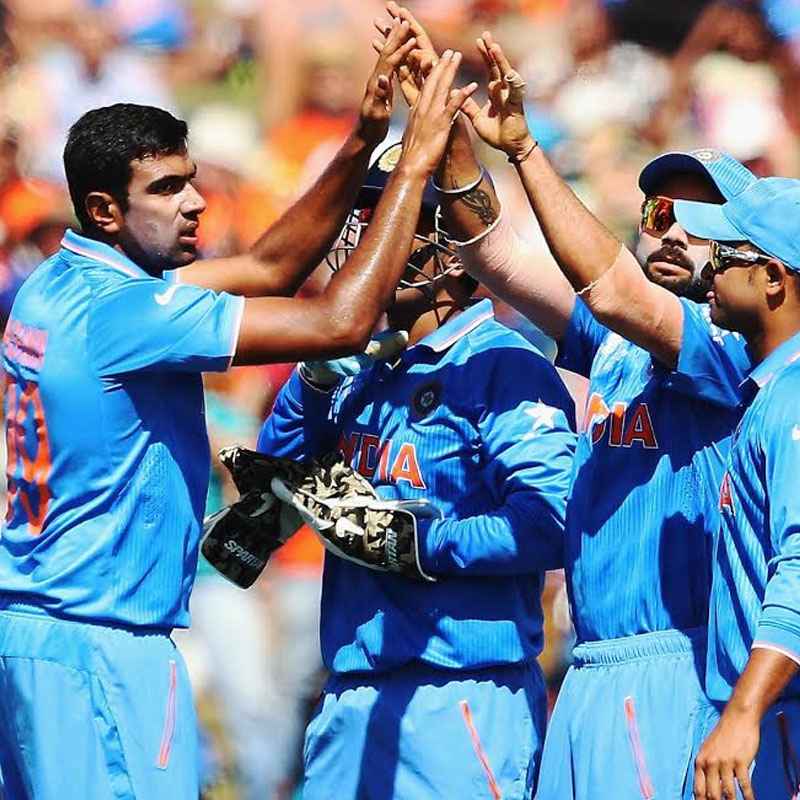
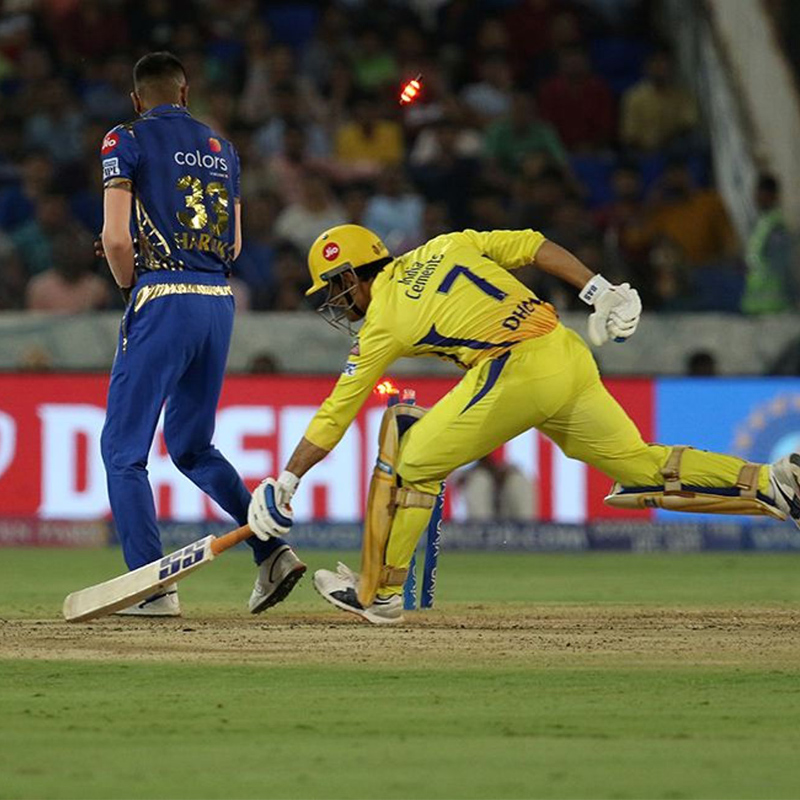
    Mumbai: The Vivo Indian Premier League (IPL) 2021 resumes on 19 September with the five-time champions and current title holders Mumbai Indians taking on three-time IPL champions Chennai Super Kings at the Dubai International Cricket Stadium. 

    The spectators will be allowed back to the stadiums after a brief hiatus owing to Covid-19, the league announced on Wednesday. Fans can buy tickets starting 16 September for the remainder of the tournament on the IPL website and PlatinumList.net.

    The IPL, which was suspended in early May, will now be played at three venues in the UAE: Dubai, Abu Dhabi, and Sharjah with limited seating available keeping in mind the Covid-19 protocols and UAE government regulations.

    This is the second edition of the IPL to be played during the pandemic. In 2020, too, the BCCI had shifted the IPL to the UAE where the entire tournament was played behind closed doors.

    This year’s IPL which started in India on 9 April, also behind closed doors, was suspended indefinitely on 3 May after several members from four different franchises at two different venues tested positive for Covid-19. Twenty-nine matches were played in the first phase before IPL 2021 went into a Covid-forced postponement.

  • Horror movies bring good news for global box office

    Horror movies bring good news for global box office

    Los Angeles: Movie theaters have been struggling to maintain a reopening momentum after being shuttered throughout 2020 due to the coronavirus. The problem has been magnified because many high-profile franchise films have been released in theatres and on streaming services at the same time. However, this hasn’t been the case across the board with Hollywood’s 2021 horror films, which are being shown in theatres exclusively or with delayed streaming access. 

    Horror is turning out to be good news for the box office as it is now estimated that the horror genre has generated 20 per cent of the overall theatrical revenue in North America during the pandemic. Furthermore, studies indicate that horror flicks may actually better prepare people for unsettling true-life events like a pandemic.

    While expensive, franchise-friendly tentpoles such as “Black Widow” have fallen short of expectations, the recently released, smaller $25 million budget, horror-flick “Candyman” had a solid debut earning $22 million at the US box office in its opening weekend. “Horror movies are an accountant’s and studio executive’s dream with a huge upside of profit potential due to their inherent cost-effectiveness,” said Comscore’s senior media analyst Paul Dergarabedian. “You don’t need to break the bank to make a killer scary movie and the box-office results for the genre, particularly during the pandemic, have been most impressive.”

    “A Quiet Place Part II” opened in May with $47.5 million and has earned $160 million domestically and nearly $300 million worldwide against its $60 million budget. “The Conjuring: The Devil Made Me Do It” debuted in June with $24 million domestically and went on to earn $65.5 million domestically and $201 million globally while also streaming on HBO Max. It had a budget of $40 million.

    By comparison, “Black Widow” had a production budget of $200 million and a marketing budget estimated to be around $100 million. With a worldwide box office of $370 million since its July release, which the studio splits with cinemas, the Marvel film likely won’t break even. Disney has reported some of its streaming grosses for the title, which includes an estimated $60 million opening weekend in digital sales.

    Likewise, “The Suicide Squad”, which opened in theaters in August, had a budget of $185 million and has currently collected an estimated $154.5 million in box office receipts. This film was also made available for free on HBO Max to subscribers.

    Just as horror flicks are faring better at the box office during the pandemic, a recent study out of the University of Chicago suggests fans of this genre may also cope better. According to the research team, fans of horror films are more psychologically resilient during frightening world events like the pandemic. Likewise, people who tend to watch so-called ‘prepper’ films about preparing for zombie invasions or the apocalypse reported feeling more prepared for life during the pandemic. These people also are more likely to watch pandemic-themed films during this time.

    According to Hartford HealthCare, the University of Chicago research team studied the answers of 322 American adult participants to questions related to movies, mental health, and the pandemic. Topics included film genre preferences, interest in pandemic films, their preparedness for the pandemic, and their mental health during the pandemic. They were asked if they have felt more depressed than usual, have been sleeping well, and whether they watch the news. They also had to report on their reaction to the pandemic, if they felt they knew what to buy to hunker down at home and if the pandemic itself surprised them.

    According to the team, horror fans were not necessarily more prepared or resilient in the face of the pandemic, but they were far less distressed psychologically. Fans of prepper genres were much more prepared for the pandemic and noted fewer disruptions to their day-to-day life. They were no more likely to exhibit positive resilience, however. Participants with a moderate or greater interest in watching horror films during the COVID-19 pandemic were found to have greater positive resilience in real life than those with no interest.

    “Scary movies allow viewers to practice coping with distressing emotions, such as fear, in a safe and controlled environment” said the director of the Anxiety Disorders Center, part of the Hartford HealthCare Behavioral Health Network, Dr David Tolin. “As we gain a sense of mastery over fear, real-world concerns such as the COVID pandemic become less scary to us as well.”

    The researchers concluded that while people generally watch horror films as entertainment, there are subtle lessons being delivered. Horror fiction allows its audience to practice emotion regulation skills and hone strategies for dealing with fear which may help in effective coping strategies in unusual true-world situations.

    The horror genre has helped buoy film theatres and possibly better prepared its fans to cope with the pandemic. Who would have known in early 2020 as COVID-19 began its deadly spread that watching a good horror flick might prove effective against this real-world enemy?

  • Brands eye stronger recovery in ad spends this festive season

    Brands eye stronger recovery in ad spends this festive season

    MUMBAI:  The year 2020 was a game-changer on many counts for the world in general. Many brands that relied heavily on offline marketing and in-store shopping had no other option but to join the digital marketing bandwagon to engage with their consumers. Now with the festive season almost upon us, how are brands looking to attract eyeballs and consumer footfalls with persisting outdoor restrictions in many parts of the country?

    According to the latest survey – ‘The Festive Season Pulse 2021’ conducted by global technology company, The Trade Desk, nearly 82 per cent of respondents said they shop online at least once a month with nearly one in four making online purchases several times a week.

    “Digital consumption is at an all-time high,” highlights TVS Srichakra head, brand marketing Kavitha Ganesan citing the success of their recent integrated marketing campaign ‘Tyres for a Country full of Turns’. “However, for mass reach, the brand still relies on TV as the main medium. For a category like ours, it is critical to activate marketing campaigns with an integrated 360-degree approach. Hence BTL consumer and trade activations become important. We expect the category to place more and more impetus on the digital front and possibly lower the spends on print.”

    Post-pandemic, the total time spent by Indians on media channels has gone up significantly. According to Havas Media India, managing partner- South, Saurabh Jain, Digital is now mainstream in level with Print, given its multifarious applications and measurable ROI.

    “The growth in advertising would be led by Digital followed by TV, Print, OOH & Radio, yet TV will remain the biggest & most preferred medium for mass & incremental reach,” says Jain, highlighting how Big-ticket properties, especially cricket, have demonstrated the effectiveness of TV in brand building and scaling up reach in a cricket-frenzy nation.

    According to industry estimates, advertisers are expected to invest Rs 4000-5000 crore on sporting properties on TV and Digital in the current scenario where the ad demand is higher than supply. “Print also seems to be much stronger in Unlock 2.0 as compared to the previous unlock,” adds Jain.

    However, brand concur that there is a need to target the customer across multiple touchpoints to ensure they remain ‘top of the mind’ for consumers.

    Fashion and lifestyle e-tailer Myntra expects a similar play between digital and mainline, and is implementing a 360-degree campaign approach, leveraging TV, Digital and social media platforms to cut across diverse markets and build a deeper brand salience with its customers across the country.

    No doubt, industry experts expect high clutter across mediums, mainly TV and digital, this season. The emergent challenge for brands will be to drive more visibility amid this clutter, by looking for opportunities in print, OOH, and cinema.

    “Brands will invest in high-impact properties to break the clutter and achieve high reach during campaigns. The Star group has managed to retain their sponsors for IPL and also roped in many more for the T20 world cup. Other key properties like KBC have already attracted multiple new sponsors,” says Madison Media Ultra COO Jolene Fernandes Solanki.

    Apart from FMCG which leads the ad spends, advertising growth will also be seen across other categories like automobile, consumer durables, e-commerce, OTT, Ed-tech, mobile gaming, retail, tourism, and digital wallet payments. “We are observing a huge rise in new categories and advertisers through a whole bunch of start-ups emerging. They are likely to get active during this festive,” adds Solanki.

    The rise of regional media is another trend that is set to capture the brands’ interest this season, according to agencies. The popularity of regional content and increasing internet penetration in Tier 2 and Tier 3 markets will lead to content-driven marketing solutions at a regional level.

    “Print could also see some recovery during this festive season,” opines iProspect’s Kaushik Chakraborty. “The second half of 2021 is witnessing a resurgence in print advertising with brands returning to the medium in a big way. Large-format ads/Jackets have witnessed an increase in recent weeks.”

    However, OOH still has a tough road ahead, with most brands still cautious about investing in outdoor advertising amid apprehension of a third wave coming. However, both OOH and radio are likely to do better than 2020, say experts.

    TV and Digital have witnessed a steady increase. In terms of ad spends, Television will continue to have the highest share – over 40 per cent – of overall ad spends at the back of IPL and T20 WC, followed closely by Digital with 34 per cent share.  The overall ad market is forecast to grow by a further 12.4 per cent in 2022, recovering to pre-pandemic levels suggest reports.

    Furthermore, brands are expected to invest in impact shows such as Amitabh Bachchan hosted KBC, Salman Khan hosted Big Boss and the soon-to-be-launched Big Picture hosted by Ranveer Singh.

    “Brands have understood the importance of a split spending budget in order to obtain better results,” says Admitad Affiliate India, head – ecommerce vertical, Abhijit Banerjee. “To reconfigure their marketing strategy they are investing in partnerships and collaborations with an array of channels to keep the festive spirit intact. Not only that, with each year brands allocate a lot of budgets for inventories like cashback and coupons for lucrative deals and offers.”

    The three festive months of October, November, and December constitute an important decisive phase for brands and affiliate channels as they expect to reap the benefits of these increased ad spends. With regards to expenditures, high-impact properties, integrations, and video platforms are the focus areas for brands apart from their usual channels which are scaling up.

    “Everyone wants to tell a brand story that brings festive cheer and brands are trying to do this with the help of such platforms. The entire ecosystem is now very enthusiastic about this new growth and is passionately driving the adoption of various new products and service offerings which is clearly visible to us,” says Logicserve Digital founder and CEO Prasad Shejale.

    According to Grapes Digital founder and CEO Himanshu Arya, brands like Automobile, FMCG, and E-commerce players could spend around 25 to 30 per cent on digital, which can increase further during the festive period from Dussehra to Diwali. For specific categories like electronics, consumer durables, and jewellery, the festive period is the most crucial time as the maximum sale is derived during this season.

    There is also a lot of advancement in the Connected TV ecosystem and this space is expected to grow multifold, believe industry executives. The media options are limited at the moment and thus there is definitely a lot of din and chaos in the available media mix and brands would need to put extra effort to stand out from the crowd this season.

    “There is no surprise that the media planning is lopsided towards digital. Having said that, Activation is back in the game and we have delivered fantastic results to brands from activations conducted in a safe environment. So, apart from digital, anything that breaks clutter and delivers ROI for brands will definitely find a place in the media mix,” says CupShup co-founder Sidharth Singh.

    Marketing strategies are now pandemic-ready. Earlier marketing calendars would be lopsided towards offline and ATL with less than 10 per cent of budgets assigned to digital marketing and most companies didn’t have basics in place on digital distribution, logistics, and spending metric on digital.

    “Today marketers have evolved and have digitised their businesses. They are present where their consumer is. There is a healthy ratio of spends across platforms. Marketers are more agile and flexible. Communication calendars are being prepared with Plan A’s and Plan B’s. The mood out there is to win over with all the possible preparations and see an upside,” says Tonic Worldwide chief strategy officer and director, India and MENA Region, Unmisha Bhatt.

    Wunderman Thompson, South Asia chairman and Group CEO, Tarun Rai sums up, “India is not one India but ‘many Indias’ with different media consumption habits. As a result, there is a role for both traditional and non-traditional media in the country. We have seen how newspaper advertising has bounced back in the last few months. In fact, many digital-only brands are now using newspapers as a medium and spending huge sums on wrap-around front-page ads.” So, while digital will continue to grow at a fast clip and may even overtake TV in a couple of years, he believes both traditional and digital media are here to stay for, at least, the next decade.

  • McKinsey examines COVID-19 disruptions in business

    McKinsey examines COVID-19 disruptions in business

    Mumbai: McKinsey has published an updated research ‘COVID-19: Implications for business’ examining when the pandemic might end and attempted to estimate when some pandemic-related disruptions could return to normalcy. The study details McKinsey’s latest perspectives on the coronavirus outbreak, the twin threats to lives and livelihoods, and how organisations can prepare for the next normal.

    Some parts of the world felt a surge of optimism in the spring, as vaccination rates were climbing and COVID-19 cases dropping. Those regions now face the disappointment of a reversal, thanks to the spread of the Delta variant. Such whiplash is starting to feel like a way of life for people everywhere, as well as for industries including shipping, retail, and healthcare.

    Among high-income countries, cases caused by the Delta variant reversed the transition toward normalcy first in the United Kingdom, during June and July of 2021, and subsequently in the United States and elsewhere. McKinsey’s analysis supports the view of others that the Delta variant has effectively moved overall herd immunity out of reach in most countries for the time being. The United Kingdom’s experience nevertheless suggests that once a country has weathered a wave of Delta-driven cases, it may be able to resume the transition toward normalcy. Beyond that, a more realistic epidemiological endpoint might arrive not when herd immunity is achieved but when COVID-19 can be managed as an endemic disease. The biggest overall risk would likely then be the emergence of a significant new variant.

    The research finds that while many of consumers’ pandemic-inspired digital habits are sticking, the acceleration into digital channels now seems to be levelling off in both Europe and the United States. Companies can build on their digital surge by creating strategies based on long-term value, investing aggressively in tech talent, and being smarter about how they work with data.

    US consumer spending recovered in the second quarter of 2021, driven by increasing vaccination rates, stimulus payments in March 2021, and the general reopening of the economy. Consumers’ pent-up demand and willingness to spend in some discretionary categories caused spending to grow at 20 to 30 per cent year over year, reaching four to seven per cent above pre-COVID-19 levels.

    One of the most economically pervasive pandemic effects is a boom in shipping costs. In a video explaining why container shipping prices have surged, McKinsey partners say that sending a container from Asia to Europe or North America cost roughly $2,000 before the pandemic and $12,000 or more today. Though demand should remain high in the coming months as retailers prepare for the holiday season, prices should begin to come down by the end of the year.

    McKinsey’s July survey of 100 large private-sector US hospitals revealed that amid returning patient volumes and continuing COVID-19 hospitalisations, challenges in clinical-support staffing remain high. 84 per cent of survey respondents report trouble with turnover and vacancies in their nursing staffs. This may only be the start of greater challenges, as 22 per cent of the nursing workforce reported in our Spring 2021 Future of Work in Nursing Survey that they may leave their roles providing direct patient care in the next year.

    Some of this week’s other key findings from the sector research:

    ·         The COVID-19 pandemic has triggered an acceleration of digital-payment adoption in the Middle East, as it has in other regions. Payments players with the right strategies can capitalise on this revolution in a region that is traditionally heavily dependent on cash.

    ·         Amid increased consolidation, digitisation, and specialisation in the insurance industry, private equity is investing in specialty-insurance carriers and brokers and benefiting from the long-term capital insurance companies provide.

    ·         Between September and November of 2020 alone, 178,000 women in the United Kingdom lost their jobs. In an interview with McKinsey, Smart Works CEO Kate Stephens said that the UK charity, which provides support to women who are job hunting, saw a corresponding 21 percent rise in the number of women seeking its services, many of which are now offered remotely.

  • Mukhtar Abbas Naqvi launches News18 Urdu’s vaccination campaign

    Mukhtar Abbas Naqvi launches News18 Urdu’s vaccination campaign

    Mumbai: There is a strong consensus across the world that the strongest defense that mankind has against the dreaded Coronavirus is vaccination. While many people have gone ahead with their vaccination, there are some who still harbor reservations. News18 Urdu has undertaken upon itself the task of reaching out to its viewers from across the country including the large Muslim community in the country and encouraging them to get vaccinated in large numbers.

    “This special month-long initiative ‘Zindagi Ka Yaqeen: Vaccine’ would aim to identify areas and communities where the rates of vaccination are low and focus its campaign on the same through case studies, on-ground stories, and use of influencers and community leaders. The campaign will attempt to bring multiple views and perspectives through a variety of content formats including debates, interviews, and special interactive shows. The campaign will also engage with healthcare experts and other key stakeholders to dispel any misconceptions regarding COVID vaccination and reassure viewers about the safety and necessity of the vaccine,” said the channel in a statement.

    The campaign was inaugurated by the union minister of minority affairs, Mukhtar Abbas Naqvi who appreciated the initiative and also stated that launching such a campaign was the need of the hour. He further appealed to the audience to get vaccinated and added that avoiding vaccination would put the people themselves at great risk. Also, many other influential people like the minority development minister of Maharashtra, Nawab Malik; MOS for minority welfare in the UP-government Mohsin Raza supported the initiative.

    Padmashri Dr Mohsin Wali and Dr Swati Maheshwari also participated in the campaign’s launch and highlighted the importance of vaccination urging the viewers to support the initiative and get their vaccination done.

    As the country’s leading Urdu channel, News18 Urdu understands its responsibility towards the communities and constituencies it serves. As a responsible media brand and part of the country’s biggest News Network, the channel believes that it is its solemn duty to work towards the welfare of its viewers. The campaign ‘Zindagi ka Yaqeen: Vaccine’ is a step in this direction.

    Viewers can tune in to News18 Urdu for more updates on this campaign.

  • GUEST COLUMN: FMCG companies took to apps, bet big on direct-to-consumer reach

    GUEST COLUMN: FMCG companies took to apps, bet big on direct-to-consumer reach

    Mumbai: The eruption of COVID-19 has left millions and millions of businesses scurrying for survival. Although somewhat less affected than some categories, the FMCG companies also faced headwinds for some time. And to counter these headwinds, technology has been the single most important intervention that they have employed during these trying times. And of the technologies, applications enabling a direct route to the consumer as well as other businesses in the value chain have been most prominent.

    While placing their faith in these applications, FMCG companies have also recast their value chains weeding out unnecessary elements at various levels allowing themselves greater leverage vis-à-vis their vendor partners and establishing a more direct connect with their end-consumers. And among FMCG firms, food companies, or those with prominent food product portfolios have been particularly noteworthy for taking the app route.  A step ahead of general trade, modern trade, or even traditional e-commerce channels, these apps have been popular yet necessary go-to modes for these companies.

    The big B2C advantage

    How does B2C prove to be advantageous for FMCG companies? Until now, customer-relationship building and acquiring customer insights were largely the preserve of the retailer community. However, what B2C apps do is that they facilitate a direct and one-on-one company-to-consumer relationship, with the former no more having to make efforts to establish bonding with a faceless consumer. On top of allowing deeper end-consumer insights for companies and brands, they can catalyse more relevant and individualised product and service propositions by the brand to the consumer thus leading to a more enriching customer experience which in turn would drive increased customer acquisition, conversion, and retention for the brand. And needless to say, the power balance between the brand and the retailer is further shifted in favour of the brand and away from the retailer.

    B2B applications not too far away

    However, this taking to applications has not been limited to B2C channels. FMCG companies have also incorporated apps in their business processes directly targeting retailers and kirana stores who offload their products and serve as a last-mile seller/supplier to end-consumers. Identifying and prioritising retailers who delivered top volume businesses, the companies made sure that the retailers continued to place orders for their products, and even more efficiently using these applications than they did before. In fact, thanks to Covid, the earlier forecasts projecting a contribution of around 10 per cent digital channels in the total FMCG market in the next ten years in the country has been advanced to next three to four years now. And at the same time, cutting out or minimising the role of distributors especially in terms of selection of retail outlets, the brands have reclaimed their power vis-à-vis the latter while effecting greater streamlining and consolidation of their distribution systems.

    Proliferation of new products

    While pivoting to digital technologies, B2C and B2B apps, the FMCG companies have also realigned their product portfolios in a major way capitalising on the shifting consumer preferences and behavior in times of the pandemic. And as part of this realignment, there has been a proliferation of new and innovative products which have been introduced to the market in the last few months. With health and hygiene being a predominant consumer focus, as many as 3,000 products in the health and hygiene category have been estimated to be launched in the September quarter alone last year. Earlier, in the April-September quarter, as many as 9,700 new products were launched by FMCG companies. Mindful of and in response to the country-wide lockdowns in place and customers being confined to their homes, 125 products were introduced in-home cooking segment alone during March-August 2020 in categories including ketchup, jams, cheese, and milk powders.

    Exploring alternative channels of distribution too

    Even as D2C apps gain traction, the FMCG companies are also exploring tie-ups with new-age delivery startups, food-tech service players, food aggregators, hyper-local apps, and courier firms to have their products delivered to the doorsteps of the end-consumer. In fact, some FMCG companies are also making product-specific tie-ups with delivery platforms and micro delivery platforms.

    Digitisation not limited to distribution: Influencer marketing gets a boost

    Rising uptake in apps and the broader digitisation has not only been confined to retail and distribution but also advertising and marketing. And riding on the increasingly entrenched position of social media and its consumption, influencer marketing has become a big part of FMCG’s digital marketing strategy in recent years. According to a report, globally, nearly a fifth (19 per cent) of FMCG companies have raised their influencer spending significantly as compared to pre-COVID-19 levels. And within India, during the festive season campaign alone, influencer marketing saw a 20 per cent jump in campaigns. A digital marketing agency has estimated India’s influencer market at $75-150 million a year, as compared to the global market of $1.75 billion, which is only set to get bigger in the coming months and years.

    Other technologies that could aid the B2C momentum

    At the same time, apart from apps, there are several related B2C technologies and platforms that could add teeth to the ongoing B2C drive. They could range from customer data platforms to data management platforms to marketing automation tools to business intelligence and data visualization tools to social listening tools, among others.

    So, in the future, there is no doubt that the B2C apps as part of an FMCG company’s digitisation program will acquire a more permanent dimension. Notwithstanding a resurgence of Covid in certain states, now with vaccination underway and revival of consumer sentiment in urban India, FMCG businesses including food companies are set to see greater activity and growth.  

    (Manish Aggarwal is director, Bikano, Bikanervala Foods Pvt Ltd. The views expressed in the column are personal and Indiantelevision.com may not subscribe to them.)

  • Brands pin hopes on Onam sales to tide over COVID gloom

    Brands pin hopes on Onam sales to tide over COVID gloom

    Mumbai: Kerala’s biggest festival of the year- Onam is finally here, flagging off the start of the festive season for the rest of the country. After some lacklustre years marred by natural calamities and floods, and followed by the pandemic in 2020, there is a lot of hope riding on the ten-day harvest festival this year. For businesses and brands across the state, Onam is poised to mark the revival of the shopping season.

    “Not just last year, but the last three years have also been a washout,” says Malayala Manorama VP – marketing & advertising sales, Varghese Chandy. “The Kerala floods impacted sentiments for 2018-19 and COVID-19 impacted sentiments for 2020. Even 2021 has been impacted by the pandemic but I must say that it’s turning positive. The reason being, there is a lot of pent-up demand and COVID-19 restrictions have been eased.”

    Kerala government has eased the lockdown protocols for the duration of the festival, providing a much-needed shot in the arm to retailers and businesses in the state. Effective till 23 August, all markets and shops across the state can remain open six days a week from 7 a.m to 9 p.m.

    “I am seeing that shops are full of customers and people are going out to buy things they could not buy for a long time. Onam is the season for shopping and it is the first large festival to kick off the festive season. This will incentivise consumers to buy what they want,” says Chandy. “The white goods, brown goods, and e-commerce categories are active. Since the CBSE, ICSE and Kerala State Board results have been announced, the education category is also very active.”

    On the movies front, Malayalam films have taken a backseat because theatres are still not open. However, lots of movies are moving to OTT platforms and finding a new audience.

    According to Mathrubhumi Group head- media solutions (TRD), Naveen Sreenivasan, there was a lot of uncertainty in July, but advertising picked up as markets opened up for the festive season, and it now looks poised for a “safe but healthy Onam”. “We are experiencing a build-up of advertising, and advertising from local brands and retailers are also picking up. Industries such as FMCG, consumer durables, retail, e-commerce, and automobiles are bouncing back which is a positive sentiment for the season,” he concurs.

    On the presence of digital brands on TV sustaining through Onam, Sreenivasan says that the brands and advertisers are well aware of the significance the festival holds as a marker of the beginning of the festive season in the country. Hence, they will make sure to capitalise on this opportunity to reach out to their TG at every level. “Companies prefer this time of the year for launches and sales drives to attract consumers at large; and TV news, with high reach especially in Kerala, is always impactful. Digital brands have certainly increased their advertising share for this season as well,” he adds.

    The opening up of retail will give businesses a chance at recovery after the bludgeoning dealt by the pandemic, also serving as an impetus for consumers to make purchases ahead of festivities. This uptick in consumer sentiment is also reflected in the numbers put out by the Retailers Association of India (RAI) in its latest Retail Business Survey. The survey indicated that retail businesses in South India have shown a sharp comeback in July 2021 with sales at 82 per cent of the pre-pandemic levels (July 2019), as against 50 per cent sales in June 2021. It further expects a significant recovery in sales in the upcoming festival season, provided restrictions on modern retail are relaxed across the country.

    Brands too have taken note of the cautiously celebratory mood in the state this year and have gone all out, launching new campaigns and festive deals across the board.

    Fashion e-tailer Myntra announced the launch of its first mega-brand campaign in Kerala, featuring its new brand ambassador, South superstar Dulquer Salmaan, ahead of Onam. The brand hopes that Dulquer’s presence in the campaign will strengthen Myntra’s men’s wear category and help in building brand salience with consumers across the state and beyond. It is implementing a 360-degree approach, leveraging TV, digital and social platforms to deliver the campaign ad film in Kerala.

    Short video app, Moj too has launched an Onam celebration campaign with prominent Malayalam actor and celebrity Anu Sithara called #MojOnaghosham to turn the spotlight on celebrating Onam virtually. The ten-day-long campaign is being hosted by the actor and will see participation from popular Moj creators who will be seen celebrating the festival in all its regional fervour. Since a community celebration is not feasible amidst the COVID-19 restrictions, #MojOnaghosham has been designed to reciprocate the madness around the physical celebration of the festival in Kerala, by taking cues from the community-driven celebrations.

    Moj senior director – content strategy, Shashank Shekhar said, “The #MojOnaghosham campaign has received great engagement so far and we are sure it will add more joy to the grand celebrations that our creators are planning. The campaign was designed on the premise of the traditional Onam celebrations with people participating in competitions organised by the local communities. Our attempt is to replicate the experience virtually and the challenges are modelled on cultural nuances that connect our community to the essence of the festival.”

    With the uptick in the consumer sentiment in the state, gold and diamond retail chain headquartered in Kerala’s Kozhikode, Malabar Gold & Diamonds, also kicked off the latest edition of its ‘Brides of India’ campaign featuring its celebrity brand ambassadors, Anil Kapoor and Kareena Kapoor last week. The campaign will be played on TV and OTT platforms with plans to occupy print media space too later.

    Ahead of Kerala’s biggest festival, Snapdeal announced its brand campaign ‘Brand Waali Quality, Bazaar Waali Deal’ in the southern markets, including Karnataka, Andhra Pradesh, Telangana, Tamil Nadu, and Kerala, which are a significant customer base for the e-tailer. The campaign that targets savvy, value-conscious buyers of fashion, accessories, homeware, and more, will be LIVE across all social media platforms like YouTube, Facebook, Instagram, Twitter, and OTT entertainment networks like Hotstar and MX Player.

    Taking a unique approach in the Malayalam speaking market, Snapdeal will run the campaign with Youtube Creator Promotions and Facebook Branded Content Ads only and has partnered with 30+ creators/influencers like Kalidas Jayaram, Ahaana Krishna, and Shamees Kitchen to create 100+ content pieces that will reach out to relevant audiences in Kerala & other southern states during this festive times.

    Adding flavor to the Onam celebrations, DTH brand DishTV has also announced a slew of attractive offers to delight its new and existing customers as it joins the Onam celebrations in Kerala. Regional TV channels, not wanting to miss out on the Onam frenzy, have announced world television premieres of the latest Malayalam films.

    Home appliances brand, Haier India also announced exciting offers on its products across categories this Onam season.

    In times that have been challenging in many ways for the world at large, the festive season holds a promise of hope for both brands as well as consumers.

  • Uber launches music video as ode to India’s 75th Independence Day

    Uber launches music video as ode to India’s 75th Independence Day

    Mumbai: Uber has launched a music video to celebrate India’s 75th Independence Day starring Esther Hnamte, a five-year-old singer from Mizoram performing a rendition of “Maa Tujhe Salaam”.

    The three-minute video also highlights Uber’s efforts to support communities around the country during COVID-19. It pays tribute to India’s fighting spirit throughout the pandemic and reinforces Uber’s commitment to help the country build back better, said the company in a statement.

    The company remained focused on its social impact initiatives in 2021 by pledging free rides to help citizens travelling to vaccination centers, including partnering with social institutions like HelpAge India and Robin Hood Army to support vaccinations for vulnerable and senior citizens.

    “Uber has had a single goal during the pandemic and that was supporting our communities,” said Uber president for India and South Asia, Prabhjeet Singh. “Whether it is helping drivers to get vaccinated, offering free rides to frontline health workers, helping the elderly and vulnerable travel to vaccination centres, Uber is determined to do its part to help India build back better.”

    Uber also allocated Rs 18.5 crore to help get 150,000 driver-partners on the platform vaccinated.

  • Nicholas Lim returns to The Travel Corp as new CEO

    Nicholas Lim returns to The Travel Corp as new CEO

    Mumbai: Global travel company The Travel Corp (TTC) has announced the appointment of Nicholas Lim as chief executive officer, effective 16 August. As the CEO of the company, Lim will focus on the transformation of TTC’s distribution of key brands and report to TTC president Gavin Tollman.

    Lim previously headed TTC Asia as managing director from 2018 to 2020, and before that was president (Asia) for Trafalgar from 2011 to 2018. Prior to his appointment as CEO of TTC, Lim was general manager of Norwegian Cruise Lines in Asia.

    “With a strong management team in place in Asia, we are excited to have Nicholas back to help us lead the change and replicate the fantastic success he has had in the past,” Gavin Tollman said. “As travellers of the world hit the road and take to the skies again, thanks to rising vaccination rates, manageable caseloads and relaxing travel restrictions, we are confident of delivering the most enjoyable, safe, and enriching travel experiences for all our guests.”

    In his new role, Lim will work with each of the global brand executives to execute the brand strategies and set the direction to fuel further growth for the region, in particular the luxury travel market for international outbound leisure travel.

    “I could not be prouder to join the dynamic team at TTC,” Lim said. “As the worst effects of the COVID-19 pandemic ebb, most indicators are pointing towards travel returning with a passion as numerous vacationers want to get away from the confines of their homes and as people look to reconnect and explore new destinations. With the near-universal desire to travel and with borders gradually reopening, we at TTC are excited to meet the soaring demand.”

    TTC’s business is split between its guided travel brands such as AAT Kings, Contiki Holidays, CostSaver, Insight Vacations, Thompsons Africa, Trafalgar; And the luxury brands portfolio has Inspiring Journeys, Luxury Gold, Uniworld Boutique River Cruise Collection, and Red Carnation Boutique Hotels.