Tag: covid-19

  • ViacomCBS Consumer Products launches global reusable face masks

    ViacomCBS Consumer Products launches global reusable face masks

    MUMBAI: ViacomCBS Consumer Products today announced it has entered into agreements with multiple global licensees to create face masks featuring iconic characters from many popular Nickelodeon properties including SpongeBob SquarePants, which is available now at the SpongeBob Shop, as well as PAW Patrol, Blue’s Clues & You! and JoJo Siwa. The reusable masks, which are not for medical use, will be available through major retail outlets worldwide later in the summer.

    “ViacomCBS is proud to support Save the Children and its COVID-19 Global Response by donating 100 per cent of our proceeds from this new face mask initiative,” says ViacomCBS Consumer Products president Pam Kaufman. “During this unprecedented time, we hope Nickelodeon’s beloved characters and iconic brands will provide solace and ultimately make these new circumstances more manageable.”

    “We are grateful to ViacomCBS for choosing Save the Children as one of its charity partners for this campaign, which will raise vital funds to support children hardest hit by the COVID-19 pandemic,” said Save the Children president and CEO Janti Soeripto. “As the virus continues to take hold around the world, we are seeing its devastating impact on children’s lives everywhere, especially among children already at risk. From Appalachia to the refugee settlement camps in Lebanon, South Sudan and Bangladesh, the pandemic has uprooted children’s routines, disrupted their schooling and is affecting their mental health and well-being.”

    Save the Children, the world’s leading humanitarian organization for children, is keeping kids in the US and around the world healthy, educated and protected during the Covid2019 crisis. The organization is working in communities to provide food, learning resources, healthcare, and hygiene information and training to reduce the spread of the virus. All ViacomCBS proceeds from the sales of Nickelodeon face masks will benefit Save the Children’s Covid2019 Global Response and will be redistributed to the region where the mask was purchased. Many licensees producing Nickelodeon face masks have also committed to make charitable contributions to Save the Children.

    Face masks with imagery across the brand portfolio of adored ViacomCBS properties including the Star Trek franchise and programs across MTV and CBS are available on sites including MTVShop/ WildnOutShop, CBSStore and StarTrekShop. Proceeds from these ViacomCBS properties will go to charities that align with each brand.

    ViacomCBS Consumer Products (VCP) oversees all licensing and merchandising for ViacomCBS Inc., a leading global media and entertainment company that creates premium content and experiences for audiences worldwide. Driven by iconic consumer brands, VCP's portfolio includes a diverse slate of brands and content from BET, CBS (including CBS Television Studios and CBS Television Distribution), Comedy Central, MTV, Nickelodeon, Paramount Pictures and Showtime. With properties spanning animation, live-action, preschool, youth and adult, VCP is committed to creating the highest quality product for some of the world's most beloved, iconic franchises. Additionally, VCP oversees the direct-to-consumer online business for CBS' programming merchandise, as well as standalone SpongeBob, MTV, Star Trek and Showtime branded ecommerce websites.

  • News ratings on the decline as lockdown eases

    News ratings on the decline as lockdown eases

    BENGALURU: News is event-driven. Events drive up viewership of news channels. Elections, disasters, pandemics send news channels into a frenzy.  Coverage, debates, breaking news …., the rapid staccato oratory, hyperbole, events dissected from different angles often leaving messy dregs of the matter, all these antics drive viewership up. Now to the cliché. No other event in television history has affected humanity as the advent of Covid2019 or COVID-19 as most call it. 

    The pandemic that this virus has caused has resulted in the largest lockdown in human memory. People stayed at home, worked from there, for there and at there. Commutes to anywhere were suddenly recent memory. Movie halls closed, business, sporting and other entertainment events were canceled as humanity sought shelter in the precincts of home. World economy, economy of countries and states and cities and places took a nosedive as manufacturing, all business, all economic activitiesalmost completely halted. The stock markets, of course, did function and they too went into steep falls, and then recovered with each bit of ‘positive’ news, but they are nowhere near the highs’ of just a few months ago.

    The time saved from commuting and the spare time culminated into television, media and entertainment consumption binges like never before. And the shortage of surrealism that soaps created, because fresh content was not being produced, led to viewership increases of channels and genres that had never ever experienced the kinds of viewership peaks that they did during the COVID2019 weeks. News, movies, mythology, classics were tried and tested as the media and entertainment industry tried to offer apprehensive audiences some solace, some time away from reality. Television viewership, reach, average time spent (ATS) rose probably like never before. GECs’ lost viewership share to News and Movies channels, but quickly regained some of the lost eyeballs by airing movies, mythology and classics. Pubcaster network Doordarshan or DD made a viewership coup, a killing of sorts, by airing the original Ramanand Sagar made Ramayanand the B R Chopra made Mahabharat as well as classics from the late eighties and nineties of the previous century. 

    Many celebrities including heads and leaders of a few nations contracted the virus. A few succumbed to it. People wanted to know what was happening. Am I safe? Are my family, my parents, my elders, my siblings, my siblings, my pals safe? Could humanity survive the pandemic? Was there a cure, was there a vaccine? News consumption on the ‘idiot box’, on the smart phone, on the laptop or a digital computing device exploded. News on newspapers was often a no-no as some people feared contracting the virus by touching the surface of the newspaper that has to go through so many hands before it is delivered for the reading over a breakfast or a ‘cuppa’. 

    Overall news consumption on television trebled to 21 per cent of total television consumption in Week 13 of 2020 as compared to the average consumption between weeks 2 and 4 of 2020 according to Broadcast Audience Research Council of India and Nielsen (BARC-Nielsen) Reports. This was the first full week of the All India Lockdown, or Lockdown 1.0 as it is now called, that commenced on 25 March 2020, which by the way, was just after midway into Week 12 of 2020. BARC-Nielsen have standardized the average data for weeks 2 and 4 of 2020 as the Pre-COVID-19 reference point in their reports.

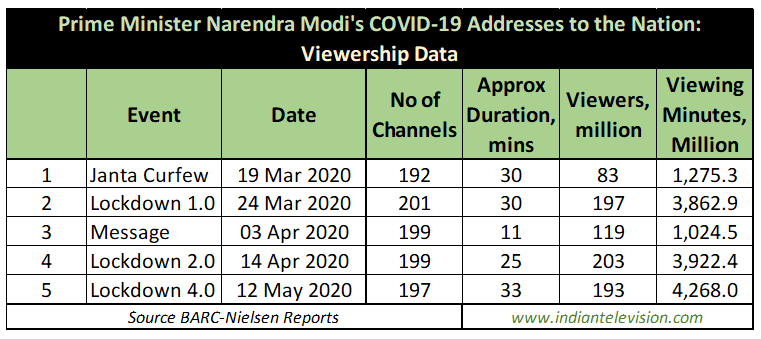
    Week 12 by itself saw Television News viewership surge past the normal – this was the week in which India had the Janata Curfew first and then the announcement of the first All India lockdown by prime minister Narendra Modi. Now a digression – Modi has been one of the biggest viewership draws for News Television, and every time he appeared on television during the lockdown weeks, television consumption lineswent completely off even the new charts!

    Please refer to the chart below for Viewership data of the 5 Addresses that Prime Minister Modi has made to the Nation pertaining to COVID-19 (COVID2019) until the time of writing of this paper.

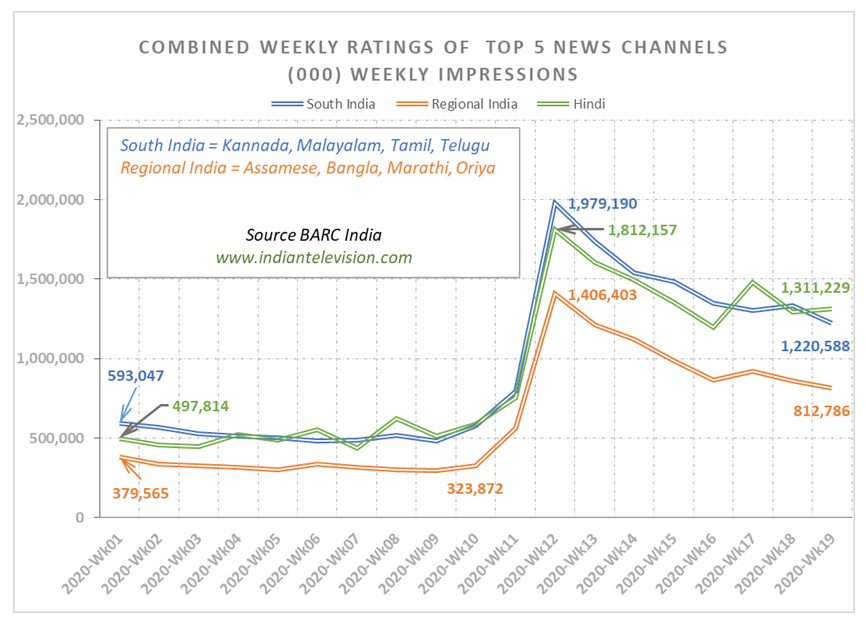
    News Television ratings rose phenomenally in the week leading to and during the lockdown period. Overtime, as Indians got used to the idea that staying at home was the one option that would keep them safe from the disease, television viewership started petering down. Events that were out of normal resulted in small spikes in the already ballooned viewership. The chart below shows viewership data of Top 5 News channels for nine of the ten languages for which BARC provides on a weekly basis for Week 1 to 19 of 2020. To make things easier, the author has combined viewership of top 5 News channels in Kannada, Malayalam, Tamil and Telugu News channels into South India, and the combined viewership of Top 5 News channels in Assamese, Bangla, Marathi and Oriya into Regional India. 

    Per capita news consumption in South India and other regional markets is higher than in the overall Hindi Speaking Market or HSM. BARC defines HRM as All India excluding the South Indian states of Karnataka (Kannada); Kerala (Malayalam); Tamil Nadu and Puducherry (Tamil); and Andhra Pradesh and Telangana (Telugu). TV penetration in South India is also higher than the rest of the country. 

    As is obvious from the viewership trends of the Top 5 Channels from the chart below, News consumption in the country in the weeks after Week 13 of 2020 is lower. 

    Using the BARC-Nielsen base of average data for Week 2 to 4 of 2020, the All India average for the combined weekly impressions of Top 5 channels for 10 languages (nine mentioned above and English) works out to 1,338.614 billion weekly impressions. As is obvious from the viewership trends of the Top 5 Channels from the chart below, News consumption in the country in the weeks after Week 13 of 2020 is lower. 

    Week 12 of 2020 saw the highest consumption of television news across India until the writing of this paper at 5,203.690 million weekly impressions or 388 per cent of the pre-COVID-19 weeks average. This was followed by Week 13 of 2020 with 4,558.658 combined weekly impressions of the top five channels in 10 languages, or about 341 per cent of the pre-COVID-19 week’s average.

    Week 18 saw All India News viewership of top 5 channels of the 10 languages drop to 3,499.652 million weekly impressions or 261 per cent of the pre-COVID-19 weeks average. Week 19 of 2020 has seen a further drop to 3,357.073 million weekly impressions or 251 per cent of the pre-COVID-19 weeks average.

    Economic stagnations and declines have forced governments across the world to slowly recommence trade, businesses, at least within their own boundaries in a limited way with a number of restrictions. As humans slowly restart work and start and learn to adapt, there will be less and less time for television consumption. At present, a lot of people across the globe, including Indians, are still continuing to work from home. And as a matter of fact, the so called ‘new normal’ which has yet to take a definite shape, may enclose work at home for many businesses and services. The world is likely to work quite differently at least until the pandemic dies out, or there is a cure for it or there is a vaccine or maybe all the three or some other combination of these options and or new ones. Media and Entertainment consumption, which includes news is likely to be quite high, higher anyway that during the pre-COVID-19 period.
     

  • Shoppers Stop celebrates EID across its online channels during Lockdown 4.0

    Shoppers Stop celebrates EID across its online channels during Lockdown 4.0

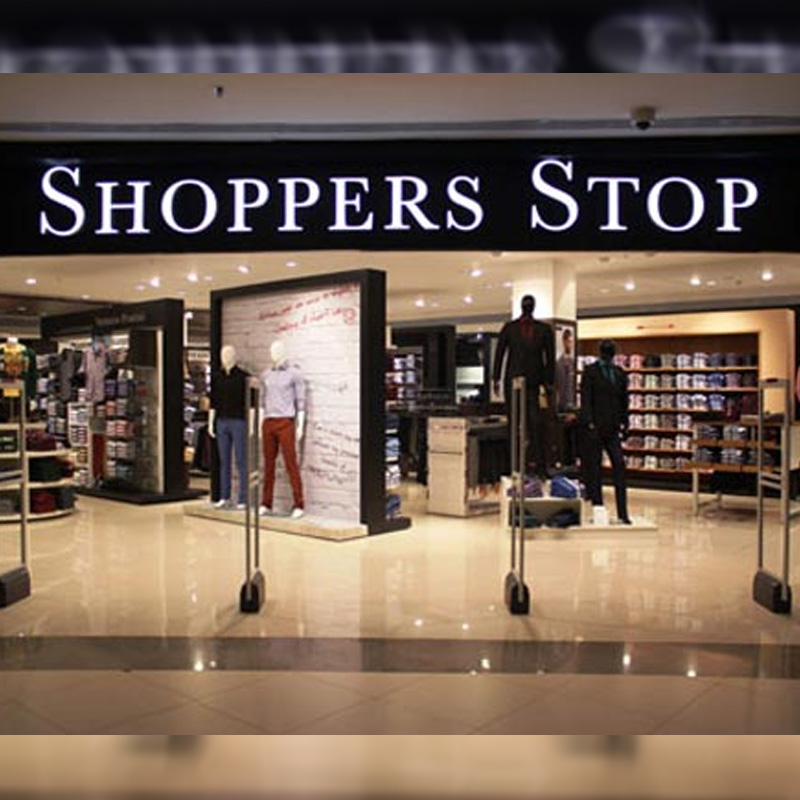
    National: While COVID-19 has created an unprecedented challenge for brands to connect with their target audience, Shoppers Stop has been consistently engaging consumers with meaningful and entertaining initiatives. The leading retail brand has taken a unique and well-thought-out approach to stay connected while showing empathy with their audience.

    As Eid has been approaching, Shoppers Stop first launched the Eid shopping campaign on their website, app as well as on their Facebook and Instagram pages. This campaign hinges on the #selfieidi campaign which encourages consumers to indulge themselves with an ‘eidi’ while also gifting their near and dear ones through online shopping channels.

    The Eid shopping campaign has the participation of multiple brands across men’s wear, women’s wear, ethnic wear, kids’ merchandise, beauty, and home amongst others.

    During this time, Shoppers Stop has also managed to add new brands to its portfolio while their team works from home including Gap USA (men and kids), FKNS, Swisse, Sandy & Sky, Michael Kors (Jewelry), WOW, Bombay Shaving Company, Miniklub, Marc Anthony, Guerlain, Untaro and Just Herbs.

    The brand has roped in Being Human one of its partner brands, and one can see actor Salman Khan, the most relevant icon for Eid from Bollywood, wishing Eid Mubarak prominently on it channels.

    Shoppers Stop has once again innovated with its brand identity for Eid and creatively wished their customers. You can take a look at the video here.

    This follows its earlier innovations and campaigns for the healthcare workers and the 9pm candlelight event by the prime minister.

    Log onto www.shoppersstop.com or download the App to know the latest offers, participate in the on-going #Selfieidi contest on social media and win prizes.

  • Dangal continues on top across genres as TV consumption drops

    Dangal continues on top across genres as TV consumption drops

    BENGALURU: Television consumption continued to drop in week 19 of 2020 (Saturday, 9 May 2020 to Friday, 15 May 2020, week or period under review), according to Broadcast Audience Research Council of India (BARC) data for Top 10 channels on all platforms across genres. However, overall television consumption in terms of impressions was still 24.1 percent more in Week 19 of 2020 as compared to week 4 of 2020. Viewership in terms of billion impressions in week 19 of 2020 was 18 as compared to 14.5 in week 4 of 2020.

    BARC and Nielsen have set the average viewership data between weeks 2 and 4 of 2020 as the yardstick to measure television consumption trends during COVID-19 (Covid2019) weeks. While the lockdown in India commenced on 25 March 2020, which was midweek of Week 12 of 2020, BARC-Nielsen COVID-19 reports are available for weeks between Weeks 11 and 18 of 2020 at the time of writing of this paper. The author has considered week 4 of 2020 as the reference week here.

    As is obvious from the chart below, viewership has been dropping over the past few weeks.

    Top 10 Channels on All Platforms Across Genres

    The combined weekly impressions of the Top 10 Channels on All Platforms Across Genres declined by 4.5 percent in week 19 of 2020 as compared to the previous week. Nine of the ten channels in the list were the same as in the previous week. pubcaster network’s flagship Hindi GEC DD National exited the list to be replaced by Zee Entertainment Enterprises Limited (Zeel) Hindi Movies channel Zee Cinema.

    BARC’s weekly list of Top 10 Channels on All Platforms Across Genrescomprised of five Hindi GECs’, two Hindi Movies channels and one channel each from the Kids, Tamil and Telugu genres. From the networks’ perspective, there were two channels each from Sony Pictures Network India (SPN), Star India and Zeeland one channel each from DD, Enterr 10 Television, the Sun Tv Network, Viacom18.  While DD Bharti and Dangal are available on both the pay TV and FTA platforms, Zeel’s acquired Hindi GEC Big Magic is FTA. The other seven channels were Pay TV. It must be noted that Dangal, Star Plus, Big Magic, Star Maa and Sony Max had higher impressions in Week 19 of 2020 than in week 18, despite the lower combined ratings of the Top 10 channels in the list.

    Please refer to the figure below:

    Top 10 Pay Channels Across Genres

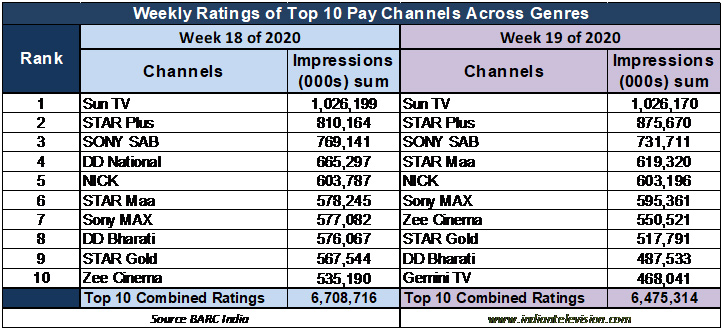
    The combined weekly impressions of the Top 10 Pay Channels Across Genres declined 3.5 percent in Week 19 of 2020 as compared to the previous week. Nine of the channels in the list in the week under review were the same as in Week 19 of 2020. Here also, DD National exited the list and was replaced by the Sun Tv Network’s Telugu GEC Gemini.

    There were three channels each from the Hindi GECs’ and Hindi movies genre, two Telugu channels and one channel each from the kids and Tamil genres in BARC’s weekly list of Top 10 Pay Channels Across Genres in week 19 of 2020.  There were three channels from Star India, two channels each from SPN and the Sun TV Network one channel each from the DD, Viacom18 and Zeel in the list.

    Please refer to the chart below:

    Top 10 Free Channels on Across Genres

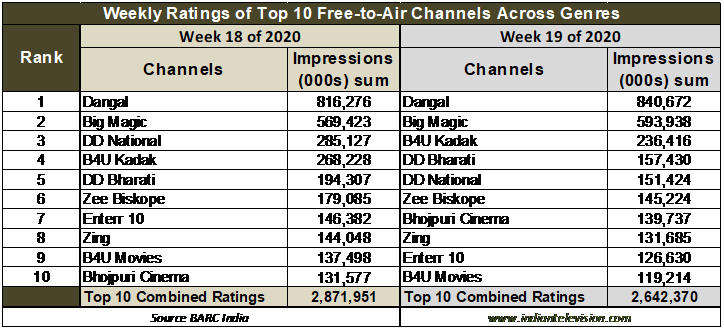
    BARC’s weekly list of Top 10 Free Channels Across Genres shows that the combined weekly impressions of the top 10 channels in Week 19 of 2020 was 8 per cent lower than in Week 19. All the channels in the list in Week 19 were the same as in week 18 with some shuffling in the ranks.

    Four of the channels were Hindi GEC; there were three Hindi movies channels, two were Bhojpuri channels and there was one youth channel in BARC’s weekly list of Top 10 Free Channels Across Genres for Week 18 of 2020, There were three channels each from Enterr 10 Television and Zeel and two channels each from DD and B4U Network during the period under review.

    Please refer to the chart below:


  • Create value wherever life places you: Madison’s Vanita Keswani

    Create value wherever life places you: Madison’s Vanita Keswani

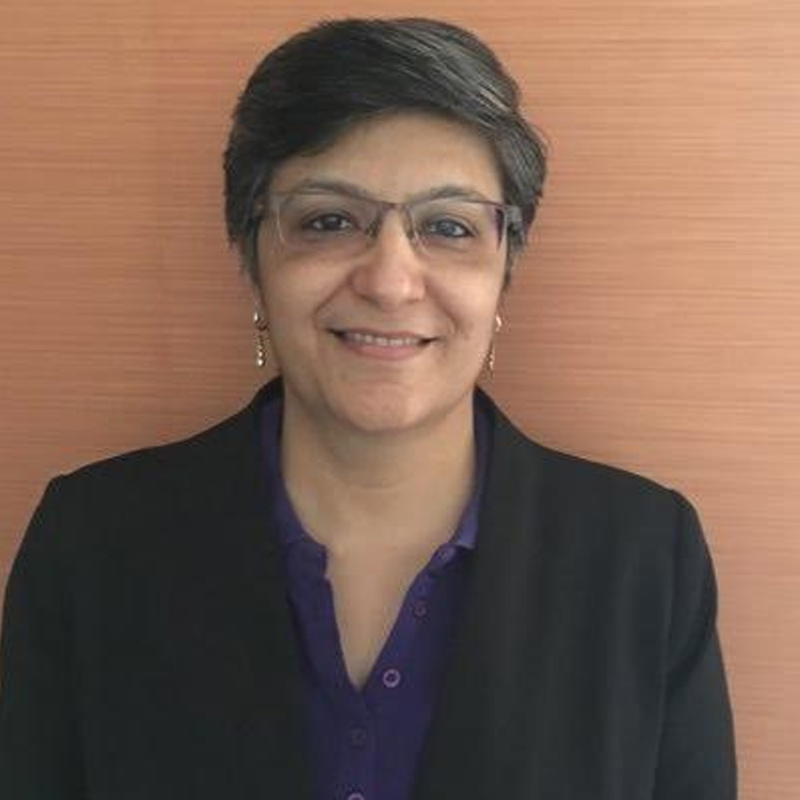
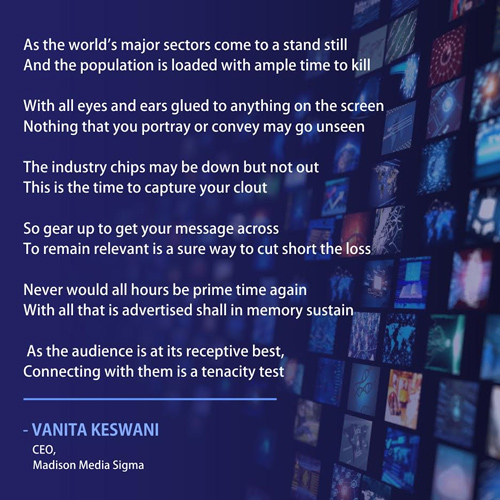
    MUMBAI: During lockdown, we may not be living life like monks, but we are certainly living under restrictions. For us, the lack of hustle and bustle is quite unsettling. We’re so accustomed to this fast-paced life that when it ceases, we may feel anxious and uneasy. In this quietness, our minds are occupied by this constant chatter which refuses to go. At this moment, when our lives are at risk, there is a concern of job security and financial stability; it is easy for negative thoughts to emerge. Under this situation, what is the role of spirituality? Why is it important? To answer all these questions Indiantelevision.com spoke to Madison Media Sigma CEO Vanita Keswani who through her poem invokes the underlying emotion that every human needs to address, especially during these testing times.

    Excerpts:

    What is the importance of spirituality in your life?

    Spirituality has helped me discover meaning and purpose in all areas of my life. It drives me towards constant self-improvement and plays a pivotal role in polishing innate humane qualities like trust, sense of responsibility and empowerment.

    How can entrepreneurship and spirituality go together?

    Japanese reformist Makiguchi suggests that work can provide three kinds of value – Beauty (work that we like), Benefit (financial security) and Good (value to society). Entrepreneurship can help build either or each of these values depending on the entrepreneur’s objectives.

    Please tell us about your love for poetry?

    I am fascinated by the rhyme and rhythm in which poetry flows and appeases our senses. This passion of mine has its roots in school activities of elocution and poetry writing.

    Has your inclination to spirituality helped you get through the lockdown?

    Certainly, spirituality has helped me elevate my fundamental life state and manifest high vitality and stamina amidst challenging circumstances. These trying times have given me the opportunity to apply spiritual concepts like “oneness of life and environment” and “changing poison to medicine.”  Rather than being at the mercy of the environment, I am learning to influence my environment inside out through positivity.

    What advice would you like to give others who may be exploring this?

    Constantly unearth the jewel of your life and polish it. Seek your own entity and unique purpose in life.

    Who or what has shaped who you are?

    I have been blessed to find greater meaning in my life through the life-transforming philosophy of Nicherin Daishon in Buddhism. My family and my workplace have played a major role in the evolutionary process.

    What is your greatest fear, and how do you manage fear?

    My greatest fear is of not being in control and not knowing what to do in certain challenging situations. For managing my fear, I work on building the tenacity of my mind through meditation and chanting and act by working harder and giving my absolute best. I truly believe that each such fearful situation that I successfully overcome, which makes me stronger and wiser.

    If you had the chance to start your career over again, what would you do differently?

    I am a firm believer in the mantra, “From this moment onwards now”.  I like to live the drama of life regret-free. So, no retakes.

    If you were to write a book about yourself, how would you name it?

    The name of my book would be ‘pH balance’. The foreword would describe the relevance of the title – discovering my purpose and happiness in life

    What business-related book has inspired you the most? (or, What is your favorite book?)

    Stories at Work – Unlock the secret to Business storytelling by Indranil Chakraborty. It inspires me to use storytelling to create a lasting impact among audiences that I address.

    What mindsets helped make you successful?

    When work is a pleasure, life is a joy.

    Create value wherever life places you.

  • Missing brands must restart marketing to catch rising demand across categories

    Missing brands must restart marketing to catch rising demand across categories

    NEW DELHI: After a lull of more than two months, businesses in India are slowly getting back on track as lockdown restrictions ease. There is a positive sentiment among most brands and agencies that things will only get better from here on and there seems to be a plethora of opportunities waiting.

    According to FCB India group chairman and CEO Rohit Ohri and Havas Group India CEO Rana Barua, a lot of their clients have started getting positive responses from consumers in areas that fall under the green zone.

    Barua had told us in an earlier interview that one of its major clients, Hyundai, recorded 500 bookings in just two days of opening up of a limited number of showrooms. Ohri said that brands functioning in the essentials category, like food and hygiene, are getting a splendid rise in demand.

    Recently, Siyaram’s, one of the most prominent players in the Indian textile industry, said that the retailers in the green zones have started recording two-thirds of normal daily sales number already, indicating a positive sentiment amongst consumers. McDonald’s, too, had talked to Indiantelevision.com about an impending pent-up demand across industries.

    With a further change in lockdown rules, the industry is taking cognisance of several other possible trends. Barua now added, “I think (do not have data to back this) a lot of urgent categories would have opened up as many consumers would require change/service/repair of electronics, white goods, mobile accessories, home/kitchen accessories and appliances, etc. I say this because, with a, close to, 60-day lockdown and everyone at home using all the mentioned above more than ever, I am quite sure that this will be the need of the hour.”

    Madison Media chief analytics officer Nagaraj Krishnamurthy shared Bain & Company’s survey results that show demand for staples, household hygiene, food ordering-in, toys and even beauty products are improving in green zones.

    He said, “I do not foresee any issues concerning the demand for essentials. There is a lot of talk about revenge shopping of consumer discretionary items. My personal feeling is revenge shopping at best will provide a blip in the first week after easing is announced. On a medium-term basis, there will be demand contraction for luxury and discretionary products.”

    Dentsu One president Harjot Singh Narang elaborated that while essentials will surely be growing in sales; the fate of products and services like the purchase of automobiles and personal transport, new food experiences, travel and tourism will depend largely on consumer sentiment depending on how fast a vaccine is found and distributed, amongst other factors.

    He said, “There can be two broad scenarios on this. As we come out of it the sentiment could be of “fear and worry” which would lead to safety behaviour, putting off any non-essential expenditure, more investments in insurance products etc., or the sentiment could be that of “we dodged a bullet” leading to more of the YOLO (you only live once) behaviour of spending and enjoyment of experiences to celebrate the survival and resilience that led us out.”

    Whatever the case may be from the demand-side, advertisers suggest that it is high time that brands, which were missing from the public glare for the past two months or so, restart their advertising activities.

    Wunderman Thompson South Asia chairman and group CEO Tarun Rai shared, “The crisis took everyone by surprise. It is unprecedented and without any playbook. Some brands, sensibly, have been present through this crisis – whether in terms of communication or by actually doing positive things to help mitigate the crisis. The brands that have missed out should start getting visible now.”

    Krishnamurthy added, “Marketing and more specifically advertising is an investment. The golden rule to maximise return is to invest when costs are low. Marketers who did not invest in previous phases of lockdown missed a great opportunity to build brand love on a very cost-effective basis. I would urge all brands, especially those in FMCG business, where the top-of-the-funnel activation is critical to invest more. You rarely see an increase in media consumption that is accompanied by lower media cost.”

    About what should be the approach of brands to restart marketing, Rai said, “They still have to be empathetic and recognise that the crisis is not over. But after two months they can open up their marketing budgets as there are definite signs of consumers getting back to spending in many parts of the country. This could be a very important phase as there has to be a lot of pent-up demand. Marketers don’t want to miss out on it.”

    Barua highlighted that authenticity should be a key factor in brand communication today. “Brands and businesses have a huge and potentially vital role to play. But they must do so with authenticity because it is the right thing to do, not for themselves, not even just for their customers, but for society as a whole. In line with this, getting back to relevance and creating a compelling, engaging story to fit back into the consumer’s life is integral. Be meaningful for the consumer so that they clearly understand the void and reach out to buy the brand.”

    Narang further elaborated on a suitable strategy for brands to make a comeback in the marketing world through a two-pronged approach: first from the marketing impact on business perspective and second from the brand’s relationship with its consumers’ perspective.

    From an impact on the business perspective, he shared, “Teams would need to track sentiments very closely and pivot quickly to the changed needs of their consumers given these abnormal times. Responses could be different for different individual businesses and categories – from a changed product design perspective, a pricing/ SKU need matching perspective or even a new approach to distribution channel dynamics etc,., or a combination of such elements.”

    He insisted that brands go “deeply human” to address the situation from the relationship with consumers perspective. “Adapt as a brand to the new paradigm exactly like human relationships adapt and grow in uncertain times. This is the time that separates the wheat from the chaff for people at large and consumer segments in particular and relationships and brands that do not have a deep enough link will be left behind or even forgotten. Just see the personal relationships that will survive and even grow for your consumer segment and evolve your brand to be in sync with those patterns. At the very base level – out of sight and out of mind would be a big factor for people in what relationships survive and which ones fall behind as unimportant – the same will play out with brands.”

  • Covid2109: Entertainment industry to lose $160 billion over five years

    Covid2109: Entertainment industry to lose $160 billion over five years

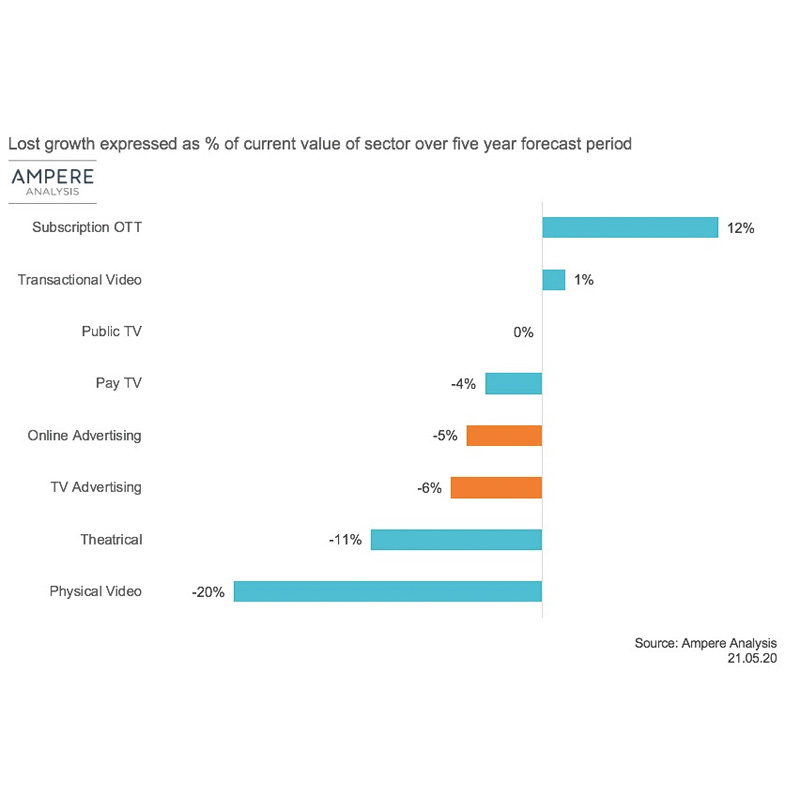
    MUMBAI: The global entertainment sector will lose $160 billion of growth due to the Covid2109 pandemic in the coming five years, according to research by Ampere Analysis.

    "While the biggest impact will be felt in 2020 and throughout 2021, growth will be reduced each year for the duration of the five-year forecast period. While gross loss (the total amount of lost growth in dollar terms) will be greatest for the advertising sector, it’s also important to look at the relative impact pegged to the size of the sector. On that basis, theatrical will be hardest hit, set to lose $24.4 billion over the next five years, with its revenue growth down more than 11 percent over Ampere’s previous forecasts," says Ampere Analysis.

    The TV and online advertising market will lose almost $40 billion of revenue growth and $43 billion next year. Though a recovery can be expected in the year 2022, the figures will not come near the previous forecasts made by Ampere Analysis.

    Ampere Analysis research director Guy Bisson said that advertising has been hit the hardest. "The interconnected nature of the entertainment value chain means that will have a number of effects in other areas of the value chain. Some of which will not be fully felt for several years to come," he said.

    Shut theatres will have a direct bearing on theatrical revenues. However, the long-term effects “mean a glut of movies vying for release windows next year could ultimately lead to a slowdown in film production that impacts content acquisition and distribution further down the line," said the report.

    Streaming winner  

    Streaming, however, will remain the big winner with viewers relying on such platforms heavily. Streaming will achieve 12 per cent more revenue growth in the next five years, says the research firm. Lockdown across the world have led to an exponential increase in “streaming consumption and new subscriptions, benefiting subscription video-on-demand, broadcaster video-on-demand and other catch-up services."

    Pay TV, which has already gone through huge losses due to the lack of live sports, will be losing “significant value in what was already a challenging market structurally, representing around four per cent of its previously forecast value," says the research firm.

    Scripted TV to suffer

    The firm predicts disruption in the supply and release of new content for a year due to delays in production caused by Covid2019.

    While the unscripted market will likely to easily withstand the pandemic, the scripted TV sector will be affected, and its effects remaining so for the rest of the year and even into 2021. This will remain so even if production resumes by June.

    “There is one certainty among the current uncertainty – that the Covid2019 pandemic will change the TV production industry far beyond the end of the lockdown. Initially, we expect delays to cause gaps in scripted TV release schedules, which broadcasters and streaming players will have to fill with other content. However, as delayed productions begin to fill out content gaps in later months, these gaps will begin to close. But this has further ramifications. The knock-on effect of delayed releases is a likely depression of the number of new commissions for some time after the shutdown ends, as commissioners look to fill schedules with delayed projects they have already invested in before signing off new ones,” says Ampere Analysis senior analyst Fred Black. 

    Follow Tellychakkar for the consumer facing news & entertainment

  • Innovation-led technology platform to streamline video production

    Innovation-led technology platform to streamline video production

    New Delhi: Videos have become the go-to tool that brands worldwide are turning to. India is no exception in this case. Brands, in their quest for higher customer engagement, are rooting for videos. Marketers, too, are seeing the positive results of video performance when it comes to higher volume conversions.

    Globally, media consumption is increasing on various platforms, especially digital. And the volumes are only going through the roof.

    Plan2shoot is a unique technology-driven video creation platform. It weaves a creative web of ideas, and organises all the bits and pieces into coherent and innovative video content. 

    Plan2shoot allows creative and innovative ideas to prosper and, through this, it effectively mixes human ideation with state-of-the-art technology to develop a cutting-edge approach to video aggregation.

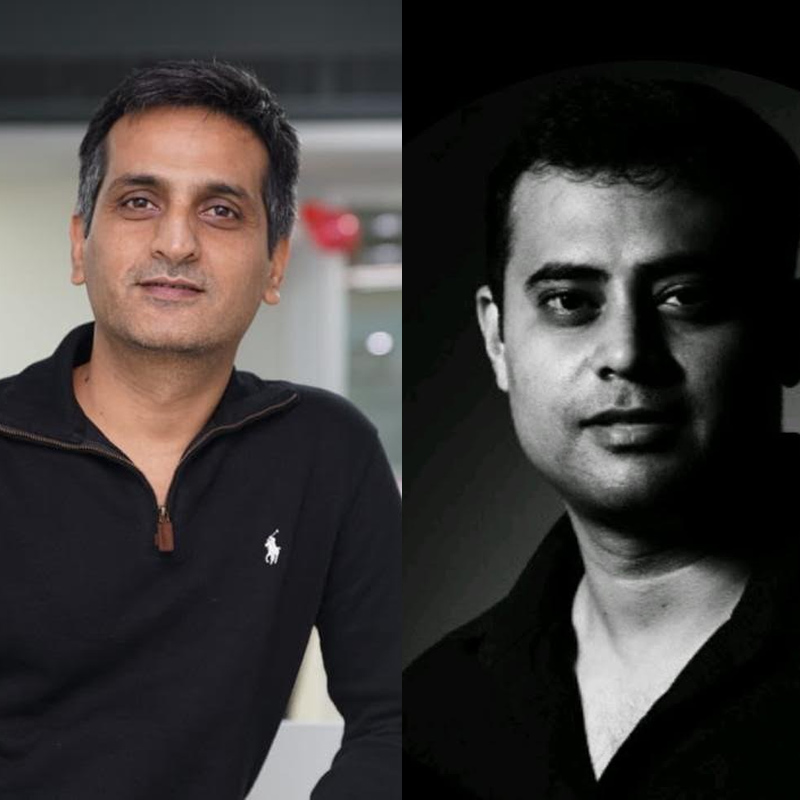
    Plan2shoot’s co-founder and CEO Vikas Sardana says their video platform is a synonym for trust. “During my two-decade-long career in the media Industry, I realised that there were too many issues faced by brands and creators. The market was huge yet unorganised and trust was seriously missing,” he says.

    Plan2shoot realised the potential in the video space and thought of introducing technology wherein every step of video creation could be streamlined, irrespective of the location. Plan2Shoot is hosted on robust cloud technology platform with main emphasis on media security and availability. The technology ensures fast upload of media files by creators using multipart technology and enables fast downloads for verification by brands.

    The tech part ensures that all parts are transparent to both, creators, and brands to verify every step of development phase and enable both creators and brands have smooth experience in sharing media. This, says Sardana, makes the entire process transparent. 

    “The validation of our platform during the Covid-19 pandemic has further strengthened our location-agnostic belief. We have been able to get our work done even from remote areas without even stepping out and endangering ourselves,” Sardana adds. 

    Plan2shoot strongly believes in and already has implemented a structured process of video creation. Every piece of content created is carefully examined and, through a step-by-step process, the idea is fashioned into a well-defined narrative on the product. 

    Plan2shoot strictly follows due diligence while screening video talent and always makes it a point to deliver creative content. Client satisfaction is our top priority, says Sardana.

    “Our videos give the impression of a solid quality product, “ says Ishan Bhattacharjee, co-founder, Plan2shoot. In the digital space, the platform, he elaborates, replaces chaos with superb quality, and always adds an extra zing to the marketing process. 

    “We churn out awesome content – visually pleasing, polished and loaded with innovative ideas. Our clients love and share our work,” says Bhattacharjee. 

    Plan2shoot endeavours to make everyone a winner. “We go all out to bring a lot of synergy between creators and brands. And by constantly doing this we create a happy and buzzing marketplace,” Bhattacharjee adds.

  • Pulp Strategy adopts AI in the world of advertising

    Pulp Strategy adopts AI in the world of advertising

    MUMBAI: The changing advertising landscape is now being led by data-driven tools such as artificial intelligence (AI) and machine learning. Pulp Strategy, a full-service interactive, digital communications and technology agency, is also attempting to change the ad industry.

    About two years ago, Pulp Strategy founder-managing director Ambika Sharma became the sole equity owner, and since then there have been significant changes. The decision to re-haul management was taken with an aim to augment the growth trajectory of Pulp Strategy.

    Sharma says that the restructuring has helped Pulp Strategy tide over “vision mismatch and improve its agility to consolidate its domain leadership position as a leading independent digital creative agency in India redefining the brand-consumer interaction in today’s dynamic business landscape.”

    Sharma says: “The last two years we have evolved in services as well as talent. Our talent quotient has improved; we have a strong creative tech portfolio and marketing tech with AI solutions launched which give us an edge. The last two years have been interesting for business as we diversified our client portfolio to expand into oil and gas, cosmetics, personal care, non-profit and BFSI. Our product development portfolio has expanded as well.”

    The change has helped to further its aggressive growth plans while maintaining an industry-focused and innovation-driven approach. Pulp Strategy strengthened its focus more on content marketing, digital engagement, while simultaneously leveraging interactive new-age technologies like artificial intelligence and creative technology to expand its client portfolio.

    Spotting this changing trend, brands have started tapping the immense potential of these technologies to engage their target audience in innovative ways.  These cutting-edge technologies have opened up a new world of possibilities, where it could help brands  to increase the chances of successful consumer engagement, build stronger emotional connections and leave a lasting impression on the consumer’s long-term consciousness.

    “Two technologies leading the latest wave of consumer engagement nowadays are AR and visual programming. At Pulp Strategy, we have taken significant leaps in creating highly-engaging digital engagements with these technologies employing the Facebook Spark Augmented Reality platform,” she adds.

    In the artificial intelligence domain, the AI chatbot technology has the potential to bring path-breaking changes in the way marketers interact with their customers.

    Sharma notes: “The best thing about chatbots is that they are always on and send in responses round the clock, unlike email, social media and live chats. The chatbot understands every query, gives personalised responses and even takes a note of your past conversations, which ultimately leads to an improved conversation in the future.”

    Like every other company, Pulp Strategy is also bearing the brunt of Covid2019. "We are working with our clients to support Covid2019 communication and build on engagement via communication and messaging as we also recalibrate plans. Brands and consumers have to quickly learn the new way to operate in the coming months. Consumption patterns have been disrupted by the lockdown. Work from home and isolation has resulted in new behavioural shifts and some of these patterns are changing for the long term,” she concludes.

    Follow Tellychakkar for the consumer facing news & entertainment

  • How Covid2019 gives digital boost to fitness brands

    How Covid2019 gives digital boost to fitness brands

    MUMBAI: Stay home but stay fit, come what may! Gyms, like all public places, were also shut due to the restrictions on account of Covid2019. However, brands have been quick to go digital with health and fitness brands showing a surge in users, especially the new ones, enabling people to follow their outdoor fitness activities within the comforts of their homes.

    According to BARC-Nielson data people are utilising lockdown period to hone new skills. Time spent on fitness has increased by 1.4x times. 

    Cure.fit launched cult.live, a virtual live streaming of different workouts in early March. Its growth and marketing head Naresh Krishnaswamy says that about 500,000 sessions are happening every day on the app.

    “Nearly 75 per cent members of the Cult centres are engaging with live classes. This has grown almost 5X from the time after lockdown. However, the biggest growth of this product is coming from completely new customers and from tier two and tier three cities where Cult was not present," he highlights.

    Cure.fit is offering live classes across fitness formats like strength, cardio, HRX, S&C, dance fitness and yoga on days of the week, which are suited for beginners, intermediate and advanced levels. As most of the classes feature bodyweight workouts, the user needs little or no equipment for the exercises.

    Wellness platform HealthifyMe also witnessed an increase in usage by 1.5x to 2x over the last month. Co-founder and CEO Tushar Vashisht says, “We're seeing a 40 per cent increase in subscriptions and our organic growth has gone up by 25 per cent. People that access our workouts have increased by 2x to 3x.”

    Vashisht adds that there has been an uptake of both free and paid courses. “While we initially saw a decline in calorie burn, as the lockdown continued, this has increased consistently by 60 to 70 per cent which means that users are increasing their home workouts. Some of the features we have launched for home workouts and free tools are seeing much higher engagement. There are over 50+ pre-recorded workout sets under our home workouts section."

    He also mentions that the work-from-home situation has helped HealthifyMe users to be more diligent with tracking their diet and exercise on the app. The app launched new features that include trackers for hand-washing and sleep. Its diet plans also highlight foods and ingredients with immunity-assisting properties.

    As a fitness application that counts steps, StepSetGo had to add features that could encourage people to walk indoors such as turbo time (added rewards for steps taken at specific times during the day) and power hours to remind users to take 15-minute walks four to five times a day. The brand is also adding gamification elements by launching FitGames where extra tries can be earned through extra steps.

    StepSetGo users are spending 25 per cent more time on the application since lockdown along with engaging with the app’s social elements such as competing with friends in challenges.

    StepSetGo co-founder-CEO Shivjeet Ghatge says that there has been a steady rise in the number of discount coupons being purchased during the lockdown, but the change has not been more than 15 per cent. “Overall, we have been able to tie up with various e-learning platforms and give our users their paid subscriptions in exchange for our in-app currency (earned through walking). Since lockdown, there has been a 30 per cent rise in the sale of these premium subscriptions.”

    Sarva and Diva Yoga founder Sarvesh Shashi says that they fast-tracked the app to launch before its scheduled launch in June. It has sessions on breathing routines and pranayama routines aimed at strengthening the immune and respiratory system. In addition to the in-app offering, Sarva also started a live group and personalised classes to help individuals stay healthy during the isolation. Diva Yoga opened up its Instagram handle for free live classes five times a day with all the instructors taking turns.

    Deepika Lalwani, a fitness and wellness influencer and celebrity trainer, has received requests from corporates that are looking to keep their employees engaged and active.

    “Most of the clients are requesting less complicated workouts they can do on their own easily. There has been a major shift to workouts like pilates, yoga, meditation, high-intensity workout, core workout, bodyweight training etc,” she points out.

    While workout-based fitness programmes are popular, the ancient art of yoga is also making a comeback. Akshar Yoga has seen an increase of 100,000 people availing online classes. The studios saw about 20 students per class on an average but now there are close to 1000 attending each session. Akshar chairman and course director Founder says: “The heartening thing is that people have committed to their well-being in a big way, and this means that yoga’s demand has increased on a global scale. People are also turning to more natural and organic health solutions such as Ayurveda.”

    While physical health is a priority, being cooped up has taken a toll on people’s mental wellbeing. Cult.live is also launching 20 sessions with coaches in the form of psychological first aid to deal with stress and anxiety.

    Krishnaswamy elaborates: “We have already enabled clients everywhere in India to seek therapy via video call. Telemedicine has been introduced as a solution to increase consumer access to high-quality doctors across all specialities in a seamless and efficient manner.”

    Sarva and Diva Yoga launched Sarva Mind, an initiative to tackle anxiety, depression and stress. It is based on Indian, authentic, mindfulness offering content in the form of guided meditations, mindful music, sleep stories, stories for children etc., in multiple regional languages.

    For marketing, brands are relying on digital and even social media influencers. Cult.live introduced the cult live masterclass – a stellar lineup of workout sessions with actors, sportspersons, choreographers and other famous influencers like Mandira Bedi, Yasmin Karachiwala, Mary Kom, Vijender Singh, Mouni Roy, Jonty Rhodes, etc.

    Sarva and Diva Yoga is relying on word of mouth for promotions too apart from some tie-ups with influencers. “Our instructors and customers have very strong-spun networks and they did a major part of the marketing for us, especially during the lockdown,” mentions Shashi. On the anvil is another campaign with yogis from across the world.

    Scitron, a brand that provides bodybuilding supplements for training, is also battling through reduced cash flow since deliveries of non-essential items have stopped. It launched #GharSeTryKar campaign, where a number of home workouts, nutritional education, fitness tips and tricks, live workout sessions with its followers' favourite influencers are being carried out.

    StepSetGo ran the #CountingOnYou which was aimed at letting users know that it is counting on them to stay indoors while also rewarding them for taking steps. It has tied up with ad agency Agency09 and social media agency Blazonion for starting PR and advertising activities to push the right brand messaging to newer audiences. It is also working on another social media campaign where people can be creative and showcase their lockdown walk.

    The fitness industry has received a major kick-off in the digital sphere due to the lockdown. As people explore the ease of working out at home using technology and video-based solutions, it will add more flexibility in their lives. Rather than keeping fitness on hold, they can utilise the benefits of both online and offline as per their convenience.