Tag: covid-19

  • “Mental health, once a taboo, is gradually finding its place in open conversations”: Prayag Hospital’s Pritika Singh

    “Mental health, once a taboo, is gradually finding its place in open conversations”: Prayag Hospital’s Pritika Singh

    Mumbai: The healthcare sector stands as a cornerstone of societal well-being, encompassing a complex web of medical services, institutions, professionals, and technologies. Rooted in the fundamental goal of promoting health, preventing illness, and providing care, the healthcare sector plays a pivotal role in safeguarding the physical, mental, and emotional vitality of individuals and communities.

    Characterised by constant advancements in medical science, technological innovation, and evolving care models, the sector continuously adapts to meet the changing needs and challenges of a dynamic world. From hospitals and clinics to research facilities and pharmaceutical companies, the healthcare sector is a diverse and vital ecosystem that extends its influence into every facet of human life.

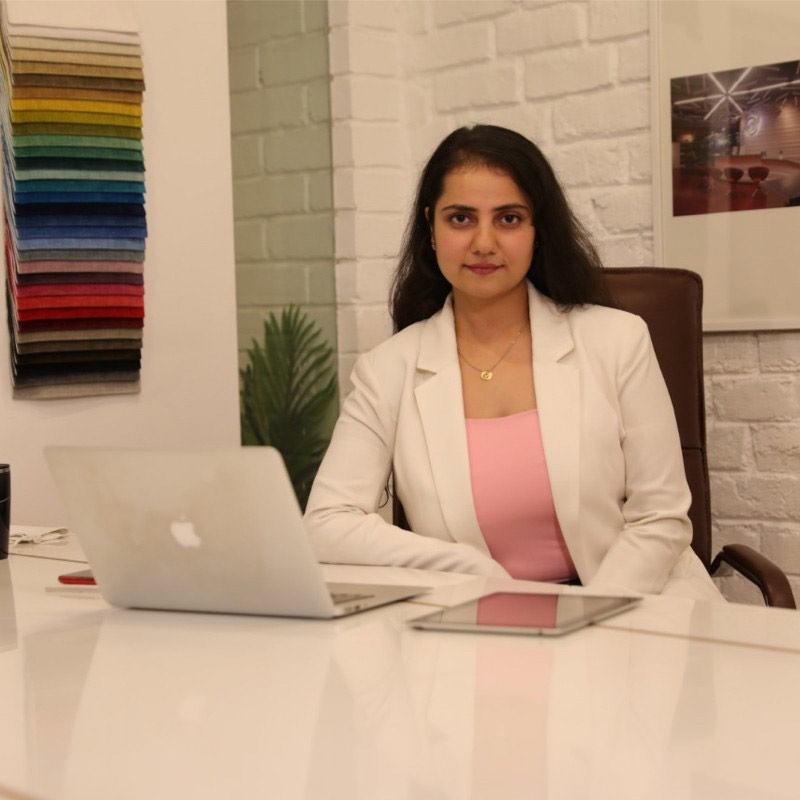
    Indiantelevision.com caught up with Prayag Hospital CEO Pritika Singh to know more about her journey, COVID’s impact on mental health, the hospital’s expansion plans, and much more.

    Pritika Singh is an award-winning and game-changer leader in the healthcare sector. Her business interests vary across many fields, from healthcare business, beauty, mental health, yoga, meditation, and the pharma industry. She is actively pursuing women’s rights and philosophy. She has worked towards women’s empowerment and other women-centric issues. She became the CEO of Prayag Hospital at the age of 23. Under her leadership, Prayag Hospital expanded and opened two more locations.

    Edited Excerpts:

    On Prayag Hospital’s contribution to the awareness and treatment of mental health issues

    Mental health, once a taboo, is gradually finding its place in open conversations. Being a strong mental health advocate, I emphasise its importance in healthcare domain and our team works with diverse segments of society, including correctional facilities, orphanages, and the Central Reserve Police Force (CRPF), while also organising meditation camps. We have observed that due to absence of families, these individuals suffer from substantial emotional burdens that adversely affect mental well-being. Thus, acknowledging the gravity of this issue, our team works closely with these individuals, extending unwavering support to tackle their mental health struggles.

    On the COVID-19 pandemic’s disproportionate impact on mental health and any observable trends indicating increased susceptibility among women

    Certainly, the COVID-19 pandemic has indeed had a significant impact on mental health worldwide. The isolation, uncertainty, fear of illness, and disruptions to daily life have collectively contributed to heightened levels of stress, anxiety, and depression among various populations. In my knowledge and being a healthcare professional, I have observed several trends that suggest women may be more susceptible to these adverse mental health effects.

    As women often bear the brunt of looking after the family. The closure of schools and daycare centers, coupled with remote work arrangements, has increased the caregiving burden on women. Balancing work, household chores, and childcare without adequate support led to heightened stress levels and a sense of being overwhelmed. Then gender-based violence and abuse exacerbated during lockdowns when escape routes and support systems were limited. The increased risk of violence and the trauma associated with it had severe implications for their mental well-being.

    On the inspiration behind venturing into this field right after completing studies

    Having grown up in an environment where healthcare and entrepreneurship were integral parts of my family’s life, my journey into the healthcare industry as a young CEO was a natural progression for me. Both my parents played pivotal roles in shaping my aspirations. My father’s dedication to the medical profession instilled in me a deep appreciation for healthcare, while my mother’s entrepreneurial ventures ignited a passion for business and innovation.

    From an early age, I found myself drawn to the world of entrepreneurship, inspired by my mother’s successes. I admired her ability to turn ideas into reality, and even before fully grasping the complexities of entrepreneurship, I was determined to follow in her footsteps. As I progressed through my education, particularly during my 11th and 12th grades, my understanding of entrepreneurship deepened. I began crafting business plans, envisioning my own path forward in the business world.

    Upon completing my MBA, I was eager to merge my dual passions for healthcare and entrepreneurship. Joining Prayag Hospital as the planning and strategy director provided me with a unique opportunity to bridge these two worlds. As I delved into the intricacies of hospital operations and patient care, I realised the immense potential for innovation and improvement within the healthcare sector. My journey continues to be fuelled by the desire to make a meaningful impact on both the healthcare industry and the lives of the patients we serve.

    On your vision for Prayag Hospital’s expansion across India and the plan to tackle the challenges that might arise during this expansion

    Our journey is driven by a commitment to extending quality healthcare services to every corner of the country. Our immediate focus lies on expanding our presence within Uttar Pradesh, the largest and most populated state in India. Recognising the immense need for accessible and top-notch healthcare, we are diligently working on establishing new hospitals and medical centres in key regions of Uttar Pradesh. This strategic approach allows us to address the healthcare gaps prevalent in these areas and ensure that quality medical services are available to all.

    Looking beyond our national borders, we are ambitiously planning to set up branches of Prayag Hospital in Indonesia and Uzbekistan. Our goal is to replicate the success and patient-centric approach that defines our brand, bringing our high standards of healthcare to regions where such services are limited. By expanding internationally, we aim to not only contribute to the health and well-being of communities abroad but also showcase the prowess of Indian healthcare on a global platform.

    Expanding across diverse regions comes with its own set of challenges, and we are well-prepared to tackle them head-on. The foremost challenge is to maintain consistent quality across all our branches, ensuring that the patient experience remains our top priority. To achieve this, we have a dedicated team that is focused on training and upskilling our staff to meet our established standards of care. Additionally, we are investing in advanced medical technology and infrastructure to guarantee seamless healthcare delivery, regardless of the location.

    On the translation of your focus on women’s rights into initiatives within and outside the healthcare sector

    I am deeply committed to advancing women’s rights and promoting their empowerment. Annually, we organise free camps for acid attack survivors, providing essential support. Moreover, we facilitate around 100 surgeries at minimal expenses to enhance the quality of their lives. Observing the challenges endured by acid attack survivors has galvanised my advocacy for their cause. Going forward, I am committed to extending medical care, therapeutic counselling, and a secure haven for their holistic healing.

    On the strategies for attracting and retaining young talent, given the industry’s demands

    Our conviction lies in the notion that the healthcare sector stands as a conduit for both economic advancement and communal well-being. As we expand our infrastructure, our goal centres on accommodating a wider patient demographic, and furnishing tailored medical expertise. This endeavour entails the recruitment of proficient physicians, nurses, technicians, and ancillary personnel.

    In our bid to attract young talents to this virtuous domain, a comprehensive strategy has been meticulously devised. Also, we are committed to substantial investments in robust training and developmental initiatives, endowing them with requisite proficiencies and cultivating an environment conducive to perpetual learning.

    On the key milestones that Prayag Hospital has achieved since its inception

    Founded in 1995, Prayag Hospital has evolved into a leading multispeciality facility. The hospital’s mission is to offer top-notch healthcare at affordable rates. Prayag Hospital’s patient-centred approach has revolutionised India’s healthcare landscape, ensuring quality treatment accessible to all. At Prayag Hospital, we have introduced a special ward for below poverty line patients, providing free medical care while only charging for medicines. We have also set up holistic healing centres to spread the word about staying healthy before getting sick. To make things easier for everyone, we have taken the initiative to educate patients about government healthcare plans like Ayushman Bharat, Pradhan Mantri Jan Arogya Yojana, and Rashtriya Swasthya Bima Yojana.

    On the most pressing challenges that the healthcare industry will encounter in 2023 and beyond

    India’s hospital industry, constituting 80 per cent of the healthcare market, is attracting significant investor interest globally and domestically. Projected to grow at a CAGR of 16-17 per cent, the sector is set to reach $132 Bn by 2023. Having said that, the healthcare sector has been grappled with escalating costs and persistent health disparities, posing significant barriers to equitable and accessible care. Additionally, integrating advancing technologies while safeguarding patient privacy remains a complex challenge.

    On the strategies to position the hospital as a global healthcare provider

    Prayag Hospital aims to go global as we are establishing fully equipped clinics in Dubai and Uzbekistan. After a trial period, we will refine our services and expand to other countries, adapting to their unique healthcare needs and regulations. Through strategic technological integration, we will seamlessly harmonise operations between our international clinics and our Indian headquarters, ensuring efficient cross-border collaboration. Our robust affiliations with local healthcare entities and government bodies will facilitate the delivery of comprehensive and enduring healthcare solutions.

    On incorporating initiatives such as assisting acid attack survivors into Prayag Hospital’s overall mission

    Officially reported acid attack incidents number between 250-300 annually, yet experts believe the actual count could surpass 1,000. We organise free camps yearly for acid attack victims and undertake around 100 surgeries at nominal costs to help better the lives of the survivors. These camps empower survivors to overcome trauma, foster resilience, and reintegrate into society, making a tangible difference in their lives.

    On the intersection of technology and healthcare shaping the industry’s future and Prayag Hospital embracing these advancements

    The rapid advancements in technology have opened up new avenues for enhancing patient care, streamlining processes, and improving overall healthcare outcomes. At Prayag Hospital, we recognise that technologies such as electronic health records, telemedicine, and wearable health devices have the power to create a more connected and patient-centric healthcare ecosystem and thus embrace these wholeheartedly.

  • Seven in ten urban Indians claim their frequency of going to the cinema has decreased: YouGuv

    Seven in ten urban Indians claim their frequency of going to the cinema has decreased: YouGuv

    Mumbai: New YouGov data reveals where people are watching new films and how the shift to streaming platforms may affect cinema attendance in a post-covid world.

    When asked about the change in their cinema viewing habits since the pandemic, nearly seven in ten urban Indians (69 per cent) agreed with the statement, “My frequency of going to the cinema/theatre has decreased.”

    According to data, 44 per cent of people stop visiting the cinema hall because of  streaming films online, followed by 42 per cent of people’s preference to watch films at home. Nearly a third think going to a cinema is expensive or feel there aren’t any films worth going to the cinema are 32 per cent each. North Indians were more likely to say they do not go to cinemas because of the flexibility of streaming films online. Similarly, the 40+ group prefers to watch films at home.

    When asked about the medium they have used most often to watch newly released films in the past six months, OTT platforms emerged as the most popular choice for nearly half of urban Indians. A fifth (22 per cent) said they watched new movies on TV and only 16 per cent went to the cinema or theatre to watch films during this period.

    Looking at the data by age, 57 per cent between age group of 18-29 years were most likely to watch new films on OTT/streaming platforms in the past six months, while 40+ adults than others were more likely to watch them on TV (26 per cent) or in theatres (19 per cent). Notably, residents in South India were more likely to say they watched newly released films in theatres as compared to residents of other regions (22 per cent).

    Even though OTT has gained precedence, not all hope is lost for theatres. YouGov data shows a quarter of urban Indians (26 per cent) said their frequency of visiting theatres has increased since the pandemic, with young adults between 18 and 29 years old echoing this sentiment most strongly.

    An overview of people’s cinema viewing habits shows one in six urban Indians (15 per cent) said they go to a theatre to watch a film at least once a week, while eight per cent do so once a fortnight. Just under a quarter visit a theatre at least once a month (23 per cent), and nearly half visit it once every two-three months or longer than that. This behaviour is similar across all age groups.

    Past behaviour shows cinema outings in the last 12 months have mostly been with friends or family. At 61 per cent, Bollywood films emerged as the most popular kind of cinema among people, followed by Hollywood or regional South Indian films at 45 per cent each.

    When it comes to film genres, urban Indians prefer comedy (67 per cent), followed by action (54 per cent), and thrillers (51 per cent). Specifically, thinking about how they like to watch these genres, a majority (55 per cent) said they enjoy watching comedy films on OTT or streaming platforms. 19 per cent prefer watching them in a theatre, and 26 per cent prefer both the options. The higher preference for OTT platforms is uniform across genres, except for action films, where people were more likely to say they liked watching these films in theatres than on OTT platforms.

    Commenting on the research, YouGov India GM Deepa Bhatia said, “After two years of the pandemic, theatres in India finally opened to full capacity this year. However, the rising popularity of streaming platforms remains a challenge, discouraging people to step out of their homes.”

    “While cost and home viewing habits keep many people away from the movies, it should be remembered that people go to the cinema to enjoy the experience. It is important for brands to understand the changing cinema habits and behaviours of urban Indians to re-imagine their marketing strategies and prepare themselves for this ever evolving relationship between films and consumers,” added Bhatia.

    Data was collected online among 1,004 urban Indian respondents in September 2022 by YouGov’s Omnibus using its panel of over 20 million people worldwide.

  • “We have penetrated globally, and that shows the strength of our content”: Travelxp’s co-founder & CEO Prashant Chothani

    “We have penetrated globally, and that shows the strength of our content”: Travelxp’s co-founder & CEO Prashant Chothani

    Mumbai: Having endured two difficult years due to Covid-19, travel channel Travelxp is now looking at strong growth. Travelxp co-founder & CEO Prashant Chothani said that the broadcaster, which recently launched in Portugal, will also expand its presence in 10 more countries in future. It will also triple the content output compared to pre-Covid. He mentioned that the broadcaster is profitable while noting that content costs have more than doubled, in part due to sharply rising airfares.

    In an interaction with Indiantelevision.com, he said, “We have just launched in Portugal, which is our 81st country and 21st language. We will launch in 10 more countries in the upcoming months. We will soon be introducing a dedicated feed for Latin America. The aim is to enter more markets. We will ramp up our content & production initiatives to make up for the time that we lost due to Covid-19. As you know, we are a travel channel and nobody could travel. So, producing travel content was impossible. That was the biggest drawback. Now we are ramping up content production like never before. The aim is to cater to the accelerated market growth and demand.” 

    Growing during Covid-19: In India, the channel is produced in English and then dubbed into Hindi, Bengali, and Tamil. More Indian languages will come by the end of the year or the beginning of next year. “We will launch at least three to four new languages in India.” He maintains that the channel is profitable. 

    He added, “Even during Covid-19, our subscription revenues almost doubled worldwide. 95 per cent of our revenues come from subscriptions. During Covid-19 we did several distribution deals. People were sitting at home and viewing the world. We have almost grown two times. India was stagnant. 95 per cent of our revenues come from subscriptions. We are largely a subscription-driven business globally. Advertising is something that we introduced recently.”

    “Audiences’ minds are open when they watch us, and they are in a great mood to receive advertiser messages. The communication impact is much higher. People are in a happy state of mind when they watch us. We have very high-end advertisers who value the kind of audience that we bring. The plan going forward is to ramp up marketing initiatives, affiliate marketing initiatives, and work with platforms around the world. Viewers will be updated on the content being produced,” Chothani said.

    Content costs: He noted that the content production costs have at least doubled and, in some cases, have tripled. The cost of travel has shot up. “The flight that earlier cost Rs 40,000 now costs Rs 1,20,000. Also, content production costs are at an all-time high. But at the same time, we will produce three times the amount of content compared to pre-Covid. We have to do justice to the platforms that we are present on. We have to showcase not only good but the best quality content.”

    Distribution: He maintains that not being part of a distribution network is not an issue. Today, he said, with the NTO (new tariff order), Trai wants to de-bundle. Success, he maintains, is about a channel’s USP and not being part of a network. “Nobody produces the kind of content that we do. We have penetrated globally, and that shows the strength of our content. We talk to mainstream audiences in various countries. In India too, there is an advantage. It all does not boil down to the network. That is irrelevant if the content is bad. If the content is good, anybody can sell it.” He added that NTO will keep on evolving. “People have different views on it. It is confusing. Where it will go, there is no clarity. It is caught between regulation and litigation. There is also no clarity between linear and non-linear as the latter is not regulated.”

    “The distribution platforms have been impacted more. People work around it, which means that you adjust your business plans. There is both a B2B2C and D2C business. It depends on where you are and how you are being impacted. I think that DD Freedish may be a bigger issue for some broadcasters and platforms than the NTO. With changing times, channels have to change. If viewership is falling for a channel, then the programming strategy for that channel may not be correct. Or in the case of a platform, maybe the platform does not have the channel that subscribers want. It is not that viewership per se is falling. It is just that viewers have gone elsewhere. For us, we are happy with the viewership.”

    At the same time, he also noted that distribution platforms have to make an effort to educate consumers about the content available on various channels. In a B2B2C, the B in the middle has to properly market to the C at the end. “There has to be the proper focus between both the Bs to reach out to the C.”

    Content strategy: In terms of shows on Travelxp, he said that they are about the destination, food, culture, history, and heritage. The aim is to have the travel experience percolate into the viewer’s mind. “It is about having travel content that is informative, well researched, and produced with the highest production quality. This makes the difference. It is not a fiction show where you have to think of new stories. We have to ideate new ways of experiential travel that can be introduced and what new destinations in the content line-up can be showcased. Till now, we have filmed in 65 odd countries. There are always new ways of presenting content and presenting a destination. Each piece of content is unique. It is completely different.”

    Shedding light on the amount of time it takes to produce a show, he said, “It takes nine to 10 months to create a show of two to three hours. Research takes two months at least. One month is spent on pre-production, getting the required permissions, etc. One to 1.5 months is spent on production. Then two months are devoted to post-production in terms of things like colouring, grading, etc. It is like making a movie. We will make a movie about that destination. You cannot go wrong when it comes to research. It is not like filming for a social media platform. You cannot take away from what they are doing, but the audience there consumes it for fun.”

    “People consume us for information, knowledge, entertainment, and infotainment. People come to us. On social media, travel content comes to you. It is content that comes by the way. People, on the other hand, watch Travelxp by appointment,” he explained.

    The travel scenario: He noted that right now there is a huge boom in travel and it is about revenge travel. But he also explains that things will be moderated in a few months. He does not think that Covid-19 and monkeypox will be a challenge. People, he noted today, do not care about it. “I don’t think people are even bothered about them. Nobody is withdrawing from travel due to any threat. Unless something dramatic happens, there will be no impact,” he said.

    The potential inflation impact: He does, however, concede that inflation is a challenge. The challenge will be seen months down the line. That is because people plan their travels slightly in advance. So the inflation impact on travel will come up pretty late. There is a time lag. He noted, “The cause and effect time lag will be there, and at the same time, revenge travel will settle down. Between 3-6 months, you will see revenge travel moderately. Things will become real.”

    “Inflationary pressures will add to the travel impact. There will be a scale down from the travel levels that are being seen now. This is a temporary travel boom being seen now. My hope, though, is that more and more people will want to travel now, which will be very good for us and other travel stakeholders. Earlier, travel was a luxury. Now people view travel as a necessity.”

    Travelxp, he added, also plays the role of a memory re-collector for viewers who have visited a destination that is being showcased. “It is also a great infotainment entertainer. You want informational content that gives you relief from the pressure of the inflationary times that we live in. Viewers get refreshed and inspired by our content. Viewers relive memories with us. People remember our content for a long, long time.”

    The challenge: Right now, the challenge for the travel industry is that the stakeholders, like airports, are struggling to cope with the huge demand. “Fares are exorbitantly high; airports and hotels are facing financial pressure. Revenge travel is happening. People just want to travel. We are exploring new destinations. We are also revisiting destinations that we have covered in the past, and we aim to show viewers how they can explore the same destination in a new way. Our job is to excite travellers,” he said.

    Being about the big screen: On digital, Travelxp has an app which was launched in the previous quarter. But he stressed that content created is meant to be watched on the television set, not on the mobile. That is why features like augmented reality will not play a role in Travelxp.

    “Travelxp is a big-screen television experience. We are not producing content for mobile phones. There you fight with the likes of Youtube and Instagram, where user-generated content comes into play. Television cannot work for augmented reality. Even on non-linear apps, everything has shifted to the television set.”

    He also noted that it is a false statement that content viewership is migrating from TV to OTT. People are also taking OTT and are also watching linear TV. It remains to be seen if OTT growth remains high. The base was low, he explains. In the long run, the current distribution platforms like Tata Play and Hathway will offer an aggregated offering of linear and non-linear. The aggregator model also has a role in Travelxp’s distribution plans, he explains. “The future will see everything available. You can buy an app on a standalone basis and also through the aggregator route, where both TV channels and OTT apps are available in one place.”

  • Online advertisements influence 55% of health insurance buyers: WATPapers

    Online advertisements influence 55% of health insurance buyers: WATPapers

    Mumbai: Hybrid digital agency from Dentsu Creative India WATConsult has released its latest issue of monthly WATPapers titled ‘Consumer’s outlook towards health insurance.’ The report explores how the Covid-19 pandemic has transformed the consumer perception about insurance, as more individuals felt the need to have financial backup to meet unforeseen medical expenditures.

    According to the report, more than half of the respondents have purchased health insurance in the last six months. These policyholders belong to the age group of 25 to 35 years, residing in the top four metros as well as small metros.

    Most of them have purchased health insurance for themselves and their parents. With regard to the coverage duration, 32 per cent of the respondents have purchased health insurance for up to two years. 27 per cent of the respondents have opted for a health insurance plan for a year’s duration.

    For the record, in India, there are a plethora of benefits offered by health insurance policies. Most of the respondents say that their health insurance policy covers facilities like cashless treatment and maternity coverage followed by emergency room services, discounted treatment for COVID, and free health check-ups.

    The report further states that when it comes to purchasing health insurance policies online, the journey from assessing the need for a health insurance policy to purchasing one is very likely to start by watching policy reviews and videos online. This enables the consumer to get familiar with the brands and options available. They then visit the brand’s website or search for suitable policies on the internet. Post which, they are likely to compare websites and evaluate a suitable policy based on the benefits and features it offers.

    Commenting on the latest issue, Isobar India Group CEO Heeru Dingra said, “Since the pandemic, there has been an ever-growing demand for health covers because people have realised that huge medical expenses, especially when engulfed in uncertainty can take a toll on their financial and mental well-being. In such a situation relying on savings is not enough, hence, a health insurance policy is ideal as it covers facilities like cashless treatment, maternity coverage followed by emergency room services, discounted treatment, reimbursements, and free health check-ups. This issue of WATPapers is a must-read as it showcases the trends observed in the sale of health insurance plans and how policyholders today are shielding themselves against medical emergencies.”  

    WATConsult managing partner Sahil Shah added, “The pandemic has disrupted the industry by altering how people view health insurance for themselves, and their family members. This period of an extreme health crisis, with the pandemic looming over, has led more and more people to opt for health insurance. The future looks promising for the health insurance sector with changes in the regulatory framework, which will lead to changes in the industry conducting its business. Factors such as growing awareness, the need for health protection and inclusion in the financial planning of an individual, will drive the growth of the Indian health insurance sector even higher and further.”

  • Online shopping scam victims down to 74%: Report

    Online shopping scam victims down to 74%: Report

    Mumbai: The number of online scams and frauds drastically increased during the Covid-19 pandemic. However, a recent report revealed that the percentage of online shopping scam victims has come down to 74 per cent globally compared to 78 per cent in 2020.

    Online retailers came across various fraud schemes in 2021. Among all the fraud schemes, “friendly fraud” scheme was by far the most prevalent. According to Banklesstimes.com analysis, the emergence of e-commerce during the pandemic increased the possibility of fraudulent activities. “About three-quarters of online traders globally have reported a net increase in fraud attempts since 2019,” said the report.

    In a statement, Banlesstimes.com’s Jonathan Merry said, “The number of victims is reducing. The restoration of normalcy after Covid-19 might be a factor. Now, retailers are also cautious, thus making it difficult for fraudsters to pull off their scams.”

    According to the data, the highest number of online fraud activities were recorded in Latin America and Asia-Pacific regions.

    Because of the presence of online fraudsters, the need for online retailers to manage these attacks has never been greater. So far, more than nine out of ten businesses believe that combating E-commerce fraud is essential to their success.

  • Sports media rights investments in India to grow by 10.1% over 2021-26: MPA report

    Sports media rights investments in India to grow by 10.1% over 2021-26: MPA report

    Mumbai: Sports media rights investments in India will grow at 10.1 per cent CAGR (compound annual growth rate) over 2021-26, bolstered by demand for cricket properties, led by the Indian Premier League (IPL), according to a report by Media Partners Asia (MPA) released on Friday.

    The report, which tracks the growth of sports rights and TV and online video sports revenues and subscribers across 14 markets in Asia Pacific (APAC), found that the market for sports rights and sports media revenues across APAC have recovered in 2021 after the damaging impact of the Covid-19 pandemic in 2020 and is expected to grow at a sustainable rate over 2021-2026.

    Overview

    As per MPA, sports rights for APAC contracted by $1.2 billion in 2020 while sports media revenues fell by ~$0.9 billion in the same year. The rights values crashed in China in 2020 while revenue contraction was marked in Australia and Japan. The year 2021 saw significant recovery in rights values and revenue, which MPA expects will continue in 2022, ensuring that rights values return to pre-pandemic levels, surpassing the absolute value of rights registered in 2018.

    Sports media revenues

    Asia Pacific sports revenues in TV and online video will grow at a combined six per cent CAGR between 2021 to 2026. Sports revenues will grow from $6.7 billion in 2021 to $8.9 billion by 2026.

    Sports media revenues contracted by 15 per cent i.e., $0.9 billion in 2020, during the pandemic, and recovered by more than 30 per cent in 2021. They are projected to grow by 11 per cent in 2022.

    In 2021, sports media revenue growth was especially significant in Australia, China, India, Japan, Korea and Southeast Asia, led by Indonesia and Thailand.

    Australia, China, India and Japan will contribute more than 82 per cent to sports media revenues in 2022 that will increase to 83 per cent by 2026, stated the report.

    The contribution of online video in overall sports media revenues will increase from 28 per cent in 2021 to 33 per cent in 2022 further growing to 42 per cent by 2026. The major market drivers of sports media revenues via online video are Australia and New Zealand, China, India, Indonesia, Singapore and Taiwan.

    TV will remain critical in India, Japan, Korea and Malaysia but its overall share of APAC sports revenues will fall from 72 per cent in 2021 to 58 per cent in 2026.

    Sports rights

    By 2022, sports rights across APAC markets will grow by 5.6 per cent to reach $6.5 billion. It will further grow at a CAGR of four per cent to reach $7.4 billion by 2026.

    Australia, China, India and Japan dominate when it comes to sports rights investment with 77 per cent share of total sports investments in 2022 that will grow to 79 per cent share of investments by 2026.

    Football leads the sports rights market in APAC with the Premier League topping the list of individual properties. Rights for the 2022-2025 Premier League have fallen by ~25 per cent to $1.4 billion because of substantial deterioration of the sports media rights in China. Excluding China, Premier League rights values for APAC grew by 10 per cent to $1.2 billion driven by healthy increases in Australia and New Zealand, Indonesia, Japan, Korea and Thailand.

    The main driver for recovery in sports media revenues and sports rights across APAC will be consumer and advertiser demand for live sports across integrated streaming entertainment and sports platforms along with TV networks in key geographies, stated the report.

    “Sports remains vital in Asia Pacific as a tactical weapon to build brand and market share and in certain instances, pricing power,” said MPA executive director Vivek Couto. “However premium tier-1 rights generally remain loss leaders or break even bets, especially in the case of marquee football and cricket properties. TV platforms remain important for the value of sports rights and monetisation but the growth of online video as well as tighter consumer and advertising wallets have squeezed growth in key Asia Pacific markets with many players impacted by cord cutting as customers continue to churn to: (1) Integrated entertainment and sports streaming platforms; (2) Pure play sports streaming platforms; and (3) Piracy. TV reach and revenues will however grow at a robust rate in large scale markets such as India, which emerged as the second-largest TV sports market through the pandemic, after Japan.”

    Adding further, he said, “Meanwhile, the rapid growth of online video distribution has boosted sports rights and revenues through SVOD and ‘freemium’ windows, especially in markets such as Australia, India, Indonesia and Korea. The economics of pure play sports streaming remains challenging; integrated entertainment and sports platforms remain on a stronger path while TV and streaming bundles will continue to play an important part in unlocking the value of sports.”

  • News Nation begins on-ground activity to increase brand engagement

    News Nation begins on-ground activity to increase brand engagement

    Mumbai: News network News Nation has started its on-ground activity in the state of Uttar Pradesh to increase brand engagement and reach out to smaller towns and hinterlands. 

    The on-ground activity, which will be executed across key locations covering all of Uttar Pradesh in the next 30 days, will also touch upon various big cities in the state. It aims to reach out to the masses of urban and rural areas of the state. To further strengthen this activity, it has been given an on-air hook for viewers to participate in the on-air contest and win exciting prizes daily and there is a weekly bumper prize as well. 

    “This is our first on-ground activity since the pandemic struck and we are quite excited about it,” commented News Nation Network MD Sanjay Kulshrestha. “Uttar Pradesh is one of the critical markets in terms of business potential and viewership. News Nation is well recognized and respected in the state. However, we felt that there is still ample opportunity to further increase our penetration in the state especially in deeper pockets of tier 3 & 4 towns and upcoming hamlets, hence this on-ground activity has started”.

    News Nation Network director and editor-in-chief Manoj Gairola said that this activity will be executed with a 360-degree approach, supported by various departments like distribution, editorial, sales, strategy, and marketing. “We are hopeful that this initiative will bring the brand closer to the viewers. Our viewers will observe several such actives in different states shortly,” he further added.  
     

  • OOH on good recovery trajectory, to match pre-Covid levels soon: Experts

    OOH on good recovery trajectory, to match pre-Covid levels soon: Experts

    Mumbai: As the world accepts the ‘new normal’ and authorities uplift the Covid-19 restrictions, out-of-home (OOH) advertising has gained momentum once again and how. According to the industry experts, the OOH sector has matched the pre-Covid level by 75-80 per cent and it is expected to reach 100 per cent in the next four months.

    In this special report, IndianTelevision.com shed the spotlight on the most effective OOH medium and leading trends in the industry.

    OOH experiencing better recovery trajectory

    If we look at the initial days of the Covid-19 pandemic-induced lockdown and subsequent restrictions, OOH was one of the severely hit industries because the industry stands on the idea of being ‘out of home.’ 

    With the pandemic receding, the industry is witnessing significant growth now. JCDecaux Advertising India executive chairman Pramod Bhandula reveals that the industry has recorded 75-80 per cent business and will soon match the pre-Covid levels. “OTT, entertainment, and telecommunication brands are spending heaving on out-of-home advertising,” he tells.

    Explaining the reason behind this, Bhandula says the world has experienced a saturation point where there was no direct human communication, followed by a lack of new content too. “This turned out as an opportunity for OTT and entertainment industries as the blank period in between ignited the quest of viewers, increasing their interest in the new content,” he highlights.

    As a popular name in the OOH space, Bhandula also shares his analysis of the performance of the OOH industry since the first lockdown was imposed.  One thing which he emphasises is that the industry is on a good growth trajectory.

    “The first Covid wave followed by an indefinite lockdown brought a complete lull in the out-of-home advertising. Brands chopped down their marketing budgets and OOH was thrown at the back as the last priority in their budgets because the medium became insignificant during the lockdown,” he explains. “However, with the first unlock, the industry started registering momentum but was far from the regular business.”

    “The business started coming back by the end of 2020. Although the growth was slow, it was steady,” he further says.

    Bhandula feels that this steady growth helped the industry rise back carefully and if we do not experience another Covid wave, the industry will soon reach pre-Covid levels.

    OOH in metro gains momentum; OTT,  travel, and fintech top investors

    A Delhi Metro Rail Corp (DMRC) insider reveals that OOH advertising in Delhi Metro is experiencing growth like never before. However, most brands are more interested in digital out-of-home advertising but wrapping a train with advertisements still remains a favorite of many.

    “As the world has opened up almost completely, travel restrictions are removed by many countries and states. Interestingly, train wrap has become a favorite metro advertising trend among the tourism industry to woo the consumers with their eye-catching locations,” says the DMRC executive.

    On being asked what categories of brands are more interested in advertising in the metro, he reveals that 80 per cent of their overall OOH business is presently coming from OTT, travel, fintech, banking, and insurance brands.

    If we look back to 2021, when the world just experienced the deadly second wave of Covid, it was LIC, the largest Indian state-owned insurance company, who came forward with blunt advertising on Andheri metro station in Mumbai. In the same campaign, LIC took another bold move by acquiring digital screens spread across 12 metro stations and metro train wrap. Ever since we have experienced multiple short-term lockdowns, but the demand for metro advertising was stagnant among the brands to broaden the communication visibility.

    Digitisation remains a trend in OOH

    While the OOH industry is all set to grow even bigger, digitisation turns out to be the leading trend within the OOH space.

    A July 2021 report forecasts the value of the digital out-of-home (DOOH) market to nearly double in just seven years (from $18.8 billion to $35.1 billion, between 2020 and 2027). With the advantages digital OOH ads offer being opened up to a much wider audience thanks to new programmatic technology, this isn’t surprising.

    “When data is digitised, it plays a vital role in shaping the industry and with the implementation of new technologies like AI technology, it’s embracing the overall industry,” say OOH experts.

    OOH is experimenting with new technologies and trends too, from bright colors, to eye-catching animation and videos. With digitisation taking over in all industries, DOOH Media is rising as a notable trend in the OOH space. 

  • Here’s how brands are counting on a post-Covid summer

    Here’s how brands are counting on a post-Covid summer

    Mumbai: With the Covid-19 third wave receding quicker than anticipated, the country is witnessing its first relatively ‘normal’ summer after a gap of nearly two years of the world going into shutdown mode. Little wonder then that with the soaring temperatures, hopes and anticipations of marketers and brands are soaring high, too.

    After what seemed like an endless phase of cautious optimism and playing the wait-and-watch game, summer-specific brands like beverages, consumer electronics such as fridge, AC, air cooler, and FMCGs can now finally look forward to what a ‘regular’ summer entails – with their advertising campaigns, promotions et al. While it remains to be seen whether it will lead to buoyant demand for these products, it promises to be an exciting summer as ad spends are expected to see a spike, more so with the IPL and upcoming cricket season doubling the anticipation levels.

    Beating the Covid-19 downturn

    There is zero impact of global factors on Indian brands’ marketing plans this summer, according to Carat India associate vice president of planning Anil Suryavamshi. “Retail will be back in a big way this season after two years of relative quietness and more consumers with increased availability of money in hand to spend this summer. Expect heavy advertising from FMCG, consumer electronics, auto, banking/insurance and investment brands,” he adds.

    Already the last few weeks have seen a flurry of campaigns for the summer with brands going all out to make the most of the current positive consumer sentiment by gaining visibility on media channels across the board. Summer drinks and beverage brands like Pepsi, Thums Up, Frooti, Slice, Tropicana, PaperBoat, etc have already rolled out their campaigns, positioning themselves as the go-to drink of the season.

    “We see huge demands for cooling products like air conditioners in the summers, however, the last two years were a setback for the business due to Covid and lockdown,” says consumer electronics major TCL India marketing head Vijay Kumar Mikkilineni. “But now with things coming back to normal brands have pulled up their socks and geared up for the upcoming season. The brands would look ahead for revival strategies and the spending would be realistic rather than bullish,” he further says while emphasising on the brand’s new range of AC.

    There has been a gradual increase in the ad spends as we travel into the peak of the season, with the Holi campaigns and activations setting the stage in a big way, affirms SoCheers co-founder and CEO Mehul Gupta. “Moreover, industries which were strongly impacted by the pandemic like travel & tourism, hospitality, cinema, events and more, have amped up their ad spends, and we can expect to see a further spike, given that the relative normalcy and the seemingly post-pandemic era re-opens the opportunities for them to engage and attract consumers.”

    Splitting the summer adex pie

    As the consumers overcome the effects of the pandemic and plan to ramp up their spends for the summer season, the brands are gearing up to meet the renewed and evolved demands. “Over the last year, we are expecting a growth of at least 12-15 per cent in overall ad spends in summer 2022. TV and digital will lead the advertising pie at par with the 2021 levels. Digital growth will continue with Youtube, Facebook, Sharechat, and OTT being on top for campaign considerations,” says Carat India’s Suryavamshi. “We can expect a high clutter on video, OTT, CTV through summer, which will further impact CPMs and buys,” he says, adding that, “the brands will continue to maintain their tried and tested strategy of either efficiency planning or impact (IPL).”

    “All major categories/advertisers have closed their IPL and non-IPL campaigns. GECs and movie channels are almost sold out for March and are reporting over 90 per cent sell rate for April,” he further says, while adding that except for Crypto brands, all major advertisers are back on IPL this year as well.

    The ad spending for the Summer 2022 campaigns is looking to be the period with the highest ever spending due to one major factor: mass digital adoption, according to Digimaze co-founder and CEO Vatsal Rajgor. “Previously, brands felt restrictive in the digital medium due to consumption issues, but as people have moved online, brands can now look at a holistic approach and tie their evolved strategy together, with digital being the main component. The bottom line is that more and more marketers and advertisers realise that investing their time, money, and effort into digital marketing will give them the ROI they need,” he says.

    Rajgor adds, “Now that we’re in the Summer season, we’ll see brands explore a healthy mix of mediums in their overall advertising strategy. While TV and digital remain the core of the strategy, we will see a large variety of different types of advertising. On-ground advertising especially will be a medium that many marketers will explore due to the surge of attendees in cinemas, concerts, festivals, meets, etc. “

    However, it’s not just video that is seeing a spike in ad spots – OOH (out-of-home), print and radio are back in the channel mix as well to capitalise on the season. The print inventory sell rate is 100 per cent for March/April and Covid induced rate benefits are no longer available for either print or radio, according to Suryavamshi.

    While retaining their efforts on digital, brands would be seen increasing their placement on outdoor media and ATL marketing, recognising the return of certain traditional mediums after the effects of the pandemic gradually wash away. The reopening of offices across the country and physical movement getting back in groove will lead to a steady and definite increase in the brands’ attention towards mediums like OOH.

    “As the situation normalises, we can certainly expect that now brands would look forward to investing in offline ads,” agrees TCL India’s Mikkilineni. “If we speak about the split in advertising we can expect 60 per cent for offline mode and 40 per cent for digital mode.”

    Riding the IPL wave

    With the IPL celebrating its return to the summer window, armed with a brand-new title sponsor and the addition of two new teams, there has been an added boom in the advertising market leading to further normalisation of spends this summer.

    Carat India’s Suryavanshi says IPL is the only performing impact property this summer despite losing 30 per cent ratings in 2021. “For regular IPL advertisers and cash-rich D2C apps economy brands, IPL is the #1 reach medium. Most of them have already closed IPL deals either on TV or Hotstar. Outlays are up by 5-15 per cent over the last year,” he adds, “A longer, bigger IPL will mean an increase of at least 15 per cent for the top brands on their summer campaign budgets. We see a majority of advertisers investing in multiple TVCs or Digital films for the same campaigns due to the longer advertising window. More brands are exploring Hotstar IPL this year due to high entry cost for TV.”

    This time around with the game making a comeback to the country and fans returning to the stadiums after a wait of two years, marketers believe it will help brands and spectators alike to get out of the pandemic blues. Brands are expecting the stadium to be the perfect place to showcase their most effective and hard-hitting advertisements, while delivering on their brand expectations.

    On brands going bullish on the hot cricket property, TCL India’s Mikkilineni is in complete agreement. The brand’s summer 2022 campaign starts with the much-awaited IPL 2022, having partnered with Sunrisers Hyderabad for the third time in a row. “In India, if there is one sport with a huge fan base it certainly has to be cricket. IPL being a shorter format of the game has a lot of thrill and yes, it’s one of the best properties and most of the brands would look forward to leveraging this opportunity to the fullest,” adding that the brand has started 360-degree activations to leverage the partnership.

    Leveraging celebrities or influencers to amplify the connect

    The use of celebrities has seen a big uptick with brands bringing on board all levels of cricket, regional and Bollywood celebs, and the trend is only expected to grow with social media influencers joining the bandwagon in recent times.

    Several beverage brands have in the recent past launched summer campaigns with celebrities such as Slice’s new brand film with Katrina Kaif, Pepsi’s latest TVC with Salman Khan, Sting’s ad with Akshay Kumar, and Thums Up’s latest campaign with Shah Rukh Khan to name a few. Leveraging celebrities and influencers for social media marketing campaigns has become, more or less, the norm and with the high consumer engagement that it attracts, it’s justified, say the marketers.

    A relevant celebrity can help a brand generate instant trust, brand recall and create a predisposition towards the brand thus reducing the time to connect with TG, believes Khabri co-founder and COO Dushyantt Kohli. “This summer, we can expect multiple startups to also start using celebrities considering the hyper-growth some of the startup are experiencing in India,” he adds.

    Another unprecedented shift observed during the pandemic was of brands investing heavily in influencers. “59 per cent of marketers have a standalone budget for influencers, while 75 per cent are looking at having a dedicated budget for influencers due to the quality of content they can produce, the relatable aspects in their content, and how they were able to reach an untapped market section,” remarks Digimaze’s Vatsal Rajgor.

    The kind of brand and budget availability also play a role in determining the brand’s choice of a celebrity or an influencer. Over the last two years, several brands have opted out of celebrity marketing in favour of influencer marketing due to the vital role played by influencers and the exponential growth in their following through the pandemic.

  • Concern India aims to curb vaccine hesitancy with a new social campaign

    Concern India aims to curb vaccine hesitancy with a new social campaign

    Mumbai: Even as India rushes to reach its goal of vaccinating 100 per cent of the eligible population, many are still hesitant to take the jab against Covid-19. Keeping this in mind, Concern India Foundation, a non-profit organisation has launched a social campaign in areas of Bangalore with high vaccine hesitancy. With the help of community leaders, the foundation has created a unique audio appeal called the Divine Voice.  

    “The temples and mosques in India have speakers. These speakers usually broadcast prayers and holy messages. Concern India weaved vaccination messages into these prayers. These messages were then broadcast live through these speakers by the community leaders themselves,” said the statement.

    “Though vaccines were available, there was a poor turnout in the vaccination camps. Our discussion with Ogilvy led to launching the campaign,” commented Concern India deputy director Pampa Chowdhury. “Initially we were apprehensive whether it would work. But with immense cooperation from all the stakeholders, the campaign worked. People showed up in numbers, creating a model that can be used as an awareness tool.” 

    According to Chowdhury, “Earlier only about 30 or so people would turn up for vaccination. But after the campaign, more than 200 people were vaccinated per day, and more were in waiting.” 

    Encouraged by the positive response to the campaign, Concern India Foundation is looking to expand its Bangalore model to more areas. “We will continue with the vaccination drives using this model…religious influences can be a catalyst of social change,” Chowdhury further said.

    Attachments area