Tag: Content Creators

  • GUEST ARTICLE: Why content creators need to embrace OTT platforms for better growth and impact

    GUEST ARTICLE: Why content creators need to embrace OTT platforms for better growth and impact

    Mumbai: OTT (over-the-top) services have received a lot of attention in the last three years, completely transforming the way we consume information online. OTT platforms are significantly altering the landscape of the entertainment and media industries. OTT services are classified into several groups based on the type of content, helping both innovative content creators and brands gain better visibility and engagement among a wider set of global audiences. With access to internet video material, artists and content creators also have an opportunity to build a brand out of their work, which will lead to organic development and popularity among viewers.

    With the versatility of gadgets, modern consumers are more accustomed to consuming video material at any time and from any location. According to a PWC analysis, India’s OTT video industry would grow at a 21.8 per cent CAGR from Rs 4,464 crore in 2018 to Rs 1,1976 crore in 2023.

    From large companies to start-ups, everyone is welcoming OTT platforms for innovative and data-driven campaigns. This also provides content creators with an opportunity to drive better brand partnerships, find sponsors, and build a stronger viewer base for themselves, as well as enjoy a wider reach to viewers via dedicated OTT platforms.

    In line with the above, having a dedicated OTT platform and building a niche ecosystem can have several benefits for content creators, like:

    1. Better engagement

    OTT platforms have enormous potential for expansion. The enormous market makes it all feasible, but before proceeding, one needs to understand the approach to engaging the audience. OTT enables content makers to create content that increases engagement. It provides a diverse range of materials to choose from based on the consumer’s preferences. Consumers, on the other hand, have increased viewing independence in terms of location, device, time, and quality of options.

    Additionally, OTT platforms also help the audience to locate new material quickly and effortlessly, which will undoubtedly lead to success for content providers.

    2. Increases brand awareness

    OTT platforms are excellent at preserving an image that will improve your audience’s reach. On a regular basis, almost 70 per cent of users watch at least three hours of video streaming services. According to a different survey, video accounts for 82 per cent of all consumer web traffic. So it’s evident that digital and video are here to stay. Any brand, person, or organisation that can successfully combine these two. Owning an OTT platform will aid in improving brand exposure, increasing reach, and gaining more consumer loyalty.

    3. Focus on your target audience

    OTT platforms clearly identify their target audience, followed by enticing and relevant advertising based on their target group’s interests, which increases the ads’ views and reach. The OTT network’s 5G network is based on fixed wireless access video transmission. 5G will encourage high-quality consumption in households, thus enlarging the advertising area. Focus on a certain target first, then expand your reach after you have a clear understanding of the OTT audience.

    4. Monetization model

    Content producers now have the resources and flexibility to pursue their passions. They might monetize their material in a single or several ways. These include ad-supported video-on-demand (AVoD), subscription video-on-demand (SVoD), and a hybrid approach, i.e., ad-supported video with a subscription mode. The service provider or creator should select the most appropriate model for the platform. It all depends on your target audience.

    Every content producer has a strong desire to increase the exposure of his or her own brand in the entertainment industry. And with a strategically planned platform, it is possible for large and small content creators to generate revenue and make an impact in the market through a well-planned and managed platform.

    The author of this article is Ssoftoons COO Hansa Mondal.

  • GUEST ARTICLE: The role of crypto in facilitating the content creator economy

    GUEST ARTICLE: The role of crypto in facilitating the content creator economy

    Mumbai: With technology opening myriad opportunities across sectors, it has ushered in an era of growth for the creator economy. Content creators today have a new means of monetising content, which is empowering them to become the sole owners of what they produce and engage directly with the audiences. Blockchain is revolutionising how content creators can make money from their creativity and hard work online. In the past, they relied on brands by engaging, promoting or representing them. Despite having millions of followers or influence on social media, they have to depend on brands to make money from their content. 

    With the growth in digital spheres such as streaming platforms and even the metaverse, for instance, they are now able to explore new avenues to showcase their work, establishing a link with audiences and earning directly. At present, the total creator economy market size is over $100 billion, and it also states that 46 per cent of creators generating content for over four years are earning more than $20,000 annually.

    Undoubtedly, the creator economy empowers content creators by giving them ownership. They now do not have to think much about the ever-changing online algorithms, worry about how much brands will value them, and can depend on their actual supporters, fans, or audiences for income. They can decide where and when to work and how to engage with audiences directly to make money. Thus, cryptos are democratising the ecosystem by unlocking many options to make, share, and sell content across platforms.

    How is blockchain boosting the creator economy?

    The rise of creators, consumers, and engagement on social media have made these online platforms leverage emerging and new-age technologies to offer realistic, advanced, and real experiences to their users. It is vital to make sure that creators get paid for their hard work without relying on anyone else as the ecosystem grows. With the advent of technology like blockchain, decentralisation is happening, and as users are gaining ownership of what they create online, it is making the ecosystem more equitable for them by linking consumers and producers through a direct exchange.

    Blockchain, which is the basis of non-fungible tokens (NFTs) and cryptocurrencies, has made it possible to track or record transactions or exchanges in real-time. Content creators today are using NFTs to digitally trade their assets and collect royalties. Once issued, the NFTs assign a monetary value to these digital assets. Also, a token is tied to the content that makes it the original piece. The owners then sell or auction off these NFTs with cryptocurrencies, which can be later converted into real money.

    How does it bring additional benefits for creators?

    The most significant advantage of blockchain technology for content creators is that it empowers them by allowing them to earn directly from their audiences without the use of intermediaries. They get full control, complete rights, and visibility of their earnings. The content creators, thus, by engaging, are able to earn, which greatly boosts the creator economy. Moreover, the benefit of crypto is that it stores the value of financial incentives with the distributed ledger to decentralise each financial transaction with the help of blockchain. The networks don’t hold or store a centralised source of original information, which makes it safe from hacking or exploitation.

    Taking a step ahead, the creators can use creator tokens to create and offer unique resources and provide unique experiences to their followers for community building. For example, they can offer member passes to grant greater access to fans and create new income pathways. Also, such tokens let fans get closer to creators by paying extra. The creators will subsequently be able to expand their income source by possibly investing their earnings in crypto assets. Today, there are leading platforms such as Taki, Chingari Clubhouse, and others that are providing opportunities for content creators to earn money. This sector is gaining huge traction, and as technology, demand, and awareness develop further, it can definitely provide an alternative source of income and possibly higher returns to content creators.

    The way forward

    It is indeed welcoming to see that the Indian government hasn’t banned but regulated the crypto ecosystem, leaving scope for learning and understanding to bridge the trust deficit and address the hesitations. As per reports, the creator economy in India has grown to Rs 1,300 crore in the last couple of years as many small, medium, and even global brands are actively opting for social media creators and influencers to promote their products, which shows that the future is bright. The country, which is on its way to emerging as a resilient digital economy, has to formulate its policies to adopt the innovations and trends to not miss this bus at this juncture. India is witnessing a rise in its internet and social media population, and a conducive ecosystem for the development of blockchain, NFTs, cryptos, and web 3.0 can empower the content creators by making them sole owners of their content and selling it directly to their loyal fan base. 

    The author of this article is Taki co-founder Sakina Arsiwala.

  • GUEST ARTICLE: How virtual reality (VR) is changing the dynamics of the content industry

    GUEST ARTICLE: How virtual reality (VR) is changing the dynamics of the content industry

    Mumbai: By offering a vivid, immersive, and interactive experience, virtual reality is changing the very face of the content industry by allowing users to be at the centre of all the action.

    The concept of virtual reality (VR) has sprung into prominence in the last couple of years. Although the technology has existed since as early as the 1990s, its applications were quite limited and confined only to high-tech, expensive gaming consoles. However, in the early years of the 2010s, VR started getting attention from wider sections of the industry, and consequently, the technology started reaching the doorsteps of potential customers. Going forward, VR has evolved significantly and has now established itself as one of the fastest and most cutting-edge technologies of the 21st century.

    While VR has applications in a number of different business domains, it is proving particularly beneficial for the content industry. With the help of VR, creators can produce far more engaging and immersive content that can prove instrumental in enhancing user experiences. In fact, it won’t be an exaggeration to say that VR is significantly uplifting the creative abilities of creators and helping them to take their engagement with audiences to a different level.

    With the help of VR-enabled content, users can experience the world like never before. Using specific headsets and devices, VR allows audiences to be there right in the middle of the action and experience the surroundings in immersive 3D formats. Just like we interact with our friends and colleagues on social media platforms, VR-enabled content takes this experience to another level through its immersive 3D experience. This captivating experience elevates the users’ experience and helps the creators strengthen their relationship with the target audience. No wonder, big tech giants such as Microsoft, Google, Amazon, and Facebook are betting big on the potential of VR and investing heavily to capture the imagination of the masses faster and better than others.

    Before specifically elaborating on the role of VR in content creation, it’s important to put things in perspective. Let’s take the example of news, one of the cornerstone pillars of the content industry. Not long ago, we used to rely on television, newspapers, and radio to get our daily dose of news. While in the morning, newspapers were the primary source of information, news channels and radios were used to dish out the hot and happenings of the world in the daytime. However, fast forward to today, and the scenario is completely different. Digital media is leading the revolution in the news industry, and more than channels or publication houses, social networks such as Facebook, Twitter, WhatsApp, and Instagram have become our primary sources of news and information.

    In the backdrop of such altered realities, the content industry is now making a tectonic shift. To strengthen their user base and elevate the customer experience, many creators today offer their viewers the opportunity to experience the content in a completely immersive manner with the help of VR technology. Media outlets such as The Guardian, the BBC, and the New York Times are offering VR-enabled content that puts the viewers right in the “middle of the action”. It feels so real and engaging, as if you’re present at the venue and experiencing things as they are unfolding on a real-time basis. This unprecedented level of engagement that has never been completely unseen and unheard of before has become possible today only with the help of VR-enabled content.

    One of the most popular ways in which VR manifests its utility in content creation is through the 360-degree video formats. These formats, coupled with augmented reality (AR), capture scenes from every possible direction and help evoke a more passionate response from viewers. Especially in the background of falling sales in the print media, content creators are now banking on these surrounding videos to widen their appeal among new sets of customers while strengthening their current viewer base. Along with video formats, computer-generated graphics for a vivid interactive experience are also part of the VR technology that is used to offer a more immersive experience to users.

    Of course, there are many challenges that VR-enabled content has to overcome, with the high cost and gouging customers’ appetite for new-age technologies being the primary issues confronting the industry currently. To find satisfactory solutions, content creators, including the broadcasting studios mentioned above, are collaborating with leading VR players and other stakeholders in the industry, including policymakers, among others. The idea behind this coming together is to offer audiences a vivid perspective and a greater sense of understanding through VR-enabled content within the realistic boundaries of cost and resources.

    With the help of VR, content creators allow users to experience venues and situations first-hand. This is particularly beneficial for increasing engagement with viewers and strengthening the relationship between content creators and their target audiences. VR-enabled content with the help of certain gadgets and devices can create a sense of “belongingness” and take the engagement experience to a different level altogether. The use of immersive, 3D technologies is proving immensely beneficial for all stakeholders in the content industry, and if the costs of VR headsets rationalise further, the enormous potential of VR-enabled content can be realised in no time. In sum, while the segment of content creation has always remained dynamic and evolving, the latest change in the form of VR integration is changing the face of the industry like never before.

    The author of the article is Interality founder and CEO Farheen Ahmad.

  • GUEST COLUMN: The changing dynamics of influencer marketing in a digital era

    GUEST COLUMN: The changing dynamics of influencer marketing in a digital era

    Mumbai: Influencer Marketing has evolved significantly over the past few years. As opposed to 2017, influencer marketing involves much more than finding people with the highest social media followings to promote the products. Today it’s performance and purpose-driven – that needs both art and science.

    Influencer marketing is projected to touch 2.85 billion by 2025 growing at a CAGR of eight per cent. Creator economy market size is estimated to reach $104 billion in 2022. The Indian market is becoming fairly regulated as well as digital marketing budgets are growing significantly. Having operated an influencer marketing company for the last four years, I have gathered the following insights and learnings in order to keep up with the rapidly changing dynamics of today’s influencer marketing:

    Setting the wrong goal for influencer marketing

    Most new marketers who get into influencer marketing sometimes consider it as a conversion play. It’s not. Influencer marketing is a brand awareness play. Obviously, this isn’t the ultimate goal, but if you compare the campaign to getting a return on every dollar spent, no purpose-driven impact will be achieved.

    Pursue long-term influencer partnerships

    A short-term, one-off social post is a thing of the past. Partnerships that are long-term and authentic are getting more traction right now. Treating influencers as brand ambassadors builds more trust between the brand, the influencer, and their followers. You get better audience engagement, more creative content, and your marketing budget works harder. As an influencer’s audience grows, your brand gets promoted continuously.

    Shifting from influencers to content creators

    Discovering the 20-30 top influencers is very easy, and brands with good budgets are all in to spend money on them. Basically, you’re treating these influencers like a newspaper or television show or a TV spot between IPL matches, but finding your niche is really important.

    Create open-ended briefs with lot of ideas

    The most unsuccessful influencer marketing campaigns are those in which brands force their thoughts onto influencers. Although influencers do that for money, the end result is a boring sponsored post on their feed. It’s not about telling the influencer what to do, but about giving them a detailed brief that helps and educates them about the brand. The ideas should be open-ended so that influencers can get something out of them that suits their audience, since not all influencers are great creatives.

    Focus on videos. Not always short form videos. Do what suits you

    Today, everything is snackable, but don’t we binge a long-form show with 10 episodes? Short forms are great, but it depends on the message you want to convey and what type of influencer you want to reach. It has to be entertaining, if not educational. When someone consumes the content, either of these works well.

    Using Influencers in co-creation

    Brands such as Zomato and Groww have had great success co-creating with influencers on their own channels. a no-brainer that we are living in 2022, where children these days want to become YouTubers rather than astronauts. Hiring influencers to create content that gets published on your own YouTube channel or Instagram feed gets your audience to consider you cool and progressive.

    Purpose driven influencer marketing are on the rise

    Today, our favourite influencers are those who stand for something, who just do not talk about how beautiful their life is but provide us with some value that is relevant to ourselves. Brands need to understand this well and keep this in mind while creating their influencer marketing strategy.

    Engagement metrics and comments quality dictates success

    While doing prospecting, it’s really important that we focus on engagement metrics more than followers. It is very important to inspect the comments on the last sponsored post so that we can ideally get a pattern of how sponsored posts perform on the feed of the influencer. Marketers often focus on the size of the influencer rather than the engagement they have.

    Affiliate marketing is abused and misunderstood

    Many brands are thinking that sharing revenue will lure influencers to work with them, but if your fundamental idea is that influencers’ audiences buy everything they promote, then that is a wrong assumption. It is the audience that can tell if an influencer is promoting something that generates no value and will instead push the brand down rather than up.

    Influencers in the Podcast Industry are going to be popping up more

    Audio is a great medium in today’s world because of the passive nature of it. We are all always busy, and influencer marketing in podcasts will be important for brands seeking a more meaningful long-term association with a large listening audience.

    LinkedIn is going to be the new home for a lot of content creators

    Writing is the next big thing, and LinkedIn as a platform has been really impressing a lot of professionals. It used to be a platform to seek new jobs, but now, along with the story features and great mobile experience, the infotainment content space is really serious on LinkedIn. Brands would ideally like to work with this set of influencers.

    Influencer marketing is the greatest invention for the advertising and marketing industry and we are heading towards an interesting decade where videos, NFTs, creator economy tools, etc. are going to change the way we promote our products. Every company will become a media company that creates content of their own and partners more with the creator side of influencer marketing.

    The author is Pulpkey founder Amit Mondal.

  • Tiki plans to reach 100K budding creators via their programme ‘GrowWithTiki’

    Tiki plans to reach 100K budding creators via their programme ‘GrowWithTiki’

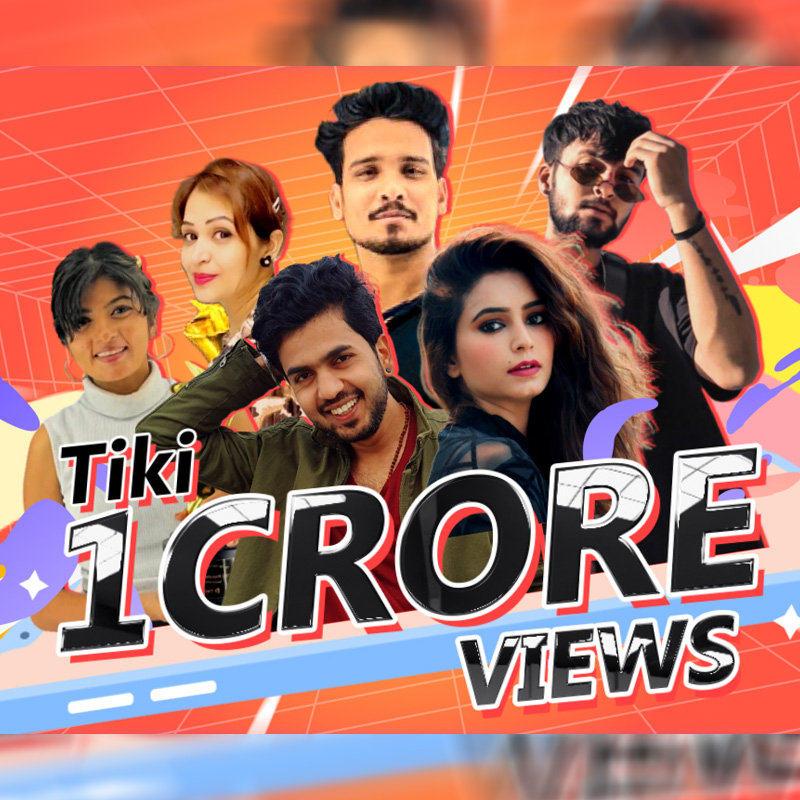
    Mumbai: Short-form video-making community Tiki aims to create a new record of 100 thousand budding creators through their new programme – ‘GrowWithTiki’. With an aim to promote India’s talented content creators based across regions, the brand wants to cultivate an environment of ‘authentic entertainment, peer-to-peer support and community.’ Tiki will provide complete support to the budding creators by allocating additional traffic of upto one crore and appreciating the authentic content on its app.

    With this programme, Tiki is set to encourage creators to join the community and help them monetise their talent. In addition to this, Tiki will also provide creators with avenues to make content creation a viable career choice and create a sustainable revenue stream for themselves. For this campaign, the planned spending is to the tune of at least $3,000 per day for promotions and marketing of the assets.

    Tiki CEO and co-founder Ian Goh said, “Our creators are the face of Tiki, and it has been our constant endeavour to encourage them and celebrate their differentiated talent. Within a short span of time, Tiki has become a preferred platform for millions, already. We are committed to offering more creative and innovative opportunities to attract emerging talents across the country.”

    With the ‘GrowWithTiki’ programme, we are supporting locally made, original high-quality content that honours Indian values and cultures that is entertaining, inspiring and educational at the same time. Further to continue strengthening the creator economy, we as a brand are providing a platform and creating unique opportunities for budding creators who can start their journey through Tiki’s creator system from White V, to Grey V, and finally to Blue V, ” he added.

    Jaipur-based content creator Aditya Singh said, “Tiki has provided me with a platform where I can create original content. I love acting, and I have also acted in many web series as a junior artist. I started working on my social media, but I didn’t get the recognition I wanted. I recently started using Tiki, and people have started recognising me now. I have now become a full-time influencer, and it is also helping me in fulfilling my dream of becoming an actor.”

    Also, Chandigarh- based content creator Siya Sharma added, “Tiki has contributed a lot to my growth. In a really short period, millions of people have started to recognise me. I started creating videos on Tiki, and it gave me the satisfaction of fulfilling my dream. Tiki helped me polish my acting skills and create a huge fanbase. I feel I have come a long way, and people have started responding to my videos in a positive way.”

    In line with the brand’s vision, the platform’s focus is to help India’s talented content creators covering genres like drama, dance, self-improvement to make a living with what they love. Until today, Tiki has successfully onboarded thousands of verified creators who produce great content for audiences. The programme will evaluate the creators on their performance transparently and fairly. The top creators will be credited money based on the stars they gain from audiences. Users can send stars to their favourite creators or content that can be earned via short videos, profile pages, and live broadcasting.

  • Livon chooses to #ExpressWithPride, presenting Uncut on YouTube and Instagram

    Livon chooses to #ExpressWithPride, presenting Uncut on YouTube and Instagram

    Mumbai: India 2022 is seeing a world of changes in terms of how we perceive things as well as how we express ourselves. As we continue pride celebrations, the voice of the queer community is getting louder and prouder, rising above every obstacle and naysayer.  

    Livon, in collaboration with the Ogilvy Content Force, takes ‘the Pride month’ to move away from the cookie-cutter, age-old definition of self-expression and representation, breaking away from a world of binaries to truly celebrate the rainbow side of life. 

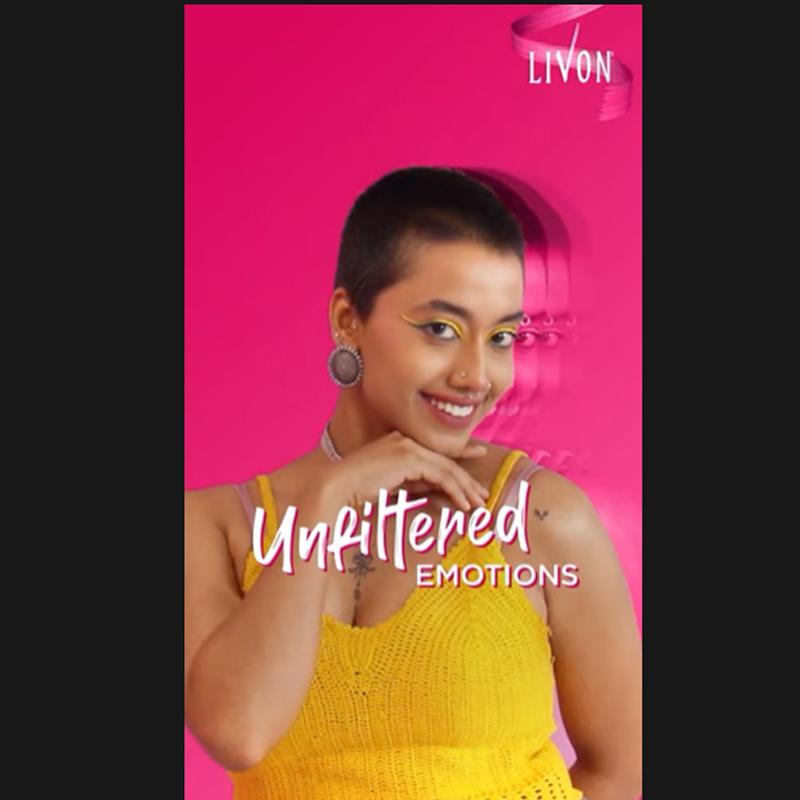
    Uncut, the brand new series by Livon, is an initiative to freely talk about things that are usually swept under the rug. But being true to the brand ethos of “self-expression”, they have launched the series with #ExpressWithPride, co-creating with a host of young, opinionated and talented queer creators who have spoken their minds about a lot of pertinent issues starting from what it’s like being non-binary in India to how their professional lives are impacted by their sexuality. 

    The activity has been rolled out in an integrated manner, starting with videos and promos on YouTube with teasers on Instagram as well as Spotify ads to have maximum impact and reach.  

    The campaign has struck a chord with the audience due to the sheer unfiltered and fresh nature of its content which steers away from the usual tokenism seen prevalent during Pride. For the first time ever, a brand was not just turning into a rainbow sign or talking about their coming out story but instead, highlighted not just major issues pertaining to the LGBTQIA+ community but all the little things that matter as well.

  • GUEST COLUMN: Understanding the role of NFTs in influencer marketing

    GUEST COLUMN: Understanding the role of NFTs in influencer marketing

    Mumbai: Let’s start by understanding NFTs.

    The acronym NFT stands for “non-fungible token.” This signifies that it’s a one-of-a-kind code that can’t be substituted with anything else. An NFT is nothing more than a digital representation of a physical item. NFTs have monetary or sentimental worth and can be bought, sold, or traded. You can own them because they are digital assets. They are one-of-a-kind digital assets in the form of cryptographic tokens. Bitcoin tokens can be thought of as blockchain-verified dollar bills, and NFTs are works of art or other media files that have been confirmed on the blockchain.

    In the digital realm, the possibilities are limitless. NFTs are a gamechanger for digital content creation since they allow creators to create and sell art, music, books, films, and more. Digital marketers and content providers can communicate with customers on social media, give them valuable assets such as giveaway prizes, and more.

    How do NFTs impact influencers?

    NFTs have the potential to establish a new universe of intellectual property with copyright income for content creators and influencer-generated material that attracts influencers and content creators. We’ve seen over the last decade that viral moments may provide a monetary profit for their creators. Memes, short videos, and products are all examples of this. It can be used as a possible revenue stream for a variety of people and businesses, ranging from professional sports leagues to artists and others, who can now sell the NFT behind their brands instead of having to negotiate a three- or five-year usage of their image.

    Influencers can earn a lot of money, but their resources are limited. To make money, they rely on brand partnerships and collaborations. But NFTs change that by offering a completely new way to make revenue and improve marketing strategies. Because of its unique setup, the creator economy has enabled individuals to generate digital content using blockchain-based technologies, potentially altering the financial environment for the creators involved. They’ve made it possible for artists to make millions from just one piece of work. NFTs are being explored by creators as a means to deliver unique, paid experiences and communicate with their followers.

    NFTs also have the potential to be sold in the future. They can be configured to allow royalties so that when an asset is sold on the NFT marketplaces, the developer receives a portion of future sales.

    Naturally, the scope of influencers in the fields of lifestyle, fashion, and art is nearly endless. These influencers can sell exclusive content, such as digital art, while NFT ensures its validity and value. Influencers in the gaming industry are also getting involved, selling in-game weaponry and artifacts as NFTs.

    As a prize, NFTs can boost engagement. Influencers can organise a campaign and give away NFTs, which have a lot of value for their followers. NFTs are also excellent prizes for collaboration posts and user-generated content contests, particularly if they include a memorable moment, exclusive material, or a digital collectible.

    Moving Forward

    NFTs aren’t just the latest craze; they’re digital assets that exist exclusively online yet have real-world value. We’re getting more digitally oriented, and NFTs bring a popular activity, an investment possibility, and a status symbol into the digital realm. We like physical objects that we can hold and feel, but digital assets are the way of the future. Companies and influencers have a one-of-a-kind way to monetize online content and intellectual property, from unique digital art to a virtual baseball card to an unforgettable moment.

    It is critical to recognise that NFTs do not pose a threat to brand-influencer partnerships. On the contrary, by employing NFTs as a newer form of technology that will allow them to drive innovation, they will be able to improve their collaborations and continue to expand their ties.

    NFTs are popular because of their uniqueness and collectability. Creating products through limited partnerships between companies and influencers will be a whole new revenue source for both the brand and the influencer. Customers can gain access to a unique piece of the digital world with NFTs.

    Today, marketers are using Livestream product launches and other experience sessions with influencers in the form of tutorials to create experiences that are exclusive. The digital and crypto worlds are sweeping the globe as new generations of customers become increasingly accustomed to them and see the enormous value of this type of transaction and investment.

    (The author is CEO of Mad Influence, a social media marketing platform. The views expressed in this column are personal and Indiantelevision.com may not subscribe to them.) 

  • Content Hub 2021: Content marketing – the most efficient tool for brand building

    Content Hub 2021: Content marketing – the most efficient tool for brand building

    Mumbai: With five shows running across platforms, two delivered, and another five lined up for 2021, TVF president Vijay Koshy is looking forward to an exciting second half of the year!

    At the fifth edition of the ‘Content Hub 2021 – TV, Film, Digital Video, and Beyond’ being organised by Indiantelevision.com, Koshy along with his colleague and Aspirant’s director Apoorv Singh Karki and Unacademy, senior director – brand, Sonal Mishra spoke about the craft and business of creating branded content. The session titled, ‘Content marketing – the most efficient tool for brand building’ was moderated by IndianTelevision Dot Com Group, founder & CEO, Anil Wanvari.

    Keeping ‘Aspirants’ – TVF’s original web series produced in association with Unacademy – as the point of discussion, the session began with Sonal Mishra being quizzed about the brand’s involvement on the creative front. The series or ‘digital original’, as Wanvari prefers to call it, traces the journey of three UPSC aspirants and their friendship against all odds.  Mishra shared that it took almost a year for the idea to crystallise in a way such that it relates to the target segment. “As a consumer-first company, our strength lies in the connection we build with the ‘learners’, so we have to remain focused on their realities and mindsets,” said Mishra.

    The panelists unanimously agreed on consumer insight being the most important element in any form of branded content. “All stories exist out there in the real world. Depending on the segment being addressed, the insights and storytelling vary. Therefore, we must be observant at all times,” remarked Mishra. Adding to her point, Apoorv Singh Karki shared that the series writer Deepesh Sumitra spent nearly eight months with UPSC aspirants in Delhi’s Rajendra Nagar (the hub of UPSC preparation) before coming up with the script which was finalised only after about eight or nine iterations.

    “At the end of the day our biggest client is the audience. We have stayed true to them while creating content that is engaging. ‘Aspirants’ spoke about essential life lessons with UPSC as the backdrop which is why it resonated with learners across segments,” said Koshy.

    Commenting further on how difficult it was to ensure that brand integrations do not turn into intrusions, Karki stated, “One has to develop the skill of finding a common ground for thematic and seamless integrations. While we cannot diverge drastically from the brief, such complexities can be handled through mutual understanding. As one of our finest clients, Unacademy understands us as creators.”

    TVF’s association with Unacademy began in 2018, and two of its most successful ‘digital originals’ – ‘Kota Factory’ and ‘Aspirants’ – were sponsored by the brand. With nearly 12.9 million views and an IMDB rating of 9.7, ‘Aspirants’ garnered both mass as well as critical acclaim. Going beyond numbers, the series played a crucial role in building brand salience for Unacademy.

    According to Koshy, the significance and success of branded content lies in the area of brand building. “Because digital is an ‘over measurable’ medium, people tend to get lost in the numbers – downloads, views, conversions. Everyone wants to see ROIs, but what about the good old brand building,” he exclaimed. “Performance marketing is non-negotiable as it builds the user base for brands, but even after spending huge sums of money, the efficiencies begin to fall after a period of time. This is where branded content comes in because, ultimately, stories are the best way to get your message across.”

    Urging brands across categories to come forward and experiment in the ‘happening’ space, he said, “Until 2019 there was a lot of ‘window shopping’ going on, but branded content is serious business today; even more so after the pandemic. We have onboard partners such as Philips Grooming and a medical brand Pristine Healthcare that were once unwilling to explore the space.”

    The last part of the session dealt with the ‘tough question’ regarding the ownership of IP. Gladly fielding the query, Koshy said that the issue needs to be discussed more because not only does it define branded content, but also forms the basis of what differentiates it from advertising. “Advertising is something that brands create depending on their requirement and push it out in the market after identifying the best possible media options. The audience is not actively seeking it; given an option, they will almost always skip an ad. However, with our kind of offering, viewers keep coming back to the platform on a daily, weekly or monthly basis wanting to consume more content. So it is best that the IP stays with us.”

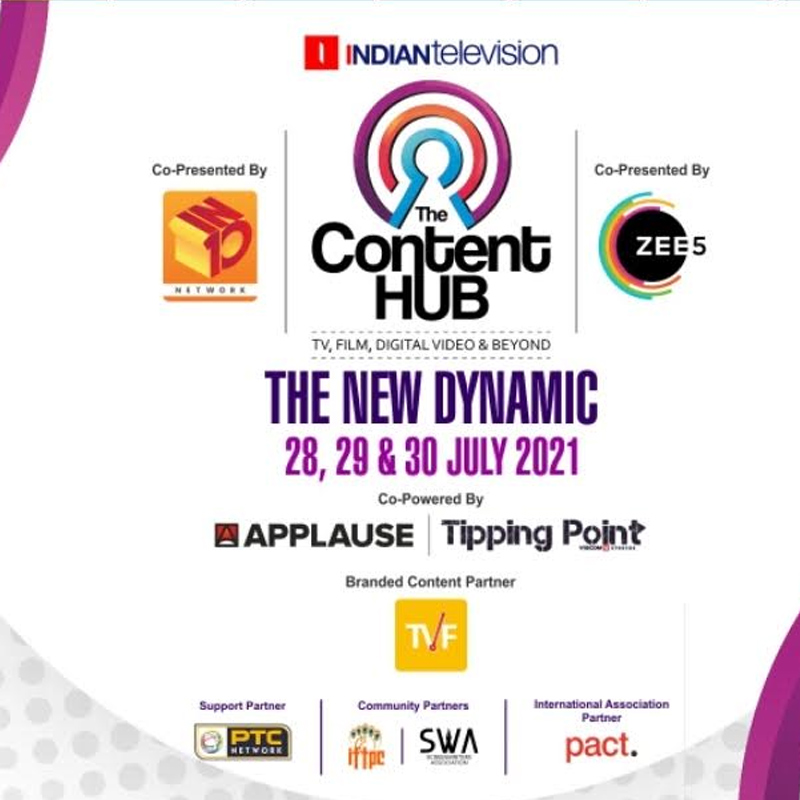
    The fifth edition of Content Hub 2021- ‘TV, Film, Digital Video, and Beyond’ is being organised by Indiantelevision.com from 28-30 July, 2021. The three-day summit is co-presented by IN10 Media Network and ZEE5, and co-powered by Applause Entertainment and Tipping Point, the digital content unit of Viacom18 Studios. PTC Network is the supporting partner. 

    Centred on the theme – ‘The New Dynamic’, The Content Hub 20201 will witness insightful sessions with industry stakeholders deliberating on how the new forces are transforming the way content is created and stories are told. It will also delve upon the impact of these changes on the business models for the world of films, TV and OTT.   

    For more details, visit: https://www.thecontenthub.in/

  • Content Hub 2021: Viacom18 Studios’ Ajit Andhare talks about creating cinematic experience on OTT

    Content Hub 2021: Viacom18 Studios’ Ajit Andhare talks about creating cinematic experience on OTT

    New Delhi: As theatres remain shut all through the pandemic, audiences were left with no option, but to turn to the OTT platforms for entertainment. The transition compelled major studios, and production companies to take a relook at their strategies and gear up for the big digital revolution that began transforming the world of content.

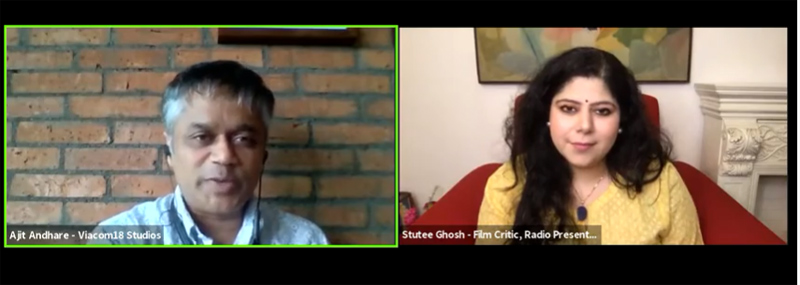
    For Viacom18 Studios, the transition to digital began much earlier, and it helped the film studio to brace the impact of the pandemic. “It was a conflicting and contrasting experience for us. As the big screen went dark and gloomy, things got exciting on the OTT front. Since, we had already set up our digital content brand – Tipping Point, we were well-poised to tackle this period,” says Viacom18 Studios, COO, Ajit Andhare at the fifth edition of The Content Hub 2021 on Thursday.

    The three-day mega event being organised by Indiantelevision.com began virtually on 28 July, bringing content makers from the world of television, films and OTT on one platform to delve upon the evolving media and entertainment industry. Film critic and radio presenter Stutee Ghosh got into an engaging fireside chat with Andhare about the process of creating cinematic experience for OTT.
    As theatres remained shut, the studio began enhancing its output through Tipping Point, which included ‘Ray’- a four-part anthology series based on stories of filmmaker Satyajit Ray for Netflix. Much before, the studio had worked on ‘Jamtara’- a story about a small district in Jharkhand – the phishing capital.

    According to Andhare, the selection of stories was never dictated by a set formula, but purely led by instincts – something that he adheres to even today. “As a studio, we have never been volume driven. It’s hard to get good storytelling that way. Stories that excite us have stayed with us for several years, before we began working on them,” says the studio’s top executive.

    As a strategy, Tipping Point began with its focus on originals, however, as the demand for content skyrocketed, it led the brand towards new territories and it started working on bringing adaptations on screen, from across the world.

    “But the approach has always been to look out for distinct ideas, and stories. We don’t want to get caught in a certain formula or method. All our films reflect that, and that’s what people are expecting on the digital front too. That’s the value we want to bring to our brand – to do something that has not been done before. Ray is a great example,” shares Andhare.

    Digital is the top choice of medium for different, and eclectic content, that may be too risky to be taken to the big screen for theatrical business, because of the huge runaway costs involved. The medium has also opened up vast opportunities to tell different stories.

    When asked about the lessons learnt over the last year, Andhare says optimistically, “One big learning is that, the basics of great series are absolutely the same. We were awed by US premium drama series, and wonder whether we have that capability. The last few years have showed, that we are not lacking in any way. Look at The Family Man. In terms of craft, we aren’t behind. We just did not have enough opportunities for distribution. We have that hurdle removed by digital now. The intensity and engagement that we are able to produce now is as good as anywhere in the world.”

    However, another factor that’s lacking, according to the leading content maker, is ‘scale’. India’s digital platforms are yet to see big output like the iconic series – Game of Thrones, or Outlander. “It’s an exciting area, and so many stories are to be told,” says Andhare emphatically, “The Indian OTT system is yet to wake up. That’s the next level for us. A spectacle is not only for theatres or big screens. If combined with dense storytelling, it can work in digital too. I’m really excited about that opportunity.”

    On the finance front, Andhare is quite content with the current business model adopted by the studio, which continues to create original content, and then licenses it out to different platforms.

    “For content makers, that is the only model. For years, the Indian content industry has been like a carpenter, called home to put nails whenever required. Unlike other countries, IPs have normally belonged to broadcasters in India. It doesn’t happen elsewhere. The content makers have their own ecosystem. In fact, in the UK, individual creators have their own IPs. We are much behind, but we have begun investing in good content and seeing better investment. This is the only business model which will work, the world over. It is a win-win situation for both studios and platforms,” he adds.

    When asked about the future of content, especially movies, the top executive is quick to answer. “Both (theatres and OTT) will continue. It is just a matter of time,” he quips in.

    “The question is about value,” he elaborates. “Does theatre have value? Any evidence of recent box office release will tell you that it does. People absolutely love to go to theatres. It’s an out-of-home experience that people will continue to want. It is not about a story, but an experience. So, this value will surge after the pandemic. But, OTT has brought in ease of distribution. Digital is great for driving content, and allowing content creators to experiment.”

    Centred on the theme – ‘The New Dynamic’, the three-day event will witness several such insightful sessions with industry stakeholders deliberating on how the new forces are transforming the way content is created and stories are told. It will also delve upon the impact of these changes on the business models for the world of films, TV and OTT.

    The fifth edition of Content Hub 2021 is co-presented by IN10 Media Network and ZEE5, and co-powered by Applause Entertainment and   the digital content unit of Viacom18 Studios. PTC Network is the supporting partner.

    For more details, visit: https://www.thecontenthub.in/

  • Content Hub 2021: Stage is set for the mega gathering of content creators

    Content Hub 2021: Stage is set for the mega gathering of content creators

    New Delhi: The stage is set for one of the biggest gatherings of content creators from across media platforms. The fifth edition of Indiantelevision.com’s biggest initiative- Content Hub 2021- ‘TV, Film, Digital Video, and Beyond’ begins on 28 July (Wednesday), 11 AM onwards.

    The three-day summit is co-presented by IN10 Media Network and ZEE5, and co-powered by Applause Entertainment and Tipping Point, the digital content unit of Viacom18 Studios. PTC Network is the supporting partner.

    Centred on the theme – ‘The New Dynamic’, The Content Hub 20201 will witness insightful sessions with industry stakeholders deliberating on how the new forces are transforming the way content is created and stories are told. It will also delve upon the impact of these changes on the business models for the world of films, TV and OTT.

    Day One will begin with the virtual panel discussion on ‘The challenges & opportunities before India’s content creators’, where Endemol Shine India, CEO, Abhishek Rege, Contiloe Picture Pvt Ltd, chairman-MD, Abhimanyu Singh, Emmay Entertainment, director and screenwriter, film producer Nikkhil Advani and film director, writer-producer, Siddharth P Malhotra will be in conversation with Indiantelevision.com Group, CEO and editor-in-chief Anil Wanvari.

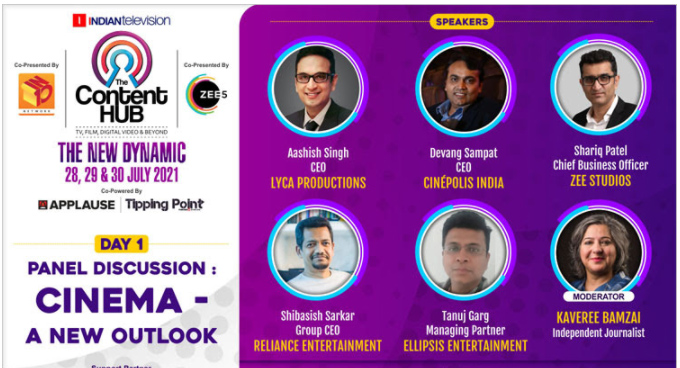
    This will be followed by a session on ‘Cinema-A new outlook’, where the industry stakeholders will discuss the changing dynamics of the cinema industry in the aftermath of the pandemic, with representatives from Lycra Productions, Cinepolis India, Zee Studios, Reliance Entertainment and Ellipsis Entertainment. Another session – ‘Television: A Twist in the Tale’ will witness insightful chat on the evolving television industry, and how the leading production houses are gearing up for the evolution. 

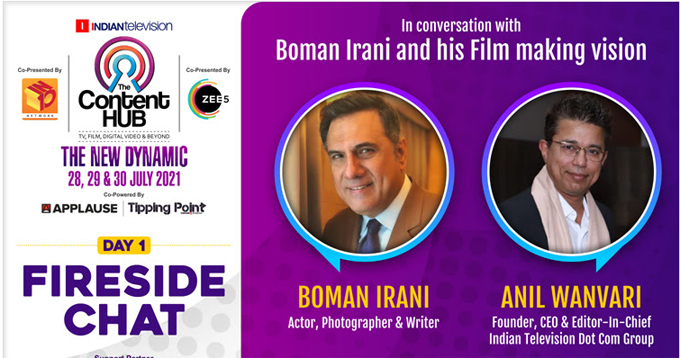
    There will also be fireside chats with actor Boman Irani on his film-making vision, Discovery Communications India, South Asia, managing director Megha Tata on the rising surge of factual entertainment and Arrow International Media, executive producer, Stuart Pender on the art of documentary making.

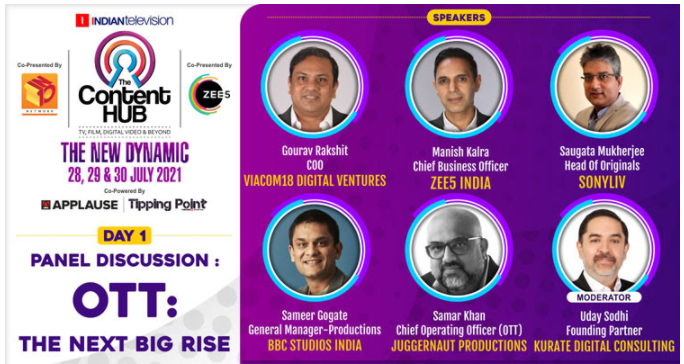
    The Content Hub 2021 will also bring together industry stakeholders for a session on ‘Regional Content: Storytelling at its best’. The session will have participation from Vaishnave Media Works Ltd & Arpad Cine Factory Pvt Ltd, MD and chairman, Kutty Padmini, PTC Network, MD and president, Rabindra Narayan, Guru Group, founder and CEO, Sunitha Tati and Mumbai Movie Studios, CEO, Naveen Chandra. Industry stakeholders will also deliberate upon ‘The Rise of OTT’ in one of the sessions, which will be attended by representatives from Viacom18 Digital Ventures, ZEE5 India, SonyLIV, BBC Studios India, Juggernaut Productions and Kurate Digital Consulting.

    The session on ‘The Growing Relevance of Language Personalisation in OTT Advertising’ will witness invigorating discussion among brands and broadcasters on the need for language personalisation. Lenskart, brand media head, Anupam Tripathi, Myntra, vice president, and head-marketing, Achint Setia, Zee Entertainment, COO Revenue, Rajiv Bakshi, Dabur, head of media, Rajiv Dubey, Rebel Foods (formerly FAASOS), co-founder, Sagar Kocchar, and ESSENCE India, managing director, Sonali Malaviya will be in conversation with Indiantelevision.com Group, CEO and founder, Anil Wanvari.

    The event will also be live-streamed on our social media handles. Join us for a series of insightful sessions starting 11 AM.

    To know more, visit: https://thecontenthub.in/index.html