Tag: Content creation

  • Soclly looks to raise $3 million at a valuation of $30 million

    Soclly looks to raise $3 million at a valuation of $30 million

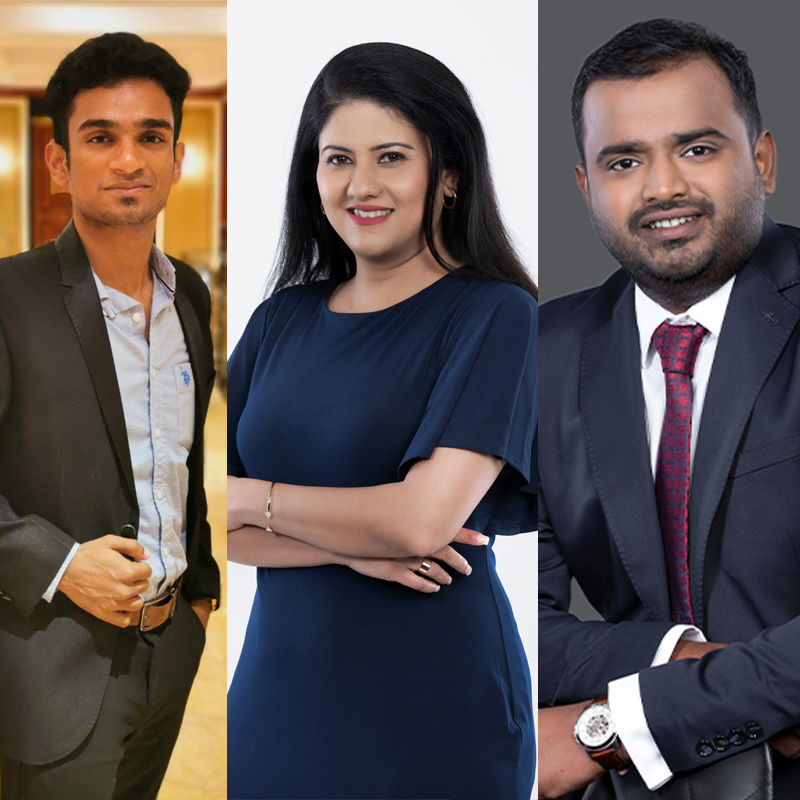
    Mumbai: Soclly, a decentralised social network powered by LensProtocol for web3.0 influencers, educators, and artists, is looking to raise $3 million at a valuation of $30 million. The co-founders, Prayag Singh, Naresh Katta, and Charan Kumar Borra, have created a platform that allows web3 creators to interact with their audience in a more meaningful way. Soclly currently includes more than 15 web3 creators from different streams.

    It will shortly release a brand-new edition of the product called Soclly V0.2. Creators will be able to post and monetize their content. Soclly is extending the capabilities of LensProtocol, built by Aave. LensProtocol enables users to create decentralised and composable social graphs using Polygon Blockchain. In Soclly V0.2, creators can mint their profiles, follow other users, and make and gather any publication entirely on-chain. As a result, it enables creators to control their data, social graph, and content. According to the company’s business model, the platform levies a five per cent commission fee. The fee does, however, go down if the content creator has a significant enough volume and popularity on the platform.

    Speaking to Indiantelevision.com, Singh said that the company has been bootstrapped so far. “We have invested nearly $650,000. At a $30 million valuation, we intend to raise three million dollars. Initially, we are focusing on web3 users, and in parallel, we have begun working to streamline the user onboarding process so that web2 users will also enjoy a seamless onboarding experience like they do in web2.”

    He asserted that widespread web3 adoption has already occurred. Aave, Biconomy, and Polygon Blockchain were used by JP Morgan to accomplish its first decentralised finance (DeFi) transaction recently. In addition, Meta began testing a method for minting and selling NFTs on Instagram, powered by Polygon Blockchain.

    Singh also underlined the importance of the regulatory structure, noting that there are approximately 1.3 billion people in India and that appropriate regulations are necessary to protect both small and large investors. Because there is currently no regulatory framework for cryptocurrencies, web3 companies are moving their headquarters to Dubai or Singapore. With the proper regulatory framework, India may become a leader in web3 technology.

    The concept of Soclly was first established in 2021. The co-founders got in touch with the creators and voiced their worries. It has become apparent that authors frequently receive spam and trolls in their direct messages, and the majority of users submit fillers in the DMs, which increases noise. There was no way to select users based on the quality of their queries.

    The creators were unable to establish a personal connection with their audience. After having a discussion with a creator, the audience hardly ever posts anything on social media about how great the interaction was. This is a problem that Soclly has attempted to address through its platform.

    Singh further explained the difference between web2 and web3. Web2 refers to the version of the internet most of us know today. The internet is dominated by companies that provide services in exchange for your personal data, while web3 allows complete control and ownership of your data. Soclly’s goal is to reach every corner of India, as platforms such as Meta, Instagram, and Paytm have done. The goal is to teach people about web3. “They should use the web3 platform the same way they use the web2 platforms,” he says.

    A significant amount of education will be required. It is the most important consideration here. Singh emphasises, “Our primary goal is to educate people about blockchain and how it works. People are currently investing in cryptocurrencies to make quick money without understanding the underlying technology. This must be addressed as soon as possible.”

    According to him, the growth opportunity is that, while there are 207 million content creators worldwide, only 10 per cent earn $1,00,000 or more annually. 26 per cent earn between $10 and $1,000. There are numerous gaps to be filled. “Our attention is focused on this gap. We want to help web3 creators monetise better. They can start making money right away. That is the power of web3. For instance, in web2, YouTube takes 45 per cent of a creator’s ad revenue. In web3, you keep the majority of the revenue.”

    In 2023, the emphasis will be on bringing on more web3 content creators, improving marketing, and increasing team size.

  • Balaji’s consolidated six-month revenue nearly doubles to Rs 283 cr

    Balaji’s consolidated six-month revenue nearly doubles to Rs 283 cr

    Mumbai: Balaji Telefilms announced its financial results for the second quarter and six months ended 30 September 2022. Balaji’s consolidated six-month revenue was Rs 283 crore versus Rs 142 crore in the same period in the previous fiscal. The group’s Ebitda loss was Rs 35 crore versus Rs 69 crore in the first half of the previous fiscal.

    During the three months of this quarter, it had a pipeline of eight shows on air across four leading broadcasters. In Q2 FY23, the TV business produced 275 hours of content, up from 189 hours in Q2 FY22. Two new shows across varied genres have been lined up and are currently under production. The business contributed to extremely healthy margins during H1 FY23 and will continue to be volume-led. The current quarter’s realisation of Rs 30.37 lakh per hour is nine per cent higher than the previous quarter’s. Balaji said that its shows have often been regarded as channel drivers for broadcasters as they have been consistently well received by audiences.

    AltBalaji’s direct subscription revenue stood at five crore rupees in Q2 FY23, and the business is expected to retain the momentum as per current run rates for the balance of the year considering a strong content library in place with 93 shows and 18 movies, which include multiple seasons of shows. Apharan 2 and Code M S2 were launched in Q1 and Q2 respectively and both shows have been well received. The company sold 6.1 lakh subscriptions (including 3.2 lakh renewals) during the six months ending 30 September 2022. This excludes subscribers on partner apps where the content continues to do well. The current engagement time is 53+ minutes, with a watch time of 16.4 billion minutes. Video views stand at 1.4 billion cumulatively to date.

    It had two theatrical releases in Q2 FY23. It said that its first release for the year, Ek Villain Returns starring John Abraham and Arjun Kapoor released on 29 July to positive reviews and garnered a strong box office collection. Its subsequent theatrical release, Dobaaraa starring Taapsee Pannu in August, received widespread critical acclaim on account of its niche concept. It also released Goodbye, starring Amitabh Bachchan and Rashmika Mandanna, in October to positive reviews. It has three more movies lined up for release in FY23, wherein we have pre-locked revenue deals, thereby de-risking the movie business segment significantly. The pipeline includes Freddy, starring the nation’s current heartthrob Kartik Aryan, which has already been blocked for a direct-to-digital release starting 2 December on Disney+ Hotstar and also includes Kathal, starring Sanya Malhotra, which is also headed for a direct to digital release on Netflix.

    Balaji Telefilms MD Shobha Kapoor said, “Our TV business continues to perform well in terms of production hours, and we hope to improve this momentum as two new shows are added to our robust pipeline of eight shows that we currently have on air across channels and genres that will enable us to achieve volume growth. As always, we are confident that our content will strike a chord with audiences, as our storytelling is backed by strong creative capabilities, which drive our business growth and allow our brand to flourish in this domain. We are also extremely elated that, after a gap of almost two and a half years, we had our first theatrical release in July this year. Ek Villain Returns, headlined by a strong star cast, received positive audience reviews, which were also reflected in its box office collection.

    “Our subsequent theatrical release, Dobaaraa starring Taapsee Pannu garnered a great critical response and was trending at the number one spot on Netflix upon its release on OTT subsequently. It continued to dominate the OTT space by consistently featuring in the top ten category for multiple weeks, which demonstrates our strong content capabilities yet again. Additionally, we have a robust pipeline of three more movies to be released this year and are confident that these will exceed expectations and take our brand a notch higher. We continue to have strong controls on the cash spent while driving overall profitability, including some strong strategic content sharing deals that allow us to further our growth.”

    Operational And Financial Highlights:

    The TV business remained steady in the third quarter, with 275 hours of production across eight shows and a strong pipeline of two more shows currently in production. The business will continue to be volume-led; ALTBalaji’s total subscriptions sold in H1 FY23 were 6.1 lakh. In Q2 FY23, direct subscription revenues were five crore rupees.

    After a gap of more than two and a half years, it had its first theatrical release of the year in July. Ek Villain Returns was released. Dobaaraa, starring Taapsee Pannu and Goodbye starring Amitabh Bachchan and Rashmika Mandanna, were released on 19 August and 7 October respectively, and received widespread critical acclaim by audiences. Dobaaraa trended at the No. 1 spot, subsequently on Netflix, upon its release on OTT.

    The current pipeline includes three more projects. This includes Freddy starring Kartik Aryan, which has already been blocked for a direct-to-digital release starting 2 December on Disney+ Hotstar as well as Kathal starring Sanya Malhotra which is also headed for a direct to digital release on Netflix.

  • Pinkvilla & Mad Influence launches ‘Creators United’ for content creators

    Pinkvilla & Mad Influence launches ‘Creators United’ for content creators

    Mumbai: India’s leading digital entertainment & lifestyle platform, Pinkvilla, and one of the country’s largest influencer agencies, Mad Influence, have partnered to launch a new joint entity, Creators United, the first-of-its-kind creators’ confluence in India. 

    The maiden edition of the event will be held in Goa in January 2023. The event is slated to be a two-day exclusive congregation that brings the country’s best content creators, influencers, brands, publishers, and social media platforms under one roof.

    The joint venture was announced with an interesting teaser campaign.

    The partnership aims to positively influence those who influence billions and celebrates content in all its forms, with the theme “It starts with you.”

    With extremely unique experiential events giving creators access to exclusive activities over two days, it will enable the most compelling live experiences for creators, such as networking sundowners, special content zones, music, wellness and mindfulness activities, brand collaboration initiatives, and much more. It will also honour the leaders of today’s conversations through an awards ceremony, recognising the many diverse and influential voices in India.

    Curated to present experiences of a lifetime, the property is built on the mutual passion shared by Pinkvilla and Mad Influence to pioneer the most happening conversations in the digital space, which has made them instrumental forces in shaping the future of Indian digital content today. The joint venture is built on a long-term vision to define how content creators can engage audiences in a meaningful and growth-oriented way in the new digital era. Beginning with the flagship event, the two content giants aim to amass their enormous collective reach of over five billion through influencer-led branded content, to drive meaningful change and lead important conversations shaping the future.

    Speaking of the partnership, Pinkvilla CEO and founder Nandini Shenoy stated, “At Pinkvilla and Mad Influence, we share a mutual passion for pioneering the most compelling content experiences, and creators have played a key role in this journey. With the continual goal to evolve and elevate the bar for far-reaching content, through Creators United we aim to curate experiences that will define how we engage audiences and consumer media in the future, and transform influencer-brand narratives in the most positive ways!”

    Adding to it, Mad Influence CEO and founder Gautam Madhavan said, “Mad Influence and Pinkvilla share the same vision of building the largest community of influencers globally with Creators United. Content needs to be celebrated, not just created, and that is what we are building for the future. Through this highly-curated experience for the digital changemakers of the world, we aim to amplify the biggest and brightest voices in the world and enable them with a platform that provides a 360-degree value-driven event experience.”

    Creators United’s director Karan Sawhney said about the newly launched venture, “Successful events are the ones that add immense value to the lives of the attendees, while also curating an experience of a lifetime, through exciting and creative offerings. This is precisely our aim, as we bring together some of the biggest influencers, content creators, and brands on a scale never seen before through Creators United. With this one-of-a-kind celebration that merges the most avant-garde activities and wide-ranging transformative content experiences, we aim to push the boundaries, not just for the emerging creators’ economy, but also for the future of the events space in India.”

  • We are not very advertising oriented; we are influencer oriented: NOFILTR’s Hitarth Dadia

    We are not very advertising oriented; we are influencer oriented: NOFILTR’s Hitarth Dadia

    Mumbai: NOFILTR Group is an influencer marketing agency that was conceptualised and co-founded by Sumedh Chaphekar. The agency saw the first light of dawn on 21 September 2017 when the marketing dynamics in India were undergoing a tectonic shift and social media had gradually begun to occupy centre stage, grabbing the spotlight. At that exact moment, Chaphekar hit the hammer on the anvil by signing with the first influencer and laying the foundation for the NOFILTR.Group.

    By creating the enigmatic synthesis between influencers and brands, NOFILTR works towards intelligibly devising a network that enables the marriage of personal expression and thought-provoking content that has the ability to hook onlookers at every level of the marketing experience. In a nutshell, NOFILTR connects brands to influencers, who creatively connect with the brand’s target audience, by enticing onlookers with a plethora of services that include personal branding, content creation and curation, influencer marketing, brand collaboration, and campaign design, coupled with the total execution and analysis of the entire activity.

    Today, NOFILTR.Group graduates beyond the capacity of a typical influencer marketing and management company. Apart from providing content creators with facilities like brand collaboration and management, content ideation, growth mapping, and production team support, NOFILTR invests in the dreams of content creators, helping them to make them a reality.

    Presently, the company has exclusively signed up 39 content creators. Some of the names are Awez Darbar, Nagma Mirajkar, The Mermaid Scales (Krutika), Mr. MNV, and Aashna Hegde. NOFILTR.Group has also joined hands with celebrated YouTubers like Angry Prash and Funcho. The list grows as NOFILTR continues to mine for promising influencers who are on the verge of rising to their true potential.

    Indiantelevision.com caught up with NOFILTR.Group partner chief marketing officer Hitarth Dadia. His role involves optimising business collaborations and creating a profitable entrepreneurial blueprint for the influencers collaborating with NOFILTR.Group. While driving profits for the company remains a mainstay, Dadia works closely with the creative departments and plays an instrumental role in charting out the detailed insights in public relations and branding for the influencers. Armed with foresight and a market-savvy streak, he invests in a dint of hard work, giving NOFILTR.Group the edge it has today. He joined NOFILTR.Group as a sales intern and advanced onwards into the role of a business development head before taking over as the chief marketing officer.

    His accomplishments at NOFILTR.Group involve fruitful collaborations with international brands of repute. Some of these brands include Cadbury and Amazon Pay. While working with these brands, Dadia creatively coupled his insights in sales and marketing to garner the required traction for these brands on group media. He’s also worked extensively with reputed group media applications like Snapchat.

    Born and brought up in Mumbai, Dadia received her education from a prominent convent school. Being an introvert, he later slipped into his comfort zone during his years at Somaiya College. Soon after, he graduated in banking and insurance from Mithibai College in Mumbai, where he experienced a monumental personality shift for the positive.

    Dadia worked extensively towards overcoming all the blocks that would inhibit his growth. He worked at a multinational bank for a year to gain experience in the banking industry. Creativity took a back seat while working at the bank, but the experience helped him garner insight into the organisational hierarchy and structure.

    Being an avid reader has worked to his advantage. His passion for non-fiction has enabled him to borrow all the positive attributes from the role models who we look up to today.

    Excerpts:

    On the market gap that was seen when NOFILTR launched in 2017

    In 2017, there wasn’t much activity happening. There were a few people on a platform called AskFM. There were a few individuals who were gaining more than usual attention on social media. They were getting more and more relevant. What we understood is that brands do not understand getting people as influencers who are not traditional celebrities. Because of platforms like Instagram, we felt that these people would become more relevant. When we started, hardly any brands were interested in working with individuals who were not celebrities. But as time went on, awareness grew about the importance of influencers and things started building.

    On the USP of NOFILTR

    We are very focused. It is very easy to get distracted in this space. Technically, we are in the management and advertising businesses. Eventually, you land in the merchandising and brand-building business. Our focus is on incubating talented individuals who can be very effective influencers for brands. The focus is that if an individual is very talented, we will help that person. We are not very advertising-oriented. We are very influencer-oriented. We focus on what is best for talent. So let us say a brand is willing to pay a very high sum of money for an influencer, but it is not the right fit for the creator’s long-term goal and growth. We are not an ad company that does one campaign and moves on. We think long-term.

    On the key learnings so far

    There is no one formula. Influencer marketing is not about products. It is about human beings. There is no manufacturing blueprint. Every day will be different. Each influencer is different and highly opinionated. You have to make sure that an economy is built around them and not on them.

    On the impact of covid

    The first lockdown was a surprise in the grand scheme of things. We tried to figure out how to work through the new environment. Marketing was the first thing to take a hit. When you are trying to survive, you do not want to spend. But in the long term, when I retrospectively look at it, covid has sped up the industry. It was a very good thing for the industry. More people are focused on consuming their preferred content, and others are focused on creating their own content.

    On the company’s outlook before partnering with an influencer

    A bunch of things. First, we meet them to get an idea about how passionate they are. This is not conventional work. This is an extremely new space. You put your personality out there. We look at how willing they are to give it their all and how original they are not just in terms of content, but how true to themselves they are and how strong their identity is.

    On the rising number of NOFILTR’s exclusive influencers

    We started with four creators. Now we are at 40. We work with them exclusively. They create content in areas including entertainment, fashion, lifestyle, dance, comedy, etc.

    On the influencer marketing’s trends

    At least for the next 12 months, a lot of creators will become entrepreneurs. They will start on their own. Over a span of say five years, they have been interacting with brands. They have learned how to build their own brand and I think that over time you understand what you personally like, and prefer. They are themselves brands and I think that people are just to realise that. They are taking this space more and more seriously and are coming up with their own projects which are not just about ads or entertainment.

    On the business model

    We sign a creator who works exclusively with us. They create content. We help them with the business aspect of things like travel and business production. Doing this helps our creators put the best content out there.

    On the recent work

    For Diwali, we did a bunch of campaigns with companies like Gold and Coca-Cola. We have a NOFILTR Escapes division where tourism boards partner with our influencers. Influencers are taken to international destinations. This IP allowed creators to create content in different environments. The creators get to travel and create content. The tourism board gets more awareness. It is a successful IP that we have been working on for a while now. There are a bunch of projects in the works now. We will create IPs for our company and also creator IPs. We are working on three to four creator IPs and a bunch of IPs for the company. The creator IPs will leverage the skills of a particular creator.

    On the platform Creator 21

    Initially, we only worked with five creators. We just adopted them. This is not a conventional line of work. These are 18- to 23-year-old kids. We put in a lot of time, effort, and resources, and the creators succeeded. A lot of other creators wanted to sign with us. But giving so much attention to more and more people was not feasible. So we started another company to help creators with the business aspect of things. We help creators with their businesses and give them the tools to succeed. Brands want more and more influencers. If we also had more people on our roster, it would definitely help. The goal is to help more creators and access more brands.

    On the hand holding that NOFILTR does with influencers, given that social media platforms keep tweaking their algorithms

    Initially, two years ago, this was the case. The space was relatively new. Now it is a self-sustaining model where their circle can help them out.

    On the goals set for 2023 by NOFILTR

    There are a bunch of things. We want to make sure that we are helping as many people as possible in the content creation and self-expression space. We want to help the wackiest of creators. We have unconventional things in the works.

    On the various metrics that companies use to check the ROI of influencer marketing

    There are a bunch of things. There are KPIs and click-through rates. We do not work on deals like that. People will buy a product if it is good. We can give awareness of a product. We check the engagement level with a piece of content.

    On the whitespace in tier II, III towns and cities

    Vernacular content is growing in importance. This is usually the TG for a lot of FMCG and commercial brands. A lot of niches are forming in tier II and tier III audiences. Brands are diving deeper into assessing and targeting these grounds. People are becoming more aware of different sections of brands or different sections of the community.

    On whether companies have misconceptions when it comes to influencer marketing

    The situation today is much better in this respect. Earlier, people saw influencer marketing as being a product or a billboard. Today, that is not the case. If the influencer does not believe in your brand, they should have the freedom to choose. This aspect is also better. Brands do not usually focus on individuals who are extremely creative. They have to be creative, or else, you will not be relevant on social media. So brands should give influencers not just money but also creative freedom because they know their audience the best.

    On what one needs to keep in mind when using social media platforms like Instagram for influencer marketing

    You have to be very mindful when talking about things. You have to dive deep. You have to be aware. One creator has close to 25 million followers on Instagram, which is more than the city’s population. As an audience, you have to be mindful of who you follow. Watch enough 30-second videos and you will form an opinion. It is a good thing that Instagram is moving towards video. Video can tell better stories than pictures. It cannot be a one-sided conversation.

    On the growing importance of short-form video in influencer marketing

    This is a separate skill by itself. You have to be quick and very valuable when telling a story. Long-form allows you to tell a story and develop an intention, cause, and effect. We know that attention spans are going towards short forms. It is about getting a tiny gist or a teaser. It makes more sense for brands to put in more money and for platforms to put more resources into short-form content. It is still a little underdeveloped. Better storytelling can happen there. I am extremely excited to see where the short-form format goes in terms of storytelling. If you can tell a good story in 30 seconds, you are a legend.

    On whether LinkedIn is playing a role when it comes to influencer marketing in the B2B space

    It is an undervalued platform, if I am being very honest. For finding the right talent and the right team members, nothing has proven to be better than LinkedIn in the B2B space. If you have a project that requires multiple brands and agencies to be in the picture, the goal for us has been to use LinkedIn to find the right individual to talk to. LinkedIn has not been disappointing at all. It would be nice if more and more brands got involved. If brands were more accessible on LinkedIn, they would definitely find the right audience to promote their products. LinkedIn does have creators, but they are highly opinionated and entrepreneurial.

    On the challenge of using Twitter, which has a lot of noise

    Twitter and Reddit are examples of platforms that are highly opinionated. A lot of noise comes with that. People agree and disagree. You need to be more aware of navigating those platforms. Things can get real on Twitter, and things can get extremely useless as well. Creators have to be mindful of what is being put out. Twitter and Reddit, in the right hands, are beautiful tools. It can help you figure out the trends that will come here in the next three to four months. You have to follow the right kinds of conversations and that will tell you what will happen. These platforms can be indispensable. We offer suggestions based on these platforms. We know what they are going for.

    On Elon Musk’s owning of Twitter

    I am very excited about Elon Musk owning it. There are not a lot of billionaires who are relatable. Elon is extremely relatable. Platforms need a good shakeup every now and then for people to care about them. More people will take Twitter seriously.

    On the expansion plans abroad

    Our goal is not to be restricted to one domain in terms of platforms, countries, and culture. We want to bring in the best of every space and domain. We want to get better stuff to the crowd here. You cannot set stonewalls on the kind of content you consume or the things you read that are counterintuitive to cultural development. We want to get different perspectives here, and then people will form their niches and form their views on that.

    On the potential of the Metaverse

    We are working on projects in this area. We are in the initial stages of the Metaverse. It is going to lead to something else. People right now want to understand it out of FOMO. But if you dive deep, it is a beautiful place for identity and self-expression. You can be whoever you want to be there. In terms of self-expression, you will not be restricted to a particular domain.
  • Jagran New Media’s HerZindagi expands into the Tamil market

    Jagran New Media’s HerZindagi expands into the Tamil market

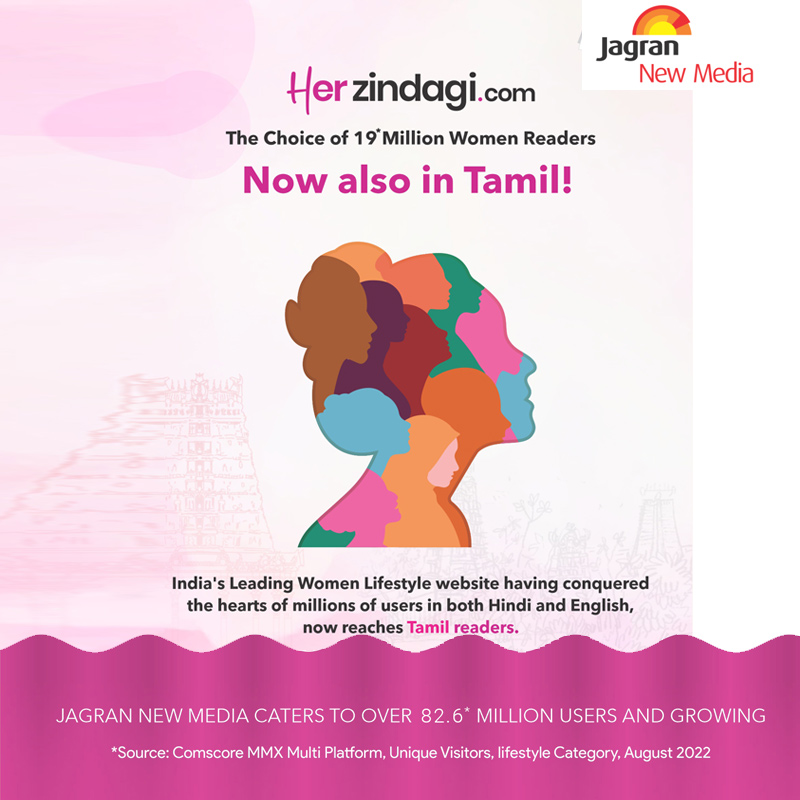
    Mumbai: Jagran New Media’s lifestyle website HerZindagi.com announced its entry into the Indic language landscape with the launch of its Tamil site, following its success in Hindi and English. HerZindagi.com in Tamil brings to its readers an array of content tailored for women, across the topics of fashion, beauty, shopping, recipes, travel, kitchen hacks, finance, and more. With this launch, Jagran New Media expands its reach to a new section of readers across the globe. It is one of many steps in its incredible growth trajectory and expansion plan to bring the magic of HerZindagi to everyone.

    Jagran New Media CEO Bharat Gupta said, “Indian digital users are growing exponentially, especially from tier two and three cities. It is no surprise that 75 per cent of that growth is coming from Indic language users, compared to a mere three per cent of English language users in India. With a brand like HerZindagi, which has already won the trust of its readers in the Hindi heartland, it is the logical next step for us to take this exciting platform to the readers in the south of India.”

    Associate VP and business head of health & lifestyle verticals Megha Mamgain said, “Our teams are carefully studying the interests of Tamil readers and creating content that captures regional nuances, is relatable, accurate, and adds value to the lives of our readers. We hope to serve this carefully created content to Tamil readers in India and across the world. Using what we’ve learned from the success of HerZindagi.com in Hindi, we hope to put the interests of Tamil women readers front and center.”

    HerZindagi, the company added, has a user base of over 19 million. HerZindagi was launched in 2018 with the aim of creating a platform to serve the interests of women. HerZindagi has consistently served original, credible, and relatable content. In a digital environment where male users and GenZ took precedence, HerZindagi brought the focus to the needs and wants of the mature women of today.

    Strengthened by the trust of its millions of users, HerZindagi is now expanding its reach with this Tamil launch. With this launch, HerZindagi.com is expanding its reach in the South Indian market with the larger intent to launch in Telugu, Kannada, and Malayalam in the upcoming months.

    With the same commitment to serving original, expert-backed content that is utility-based, HerZindagi Tamil offers to bring value and enrich the lives of its readers. The content has been crafted keeping in mind the interests and sensibilities of the Tamil audience. Along with text articles, the site also offers Google Web Story format, which will allow users to experience the rich media, tappable stories that are created for a mobile first experience.

  • Decentralized social network for web3.0 creators Soclly launches in India

    Decentralized social network for web3.0 creators Soclly launches in India

    Mumbai: Soclly, a social network for web 3.0 influencers, educators, and artists, made its debut in India. The three co-founders of Soclly, Prayag Singh, Naresh Katta, and Charan Kumar Borra, have created a platform that allows web3 creators to interact with their audience. As of now, Soclly has around 15+ web3 creators from a range of streams.

    The concept of Soclly was first established in 2021. The co-founders got in touch with the creators and voiced their worries. It has become apparent that authors frequently receive spam and trolls in their direct messages, and since the majority of users submitted fillers in the DMs, which increased noise, there was no way to select users based on the quality of their queries.

    The creators were unable to establish a personal connection with their audience. After having a discussion with a creator, the audience hardly ever posts anything on social media about how much better the interaction was. This is a problem that Soclly has attempted to address through its platform.

    Singh said, “We built the MVP of the product and showcased it to the web3 creators after collecting their feedback. We launched our product for the masses after 1.5 years of rigorous development and testing in the hopes of educating everyone about the amazing world of web3.0 while also assisting creators in monetizing their skills and maintaining a relationship with their actual interested followers.”

    Booking 1:1 meetings with Web3 creators using stablecoins is one of Soclly’s primary benefits. Once the meeting is over, users can rate and share their experience, which is stored on the blockchain, also known as decentralised reputation.

    They have also built an option for creators to share their earnings for social good.

  • Music licensing platform Hoopr.ai launches ‘#HarGharCreator’ campaign

    Music licensing platform Hoopr.ai launches ‘#HarGharCreator’ campaign

    Mumbai: Hoopr.ai is looking to solve a billion-dollar problem faced by content creators and businesses every day, like discovering and licencing the right music for their videos. India’s 80 million+ creator community comprises vloggers, podcasters, gamers, filmmakers, live-streamers, and influencers creating audio-visual content on a variety of topics. With over 25,000 tracks and sound effects, Hoopr.ai is not only enabling these creators to get specific music for their needs, but also helping them avoid copyright strikes and legal issues.

    Furthermore, what’s also changing is the mindset with regard to content creation, with more people embracing it as a career choice. And that is exactly what the ad captures. In the ad, a young college student can be seen telling his strict father that he doesn’t want to be an engineer but rather a content creator. The reaction of the father makes the ad a must-watch for all content creators and their families.

    Hoopr.ai co-founder & CEO Gaurav Dagaonkar said, “We are excited to roll out the “#HarGharCreator” campaign as part of the Hoopr platform launch. A creator is now emerging in nearly every home across India, and we want to help them find phenomenal Indian music for their videos. Apart from individual creators, the music on Hoopr is also being used by brands, enterprises, and OTT platforms, as it is cleared for use and free from any copyright strikes or takedowns.”

    Hoopr.ai secured a seed funding of $1.5 million in December 2021 from investors such as Venture Catalysts, 9Unicorns, Inflection Point Ventures, Ashneer Grover, Sahil Barua (Delhivery), Anshoo Sharma (Magicpin), etc., and has since grown strongly. The company has built India’s first and biggest music licencing marketplace that hosts thousands of original music tracks in Hindi, English, Punjabi, and other regional languages. The library boasts tracks by popular artistes such as Monali Thakur, Ash King, and Nikhil D’souza, along with numerous regional artistes. Within a few weeks of going live, Hoopr.ai has got over 15,000+ creators using the platform, including creators such as Ashish Vidyarthi, Tanya Khanijow, and City Ka Theka.

    Speaking at the campaign launch, Hoopr.ai co-founder & CMO Meghna Mittal said, “The creator economy is primed more than ever to grow, and we’re excited to support creators across India. There’s also increased awareness about the need for sourcing licenced music since awareness of issues such as copyrights has increased. Apart from helping creators, Hoopr will also enable music creators to unlock a new source of revenue for their music.”

    The creator economy, considering the pace at which it is growing, is set to become a major contributor to the Indian economy. At this point, around six lakh people make a living directly through monetary gains associated with the creator ecosystem, and this will continue to rise. The creator economy rose from $1.7 billion in 2016 to $6.5 billion in 2019 and to $9.7 billion in 2020. This growth has seen a continuous increase even during Covid, with many people becoming full-time creators across platforms such as YouTube, Instagram, Facebook, and other short video apps.

    With the “#HarGharCreator” campaign, Hoopr.ai aims to change the way creators are perceived. The company aims to build more tools that help creators make better content while at the same time enabling musicians to monetise their music better.

  • GUEST ARTICLE: The role of crypto in facilitating the content creator economy

    GUEST ARTICLE: The role of crypto in facilitating the content creator economy

    Mumbai: With technology opening myriad opportunities across sectors, it has ushered in an era of growth for the creator economy. Content creators today have a new means of monetising content, which is empowering them to become the sole owners of what they produce and engage directly with the audiences. Blockchain is revolutionising how content creators can make money from their creativity and hard work online. In the past, they relied on brands by engaging, promoting or representing them. Despite having millions of followers or influence on social media, they have to depend on brands to make money from their content. 

    With the growth in digital spheres such as streaming platforms and even the metaverse, for instance, they are now able to explore new avenues to showcase their work, establishing a link with audiences and earning directly. At present, the total creator economy market size is over $100 billion, and it also states that 46 per cent of creators generating content for over four years are earning more than $20,000 annually.

    Undoubtedly, the creator economy empowers content creators by giving them ownership. They now do not have to think much about the ever-changing online algorithms, worry about how much brands will value them, and can depend on their actual supporters, fans, or audiences for income. They can decide where and when to work and how to engage with audiences directly to make money. Thus, cryptos are democratising the ecosystem by unlocking many options to make, share, and sell content across platforms.

    How is blockchain boosting the creator economy?

    The rise of creators, consumers, and engagement on social media have made these online platforms leverage emerging and new-age technologies to offer realistic, advanced, and real experiences to their users. It is vital to make sure that creators get paid for their hard work without relying on anyone else as the ecosystem grows. With the advent of technology like blockchain, decentralisation is happening, and as users are gaining ownership of what they create online, it is making the ecosystem more equitable for them by linking consumers and producers through a direct exchange.

    Blockchain, which is the basis of non-fungible tokens (NFTs) and cryptocurrencies, has made it possible to track or record transactions or exchanges in real-time. Content creators today are using NFTs to digitally trade their assets and collect royalties. Once issued, the NFTs assign a monetary value to these digital assets. Also, a token is tied to the content that makes it the original piece. The owners then sell or auction off these NFTs with cryptocurrencies, which can be later converted into real money.

    How does it bring additional benefits for creators?

    The most significant advantage of blockchain technology for content creators is that it empowers them by allowing them to earn directly from their audiences without the use of intermediaries. They get full control, complete rights, and visibility of their earnings. The content creators, thus, by engaging, are able to earn, which greatly boosts the creator economy. Moreover, the benefit of crypto is that it stores the value of financial incentives with the distributed ledger to decentralise each financial transaction with the help of blockchain. The networks don’t hold or store a centralised source of original information, which makes it safe from hacking or exploitation.

    Taking a step ahead, the creators can use creator tokens to create and offer unique resources and provide unique experiences to their followers for community building. For example, they can offer member passes to grant greater access to fans and create new income pathways. Also, such tokens let fans get closer to creators by paying extra. The creators will subsequently be able to expand their income source by possibly investing their earnings in crypto assets. Today, there are leading platforms such as Taki, Chingari Clubhouse, and others that are providing opportunities for content creators to earn money. This sector is gaining huge traction, and as technology, demand, and awareness develop further, it can definitely provide an alternative source of income and possibly higher returns to content creators.

    The way forward

    It is indeed welcoming to see that the Indian government hasn’t banned but regulated the crypto ecosystem, leaving scope for learning and understanding to bridge the trust deficit and address the hesitations. As per reports, the creator economy in India has grown to Rs 1,300 crore in the last couple of years as many small, medium, and even global brands are actively opting for social media creators and influencers to promote their products, which shows that the future is bright. The country, which is on its way to emerging as a resilient digital economy, has to formulate its policies to adopt the innovations and trends to not miss this bus at this juncture. India is witnessing a rise in its internet and social media population, and a conducive ecosystem for the development of blockchain, NFTs, cryptos, and web 3.0 can empower the content creators by making them sole owners of their content and selling it directly to their loyal fan base. 

    The author of this article is Taki co-founder Sakina Arsiwala.

  • Linkedin’s efforts to boost content creation on its platform

    Linkedin’s efforts to boost content creation on its platform

    Mumbai: Professional online social network LinkedIn is looking to boost content creation efforts in the country. Engagement on the platform, it said, has skyrocketed. The platform said that it has 92 million members in the country. India is one of its fastest growing markets when it comes to member engagement.

    LinkedIn APAC head of creator management Pooja Chhabria said that growth in conversations have been responsible for driving more engagement on the platform. The platform has also led to creator conversations. She added, “This is such an important part of the experience of professionals on the platform. We want to continue to invest in that. What we are also keeping in mind is the fact that the core of our content strategy is member value. Members and professionals come to LinkedIn to advance their careers. They want to grow, learn, connect, and have professional conversations. Creators are at the centre of that.”

    The aim of LinkedIn, she explains to Indiantelevision.com is to make sure to invest in creators in a way that is core to its mission of having a knowledge marketplace where content creators can impart skills to their community and inform and educate their community. Creators should also share trends and industry insights. This is the work that LinkedIn is doing when it comes to content, which is a part of its growth strategy. She said that LinkedIn’s efforts to boost content creation fall into three buckets.

    “Product launches have happened to make it easier for creators to put out content, whether it is video, newsletters, or audio events. The aim is to make sure that creators can put forth stories and experiences in the format that they are most comfortable with. It could be stories or experiences. The second bucket is the content management team at LinkedIn, supporting creators and educating them. Sessions are done to educate creators on the best practices for creating content on the platform. The third bucket is the Creator Accelerator Programme. This was a 10-week programme.”

    Bring in diverse voices: The goal of the programme, she explains, was to bring in diverse voices from different professional fields, coach them, educate them, and give them voices and resources. The aim was to help them take their content creation journey on the platform to the next level. Some 200 people took part. “India is the first market after the US where LinkedIn launched this programme. This shows the importance of the country when it comes to our creator’s investment. The creators experienced mentorship and coaching sessions from some of the best content creators in the industry.”

    People like Edelweiss Asset Management CEO Radhika Gupta coached the creators. Creators at the programme got to try out various formats, like text newsletters and video events. Chhabria added that thanks to the programme, many creators have become more comfortable with video content creation.

    “Two things stand out. One is just the positive feedback that we are getting from the creators. They appreciated the time, effort, and coaching not just from LinkedIn but also from external speakers. The second thing is the tangible impact being seen. The follower growth that they got was two times what it was before they joined the programme. They followed best practices and the tips and tricks that we shared.” Now the company is collecting learnings on how the programme has actually performed. There is interest from more creators. In the US, the second leg has been launched, which focuses on the tech and innovation sector.

    New products: On the product side, she said that two new features have been launched. Creators can now have a clickable link on their videos and images so that if they want to lead their community to, for example, a particular learning course or to their site or to a book being launched, that can now be done. So they can actually drive leads based on the objective that they have. The second thing launched is easy-to-use templates. This makes it easier and more engaging for creators to put up posts. This allows creators to quickly adapt and tell their stories. Another product in the works is the carousel format. This will allow creators to put up images and videos in a more engaging manner. “It is in the works, but this is something that I am very excited about.”

    Room for various kinds of content: She also mentioned that different types of content gain traction. A creator’s journey is unique. Consumers also prefer to consume content in different ways. LinkedIn’s aim is to provide a varied and diverse set of formats for creators to create content in. There is no one-size-fits-all approach. So a creator can put up a live video event. On the other hand, if someone prefers the written format, then text posts with images, newsletters, or articles can be put up. The aim is to democratise content creation. Just one format will not be pushed. The aim is to make it easier for people to create content in the format that they are most comfortable with.

    “In the creator accelerator programme what we saw was that people were very happy to experiment with new formats. In video we saw a 300 per cent growth in adoption. People were inspired because of sessions to try videos. We had sessions for them to explain the process of shooting, editing a video. People already using video took it to the next level. Education, tools and examples of content creation were given. The creators also learnt from each other.”

    In terms of content subject matter that gets member traction, she noted that a lot of conversations happen around certain categories like building skills, startups, tech, finance, and entrepreneurship. At the same time, other diverse topics such as responsible A.I., public speaking skills, data science, cybersecurity, environment and sustainability, women’s empowerment, and leadership are gaining prominence. “But the core will always be: what is the member value that is being driven for professionals who log on to our platform? Are they learning a new skill? Are they being informed and educated about something new? Are they getting industry trends and insights? This essentially will be the core of how we invest in content creation.”

    Importance of differentiation: The advice LinkedIn gives content creators, she explains, is that content should be differentiated and deep. Creators should also be consistent with an idea. “So if someone talks about public speaking and communication skills, then that person needs to make sure that consistent content is delivered on that subject. That way, their community will recognise that this person is an expert in this area. In this way, creators build their niche communities, who know that they can go to that creator for knowledge, advice, and to get their daily dose of content. Frequency and consistency in putting out content are absolutely important.”

    The role of local languages: Hindi content creation was piloted as a part of the content accelerator programme. 35 per cent of creators said that they are interested in creating content in Hindi. There was a 300 percent increase in Hindi content creation during the program. There is an appetite among people to go beyond English and create content in their own language. Video will play a very important role. For LinkedIn to go beyond English, Hindi is a starting point.

    In terms of content size being consumed, she said that shorter videos do well. But on the other hand, a one-hour audio event or a 30-minute live event also gets a lot of traction. It depends on the kind of topic that a creator is talking about and the depth that they want to go into. Again, one size does not fit all.

    If someone brings in a unique idea and tells it in an engaging way, it always gets engagement. She added that a significant number of the creators who took part in the programme were from tier two and tier three cities. Therefore, the programme was hosted virtually and participation went beyond the Metros.

    She added that anybody can be a creator. They have to switch on the creator mode and then the features are available. They can share content, get analytics on their content, see the performance and then improve. “Millions of videos, posts are put up and it skyrocketed, especially during the pandemic. People are sharing much more. There are also more comments. More people have meaningful professional conversations. That is the essence. We have to make sure that LinkedIn is the platform for this and for engaged communities.”

    Content relevance: She added that LinkedIn’s teams focus on making sure that the right content reaches the right members based on their interests, skills, and usage of the platform. The company works with creators to ensure that the best quality content is put out there. The product teams work on A.I. and machine learning. “Our vision is to create economic opportunities for every member of the global workforce. When we keep that in mind, we always want to make sure that the right content reaches the right audience.”

    She noted that people at the top of their professional fields, like Sugar Cosmetics CEO Vineeta Singh, are very actively creating content on the platform. Singh, for example, discusses entrepreneurship and her experience building a large company. Breakthrough India CEO Sohini Bhattacharya talks about gender equality and how one can stop violence against women. “Our endeavour has always been to bring in these diverse voices who can provide that value to members.”

    When asked about the goals of content creation, she said the reasons are varied. It could help people build their personal brand to grow in their career or build their personal brand to build their company brand so that they can look for investments or collaboration opportunities. Another person might look for speaking gigs or to be able to launch a book later. “It is very varied how opportunities show up. Now creators are also getting brand sponsorships as companies see the creators as being able to help them reach out to their targeted communities that align with the brands’ objective.”

    “I would say that three things are important for content creators. The first is to define why you are creating content. What is the objective? The second is, what is the niche you are targeting? What is the topic that you will talk about? What is the kind of community that you want to build? The third is that once the community is being built, you have to build a predictable volume of content while keeping quality intact. That is extremely important.”

    She also noted that B2B brands already create content on the platform. They have a company page and build their community through content like e-books, reports, and videos to ensure that customers get value through engagement.

  • TCH 2022: Will the 2020s decade drive an insatiable demand for content?

    TCH 2022: Will the 2020s decade drive an insatiable demand for content?

    Mumbai: The world is undergoing a fierce transformation courtesy the pandemic, streaming services, new content forms and formats and changing work and entertainment consumption habits. The excitement and expectation are palpable amongst those in content creation and distribution – TV, film, streaming, short format, audio series, games, metaverses and what have been to serve those emerging needs.

    The transformation leads to a lot of questions such as will the 2020s see a further revolution and exploitation of the opportunities the decade offers? Or will there be a cooling off? Will Indian content follow the trajectory of the Korean Wave? And how? Will the 2020s prove to be India’s roaring twenties?

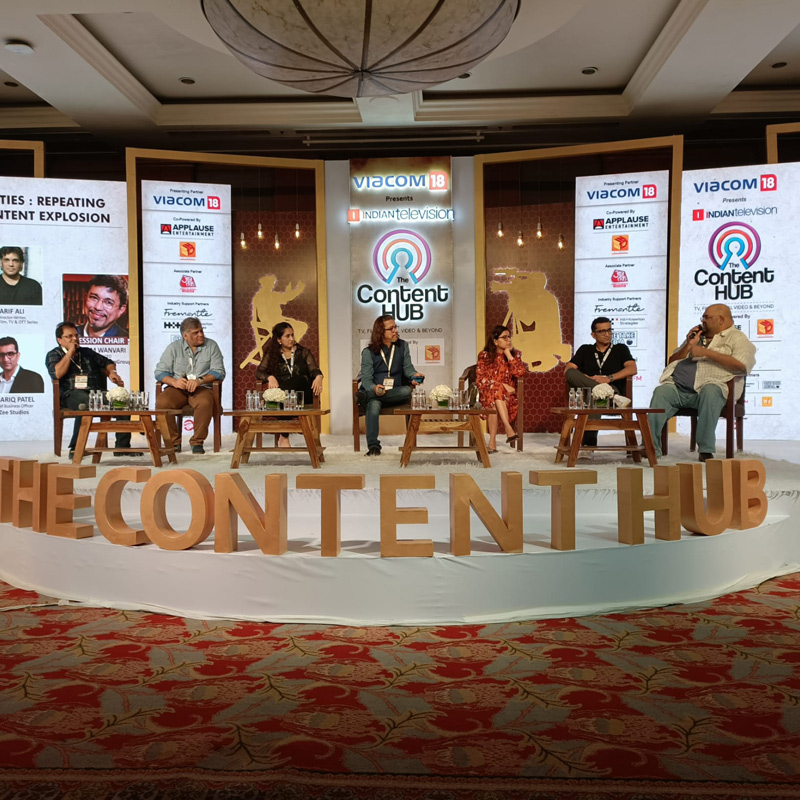
    Finding and discussing the answers to these questions, the first panel of the sixth edition of Viacom18 presents Indiantelevision.com’s The Content Hub Summit 2022 saw an insightful debate on the theme ‘The Roaring Twenties: Repeating The Successful Era Of Content Explosion.’

    Moderated by Indiantelevision.com Group founder & CEO, the panel included Indian screenwriter, director and producer Alankrita Shrivastava, Indian Film Director Arif Ali, Pratilipi  head, IVM Podcasts Amit Doshi, Neela Films Productions founder and managing director Asit Kumarr Modi, Balaji Motion Pictures creative producer and executive vice president Ruchikaa Kapoor and Zee Studios chief business officer Shariq Patel.

    The industry event is co-powered by Applause Entertainment and IN10 Media Network. Aaj Tak Connected Stream is the association partner. Industry partners are Fremantle India, Hill+Knowlton Strategies, One Take Media, Pratilipi, Pocket FM and The Viral Fever. The Indian Motion Pictures Producers’ Association (IMPPA) is our community partner.

    A century ago, after the global pandemic known as the Spanish flu, much of the world enjoyed a boom period, later immortalised as the ‘Roaring Twenties’.Opening the discussion, ITV founder, CEO & editor-in-chief Anil Wanvari asked the panel, “Are we about to experience another Roaring Twenties?”

     Pratilipi head, IVM Podcasts Amit Doshi said, “we’ve barely scratched the surface in terms of what exactly kinds of content we’re going to see in future.”

    “Technological transformation over the last ten years has already unleashed creativity in this country and it is going to continue,” he added.

    Further, Wanvari asked Neela Films Productions founder and managing director Asit Kumarr Modi, who has successfully run over thirty-five hundred episodes of ‘Tarak Mehta Ka Ooltah Chashma’, how he sees this remarkable show in the 2020s?

    “We started back in 2008 where technology was way behind than where we are today and we have seen it all changing over the years. Now, things are developing rapidly, it might be more challenging but we are more excited to create stories in the new age of technology,” answered Modi.

    Taking the discussion further, Zee Studios chief business officer Shariq Pate said, “pandemic has shown that all of us have this insatiable amount of content that all of us could consume and this prompted platforms to step up on investments.”

    “We can expect a roaring 2020s with huge amounts of content to be created which is definitely far more than what the existing platforms can digest at present,” he added.

    Sharing her outlook for the roaring 2020s, Balaji Motion Pictures creative producer and executive vice president Ruchikaa Kapoor said, “the big realization about this changing content landscape is that there’s an audience for every genre, however the size of the audience differs.”

    She added, “the content consumption has increased dramatically over the last three years. But as far as movies are concerned, the urgency of going to the theatres has come down drastically due to the growth of OTT.” Talking about the future, she said, “we expect exponential growth in the 2020s too.”

    Agreeing with what his co-panellists had said, Indian film director Arif Ali said, “being behind the doors for so many months during the pandemic has actually opened a lot of doors for content creators.”

    “Pre-pandemic there was more focus on making money, but now content creators want to have a legacy and it is going to lead to a thrilling 2020s,” he asserted.

    Further, highlighting the challenges that the transformation in the content space brings, screenwriter, director and producer Alankrita Shrivastava said, “today the major challenge is to go back to the core of storytelling and not get overwhelmed.”

    Watch the complete video of this insightful session here.