Tag: Consumer Trends

  • Click, cart, buy: The digital shopping tsunami sweeping India

    Click, cart, buy: The digital shopping tsunami sweeping India

    MUMBAI: Remember the days of long checkout queues, last-minute cash crunches, and the dreaded ‘No change, sir’ at the cashier? Well, those relics of the past are fast disappearing. The Ipsos Shopper Insights study, “Clicking into the Future – Trends Driving India’s Online Shopping Surge”, proves that e-commerce and q-commerce are not just trends—they are full-scale revolutions reshaping the Indian shopping experience.

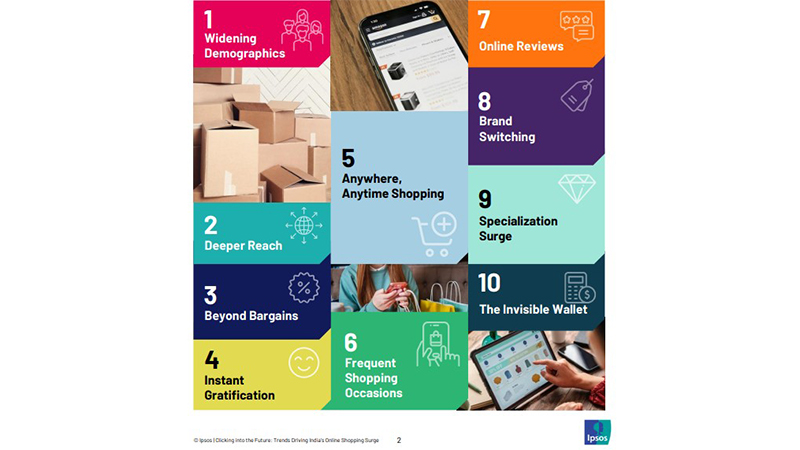
    And here’s the billion-dollar question: how does this online shopping surge compare to traditional retail? Brace yourself—while India’s total retail market is valued at $1.3 trillion, e-commerce and q-commerce together make up $100 billion, a fraction of the pie but growing at an unstoppable pace. With a mix of primary and secondary research, the study highlights ten key trends that will determine the winners and losers in this digital shopping sprint.

    Who’s clicking more?

    Move over, men! Online shopping is no longer their exclusive playground. The report finds that 53 per cent of online shoppers are male, while 47 per cent are female, proving that shopping carts are now evenly divided. And it’s not just Gen Z making impulse purchases—Gen X shoppers (19 per cent) are getting in on the action, while millennials (23 per cent) and Gen Z (30 per cent) continue their love affair with online retail.

    India’s digital shopping boom expands beyond big cities. E-commerce is no longer an exclusive club for city dwellers. The study finds that 45 per cent of internet users live in rural India, and 20-25 per cent hail from small towns and non-metro areas. In fact, 2 in 10 shoppers from these regions are clicking their way through digital aisles, proving that online retail has bulldozed past geographical barriers.

    And what’s in their carts? Urban shoppers stack up on groceries, but tier 2 and 3 town shoppers are all about fashion statements—because who says small-town swagger isn’t a thing? A big shoutout to Jio for spreading free 4G like wildfire, ensuring that buffering is no longer an excuse for not indulging in retail therapy.

    Convenience wins over discounts—Yes, really! Deals are great, but 68 per cent of consumers say speed and convenience are now the primary reasons for shopping online. Discounts remain important, with 61 per cent still swayed by offers, but convenience has taken the lead. Gen X shoppers (75 per cent) and women (73 per cent) prioritise ease over price cuts, while men remain equally influenced by both convenience (64 per cent) and discounts (64 per cent).

    Ipsos India country service line leader, market strategy & understanding & lead shopper insights Archana Gupta said, “We are witnessing an unprecedented shopper traffic towards online shopping, across demographics and length and breadth of the country, across big towns, small towns with e-commerce, getting a further impetus through q-commerce, highlighting a heightened emphasis on convenience and speed. There is also the increasing emerging trend among online shoppers of choosing alternate brands, in the absence of preferred brands, bringing the focus on building consumer loyalty, re-stocking and replenishments and analysing consumer choices during peak hours of browsing.”

    Shoppers are increasingly impatient, with 31 per cent finding online shopping faster than visiting a store. This trend is strongest among Gen X (41 per cent), who appreciate not having to leave their sofas to get what they need. And if your favourite item is out of stock? Too bad! Stockouts are seen as lost opportunities, making real-time availability and pop-up deals crucial for conversion.

    The 24/7 shopping culture is here to stay. Unlike traditional brick-and-mortar stores, online shopping never sleeps. 31 per cent of consumers love the ability to shop anytime, anywhere, with Gen X (39 per cent) leading this trend. Q-commerce platforms and food delivery apps have taken this a step further, fulfilling orders at midnight and beyond, ensuring consumers get their cravings met on demand.

    Impulse buying is now a lifestyle. 66 per cent of q-commerce users shop at least once a week or more frequently, leading to changing stock-up behaviours. Smaller SKUs and instant availability are now key as shoppers opt for quick replenishments instead of bulk purchases.

    Forget window shopping—today’s consumers read before they buy. 54 per cent of shoppers always check reviews, while 40 per cent do so sometimes. Without the ability to touch and feel products, reviews and influencer recommendations have become the new trust signals, guiding purchasing decisions.

    Brand Loyalty? Not So Much

    With so many choices at their fingertips, consumers are brand-hopping more than ever. 60 per cent of apparel shoppers and 55 per cent of grocery shoppers say they will switch brands if their preferred one is unavailable. To stay relevant, brands need to ensure seamless availability and work harder on loyalty strategies.

    Why browse a cluttered marketplace when you can shop on a niche platform? 60 per cent of consumers use q-commerce sites like Blinkit, Zepto, and Swiggy Instamart, with most using multiple platforms. Brands must ensure they have a clean, clutter-free presence across all platforms, with AI-powered recommendations to capture customer attention.

    The ease of online shopping comes with a catch—48 per cent of consumers admit they have no idea how much they are spending online. With digital payments removing the psychological barrier of handing over cash, budgeting tools are now more critical than ever.

    “The online shopping landscape presents both opportunities and challenges for marketers. Shoppers are highly impatient, switching brands and looking for instant gratification. The online channel provides wider reach, overcoming the hurdles posed for physical distribution through traditional channels,” said Ipsos Shopper Insights research director Shruti Patodia. As brands navigate this fast-changing landscape, staying ahead of emerging trends will be the key to winning consumers’ hearts—and carts.

  • Flipkart unveils #FlipTrends report 2024

    Flipkart unveils #FlipTrends report 2024

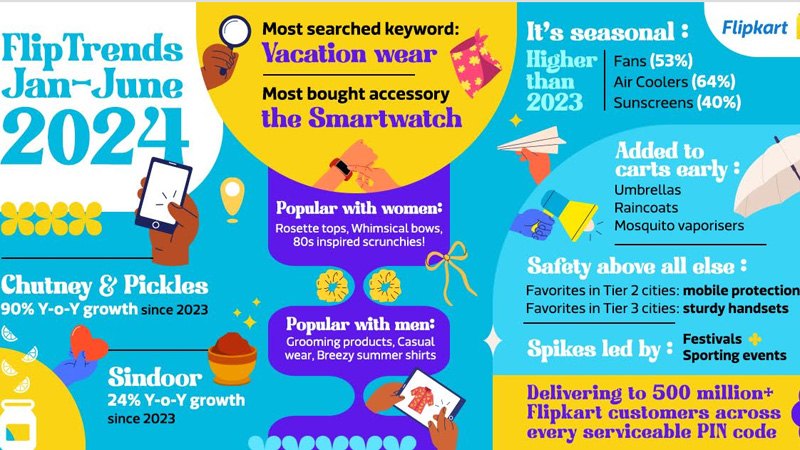
    Mumbai: In the run-up to this year’s festive season, Flipkart presents its H1 edition (January to June 2024) of the much-awaited ‘#FlipTrends’ report, which presents an interesting analysis of the shopping habits of 500 million+ registered Flipkart users.

    What are the most popular choices in metros vs tier-three regions? What are the common and daringly different shopping habits between customers in these regions?

    What are some of the unexpected purchases that peaked during certain seasons in 2024 so far?

    Are ‘seasonal trends’ still in or are year-long trends ruling the roost?

    Were there any premium products which saw an uptick during the months?

    All this and more is presented in this latest edition of the FlipTrends Report by Flipkart.

    The FlipTrends report reveals insights into an array of consumer shopping trends – some expected and many that come as a surprise.

    FlipTrends 2024 findings:

    India ka lifestyle and fashion destination – there’s something for everyone!

    ‘Vacation wear’ was one of the most searched keywords in the first half of 2024, especially during summer. Women embraced feminine fluidity, defying singular trends by opting for whimsical bows, rosette tops, chic bandeau tops, dresses, comfortable mules, 80s-inspired scrunchies, and a palette bursting with gelato pastels. Men opted for casual wear like round-neck t-shirts, open-knit and textured shirts, zipper polos, and parachute trousers. Other top choices included comfort clothing, resort wear such as printed co-ord sets and breezy summer shirts. Additionally, men’s grooming products saw a significant increase compared to 2023.

    Women’s western wear and women’s ethnic wear were top choices in Bangalore, Chennai, Hyderabad, Kolkata and New Delhi; while women’s sarees were at the top of the fashion charts in cities like Agartala, Bhagalpur, Medinipur, Muzaffarpur and Puri.

    Coming to traditions — there was also an unexpected demand for ‘sindoor’, almost 24 per cent y-o-y growth in 2024 so far, compared to last year.

    Nostalgic flavours fuel modern palates

    While modern gastronomy and fusion foods are all the rage, who says that age-old flavors aren’t that popular anymore? This year, Indians rediscovered their passion for classic recipes, stocking up on chutneys and achars. An almost 90 per cent y-o-y growth has been clocked for ‘Pickles & Chutneys’ alone, compared to 2023.

    Speaking about food, ‘Food & Nutrition’ was on number two on the shopping list of customers in cities such as  Bhubaneswar, Cuttack, Dehradun, Gorakhpur and Guwahati in 2024 so far.

    How has India been beating the heat?

    In the midst of sweltering temperatures, consumers are prioritizing freshness and comfort. Fans have surged in demand by 53 per cent on Flipkart from last year, reflecting the quest for cooling solutions. Sunscreen purchases have also increased by 40 per cent, clearly reflecting how people are prioritising sun protection. Air coolers, another key essential for beating the heat, have witnessed a significant 64 per cent increase in demand compared to the previous year. Cities like Bangalore, Bhubaneshwar, Cuttack, Gorakhpur, Hyderabad, Kolkata and New Delhi have shown a higher demand for personal care essentials such as hair oil, face wash, shampoo, and deodorants, emphasizing consumer focus on staying cool and refreshed.

    Monsoon musings

    In preparation for this year’s monsoon season, shoppers stocked up on essentials like umbrellas, raincoats, and mosquito vaporizers. While beauty and skincare remain top priorities for Flipkart customers throughout the year, makeup kits and fragrances observed a surge in popularity, in the run-up to monsoon.

    Smartwatches continue to top the wearables charts

    FlipTrends showcases a thriving consumer fascination across India with cutting-edge tech innovations. From the fitness enthusiast, and fashion lover to the on-the-go professional who wants to be always connected, the smartwatch remains a coveted accessory, leading the wearable tech trends in 2024. Other popular choices were Smart Bands and TWS Earphones which saw a notable surge in demand.

    Shoppers from emerging cities lead the way for ‘safe gadget shopping’

    In emerging tier-three markets, where 72 per cent of consumers opt for mobile protection, safeguarding mobile devices is not just a choice – it is a strategic necessity driven by the high stakes of device investment, critical data security and the quest to enhance both longevity and resale value. Bhubaneswar, Cuttack, and Guwahati emerged as top tier two cities and showcased a noticeable preference for such items. Meanwhile, in tier three plus cities Agartala, Medinipur, and Muzaffarpur shoppers primarily opted for sturdy handsets and plain mobile protection cases.

    Topical shopping driven by sports fever and festival frenzy

    Sports holds a special place in many Indians’ hearts, as seen through their shopping habits on Flipkart in the run-up to and during popular sporting events. Searches spiked for items like tennis kits, while sports merchandise and men’s tracksuits were top choices as fans nationwide rallied behind supporting their favorite players.

    Another aspect that led to spikes in demand is festivals. Traditional wear and puja essentials witnessed strong demand during festivals like Navratri, Ugadi and Eid al-Fitr. Specifically, products such as sindoor, havan chowki and diyas saw a surge in demand during the festive season of Navratri.

    Speaking about the H1 2024 FlipTrends report, Flipkart senior vice president – analytics and data science Ravi Vijayaraghavan said, “Consumers today are more discerning and mindful of their choices, gravitating towards seasonal and personalized preferences. At Flipkart, we are delighted to present our FlipTrends H1 2024 report which not only reflects interesting shopping trends but also showcases growth opportunities for e-commerce at large. Our commitment to customer-centricity remains unwavering as we strive to anticipate and fulfill the evolving demands of our diverse customer base. As we move into the festive spirit of things, our focus remains on fostering trust, convenience, and affordability, ensuring that Flipkart remains the ultimate destination for customers evolving shopping needs.”

    #FlipTrends findings continue to showcase how millions of shoppers from both metros and tier-three regions continue to choose Flipkart as their preferred shopping destination.

  • Streaming surpasses traditional TV: Advertisers follow the trend

    Streaming surpasses traditional TV: Advertisers follow the trend

    Mumbai: As per an Ormax report, streaming has become India’s preferred choice for content consumption, boasting over 480 million OTT users. Its convenience and accessibility, allowing users to watch content anytime, anywhere, and on any device, have fueled this trend. The surge in smartphones, 4G feature phones, and widespread high-speed internet availability in urban and rural areas contribute to this shift, creating a new frontier for advertisers.

    Advertisers are capitalizing on streaming platforms’ interactive nature, crafting immersive and engaging ad experiences. Interactive ads seamlessly blend with content, enhancing the viewing experience and resonating better with audiences. Streaming also offers a wealth of data, enabling precise targeting and tailored campaigns, ensuring maximum impact and ROI. Brands are leveraging innovative placements and exclusive content to effectively engage audiences.

    According to a Magnite report, 80 per cent of Indian streaming audiences prefer ad-supported content over paying for an ad-free platform. This preference opens up opportunities for advertisers to drive brand awareness, engagement, and conversion. The report indicates that almost half of streaming users actively search for products featured in ads, and one in three makes a purchase based on these ads, underscoring the significant impact of streaming platform advertising on consumer behavior.

    Furthermore, 59 per cent of Indian streamers spend an average of 8 hours per week streaming content on the big screen at home. CTV advertising is gaining popularity among BFSI, e-commerce, automobile, and OTT categories, with an expected spending of $395 million by 2027, reflecting a remarkable 47 per cent CAGR growth.

    Despite the popularity of UGC platforms for on-the-go content consumption, CTV’s premium and engaging advertising environment sets it apart. Advertisers have more control over ad placement and brand association on CTV, making it a more effective advertising channel. A Kantar report highlights that 22 per cent of consumers are more likely to recall brands advertised on CTV than on a leading UGC platform.

    Over the past five years, there has been a 25 per cent decline in Pay TV subscribers, with over 200 million households unreachable by Pay TV, according to an EY-FICCI report. Advertisers are increasingly turning to digital routes, and the decline in Pay DTH subscribers further supports the preference for CTV. Linear TV has consistently declined, with a 6.2 per cent fall in subscription revenue in 2021 and the loss of 6 million Pay TV households.

    As streaming, especially CTV, continues to rise, advertisers are adapting strategies for enhanced ad experiences, focusing on creative storytelling and dynamic digital touchpoints. Technological advancements, evolving consumer preferences, and growing advertiser interest are propelling streaming’s strength. The first half of 2024 promises more immersive, powerful, and impactful ads, delighting both advertisers and consumers.

    The upcoming TATA IPL is expected to define the next phase of this evolution, with JioCinema unlocking cutting-edge ad innovations on CTV for an estimated 600-650 million viewers streaming the matches across devices for free. Advertisers have a golden opportunity to connect with their desired audiences among cricket fans in this ever-expanding streaming landscape.
     

  • Kantar reveals consumer trends for 2020

    Kantar reveals consumer trends for 2020

    MUMBAI: How are consumers going to behave in  2020? The economy is in a bind, consumer spending has been cautious. Will they be a little more prone to reach into their pockets to make purchases? Well, market research firm  Kantar has drawn up the top 10  key trends that will impact consumer behavior in India in the year 2020. The trends touch upon a range of categories including FMCG, durables, home buying, transportation, loans, infrastructure, online engagements, entertainment, imported goods and much more.

    Speaking about the trends, Kantar insights division South Asia CEO Preeti Reddy stated, “If the consumer behavior in 2019 was driven by the desire to seek stability, the over-riding sentiment is one of ‘wait and watch’ in 2020 amongst Indian consumers. Meanwhile, with their wallets squeezed and aspirations intact, a large-scale reprioritization of spending is underway across the board”.

    Kantar- Consumer Trends for 2020

    Waiting for the economy to recover

    Declining household saving is forcing shoppers to buy smaller packs, and cheaper variants of household consumables. Apart from millennials reluctant to own homes, tighter budgets and job uncertainty mean that families will put off purchasing homes. And yet the affordability and accessibility of credit, particularly with the entry of digital lending players that offer instant loans, will ease this scenario. Lenders have seen a 50 per cent surge in loan applications for holidays.

    Waiting for deals

    97 per cent of Indian households in 2019 bought at least one CPG (consumer packaged goods) product on promotion, with overall promotion volumes up by 6.4 per cent. Brands have no option but to find new ways of rewarding smart, well-informed, deal-seeking consumers, as information gathering becomes an integral part of the shopping experience. 85 per cent of consumers check at least two data points other than prices and discounts when purchasing.

    But not waiting to sell

    Social commerce platforms like Meesho, GlowRoad, Dealshare, Mall18 will tap into the next wave of online shoppers, that is,  200 million from smaller cities of India with very different behaviour and needs vs the current group. Their transactions are hyperlocal in nature and work by sharing deals over WhatsApp. New platforms are enabling sellers to find buyers by leveraging their social networks. Bulbul and Simsim users interact with sellers during live video streaming and make their purchases immediately.

    Waiting for infrastructure

    Tired waiting for roads, consumers have embraced technological solutions such as car pooling and shared bus rides. The shared transportation market will grow to Rs 35,000 crores by 2025. Cities plagued by congestion and infrastructure troubles, such as Mumbai and Bengaluru, are quick adopters. The lack of action towards improving the abysmal quality of air is encouraging people to work from home, even as solutions such as air purifiers and oxygen bars emerge to give them a breather.

    Not waiting to deal with waste

    22 per cent of Indians say that plastic wastage is the top concern for them environmentally – significantly higher than the global average of 15 per cent. 53 per cent of Indian consumers will pay more for environment friendly products. A similar proportion is prepared to make changes to their lifestyle for the environment. Expect greater awareness and action around food waste, and trends such as up cycling to take off, spurred by conscious business and activist youth.

    Won’t wait for the experience

    Tighter control overspending does not necessarily mean that consumers are cutting back on experiences. 37 percent of urban Indians say that they finance experiences by trading down in certain product categories including jewelry, mobile phones, apparel, and home furnishings. Some consumers are optimizing their spends by renting kitchen appliances, clothes, and furniture; 25 per cent of consumers would consider renting in the future. 

    Won’t shy away from risk

    Uncertainty in the social and economic environment has propelled Indian consumers to embrace new opportunities and create alternative futures for themselves. India is now witnessing reverse migration, as two-tier cities and state capitals emerge as attractive places due to lower land and home prices, cleaner air and availability of quality education. Consumption-wise, there is rising experimentation with an array of offerings on e-commerce platforms, even as consumers seek ways to mitigate risk of redundancy by reskilling themselves through online courses. [93 per cent of Indian learners are in the 18-39 age bracket]

    Won’t wait for rcep

    Despite the political reluctance to leverage trade opportunities within Asian, Chinese, Japanese and Korean consumer brands – which have won the hearts and wallets of Indian consumers – they will continue to do well. Expect an integration of technology and content in many of these products. From home appliances to automobiles to social platforms such as TikTok. While Korean pop culture will capture the imagination of youth across campuses and small-town India, Tokyo’s hosting the Olympics will create greater engagement with Japanese brands.

    Will watch and play/relax

    Our mobile gaming study reveals that 76 per cent of the gamers indulge in playing games on their mobile phone more than twice a day; and 31per cent play four to five times a day. 70 per cent of gamers spend more than half an hour and 42 per cent spend more than an hour playing mobile games. In-app purchases in online and mobile games present developers with financial opportunity. Some brands will deploy ASMR (autonomous sensory meridian response) – videos using audio stimuli like sounds of nature, mellow music, people whispering – to relax, soothe or invigorate viewers.

    Will watch local

    An average Indian spends 6.2 hours consuming online content daily. Going forward, spending per month on digital media content is expected to grow by 2.5 times. 95 per cent of online video consumption is in Indian languages. Bengali content growing more than 100 per cent year-on-year in watch time. Marketers will look towards online publishers and media companies to build engagement by learning techniques like transmedia storytelling, where single narrative cuts across multiple platforms and formats using available digital technologies.