Tag: consumer protection

  • Can creativity and consumer protection go hand in hand? Industry experts weigh in at Goafest 2022

    Can creativity and consumer protection go hand in hand? Industry experts weigh in at Goafest 2022

    Mumbai: Goafest 2022 kicked off with a bang after a two-year pause at Goa’s Grand Hyatt Hotel on Thursday, featuring some of the industry’s brightest minds along with the industry awards felicitating notable creative thinkers from South Asia. This year marks the advertising, media and marketing symposium’s 15th edition.

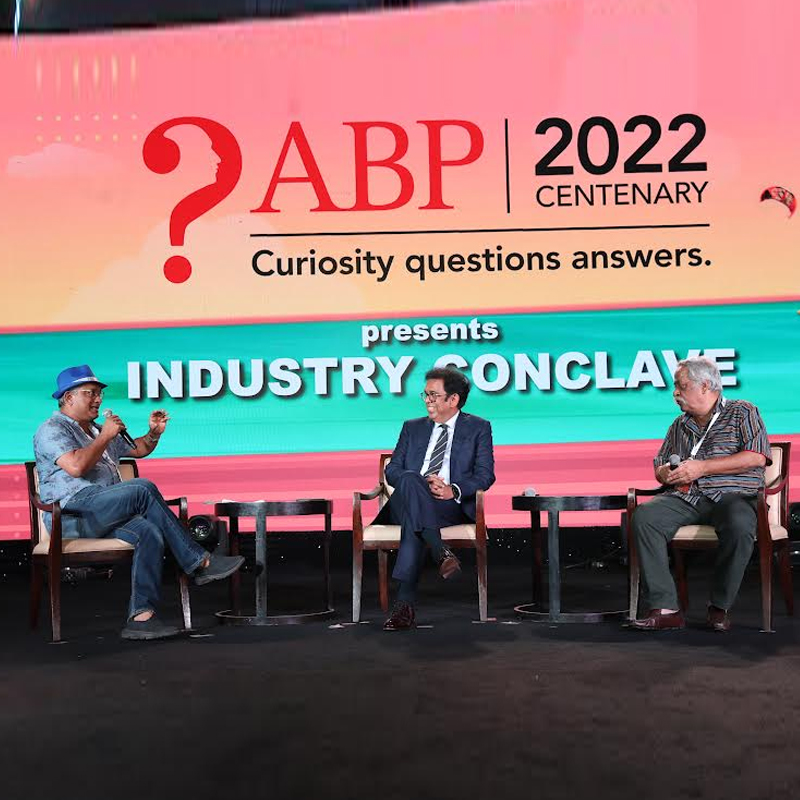
    The day one of the adfest saw an interesting mix of panels and speaker sessions with bristling conversations. There was also a knowledge session in partnership with the Advertising Standards Council of India (ASCI), wherein the ministry of consumer affairs & food distribution secretary (CA) Rohit Kumar Singh spoke with Ogilvy India chairman of global creative Ogilvy and Worldwide and executive chairman Piyush Pandey on consumer safety. The panel discussed the importance of consumer protection and the responsibility that we have as professionals. The session was moderated by ASCI chairman and BBH India CEO Subhash Kamath who asked some pertinent questions regarding brands promoting and marketing misleading information, bait advertising, and those compromising consumer interest.

    “Conceptually, creativity by its very nature doesn’t like boundaries, constantly looking at pushing the envelope and thinking out of the box,” observed Kamath, kicking off the session. “And yet consumer protection does require some responsibilities and boundaries to reign it in. So can creative ideas and consumer safety coexist and go hand in hand?”

    Singh spoke about how the keyword is that creativity is not “misleading ” the consumer and taking him for a ride, adding that the moment it crosses that line “we need to intervene.”

    “Creativity should raise the bar without crushing or at the expense of someone else’s life,” weighed in Pandey. “If you cannot show any piece of communication to your family then you can’t show it to anyone else’s family.”

    “Now, with the CPA 2020 (Consumer Protection Act) in place over the last few years, what are the priorities of the government from the consumer protection perspective, what are the things that you would really keep your eye on.”

    Singh spoke about firstly focusing on brands making tall claims and leading the consumer with false expectations and the second is on bait advertising. We have to impose penalties on such brands who try to fool the vulnerable consumer with misleading claims.

    He explained how in the new paradigm that has emerged in the past few years, there is a mad race for Customer acquisition and valuations, what is getting compromised is probably “consumer interests.” “And that is the only thing of concern for us, whether you are compromising consumer interest?”

    “While there is increased consumer awareness today, there’s also an increased risk of vulnerability with the consumer’s data, because their entire data is now available to marketers,” observed Kamath.

    “When they shop, what they do. The data that comes out is mined and those insights and that mining of those in favor leading to performing targeted marketing so is there something that we need to look at for protection from targeted marketing with data mining as well,” Kamath maintained.

    Singh said that unless a customer has permitted you to use their data, one cannot use that data. “The Data Protection Bill is before the parliament. And that will define the boundaries of what data can be shared, and widely covers all. You cannot share my data without my permission,” he emphasised.

    Singh also called out the taxi aggregators Uber and Ola on their unfair pricing algorithms. “Just last week, I personally issued notices to, I said your algorithms, cancellation charges, and the way you calculate fields are not fair,” adding that here it is literally about taking the consumer for a ride! “If we don’t look out for consumer interests, who will?” he asked.

    Singh also spoke about making the grievance redressal system more robust. The national consumer helpline gets over 4000 calls every day and over the last four years, analytics showed that calls pertaining to e-commerce have grown from eight per cent to 44 per cent. “Now, that means there’s something wrong somewhere in this rat race for customer acquisition. Something is going wrong somewhere,” he asserted.

    Appreciating that the administration was trying to have a dialogue with the rule violators, Piyush Pandey said it is heartening that the government is trying to have a more robust system in place by guiding and cautioning, rather than by ruling with fear. Speaking about creativity in advertising, he said, “Creativity is about touching millions of hearts, sometimes in three seconds. The consumer is not a moron who can get influenced easily.”

  • Sensodyne slammed by CCPA for misleading ads, fined Rs 10 lakh

    Sensodyne slammed by CCPA for misleading ads, fined Rs 10 lakh

    Mumbai: The Central Consumer Protection Authority (CCPA) has taken umbrage at GlaxoSmithKline-owned toothpaste brand Sensodyne for misleading advertisement. The consumer protection body has ordered discontinuation of these advertisements within seven days, according to an official statement.

    Additionally, the association imposed a penalty of Rs 10 lakh on Sensodyne’s manufacturer. The CCPA said the company did not produce any cogent study or material to substantiate claims made in the advertisements or indicate any worldwide prominence of Sensodyne products.

    After examination of the response submitted by the company, CCPA observed that the two market surveys submitted by the company in support of its claims ‘Recommended by dentists worldwide’ and ‘World’s No 1 sensitivity toothpaste’ made in the advertisements were conducted only with dentists in India.

    “No cogent study or material were submitted by the company to substantiate the claims made in the advertisements or indicate any worldwide prominence of Sensodyne products. Thus, the claims were observed to be bereft of any reason or justification,” the statement said.

    The central body initiated suo-moto action against the advertisements, running on various social media platforms and television, that showed dentists practising outside India (in the UK) endorsing the use of Sensodyne products — namely Sensodyne Rapid Relief and Sensodyne Fresh Gel — for protection against teeth sensitivity.

    Earlier on 9 February, the Authority had also directed GlaxoSmithKline (GSK) Consumer Healthcare to discontinue advertisement of Sensodyne products, which show endorsement by foreign dentists.

  • TRAI releases draft tariff & consumer DAS regulations

    TRAI releases draft tariff & consumer DAS regulations

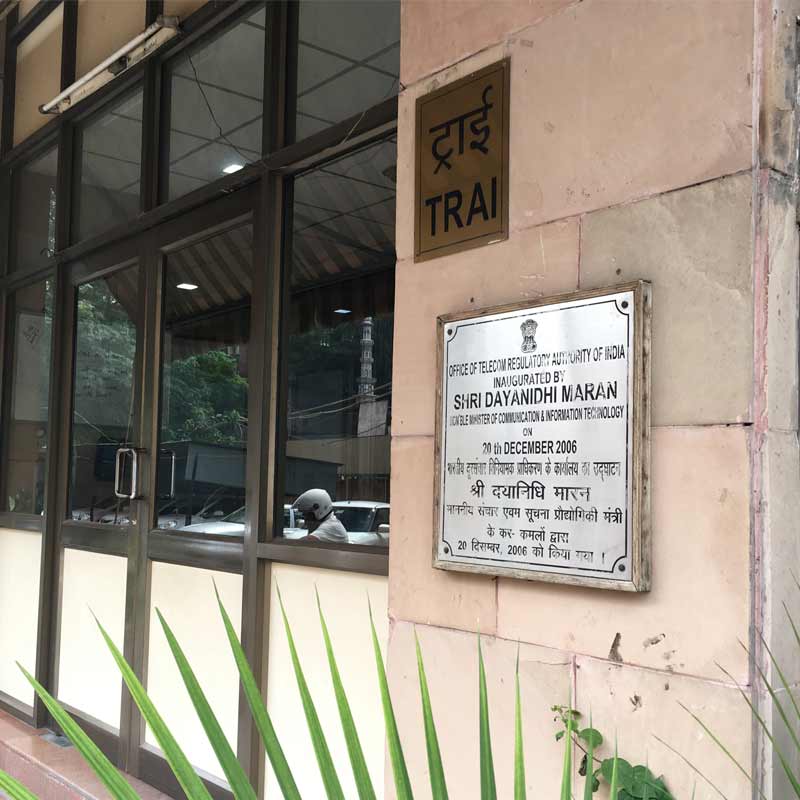
    MUMBAI: The draft cable TV tariff and quality of services (consumer protection) orders have been talked about for a long time. But the wait is over now as the Telecom Regulatory Authority of India (TRAI) released two of them a short while ago on its website. Called the Consultation on the draft Standards of Quality of Service and Consumer Protection (Digital addressable systems) Regulations, 2016 and the Consultation on the draft Telecommunication (Broadcasting and Cable Services) (Eighth) (Addressable Systems) Tariff Order, 2016 both seek to keep the consumer at the centre of cable TV ecosystem.

    The Tariff order states that broadcasters will have to qualify a channel as a pay TV or a free channel. They will have to offer pay channels on an a la carte basis and they can also offer them on a bouquet basis provided the maximum retail price of such bouquet of pay channels shall not be less than eighty five percent of the sum of maximum retail prices of the a-la-carte pay channels forming part of the bouquet. Additionally, the
    broadcaster will have to ensure that the maximum retail price of such bouquet of pay channels in a relevant geographical area shall be uniform for all distribution platforms in that area; that it should not contain any free to air channel or HD or SD variants of the same channels or any premium channels.

    The quality of service regulations have addressed almost every aspect of the cable TV ecosystem going forward fixing the responsibility of the broadcaster, the cable TV platform, the distributor and consumer. It covers everything from subscriber management systems to disconnection and reconnection of services to a la carte pricing to package pricing to the tariffs that can be charged by both cable TV operators, MSOs, and broadcasters to billing to creating consumer awareness about DAS.

    The digitalization of cable TV has been in a bit of a limbo specially in Phase III areas as it has been a High Court order to mandate the switch off of analogue signals. With this draft regulations, coming in, the industry should have some idea about the direction the cable TV ecosystem is headed, once implemented.

    For further details keep logged in.

  • TRAI releases draft tariff & consumer DAS regulations

    TRAI releases draft tariff & consumer DAS regulations

    MUMBAI: The draft cable TV tariff and quality of services (consumer protection) orders have been talked about for a long time. But the wait is over now as the Telecom Regulatory Authority of India (TRAI) released two of them a short while ago on its website. Called the Consultation on the draft Standards of Quality of Service and Consumer Protection (Digital addressable systems) Regulations, 2016 and the Consultation on the draft Telecommunication (Broadcasting and Cable Services) (Eighth) (Addressable Systems) Tariff Order, 2016 both seek to keep the consumer at the centre of cable TV ecosystem.

    The Tariff order states that broadcasters will have to qualify a channel as a pay TV or a free channel. They will have to offer pay channels on an a la carte basis and they can also offer them on a bouquet basis provided the maximum retail price of such bouquet of pay channels shall not be less than eighty five percent of the sum of maximum retail prices of the a-la-carte pay channels forming part of the bouquet. Additionally, the
    broadcaster will have to ensure that the maximum retail price of such bouquet of pay channels in a relevant geographical area shall be uniform for all distribution platforms in that area; that it should not contain any free to air channel or HD or SD variants of the same channels or any premium channels.

    The quality of service regulations have addressed almost every aspect of the cable TV ecosystem going forward fixing the responsibility of the broadcaster, the cable TV platform, the distributor and consumer. It covers everything from subscriber management systems to disconnection and reconnection of services to a la carte pricing to package pricing to the tariffs that can be charged by both cable TV operators, MSOs, and broadcasters to billing to creating consumer awareness about DAS.

    The digitalization of cable TV has been in a bit of a limbo specially in Phase III areas as it has been a High Court order to mandate the switch off of analogue signals. With this draft regulations, coming in, the industry should have some idea about the direction the cable TV ecosystem is headed, once implemented.

    For further details keep logged in.