Tag: Consumer Products

  • JioStar launches glitzy new website in bold digital makeover

    JioStar launches glitzy new website in bold digital makeover

    MUMBAI:JioStar has quietly dropped its flashiest transformation yet — a brand-new corporate website that oozes OTT swagger. With the sleekness of Netflix and the razzmatazz of Hulu, the platform is as loud as it is polished — a brash, confident statement of intent from India’s most ambitious media house.

    The homepage hits hard: a full-throttle montage of its marquee films, series and sports properties, proudly calling itself “India’s favourite storytellers.” The site’s visual energy mirrors the brand’s content-first ethos — big, bold, and unmistakably JioStar.

    The revamped logo — with ‘Jio’ in a magenta coloured circle nudging into ‘Star’ — marks a subtle but sharp shift in branding. There’s sections on entertainment and sports, but what’s catching industry eyes is a new section titled consumer products. Empty for now, it hints at an incoming wave of IP-led merchandise, possibly transforming the site into a content-to-commerce powerhouse. Time — and licensing deals — will tell.

    For journalists and media pros, the portal is a goldmine. Rich press resources, high-res spokespeople photos, detailed executive bios, promos make it one of the most media-friendly corporate sites in India. Missing in action, however, is an investor relations section — a standard fixture on international media giants’ portals.

    In a practical masterstroke, JioStar has also made life easier for cable TV operators. A clean dropdown menu now lists all reference interconnect offers by channel clusters — making compliance and clarity a breeze.

    From content brag to backend utility, the new website signals that JioStar isn’t just flexing its brand muscle — it’s gunning for global best-in-class.

  • Top marketer Somasree Bose Awasthi steps down from Marico amid shifting FMCG landscape

    Top marketer Somasree Bose Awasthi steps down from Marico amid shifting FMCG landscape

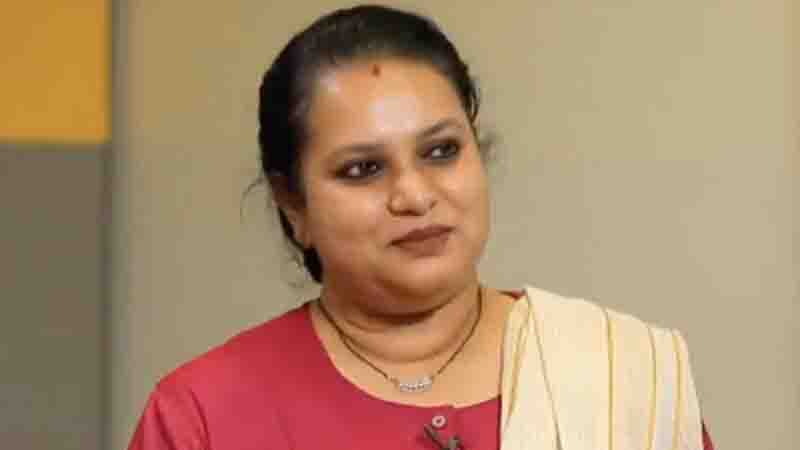
    MUMBAI: Somasree Bose Awasthi has stepped down as chief marketing officer at Marico Ltd, ending a nearly three-year stint at the helm of the company’s marketing function. The news was confirmed today by individuals familiar with the development.

    Somasree joined Marico in late 2022 after a distinguished 15-year career at Godrej Consumer Products, where she rose through the ranks and contributed significantly to brands such as Godrej Aer, HIT, Cinthol and Godrej No.1. At Marico, she focused on strengthening marketing capabilities, mentoring teams, and championing innovation across a wide portfolio.

    During her tenure, she was credited with bringing sharper consumer insight to the table and driving impactful brand work that resonated in an increasingly competitive FMCG landscape. Her approach combined strategic vision with deep empathy for the consumer—qualities that earned her recognition across the industry.

    Her departure comes at a time when Marico, like much of the sector, is navigating a complex retail environment shaped by evolving customer preferences and the convergence of digital and offline channels. The next marketing leader will inherit a strong brand foundation—and the challenge of building on it in a dynamic market.

    Somasree’s next move has not yet been announced, but industry observers and executive search firms will be watching closely.

  • GUEST COLUMN: Why do companies need to be more consumer-centric than brand-centric?

    GUEST COLUMN: Why do companies need to be more consumer-centric than brand-centric?

    Mumbai: Experts and professionals have long debated the merits of customer-centricity versus brand-centricity. I have to say that it’s not one against the other; instead, both complement each other. With the fast-changing business landscape, the tenets of marketing and brand value have evolved equally fast. Back in the day, when outbound marketing was the primary method of outreach, it made sense to put brand-centricity at the core as the outbound efforts involved advertisements via radio, TV, and newspapers. Mainly, the brand decided what to communicate and how; there was limited two-way communication.

    But with inbound marketing taking centre stage, the marketing processes, tools, and funnels are entirely different. Digital has changed the game completely. Companies cannot afford to ignore the sheer volume of inbound traffic and how it’s suitable for the bottom line. Before making a purchase today, customers proactively do their research, which involves search engines, social media, peer-to-peer conversations, and more. This shift in customer behaviour has heralded a change in the marketing mantra from brand push to brand pull, from brand-centricity to customer-centricity. In essence, brand efforts are now a sub-set of customer-centric marketing.

    ‘Customers 2020: A Progress Report’ by Walker talks about customer experience overtaking both price and product as the key brand differentiator. This is a validation of what marketers already know. Similarly, Forrester Research has consistently highlighted how we live in the ‘Age of the Customer’, where the customer experience with the brand is paramount, and obsession with the customer is a defining change as per Exhibit one.

    360-degree Customer Approach

    To be truly customer-centric, it’s vital to have a holistic end-to-end understanding of the customer by mapping the persona, buying patterns, and using marketing automation to listen to consumer preferences and leanings. In a nutshell, deep customer intelligence and insights should become the prime focus. Marketers today are increasingly warming up to the fact that higher levels of customer understanding translate into unprecedented levels of customer engagement.

    360-degree Organisational Approach

    For any enterprise, the target customer needs to be at the heart of its marketing strategy and part of its DNA. Firstly, inculcating a customer-centric approach needs to start with the leadership. Secondly, internal restructuring needs to be aligned with the customer segments and needs. Thirdly, success and outcome need to be measured using key consumer metrics like customer satisfaction (NPS scores), order and delivery timelines, etc.

    360-degree Execution Approach

    The mantra should be to execute flawlessly and address the customer’s pain points, demands, and expectancies by analysing all available information. Take the example of a famous ketchup brand that acted expeditiously upon customer feedback highlighting the need for increased convenience in daily use. Exhibit two is self-explanatory.

    360-degree Customer Care

    Training customer service teams to be the ‘best amongst the best’ is critical. In many cases, the customer experience is closely driven by first-hand interaction with the customer care executive/helpline. Building systems and processes at an organisational level that allow a single customer view so that specific details pertaining to each customer can be accessed is the need of the hour. Also, such information should be made available to all functions for empowering and aligning them with the customer-centric strategy.

    360-degree Customer Feedback

    While the customer feedback is provided through multiple sources like customer care and sales teams, websites, survey questionnaires, google forms, social media, etc, it is imperative to address each through a carefully created repository backed by a tech-oriented query resolution and product development process. This forms the backbone of a consumer-centric culture.

    360-degree Content

    Over the last few years, Google’s search engine has shown a preference towards human-friendly content, ranking it higher than just content that hits all the right keywords. Therefore, the more humanised the content strategy, the more it will connect with the target audience. 360-degree content, hence, is people-centric and adds value to the product features and business-led articulation.

    To sum up, customer-centricity is the bedrock for businesses and in many ways decides their fate in terms of ‘Intention to Purchase (ITP).’ Brands, slogans, products, and media are only the spokes that help bridge the gap between the customer and the business and influence ‘Top of the Mind Recall (TOMA).’

    In essence, the brand reality today is defined by its collated perceptions and insights of the customers. Having said this, customer-centricity is a lifelong approach and needs constant attention to changing customer/market needs, perceptions and expectancies.

    (Atul Raja is executive vice president, global marketing at Wadhwani Foundation. The views expressed in the column are personal and Indiantelevision.com may not subscribe to them.)

  • 56% of families report increase in overall household spending in Aug ‘21: Survey

    56% of families report increase in overall household spending in Aug ‘21: Survey

    Mumbai: Over 56 per cent of families across the country reported an increase in household spending in August, with North India leading the chart, according to consumer data intelligence company Axis My India’s latest monthly report. The ‘India Consumer Sentiment Index’ is a monthly analysis of consumer perception on a wide range of issues.

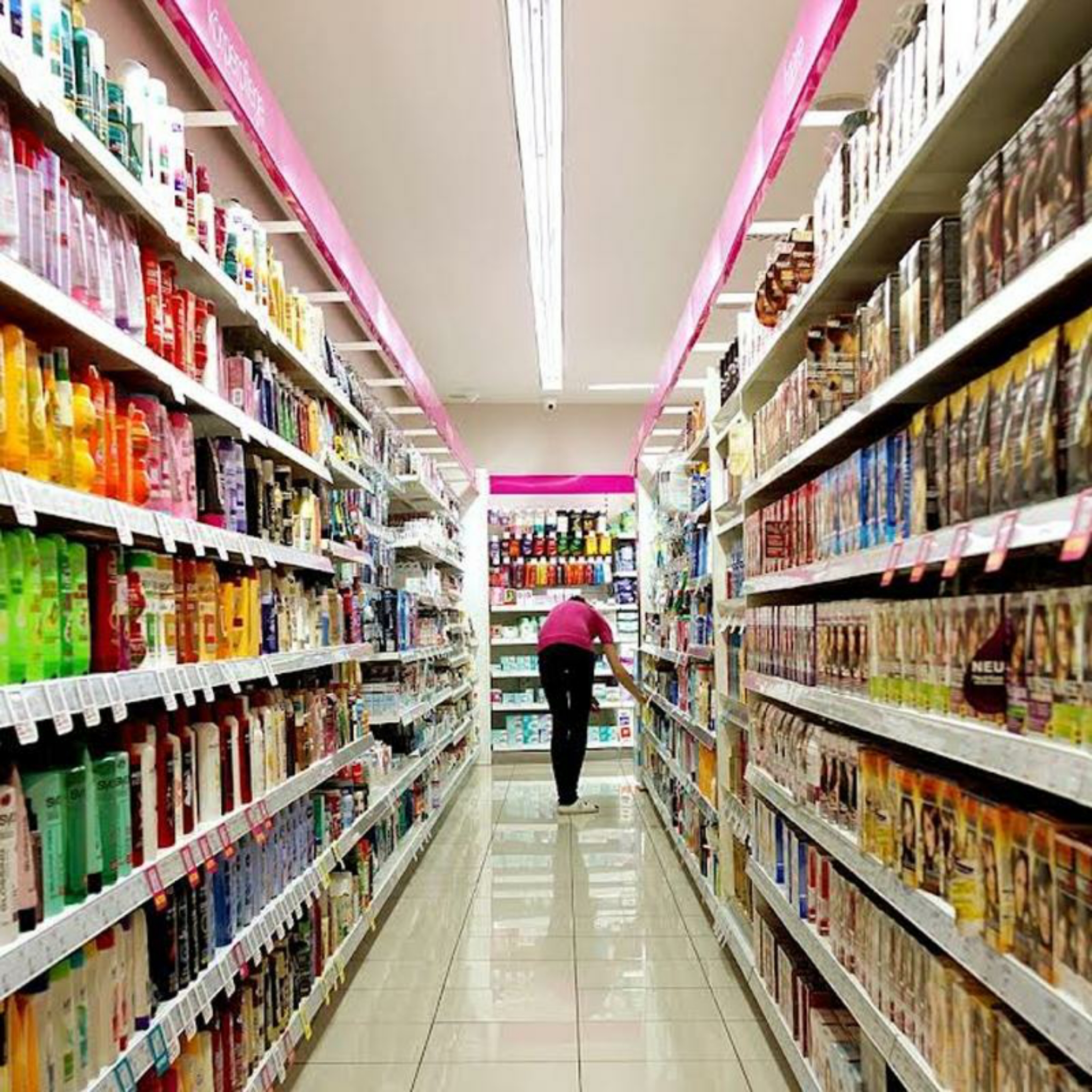
    The industry has pinned hopes on the upcoming festive season to push growth across sectors with rise in consumer spending. According to the survey done via Computer-Aided Telephonic Interviews, the consumers have reported an increase in spends on essentials like personal & household care. The spends on non-essential & discretionary products are still cautious with only 21 per cent of families reporting an increase. “This shows the festive spirit slowing building up with the net score having increased to +9 from -12 last month. Interestingly, the sentiment increase is highest in rural India,” said Axis My India.

    The survey covered as many as 10,482 respondents across the country of which 72 per cent were male and 28 per cent were female.

    Health still remains an important consideration and consumption of health-related items has increased or remained the same for 79 per cent of families and decreased only for 21 per cent of families. The health score which has a negative connotation i.e. the lesser the spends on health items the better the sentiments has a net score value of -24.

    When respondents were asked if they would shop more or less this festive season, 42 per cent of families said they would shop more or the same as compared to last year. “This gives an indication that there is a sense of cautious optimism and the pent-up demand or degree of revenge shopping which happened last year might not be the same this year. This expected increase in spends is higher among private & government service employees,” according to the survey.

    Among other findings, consumption of media has increased for 25 per cent families & remained same for 47 per cent. The corresponding increase figure was 28 per cent last month, net score being at -3. The media consumption increase was found to be highest in the 18-25-year age group at 32 per cent.

    Tourism, however, continues to be a concern as 83 per cent of the respondents are still averse to travelling, and 15 per cent mentioned they would only travel domestically. Showing a sign of self-maturity, 96 per cent of people said they will implement Covid appropriate behaviour this festive and hopefully this will reduce the level of cases in case the third wave strikes. 

    “As the festive season approaches, consumers are slowly stepping out – as proven by increased numbers for non-essential spending and mobility. This should have a positive effect on the hospitality industry which has been severely affected due to the pandemic,” said Axis My India CMD Pradeep Gupta said. “A positive score of an additional 5.5 points over the last month indicates steady progress towards social and economic normalcy, with this trend expected to improve further in the next few months. Overall, we hold a cautious but optimistic outlook on consumer sentiments.”

  • LG showcases next gen products at CES 2021

    LG showcases next gen products at CES 2021

    SEOUL: LG Electronics is showcasing its products and technologies under the theme of ‘Display, now the real world comes to you’ at CES 2021. The company is emphasising on the redefined role of displays in the contactless era as well as presenting various display solutions optimised for the lifestyle of customers during CES.

    LG Display is presenting cutting-edge display products through 11 lifestyle theme zones organised to not only demonstrate the excellent picture quality of OLED displays but also to introduce how displays can provide solutions for upgraded and more convenient lives. By doing so, the company will highlight three values of displays, which are ‘Natural Reality’, ‘Lifestyle in Harmony’, and ‘Better for People’. Furthermore, the company stresses the role of a ‘display that cares about people’ by showing functions that are safer and designed to protect users’ health.

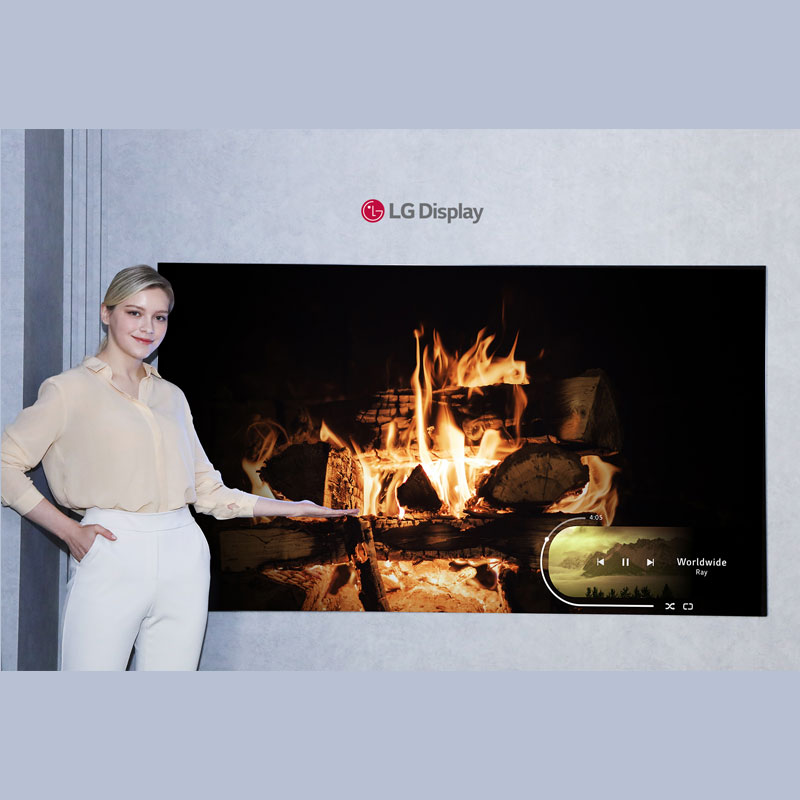
    LG Display’s new 77-inch OLED display shows significant progress in picture quality through newly developed and highly efficient materials as well as the addition of a layer to the display, thereby improving its efficiency by around 20 per cent. Higher efficiency means that the display improves its brightness to realize more vivid images.

    LG Display is planning to apply its advanced next-generation OLED technology to high-end TV models that will be launched this year and gradually expand its adoption. In addition, the company is set to strengthen its lineup by producing 83-inch and 42-inch OLED TV displays starting this year, adding to the existing 88-inch, 77-inch, 65-inch, 55-inch, and 48-inch OLED TV displays. It also plans to significantly expand its mid-range TV display lineup down to the 20-30-inch range, enhancing not only TV, but also gaming, mobility, and personal display options.

    It will also introduce differentiated products such as film cinematic sound OLED (Film CSO), which is able to feature an even slimmer design and to generate sound directly from the screen without separate speakers.

    While 200,000 displays were shipped during the first year of OLED TV production in 2013, the number of units shipped reached 4.5 million last year, and LG Display plans to expand that to between 7 and 8 million displays this year to solidify its competitive advantage in the next-generation TV market and accelerate the OLED trend.

    “Through the evolution of OLED, LG Display will expand its differentiated competitiveness and market dominance in premium TV markets,” said LG Display executive VP and head of the TV business unit Chang-ho Oh.

    The company will also demonstrate a variety of professional display products for monitors and laptops, ranging from 15.6-inch to 27-inch to 31.5-inch displays. These are premium IT products incorporating high-definition IPS LCD technology, which has been recognised as being comfortable for the viewer’s eyes.

    The Smart Home Zone will feature a bed with a 55-inch transparent OLED named Smart Bed, which you can use to check weather information or watch movies. At the push of a button, the Smart Bed’s 55-inch Transparent OLED display rises from its frame to show information or TV contents in various screen ratios without compromising its clear image quality. The Smart Bed display’s movable frame can easily be taken to various locations in a house to serve the diverse needs of users.

    The Game Zone will present the best gaming environment, providing the ultimate sense of realism with visual immersion and vivid sound through LG Display’s 48-inch bendable cinematic sound OLED (CSO) gaming TV, which is being unveiled for the first time in the world. It can be turned into a flat screen while watching TV or used as a curved screen while gaming for an extreme immersive viewing experience. With the company’s CSO technology, this OLED display vibrates and makes its own sound without the use of speakers.

    Moreover, LG Display is proposing a new display concept needed for consumers in the contactless era caused by Covid2019. The Restaurant Zone will recreate a sushi bar environment, in which a 55-inch transparent OLED and a 23.1-inch in-touch display are installed in the space between customers and chefs, allowing menu checking and ordering to be easily done via these displays.

    In the case of the Metro Zone, it will give passengers the chance to check route maps or weather and regional information on a 55-inch Transparent OLED display installed on a subway train’s windows, while they will still be able to enjoy the view outside with high transparency.

    The Retail Zone will also introduce 29-inch and 23.1-inch in-touch products, making it convenient to order and pay in a contactless environment at various consumer stores.

  • We will be a significant contributor to network’s revenue in 3 years: Saugato Bhowmik

    We will be a significant contributor to network’s revenue in 3 years: Saugato Bhowmik

    MUMBAI: For a child, there are no limits to imagination. Their favourite animated characters live with them beyond the television screens or books. And following this insight, Viacom18 is strengthening its consumer products segment with two new flagship partnerships with FCBM and Rainbow International apart from its already popular merchandise. As part of these partnerships, Viacom18 consumer products has acquired the master licensing rights in India for FC Barcelona and Italian fashion brand Winx Club. 

    Says Viacom18 Media consumer products senior VP Saugato Bhowmik, “It is an exciting period for us as we are expanding our brand portfolio and all these acquisitions are in line with our growth strategy.” The network had recently inked an exclusive deal with animation and gaming firm DQ Entertainment to get the rights as a master franchise to launch the Jungle Book merchandise in India.

    The deal enables the business to design, produce and market the iconic FC Barcelona in India. Apart from this, aiming at young girls, the merchandise for Winx Club will include toys and a contemporary apparel line. Products of both will be available offline and online in the next three to four months.

    Engulfing the whole ecosystem, the consumer products segment of the network aims to contribute in double digits to the Nick’s overall revenue in India in the next three years. “Currently, I would say we are doing well and in the next couple of years we want to get in revenues in double digits by leveraging on opportunities available to us. We want to contribute significantly to network’s revenue,” says Bhowmik.

    Working with the best in the particular field of products, says Bhowmik is what has led the company to reach higher goals. “We work with over 15 licensees for different brands and have over 2000 SKUs and for each we have brought on board the best in the category. For instance, we have chosen Ballarpur Industries to present us in paper stationery partner because they are the best in that field. Similarly, we have Simba Toys, Funskool, TI Cycles etc.”

    To market the existing and upcoming merchandise, the team will leverage on the network’s offerings, both channels and digital platforms as well as create unique on-ground activities. “We will take a fashion route for Winx Club wherein you will see a fashion show which might be aired on television as well.  The blueprint is almost in place but we will create innovative methods to keep the buzz regarding our products,” he says while adding that products will be available in retails shops as well as e-commerce platforms.

    As for the future plans, the segment wants to focus on strengthening its retail space as well as market the products as it feels that it has a strong product line in the market. “We aim to double our business by next year,” he concludes.

  • Viacom18 to launch exclusive Jungle Book Merchandise in India

    Viacom18 to launch exclusive Jungle Book Merchandise in India

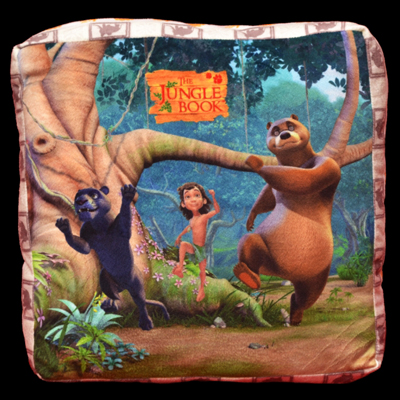
    MUMBAI: Viacom18 Consumer Products division is all set to bring all the jungle fun associated with the iconic Mowgli, Bagheera, Balloo and Sher Khan. The company recently inked an exclusive deal with animation and gaming firm DQ Entertainment to get the rights as a master franchise to launch the merchandise in India.


    This would be Viacom18’s second deal into representing brands outside the Viacom portfolio. The company plans to roll out the products by end of the year.


    Viacom18 Consumer Products Head Saugato Bhowmik said, “The Jungle Book is a great franchise with characters that are familiar, iconic and loved by children across the world. DQ Entertainment’s Jungle Book presents the characters in a fun and livelier manner which make the products more endearing and attractive to the consumers.”


    The Jungle Book merchandise will cover a whole range of products from apparel to accessories and from toys to books. To be promoted through Viacom18’s distribution network, the products will be available across all leading kids and toy stores, both across malls and standalone stores.


    DQ Entertainment CEO Tapaas Chakravarti said, “Our partnership with Viacom18’s Consumer Products division adds to the list of best-in-class partners that The Jungle Book has attracted globally. The Jungle Book has successfully managed to increase its market for the fourth consecutive year with broadcast in more than 165 countries and over 300 product categories ranging from books, apparels, toys, plush, bags, stationary and many others. We are sure children will love the merchandise of their favorite Jungle characters, brought to them by Viacom18.”


    The Jungle Book, penned by Rudyard Kipling is a children’s classic that has captured the imagination of millions of children across the world over the years. The show currently airs on Nickelodeon.