Tag: Commonwealth Games

  • Ten Sports gets patriotic before CWG 2014

    Ten Sports gets patriotic before CWG 2014

    MUMBAI:  T20 World Cup, IPL, FIFA and now the Commonwealth Games. It has been a remarkable calendar, so far, for major sporting events both at the domestic and the international level.


    With broadcasters acquiring broadcast rights of various sporting events, Ten Sports, one of the few players in the sports broadcast industry, has seen one such major acquisition – Commonwealth Games (CWG).


    The CWG, which begins from 23 July and go on till 3 August, will be telecast live on Ten Sports, Ten action and Ten HD live. The Games, which takes place once in four years, will be held in Glasgow, this time.  The sports broadcaster has launched an aggressive marketing campaign and pre build-up shows to educate audiences about sporting disciplines and medal prospects.


    According to media planners Rs 4.5 crore to Rs 5 crore has been spent on the entire marketing and promotional activities for these Games.


    The objective of the campaign was to create a larger than life stature of CWG in India and to engage fans to boost viewership. Once the Games begin, the channel will focus on throughout the day studio coverage and downlinking the match from Glasgow.  


    Fogg deodorants is the broadcast partner for the channel.


    Ten Sports global head Rajesh Sethi says, “Major sporting events like CWG and Asian Games gain a lot of fan interest in participating nations. I am confident that our comprehensive coverage will interest and engage every sports lover.”


    The channel’s special programming lineup includes Medal Hunt which will give an in-depth analysis of India’s medal prospects with current stars and past legends. Sporting Heroes profiles Indian sports stars. The profiling includes expectations from the Games, the journey to stardom, training regimen and life outside the sporting arena. The Commonwealth Show puts the spotlight on top athletes, showcases the venues, behind the scenes and insights about the events.


    The channel has come up with a total of seven TVCs. The videos have sportsmen like Sachin Tendulkar, Heena Sidhu, Sushil kumar, Rupinder Pal Singh PV Sidhu and Siva Thapa asking viewers ‘Kya Aapka Bhi Dil Dhadakta Hai Hindustan Ke Liye/ Does Your Heart Beat for India?’ The promos are running on both Ten Sports network and Zee Network.


    Vignettes too have been created. Blast From The Past is where stars relive the most famous victories in the sporting arena sharing anecdotes from the memorable victories. Know Your Sports explains the fundamentals of the sport and the various equipment used in a sport.  For What’s in my Bag athletes  talk about their kit, facts about the maintenance of the gear and any lucky charms they carry in the bag. It’s my Life is where stars talk about how they unwind-their passions other than sports and their favourite cuisine. Golden Moments is rare archival footage highlighting the achievements of some of the greatest athletes of all times. Quick Takes is interesting facts of Commonwealth Games including trivia about Indian performance.


    As part of the outdoor campaign, bus wraps have been used in Mumbai and Delhi on BEST, NMMT and HOHO buses. It also has a special tie up with Red FM for its radio campaigns in major metros.  Recently to promote the campaign an event was held in Delhi with a captive audience of 15,000, wherein well known comedian Kapil Sharma enthralled audiences.  


    On the digital front there will be live streaming on live.tensports.com. Tens Sports has a dedicated page on its website as well. There is also a section where fans can post messages to cheer team India. On Twitter, Facebook and Google +, trivia around CWG, player profiles, medal tally’s and contests are being held.


    According to Group M ESP national director- entertainment sports and live events Vinit Karnik “Since the last games were held in India definitely there will be some rub off on the current game. The audiences have warmed up since the last time, as they are more aware of the games which carry a sense of national pride.”


    The Games will see 17 sports and participation from 70 countries and a total of over 6,500 athletes. CWG will involve athletes from the Commonwealth nations including England, Australia, Canada, India and Jamaica. India ranked second at the last Commonwealth Games held in 2010 with 101 medals. The Indian government has already set a target of 125 medals for this season.


    Ten Sports also acquired the rights for UEFA Champions League and UEFA Europa League for a further period of three years till the 2017-18 season. The network has also acquired properties like German Football and the German Cup for four seasons. This promises to give audiences the opportunity to the see the world cup winners play for their clubs.


    US Open Tennis, I-League and The Ryder Cup in September and Hockey Champions Trophy in India in December are the other marquee properties that the Ten Sports Network has to offer in the coming months.

  • National sports academies for major sports: Arun Jaitley

    National sports academies for major sports: Arun Jaitley

    MUMBAI: The sports sector in India has received a major push in the Budget 2014 presented by Finance Minister Arun Jaitley.


    The FM announced that provisions will be made to set up National sports academies for major sports in India. While announcing setting up of a sports university in Manipur, Jaitley also allocated Rs 100 crore for Asian and Commonwealth games training.


    Jaitley also announced sops for sports in Jammu and Kashmir. He proposed to allocate Rs 200 crore for upgradation of sports facilities in the state.


    PricewaterhouseCoopers leader- entertainment & media practice India Smita Jha said, “You would agree with me that the Sports sector in India is much in need of transformation. Budgetary allocations towards upgrading sports infrastructure, training, nurturing best talent and setting up a sports university are in the right direction though the funds allocated are significantly less than what are needed. However, we welcome the recognition from the government that this sector requires significant investment.

  • Ten HD available on Tata Sky HD

    Ten HD available on Tata Sky HD

    MUMBAI : Ten HD, 24×7 Sports HD TV channel that showcases exciting sports action in High definition from its stellar line-up of Live Premier international sporting is now available on Tata Sky HD Channel No. 408.

    Mr. Rajesh Sethi, CEO – Sports Business, ZEEL, said “We’re extremely pleased to offer TEN HD to Tata Sky HD subscribers. TEN HD’s availability on Tata Sky will provide compelling sports content covering cricket, football, tennis, athletics, wrestling in High definition to HD subscribers. Tata Sky HD subscribers can look forward to exhilarating upcoming tours of Indian cricket team.”

    TEN HD will broadcast prominent properties like Cricket from South Africa, Sri Lanka and West Indies, 2014 Commonwealth Games, 2014 Asian Game, 2014 Hockey World Cup, US Open, ATP, WTA, UEFA Champions League , UEFA Europa League, French League, Moto GP, Tour de France and WWE.

  • Virgin Media goes for gold with Glasgow 2014

    Virgin Media goes for gold with Glasgow 2014

    MUMBAI: UK communications and entertainment company Virgin Media has been unveiled as the newest partner of the Glasgow 2014 Commonwealth Games.

    The company will also further support the Games as presenting partner of Athletics, which will be most evident during competition.

    The Games will take place in Glasgow from 23 July to 3 August 2014 and will feature 6,500 athletes and officials from across the Commonwealth. They will compete in the largest sporting and cultural event to happen in Scotland in a generation.

    Over one million people are expected to attend 11 days of world class competition, with up to 15,000 volunteers showcasing the best the city has to offer.

    Virgin Media CMO Jeff Dodds said, “Glasgow 2014 will bring together the greatest athletes from across the Commonwealth for one of the biggest sporting events ever to take place in Scotland.

    “With our Home Nation heroes and international superstars, we‘re getting behind Glasgow and can‘t wait to build on an amazing track record of success.”

    Glasgow 2014 chairman Lord Smith of Kelvin said, “We are delighted to welcome Virgin Media into the Glasgow 2014 sponsor family and we are hugely excited to be working with such a fantastic partner. Virgin Media is a highly regarded company and has such a strong presence here in Scotland.

    “We look forward to collaborating with Virgin Media, its customers and staff in developing some exciting engagement and activation opportunities over the coming months, which will really bring the partnership to life.”

    Commonwealth Games minister Shona Robison said, “As one of the UK‘s biggest communications and entertainment companies, Virgin Media‘s sponsorship of Glasgow 2014 is welcome and will help make next year‘s Games world class.”

    Commonwealth Games Scotland chairman Michael Cavanagh said, “We are delighted that Virgin Media has come on board to support Glasgow 2014 and Team Scotland. Our track and field athletes are showing great early season form as they strive for selection and I know just how much they are looking forward to competing at Hampden which is such an iconic venue for Scots. The athletics competition will be world class and it is fantastic that Virgin Media are going to be the presenting partner.”

    As an official partner and presenting partner of athletics for the Glasgow 2014 Commonwealth Games, Virgin Media will help promote the Games in the company‘s marketing and communications and will have a strong Games time brand presence.

  • ‘World Series Hockey will change the face of hockey as we know it’ : Wizcraft International director Sabbas Joseph

    ‘World Series Hockey will change the face of hockey as we know it’ : Wizcraft International director Sabbas Joseph


    In order to expand its presence in the sports world Wizcraft International has come on-board the World Series Hockey (WSH) as a franchisee. The franchise-based league initiative from Nimbus will be played across eight cities and kicks off on 17 December 2011.


    Wizcraft International bought the Delhi franchise and has called it Delhi Wizards.


    Indiantelevision.com‘s Ashwin pinto caught up with Wizcraft International director Sabbas Joseph to find out more on the company‘s plans and how he sees the league benefitting the sport.


    Excerpts:

    How did Wizcraft get involved with World Series Hockey?
    We have always been involved in Sport, be it the ceremonies of the Commonwealth Games or the Cricket World Cup and were very eager to get involved in a big way with Hockey.


    Wizcraft sees the WSH as an opportunity towards community building, giving our national sport a pedestal equivalent or maybe even bigger than other sports. We are keen on developing the sport and bringing it back in a big way.

    How does this broaden your presence and offerings as a company?
    We‘ve always tried to push the boundaries with everything we do and we are constantly looking to challenge ourselves with new endeavors.


    As a company, we have the resources and the determination to do this and we feel that World Series Hockey will establish Wizcraft as a player in the sports arena as well as entertainment. In fact we would work actively to combine entertainment and sport to create a success.

    What are your short term and long-term expectations from the league?
    We‘ve only just started and it will definitely be a challenge but we‘re sure that it will be a great success.


    Both our short term and long term expectations from the league are “Whatever is best for Indian hockey and sport”. We are confident that WSH will make a huge difference.

    From a commercial, viewership and player point of view what impact do you see the league having?
    From a commercial point of view I think it will change the face of Indian hockey as we know it. This initiative will make hockey ‘cool‘ and ‘exciting‘ again and it will revamp the image of our national sport.


    It will be a great opportunity for the players to get international training and exposure and develop their skills and really show their talent. And I think it will rouse the interest of the public as well. People will begin to get excited about hockey just as they do for cricket.

    It will certainly be a challenge to get sponsors in such a short amount of time, but we love a challenge

    Could you talk about the management team that has been put in place to look after the franchise?
    As of now, Wizcraft has the in-house expertise with a number of people working around the clock to manage the franchise and build the ‘Delhi Wizards‘ brand from the ground up, making it the national capital‘s pride.


    Additionally we have the world‘s best hockey coach, Roelant Oltmas and the captain Lucas Villa.

    Will Delhi Wizards be incorporated as a separate company?
    We are at a very nascent stage now. We are yet to decide the corporate structuring of the ‘Delhi Wizards‘. We will do all that is needed to give it impetus and independence.

    What is the overall investment being made by Wizcraft in the franchise and will this go up year on year?
    At the present moment we are committed to do all that it takes to make Delhi Wizards succeed. Expectedly our commitments will only increase year on year.

    By when do you expect to breakeven and what sort of a split do you see between central and local revenue?
    It is early. But we hope that we can break even within five years at least. The split between central and local revenue is projected to be equal.

    Why did you choose Delhi as the franchise base?
    We have already got a fantastic team in Delhi and we have our leisure and entertainment destination ‘The Kingdom of Dreams‘ there as well.


    We have also got a media and entertainment institute coming up in Delhi shortly and we felt that all of these factors would give us a bit of an edge.

    How did the name Delhi Wizards come about and what are the brand attributes of the team?
    Well, at Wizcraft we consider ourselves to be Wizzes and believe the hockey team should be an extension of this belief.


    They are another addition to the Wizcraft family which is why we call them the Wizards. It‘s also a tribute to Dhyan Chand, the wizard of hockey. Incidentally, our home ground too is named after Dhyan Chand.

    Has research been done by Wizcraft to show how the national sport is perceived?
    Yes, but I think it‘s pretty clear that our national sport doesn‘t get the recognition it deserves.


    It is riddled by politics and doesn‘t get the encouragement and distinction or reward that is needed. This is very sad and it is exactly the kind of perception that we would persevere to change.

    There are just a few weeks between the announcement of your franchise and the league starting. What challenges does this pose for you in terms of getting sponsors, getting the players to gel as a team?
    It will certainly be a challenge to get sponsors in such a short amount of time, but we love a challenge at Wizcraft and we‘re certain we will rise to the occasion.


    With regard to the team, we‘ve got the pick of the coaches in Roelant Oltmans, who is unarguably the world‘s best coach today and he‘s committed to working hard to get the team on the fast track and ready for the league. We‘ve also got some excellent players – a combination of international and local, experienced and really young – and we are very certain and the team will be more than ready by the time the league starts.

    Could you talk about your strategy during the players draft?
    We‘ve tried to pick a fairly balanced mix of players. We want to combine expertise with the eagerness of youth and create an environment that is conducive to learning and development.


    We‘ve also picked many talented players that can play in different positions making it easy to build a good team.

    Is it fair to say that a draft system is more cost effective compared to a player auction?
    Yes! It is very cost effective and it is also fair as there is an even distribution of quality players. Consequently, the picking of players is purely based on strategy. The draft system has been used very successfully in the US for the NBA. I think it works splendidly for us, as well.

    This year the NBA had a dispute with the players. Are there safeguards in place for WSH to ensure that this problem does not arise?
    The disputes between the NBA and the players arose solely due to the fact that the collective bargaining agreement (CBA) entered into between the NBPA (player union) and the league had expired.


    Both parties had failed to agree the terms on the renewal of the CBA which resulted in a lockout. Given that the players in World Series Hockey are currently working collectively as stakeholders for the league the need for a CBA does not currently arise, making the possibility of aforementioned NBA type dispute not possible.

    We are in the midst of an economic slowdown. In this situation how tough will it be to get sponsors?
    It is not easy but we‘ve seen a tremendous response to hockey by many corporations. Things are looking up for our national sport.


    We see corporates willing to go the extra mile to reclaim the country‘s pride in our national sport. In the case of hockey it is more CSR than sponsorship!

    If you want to succeed then the franchise must be in the public‘s eye for the major part of a year and not just for a couple of months. How do you plan to do this?
    We plan to undertake community engagement programmes to ensure that the franchise engages with its most important stakeholders: the people. Coaching programmes, club tournaments and school engagement will be the key to connecting with our fan base through the year.

    Will the franchise have an active digital presence?
    The franchise already has an active digital presence. We have a strong digital team working on it and the website will soon be up and running.

    Would you look at grassroots level activities to identify new talent?
    Yes, definitely. We plan to develop the sport and create an interest in hockey. Our stakeholders will see us as a brand new light in the area of sports.


    As said earlier, we would have coaching camps,tournaments, a search for hockey talent that would commence in the months after the tournament.

    What other sports is Wizcraft looking at being involved with?
    For now we want to focus on hockey and really do our best with developing the sport and getting more people involved. In the future we would like to translate this success across other sports.


    You have won awards for events like the opening ceremony of the cricket World Cup. How important is innovation in experiential marketing?
    Innovation is very important. In fact, sometimes it is the thing that makes the difference between a run-of-the-mill engagement and something that will be memorable. It keeps the event alive and fresh.

    You have won awards for events like the How important is innovation in experiential marketing?
    Innovation is very important. In fact, sometimes it is the thing that makes the difference between a run-of-the-mill engagement and something that will be memorable. It keeps the event alive and fresh.


    As said earlier, we would have coaching camps,tournaments, a search for hockey talent that would commence in the months after the tournament.


    What other sports is Wizcraft looking at being involved with?
    For now we want to focus on hockey and really do our best with developing the sport and getting more people involved. In the future we would like to translate this success across other sports.


    You have won awards for events like the ricket World Cup. How important is innovation in experiential marketing?
    Innovation is very important. In fact, sometimes it is the thing that makes the difference between a run-of-the-mill engagement and something that will be memorable. It keeps the event alive and fresh.
  • Media creating negative impressions in reportage: PM

    Media creating negative impressions in reportage: PM

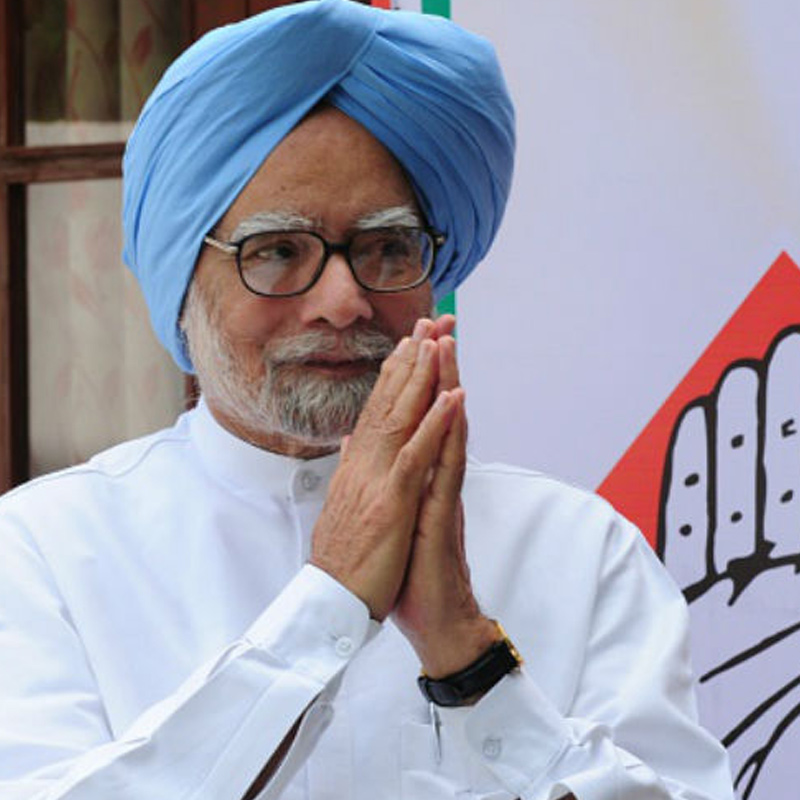
    NEW DELHI: Prime Minister Manmohan Singh today said the coverage of various scams by the electronic and print media in the past few months had unfortunately created an impression that ‘we are a scam-driven country and that nothing good is happening in our country.’

    Singh added that in the process, “I think we are weakening the self-confidence of the people of India. I do not think that it is in the interest of anybody in our country.”

    At the same time, he lauded the media for drawing the country’s attention to some aberrations whether in the form of allocation of 2G spectrum, the Commonwealth Games and more recently some developments in the Space organisation, and the Adarsh society affairs.

    “I think the media has played a very important role in drawing the country’s attention to these issues which require corrective action’. He also remarked about the media referring to him as a ‘lame duck Prime Minister.”

    Dr Singh was making opening remarks to editors from the electronic media in the capital. Later he answered questions relating to various issues including the scams and the economy.

    He said: “The media has an obligation, the Government has an obligation, the Opposition has an obligation that we work together in a spirit that India as a whole has to march forward.”

    He concluded: “So I would wish to mention to you that in reporting the affairs of our nation, we must not focus excessively on the negative features, important though it is that the government should deal with them, to take effective action and you have my assurance that wherever such corrective action is required, our government will take that action and will bring the wrong doers to book.”

    The media has, he said, a very important role to play in a functioning democracy that India is and “let us work together to revitalise the spirit of rejuvenation, spirit of self confidence that we have problems, but we also have credible mechanisms to overcome them.”

  • Prasar Bharati: A year of controversies

    Prasar Bharati: A year of controversies

    The successful and neat coverage of the Commonwealth Games on the one hand and the messy affair of the B S Lalli ouster dominated a major part of the activities of Prasar Bharati during 2010, the only other tremor being the lightning mass casual leave towards the end of the year.

    Lalli‘s woes

    Following a reference to her by Prime Minister Manmohan Singh, President Pratibha Devisingh Patil finally gave her consent early in December to an inquiry by a Supreme Court judge into financial irregularities by Prasar Bharati chief executive officer Baljit Singh Lalli.

    The Central Vigilance Commission had in mid-November established four of the seven charges by the Central Vigilance Commission (CVC) against Lalli. The charges were related to contracts for management of advertisement revenue arising from the telecast of cricket matches on Doordarshan during 2007; the non-telecast by Doordarshan of T-20 cricket World Cup matches held in South Africa in September 2007; engagement of legal entities to represent Prasar Bharati; purchase of radio broadcasting rights for 13 cricket series held during 2007-09; and hiring of transport and accommodation for the conduct of the Commonwealth Youth Games in Pune in 2008.
     
    Though this initially led to Lalli’s wings being clipped with a three-member committee with the Members (Personnel) and (Finance) along with the CEO being asked to run the pubcaster, it was ultimately decided to suspend Lalli and Information and Broadcasting Ministry additional secretary Rajiv Takru was appointed the officiating CEO of Prasar Bharati, pending inquiry by a Supreme Court judge.

    As Takru who is an Indian Administrative Service officer of 1979 batch is a senior Ministry official, this raised the issue about whether this implied a complete takeover of the autonomous pubcaster by the Ministry.

    The Board also formed five committees dealing with the subjects of finance, personnel, production and content, project monitoring and implementation and strategy and vision with a view to streamline the functioning of the national broadcaster.

    CWG and its aftermath

    Though the coverage of the Commonwealth Games in October went off without any hitch despite fears, Prasar Bharati‘s total revenue from the Commonwealth Games stood at Rs 581 million, falling far short of the expected target of Rs one billion.

    Of this, Doordarshan posted revenue of Rs 559.9 million, contributing to a major slice of Prasar Bharati‘s income during this period.

    Doordarshan had earned only Rs 36.98 million from the Olympic Games in Beijing in 2008, Rs 1.3 million from the Commonwealth Youth Games in Pune in 2008, and Rs 360,000 from the World Military Games in 2007 in Mumbai and Hyderabad.

    The pubcaster is attempting to get exclusive telecast rights in the country of the Olympic Games 2012 in London.

    The Commonwealth Games were covered by Prasar Bharati in agreement with UK-based Satellite Information Services (SIS) Live. The British broadcasting group had been shortlisted out of the two consortiums which had filed their bids when the last date closed for this purpose.

    Disgruntled Staff

    Prasar Bharati was jolted out of its complacency when a majority of the staff of Doordarshan and All India Radio went on a lightning mass casual leave under the aegis of the National Federation of Akashwani and Doordarshan employees on 23 and 24 November, affecting transmission for around 48 hours.

    NFADE, an umbrella organisation of 21 service associations, was protesting against the ‘mess created in Prasar Bharati over the last two years’ and seeking a repeal of the Prasar Bharati Act 1990 on the ground that it has no relevance in today’s context.

    While radio was badly affected and beamed repeat programmes, Doordarshan kendras managed by taking the feed from Delhi.

    The NFADE had threatened a second round of 72-hour mass casual leave from 13 to 16 December, but this was prevented almost at the last minute after hectic negotiations, and the pubcaster setting up a committee headed by V Shivakumar, Member (Personnel) in the Prasar Board, which will have representatives of the Federation to examine the various grievances raised by them.

    The Ministry assured NFADE that it was prepared to examine various clauses of the Prasar Bharati (Broadcasting Corporation India) Act 1990.
     
    The Group of Ministers on Prasar Bharati is already dealing with the issue, although Minister Ambika Soni said that repealing the Act as demanded by the NFADE would be counter-productive and the United Progressive Alliance would be accused of trying to control the media.

    Government to continue support to Prasar Bharati

    The Group of Ministers (GoM) attached to Prasar Bharati, reconstituted early in 2010 with Home Minister P Chidambaram at its head, recommended in mid-December that the level of government support should be maintained for the public service broadcaster for the next five years from 2010-11 to 2014-15.

    This support will be reviewed after this period is over. However, the GoM has also said 50 per cent of the annual operating expenses of the Prasar Bharati should be borne by the pubcaster from its internal extra budgetary resources while the remaining 50 per cent will come from government grants.
    The GoM also recommended that the accumulated arrears of space segment and spectrum charges of the pubcaster up to 31 March 2010 should be waived, and future charges would be included in the total operational expenses.

    The GoM is also clear that plan capital funding by government to the pubcaster may be in the form of grant-in-aid and not in the form of loan. The loan-in-perpetuity and capital loan should be converted into grants, and the interest on loan-in-perpetuity, capital loan and penal interest should be waived.

    The ban on recruitments should be relaxed and the GoM set up a four-member Committee of Joint Secretaries to look into various demands of employee organisations. This is in addition to the Committee under Prasar Bharati Board Member (Personnel) V Shivakumar after the mass casual leave by employees.

    In addition, a scheme of Rs 6.2 billion has been approved for Doordarshan and Rs 9.08 billion for All India Radio for the purpose of digitisation under the Eleventh Plan and is already under implementation.

    Clearly, this was done because the pubcaster is under financial stress. Prasar Bharati has posted revenue of Rs 4.66 billion for the six-month period ended September, while expenditure stands at Rs 12.05 billion.

    Prasar Bharati had posted revenue of Rs 11.76 billion for the fiscal ended March 2010 while expenditure stood at Rs 29.49 billion.

    Staff shortage

    Despite long agitation by various sections of staff in Prasar Bharati and even strong strictures by Parliamentary Committees, All India Radio and Doodarshan continue to suffer from massive shortage or sanction of trained manpower.

    A total of 46 low power transmitters are presently relaying partial transmission (including ten each in Andhra Pradesh and Orissa) and activities at 22 Doordarshan studio centres are limited.

    Similarly, a total of 24 stations of All India Radio in different parts of the country are only working as relay kendras, while another five – Dharmanagar and Longtherai in Tripura, Dungarpur in Rajasthan, Rairangpur in Orissa, and Suryapet in Andhra Pradesh – are technically ready but not commissioned because of shortage or sanctioning of trained operational and maintenance staff.

    Doordarshan at present has 66 studio centres and 1415 transmitters. In the case of AIR, stations are functioning at a total of 238 places. AIR has a total of 380 transmitters (177 FM, 149 MW, and 54 Short Wave).

    Some of the AIR transmitters are working sub-optimally as they have outlived their useful life of more than 20 years. Problems have also been faced in AIR because of shortage of staff. The old transmitters are being replaced in phased manner with state-of-the-art Digital Technology Transmitters. Replacement or upgradation of 34 FM Transmitters, 40 Medium Wave Transmitters, and five Short Wave transmitters have been taken up in the Eleventh Plan, and the quality is expected to improve after this work is completed.

    Early in 2010, Prasar Bharati had been reprimanded by the Parliamentary Committee on Empowerment of Women for its lethargy in not finalising recruitment rules and failing to make recruitment in the Indian Broadcasting (Programme) Service started in 1990 to train a separate cadre of employees for All India Radio and Doordarshan. Towards the end of the year following an agitation by employees, a task force was set up to go into manpower and recruitment problems.

    While the Committee welcomed the decision that all Central Government employees recruited for Akashvani or Doordarshan until 5 October 2007 are to be deemed as on deputation with effect from April 2000 until their retirement, it regretted that its recommendation in 2009 for finalisation of recruitment rules to implement this within three months had not been complied with.
     
    The Prasar Bharati Amendment Bill 2010 giving effect to the recommendation of the GoM for treating all government officers and employees recruited by All India Radio or Doordarshan as on 5 October 2007 to be on ‘deemed deputation‘ with effect from April 2000 till the time of their retirement was introduced in Parliament towards the end of the year.

    It had observed in 2009 that there was a shortage of 44.8 per cent of the sanctioned strength in group ‘A‘ and about 40 per cent in Group ‘B‘ in Doordarshan, and 58.8 per cent of the posts in Group ‘A‘ were vacant in All India Radio. As many as 4629 posts in Doordarshan and 6433 posts in All India Radio remain unfilled.
    It noticed that recruitment to the post of programme executives was last made 18 years earlier in 1991. The case is no different in various other categories of AIR and Doordarshan.

    However, Soni said towards the end of the year that the government was considering a roadmap for taking new initiatives in the Prasar Bharati set up. The initiatives would aim to firm up the mandate given to Prasar Bharati as a public broadcaster, Soni added.

    Though the Prasar Bharati (Broadcasting Corporation of India) Act was passed in June 1990, it was notified as a statutory corporation only from November 1997. Section 11 of the Act had given employees the option to decide whether they wanted to join the Corporation or go back to the government, but no action was taken as the rules for various categories of employees have not been drawn up in the past 12 years.

    After a long gap of almost 20 years, the Ministry sent a proposal to the Union Public Service Commission for reviewing of the Departmental Promotion Committee for the year 1990 to 1993 for promotion of programme executives and other feeder grades of the Indian Broadcasting (Programme) Service.

    The much-delayed action was taken on the directions of the Principal Bench of the Central Administrative Tribunal (CAT) in New Delhi for promotions to Junior Time Scale of the IB(P)S.

    DD Modernisation

    Early in 2010, the Union Cabinet gave the green signal on the proposal for digitisation of transmitters and studios in the Doordarshan network during the 11th Plan, and Prasar Bharati got a plan allocation of Rs 6.2 billion to begin work on 40 digital terrestrial transmitters and other equipment.

    The approval by the Cabinet Committee on Infrastructure covered the networking of DTT through satellite, augmentation of Digital Media centers (DMCs) by providing the following: equipment and facilities for maintaining the digital infrastructure; five sets of digital measurement equipment at zonal offices; 60 UPS at High Power Transmitters to ensure uninterrupted power supply, R&D and Training; digitalisation of 31 partially digitalised and 8 analogue studio centers; digitalisation of archiving facilities; and digitalisation of news automation system and e-governance and IT scheme.

    Earlier, Doordarshan had set aside an amount of Rs 12.09 billion of a total approved outlay of Rs 13.69 billion just for digitisation in the 11th Five Year Plan (2007-2012).

    The Ministry had prepared a proposal for Rs 6 billion to Doordarshan for completing digitisation. The Government is confident of meeting its deadline of complete digitisation of the electronic media by 2017.

    The DD Urdu channel, which had failed to take-off despite being included for mandatory carriage by all cable operators, is set for a revamp and re-launch. The channel, which was launched on 15 August 2006, had initially begun beaming with sponsored programmes or those taken from other channels of Doordarshan. It has begun commissioning of new programmes.

    Additionally, the channel had allotted a daily slot to the Maulana Azad National Urdu University for the telecast of informative and educational programmes produced by its Media Research Institute after a five-year MoU that continues till 2012.

    The channel is telecast on INSAT 4A satellite and has also been brought on the Digital Video Broadcast – Hand-held (DVB-H) mode.

    DD Urdu presently telecasts a fresh band from 5 pm to 11 pm and the shows are then repeated on the channel.

    The channel has been riddled by a number of controversies. Initially, it had been found that blank tapes had been submitted by producers who had failed to complete the shooting of their 13-episode series when the channel was first launched. Later, there were complaints of lack of trained staff.

    AIR Modernisation

    While the Planning Commission in a report had said that a sum of Rs 59 billion would be required over the next ten years for digitisation of All India Radio, the Information and Broadcasting Ministry has prepared a proposal for Rs eight billion for expediting digitisation in AIR.

    Doordarshan and AIR, which beam terrestrially to reach all over the country, have both stepped up the process of digitisation, which will free up spectrum currently used for analogue transmission, allowing more channels to come in.

    All India Radio has 374 transmitters as compared to 299, when Prasar Bharati was formed. But 200 new AIR transmitters have been approved in spillover schemes under the 11th Five Year Plan.

    The Planning Commission, in its report on Going Digital presented in October 2006, decided to go in for 100 per cent digitisation of FM radio and five short wave radio stations. Thus, Prasar Bharati would require Rs 94.31 billion over a period of ten years.

    As far as AIR is concerned, an outlay of Rs 36.8 billion is meant for the infrastructure required for digitisation, which includes Rs 5.35 billion for external services (short wave transmission).

    The Commission said the revenue generation capacity is expected to increase and it is expected that just over Rs 169 billion would be earned by Prasar Bharati during this period.

    At present, AIR employs transmission in MW, SW and FM band in analogue mode only. Only one Low Power DAB transmitter at Delhi has been set up for experimental purposes.

    Keeping in view the worldwide trends of transition in digital mode, AIR plans to introduce Digital Radio Mondale (DRM) transmission below 30 MHz – MF and HF band – by upgrading its existing DRM compatible transmitters. All new transmitters including the replacement of old transmitters would be done by DRM compatible transmitters. For transmission, above 30 MHz introduction of DRM + and DAB are being examined.

    However, all digital transmission as and when introduced, will be in simulcast mode for about 10 years. This would be necessary as receivers in the beginning may prove costly. Once the receivers become affordable by the masses, the simulcast mode would be phased out.

    With a view to provide digital quality direct sound broadcast to the listeners, it is proposed to expand the existing DTH services during the 11th Plan.

    AIR has plans to introduce its audio multimedia contents both in satellite and terrestrial mode to the mobile hand held devices in DMB/ DVB-H/ other standards.

    It is proposed to use the Internet platform to serve listeners having internet connectivity. This will support non-linear listening. Though no additional spectrum is required for DRM transmissions in MW and SW band, additional spectrum would be required for DRM transmitters in FM and VHF band as well as ‘L’ Band.

    During the migration from Analogue to Digital Radio, new frequency assignments are to be identified to facilitate smooth migration and for some time, both the existing analogue transmissions as well as new digital transmissions would continue. Hence, there will be spectrum constraint during this transition phase. Also, the spectrum for digital migration may need to be identified for both Prasar Bharti as well as private FM broadcasters.

     
    The Telecom Regulatory Authority of India (Trai) had suggested a three-stage process of digitisation: Tier One cities by 2013, Tier Two cities by 2014 and Tier Three cities by 2016. But this needed indepth study and consultation with the stakeholders including cable operators, multi-system operators, and broadcasters, the regulator said.

    Meanwhile, All India Radio is all set for an exponential growth. Presently broadcasting FM channels from 172 stations, AIR has commissioned another 320 FM radio stations. As many as 246 of these will be transmitters beaming programmes from other centres.

     
    Of the AIR FM stations under implementation in various parts of the country,
    Uttarakhand is to get the largest number with seven. Following this will be Andhra Pradesh, Uttar Pradesh, Assam and Maharashtra who are to get six channels each. Arunachal Pradesh and Orissa will have five each and the other states will get two to four channels each.
    A sum of Rs 1.44 billion has been allocated in the Eleventh Plan for expansion and revamping of the FM transmitter network while a sum of Rs 3.85 billion has been approved for expansion and revamping of the Medium Wave channels of All India Radio.

    In addition, there is a non-plan allocation of Rs 900 million from Internal Extra Budgetary Resources (IEBR) for programme activities, and Rs 100 million for development of programmes under the Software Plan Scheme.

    A scheme of Rs One billion has been approved by the Government for strengthening the transmission of broadcasting signals in Jammu and Kashmir to counter hostile propaganda from across the border.

    AIR also received a boost with the Government deciding to permit relay of All India Radio news (unaltered) by private FM radio channels on such terms and conditions as worked out with Prasar Bharati. The government, thus, rejected the view of Telecom Regulatory Authority of India (Trai) that news should be allowed to be accessed from AIR, Doordarshan, Press Trust of India, United News of India, and any other authorised news agency or television news channel.

    Controversies

    The year was not without its share of controversies as far as Prasar Bharati was concerned. Doordarshan issued disconnection notices to seven channels to make place for the high definition channels that were launched to coincide with the Commonwealth Games on DD Direct Plus which is the only free to air direct-to-home platform.

    But Doordarshan was forced by the Telecom Disputes Settlement and Appellate Tribunal (Tdsat) to let channels of the Zee group, Enter 10 Television and Seven Star Satellite remain on DD Direct Plus.

    The country‘s only free-to-air DTH platform has a capacity of 59 channels while it beams 57 TV channels, apart from 21 channels of All India Radio. The TV channels include 21 Doordarshan channels.

    The augmentation of the capacity of the country’s only free direct-to-home platform DD Direct Plus to 97 channels will cost Rs 554.3 million. The augmentation in the first phase will be completed on 31 March 2011. The plan is to increase DD Direct Plus‘ capacity to 200 by the end of the financial year 2011-12.

    In yet another controversy, CEO Lalli denied any move to change the frequency of the popular All India Radio FM Gold from 106.4 to 100.1 MHz. Lalli blocked any move to change the frequency, when it was brought to his notice on 31 October.

    Asked why FM Gold was on the same frequency which was used by Radio Dhamaal in 10 other cities, Lalli said this was the work of the Wireless Planning and Coordination (WPC) wing of the Department of Telecommunication. However, he said he had already made a noting in this regard for the reference of the Information and Broadcasting Ministry. FM Dilli on 100.1 MHz had been launched especially to carry commentaries of the Commonwealth Games, and the channel has been shut down.

    Indo-Bangla Treaty

    India and Bangladesh agreed in 2010 to exchange programmes through their respective radio and TV organisations and provide facilities for visiting radio and TV persons in each other’s country associated with the development of broadcasting.
     
    The two countries will also exchange two journalists each including those engaged in dissemination of Government information. This followed the signing of a Cultural Exchange Programme for 2010-2012 to promote cooperation in the fields of art and culture, youth affairs and sports, and mass media.

  • Cricket has no losers in 2009

    Cricket has no losers in 2009

    MUMBAI: The Indian Premier League (IPL) emerged as a clear winner in 2009, but fortunately for sports broadcasters cricket had no losers. The three formats – Twenty20, ODIs and Tests – continued to have their relevance, particularly when the game engaged India.

    In a year hit by severe slowdown, sports broadcasters posted growth and raked in an advertising revenue of Rs 11 billion. The heavy load of sporting events in 2010, including T20 World Cup, the soccer World Cup and the Commonwealth Games, holds out more hope for sports broadcasters in India.

    Multi Screen Media (formerly Sony Entertainment Television) collected close to Rs 4.5 billion from the IPL telecast, setting the ball rolling for the tourney to emerge bigger. The company is already targeting an advertising revenue of Rs 7 billion this year, an almost 50 per cent jump from the second edition of the IPL.

    The IPL saga, in tune with the BCCI‘s (Board of Control for Cricket in India) propensity to extract the maximum value from its properties, had many twists and turns during the course of the year. MSM had to get back the broadcast rights from the cricket board after settling to pay more. The deal, running through till 2017, was signed for $1.6 billion and includes World Sport Group‘s global and other media rights.

    The IPL also had to seek temporary shelter in South Africa as the tournament window coincided with the general elections in India. Though this involved more costs, the brand got an international exposure. TV ratings stayed high with Max, the telecasting channel, enjoying a TVR of 4.2 from the event.

    Says Lintas Media Group Planning Sciences director Atrayuee Chakraborthy, “IPL2 in the first 20 days had captured a significant 82 million viewers as compared to 85 million in the year-ago period. TVRs had dropped because of reduced time spent as quite a few matches were scheduled on weekdays and in off-prime time. But, as per our estimates, a significant 26 per cent watched IPL2 matches out of home, which can‘t get reflected in TV household panel ratings of Tam.”

    The IPL will get more exposure in 2010 with Dubai-based Dar Capital picking up the theatrical rights. The third edition of the tournament will be screened in cinema theatres across the country.

    While the IPL has done well, the Twenty20 format does not always work. A case in point is the Champions Twenty20 League. ESPN Star Sports, which had paid $975 million for the rights, would not be happy with the ratings that the first edition got. Luckily for ESS, the Twenty20 World Cup did better with a rating of 3 although India exited early. Even the Champions Trophy did not do too badly with a rating of 1.6.

    Essel Group‘s Indian Cricket League (ICL), IPL’s poor rival, disappeared from the act. In 2009, the ICC denied the ICL official recognition. The ICC said the Board went through the application carefully, including assessing it against the criteria within the ICC regulations for approving such events. It also maintained that the event did not meet its criteria for approving as ‘unofficial cricket’.

    The BCCI, which had been waiting all along for this decision, then allowed ICL players back into its fold if they severed ties with the rebel league. Several months later, ICL responded by sending a legal notice to the ICC, BCCI and the English Cricket Board. If the ICC is toeing the BCCI‘s line, then one cannot put too much blame on them as over 80 per cent of the game‘s revenue comes from India. Financial reasons were behind the English Cricket Board’s decision to scrap plans for P20. Australia, New Zealand and South Africa are, however, looking at a joint league from 2011.

    Meanwhile the ODI and Test Cricket formats are holding their ground, at least when it comes to bilateral series featuring India.

    As far as television rights are concerned, Nimbus protected its turf by renewing its deal with the BCCI for another four years. The new deal is said to be worth Rs 20 billion but the rights do not include mobile and the Internet. The broadcaster also has to submit a bond by January 2010.

    ESS, meanwhile, renewed its rights for the English Premier League. Also, Ten Sports extended its deal for the Uefa Champions League for three more years.

    New channel launches

    On the back of the IPL, MSM is planning to launch a sports channel. With major cricket properties being locked up for the long term, it remains to be seen how MSM can build a channel with the IPL and New Zealand cricket rights.

    The sports broadcasting genre could get at least a couple of new entrants in 2010. ESPN Star Sports is waiting for permission to launch a sports news channel. Taj Television, meanwhile, has sought permission for three more channels including a Golf channel.

    Overdose of cricket can have negative impact

    Cricket’s organising bodies like the BCCI will have to decide on how much cricket is healthy and where to draw the line. An overdose can kill the golden goose.

    Advertisers are preferring bilateral rather than tri-series as the ratings are more consistent in such tournaments. Says Chakraborthy, “Test cricket is still effective in building brand saliency among the hard core cricket fans. However, the Twenty20 format allows you to target a far wider audience including the family. As the IPL gets bigger, it will suck out more money from sports advertising. Companies who spend the most on cricket come on the IPL. So while the number of categories that invest in cricket has grown over the past couple of years, other tournaments could find it hard to get in similar big outlays from other companies who do not spend as much on cricket.”

    A case in point is what happened with the BCCI team sponsorship rights. The board was forced to extend its deal with Sahara for another six months after the tender that it floated failed to get a single bid. The BCCI was looking at a price of Rs 30 million per match while Sahara is currently shelling out Rs 20 million a match.

    Some analysts say that the board went overboard in the price it was asking for. But with so much cricket happening, sponsors‘ budgets are getting cleaned out quickly and there is small space to make substantial investments in other properties.

    So what are the challenges that the bat-and-ball game faces in its aim to get in more ad revenues? Chakraborthy says that simple FCT consumption and logo exposures in cricket may not help in the long run. “Brand message integration and audience engagement are the other aspects that the game needs to crack to garner ad revenue as they move forward,” she adds.

    And what about other sports? The biggest beneficiary seems to be soccer as the appeal is spreading beyond just Goa, Kerala and West Bengal. Viewership of this sport in the metros is on the rise and it is becoming an effective medium to reach the upper class male particularly for events like the English Premier League and the Uefa Champions League. However sports like tennis and Golf are still niche in nature.

    The Piracy Menace

    Another issue that is concerning stakeholders is that of piracy. The BCCI, along with the other boards, has set up a consortium to fight against it. The areas that need to be addressed are trade mark infringement, Internet piracy and footage violation.

    Sports broadcasters, in particular, have a grouse against news channels who they feel repackage footage beyond what should be allowed. The cricket boards are also looking to work with the Sports Rights Owners Coalition (SROC) to form a legal framework for the different boards.

    2010 will see the unveiling of cricket‘s next six-year plan of fixtures, crucial to the survival of formats like Test cricket.
     

  • ‘India is a very important part of our growth strategy’ : Marcus Luer- Total Sports Asia CEO

    ‘India is a very important part of our growth strategy’ : Marcus Luer- Total Sports Asia CEO

    Total Sports Asia (TSA) has big plans in India. Though it has concentrated on soccer, golf and badminton, the specialist in personalised sport and entertainment solutions is now looking at the opportunity of getting involved with the Indian Premier League (IPL). It views the team franchises as a hot property, offering a wide spectrum of revenue streams.


    Launched in India five years back, TSA has made progress in different areas like representing World Wrestling Entertainment (WWE) and organising the opening and closing ceremonies of the World Military Games. The plan is to also get involved in the high-profile, high-stakes game of cricket.


    In an interview with Indiantelevision.com‘s Ashwin Pinto, Total Sports Asia CEO Marcus Luer discusses about the dynamics of the sports marketing business and the company’s growth plans.


    Excerpts:

    How would you describe the progress that Total Sports Asia has made since launching in India five years back?
    TSA has grown from a small team in Mumbai to two fully operating offices in Mumbai and Delhi. We work across all our core business lines in India now – media rights, sponsorship, events and consulting. Over the years we have been involved in a host of different activities from the management of the World Military Games Opening and Closing Ceremonies to licensing deals for WWE. This is partially due to the nature of the Indian sports landscape and our wide range of skill sets. We are continue to explore various niche areas and are comfortable across many different sports.

    What will be your key areas of focus in India?
    India will remain a core market for TSA and we have identified certain sports and entertainment content which will be our focus. Without giving away too much, football, badminton and golf will be an important element for us. We have also identified a variety of local events which we believe have long term potential and we are keen to develop further.

    In terms of revenue and business generated, how important is India vis-a-vis the rest of Asia?
    I see India as a very important part of our growth strategy in the short and long term. The market has tremendous potential and we will continue to grow our presence.

    How does the deal with Nectar Capital benefit Total Sports Asia?
    The simplest way to look at this is that Nectar Capital provides us with additional fire power in terms of funding and financial business acumen. Having a strong PE partner makes us a better company.

    Cricket is the dominant sport in India . How come you have not been more active in this space?
    We have been involved but haven’t been that high profile. There are lots of discussions behind the scene and it is best left at this.

    There are many great value-for-money projects which deliver a strong demographic audience and RoI for the sponsors. Our involvement in the Kerala Boat Race comes to mind. This is one of the biggest tourist festivals in the country and with us getting involved, the event will be elevated to a completely new level

    Are you looking at associating with an IPL franchise to help them monetise and plan better?
    Yes, I do believe that IPL franchises have great commercial potential and only very few truly maximise their commercial rights. There has been a lot of noise and too many people claiming that they represent this team or that team. We are quite happy to wait for the dust to settle and then have a smart partnership with the right franchise. The IPL is here for the long-run and so is TSA. The teams will work out pretty soon who is for real and who just talks.

    India will be hosting three big events over the next couple of years – Commonwealth Games, cricket World Cup and hockey World Cup. There is also the possibility of F1 race taking place. What opportunities does TSA see for itself here?
    These events represent great opportunities for us. We are in different discussions on all 3-4 of them. Some opportunities relate directly to our own core services whereas in others we have teamed up with global partners who will bring in the required skill and services. We are also involved in the World Championship of Badminton in Hyderabad this year, another global event in the country.

    India has commonly been called a one-sport country. Will so many big ticket events taking place here change things in any manner?
    Yes! I do believe that India is becoming more open to other sports, especially when there is the local hero factor. Saina Nehwal’s recent success in Badminton and the subsequent coverage in the local media shows that people love to see a winner.This was similar when Sania Mirza appeared a few years ago. With more major international events in the country and also better training facilities in other sports, India has the human capital and potential to excel in many areas.

    You have plans in badminton with the World Championship this August in Hyderabad. Do you feel that this could be the catalyst for viewership of this sport to grow?
    Yes! As I mentioned, badminton is a core sport for us and we are excited over the prospects of this event in India. With Saina Nehwal stepping out of the shadow of the Chinese players, the timing could not have been any better. If she continues this way, we could see an Indian World Champion being crowned on home turf. I think this would put the sport on a fast track to truly make an impact. Badminton has a strong grassroots following but that has not translated into commercial success yet.

    How did the deal with Nirmal Lifestyle come about for the US Open?
    It was a collaboration between us and the client. We were given a brief and a vision of what Nirmal was looking for and then went out to find the right partners and build a concept around it. It is truly a unique deal for all parties involved and we are confident to add more deals in this space.

    What are the other kinds of innovative tie ups that Total Sports Asia is looking at?
    There are a host of other unique licensing deals being discussed with global recognised sports brands but it is too early to reveal.

    Is there more of an understanding among clients in India about how sports can be used for brand building beyond just cricket?
    Yes! I do believe Indian brands appreciate that we don’t just talk about cricket when we sit in front of them but truly show them the opportunities with other sports or entertainment concepts. There are so many other great value-for-money projects which deliver a strong demographic audience and RoI for the sponsors. Our involvement in the Kerala Boat Race comes to mind. This is one of the biggest tourist festivals in the country and with us getting involved, the event will be elevated to a completely new level.

    You did a deal with Real Madrid for mobile content in Japan. Will this kind of a service come to India shortly with soccer growing in popularity?
    We represent the Real Madrid mobile rights and many other top sporting mobile rights for India as well. Mobile content growth is directly related to the local network capabilities. Having a large customer base in India is a great starting point but the lower spectrum of bandwidth still stops ‘rich’ content from truly being consumed in India. This is just a matter of time when new technologies will make this experience available in the market.
    You also recently did a deal with mlogic. Is leveraging the new media space becoming more of a focus area for TSA?
    We are in the process of launching our own online channel (www.totalsports.tv). This will stream live action from various events including the World Championship of Badminton in India and the US Open tennis over the internet. The service is in partnership with Octopus Media in the UK.
    Are you planning to work with sports bodies in India to grow sport at the grassroots level?
    In general we have a more top down approach. We start with media rights, build an awareness and presence for the sport on TV, and then develop a great ‘live’ experience for the fans. We let the fans touch and feel the sport and the stars and then give the fans what they want in terms of other interaction and experiences to allow them to truly immerse themselves with their favourite sport, team or athlete. This is currently the smarter route to develop the right level of awareness and commercial interest in a sport. That does not mean grassroots is not important and needs to be nourished. I truly believe that’s where the government needs to step up and provide the necessary infrastructure and financial support. Agencies will then be able to support that effort.
    Does TSA have plans in the player representation area in India and Asia?
    I’m sure this will be a natural process coming out of our involvement with certain sports and sectors.
    Apart from India, China is another key market for you. How did the Olympics impact the dynamics of the sports marketing business in that country?
    There are clear signs that the event has changed the perception of sport in China forever. The local athletes have become the true heroes of the games and many more stars will come out of the young generation who watched the Games from the sideline. At the same time, the typical Olympic hang over in the commercial sector was also felt, coupled with the global recession. So several new initiatives were shelved or put on hold. Overall, sports in China will continue to grow in double digit figures and the country will continue to produce world class athletes in many disciplines. The investment in the Games will pay off over the next 10-20 years and will make China a huge force in sports globally.
    How do you see the current economic downturn impacting the sports marketing business in India and Asia?
    The first five months of the year were difficult with a lot of negotiations slowing down or being put on hold. In the last two months we see a lot of renewed interest and discussions being revived. I believe that the corporate sector has managed to see the light at the end of the tunnel and worked out how they need to deal with the climate. Lots of projects for the later part of the year and next year are in full swing.
  • Prasar Bharati gets Rs 3.3 billion loan to set up broadcast centre for Commonwealth Games


    NEW DELHI: Prasar Bharati is to get a loan of Rs 3.26 billion towards setting up an ‘International Broadcasting Centre’ and other facilities as a host broadcaster for the Commonwealth Games 2010.


    This is in addition to the grant-in-aid to the tune of Rs 11.42 billion, according to the Union Budget for 2008-09 presented to Parliament today by Finance Minister P Chidambaram.

    The loan will also be aimed at meeting the capital expenditure of the public service broadcaster.

    In a major decision taken during the presentation of budget for 2000-2001, the then Government had announced that since Prasar Bharati was an autonomous organisation, it would only receive grants-in-aid and loans from the total budget of the Information and Broadcasting ministry.

    This year’s loan is almost two times the revised estimate of Rs 1.67 billion (as against the allocation in the budget of Rs 2.17 billion) in the Budget for 2007-08. Similarly, the grant-in-aid last year was Rs 10.87 billion.

    The total budget allocation for the I&B ministry in the Budget for 2008-09 is Rs 19.10 billion as against Rs 16.10 billion in the revised estimates for 2007-08.

    There is a marginal increase in the allocation for films from Rs 718.5 million in the revised estimates for 2007-08 to Rs 848.5 million in the Budget presented today. In addition, there is an allocation of Rs 46.6 million for film certification. The budgetary allocation for films is aimed at covering the Films Division, the Directorate of Film Festivals that organised national and international film festivals, the Children’s Film Society, India, and the training institutes in Pune and Kolkata.

    The National Films Development Corporation, which recently resumed investment in film production, is to receive a loan of Rs 80 million.

    While the ministry had only used Rs 501.4 million of the budgetary grant of Rs 848 million on advertising and visual publicity during 2007-08, the allocation has been raised to Rs 743.6 million in the new budget.

    Interestingly, the allocation of Rs 358.5 million for Press Information Services includes funds for a subsidy for running India’s news pool desk of non-aligned news agencies pool through the Press Trust of India despite the fact that the news pool has been non-existent for several years.

    Though Chidambaram said the Northeast would continue to receive special attention, the lumpsum provision for projects/schemes for development of the region and Sikkim has come down from the Rs 190.2 million (as against the Rs 205.2 million in the budget for 2007-08) to Rs 179.6 million in the new budget.

    There is a provision of Rs 30 million to the Electronic Media Monitoring Centre for monitoring TV channels and radio stations for violation of programme and advertising codes. The provision in the budget had been Rs 59 million but the EMMC had used only Rs 30 million, according to the revised estimates for 2007-08.