Tag: Coca-Cola

  • Coca-Cola committed to ICC World Cup and Cricket

    Coca-Cola committed to ICC World Cup and Cricket

    MUMBAI: For Coca-Cola, the secret ingredient has always been to be part of peoples’ lives – their moments of joy, laughter, music and celebrations. And ‘Cricket’ is amongst the most rejoicing occasions that caters to everyone and connects people across the countries. Coca-Cola celebrates the spirit and the happiness cricket brings into the lives of people and binds them under various circumstances.

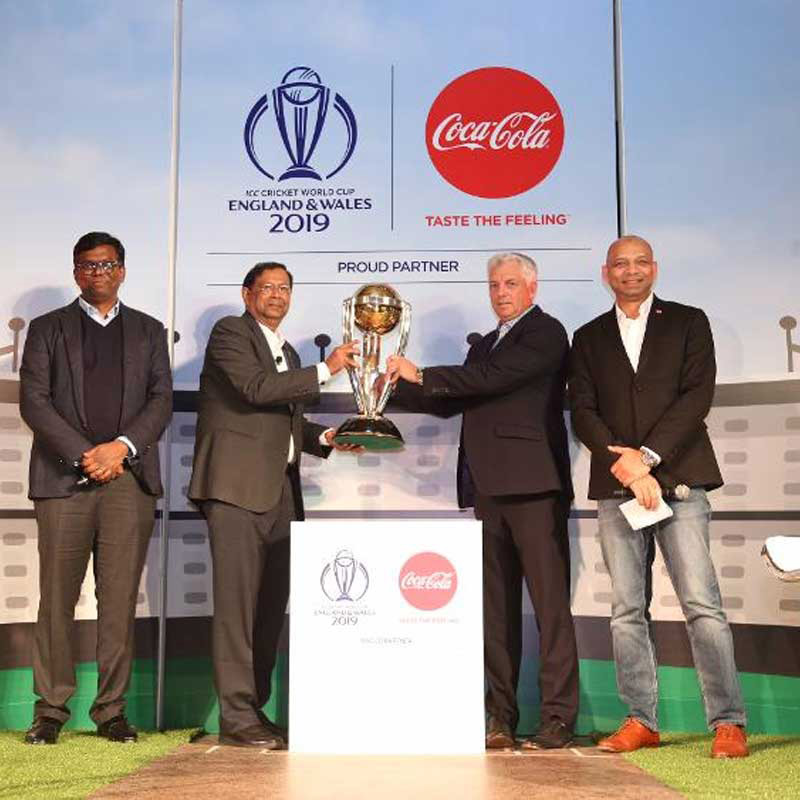
    This year, Coca-Cola entered into a five-year global strategic partnership with ICC to celebrate cricket. Initiated from India, the aim of the partnership is to create memorable experiences for cricket fans across the world. This partnership includes all ICC events around the world, including the ICC Men’s Cricket World Cup 2019 in England and Wales, the ICC men’s and women’s T20 World Cup in Australia in 2020, the ICC Women’s World Cup 2021 in New Zealand and the ICC Men’s Cricket World Cup in India in 2023 amongst other global tournaments. The partnership has strategically aligned both ICC and Coca-Cola for the long-term by combining the strength of The Coca-Cola Company’s diversified portfolio of over 500 brands and worldwide retail reach with ICC’s unwavering focus to expand the sport’s footprint globally.

    More than 100 days of innovative marketing initiatives

    Stirring up the excitement for the cricket lovers, Coca-Cola rolled out two new campaigns to celebrate cricket with the fans. The campaigns were aimed at making the World Cup moments special for the consumers with the simple pleasure of drinking a Coca-Cola.

    In the early stages of the game when consumers were preparing for the tournament, Coca-Cola focused on building a Stock Up Ritual. The film focused on building consumption depth around cricket viewing by encouraging fans to ‘Stock Up’ to be ‘Match Ready’. It featured Ranbir Kapoor and Paresh Rawal, who encouraged cricket lovers to be prepared in advance and stock-up Coca-Cola to relish every second of the World Cup and not miss any game-changing cricket moments.

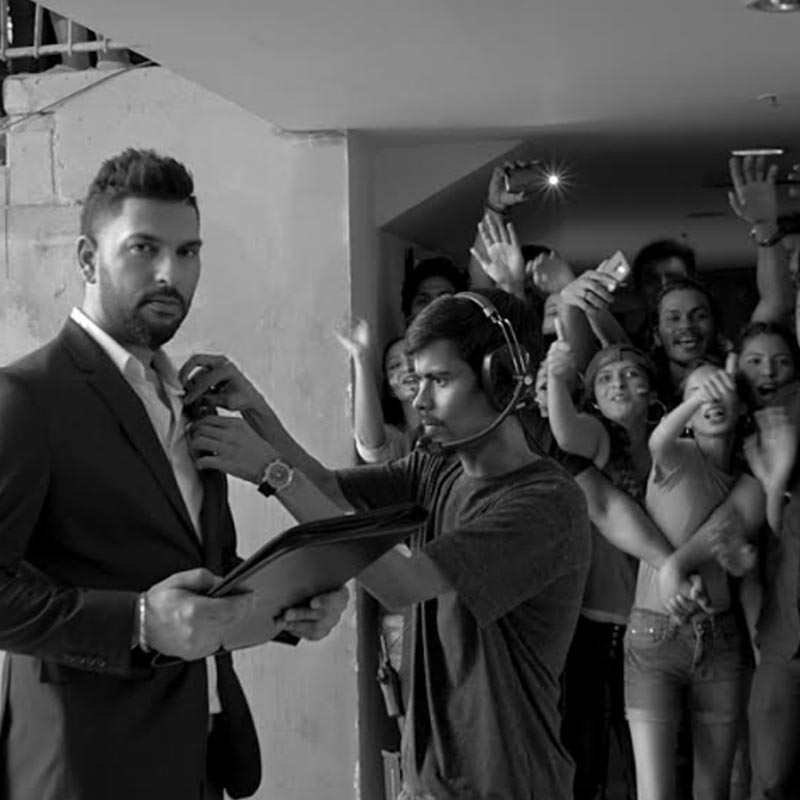
    Once the passion and emotions were running high, Coca-Cola started conveying its core idea: Be the 12th Man. The film symbolized the hopes, aspirations, anxieties of Indian fans and what their spirit could be. The campaign addressed what is there in their hearts and minds during the World Cup: The intense desire to see India win. Keeping this in mind, ‘12th Man’ campaign was built around the simple idea that, ‘To be part of the team, you don’t need to be in the team’. The film featured ace cricketers Rishabh Pant (India’s 12th man just before as he was selected in the playing 11 for IND vs ENG) and Yuvraj Singh with a voice-over by Ranbir Kapoor.

    The campaigns till date has received more than 180 Mn views on television and 200 Mn views on Hotstar and were appreciated by consumers and industry experts. Furthermore, Ravinder Jadeja also posted when he joined the World Cup playing squad. Many people from different walks of like including celebrities such as Sourav Ganguly, Suniel Shetty and Paresh Rawal joined the chorus and congratulated the players.

    Going Digital – ‘Phone the new moving TV’

    Embracing marketing innovations in the digital world to build seamless experiences for the consumers, select moments of the match amplified before, during and after the match across social media.  A first-ever customized 12th man filter has been created and more than 100 Mn consumers have interacted with innovations such as the the ‘Heart’ cheer button on Hotstar alone, which was shared Live during the game. Coca-Cola’s portfolio has garnered 770 Mn video views. 360 Mn impressions were garnered on ‘Branded Cards’ that were placed contextually during live games on Hotstar. Overall, the World Cup campaign garnered 4 billion impressions across social platforms with a reach of 70 mn till now.

    The company created a line of innovations and which linked activations On-Ground and In-Ground for the consumers digitally. Special promotions were kicked-off to provide consumers an opportunity to win an all-expense paid trip to London and watch World Cup match live along with other attractive prizes. PET bottles with a unique code under the labels were launched. The company also ran contests on its own e-commerce website (Coke2Home), retail stores, cash and carry outlets, ecommerce, movie halls and kirana stores. 250 lucky customers got a chance to experience the Cricket World Cup in London. The on-pack promotion was also initiated to watch the finals in London which generated 3.9 Million entries.

    Coca-Cola also made the World Cup Cricket moments special for consumers through its timely, contextual messaging. A special team was set up to create real-time contextual content, one-on-one communication with consumers and creating content for brand advocates across 21 cities in India  and 6 languages.

    Taking the celebrations across borders

    The palpable excitement got extended to other South West Asian countries such as Bangladesh, Sri Lanka, Nepal, Bhutan and Maldives to win consumer hearts and become an essential part of the shopping basket.

    In Bangladesh, consumer campaign ‘Go to England and Cheer for your team’ received 5.4 Mn responses and enabled 60 winners to visit England and cheer for the Bangladesh Cricket team. A new TVC campaign ‘England er Maati; Banglar Ghati’ – Land of England; Pride of Bangladesh focused on cultural point of view and encouraged consumers to become loyal supporters. On-ground tie-up with Bangladesh Cricket Supporters Association allowed Coke ambassadors to post content Live from the stadium. War room set up also enabled in amplifying the communications real time during the matches, leveraging influencers and social media posts.

    In Sri Lanka, the consumer campaign, ‘From Cap to Cup’ ran across 50,000 retail outlets and enabled 30 winners to England to cheer for the Sri Lankan cricket team. The company also partnered with select food chains to run consumer promotions. The new World Cup TVC ‘Drink of Togetherness’ showcased how Coca-Cola is the beverage that brings fans together and encouraged them to become loyal supporters of the campaign. Coca-Cola was also the official sponsor of ICC World Cup 2019 match feed on the television. On-ground tie-up with Rupawahini channel captured Coke brand ambassadors cheering for the Sri Lankan team LIVE from the stadium. A war room was set-up to amplify real time moments during the matches, leveraging influencers and posts on Facebook and Instagram.

    8 other countries activated this property, including the United Kingdom for a strong on-ground and digital activation in the hosting nation itself.

    Coming Up: More Excitement During ICC Cricket World Cup Final

    During the upcoming matches, Coca-Cola will continue to showcase its commitment to Cricket. It aims to reach 100 million more fans through multiple touchpoints, leveraging communities, digital & social media posts, and amplifying ‘Be the 12th Man’ on non-cricket platforms. Coca-Cola brand ambassadors and influencers will encourage people to share their stories. Furthermore, the company will capture the cricketing moments through regional Voxpops featuring 12th man stories from the heartlands of India. On Snapchat, there will be a filter with the 12th Man cap for consumers to express themselves and share their 12th man moments. 50 winners from Coca-Cola’s promotional campaigns will also feature as the brand ambassadors. It has also partnered with food aggregators to offer discounts on Coca-Cola and Cricket meals.

  • Coca-Cola, IOC, China Mengniu Dairy Company announce worldwide Olympic partnership till 2032

    Coca-Cola, IOC, China Mengniu Dairy Company announce worldwide Olympic partnership till 2032

    MUMBAI: The International Olympic Committee (IOC), The Coca-Cola Company and China Mengniu Dairy Company Ltd today announced that they have signed the first-ever Joint TOP Partnership Agreement. The partnership combines the non-alcoholic beverage and the dairy categories into a new joint category, and brings the Chinese dairy company Mengniu into the family of worldwide TOP partners.

    The new joint agreement has a 12-year term running through to the Olympic Games 2032. The agreement includes unprecedented investment in traditional and digital media to promote the Olympic values globally.

    This agreement extends The Coca-Cola Company’s association with the Olympic Movement to a historic 104-year-long relationship.  The Coca-Cola Company is the longest continuous partner of the Olympic Games.

    Mengniu becomes the first Chinese fast-moving consumer goods company to become a TOP partner. The Joint TOP partnership supports Mengniu’s ambitious international growth plans, with the company aiming to become one of the top dairy producers in the world by 2025.

    IOC president Thomas Bach said, “This long-term agreement is another demonstration of the relevance and stability of the Olympic Games in these times of uncertainty. Having our longest-standing partner, Coca-Cola, an iconic American brand, together with a young Chinese company, Mengniu, joining hands under the roof of our Worldwide TOP Programme is a great example of the unifying power of the Olympic spirit. This partnership will give another dimension to the promotion of the Olympic values around the world.”

    The Coca-Cola Company chairman and CEO James Quincey said: “We are honoured and privileged to be a part of the Olympic movement that makes it possible for athletes from all over the world to come together to represent their nations, pursue their dreams and be a part of history. A lot has changed since we sold the first Coca-Cola at an Olympic event in 1928. With a fresh approach to our business and to our sponsorship, we are proud to join with Mengniu to promote and celebrate future Olympic Games.”

    Jeffrey Lu, CEO and executive director of Mengniu, said: “Membership of the TOP Programme will act as a catalyst for Mengniu to grow around the world. This is a vital step in our international strategy, and we are honoured to have the opportunity to build a positive reputation of Chinese food and beverage brands among consumers globally. As a worldwide TOP partner, we look forward to using the unrivalled platform of the Olympic Games to promote health and joy to Olympians and fans alike.”

    The Joint TOP agreement also includes marketing rights for the International Paralympic Committee (IPC) and the Paralympic Games through the IOC-IPC long-term collaboration agreement, as well as for the Youth Olympic Games.

    Olympic marketing programmes are based on the fundamental principle of exclusivity within a specific product category and territory. The current Beijing 2022 domestic partner’s exclusive rights in its designated category in the Chinese market will not be affected.

    IOC marketing commission chair Jiri Kejval said: “We are very excited to continue our relationship with our long-standing partner Coca-Cola for many years to come, and to begin working with Mengniu. The agreement represents an unprecedented commitment to support the IOC to engage young people and promote the Olympic values around the world. We are also delighted to bring another Chinese company to the Worldwide Olympic Partner family as part of this collaboration.”

    The Coca-Cola Company chief public affairs, communications, sustainability and marketing assets officer Bea Perez said: “We’ve been a part of bringing so many incredible moments to Olympic Games fans over the years – moments that have been inspired by the pursuit of excellence, the possibility of opportunities, the spirit of competition, and a vision for a better world. With the past 90 years as our foundation, we can’t help but be excited for what the future holds.”  

    Mengniu vice-president of strategy Yong Zhang added: “The Olympic movement and Mengniu are naturally aligned. We both aim to bring health and joy to people and Mengniu’s brand advocates ‘Born for Greatness’ – another natural fit with the Olympic values. Mengniu reaches hundreds of millions of consumers worldwide and will encourage more people to follow and participate in the Olympic Movement, while also contributing ‘China’s strength’ to the global development of the Olympic cause and successful hosting of future Olympic Games.”

    Worldwide Olympic Partners support every National Olympic Committee and their teams, and every Organiser of the Olympic Games, as well as providing support for athletes’ training and development. In addition, they promote the ideals and values of the Olympic Movement and help create memorable experiences for spectators and fans around the world. 

    The Coca-Cola Company has had a presence at the Olympic Games since the 1928 Games in Amsterdam. With its current agreement with the IOC ending in 2020, The Coca-Cola Company will now continue its partnership with this new Joint TOP agreement through to the Olympic Winter Games 2022 in Beijing, the Olympic Games 2024 in Paris, the Olympic Winter Games 2026, the Olympic Games 2028 in Los Angeles, and the Olympic Games 2030 and 2032. The host city for the Olympic Winter Games 2026 will be named later today.

  • Silverpush launches operations in hong kong, expands apac operations

    Silverpush launches operations in hong kong, expands apac operations

    MUMBAI: SilverPush, the AI based marketing-technology platform powered by artificial intelligence (AI), today announced that it has opened its first office in Hong Kong, as part of its expansion plans across Asia to raise its service offerings in one of the company’s fastest growing markets.

    Founded in 2012 by Hitesh Chawla and headquartered in India, SilverPush is a leading digital advertisement platform which helps brands to maximise their audience engagement via real-time TV tracking and TV-to-digital sync solutions. SilverPush’s patented video fingerprinting and content recognition technology helps brands engage with multi screening audiences.

    According to Kartik Mehta, Chief Revenue Officer, SilverPush, “With one of the world’s highest internet and mobile penetration rates, in addition to brands’ investment on TV in the region, the Asian market has become our biggest priority. The aim of SiverPush’s further expansion into Hong Kong is to help more brands operating there to reach their multiscreen customers more effectively via their real-time platform.”

    Kartik further added, “Conventionally, TV has been the dominant medium for advertisers in Asia. However, the gap between TV and smartphone ownership has narrowed, meaning that more people are obtaining and engaging content via their mobile devices – requiring brands to raise their audience engagement across multiple platforms. SilverPush addresses these trends by allowing brands operating in Hong Kong and within Southeast Asia to reach out to customers across platforms in real time.”

    Across Asia, Silverpush currently works with global brands such as Unilever, Nestle, Coca-Cola, Samsung, Johnson & Johnson, and many others.

    The company’s latest product, Mirrors, was launched in late 2018 to help contextualise ads when people are viewing content on their devices – therefore aiming to tackle the US$170 billion global problem of misplaced online advertising. Using AI with computer vision, Mirrors detects context in video content that aligns with an advertiser’s core communications objectives, allowing them to effectively target their ads in a world already cluttered with advertisements. This contextual approach to marketing seeks to revolutionise the way that brands engage with their audience.

    SilverPush currently serves clients in eight Asian markets including India, Indonesia, Thailand, Malaysia, the Philippines, Vietnam and now, Hong Kong. In addition, SilverPush is also present in South Africa, Tanzania, Egypt and the United Arab Emirates. The company recently raised US$ 5 million in Series B funding led by FreakOut Holdings, Inc., a global marketing technology company and plans to expand into the United States as well as other emerging markets in South Asia, Africa and the Middle East.

  • ICC, Coca-Cola enter into five-year global strategic partnership till 2023

    ICC, Coca-Cola enter into five-year global strategic partnership till 2023

    MUMBAI: The International Cricket Council (ICC) and Coca-Cola announced their five-year global strategic partnership on 30 January 2019. The partnership will see The Coca-Cola Company’s brands becoming exclusive non-alcoholic beverage partners of the ICC until 2023.

    The five-year agreement includes all ICC events around the world including the ICC Men’s Cricket World Cup 2019 in England and Wales, the ICC men’s and women’s T20 World Cups in Australia in 2020, the ICC Women’s World Cup 2021 in New Zealand and the ICC Men’s Cricket World Cup in India in 2023 amongst other global tournaments.

    Speaking on the occasion, Coca-Cola India and South West Asia president T Krishnakumar said, “Cricket is a global sport and a passion shared by more than a billion people across gender, generations and cultures. In-line with our long history of partnering with major sporting events globally, our strategic partnership with ICC, reinforces our long-standing commitment to refresh sports fans and enhance their entertainment experience. We look forward to delighting our consumers with our diverse portfolio and engagement opportunities to create unique experiences for fans through the next five years and even beyond that.”

    Importantly, the partnership will strategically align both the ICC and The Coca-Cola Company for the long-term by combining the strength of The Coca-Cola Company’s diversified portfolio of over 500 brands as well as worldwide reach with ICC’s ambition to expand the sport’s footprint globally.

    Commenting on the partnership, ICC chief executive David Richardson said: “It is our pleasure to welcome Coca-Cola on board as an ICC partner for the next five years. As one of the world’s biggest sports with more than 1 billion fans, we are delighted to partner with Coca-Cola, one of the biggest brands in the world. The ICC is committed to growing the game worldwide and the popularity of the three formats with pinnacle global events in each makes this an exciting time for major brands to be associated with our sport.”

    The Coca-Cola Company has an eight-decade long association with Olympics, four decades with the FIFA and nearly 25 years with World Cup Rugby. The associations stem from Coca-Cola’s philosophy of being part of consumers’ lives and their passions.

    India is a strategic market for TCCC and Coca-Cola India is well on its path to become the fifth largest volume market in the Coca-Cola system. Recently, Coca-Cola India celebrated its 25th-anniversary milestone in India and is focused on introducing innovative and localized beverages that suit the consumer tastes and preferences specific to the regions.

  • Coca-Cola urges to make Diwali special for someone

    Coca-Cola urges to make Diwali special for someone

    MUMBAI: With the theme ‘Iss Diwali, Har Dil Bola Tere Naam Ki Coca-Cola’, the new Diwali campaign of Coca-Cola India inspires consumers to make this Diwali special for someone.

    The campaign has a joyful message, that the happiness we derive from moments of genuine human connection will always continue to transcend any differences we may perceive.

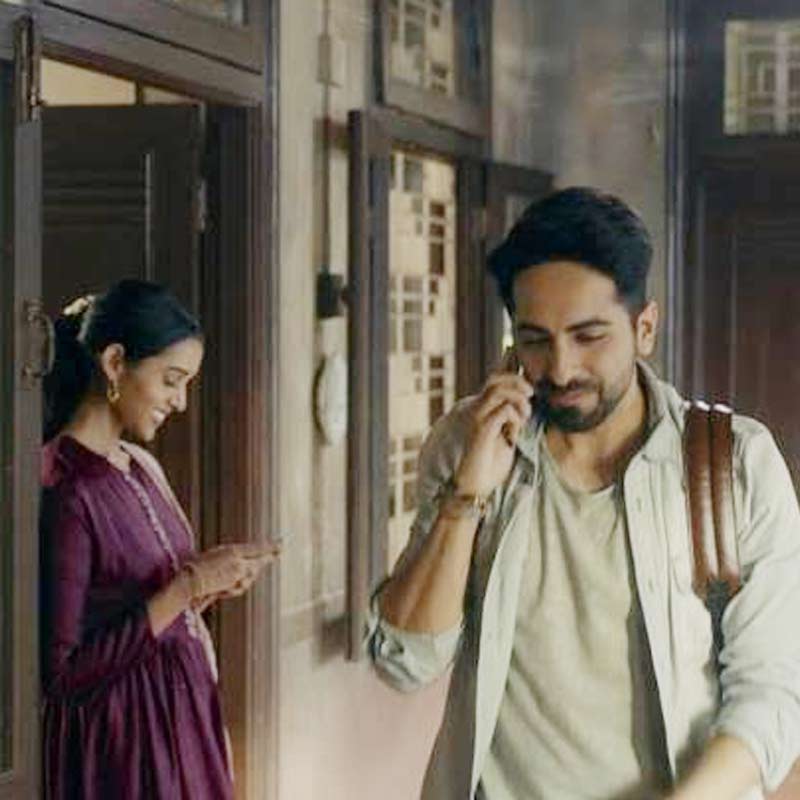
    Coca-Cola has launched a new TV commercial which has been created on the core message of connecting cultures, featuring actors Ayushmann Khurrana and Anupriya Goenka.

    The TVC opens in a porch area of a South Indian house where a North Indian boy is seen leaving the house while talking to his mother on phone. The boy is seen reminiscing about the times he celebrated Diwali back home. His neighbour, a South Indian lady happens to overhear the conversation and starts thinking about it. Upon his return in the evening, the boy witnesses the porch beautifully decorated with diyas and rangoli with ‘Shubh Deepawali’ adorning the entrance of neighbour’s home. 

    The boy is elated when he sees the neighbour’s family standing at the door, as he realises that the family made all these efforts to make his festival special. Overwhelmed with joy, the boy asks the family if he could do anything to thank them, to which the lady suggests he can share his Coca-Cola with them. The boy smiles and pours Coca-Cola for everyone and starts enjoying the festival.

    Coca-Cola India VP of sparkling category Shrenik Dasani says, “Diwali is a special time of the year which we seek to celebrate at home, with those we love and consider our own people. Sometimes though, we find ourselves away from home and while we celebrate, we are always thinking about that feeling of being among our own people – our family, friends and those who share our cultural background. With this in mind, Coca-Cola’s Diwali campaign brings to audiences a message of sharing and celebrating moments of joyful human connection. It gives a festive call to take that small step and make someone’s Diwali more special.”

    McCann Worldgroup CEO and CCO India, chairman Asia Pacific Prasoon Joshi adds, “India is a beautifully diverse country and specially when it comes to festivals, we have a lot to celebrate and share. This campaign is trying to suggest that let’s know each other’s festivals better and

    celebrate them together for a more united and connected world.”

    The multi-faceted campaign includes a number of consumer touch points, including multi-city social media marketing activations like #ShareAWish, where consumers can share their customised Diwali wishes on Coca-Cola India’s social media channels and journey in their own languages through greetings, GIFs and voice messages. These messages will also be displayed through outdoor marketing along with the name of the well-wishers.

    Coca-Cola has also extended the range of festival special gift packs to offer excellent gifting option for consumers that will be available in attractive new design with gold motifs.

  • Coca-Cola India appoints Asha Sekhar as VP & chief digital officer

    Coca-Cola India appoints Asha Sekhar as VP & chief digital officer

    MUMBAI: Coca-Cola India, on Monday, announced the appointment of Asha Sekhar as its vice president and chief digital officer, India and South West Asia.
    Prior to this, she worked for over a decade with WPP, Universal McCann, Madison and Mudra, managing media businesses for leading brands. She has developed multi-level engagement with all key segments of the dynamic media landscape ranging from technology platforms to content distributors.
    Announcing the elevation, Coca-Cola president India and South West Asia T Krishnakumar said, “Digitalisation is disrupting all industries and redefining the ways companies connect, engage, communicate and do business. Asha’s expertise in delivering consumer-focused digital experience will help in our journey towards becoming more relevant and future ready.”
    Sekhar will report to Krishnakumar. In her previous role, as director – media, Coca-Cola India & South West Asia, she was pivotal in setting up a separate media function to efficiently leverage marketing efforts in an increasingly complex media landscape.
    In this newly created leadership role, which focuses on the company’s journey towards digital transformation, Asha will build foundations necessary for business growth, drive opportunities and strengthen Coca-Cola India’s digital ecosystem. In addition to her new responsibilities, Asha will continue to lead the media and allied marketing functions.
    “This new addition to the leadership team of Coca-Cola in India is designed to address developing business needs and reinforces our commitment towards investing in diversity and talent development,” he added.
    As a core part of the marketing function, Asha has been a significant change agent for driving media strategy. Some of her significant achievements include, the inception and later scale-up of Samvaad, an in-house digital experience center for Coca-Cola in India, that delivers consumer centricity for Coca-Cola’s brands, company and customers. She has also delivered some ‘industry-first’ pioneering projects and driven strategic media partnerships.

  • Coca-Cola restructures its leadership positions

    Coca-Cola restructures its leadership positions

    MUMBAI: Coca-Cola India has announced changes to its leadership structure with Sundeep Bajoria, earlier VP- strategy and insights, being elevated to VP–South West Asia (SWA). Not just that,  Chandrasekar Radhakrishnan has been appointed to the position of as VP – strategy and insights, Coca-Cola India and South West Asia.

    Announcing the changes, Coca-Cola India and South West Asia president T Krishnakumar said, “We believe there are significant opportunities that lie ahead of us to grow our portfolio and meaningfully penetrate the market. These changes will address developing business needs and pave the way to develop a stronger portfolio for the future. It also reinforces our commitment towards investing in talent development.”

    Bajoria brings a track record of over 20 years within and outside the Coca-Cola system in strategy, finance, revenue growth management, capital projects, and people and capability development. He is a 14-year veteran of the Coca-Cola system having worked in multiple roles in different group businesses and bottling investment groups.

    Chandrasekar Radhakrishnan will take charge of the strategic initiatives for the company to accelerate the pace of innovation and assess opportunities to offer a much broader and deeper portfolio of beverages for the consumers.

    With a career spanning over two decades, Radhakrishnan comes with a combination of international and domestic experience. He joins Coca-Cola India from Nestle, where he was responsible for leading a worldwide initiative to optimize marketing efficiencies.

    As the head of consumer communication and eCommerce, he effectively embedded brand building capabilities in the organization, drove creative excellence in brand communication via strong internal and external partnerships, laid a strong foundation in building digital and eCommerce competencies and played a key role in establishing consumer engagement. 

    He has contributed significantly to the cause-based campaigns of the company thereby making a positive impact on the society. He has also worked with Britannia, Marico and Airtel and has played a variety of roles across sales, marketing and business functions.

  • Tamil Thalaivas launches initiatives to promote kabaddi

    Tamil Thalaivas launches initiatives to promote kabaddi

    MUMBAI: Star India’s move to launch Star Sports Tamil has served as a launch-pad to consolidate its foothold in the Tamil market for its new initiatives. The newest franchise in Pro Kabaddi League (PKL), Tamil Thalaivas (TT), is taking full advantage of the channel and is spreading local love for sports across the state through its year-round initiatives.

    The franchise spent Rs 3.73 crore in the 2018 auctions by retaining the trio of Ajay Thakur (Rs 76.23 lakhs), C Arun (Rs 36.3 lakhs) and Amit Hooda (Rs 69.3 lakhs) before the auction forming the core for the side. It will host a slew of on-ground properties in its second year of operations with a goal to further the southern state’s rich kabaddi legacy.

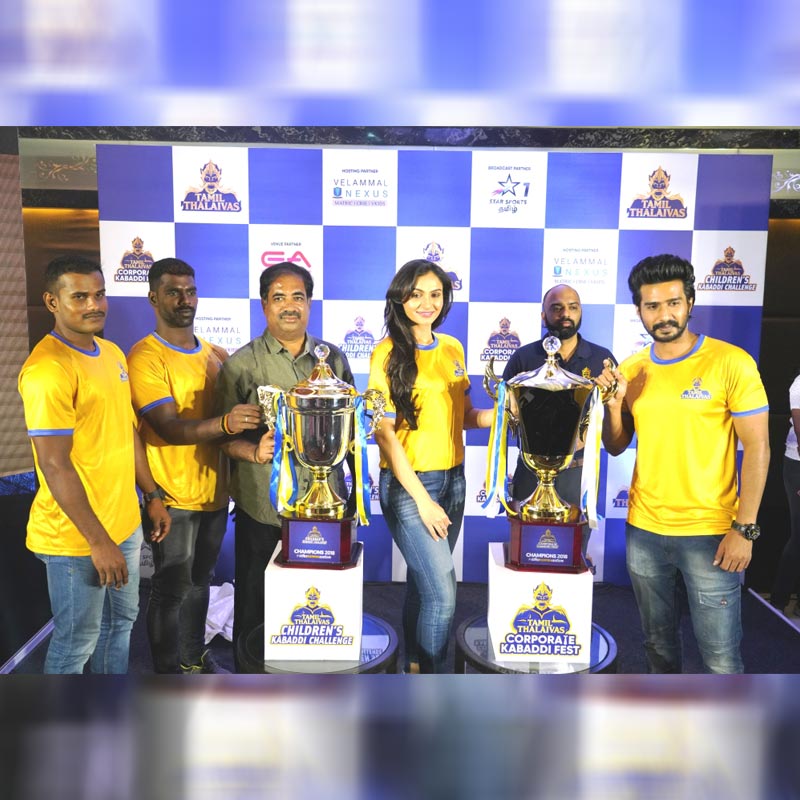
    With a plan of year-round initiative, TT has started Corporate Kabaddi Fest which will be held at the Express Avenue Mall in Chennai from 17-19 August. The fest will have 32 corporates participating, including TCS, IBM, Renault, Cognizant, Apollo Tyres, Aradhaya Gold, Coca Cola, Ford Motors, HDFC Bank and more.

    Speaking to Indiantelevision.com, Tamil Thalaivas CEO Viren D’Silva said, “Our focus is on getting four partners for year-round activation and those four partners will get mileage and exposure for all our events.”

    After an overwhelming response to the residential academy, the franchise has also launched 20 schools of excellence which provide after-school training in Tamil.

    The corporate fest will not be live telecast, but will have seven episodes of one hour each at the prime-time. It will have both men’s and women’s teams participating for the glory. “IdhuNammaAatam” (this is our sport) is Tamil Thalaivas’ new expression for kabaddi.

    Elaborating on the team’s mission, D’Silva added, “We have lined up a number of exciting initiatives, which we will build year on year. We want to give back to the fans and communities who have given us so much love. Through these initiatives, we are inviting Tamil Nadu to be a part of every moment both on and off the mat because, in the end, IdhuNammaAatam – then, now and, forever.”

    The Corporate Kabaddi Fest will also feature Tamil movie stars, Vishnu Vishal and Andrea Jeremiah who, as “chief motivating officers”, will be cheering for the corporate teams. In a first, Tamil Thalaivas will also provide professional-level training to registered corporate teams in the two weekends preceding the event.

    A Star India spokesperson said, “Tamil Nadu has a rich sporting culture, that underpins the popularity of various sporting leagues including TNPL, Vivo PKL, IPL 2018, Hero ISL among others. Since Tamil Thalaivas was first introduced in season five of PKL, they have charted various initiatives such as the grassroots programme to build deeper affinity for the sport across the state. As the official broadcaster, we endeavor to bring alive truly inspiring and engaging stories from their initiative, Corporate Kabaddi Fest, which will be a part of the run-up to a bigger, more exciting new season six.”

    The Tamil Thalaivas’ kabaddi caravan will continue with Street Kabaddi and Tamil Thalaivas State Tour in the coming months.

  • Coca-Cola set to debut in Japan’s alcoholic drink market

    Coca-Cola set to debut in Japan’s alcoholic drink market

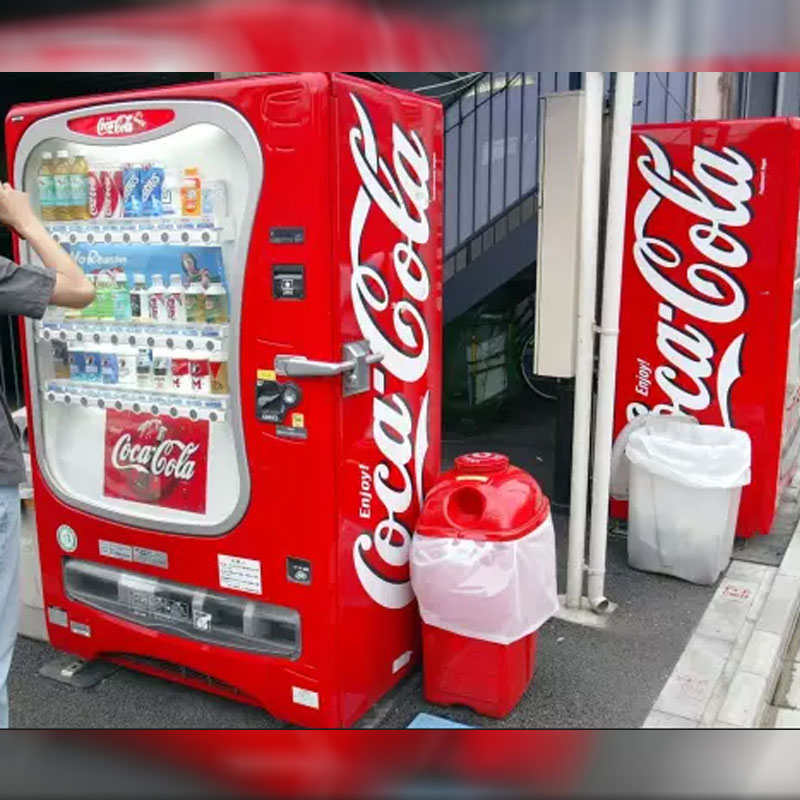
    MUMBAI: Iconic soft drink brand Coca-Cola is set to start a new chapter with a plan to launch its first alcoholic drink. Stepping out of its area of expertise, the company will make a debut in the low-alcohol category with the creation of a popular type of Japanese alcopop known as chu-hi.

    Often sold as a canned drink, chu-hi is an alcoholic drink originating from Japan, which is made of local sochu alcohol and carbonated water. The product often contains between 3 per cent and 8 per cent alcohol and has been marketed as an alternative for beer.

    “We haven’t experimented in the low-alcohol category before but it’s an example of how we continue to explore opportunities outside our core areas,” said Jorge Garduno, Coca-Cola’s Japan president.

    “The chu-hi category is found almost exclusively in Japan. Globally, it’s not uncommon for non-alcoholic beverages to be sold in the same system as alcoholic beverages. It makes sense to give this a try in our market,” he added. However, the timeline has not been specified for the product.

    Initially, Coca-Cola’s plan is to stay within Japanese market due to the “unique and special” qualities of the market. This is one of its kind move from Coca Cola in its 130-year-long history.

    Also Read:

    Should Coca-Cola pull the plug on Diet Coke?

    Coca-Cola launches Maaza Gold 

  • Should Coca-Cola pull the plug on Diet Coke?

    Should Coca-Cola pull the plug on Diet Coke?

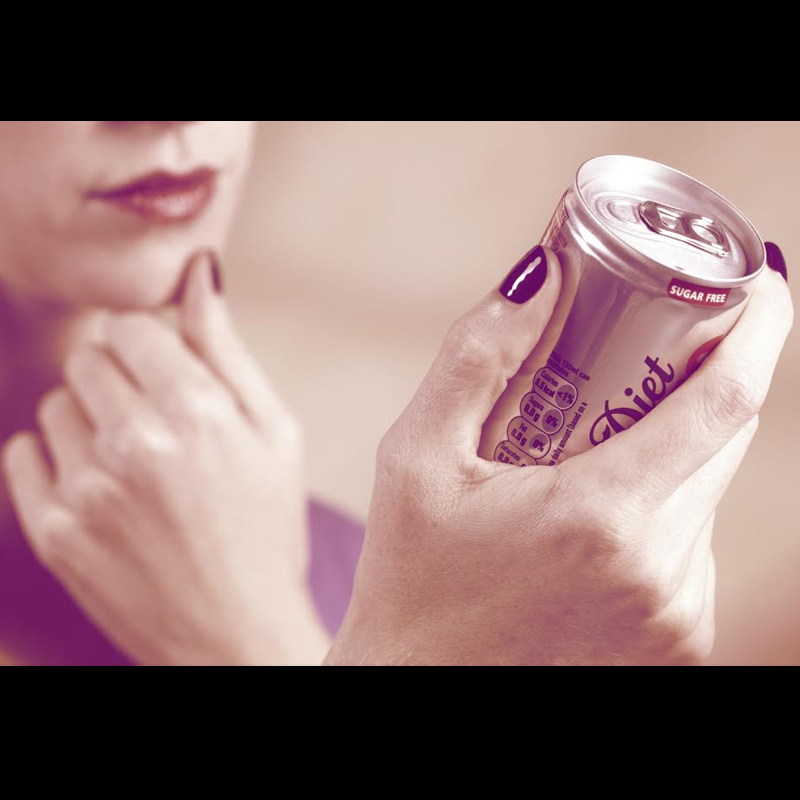
    MUMBAI: Diet soda seems to be a dying beverage breed. Despite having been around for the longest time in the market, diet sodas fallen out of favour with consumers and redemption isn’t in sight. Ever since carbonated drinks hit the market, countless inventors, entrepreneurs and engineers have tried to enhance the taste, flavour and packaging of the product while also trying to reduce the sugar content.

    The beginning of the diet refreshment was in 1952, when Kirsch Bottling in Brooklyn, New York launched a sugar-free ginger ale called No-Cal, which was designed for diabetics, not dieters, and distribution remained local. In 1962, American soft drink company, Dr Pepper released a diet(etic) version of its soft drink, although it sold slowly due to the misconception that it was meant solely for diabetic consumption.

    It was only in 1963 when Coca-Cola saw the power and joined the diet soft drink market with Tab, which proved to be a huge success.

    public://COKE_TAB_0.jpg

    Pepsi entered in the segment with Patio Diet Cola in 1963 and renamed it as Diet Pepsi the following year. Diet 7 Up was released in 1963 under the name Like but was soon discontinued in 1969 due to the United States government ban of cyclamate sweetener. After its reformulation and renaming it to Diet 7 in 1979, Coca-Cola countered this by releasing Diet Coke in 1982. After the release of Diet Coke, Tab took a backseat on the Coca-Cola production lines as Diet Coke could be more easily identified by consumers.

    According to researches, many people turn to diet carbonated soda believing these would be a healthy alternative to sugary drinks or alcohol. But, several reports have revealed that aerated drinks actually cause people to feel empty which further leads them to over eating. This is primarily due to high levels of carbon dioxide present in these drinks that trigger a hunger hormone called ghrelin.

    The global multinational beverage company Coca Cola recently launched a £10 million (Rs 90.4 crore) ad campaign to commence a refreshed packaging for Diet Coke along with two new flavours, Exotic Mango and Feisty Cherry.

    public://COKE_FLAVORS_0.jpg

    The brand is banking on millennials who don’t drink Diet Coke to turn around the fortune of the struggling soda brand.

    Coca Cola CEO James Quincey isn’t completely satisfied with Diet Coke’s performance and the introduction of new flavours and the new revamped identity is a desperate attempt to gain some lost market share. “One of our points of dissatisfaction in 2017 was that we were not about to turn around Diet Coke. We hope to find a path forward for Diet Coke, and at the very least stop declining sales.”

    The new flavours and packaging, Quincey says are a step in the right direction, but they may not be enough to actually increase Diet Coke sales.

    With an emphasis on millennials, the revamp and experimentation is targeted  to those who don’t regularly drink Diet Coke. For the last few years, Diet Coke has been the weakest link in Coca Cola’s lineup despite being a zero-calorie drink and has struggled to win over many health-conscious shoppers.

    People across the globe are increasingly cutting out sugar from their diet. The market of diet sodas in the US has dropped by a whopping 34 per cent since 2005 and the US industry beverage digest reported a sales drop in Diet coke’s portfolio by 1.9 per cent in 2016.

    In India, Diet Coke and Diet Pepsi failed miserably. Although the products were launched with much fanfare, they were not able to capture any market share and Pepsi decided to pull the plug on the Diet variant. Similar was the fate of Diet Coke.

    Another reason for the products’ failure could be its peculiarly artificial taste that due to less sugar content.

    The distribution aspect has been another roadblock for the company as the concept of diet soda continues to remain unpopular and unknown in rural segments of India.

    But with the new revamped brand identity and introduction of new flavours which might hit the Indian market soon, Coca Cola is hoping for better days ahead as it still continues to be one of the largest beverage manufacturers globally and Thums Up is the most consumed aerated drink in India.

    Also Read :

    Kids’ candy segment: Communication sees a shift

    Should junk food ads be banned on kids’ channels?

    Coca-Cola launches Maaza Gold

    Guest Column: The future of advertising