Tag: CNN

  • Vedika Sud joins NDTV 24×7 as consulting editor

    Vedika Sud joins NDTV 24×7 as consulting editor

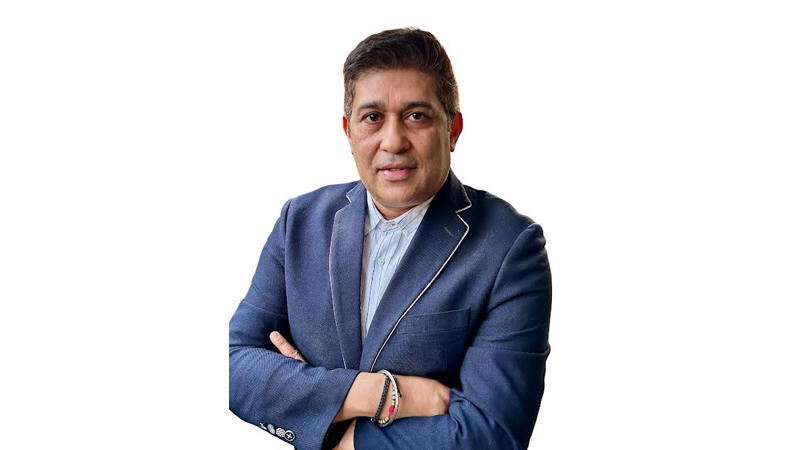
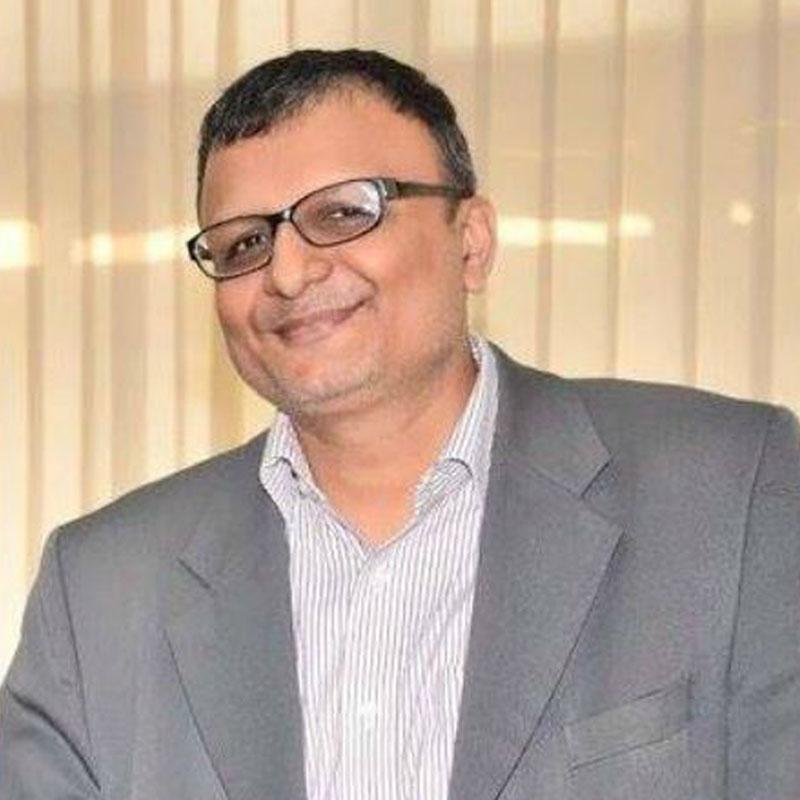
    NEW DELHI:  NDTV 24×7 has roped in veteran journalist Vedika Sud as consulting editor, marking the return of one of south Asia’s most recognised broadcast reporters to the Indian news landscape. Sud, who most recently served as CNN International’s bureau chief for India and South Asia, brings nearly two decades of frontline reporting experience spanning crises, conflicts and political transitions across the region.

    At CNN, Sud was the network’s editorial lead across India, Sri Lanka, Bangladesh, Nepal and Bhutan, working closely with global desks and appearing on flagship programmes with anchors including Jake Tapper, Wolf Blitzer and Erin Burnett. She covered the India–Pakistan conflict following the 2019 Pulwama terror attack, the G20 climate and geopolitical negotiations, the India–Myanmar refugee crisis, the farmers’ protests, and Delhi’s landfill investigations exposing the intersection of environment and public health. Her on-the-ground reportage during the 2021 Delta wave of Covid, from overwhelmed hospitals to the desperate hunt for oxygen, earned international recognition for its clarity and compassion.

    Before CNN, Sud anchored prime bulletins at the India Today group, oversaw fast-paced editorial operations at NewsX and built her early career at Times Now, where she transitioned from producing political segments to fronting live broadcasts on elections, terror attacks and civic issues.

    Her work has won accolades including an honourable mention at the 2024 Society of Publishers in Asia Awards for reporting on women’s issues and a finalist slot at the South Asian Journalists Association Awards in 2021. An alumna of Sophia College, Mumbai, she also holds a diploma in social communications media and a graduate certificate in public policy from the Takshashila Institution.

    NDTV’s chief executive and editor-in-chief Rahul Kanwal called Sud “an interpreter of meaning, not just a witness to events,” saying her global perspective would sharpen NDTV’s mission to deliver rigorous, contextual journalism in a crowded and noisy news environment.

    Sud said she was drawn to NDTV’s legacy of explanatory reporting. “The most powerful stories don’t simply tell you what happened — they explain why it matters and who it matters to. In an age of endless headlines, our responsibility is to cut through the noise and connect the dots for the public,” she said.

    Her appointment comes as NDTV, one of India’s oldest English news broadcasters, seeks to reinforce its editorial heft under new ownership. With Sud joining its leadership ranks, the channel is signalling a renewed commitment to fact-based reporting and nuanced analysis at a time when credibility in Indian television journalism is under sharper scrutiny than ever.

  • Blockbuster breakup as Warner Bros. Discovery plots a starry split

    Blockbuster breakup as Warner Bros. Discovery plots a starry split

    MUMBAI: When one studio door closes, another opens with a box-office bang. In a dramatic plot twist that rivals its biggest screen spectacles, Warner Bros. Discovery (WBD) is pressing play on a two-part sequel splitting into two publicly traded companies to give each unit its moment in the spotlight. Announced today, the tax-free separation will see WBD carve out Streaming & Studios home to HBO, DC Studios, Warner Bros. Pictures and Television, and HBO Max from Global Networks, which includes CNN, TNT Sports, Discovery, and Discovery+, as well as key linear and digital assets across 200 countries and 68 languages.

    David Zaslav, WBD’s current President and CEO, will lead Streaming & Studios, while Gunnar Wiedenfels, its CFO, will take charge of Global Networks. Both will retain their existing roles during the transition.

    “This move gives us the sharper focus and agility needed to thrive in today’s fast-evolving media universe,” Zaslav said, promising a future of creative excellence and strategic flexibility. Wiedenfels added that the split will allow “each company to leverage its strengths and financial profiles,” paving the way for innovation and shareholder value.

    Streaming & Studios will combine storytelling firepower and IP goldmines think Harry Potter, Game of Thrones, and Batman with global platform HBO Max, which currently operates in 77 markets and plans further expansion by 2026. WBD is aiming for 3 billion dollars in annual adjusted EBITDA from this division.

    Global Networks, meanwhile, commands a massive reach of 1.1 billion viewers, with an eye on live content growth, international opportunities, and monetising digital assets like B/R and CNN’s new streaming play. The unit boasts industry-leading margins and strong free cash flow.

    A crucial detail: Global Networks will retain up to 20 per cent stake in Streaming & Studios, planned to be monetised later for balance sheet de-leveraging.

    To support the split, WBD has secured a 17.5 billion dollars bridge facility from J.P. Morgan, which it expects to refinance before separation. Tender offers and consent solicitations have also been launched to optimise its debt structure.

    The full spin-off is targeted for mid-2026, pending board approvals, market conditions, and tax clearances from the IRS. J.P. Morgan and Evercore are advising, with Kirkland & Ellis as legal counsel.

    WBD Chair Samuel A. Di Piazza, Jr. framed the move as a win for shareholders: “This transaction is a great outcome, unlocking long-term value and strategic focus for two exceptional businesses.”

    The end credits may still be a year away, but WBD’s bold reboot is already setting the stage for a media double feature like no other. One company to power global fandoms, another to rule the airwaves all from the studio that gave us a century of storytelling magic.
     

  • Ellana Lee takes charge of CNN’s new global productions unit in expanded APAC leadership role

    Ellana Lee takes charge of CNN’s new global productions unit in expanded APAC leadership role

    MUMBAI: CNN has handed a major new brief to Ellana Lee, elevating her to group senior vice president, general manager APAC, and global head of productions. The expanded role places her at the helm of a newly created global productions team, which will spearhead all multi-platform sponsored content across CNN’s global network.

    The move, effective immediately, builds on Lee’s 25-year tenure at CNN, where she most recently served as SVP, managing editor for Asia Pacific, and global head of features content. She led the launch of award-winning editorial properties like Call to Earth and steered CNN’s features division into a global storytelling powerhouse.

    As global head of productions, Lee will now guide the creation and distribution of sponsored content across digital, television and other platforms. The remit also includes building out new roles in the U.S. to expand CNN’s existing features team, which currently operates from hubs in Atlanta, Abu Dhabi, Hong Kong and London.

    “Under Ellana’s leadership, our Features team has consistently innovated, delivering award-winning, multi-platform, editorially robust and engaging feature content that has attracted commercial partnerships with some of the world’s most dynamic and successful brands,” said CNN Worldwide managing editor Mike McCarthy. “She will now bring that experience, creativity and skill to bear across the network.”

    Lee will remain based in Hong Kong, continuing as CNN’s most senior executive outside the United States. In her ongoing role as APAC head, she will retain oversight of CNN’s editorial strategy across the region, including programming, correspondent deployment and eight editorial operations.

    The appointment signals CNN’s intent to integrate editorial innovation with brand-driven storytelling at scale, tapping Lee’s track record in building meaningful global content ecosystems.

  • “The future depends on how we will balance AI and ML with ethical considerations:” Emmy sound design winner Cory Choy

    “The future depends on how we will balance AI and ML with ethical considerations:” Emmy sound design winner Cory Choy

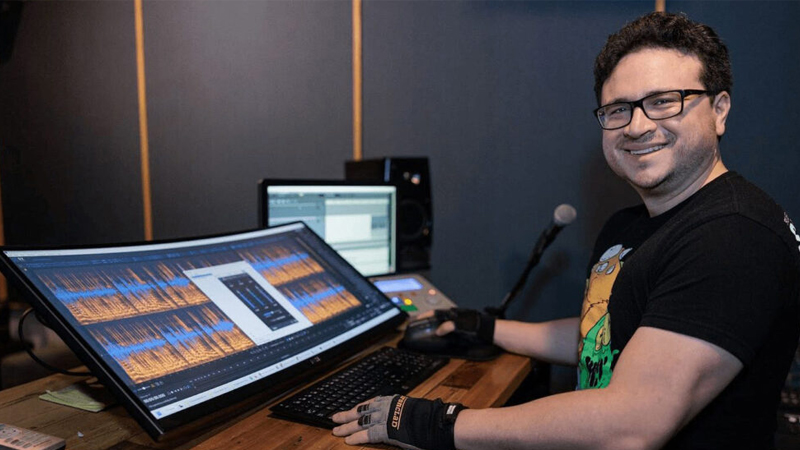
    He is an award-winning sound guy. Sound as in reliable; sound as in to do with audio. Cory Choy and his boutique sound studio Silver Sound Studio, located in the heart of New York City, have made a name for themselves, which is the envy of many others.

    Silver Sound boasts an Emmy award-winning team of on-location sound recordists in New York and Los Angeles. Choy himself picked up the lovely golden lady for his work mixing the sound for a show “Born To Explore.”

    His studio provides recording, design, edit, restoration and mix services and has worked with all sorts of people all over the globe including, but not limited to: ABC, NBC, Vice, Comedy Central, ESPN, Disney, Google, Microsoft, CNN, MTV, FOX, Netflix, Apple, Shudder and Spotify.

    In a wide-ranging interview, the Emmy Award-winning sound artist, engineer and studio owner discusses the evolution of audio technology, creative freedom, and the intersection of art and social responsibility. Here are the key insights from his conversation with Indiantelevision.com group CEO and publisher Mishaal Wanvari.

    On what sparked his interest in sound design.

    It was an inevitability rather than a decision. Both my parents were musicians – my mother wrote plays and operas, while my father combined music with computer programming. One of my earliest memories is watching my mother’s opera being performed at the Kennedy Center. But it was my father who showed me how technology could amplify creativity. He connected a Midi output from the game Monkey Island through a Casio keyboard, making it sound like a full orchestra. He connected a midi through a keyboard with a massive and professional instrument sound bank– which was far superior to the stock soundcard midi instruments. That early demonstration showed me how technology could be used to bring people together… the midi experience taught me that looking for a unique solution and setups can bring great power and creates experiences far beyond what people expect.

    On the evolution of sound editing tech during his career.

    I started at the very end of physical tape editing, where you had to physically cut and splice tape together. There was no undo button – once you made a cut, you had to live with it. The transition to digital audio workstations was revolutionary. Suddenly, all your tape was right in front of you, you could cut anywhere, and if you made a mistake, you could simply undo it.

    The economics were equally transformative. In 2006, a professional Pro Tools system cost around $10,000 – might as well have been a million to me at the time. But then Dell provided affordable, powerful hardware, and I discovered Reaper, which cost just $60. With a $2,500 Dell computer and Reaper, we were competing with studios using much more expensive equipment. Reaper vs. Avid – every single line of code in reaper is very well thought through with a small team, it is very efficient, and the entire program is designed to empower the user not restrict it. There is more freedom and there are more possibilities in Reaper than any other program I have ever used.

    On his Emmy Award win and on his experience thereafter.

    We won it in 2016 for the programme Born to Explore. One of our most impressive achievements was capturing crystal-clear dialogue from a host 200 feet away on a lake, using a highly directional Sanken CS-3E microphone. The water’s surface actually helped carry the sound. What made it special for us was that we won it in a category that is extremely competitive.

    On his Aisha win at the Tribeca film festival.

    It’s a fascinating story that began with an intern application. Fayshyo Aluko, a Nigerian poet with no sound experience, applied for an internship. When I asked why she wanted to work in sound, she simply said she wanted to explore sound design. I gave her a poem I’d written about a Palestinian girl, inspired by my own daughter’s questions about human rights.

    What Fayshyo brought to it was extraordinary – she incorporated traditional Nigerian storytelling techniques, using an oil drum beat as a metaphor for both footsteps and heartbeats. Her first-ever sound design piece won at the Tribeca Festival. It went on to win a Signal Award and an Anthem Award for human rights work.

    On the industry’s relationship with technology.

    The accessibility of technology has been revolutionary. When I started, a gigabyte of storage was massive – Pro Tools required one gigabyte just to install. Compare that to Reaper, which was just two megabytes. The difference? Avid spent their programming efficiency on creating paywalls – $50 here, $100 there, some plugins over $5,000.

    But now, with affordable computers and software, small studios can compete with anyone. Though the challenge isn’t doing the work – it’s finding it. If you’re not in the elite class, convincing someone from that class to work with you is the real challenge.

    On what’s next for sound design and sound mixing.

    We’re at an interesting inflection point with AI and machine learning. The technology is incredibly powerful, but we need to consider the ethical implications. For instance, voice cloning technology could be used for scams or misinformation. The wealth gap in computing power also means some will have access to these tools while others won’t.

    The future of our industry will depend on how we balance these technological capabilities with ethical considerations. It’s not just about what we can do, but what we should do.

    AI is both enabling and potentially corrupting. It’s incredible for tasks like analysing a voice and removing unwanted noise, but it also raises ethical concerns. We can now make someone sound like they’re saying something they never said, with their exact voice. While that’s exciting from a creative standpoint, it’s concerning from an ethical one.

    I have mixed feelings about the cloud-based AI tools emerging in our industry. Tools like Eleven Labs are incredibly powerful, but they raise important questions about access and control. What happens if these services suddenly become restricted based on geography or politics? It’s similar to the wealth gap we’re seeing in computing power – those with access to unlimited energy and graphics cards will have more capabilities than others.

    What’s fascinating is watching how different regions approach these challenges. Chinese engineers, for instance, are often outwitting their American counterparts with fewer resources. It’s not just about having the most powerful tools – it’s about how creatively you use what you have.

    On the way forward for small studios in a competitive market.

    The tools have never been more accessible, but the challenge is standing out in an increasingly crowded space. There are billions of talented people in the world, everyone has something unique to bring to the table, and the competition is fierce while resources are limited.

    However, I believe independent studios have an advantage in being more nimble and able to take creative risks. The key is finding your unique voice and the audience that resonates with it. It won’t be the easiest path, but if you really want to be in this space, you absolutely can make it work.

    And yes, the model has changed completely. At Silver Sound, we’ve evolved from a partnership to a more focused operation. The pandemic really took a chainsaw to the industry in 2020 – many partners and staff left, and we weren’t sure we’d survive. But then I met our current studio manager and latest engineer, both in their 20s, and it gave us new direction.

    Now our mission is to help develop new talent while remaining economically sustainable. We want to create things that make both us and the world better, but in a way that supports everyone financially. It’s about finding that balance between artistic integrity and commercial viability.

    The hardest part isn’t doing the work – it’s finding it. If someone gives me a project and appropriate funding, we can create something extraordinary. The challenge is breaking through that class ceiling where elite-level clients don’t trust smaller studios with significant projects.

    That said, I believe boutique studios have advantages in today’s market. We can be more responsive, take creative risks, and maintain closer relationships with clients. The key is finding clients who value that personal touch and creative freedom over the prestige of a large studio name.

    On his feature film.

    Sound and music are integral to my film Esme, My Love – you really won’t understand the movie without them. We made it for $135,000 total, yet people think we spent £3 million. That was only possible because we had Silver Sound as a home base. It’s now being dubbed into Spanish and Portuguese, with Korean potentially next.

    It’s still an independent gem – not widely known in the United States or globally – but I’m proud that it got distribution. You can find it on Amazon and Tubi. We spent six years working on it, ensuring it didn’t feel like something just slapped together.”

    On his approach keeping in mind the technical versus creative aspects of sound design.

    Technical precision is only a means to an end – creative decision-making is everything. If you don’t have the technical ability to execute your creative vision, then you need to improve technically. The more technical ability you have, the better you understand what’s creatively possible. They feed off each other.

    We offer two modes at Silver Sound: we can either help someone achieve their vision to its highest level possible, or we can work with them to create a vision from scratch. People come to us because they know our technical work is solid, but we provide a creative aspect that many other companies can’t match.

    On how technology vendors have evolved in service.

    I’m particularly grateful to Dell, and this isn’t just corporate speak. In New York City, their ProSupport service has been invaluable. When a computer breaks down in a professional studio, having a skilled repair technician on-site within 24 hours is extraordinary. Finding a reliable repair person independently could take a month.

    However, I’m watching carefully how technology companies position themselves during these challenging times. We need companies that empower creators rather than restrict them. The best technology partners understand they’re enabling creativity, not just selling hardware.

    On what excites him most about the industry’s future.

    The democratisation of technology has opened up incredible possibilities. When I started, the barrier to entry was hundreds of thousands of dollars. Now, with a decent computer and some affordable software, talented creators can produce professional-quality work.

    But what really excites me is seeing how younger generations approach these tools. They’re not bound by traditional workflows or assumptions. They’re combining technologies in ways we never imagined, creating new forms of storytelling. The challenge will be maintaining high creative standards while embracing these new possibilities.

    On advice for aspiring sound designers.

    Do what you love, but understand the economic realities. Unless you join a large company, it’s not an easy path financially. You can live a good life as a sound mixer and designer, but if you’re independent, you need to be a business person as well. If that’s not your strength, find a business partner who can handle that aspect while you focus on the creative work. The competition is fierce and resources are limited, but if you truly want to be in this space, you absolutely can make it work.

    On his belief that media has social responsibility and his willingness to remind it of it.

    Many companies are afraid to take moral stances for fear of alienating potential clients. This year, I’ve made a conscious business decision to openly oppose fascist movements in America. Yes, we might lose some potential clients, but I believe we’ll attract more of the kind of clients we want to work with. You can be moral and ethical, but if you can’t feed your family, it’s no good. However, I don’t want to survive in a way where my soul isn’t surviving.

  • Bloomberg Media expands reach with Brandwidth Mediaè tie-up

    Bloomberg Media expands reach with Brandwidth Mediaè tie-up

    MUMBAI: Bloomberg Media, the multi-platform media company for business and financial information, is doubling down on its regional presence with a strategic partnership with Brandwidth Mediaè. The collaboration aims to deliver Bloomberg’s cutting-edge financial intelligence to a wider audience across the subcontinent.

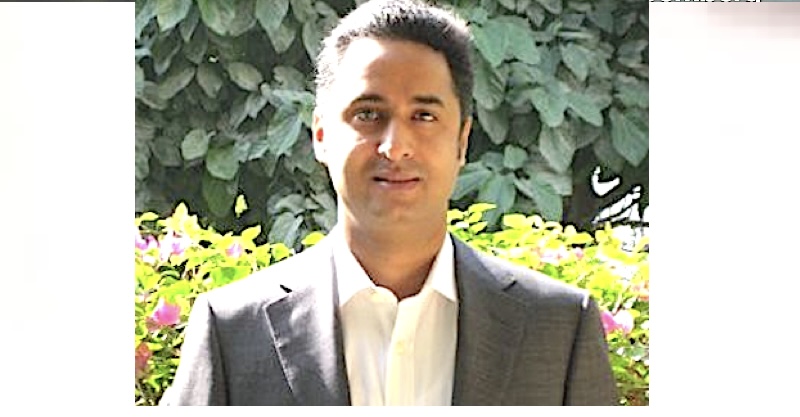
    Brandwidth Mediaè founder & managing director Rahul Sood said, “This partnership with Bloomberg allows us to bring unparalleled financial insights to audiences across the subcontinent. We’re excited to deliver Bloomberg’s dynamic and authoritative news to viewers on all screens.”

    Bloomberg is globally celebrated for its rapid, precise and insightful reporting on business and financial affairs, empowering audiences with real-time updates and deep market intelligence. “We are excited to introduce not just Bloomberg TV, but also Bloomberg TV+ and Bloomberg Originals, further expanding their reach and strengthening the brand in this dynamic region,” said Brandwidth Mediaè founder & managing partner  Rohit Jaiswal.

    Brandwidth Mediaè is an independent content, technology, and media sales company, dedicated to helping global brands expand their footprint and monetise their services. It provides high-impact opportunities for businesses to generate new revenue streams and amplify their reach.

    With a star-studded roster of partners—including CNN, Al Jazeera and TV Today in broadcast, and Frammer AI & Benchmark in tech—Brandwidth Mediaè continues to build up its presence in the media world. Its latest partnership with Bloomberg Media is set to raise the bar for financial journalism in the region, delivering top-tier insights to an ever-growing audience.

  • CNN inks south Asian digital distribution deal with Rahul Sood’s Brandwidth Mediae

    CNN inks south Asian digital distribution deal with Rahul Sood’s Brandwidth Mediae

    MUMBAI: There’s life beyond employment. No one is proving this adage better than former NDTV senior exec Rahul Sood who spends his time working for select clients  and improving his golf handicap, when he can grab a few hours off from work. Which is pretty often.

    Recently, his firm Brandwidth Mediae of which he is co-founder and managing director signed on CNN International Commercial to handle its digital content distribution across six south Asian markets. 

    The agreement allows regional platforms to access CNN’s video-on-demand content, including flagship shows Fareed Zakaria GPS and Anderson Cooper 360, across the Maldives, Sri Lanka, Nepal, Bangladesh, Bhutan, and Pakistan.

    “This collaboration will offer audiences greater access to world-class coverage at their convenience,” said Sood who also represents Al Jazeera, India Today Network, global streaming platforms like Hallmark Movies and Frammer AI on the tech side.

    “We are excited to work with CNN International Commercial to enhance their presence across the South Asian region by leveraging leading telcos and OTT platforms,” added co-founder & managing partner Rohit Jaiswal, 

    The partnership aims to expand CNN’s presence in South Asia through telecom and OTT platform partnerships.
     

  • CNN and Hyundai launch campaign honoring changemakers and visionaries

    CNN and Hyundai launch campaign honoring changemakers and visionaries

    Mumbai: CNN International Commercial (CNNIC) and Hyundai Motor company are partnering to launch a cross-platform campaign celebrating extraordinary success stories worldwide. This collaboration features a blend of branded content, advertising, and sponsorship, bringing Hyundai Motor’s mission of ‘Progress for Humanity’ to life through engaging storytelling for CNN’s global audiences.

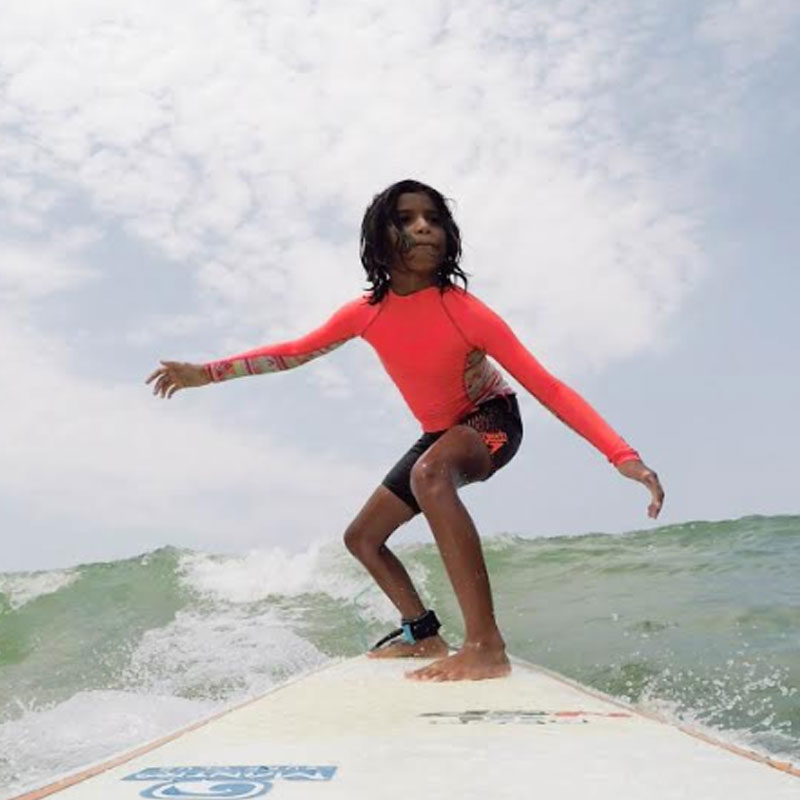
    The campaign’s branded content includes two films by CNNIC’s global brand studio, Create, showcasing Hyundai Motor’s commitment to sports. In the first film, Australian surfer and Hyundai ambassador Laura Enever, a Guinness World Record holder, raises awareness for female surfers and advocates for the sport’s future. Through a documentary-style approach, Enever’s story empowers young female surfers to follow their dreams.

    Hyundai Motor will also sponsor Visionaries, an editorial series airing across CNN International’s TV, digital, and social platforms from November through April. Visionaries will highlight leaders in fields like art, business, technology, and sports, aligning with Hyundai’s goal of promoting quality of life. The series, hosted by CNN’s high-profile correspondents and anchors, will showcase stories of people shaping a better world.

    ‘We are excited to collaborate with Hyundai Motor Company on this inspiring campaign that underscores our shared commitment to spotlight the diversity of inspiring leaders across different fields of importance who have each pioneered change for the better,” said CNN International Commercial, senior vice president, Cathy Ibal. “Through our authentic storytelling and a rich mix of branded content and the editorial series, we hope the compelling stories we shared will inspire CNN’s global audiences and spark meaningful conversations.”

    The first Visionaries episode aired on 2 November, featuring Olympic champions Simone Biles and Jordan Chiles on handling pressure, alongside former PepsiCo CEO Indra Nooyi discussing balancing motherhood with leadership.

  • CNN explores Asia’s ancient temple cuisine

    CNN explores Asia’s ancient temple cuisine

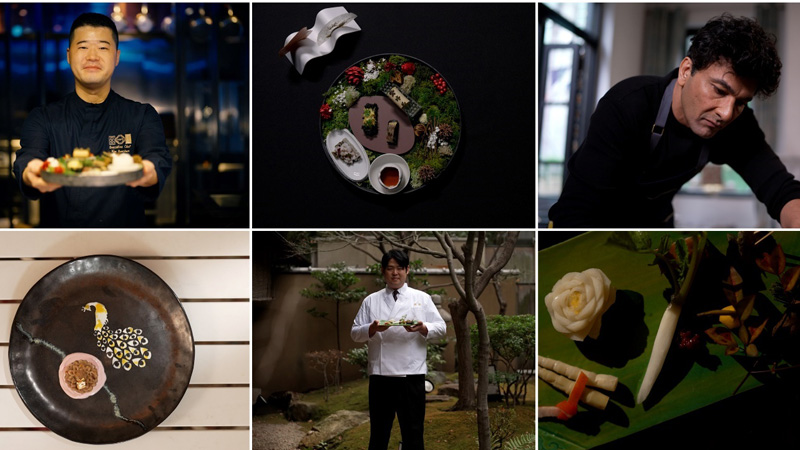
    Mumbai: Asia’s wide variety of temple food has a long and ancient history of focusing the mind, balancing the body and nourishing the soul. Ingredients are fresh, local, often vegetarian, and always healthy, offering a cleansing template for eating in today’s modern world. This month, CNN’s Food for Thought visits several temples across Asia making exceptional food for its devotees and the award-winning chefs bringing those health-giving traditions and ingredients to some of the world’s top tables.

    In central Tokyo, Seishoji Temple is an oasis of calm. CNN meets up with chef Yusuke Nomura, whose grandmother founded a restaurant over seventy years ago on the temple grounds dedicated to cooking the ancient art of Japanese temple food – ‘shojin ryori’. The plant-based cuisine is focused on fresh seasonal ingredients and minimal seasoning to maintain a balance of the mind through balance on the plate. Now with one Michelin star, the family restaurant, Daigo, continues to serve high-end shojin ryori inspired by Buddhist teachings and Nomura’s family legacy.  

    CNN then travels to Jinkwansa Temple in Bukhansan National Park in Seoul to learn about the ancient art of fermentation and Korean Buddhist temple cuisine. The nuns, led by the Master of Korean Buddhis temple food Ven. Gyeho Sunim, cook with vegetables grown on temple grounds and forage for local wild delicacies like mushrooms and herbs depending on the season. Back in Seoul’s busy hub, CNN talks to chef Kim Dae-Chun, of Seventh Door restaurant, who uses the ancient fermentation and ageing processes inherent in Korean food to create Michelin-starred dishes based on what he considers the country’s culinary DNA. Ever since visiting Jinkwansa Temple, he has been fascinated by their cooking, which now provides inspiration for his innovative dishes.

    Finally, CNN visits the heart and soul of Sikhism – the Golden Temple in Amritsar, in northern India. Here, the community kitchen feeds tens of thousands of people a day with fresh vegetarian cooking. Spices play a key role here, including the ‘golden spice’ — turmeric. Its health-giving properties may help treat inflammation, arthritis, and high cholesterol. CNN meets Indian celebrity chef Vikas Khanna, who grew up in Amritsar and continues to be inspired by the giant community kitchen of the Sikhs in his hometown. He’s now on a mission to bring the flavours of India back to his adopted hometown of New York.

  • CNN’s Call to Earth explores the crucial connection between cities and wilderness

    CNN’s Call to Earth explores the crucial connection between cities and wilderness

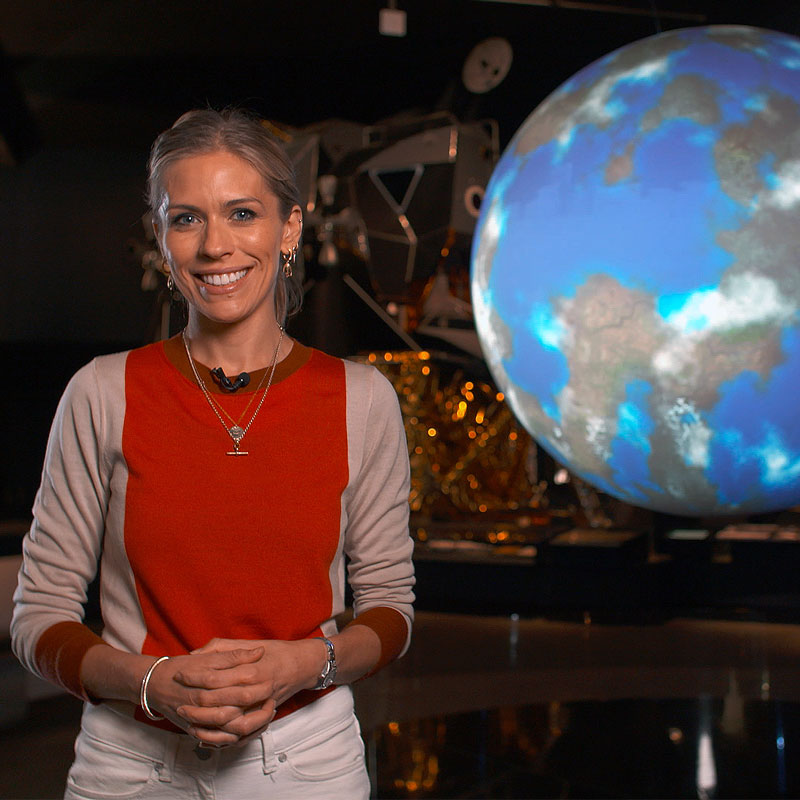
    Mumbai: The conflict between people and the planet’s dwindling wildlife over food, resources, and space for living, is as present in the heart of our cities as it is in remote rainforests, and in the depths of our oceans. In a special half-hour show, CNN’s Call to Earth highlights this crucial connection between cities and wilderness, showing how people living in urban areas can have a huge impact on both wild environments around the world and the hidden wilderness within our cities.

    Earlier this year, India surpassed China as the world’s most populous nation. Despite having only five per cent of its terrain reserved for nature, the country is also home to the highest number of tigers and Asian elephants in the world. Every year there are thousands of cases where communities and large mammals clash and the result is damage, injury, and often death on both sides. Conservation biologist and Rolex Laureate Dr. Krithi Karanth said that one of the biggest challenges is trying to get people living near national parks to care for wildlife that threatens their very existence, “You have large, charismatic megafauna living next to really high densities of people. They’re going to come to raid crops, or they’re going to come and get livestock.”

    As the executive director of the centre for wildlife studies (CWS) Dr. Karanth has spent the past two decades helping rural communities access a program that gives them compensation for their losses. It’s a pragmatic approach that has greatly reduced hostility towards wildlife in rural communities. She said, “Initially the worry was, ‘would people call?’ And people started to call. And they realised that 100% of the time, our amazing CWS team show up. It doesn’t solve the problem, but at least it helps assuage people so they don’t retaliate out of anger and frustration against, particularly, large animals.”

    As part of her research, Dr. Karanth has travelled to 3000 villages in key conflict areas, looking for ways to lessen the impact of wild species on rural communities. She speaks about her experiences, “I walk away with simple admiration for these guys, because they’re getting hit over and over and over again, and yet, they understand that they have to figure out a way to share space with wildlife.”

    Singapore, one of the fastest-developing cities on earth, has increased its natural cover to almost half its land area over the past 30 years. Despite that, exponential human population growth still exerts pressure on its natural resources. The city is home to the Raffles’ banded langur, one of the top 25 most endangered primates in the world. Just a few hundred survive in the wild. Primatologist Dr. Andie Ang has made it her life’s mission to save them, “It is really hard to actually balance between development and also nature conservation. But I’m pretty hopeful because we have transformed to a place where we recognise the importance to keep those habitats protected so that we can co-exist with our wild neighbours.”

    According to Dr. Ang, one of the biggest threats that the langurs face is habitat fragmentation. The city’s green bridges provide animals with a passageway from one safe haven to another, but keeping the forests intact is key to the survival of the species. Ryan Lee, director of Wildlife Management at NParks, talks about the project, “We have been installing wildlife bridges to try to extend the natural habitat beyond the boundaries of our nature reserves. And it has been proven to reduce the number of road-kills and also improve the way [primates] move around Singapore.”

    Finally, the programme visits Tasmania, home to ancient ecosystems and to a new generation of conservationists determined to preserve the island’s ecology and natural resources. As the University of Tasmania expands, it is doing so around the habitat of its long-term residents: the little penguins. The university is helping local conservationists to turn its carparks into habitats complete with native plants and man-made penguin burrows. Perviz Marker, a volunteer at the Friends of Burnie Penguins, talks about the work, “Some colonies in the south-east of Tasmania have disappeared. Some colonies here have got less. But a lot of them are maintaining their numbers because there’s been a lot of coast care and community involvement.”

    As Tasmania moves towards a more sustainable future, a shift to clean energy production is threatening to have a huge impact on the island’s natural habitats. Environmentalist Bob Brown discusses the dilemma, “We’re in a double dilemma. And they’re two sides of the one coin. The mass extinction of species which is ratcheting up due to our destruction of nature. And the warming of the planet, which is ratcheting up due to our burning of fossil fuels and forests.” He continues, “ We still have natural areas that are intact both in the oceans and on land. It’s ours to keep. And it’s got to be done in this generation. No future generation can come back and undo what we are doing.”

    Robbins Island off Tasmania’s north coast is one of the windiest places on earth and may soon become the home of one of the biggest wind farms in the world. Despite the prospect of supercharging the country’s energy grid with clean power, environmentalists fear the wind farm could destroy the habitat of precious species including the Tasmanian Devil. Greg Irons, Director of Tasmania’s first and only wildlife rescue centre, describes the unique habitat of the area, “We’re like this Noah’s Ark of Australian wildlife, sort of the last stand for a number of species that once roamed all over Australia and now are only in Tasmania.”

    Call to Earth: Our Shared Home is part of CNN’s third annual Call to Earth Day, celebrating a planet worth protecting. Partnering with schools, individuals and organisations across the world, CNN will use its global presence for a day of action to raise awareness of environmental issues and to engage with conservation education.

    Register for Call to Earth Day Event:

    https://edition.cnn.com/2023/06/23/world/join-us-for-call-to-earth-day-on-november-28-2023-c2e-spc/index.html

    Call to Earth: Our Shared Home airs on CNN International at the following times:

    Tuesday 28 November 2023 at 05:30 BST and 11:30 BST.

  • CNN’s Mission Tiger focuses on tiger conservation initiatives

    CNN’s Mission Tiger focuses on tiger conservation initiatives

    Mumbai: Over the past 10 years, tiger conservationists have been making strides in increasing wild tiger populations. However, these animals may come into conflict with the communities living in their territories, presenting dangers to humans and tigers alike. In the next episode of Mission Tiger, senior international correspondent Will Ripley reports on conservation efforts in India and Nepal and, traverses the jungles of Thailand, hearing the stories of the people conserving tiger habitats and preventing human-wildlife conflict.

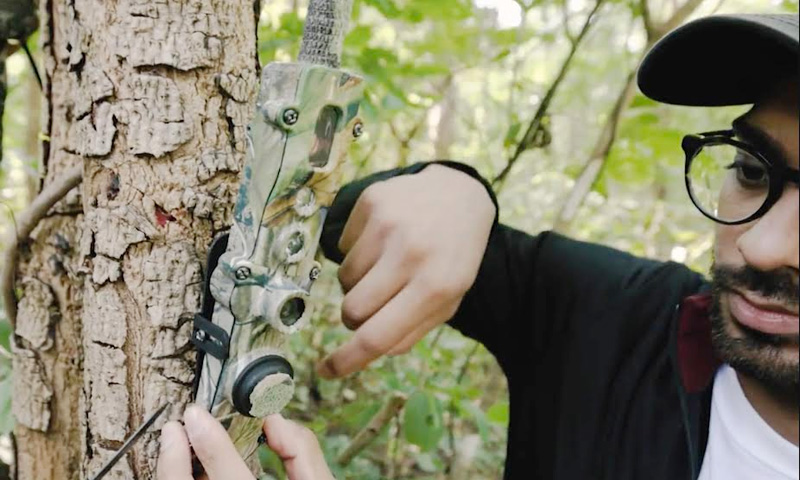
    CNN travels to Madhya Pradesh, known as India’s tiger state. Here, a 2,000 square mile corridor of forest that joins Kanha Tiger Reserve with Pench Tiger Reserve is essential for the tiger population. However, the corridor is also home to around 600,000 people, placing them and their livelihoods at risk of tiger attacks. Piyush Yadav, a conservation technology fellow at resolve introduces the trailguard AI-based camera system which captures images, identifies the subject and sends these images to forest rangers. Forest rangers then use this information to warn villages of tigers in their area, creating an early alert system to protect not just humans, but the tigers as well.

    CNN then goes to Nepal, where humans and tigers co-exist in the Khata Corridor, an area of around 80 square miles joining Bardia National Park in Nepal with Katarniaghat Wildlife Sanctuary in India. The coexistence between tigers and humans in the corridor is complex. Increasing wild tiger populations and humans encroaching on their habitats has led to more tiger attacks, yet homestay owners highlight how the growing tiger population attracts tourists and drives the local economy. Umesh Paudel, a wildlife researcher for Nepal’s National Trust for Nature Conservation, emphasises the importance of investing in community development in order to manage this human-wildlife conflict.  

    CNN also visits Thailand to explore the Western Forest Complex – 7,000 square miles of protected woodland that is home to much of Thailand’s wild tiger population. Ripley starts his journey at Khao Kho Wildlife Breeding Center and learns how the facility breeds vulnerable species like Sambar deer. These deer are released into the wild to recover their population in the ecosystem, filling a gap in the food chain, and hopefully lead to a boost in the tiger population as their natural prey. Ripley then joins WWF Thailand as they track a tiger in the Mae Wong National Park.