Tag: cinema

  • Six contemporary French films at Bonjour India Fest

    Six contemporary French films at Bonjour India Fest

    MUMBAI: As part of the Bonjour India- Festival of France, six contemporary French films will be screened at PVR Anupam Saket in New Delhi from 22 to 24 February.


    Later, the festival will travel to seven cities with an aim to promote contemporary French cinema in India.


    Entry is free on first come first served basis. Passes will be available 45 minutes before the show timing at the venue.


    Bonjour India 2013 is a cultural exchange programme between India and France in the fields of art, literature, cinema, education, sports, fashion, photography and the performing arts.

  • Cinema owners threaten to boycott Kamal Haasan’s film

    Cinema owners threaten to boycott Kamal Haasan’s film

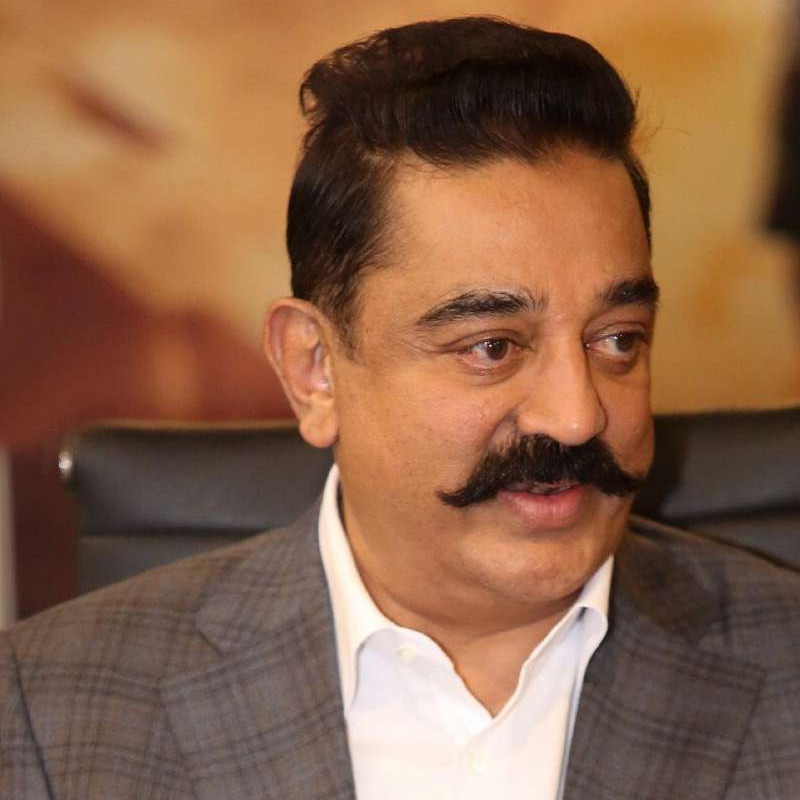
    MUMBAI: The Tamil Nadu Cinema Theatres Association has threatened that none of Kamal Haasan`s films (old or new) would be released in any theatres in the state if he goes ahead with his plan to release his upcoming spy thriller `Vishwaroopam on the DTH TV serivce, before releasing it in theatres.

    This was declared by theatre owners and their representatives across the state after a meeting to decide their future course of action in view of Haasan deciding to release Vishwaroopam on DTH on 10 January and in theatres the next day.

    Briefing reporters on the deliberations of the meeting, association general secretary, Paneerselvam said theatre owners have already asked Haasan not to release the film on DTH, which would set a precedent, leading to closure of theatres.

    The association claimed that Haasan has decided to release the film in theatres in other states, including Kerala and said it would request him not to mete out such a step-motherly treatment to theatres in Tamil Nadu.

  • Life of Pi to premier in India at IFFI 2012

    Life of Pi to premier in India at IFFI 2012

    New Delhi: The Central and Goa Governments have allocated a budget of Rs 90 million for the 43rd International Film Festival of India which will be inaugurated by versatile actor Akshay Kumar.

    The festival being held from 20 to 30 November will have the Indian premiere of Academy Award Winning Director Ang Lee‘s much awaited film ‘Life of Pi‘. The film‘s worldwide theatrical release is slated for November 23.

    Eminent Polish film maker Krzysztof Zanussi, will be conferred the Life Time Achievement Award at the Festival, which this year will have a special Centenary Award which will be decided by an independent jury.

    The inauguration will feature a medley choreographed by Maestro Saroj Khan and songs sung by Kailash Kher. Kher said he will be performing only on the Hindi film songs, keeping in view the celebration of 100 years of cinema.

    Information and Broadcasting Minister Manish Tewari has said the Centre will work towards making the forthcoming International Film Festival of India (IFFI) Goa a self sustainable event.

    Speaking over the weekend in Panaji, he said the Ministry will work towards this goal after the conclusion of IFFI 2012. The premier Festival is currently being financed by the Union and Goa government.

    “I agree with the spirit (that festival should be self sustainable). There is road to travel. Once we are through with this festival, we will see how possibly can make this happen,” the Minister said.

    Since the time IFFI moved to Goa as a permanent venue in 2004, efforts have been made to ensure that it is made self sustainable.

    The Taiwanese born American Director Ang Lee and the cast and crew of the film that includes Tabu, Irrfan Khan and the main lead and debutante Suraj Sharma will be present.

    The ‘Life of Pi‘ which is based on an adapted screenplay of a novel by the same name by Yann Martel, is a 3D adventure film telling the story of a 16 year old Piscine Molitor Patel (Pi) of Pondicherry (Puducheri), who survives a shipwreck along with animals like an orangutan, a zebra, a hyena and a Royal Bengal Tiger. The film explores the issues of spirituality, religion and life as a whole.

    Ang Lee is the man behind some of the most prestigious and acclaimed films such as Sense and Sensibility (1995), Crouching Tiger, Hidden Dragon (2000), Hulk (2003) and Brokeback Mountain (2005). His latest film, Life of Pi, besides providing a global platform for Indian artistes, also explores some of the scenic spots in India, including the countryside of Munnar and the French elegance of Pondicherry. During his interaction with the media, Ang Lee admitted that experiments like his are helping change the stereotype perceptions about Indians and the Asians in mainstream Hollywood.

  • Mumbai film fest to screen films from Afghanistan

    Mumbai film fest to screen films from Afghanistan

    NEW DELHI: A 13-film special package from Afghanistan is one of the key attractions of the ongoing Mumbai International Film Festival for Documentary, Short and Animation films.

    Short filmmaker Reena Mohan who has curated the package said: “Afghanistan is the most reported but least understood region in the world.”

    The war in that country had ensured a heavy international media presence in that country, but the coverage and depiction is often ‘narrow and limited‘, with emphasis on conflict, opium and feuding tribes. A number of other documentaries made by non-Afghans show topics like cricket in Afghanistan or women playing football.

    Mohan said her main aim of putting together the Afghanistan package was to show to the world the depiction of the ‘real Afghanistan’ through the eyes of Afghan filmmakers. The package aims to trace the differences in their way of representing and seeing their own country. It also explores the challenges faced by artistes in expressing their thoughts amidst growing opposition to creative freedom.

    Films include Addicted to Afghanistan by Jawed Taiman on the issue of opium and drug’s devastating effect on the children of Afghanistan; Death to the Camera by Sayed Qasem Hossaini examines the delicate gender issue; Shabana by Mohammad Haroon Hamdard is an insight into the life of a girl child in Afghanistan; and Hameed Alizadeh’s Checkpoint looks into the life and work of 15 border policemen.

    Half Value Life is the story of Marya Bashir, the first woman public prosecutor in Afghanistan. Other films are A letter to light, House No111, Joys of Fervency, Playing the Taar, You Don’t belong to this country, and animation films Hope, Shelter and Death to Freedom.

    Cinema entered Afghanistan at the beginning of the 20th century. The political changes in Afghanistan have not allowed cinema to flourish, but several Pashto and Dari film makers, both inside and outside Afghanistan, have been producing films.

    Amir Habibullah (1901–1919) introduced film to Afghanistan, but in the royal court only. Pahgam was the first silent film shown to public in 1924. In 1968 Afghan Film, a state-run film production company, was formed and it began producing documentaries and news films highlighting official meetings and conferences of the government which were shown before the screening of feature films, which were mostly Hindi films from India. After the civil wars of the 1990s which forced people to migrate to Iran or Pakistan, the cinema of Afghanistan has slowly started to emerge from a lengthy period of silence.

  • Javed Jafferi takes to documentary making

    Javed Jafferi takes to documentary making

    MUMBAI: With the formation of his new company Indian Documentary Foundation, noted comedian Javed Jaaferi has taken a plunge into documentary making.
     

    “Indian Documentary Foundation is a non-profit organisation that will help raise funds for financing and marketing documentary films, create awareness and raise the bar for Indian documentaries,” Javed said.
     

    Earlier, he was the co-producer of Inshallah, Football, a documentary on the game of soccer. Now, Jaaferi hopes to create a market for such movies that act as an eye-opener and share hard-hitting information.

    “Documentaries act as an eye-opener and say a lot about society, whether it`s Malegaon Ka Superhero or Final Solution. These films provide some amazing and hard-hitting information in a condensed form. There are so many different areas that they touch upon, which people are not actually aware of,” he observed.
     

    The 48-year-old Jaaferi blames the ‘escapist’ attitude of people for the dwindling state of documentary filmmaking.
     

    Jafferi, son of veteran comedian Jagdeep, has been the mainstay of films like Double Dhamaal, Hello Darling, Lafangey Parindey, 3 Idiots, Daddy Cool: Join the Fun and Kambakkht Ishq, among others.

  • ‘India and China are our key markets in Asia’ : Dolby Laboratories senior director, broadcast Jason Power

    ‘India and China are our key markets in Asia’ : Dolby Laboratories senior director, broadcast Jason Power


    Driven by the rapid development in digital and mobile technologies, sound company Dolby is expanding its market base from cinema to the broadcasting sector.


    Dolby is pushing Dolby Digital Plus, an enhanced version of the Dolby Digital system, which allows broadcast operators to deliver surround sound. But Dolby also works with the entire value chain to ensure a better consumer experience.


    As the Indian broadcasting sector digitises, Dolby sees a big opportunity. It has stitched deals with three DTH operators and is in talks with the cable TV operators. It wants to work with content providers to boost the quality of their sound.


    In an interview with Indiantelevision.com’s Ashwin Pinto, Dolby Laboratories senior director, broadcast Jason Power talks about the company’s growth across all media platforms and its India plans.


    Excerpts:

    What strategy has Dolby followed in the past few years to enhance the consumer’s entertainment experience?
    Our focus lies in all those things which are going digital and High Definition (HD). This is where we see a big opportunity as we create technologies that enable entertainment to be replayed at its best. While people know us for doing this best for cinema over the past 10 years, we have also been focusing on the broadcast sector and other areas where digital entertainment has been happening.

    Dolby has been closely linked to the transition to high definition around the world. Dolby has been there to make sure that the audio complements the HD picture.


    Now HD content is moving to digital devices such as the mobile phone. We ensure that content is replayed at its pristine best, regardless of the platform which includes online delivery.

    What new products have you added to your portfolio recently?
    The most exciting product for broadcasting is Dolby Digital Plus. Dolby Digital has been synonymous with HDTV. Dolby Digital Plus is the new generation of that technology and an ideal combination for new HD television services. It is being used in Europe and the US.


    In India, it is currently being used by three direct-to-home (DTH) operators – Airtel digital TV, Tata Sky and Sun Direct. Using our technology, they can now offer 7.1 channels of surround sound.

    How is Dolby Digital Plus an improvement?
    It allows surround sound to be added at attractive data rates. It minimises the data rate that broadcasters need to use for transmitting audio. There is a 40 per cent saving over the previous technology. Most importantly, it allows for future innovation. The Blu Ray disc, for example, has features for 7.1 channel audio, for interactivity in the audio. We can offer these same benefits to broadcasters. It can keep DTH competitive.

    What kind of product research does Dolby do to make sure that clients and consumers are satisfied?
    Satisfying consumers is what we are about. We believe that to be successful, we have to make a difference to the entertainment experience.


    To make the technology a difference, we want to help the industry create a surround sound. We work with content makers to help produce in surround sound. We work with broadcasters to help them handle that surround sound in their station. We also work with operators to help them transmit that surround sound.


    We work with set-top box (STB) vendors to help them input our technology. We also work with home cinema manufacturers. We do educational drives and training to help operators understand our technology better and see how people hook up systems better. We are present across the value chain.

    What have the learnings been from working with so many parties?
    In the broadcast business where we have over 1000 channels using our technology, we find the eco system complex. Many parties are involved in the chain. There is production, broadcasters, equipment vendors, STBs, chip suppliers and middleware. There are all these layers. You have to support all these players if you want to give the consumer at home a better experience.


    A key part of our success is our engagement with all the parties all the way through the value chain. We have not just tried to flog the technology in one small piece. We have engaged with the whole industry to help make surround sound a reality for them. We have nurtured and catalysed the process happening in the industry. This has been essential to our success in the broadcast business.

    For us, the Indian market will be content driven. China, on the other hand, will be more manufacturing centric

    Which are your top three markets in Asia?
    You have to split it between the consumer audience and manufacturing. Clearly, there are TV manufacturers in Korea. But in terms of consumption and getting content on the air in our technology, India and China are key. They have large populations going through an exciting digital transition. DTH is exploding in India. The HD transition is just happening. Digital cable transition will happen in the coming years. This is why we are excited about India.

    Earlier Dolby was known for its work in cinema. When did you shift the focus to broadcast and mobile entertainment and how has it benefited you?
    We remain focussed and invest heavily on cinema. We innovate in terms of audio formats for cinema. We are involved in 3D for cinema.

    But we have steadily grown other businesses as digitisation has spread globally. Broadcast and PC is our second largest biggest segment.

    How important will the role of sound be in a digital Indian television landscape?
    What is interesting is that India has a passion for entertainment. Consumers are hungry for changing the quality of their entertainment experience; we can provide that change.


    HD is about video and audio. Both are equally important – or it is incomplete. We think that for HD to make a difference and a valuable proposition, it needs to be more than just a pretty picture on the wall. We can turn it into an immersive experience where the consumers feel that they are in there.


    We want to put your right in the middle of a cricket match, right in the middle of a rainforest or in the middle of your favourite drama, for instance. Picture gives you detail and something to watch for, but it is the sound that makes it real for you.

    What other products do you offer for the broadcast sector?
    The other product is Dolby Volume. It is a different challenge. It deals with the issue of volume inconsistencies across TV services. It can even be used in TV sets to level out sound differences.

    How big a challenge is it to market your products to television platforms and services in India and abroad?
    Our technology is used in over 50 per cent of TV sets shipped around the world. It is a challenge to market but we have invested in this area; we have improved the relevance of our technology. Our USP is about providing a richer, more immersive experience through surround sound for digital entertainment.

    What is the value add that the DTH players will get by partnering with Dolby?
    We are helping the three Indian DTH companies adopt our technology. They have included our technology in their STBs so that they can transmit on surround sound. We work upstream with broadcasters to help them provide a selection of surround sound content to feed on HD services. NGC, Discovery, ESPN are some channels that are making use of our surround sound technology. Our focus now is to work with local channels to help produce content in surround sound.

    Have you set any targets in terms of the amount of business you expect to see from India?
    We want our technology to be adopted by all the six DTH operators. We are also excited about digitisation of cable. We can help incentivise consumers to switch over to digital cable.

    To what extent did the economic downturn affect business?
    We have seen growth globally in the broadcast business. Our touch rate to digital television has doubled in the past two years. We have met our forecasts.


    We have benefited from the macro effect of HDTV rolling around the world. This insulated us from the downturn.

    Could you give me an example of how Dolby worked with a broadcaster to make the HD transition?
    We have worked with the DTH operators here. With Airtel we have worked not just in terms of enabling our technology in their transmission through STBs, but also to help them publicise this to the consumer and explain the difference.


    In the UK Sky was the first significant sized HDTV operator in Europe; so we worked with them on content. Cricket production was the first place we got involved in; we helped them work on mixing surround sound to their cricket coverage with minimal additional effort.

    In terms of sound, don’t movies and sport benefit the most?
    They do. However there are other genres like audience shows, live entertainment shows and talent shows that can also get a boost. They can be really immersive. I have seen people bend our format to all kinds of content.
    How big is your R&D effort?
    Our investment is sizeable. We have state of the art research going on in audio and imaging. We contributed some of the fundamental IP into MPEG 4 video encoding; we have some technology around high dynamic range imaging. We recently announced a product targeted at very high end post production facilities.
    Are you looking at setting up an R&D hub in India?
    That is something we would be open to. We have decentralised our research to use local talent. Five years back, we used to do most of our search in the west coast of the US. Now we have eight research locations dotted around the world. We are familiar with talent coming from here.
    How are you tackling China?
    We have been present there for a long time; our technology is a standard part of HD television there. We have 11 channels using our technology. As the digital TV transition is taking place, it is also an exciting market for us. We license our technology for STB manufactures. We partner with government agencies like Cesi. We help their members have access to our technology for the Chinese and global market.

    How are India and China different as markets?
    In India, it will be content driven for us; it is about making sure that there is local content using our technology.


    China, on the other hand, will be more manufacturing centric. It will be about enabling their manufacturers compete on a worldwide stage; we will give them audio features that the global market demands.

    On the cinema front, you have done work in stereoscopic 3D. Have exhibitors in India and overseas supported you in this, given the added investments they have had to make?
    Exhibitors are happy that they are able to command a premium price for 3D exhibition. It has helped them fund the investment in digital cinema exhibition.


    Some chains in India use us. According to our feedback, we provide the sharpest and clearest picture. Our glasses are reusable. It is not a wear once and throw away model. Theatres that are very quality conscious tend to like us more.

    How do you see 3D TV progressing?
    We are excited about the potential for 3D in broadcast. We see moves by major TV manufacturers to promote 3D TV sets. The interesting thing is that making a flat panel TV to a 3D one requires little cost. They can offer this additional benefit without there being a big impact on their cost.


    We see big forecasts of 3D TV shipments coming from broadcasters to transmit in 3D. We have published an open specification that broadcasters can use. We have exciting ideas about what we can offer in the future.

    In developing solutions for new media like mobile, you work with several partners like Nokia and LG. How has this experience been?
    We work with LG across different fields. With Nokia it is with the mobile phone and is a newer relationship. We work with them not just as an entertainment device but as an entertainment library device. You can have movie content on the phone and enjoy it with your headphones; you could also connect the phone to a home cinema system and enjoy the content in HD, Dolby surround System. We help these companies establish a completely new value proposition.


    We also work with companies like Netflix and AT&T to help their content get decoded in our formats. Then they can deliver this content through whatever pipes they choose in the best possible audio.


    What are the challenges in developing solutions for new media?
    We have partnered closely with the industry to make sure that technology is there in the form that they need it in. There are specific chips that are used in mobile phones. We also work with the chosen chip set vendors of handset manufacturers to make it easier for them to have our technologies available on a chip.
     
    The other part is creating technology to improve the headphone listening experience. When a consumer hits the Dolby button on the mobile phone, the whole experience should come alive. That is our goal. The challenge was creating a complex technology which you then make available in a form that works so that it is practical to implement on the mobile phone.
    What work does Dolby do in gaming?
    Our technology is included in Xbox, Playstation and Nintendo among other manufacturers. We work with game developers to see how best to include our technology. We also have a new technology called Dolby Axon. It is a voice communications application that helps interactive gamplay.
    What are the challenges in developing solutions for new media?
    We have partnered closely with the industry to make sure that technology is there in the form that they need it in. There are specific chips that are used in mobile phones. We also work with the chosen chip set vendors of handset manufacturers to make it easier for them to have our technologies available on a chip.

    The other part is creating technology to improve the headphone listening experience. When a consumer hits the Dolby button on the mobile phone, the whole experience should come alive. That is our goal. The challenge was creating a complex technology which you then make available in a form that works so that it is practical to implement on the mobile phone.

    What work does Dolby do in gaming?
    Our technology is included in Xbox, Playstation and Nintendo among other manufacturers. We work with game developers to see how best to include our technology. We also have a new technology called Dolby Axon. It is a voice communications application that helps interactive gamplay.
  • Marathi cinema in high gear

    The Marathi movie market is set to enter into a new phase of growth as Star, Reliance ADAG and the Sakaal Group plan to launch general entertainment channels in this langauge space.

    Marathi film producers suddenly see a fresh demand for their content, which was being consumed largely by Zee Marathi and to a lesser extent by ETV Marathi.

    Satellite TV telecast rights for Marathi movies have surged, encouraging producers to increase their production pipeline. “The average purchase of these rights for the popular movies have more than doubled,” says a trade expert who is involved in such transactions.

    There are also more outright purchase of movies and at higher prices. Zee Marathi is said to have spent Rs 4.6 million for the perpetual rights of Tingya, much more than a hit Marathi movie would have cost two years back.

    Some movie rights holders are hanging on to their library with the expectation that prices will further escalate. Says Video Palace owner Nanu Bhai, “I have some 30 Marathi superhit movie rights along with Everest Video. But we are in no hurry to sell them. Let prices further increase.”

    Top five grosser of 2007-08
    Films Total Collections
    De Dhakka RS 60 million
    Saade Maade Teen RS 45 million
    Valu RS 30-35 million
    Tingya RS 15 million
    Aamhi Satpute RS 12.5 million

    It is only after 2004, when Shwaas (which literally means breathe) gave a fresh lease of life to Marathi cinema. Even though Shwaas was sent to Academy awards, the producers had to hunt for money through charity shows to present the film there.

    Post Shwaas, however, the market started expanding. The awareness about Marathi cinema increased considerably with creativity in subject, promotion, distribution and technical advancements. Also in Maharashtra, the state government’s rule that every multiplex has to run Marathi movies has changed the fate of this market.

    But what has fuelled the growth is the entry of corporates into the market. The roster includes Zee Entertainment Enterprise Ltd (Zeel), Reliance and Mukta Arts.

    Zee has been the most aggressive player. Zeel director of regional channels Nitin Vaidya had earlier told Indiantelevision.com that it would be investing RS 300 million for a slate of 15 Marathi movies in two years.

    Mukta Arts has also chalked out its production plans. The Subhash Ghai promoted company released Sanai Choughade on 20 June; another flick Prarambh is slated for August release.

    With the pumping in of more money, the industry is going to see more movies being made. In 2006, around 45 movies were released in theaters while the number rose to 67 in 2007. In 2008, more then 80 movies are expected to hit the theatres.

    The size of the market is expanding. Says Akhil Bharatiya Marathi Chitrapat Mahamandal president Ajay Sarpotdar, “The Marathi movie market (theatrical) was not more than RS 50 million in 2006. It managed to touch RS 160 million last year with the government‘s screening rule for multiplexes. In the first six months of this year, we have already crossed RS 220 million and expect to over Rs 350 million by the end of the year.”

    The major problem with Marathi cinema was its promotion and distribution wherein a lot depended on word of mouth publicity. Even though a Marathi movie costs not more than RS 6-7 million, producers did not have enough cash to put in money for promotions.

    That game is fast changing. As per market estimates, Zee Talkies has invested over RS 15 million in promotion of De Dhakka, a budget earlier unheard of. The movie has reaped over RS 60 million in collections so far.

    “With the kind of publicity we can do through our network, we already have an advantage over our rivals. We are bullish about the Marathi movie market,” says a senior executive in Zee Talkies.

    Mukta Arts is also planning to invest in scripts, marketing and promotion. “We are in search for good scripts as content is what drives the audience,” says Mukta Arts CEO Ravi Gupta.

    Adds senior Marathi producer Mahesh Kothare, “With the right kind of money, promotions and marketing, the Marathi movie market is growing very fast. Corporatisation is an added boon as they can easily spend over Rs 10 million in promotions.”

    Being made on as low as Rs 6-7 million budgets, the business dynamics has turned favourable as Marathi general entertainment channels grow in number and are keen to lap up movie content.

    Sums up Galgale Nighale‘s director Kedar Shinde: “We are currently in the first gear. Very soon, we will be driving in high gear.”

  • Excel Home Videos wins 2 Fox Marketing Awards

    Excel Home Videos wins 2 Fox Marketing Awards

    MUMBAI: Home entertainment major Excel Home Videos earned two Awards for India at the Twentieth Century Fox Awards for Excellence in Home Entertainment.


    This is the first time that an Indian company has received honours from Fox for the home entertainment segment. The company swept two of the four awards for India, including ‘Highest Growth’ and ‘Best Theatrical Synergy”.


    The other two awards were won by Hong Kong. The award ceremony held at Bali, Indonesia witnessed nine countries, including South Korea, Singapore, Malaysia, Indonesia, among others, competing for top honours.

    The award for ‘highest growth’ was for the 67 per cent growth the company achieved in the last fiscal. Excel Home Videos, which owns the largest DVD catalogue in the country and enjoys a retail penetration of over 12,000 retail outlets, attributes the success to its product quality, technical brilliance and innovative marketing. Apart from Fox, Excel also represents other entertainment majors like Walt Disney, MGM, Merchant Ivory, HIT, Shringar, and EA amongst others in India.

    The award of ‘Best Theatrical Synergy’ was conferred for the pioneering efforts of the company in successfully using theatrical synergy to promote Home Video Products. Says MN Kapasi, MD, Excel Home Videos, “Merely coinciding the release hasn’t achieved us the feat. The entire effort has been well coordinated with effective pricing, DVD visibility in stores, innovative advertising, among other aspects”. The experiment began with the DVD re-release of the Brad Pitt starrer ‘Fight Club‘ last February. The English DVD did roaring business with the pre-launch hype of the Sohail Khan starrer. The success was later duplicated with a string of Marvel titles including X – Men 1X – Men 2X – Men 3Fantastic FourThe Rise of the Silver SurferElektra, and Daredevil, among others.”


    The Awards, in its third year, were presented by Richard Crook, vice president, International Licensees, 20th Century Fox Home Entertainment.

  • Cinema activation gets active, brands cash-in

    A giggling gang of girls queues up at the popcorn counter at a plush multiplex, discussing a high-profile celebrity split.Cash in hand, they also have their eyes glued to the LCD screen above the counter which is looping a TVC of the show ‘Popcorn News‘ on Zoom. While the girls decide on caramel, salted and spicy flavours for popcorn, the TVC announces a new flavour of popcorn – ‘Bollywood Masala,‘ a show which gives the latest gossip on the glamour circuit.

    Call it smart positioning or an imaginative touchpoint with the target audiences, brands today are using the multiplex foyer for a array of activities. From kiosks to LCD displays, promotional leaflets to opinion polls, cine advertisers are slowly creating communication points in line with a film‘s release.

    The Trend

    The growth in the number of multiplexes across the urban landscape, coupled with hoards of consumers flocking to these destinations for their weekend dose of entertainment gives brands the advantage of interacting with their target audiences. This trend is gradually taking shape across the country and media experts are bullish about its prospects.

    “Brands are trying to coincide their promotional activities with the release of films just to cash in on the footfalls. It is typically centred around the weekend, when the occupancy levels are higher at the multiplexes,” says P9 Integrated CEO Navin Shah.

    Says DGM cinema activation Abhijeet Thakar, who created multiplex activation during the recent Yashraj Films release Jhoom Barabar Jhoom, “People spend an entire day at malls and cineplexes on weekends, since it‘s a great place to hang-out. Under cinema activation, direct interaction is possible between the brand and the consumer through a touch-and-feel experience. A lot of merchandise can also be given away in the process to our consumers.”

    ICI Paints had promoted its Velvet touch range of paints during the release of big-budget releases like Kabhi Alvida Na Kehna and Salaam-e-Ishq wherein along with distributing promotional merchandise, a contest was also run. Winners had the opportunity to get their homes painted in ICI Deluxe Velvet touch paints.

    “The on ground activities at multiplexes have helped us in getting additional branding for products through sampling and converting customers into using our product. Post the activity, we‘ve experienced about 30 per cent growth in Gujarat and 55 per cent growth in Delhi both of which are our cream markets,” says ICI Paints marketing manager Rajat Johri.

    Adds Zoom Television head marketing Shiv Kumar, “Multiplex activation is part of the media today, which is allowing us to create an engagement model with the consumer. Compared to the traditional medium, here we are tailormaking the brand communication message in tune with our target audience.”

    Non-traditional media on the rise

    A natural spin-off in the increase of cinema activation has been due to the clutter for advertising on television. Lintertainment communications director Harshad Bhagwat states, “On television, ad avoidance levels have gone up as high as 70 per cent since audiences generally tend to switch channels during an ad. Brands are therefore looking at alternate mediums for gaining more visibility.”

    The platform for associating with films at multiplexes comes hardly as a surprise considering the popularity of cinema in the country. Multiplex activation is on the rise with the mushrooming of malls and multiplexes all over the country. “We have slowly reduced our dependency on other mediums like television and radio in our marketing plan. We‘re currently devoting about 7.5 per cent of our marketing budget on cinema activation,” says Johri.

    Kumar says that Zoom is currently devoting about 15 per cent of its marketing budget for cinema activation and the numbers are expected to rise.

    Why cinema?

    Part of this trend can be attributed to the growth of cinema into a more organized sector than it was before. “Producers are now seeing results. It‘s becoming a more legitimate business with more accountability coming in through multiplexes on aspects like occupancy and footfalls amongst others,” offers Shah.

    Agrees Johri, “Earlier, monitoring the degree of visibility that the brand garnered through cinema activation was difficult. But now we have a count of the number of footfalls and we receive reports of auditorium occupancy. Things have become more professional.”

    It also offers certain ‘spikes‘ during the year, wherein brands can plan in advance. “The Diwali season is a peak period when we see big-budget releases and occupancy levels are higher. We are looking to invest in such big releases of the year,” says Johri, whose range of paints will cash in on Karan Johar‘s and Kareena Kapoor‘s releases this year. Both the stars incidentally are their brand ambassadors.

    Largely though, brands building up activation models around a film‘s release are often treated as an event. “Cinema is a religion in India and the footfalls during big releases are extremely high during the weekends. We‘re trying to use their presence in the multiplex foyer to take the brand communication forward,” says Thakar.

    CalvinKare‘s Spinz range of deodarants are positioned around the theme of dance and youth. In their recent activation, patrons for Jhoom Barabar Jhoom were asked to match steps with two dancers dancing to the title of songs from the film. P9 Integrated, which executed the campaign, says the response was excellent. CalvinKare product manager Sanghamitra Rath agrees, “We‘ve used cinema activation for the first time and the response has been very good. We‘re using this campaign in different metros across the country.”

    Range of brands investing

    The genre of brands using cinema activation has seen a sea change over the last few years. “Earlier you had the liquor, colas and two-wheelers using the activation very effectively – both on-screen and off-screen. Now we have a range of products right from FMCG goods and consumer durables that undertake sampling and merchandising exercises at multiplexes,” says Shah. Lately, however, a lot of media brands are entering the foray as well. “Radio stations, TV channels, news channels and even satellite radio like Worldspace are increasingly making use of the medium,” he adds.

    Furniture line Godrej Interio recently involved themselves in multiplex activation, wherein the complete range of Godrej Interio office and kitchen furniture was put up on display. An official from Godrej Interio stated, “We‘ve tried to make the best out of a big film‘s release. Our target audiences are present here in the multiplex and they would be interested in checking out our new range of furnitures.”

    Measuring results

    But how do agencies really measure the effectiveness of cinema activation? Is there a recording medium which is reliable to ensure the number of people that have seen the communication message of the brand ?

    Thakar says, “There is no defined measuring medium as with television. Statistics are measured by the reports of the occupancy of the auditorium. Multiplex owners are a main source of information on strategic placements in the multiplex. We also send our independent teams who conduct a research on high-traffic areas in the multiplex.”

    Bhagwat, however, states, “Advertisers are still hesitant to use this medium because unlike television, there is no reliable measuring medium. Therefore we‘ve set up our own team at Lintas, called Intellect, which will study how strategically we can place brands under cinema activation.”

    Shah has a different point of view. He says, “Cinema activation is more of experiental medium, hence conventional forms like eyeballs, reach frequency and cost per thousands would not be the correct yardstick to measure the medium. However, I believe tangible results are still available and efficacy of the medium is high.”

    Engagement and experience with target audiences

    Brands however agree on getting a direct interactive platform with their target audiences, thanks to cinema activation. Rath says, “We‘re doing a lot of sampling activities wherein our main Sec A 15+ audiences are regular patrons at the movies.”

    Multiplexes are also high catchment areas for the product sampling. “Audience profiles are such who are more open to trying out new products, giving feedback and information on user preferences and telling us about their consumption habits. Moreover they have the purchasing power,” says Thakar. “Therefore extensive database collection is done due to our interaction, which further adds on the measurability of the medium,” he adds.

    The marketability factor

    But what determines a marketer‘s inclination towards a particular film? “It‘s the marketability,” says Shah. Elaborating, he adds, “Star cast is another crucial factor but the legacy of the producers to use brand activations is also important. Cinema activation offers an alternate revenue stream for them as well, apart from the box office collections and a host of movie rights.”

    Bhagwat says that multiplex owners have also benefited from cinema activation since, it offers them a revenue source just in case the film‘s collections are not impressive. “At the multiplex, fortunes change every Friday. Through cinema activation, exhibitors have a back-up just in case the film‘s collections are not up-to-the mark,” he says.

    A recent example of smart activation was for the film Cheeni Kum wherein samples and an information booklet of Sugar Free was distributed along with the movie tickets. “It was a smart move, considering that during the interval patrons in the auditorium can look into the booklet and read about the product,” says an analyst. “Due to the sampling, people looked forward to seeing the product placement in the film as well,” he says.

    The future

    Cinema activation is among the several marketing opportunities that that producers are willing to engage in. “Producers are keen to pocket the table profit before a film‘s release. This includes marketing, theatrical, overseas and music rights. This helps marketers bring in a number of brands like it happened for Krissh, wherein over 10 brands were brought on-board for the film,” says an industry observer.

    Marketers, therefore, are expected to bank on the marketability of the film to help brands benefit out of it. The reason why brands are likely to invest more in the medium is the cost-efficiency of the medium. Group M general manager content and entertainment Rajeev Berry says, “Brands are looking at reaching the consumer in a cost-efficient and impactful manner. With big budgets and big stars, cinema is getting bigger in this country and brands would want to establish a synergy with these films.”

    Even cine advertisers who are involved in on-screen activation are looking to involve themselves in off-screen activation in the coming days. QMedia business group manager Ashish Mathur for QCine advertising which worked on blockbuster Sivaji says, “I feel that a combination of activation and on-screen activity can work wonders for a brand. A great example is the award winning HSBC activation clubbed with the on-screen advertising done by Ogilvy Action.”

    By the scheme of things, multiplex activation seems to be a new entry into the media plan for marketers. With the growth in retail and burgeoning size of the movie business, footfalls are likely to increase in multiplexes. However, what remains to be seen is whether brands and advertisers can make cinema activation more engaging and experiential through innovative activities rather than mere kiosks or displays in showcasing promotional material.

    Moreover, with stringent measuring techniques more inroads are expected into analysing whether cinema activation helps translate into sales and branding growth, rather than mere sampling. The customer‘s activity will determine the success of cinema activation.
  • TV gaining ground in Afghanistan despite obstacles: report

    TV gaining ground in Afghanistan despite obstacles: report

    MUMBAI: Despite continued difficulties with security and reconstruction, television is gaining ground in Afghanistan as the most important news and entertainment source in urban areas, particularly the capital, Kabul.

    Recent surveys have been conducted by US media and public opinion research organisation InterMedia.

    Jacob English who is an InterMedia Project Manager for the Middle East and North Africa says, “Television use and importance is rising most quickly in Kabul, where socioeconomic conditions are better than in the rest of the country, and among young people 15-24.

    “From 2005 to 2006, television access in the city rose from 59 to 78 per cent. Even urban residents who can’t afford to buy a television set have greater access to places where TV is available-others’ homes, cafes and work places. However, due to problems with infrastructure, mainly a lack of consistent electricity and little disposable income, television’s appeal is more socially desirable than affordable for many Afghans.”

    In a country where 84 per cent of the population is rural, the urban-rural split is pronounced: nationwide only 37 per cent of Afghans claim to watch TV weekly, compared to 89 per cent in Kabul.

    Kabul’s viewers can choose from six privately run channels. InterMedia found that Tolo TV, funded by an Australian based Afghan businessman, is most popular, with programs including a nightly newscast, roundtable discussions, Islamic programming, and shows on cinema, cooking, music and sports. Afghan State TV is the second most important information source.

    The station’s principal focus is news, the tone of which is usually consistent with the government line. Other challenges remain. More than 25 years of war has devastated the country’s infrastructure, leaving radio as the most reliable means of news and entertainment (Afghanistan remains a radio culture – 92 per cent of Afghans own a radio, 73 per cent listen weekly).

    In a country where 56 per cent of the people are under 34, young Afghans embrace television and other new technologies more readily than older generations. TV access among those 15-24 has remained steady at more than 30 per cent since 2004, but averages less than 15 per cent for those over 45.

    International and local media producers realise this and are creating programmes to target young Afghans. Young Afghans, English says, are becoming more curious about new technologies and are most likely to drive media consumption patterns in the long run.

    “Once this new generation sees and hears the images and voices of television, their demand for this media will likely rise. It’s unlikely that they will return to the radio of their parents,” English concludes.