Tag: Charlotte Moore

  • Charlotte Moore takes over from Andy Harries as Left Bank Pictures CEO & SPT EVP

    Charlotte Moore takes over from Andy Harries as Left Bank Pictures CEO & SPT EVP

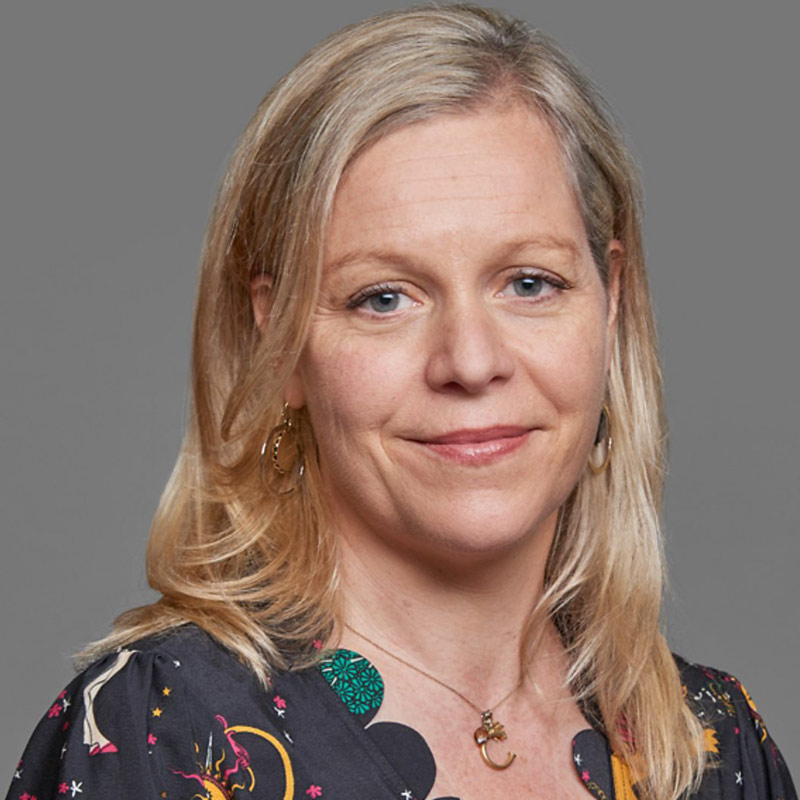
    MUMBAI: BBC’s chief content officer Charlotte Moore and one of the UK’s most influential media executives, is making a power move. Moore has been named CEO of Sony-owned Left Bank Pictures, the powerhouse behind hit shows like The Crown. But that’s not all-she’s also stepping into a newly created role as EVP, Sony Pictures Television (SPT) International Production Group creative director.

    A career-defining transition, Moore’s appointment places her at the helm of one of the UK’s most prestigious production houses while also shaping Sony’s broader global creative vision. She takes over from the Left Bank co-founder and long-time CEO Andy Harries, who is moving into an executive chair role after 18 years steering the company’s success.

    At Left Bank, Moore will oversee its award-winning slate, ensuring the studio remains at the forefront of premium storytelling. But her remit doesn’t end there. As EVP, creative director of SPT International Production Group, she will drive the creative direction for Sony’s expanding global content strategy, influencing projects across multiple territories.

    Moore expressed her enthusiasm for the challenge ahead, stating, “The opportunity to lead Left Bank Pictures, a studio with such an extraordinary legacy, while also shaping Sony Pictures Television’s international creative vision, is truly exciting. I look forward to working with the exceptional teams at both companies to continue delivering world-class storytelling.”

    Moore’s departure from the BBC marks the end of an era. She has been instrumental in shaping the corporation’s content strategy, overseeing major successes across drama, entertainment, and factual programming. Under her leadership, the BBC launched groundbreaking hits, strengthened its digital footprint, and reinforced its position as a global content powerhouse.

    At Left Bank Pictures, she inherits a studio with an enviable track record. Founded in 2007, Left Bank has delivered acclaimed titles such as The Crown, Outlander, and Three Pines. As Moore takes the reins, expectations are high for the studio’s next wave of premium productions.

    As Moore steps into this high-profile role, all eyes will be on how she shapes the next chapter for Left Bank Pictures and Sony’s international content ambitions. One thing is certain-Hollywood and beyond will be paying attention.
     

  • BBC elevates Charlotte Moore as chief content officer

    BBC elevates Charlotte Moore as chief content officer

    In her new role, Moore will be the senior leader for BBC content and audiences across all genres and platforms, with the exception of news and nations and regions. Her responsibilities include television commissioning for all BBC network TV channels and BBC iPlayer, radio commissioning and production for all ten national radio networks and BBC Sounds, multiplatform commissioning and production for all children’s and education content, and BBC Proms and Orchestras.

    BBC chairman Sir David Clementi said: “It is a great pleasure to welcome Charlotte Moore to the BBC Board. Charlotte has made a huge success of bringing audiences to our television portfolio—resulting in record-breaking figures for iPlayer and ensuring the BBC can reach audiences beyond the critical linear channels. She will do a brilliant job as Chief Content Officer and be an important asset to the BBC Board.”

    Moore joined the BBC in 2006 as commissioning executive for documentaries. She has held such roles as acting controller of BBC Daytime Television, controller of BBC One and controller of TV channels and iPlayer. Since 2009, she was the commissioning editor for documentaries where she was responsible for strategy and commissioning for in-house and independents across all four channels. Charlotte transformed the genre to produce a huge breadth of original programming, seeking out the best talent to bring the most compelling and inspiring documentary content to a broad audience. From Bafta-winning titles Protecting Our Children, 7/7 One Day In London, Between Life and Death, The Great British Bake Off, Terry Pratchett’s Choosing To Die, The Choir and Welcome To Lagos to hit series like Inside Claridges, The Call Centre, Lambing Live and The Tube.

    In January 2016, she was appointed as controller of TV channels and iPlayer, where she was the creative, editorial and strategic lead for BBC One, BBC Two, BBC Four and BBC iPlayer, ensuring the channels work in a complementary way while enhancing their distinctive positioning. In July 2016, Moore was elevated as the director of BBC content and controller of BBC One. She was responsible for the creative vision across the portfolio of channels, BBC iPlayer and genres and took on oversight of BBC Sport.

    Prior to joining the BBC, Charlotte was director of contemporary factual at IWC Media focusing on high-profile contemporary narrative documentaries and series for all major UK channels, including BBC Two’s landmark series Stephen Fry: The Secret Life Of A Manic Depressive.  

  • BBC TV undergoes reorganisation; Charlotte Moore made controller, TV channels & iPlayer

    BBC TV undergoes reorganisation; Charlotte Moore made controller, TV channels & iPlayer

    MUMBAI: As part of a reorganisation that will offer a simplified and more co-ordinated strategy across BBC Television’s channel portfolio, the BBC has appointed Charlotte Moore as controller, TV Channels and iPlayer.


    In the newly created role, Moore – currently Controller of BBC One – will become the creative, editorial and strategic lead for BBC One, BBC Two, BBC Four and BBC iPlayer, ensuring the channels work in a complementary way while enhancing their distinctive positioning.


    The reorganisation will support new, creative approaches to programming and scheduling that reflect changing audience behaviour and the growing role of BBC iPlayer, as well as encouraging greater collaboration and allowing simpler movement of ideas and talent across the portfolio. It will also create a more streamlined commissioning system, with a single point of contact and faster decision-making.


    Moore will report to BBC acting director of television Mark Linsey, and will continue to sit on the TV Board.


    Linsey says, “Charlotte is an outstanding leader and has done a brilliant job making BBC One both distinctive and popular. This role will allow her to take a view across channels to drive distinctiveness, quality and risk-taking even further, whilst offering a single point of contact for programme-makers and ensuring audiences get the best programmes, however and wherever they choose to watch.”


    Moore adds, “I’m honoured to lead the BBC’s channel portfolio into the future at such a significant time. The creative opportunities this new approach brings will ensure the BBC keeps pace with our rapidly changing media industry. It is more important than ever for audiences and programme-makers that we have a clearly defined sense of purpose for each channel, to ensure we deliver even higher quality and more distinctive content. A united vision across the portfolio will encourage greater ambition and diversity of output, more creative freedom and quicker decision-making. I’m passionate about the BBC and committed to making this a place where the best creatives want to work, and having the right teams working together is key.”


    The appointment follows an internal recruitment process, and continues the BBC’s progress in creating a simpler and more efficient structure.


    Moore will take up her new responsibilities on 25 January. She will continue to lead BBC One and, within the new structure, will manage the heads of iPlayer, Daytime and BBC Four, as well as the new role of editor, BBC Two.


    Following the internal recruitment process, Kim Shillinglaw has decided to leave the BBC and, as a result of the reorganisation, the post of Controller BBC Two and Four will be closed.


    BBC Two and Four channel executive Adam Barker will take up the post of BBC Two acting editor, while recruitment for the new role takes place.


    Linsey adds, “Kim has led BBC Two and Four with great creativity, bringing viewers an amazing range of programmes including edgy documentaries like Meet The Ukippers, innovative comedy in Boy Meets Girl, ambitious TV experiments like Are Our Kids Tough Enough? Chinese School and distinctive treats like The Dresser, as well as re-energising factual entertainment and drawing younger audiences with The Real Marigold Hotel, Phone Shop Idol, Hell Week and Let’s Play Darts. She has modernised BBC Two’s identity, winning awards for the channel’s use of social media and the revamp of on-air, and refreshed the schedule with Monday’s clever quiz hour, box-set factual and comedy double bills back at 9 pm, whilst creating new commercial funding models in factual entertainment and natural history. She has been an outstanding leader of BBC Two and Four and I will be very sorry to see her go, but am incredibly grateful for her contribution.”


    Shillinglaw says, “I wish the BBC, Mark and Charlotte every success with the many changes BBC TV needs to make. I’ve loved modernising BBC Two and Four over the last two years but when you don’t get the big job it’s time to move on. And I’m looking forward to another big challenge.”


    The reorganisation follows other recent moves to simplify structures at the BBC, such as the appointment of Matthew Postgate as chief technology officer, bringing together BBC Digital, Engineering and BBC Worldwide roles.

  • BBC TV undergoes reorganisation; Charlotte Moore made controller, TV channels & iPlayer

    BBC TV undergoes reorganisation; Charlotte Moore made controller, TV channels & iPlayer

    MUMBAI: As part of a reorganisation that will offer a simplified and more co-ordinated strategy across BBC Television’s channel portfolio, the BBC has appointed Charlotte Moore as controller, TV Channels and iPlayer.


    In the newly created role, Moore – currently Controller of BBC One – will become the creative, editorial and strategic lead for BBC One, BBC Two, BBC Four and BBC iPlayer, ensuring the channels work in a complementary way while enhancing their distinctive positioning.


    The reorganisation will support new, creative approaches to programming and scheduling that reflect changing audience behaviour and the growing role of BBC iPlayer, as well as encouraging greater collaboration and allowing simpler movement of ideas and talent across the portfolio. It will also create a more streamlined commissioning system, with a single point of contact and faster decision-making.


    Moore will report to BBC acting director of television Mark Linsey, and will continue to sit on the TV Board.


    Linsey says, “Charlotte is an outstanding leader and has done a brilliant job making BBC One both distinctive and popular. This role will allow her to take a view across channels to drive distinctiveness, quality and risk-taking even further, whilst offering a single point of contact for programme-makers and ensuring audiences get the best programmes, however and wherever they choose to watch.”


    Moore adds, “I’m honoured to lead the BBC’s channel portfolio into the future at such a significant time. The creative opportunities this new approach brings will ensure the BBC keeps pace with our rapidly changing media industry. It is more important than ever for audiences and programme-makers that we have a clearly defined sense of purpose for each channel, to ensure we deliver even higher quality and more distinctive content. A united vision across the portfolio will encourage greater ambition and diversity of output, more creative freedom and quicker decision-making. I’m passionate about the BBC and committed to making this a place where the best creatives want to work, and having the right teams working together is key.”


    The appointment follows an internal recruitment process, and continues the BBC’s progress in creating a simpler and more efficient structure.


    Moore will take up her new responsibilities on 25 January. She will continue to lead BBC One and, within the new structure, will manage the heads of iPlayer, Daytime and BBC Four, as well as the new role of editor, BBC Two.


    Following the internal recruitment process, Kim Shillinglaw has decided to leave the BBC and, as a result of the reorganisation, the post of Controller BBC Two and Four will be closed.


    BBC Two and Four channel executive Adam Barker will take up the post of BBC Two acting editor, while recruitment for the new role takes place.


    Linsey adds, “Kim has led BBC Two and Four with great creativity, bringing viewers an amazing range of programmes including edgy documentaries like Meet The Ukippers, innovative comedy in Boy Meets Girl, ambitious TV experiments like Are Our Kids Tough Enough? Chinese School and distinctive treats like The Dresser, as well as re-energising factual entertainment and drawing younger audiences with The Real Marigold Hotel, Phone Shop Idol, Hell Week and Let’s Play Darts. She has modernised BBC Two’s identity, winning awards for the channel’s use of social media and the revamp of on-air, and refreshed the schedule with Monday’s clever quiz hour, box-set factual and comedy double bills back at 9 pm, whilst creating new commercial funding models in factual entertainment and natural history. She has been an outstanding leader of BBC Two and Four and I will be very sorry to see her go, but am incredibly grateful for her contribution.”


    Shillinglaw says, “I wish the BBC, Mark and Charlotte every success with the many changes BBC TV needs to make. I’ve loved modernising BBC Two and Four over the last two years but when you don’t get the big job it’s time to move on. And I’m looking forward to another big challenge.”


    The reorganisation follows other recent moves to simplify structures at the BBC, such as the appointment of Matthew Postgate as chief technology officer, bringing together BBC Digital, Engineering and BBC Worldwide roles.