Tag: characters

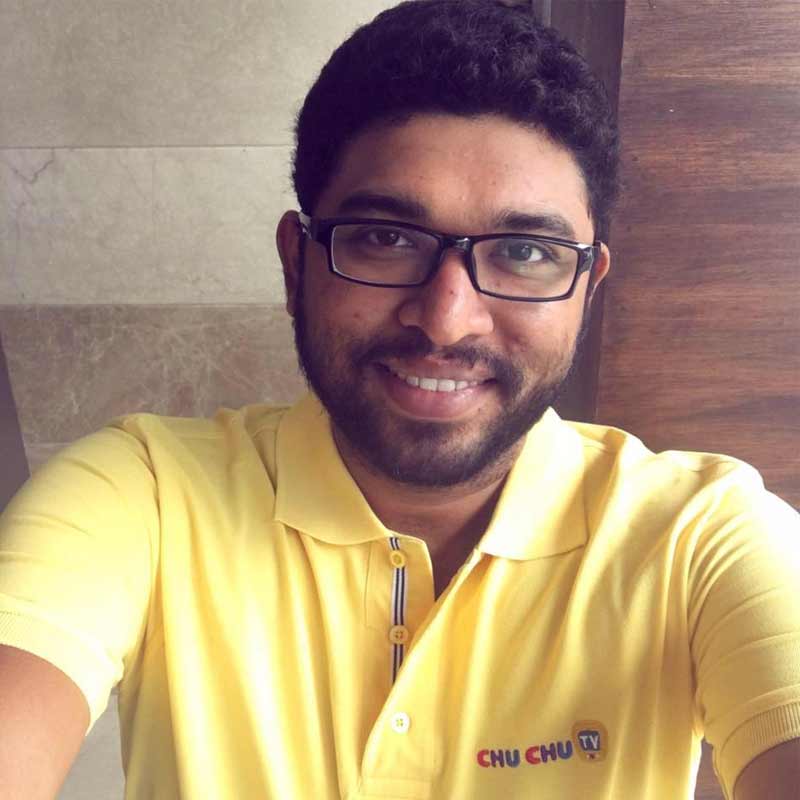
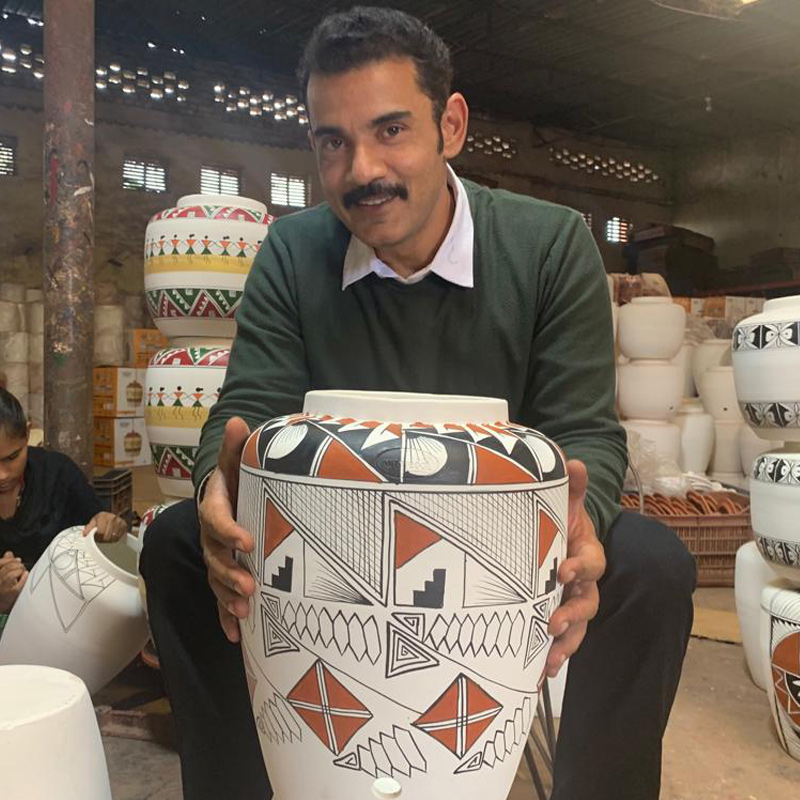
  • ‘Jugaad Mania’ fame Chandan Anand shares about his journey

    ‘Jugaad Mania’ fame Chandan Anand shares about his journey

    Mumbai: In a quick chit chat session with IndianTelevision.com, the anchor of “Jugaad Mania” Chandan Anand shared his experience of being a part of the Epic channel show. He also opened up about how this show turned into an opportunity for him to meet some of the talented and creative minds of the nation.

    “Jugaad Mania” is a show about unique innovators, who have made an immense impact on society by their unique innovations with minimal or near to none resources. “It was an opportunity for me to share my real self and that’s what you will see in the show – the real me, I am thankful to the entire team and my director Ranjeet for believing in me,” stated Anand.

    From his first film “Mr Ya Miss” to “Gunjan Saxena,” we have seen Anand in some really impressive characters. On being asked how “Jugaad Mania” fit in among the characters he has played so far, he said that he’s trained to create different characters on screen. “As a trained actor, I have honed my skills to create different characters on screen and so far I have been lucky to portray varied roles,” he highlighted.

    He believes that actors get guided by the script and director’s vision and as an actor, his job is to bring out different shades of human characters to make them enthralling and justify the character that he plays.

    Talking about “Jugaad Mania,” Anand feels it is a unique show by Epic channel, and he has been lucky to be part of the channel with “Dharmkshetra” and “Rabindranath Tagore Stories” by Anurag Basu as he always loved its content.

    “When I was asked to test for the anchor’s part in ‘Jugaad Mania’ with just a few lines, I liked the concept and wanted to be a part of it. It was my gut feeling that the journey would be fun-filled with learnings for life,” he said.

    Sharing how he conducts himself with this show, Anand said, “actors are dreamers, each one has a dream to make it big in this ‘Maya Nagari’ and it’s just their belief that makes them strive for bigger things in the city.”

    He elucidated his points by sharing his story. “When I came to Mumbai in 2004, I had just Rs 2000 in my pocket. I just knew one thing: I have the skills of an actor and I need roles, I need platforms to showcase my skills and I will achieve it. So there was an idea, a dream and how would that happen I didn’t know. Just the belief had made me stick to my work, this city. So, a dream is a common thread with this show – Jugaad Mania. All the Jugaadus are dreamers; they had an idea and wanted to make it a reality without any professional training or knowledge, but it was their belief that kept them going and not give up. Stories of their struggle and success are what makes this show unique,” Anand said.

    Furthermore, he also shared how this show allowed him to explore different territories as a professional with the variety of new content offered on the platform. 

    Anand thinks that there’s a wave of unique content around the world and it’s the best time for all the artists and creatives to explore and experience all the unique content creation happening on various platforms. “So far I have explored many varied characters and roles and this show is definitely on top of my list. It’s a blessing and I am very much hopeful for a fulfilling future,” he noted.

    From a maker’s perspective, there are various factors that play a crucial role in deciding the success of  a particular show. But from an actor’s perspective, how do you decide what works for a particular show? Anand answered, as an actor, the first lesson we are taught is not to ‘decide,’ but just be. Where you are not performing but are living the part, role, or character; and that comes with years of training.

    Sharing his experience of preparing for “Jugaad Mania,” he said, before every story, it was really important for me to listen and understand the life journey of every person. I used to ask a million questions, which might not be used in the show but I wanted to know the emotion which ignited each one of them to achieve who they are today.

    Despite all the efforts, audiences’ mood remains unpredictable and with remote control in their hands, you never know what the audience is looking for!

    On being asked what extra he has made to ensure that the audience is not switching to other channels, Anand took a hilarious route. He jokingly said, “Agar main kahun, ek second bhi nazar padi to hata nahi paoge.”

    Further, keeping the jokes aside, he said it is true even if for a second someone tunes in to “Jugaad Mania” on the Epic channel, they will watch it not for me but for such amazingly interesting, motivating stories from varied regions of India.

    “India is a nation of all seasons and all reasons. This show has some unique creative talents, their real stories, with different colourful locales, music, and of course me. So don’t miss it. Phir mat kehna bataya nahi,” he uttered.

    While the world has been on a halt ever since the first lockdown was imposed and no doubt film and TV is one of the severely hit industries during this time. During such hard times, it was the urge of going out and traveling which motivated Anand to be a part of this show. 

  • ChuChu TV’s new consumer products biz expects 8 to 10 per cent as royalty

    ChuChu TV’s new consumer products biz expects 8 to 10 per cent as royalty

    MUMBAI: ChuChu TV, Asia-Pacific’s most watched YouTube channel for toddlers from India, with over six billion views and six million subscribers, has partnered with Dream Theatre to launch the global consumer products business for the brand. Given its global appeal and audience, ChuChu TV has now partnered with Dream Theatre to launch the ChuChu TV Consumer Products business globally. Toys, gaming, publishing, apparel will form the core categories, which will hit the market by April 2017.

    “Currently we are in the process of upgrading our existing characters to 3D so that they are more appealing as toys. We are also adding new IPs to our characters profile. Something aimed at young adults as well. On the other end, with these new updated characters we are creating a 13 episode series. It will take another six months for us to be ready so the products can hit the market by April 2017,” shared ChuChu TV CEO and creative director Vinoth Chandar.

    “It is a long term process. Once the characters are in place, getting deals ready takes some time. Fortunately for us. Dream Theatre is our licensing agent and we are positive that once our products hit the market, more deals will line up easily,” he added.

    Although Chu Chu TV’s US partners will be involved in product creative given its global branding, the first launch will be in India, which will be replicated in the US and other markets.

    Entertainment and licensing firm Dream Theatre is creating the brand architecture and making ChuChu TV “license ready.”

    Having worked with iconic international brands like Angry Birds, DreamWorks Animation, Pokemon, Femina and numerous others on the licensing front, Dream Theatre is creating the brand architecture and Go-To-Market plan for ChuChu TV by upgrading the creative assets, creating style guides, business templates and also charting the launch strategy and rollout plan across territories for ChuChu TV.

    “Chu Chu TVs phenomenal success is a testimony to its popularity and it is very exciting for us to work with a brand originated in India and adored across the world by the young and old alike. We are thrilled to create a world class licensing program that enables fans to engage with the brand in a products and services form and will be engaging with top international licensing agents, toy companies and retailers to launch and grow the business across the globe,” said Dream Theatre CEO Jiggy George.

    Chander further explained that Consumer Products Business to ChuChu Tv is an alternative but lucrative source of revenue for the company. “The going rate in the market is 5 to 15 per cent when it comes to royalty payments, but mostly depends on the products that is sold. We are expecting to draw 8 to 10 per cent of royalty on the sale of our products in the kids category,” Chander added in parting.

    According to industry guesstimates, currently the licensed merchandised market for character IPs or franchises for kids stands at around Rs 5000 crore, growing from Rs 3500 crore last year.

  • ChuChu TV’s new consumer products biz expects 8 to 10 per cent as royalty

    ChuChu TV’s new consumer products biz expects 8 to 10 per cent as royalty

    MUMBAI: ChuChu TV, Asia-Pacific’s most watched YouTube channel for toddlers from India, with over six billion views and six million subscribers, has partnered with Dream Theatre to launch the global consumer products business for the brand. Given its global appeal and audience, ChuChu TV has now partnered with Dream Theatre to launch the ChuChu TV Consumer Products business globally. Toys, gaming, publishing, apparel will form the core categories, which will hit the market by April 2017.

    “Currently we are in the process of upgrading our existing characters to 3D so that they are more appealing as toys. We are also adding new IPs to our characters profile. Something aimed at young adults as well. On the other end, with these new updated characters we are creating a 13 episode series. It will take another six months for us to be ready so the products can hit the market by April 2017,” shared ChuChu TV CEO and creative director Vinoth Chandar.

    “It is a long term process. Once the characters are in place, getting deals ready takes some time. Fortunately for us. Dream Theatre is our licensing agent and we are positive that once our products hit the market, more deals will line up easily,” he added.

    Although Chu Chu TV’s US partners will be involved in product creative given its global branding, the first launch will be in India, which will be replicated in the US and other markets.

    Entertainment and licensing firm Dream Theatre is creating the brand architecture and making ChuChu TV “license ready.”

    Having worked with iconic international brands like Angry Birds, DreamWorks Animation, Pokemon, Femina and numerous others on the licensing front, Dream Theatre is creating the brand architecture and Go-To-Market plan for ChuChu TV by upgrading the creative assets, creating style guides, business templates and also charting the launch strategy and rollout plan across territories for ChuChu TV.

    “Chu Chu TVs phenomenal success is a testimony to its popularity and it is very exciting for us to work with a brand originated in India and adored across the world by the young and old alike. We are thrilled to create a world class licensing program that enables fans to engage with the brand in a products and services form and will be engaging with top international licensing agents, toy companies and retailers to launch and grow the business across the globe,” said Dream Theatre CEO Jiggy George.

    Chander further explained that Consumer Products Business to ChuChu Tv is an alternative but lucrative source of revenue for the company. “The going rate in the market is 5 to 15 per cent when it comes to royalty payments, but mostly depends on the products that is sold. We are expecting to draw 8 to 10 per cent of royalty on the sale of our products in the kids category,” Chander added in parting.

    According to industry guesstimates, currently the licensed merchandised market for character IPs or franchises for kids stands at around Rs 5000 crore, growing from Rs 3500 crore last year.

  • 5 homegrown animated characters we love on TV

    5 homegrown animated characters we love on TV

    MUMBAI: Out of all the things a 90s kid would envy a late millennial for, the joy of rooting for a desi cartoon character will probably be somewhere on top. While international animated series still enjoy a major audience patronage, kids today are increasingly preferring home grown shows where their favourite animated characters not only speak their language, but also belong from relatable cultures.

    Keeping that in mind, Indiantelevision.com compiled a list of five animated characters, which were conceptualised and launched in India.

    Read on…

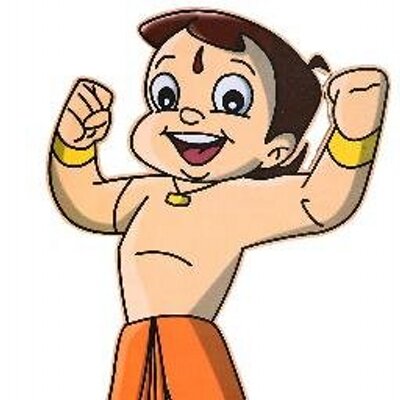
    Bheem from Chhota Bheem

    When Green Gold Animation gave India Chhota Bheem in 2008, they weren’t prepared for its overwhelming reception by their tiny tot audience. This comedy adventure series that airs on Pogo gave kids their own little super hero, albeit inspired by Bheem from Indian mythology but delivered in a completely new avatar. With over 360 episodes spread across seven seasons and still running, Chhota Bheem became a household name and kids are happy to embrace him in their lives not only through television, but through various merchandising products as well. Add to that the appeal of a fascinating city like Dholakpur, and you have your perfect fiction series for kids!

    Chhota Bheem is easily one of the most popular animated characters for kids on television right now.

    Motu and Patlu from Motu Patlu

    Adapted from the classic Indian comic strip Lot Pot, this CGI animated series not only raised the bar for animated television series for kids in India but also for slapstick comedy in cartoons. It brought us even closer to the Lot Pot stars Motu and Patlu, whose witty and engaging exchanges would have us in splits in no time.

    Comparatively new to hit the television (2012) on Nickelodeon, the characters have already garnered a massive fan following and market for their merchandise. Today, Motu and Patlu not only command a massive fan base in India but enjoy an audience in Pakistan too, where it is also aired.

     Kris from Roll No 21

    Another innovative take on mythology from a modern day standpoint, Kris is modelled after Lord Krishna, but his ‘just another kid at school’ vibe is what brings him closer to the target audience. Needless to say, Kris appeals to not just the toddlers but also the preteens in the demography. In fact, the show owns its similarity to the mythology by having Kris as an incarnation of Lord Krishna himself. The story also reflects a modern take in Krishna and Kansa’s rivalry, which is shown through Kris’s continuous struggle to thwart Kanishk’s plan.

    Shiva from Shiva

    The new kid on the block, Nick’s latest original character Shiva has garnered a considerable fan base in just a month since launch. His character design and story backdrop makes him akin to international teenage superhero shows like Ben 10, which were a huge success worldwide. With his cool gadgets and charming appearance he easily stands out as a teen idol in the kids genre on television.

    Chote and Bade from 9XM

    One can argue that Chote Bade don't have a show to themselves but that doesn't change the fact that they are an iconic pair of animated characters that connected with millions of Indian youth through 9XM. In fact, the animated duo, to some extent, form the channel’s identity as its mascots. They are not only popular onscreen but their offline avatars along with their witty screenplay has often entertained us in various on ground marketing events for the channel as well.

    Their concept was an innovative way to keep the audience engaged even during intervals and breaks during segments of show, but eventually Chote and Bade evolved as characters and are considered an important part of the Indian television’s animated character family.

  • Sahara One looks to start a debate with a new series

    Sahara One looks to start a debate with a new series

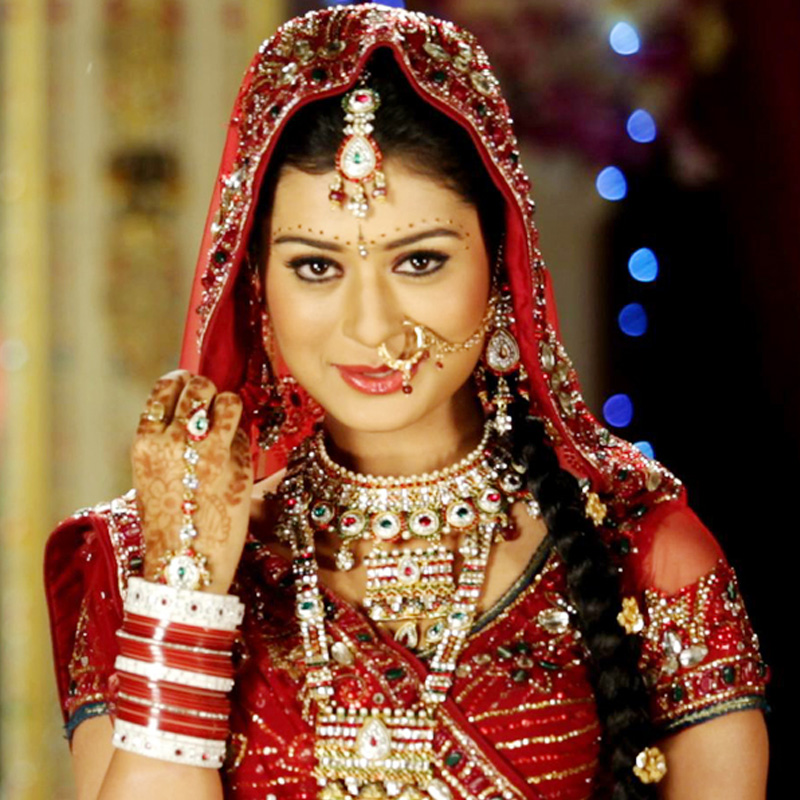
    MUMBAI: As India evolves, so do Indian families. Typically the older generation remains tied to tradition, while the younger generation wants to break away from age old customs and beliefs. People recognise this in their own families. For years, television, that great mirror of society, has focused on the changing dynamic in relationships. Now soon Sahara One will be airing content that will capture evolving relationships between mothers in law and daughters in law who are the linchpins of the Indian family.

    The interaction between a mother in law and daughter in law has changed considerably. This leads to them having a difference of opinion that has to be negotiated with great sensitivity and patience. The forthcoming show on Sahara One will weave all this into a story that will have not just entertainment value, but will start a lively debate. Viewers can look forward to a dynamic story line, characters and situations that they can relate to.

    Women who watch TV serials want to see women-centric content. This has always been the case. However things are a little different now. They no longer want froth and frivolity; instead they want to watch content that starts a debate and brings subjects that are not openly discussed, into the limelight. And here is where Sahara One is looking to score with their brand new serial set to air soon.

    AAKHIR BAHU BHI TOH BETI HEE HAI – Do you agree? Participate in this online debate on – https://www.facebook.com/aakhirbahubhi

  • Hollywood’s special effects pioneer Ray Harryhausen passes away at 92

    Hollywood’s special effects pioneer Ray Harryhausen passes away at 92

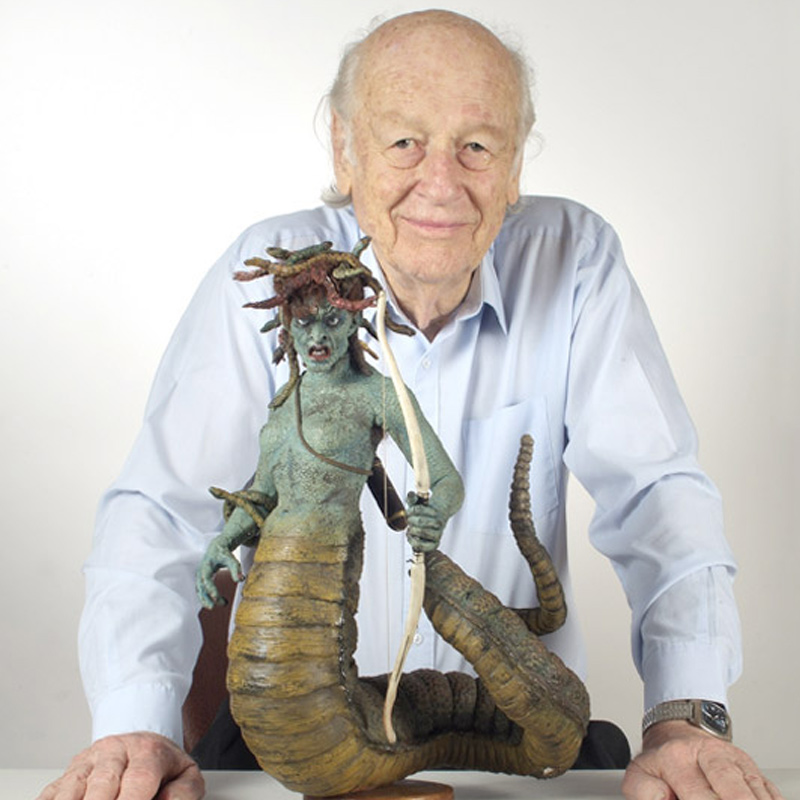
    Mumbai: Ray Harryhausen, the genius who brought characters alive long before computer generated imagery (CGI) ruled visual effects, passed away on 7 May.
     
    The award winning animation master who created monsters in several well known movies like The 7th Voyage of Sinbad (1958), Jason and the Argonauts (1963), Clash of the Titans (1981) and The Golden Voyage of Sinbad (1973) was 92 years old and breathed his last in London.
     
    Born in Los Angeles, Harryhausen had dedicated 40 years of his life to the movies. Some of the biggest filmmakers today- James Cameron, Tim Burton and Steven Spielberg have been influenced by his creations.
     
    The legendary special effects artist created awe, shock and amazement through his wonderful and magical creations. He will always be remembered for his creative brilliance.

  • Charact’o’mania

    Inching in slowly, the forces of Mickey Mouse, Power Puff Girls, SpongeBob, Barbie and many others have come together to invade the lives of every Indian kid! They are everywhere, on their toys, stationary, clothes, bed sheets and even underwear… this mighty world of characters is tracking these kidlings down, longing to be a part of the air they breathe. In the same way, kids are wholeheartedly welcoming their favourite television characters to have a frolicking time – a phenomena I would like to call “Charact‘o‘mania.”

    Turner‘s Cartoon Network & Pogo extend their merchandise to every domain of a kid‘s life

    The children‘s entertainment market is fast gaining pace in India, and apart from television and cinema, kid‘s centric broadcasters are channeling their energy towards building a strong foothold in the licensing and merchandising space. The emergence of organized retail in India has set this process in motion and is laying the foundation of a new era for kid‘s entertainers!

    There are really no boundaries to the scope for merchandising activities which can extend far beyond the cliché toys and board games to apparel, accessories, publishing, stationery, home décor and home videos. Kid‘s entertainment permeates into every aspect of a child‘s existence and capitalizing on this trend are kid‘s broadcasters that look to take their brand and characters into the daily lives of children.


    Although it is difficult to ascertain the size of this vast merchandise market in India, Cartoon Network Enterprises India and South Asia licensing director Jiggy George estimates that the size for both character and non character licensed products at organized retail would be in the region of Rs 3.5 billion.

    A manifestation of the unorganised market: A boy selling Dora and Mickey erasers on a local train

    Unfortunately, a large section of this market is swamped by several small unorganized players that rule the roost. Mattel Toys India head marketing Rahul Bhomik says that the market for licensed kids entertainment properties is still not yet fully recognized in India. Besides, the organized retail sector only comprises a mere 4-5 per cent. Hence it is difficult to arrive at an accurate figure of the size of the entire merchandise market. However, the size of the organized toy market alone is in the worth between Rs 250 -300 million.

    With two years experience in the Indian market, Walt Disney Company (India) Pvt Ltd director consumer products Roshini Bakshi applies a different approach to understanding the undersized organized sector. She says, “The market in India for character and non character based merchandise is not as large as Japan and the US, the reason for this is that generations of kids in India have not grown up with most of these characters and therefore a strong affinity and emotional connect has not yet been established.”

    But just as every cloud has a silver lining, there emerges a consensus among experts to the fact that this industry is likely to see 15-20 per cent growth year-on-year.

    “Although organized retail is still in its embryonic stage, we are beginning to see growth in this sector. Besides, organized retail will help to insure that intellectual property is respected,” adds George.

    Beyblades took the Indian toy market by storm in 2005

    In the last two years kids channels have flooded the market with a host of products in various categories. In 2005, Cartoon Network Enterprises (CNE) partnered with Funskool India to unleash a craze that swept across the toy market with Beyblade. The merchandising arm of Cartoon Network CNE, boasts of having sold over 100,000 units across the country within a month of launch in August.

    Funskool joined Disney to launch Disney Princess toys & accessories

    In the boys segment, Disney followed with the launch of Power Rangers in 2006 across toys, apparel, back to school products, home products like linen and footware, for which it partnered with a Dubai based firm New Boy. According to Bakshi, the strong action and play factor helped the product to fare well in the market. The year before that Disney tied up with Funskool for a range of girls toys around the Disney Princess theme, which has now been taken across categories to include accessories and make-up kits.

    However, not all properties can be used across product categories. George highlights the fact that Beyblade as apparel may not garner the same response it did with toys, primarily because the main protagonist is the toy itself. While properties like Power Puff Girls would work well on apparel and Dexter on knowledge based products.

    Galli Galli Sim Sim muppets all say cheese !!!

    The year 2006 also saw Turner bring the muppets of the Indian adaptation of Sesame Street, Galli Galli Sim Sim out of the TV sets and onto a whole range of apparel, publishing, plush and home furnishing products centered around their key characters Elmo, Biscuit Badshah, Bharat and Ernie. Apart from these, Pogo‘s MAD (Music, Art & Dance) launched a series that included home entertainment DVDs, six new book titles, stationery and activity kits.

    It might be true that kids crave for a touch and feel experience of their stars, however this may come at a heavy cost, drilling holes in their parents wallets. Bhomik admits that a premium will be charged for licensed products, however the price largely depends on the property. For instance, a movie property will have a short shelf life (4-5 months) and therefore will require a bigger bang. Similarly the price points will also be higher.

    Mattel‘s Fisher Price caters to the pre-school segment with an array of interactive toys

    “Prices will be higher than non licensed products but at the same time kids are willing to pay to own their favourite character,” says Funskool India marketing head David Selavaraj.

    In their
    attempts to expand their categories and products Bakshi asserts, “We continue to push our partners to reduce costs because that is where the market lies. Although some licensed products are expensive, our objective is to grow because we want to be a mass brand available to the middle class Indian. Infact, this is how we have expanded globally.”

    Cartoon Network Enterprises launches Pogo branded apparel in 2006

    What‘s interesting is that broadcasters are also engaging in channel branding through multiple categories of products. Both Pogo and Disney launched branded apparel and accessories last year. Prior to that, Pogo also launched a boy centric toy range Pogo Wheels and is targeting to expand its footprint in other categories in the summer months of 2007.

    But for this little world of fun and play to come alive, toy manufactures must feed on kids broadcasters and vice versa, both working in tandem. Bhomik says it‘s important for the channel to build a big property, while the manufacturer helps to make that world of fantasy and role play come alive. This in turn helps the channel to strengthen the bond of their brand and characters with children. In some cases when manufactures have their own flagship properties like Mattel‘s Barbie and Hot Wheels, channels are also roped in to air movies created by the company. Barbie has a series of nine movies and Hot Wheels has four.

    But is this phenomena only metro specific or is this ‘make believe universe‘ making inroads into smaller Indian towns? George says that the Turner pair does have a mass strategy in place and is looking to build up its distribution in the Southern states during the course of this year, “We do not want to be elitist in pricing and distribution.”

    An in-store product layout gives parents and kid‘s an opportunity to get a feel of the brand

    However, the biggest limitation that marketers and distributors face in smaller towns is the lack of a spacious outlet. Mattel also follows a mass distribution path including traditional ‘mom and pop‘ stores and food and grocery outlets in smaller towns, however Bhomik explains that the major constraint is the lack of space for display the products, a key marketing strategy to allow the brand to come alive. This is the one benefit that mutli-brand outlets provide.

    “In the smaller retail outlets we have to rely on the salesmanship of the guy at the counter rather than allow the consumer to experience a large visual display of the product,” adds Selvaraj.

    Large format stores provide space to create a kid‘s environment: A Disney Princess interactive zone was created during launch

    For Cartoon Network Enterprises, which set up shop in India in 2001, merchandising initiatives currently contribute to
    10 – 12 per cent revenues of its overall business. Having been around the longest in the market, George says, “For merchandising to work, you have to have a good property. It would depend on three key factors: A function of the equity of the characters, which has to be built over time by the network, the partnership deals for distribution and marketing and of course retail.”

    Eyeing the advantage that kids channels are leveraging in this sector, even SET India‘s youth lifestyle channel Animax, which has been quite silent over the past few months, is planning to enter the merchandising arena with globally relevant characters and icons in the second half of 2007. Speaking of their plans Animax manager marketing Supriya Bambawale says, “These will not be based on a given anime property but instead would be created by the channel and will lend itself to music, gaming, fashion and lifestyle.”

    Currently, a team in Los Angeles is working on the themes for these contemporary characters but Bambawale opines that they will also have a touch of Indianess with names such as Karina and Jasmine. Following the refresh initiative to change the proposition from kids to youth centric (15-32 years) in June 2006, the channel hopes to reach out to this English speaking urban audience via a full fledged merchandising activity.

    Nick kicks off it‘s merchandisng initiative with a range of party items

    While on one hand some kids channels may be apprehensive to foray into the licensing and merchandising sector, given its unreliable nature. Others may just be waiting to strengthen their properties in India before making this move. Although Viacom‘s Nick has a strong merchandise presence globally and has an International partnership with Mattel for a whole range of products, the channel has only recently started showing some activity in this category. Last year,
    the channel signed up with Bombay Dyeing for bed linen and this year the network is planning to beef up it‘s offerings with a SpongeBob PC game available at Planet M, Nick Jr‘s Dora the Explora apparel range and a whole collection of party accessories.

    From the way the India story is unfolding – the higher disposable incomes among the growing middle class in India and the increasing influence of kid‘s ‘pester power‘, it seems like the kid‘s mechandising industry via the organised retail route is poised to see an exponential growth. For those players that have only recently realised the mammoth opportunity and revenue stream that this business provides, along with other seasoned players, the whole industry is bound to explode. So brace yourself for a mass attack!