Tag: Central government

  • Is DAS III optional in AP, Telangana? HC seeks Govt answer by 31 Jan

    Is DAS III optional in AP, Telangana? HC seeks Govt answer by 31 Jan

    MUMBAI: A high court division bench has directed the Centre to respond to a PIL questioning the coercive manner in which the authorities were trying to bring in digital transmission of television programmes. Posting the case to 31 January, the bench has directed Central Government to clarify the issue.

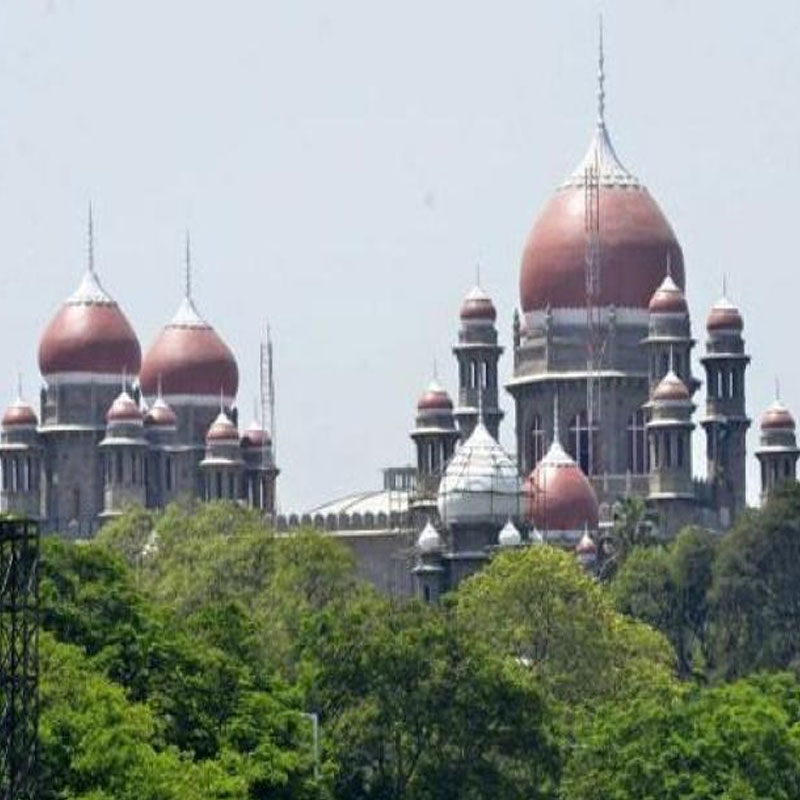
    The bench of the Hyderabad High Court of justice Shameem Akther and acting chief justice Ramesh Ranganathan directed the Central Government to respond to the public interest litigation questioning the manner in which the authorities were trying to bring in digital transmission even in small towns in Telangana and Andhra Pradesh in place of transmission through cable television mode, the Hindu reported.

    The bench was hearing a case filed by the Citizens Welfare Society of Hyderabad. The court was told that, though an Act has made digital transmission mandatory, the explanation said it was optional. Meanwhile, the Society argued, citizens were being coerced. Two phases of digital addressable system (DAS) were completed whereby major cities were covered.

    The Centre now had started the third phase of DAS covering small towns in the two states (and across India). Government officials, the Society argued, had been threatening that after 1 February, television sets without (digital) set top boxes would not get signals.

    Also Read:

    DAS petitions challenging constitutional provisions listed for 3 November   

    DAS Phase III stay extended in Uttar Pradesh, Telangana and Andhra Pradesh

    Govt claims almost 100 percent STB seeding in DAS III areas despite cases     

    Telangana state government sets up committees to track the television sector

  • Is DAS III optional in AP, Telangana? HC seeks Govt answer by 31 Jan

    Is DAS III optional in AP, Telangana? HC seeks Govt answer by 31 Jan

    MUMBAI: A high court division bench has directed the Centre to respond to a PIL questioning the coercive manner in which the authorities were trying to bring in digital transmission of television programmes. Posting the case to 31 January, the bench has directed Central Government to clarify the issue.

    The bench of the Hyderabad High Court of justice Shameem Akther and acting chief justice Ramesh Ranganathan directed the Central Government to respond to the public interest litigation questioning the manner in which the authorities were trying to bring in digital transmission even in small towns in Telangana and Andhra Pradesh in place of transmission through cable television mode, the Hindu reported.

    The bench was hearing a case filed by the Citizens Welfare Society of Hyderabad. The court was told that, though an Act has made digital transmission mandatory, the explanation said it was optional. Meanwhile, the Society argued, citizens were being coerced. Two phases of digital addressable system (DAS) were completed whereby major cities were covered.

    The Centre now had started the third phase of DAS covering small towns in the two states (and across India). Government officials, the Society argued, had been threatening that after 1 February, television sets without (digital) set top boxes would not get signals.

    Also Read:

    DAS petitions challenging constitutional provisions listed for 3 November   

    DAS Phase III stay extended in Uttar Pradesh, Telangana and Andhra Pradesh

    Govt claims almost 100 percent STB seeding in DAS III areas despite cases     

    Telangana state government sets up committees to track the television sector
  • States may decide Pak artistes films fate

    States may decide Pak artistes films fate

    NEW DELHI: The Central Government will not intervene in cases involving protests about Pakistani actors working in Indian films if the film had been certified by the Central Board of Film Certification.

    Even as the controversy over Shah Rukh Khan having met a local part chief in connection with his upcoming film ‘Raees’ starring Pakistani actress Mahira Khan rages, the information and broadcasting ministry (MIB) sources told indiantelevision.com that this was more of a law and order problem which fell into the realm of the state governments.

    In October this year, the Film & Television Producers Guild of India Ltd had expressed “genuine concern for all those film producers who invested heavily in films featuring artistes from across the border.”

    Even as it expressed unflinching support to the Central Government and its solidarity with the Indian armed forces on their supreme sacrifice at Uri (Jammu and Kashmir) and courage and valor displayed during the recent counter-terrorism operations, it noted there had been some discourse in the media recently with regard to certain threats to disrupt the release of these movies.

    The Guild, which represents most of the active Hindi film producers, there are many film producers who had either already shot their films or were in the process of completing their unfinished films prior to the escalation of hostilities with Pakistan. These included Karan Johar (‘Ae Dil Hai Mushkil’ with Fawad Khan and ‘Dear Zindagi’ with Ali Zafar) which had also been certified by the CBFC and released.

    Pakistani actor Fawad Khan was also seen in ‘Kapoor and Sons’, and earlier in ‘Khoobsoorat’ opposite Sonam Kapoor.

    Meanwhile, the sources said no permission had been granted to any Pakistani TV or radio channel to broadcast in India.

    Also read

    Bollywood supports Govt’s Pak policy; pleads for ongoing projects

    Film Industry supports Govt on Pak but says do not stop ongoing projects


  • States may decide Pak artistes films fate

    States may decide Pak artistes films fate

    NEW DELHI: The Central Government will not intervene in cases involving protests about Pakistani actors working in Indian films if the film had been certified by the Central Board of Film Certification.

    Even as the controversy over Shah Rukh Khan having met a local part chief in connection with his upcoming film ‘Raees’ starring Pakistani actress Mahira Khan rages, the information and broadcasting ministry (MIB) sources told indiantelevision.com that this was more of a law and order problem which fell into the realm of the state governments.

    In October this year, the Film & Television Producers Guild of India Ltd had expressed “genuine concern for all those film producers who invested heavily in films featuring artistes from across the border.”

    Even as it expressed unflinching support to the Central Government and its solidarity with the Indian armed forces on their supreme sacrifice at Uri (Jammu and Kashmir) and courage and valor displayed during the recent counter-terrorism operations, it noted there had been some discourse in the media recently with regard to certain threats to disrupt the release of these movies.

    The Guild, which represents most of the active Hindi film producers, there are many film producers who had either already shot their films or were in the process of completing their unfinished films prior to the escalation of hostilities with Pakistan. These included Karan Johar (‘Ae Dil Hai Mushkil’ with Fawad Khan and ‘Dear Zindagi’ with Ali Zafar) which had also been certified by the CBFC and released.

    Pakistani actor Fawad Khan was also seen in ‘Kapoor and Sons’, and earlier in ‘Khoobsoorat’ opposite Sonam Kapoor.

    Meanwhile, the sources said no permission had been granted to any Pakistani TV or radio channel to broadcast in India.

    Also read

    Bollywood supports Govt’s Pak policy; pleads for ongoing projects

    Film Industry supports Govt on Pak but says do not stop ongoing projects


  • As DAS deadline approaches, Additional District Magistrates empowered to act under Cable TV Act

    As DAS deadline approaches, Additional District Magistrates empowered to act under Cable TV Act

    New Delhi: Even as the country marches towards total cable television digitization, Additional District Magistrates have been designated as authorised officers to exercise the powers conferred upon them under the provisions of the Cable Television Networks (Regulation) Act 1995.

    The powers are to be exercised ‘within the local limits of their jurisdiction’.The Information and Broadcasting Ministry issued a gazette notification on 7 March to this effect.

    The notification says that the Central Government has issued the orders “in exercise of the powers conferred by clause (a) of section 2 of the Act”. However, the powers given to the ADMs will not apply to Section Five relating to the Programme Code and Section Six relating to the Advertising Code.

    Complaints relating to the Programme and Advertising Code are generally handled by the inter-ministerial committee or the self-regulatory bodies of the News Broadcasting Association, the Indian Broadcasting Foundation, and the Advertising Standards Council of India.


  • As DAS deadline approaches, Additional District Magistrates empowered to act under Cable TV Act

    As DAS deadline approaches, Additional District Magistrates empowered to act under Cable TV Act

    New Delhi: Even as the country marches towards total cable television digitization, Additional District Magistrates have been designated as authorised officers to exercise the powers conferred upon them under the provisions of the Cable Television Networks (Regulation) Act 1995.

    The powers are to be exercised ‘within the local limits of their jurisdiction’.The Information and Broadcasting Ministry issued a gazette notification on 7 March to this effect.

    The notification says that the Central Government has issued the orders “in exercise of the powers conferred by clause (a) of section 2 of the Act”. However, the powers given to the ADMs will not apply to Section Five relating to the Programme Code and Section Six relating to the Advertising Code.

    Complaints relating to the Programme and Advertising Code are generally handled by the inter-ministerial committee or the self-regulatory bodies of the News Broadcasting Association, the Indian Broadcasting Foundation, and the Advertising Standards Council of India.


  • NFAI launches contest for National Film Heritage Mission

    NFAI launches contest for National Film Heritage Mission

    NEW DELHI: The Pune-based National Film Archive of India (NFAI) has launched a logo and tagline competition for the National Film Heritage Mission (NFHM).


    The National Film Heritage Mission aims at restoration, preservation, digitization and conservation of the rich film heritage of the country.


    NFAI seeks to crowd-source entries for the logo and tagline through the MyGov portal – www.mygov.in and the New Media Wing of the Information and Broadcasting Ministry.


    The last date for submission of entries is 20 October, 2015.


    The best logo would attract a cash prize of Rs 30,000, whereas the tagline would get a cash prize of Rs 15,000. A panel of experts at NFAI will finalise the winners of the competition. 


    “The crowd-sourcing of logo and tagline would enable participation in the implementation of the National Film Heritage Mission and preservation of our rich filmic heritage,” said NFAI director Prakash Magdum.


    NFHM is a Mission Mode project launched by the Central Government with a total outlay of Rs 597.41 crore. This Mission is to be implemented during 12th and 13th Five Year Plan.

  • Gujarat HC adjourns TRAI DAS order till 13 December

    Gujarat HC adjourns TRAI DAS order till 13 December

    MUMBAI: The Telecom Regulatory Authority of India (TRAI), the central government and the Gujarat state government has time until 13 December to submit their responses to the Gujarat High Court. The three parties were dragged to court by the Gujarat Cable Operators Association (GCOA) on issues associated to the digitisation process.


    The court hearing which took place on 6 December was adjourned till 13 December as the lawyers representing the multi-system operators (MSOs) were not present at the court hearing. “It was TRAI that made MSOs a party in the case. The Court adjourned the case since the lawyers representing the MSOs did not turn up for the hearing,” said Gujarat Cable Operators Association president Pramod Pandya.


    Earlier, GCOA had filed a petition to the HC, challenging the legality of Telecommunication (Broadcasting and Cable) Services Tariff and the Telecommunication (Broadcasting and Cable Services) Interconnection Regulations. After this, in its hearing on 13 November, the Court had asked the TRAI and government to declare the reasons for formulating the existing laws pertaining to tariff and interconnection.


    Pandya had earlier told Indiantelevision.com that the TRAI aims to remove the local cable operators. “We have challenged all the notifications passed by TRAI. This includes revenue share, consumer application forms (CAFs) and billing,” he said. 


    The parties were given 15 days to submit their responses; however, it’s almost a month now since the first Court hearing took place. “We are hopeful that the HC will come out with its judgment on 13 December hearing,” he concluded.

  • I&B Ministry asks TRAI and PCI to accelerate views on the proposed FDI limits

    I&B Ministry asks TRAI and PCI to accelerate views on the proposed FDI limits

    NEW DELHI: In the light of the current scenario of demands for growth in the media sector escalating, Information and Broadcasting Ministry has asked the Telecom Regulatory Authority of India to speed up its comments on the reference made earlier regarding foreign investment limits in the broadcasting sector.

    In its communication to TRAI, the Ministry has sought comments regarding the paper prepared by the Finance Ministry relating to revision in existing FDI caps in the broadcasting sector. The paper had been forwarded to TRAI seeking its recommendations under Section 11(1)(a)(ii) and (iv) of the TRAI Act, 1997, which pertains to the terms and conditions of license to a service provider and measures to facilitate competition and promote efficiency in the operation of telecommunication services to facilitate growth in such services.

    In a similar separate communication, the ministry has requested the Press Council of India (PCI) to further its advice on the existing sectoral caps of FDI in print media under Section 13 of PCI Act 1978. The advice has been sought in view of the communication received from the Finance Ministry which aims to review policy of sectoral caps of FDI in print media. Section 13 authorises PCI to express its opinion in regard to any matter referred to it by the Central Government.

    The paper proposes to raise the existing FDI cap of 26 per cent which is through FIPB route to 49 per cent through automatic route in the news sector. In the non-news sector, the existing FDI cap is 100 per cent through FIPB route which has been proposed to be 100 per cent through automatic route without the requirement of FIPB’s approval.

    In a consultation paper issued in July following the ministry’s note of the same month, TRAI had reiterated its earlier proposal for increasing the foreign direct investment for FM Radio to 49 per cent, and said the FDI for teleports, DTH, HITS, mobile and cable television networks must be raised to 100 per cent.

    TRAI also conceded a long-standing demand of news and current affairs television channels by recommending that they should be permitted 49 per cent FDI.

    However, TRAI had said that in the cases of both FM Radio and news channels where the existing limit is 26 per cent, the clearance would be through the Foreign Investments Promotion Board.

    In the case of teleports, DTH, HITS, mobile and cable television networks where the limit was 74 per cent, TRAI said that it can be raised to 100 per cent of which 49 per cent would be automatic and the rest would be through FIPB.

    No change had been recommended in the case of downlinking of TV Channels and uplinking of general entertainment (non-news) channels where the upper limit is 100 per cent through FIPB.
    TRAI had earlier given recommendations on the same subject in April 2008 and again on 30 June last year following ministerial references, on the basis of which changes had been carried out. The last such change was on 20 September 2012.

  • Central Government takes measures to promote entertainment industry

    Central Government takes measures to promote entertainment industry

    MUMBAI: With the intent of promoting the entertainment industry of India the Central Government has taken up various measures making it easier for the industry to explore avenues.

    The measures taken up by the government are:

    – Institutional and bank financing are now accessible to the entertainment industry.

    – 100 per cent foreign direct investment through automatic route has been permitted in the film sector.

    – Government has led participation in global markets, like Cannes Film Market, American Film Market, Berlin Film Market, Film Bazaar, etc., with a view to enhance the visibility of our film industry.

    – Film weeks and festivals will be held in with various countries.

    – An audio-visual co-production agreement has been signed with Republic of Italy and United Kingdom and similar proposals from other countries are being explored to expand avenues of finances and markets for the Indian Film Industry.

    – The Committee for Development of Entertainment sector, a sub-committee of the State Information Ministers’ Conference (SIMCON) set up to suggest policy framework for the film industry, recommended for reduction of entertainment tax, steps to counter piracy in the film sector, to facilitate foreign film shooting in India, etc. Through our vigorous effort the prevailing level of Entertainment tax has been reduced and the procedure has been simplified. The period required for granting permission to shoot foreign feature films in India has also been reduced.

    – The National Film Development Corporation, a public sector undertaking under this ministry will provide limited funding for films and oversee the integrated growth of the film industry in tune with the objectives of national economic policy.

    – Five core groups have been constituted to look into the various aspects of the film industry and suggest measures to promote the film industry.

    Local/regional Kendras of Doordarshan are promoting local artistes in the field of drama and music by providing them opportunities to participate in various in-house productions meant for the entertainment of viewers.

    Such entertainment programmes have also been produced/procured under different schemes like commissioned programmes, self-finance commissions, acquisition of programmes, Royalty etc.

    In the area of local programming, All India Radio (AIR) through 82 local radio stations caters to the needs of the local people radio stations and people even in remote areas taking into consideration the oral, folk and traditional forms of entertainment. AIR maintains archives of folk music.

    This Information was given by Minister of Information and Broadcasting and Parliamentary Affairs P R Dasmunsi in written reply to a question in Lok Sabha.