Tag: CCPA

  • Coaching centre advertising guidelines drawn up by Indian government

    Coaching centre advertising guidelines drawn up by Indian government

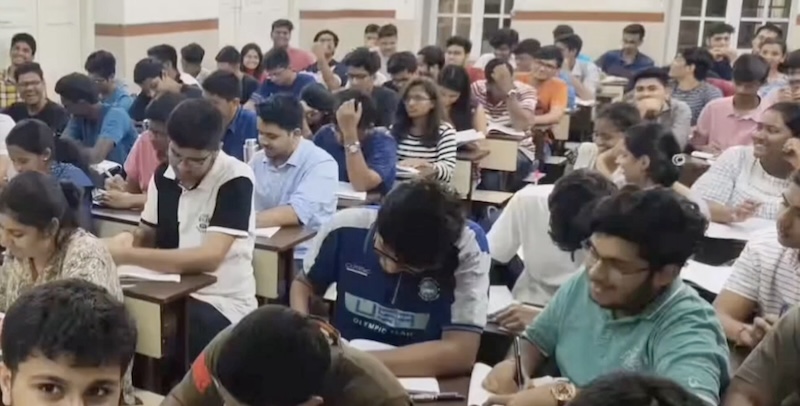
    MUMBAI: Coaching centres had better watch out. No more will their promoters be able to make wild claims in an attempt to lure naïve students to take up courses with them. Nor will they be allowed to force students to endorse their courses. 

    The  Central Consumer Protection Authority (CCPA) has issued comprehensive guidelines to address the issue of misleading advertisements in the coaching sector. Guidelines for Prevention of Misleading Advertisement in Coaching Sector, 2024,  aim to safeguard students and the public from deceptive marketing practices commonly employed by coaching centers, disclosed CCPA chief commissioner and secretary department of consumer affairs Nidhi Khare at a press meet on 13 November 2024. 

    The guidelines have been drawn up a by a committee that was chaired by the then chief commissioner CCPA which included representatives from the CCPA, department of personnel & training, ministry of education, Lal Bahadur Shastri National Academy of Administration (as a special invitee), National Law University (NLU) Delhi, law firm and industry stakeholders.

    These guidelines are drafted in the wake of growing concerns about false/misleading claims, exaggerated success rates, and unfair contracts that coaching institutes often impose on students. Such practices have been found to mislead students, influencing their decisions by concealing important information, giving false guarantee etc.
     

    Some of the Key Highlights of the guidelines are as follows:

    Regulation of advertisements: The guidelines explicitly prohibit coaching institutes from making false claims related to the courses offered, their duration, faculty qualifications, fees, and refund policies;  selection rates, success stories, exam rankings, and job security promises and assured admissions, high exam scores, guaranteed selections or promotions.

    Truthful representation: Misleading representations about the quality or standard of their services are strictly prohibited. Coaching institutes must accurately represent their infrastructure, resources, and facilities.

    Students’ success stories:  In a notable move, the guidelines reportedly will prevent coaching centers from using students’ names, photos, or testimonials in advertisements without their written consent—and importantly, this consent must be obtained only after the student’s success. This provision is intended to reduce the pressure student’s face when enrolling, as they are often pushed into signing such agreements upfront.

    Transparency and disclosure: Coaching centers will need to disclose important information, such as the name, rank, and course details alongside the student’s photo in an ad. Whether the course was paid for by the student that too must be clearly stated. Additionally, any disclaimers will need to be prominently displayed, with the same font size as other important details, ensuring that consumers are not misled by fine print.

    No creation of false urgency: The guidelines will reportedly target the common tactic used by any person engaged in coaching, that is, creating a false sense of urgency or scarcity, such as implying limited seats or exaggerated demand, to pressure students into making immediate decision.

    Convergence with national consumer helpline: Every coaching center will be required to partner with the national consumer helpline, making it easier for students to raise concerns or complaints regarding misleading advertisements and unfair trade practices.

    Fair contracts: The guidelines are also said to address the issue of unfair contracts that students are often enter into with coaching centers. Coaching institutes will no longer be allowed to use successful candidate’s photographs, names, or testimonials without post-selection consent. This provision is intended to eliminate the pressure that many students face when enrolling in coaching centers.

    Enforcement and penalties: Any violation of these guidelines will be treated as a contravention of the Consumer Protection Act, 2019. The Central Authority has the power to take stringent actions against offenders, including imposing penalties, ensuring accountability, and preventing further occurrences of such deceptive practices.

    Khare, emphasised that CCPA seeks to work closely with industry stakeholders, consumer organisations, and regulatory bodies to ensure effective implementation and compliance with the guidelines in the interest of consumers and public. She further stated that misleading advertisement in coaching sector will be governed as per Consumer Protection Act, 2019 and the guidelines will bring clarity to the stakeholders and protect consumer interests. 

  • Will the centre’s move to reign in the influencer industry boost it or backfire?

    Will the centre’s move to reign in the influencer industry boost it or backfire?

    MUMBAI: The recent years have seen a marked shift from banking on celebrity endorsers to engaging social media influencers by brands for product promotions. The impact of influencers on viewers has moved the brands to consider it as an inevitable element of their marketing mix. The resulting size and growth of the burgeoning Indian influencer marketing industry, expanding at a CAGR (compound annual growth rate) of 25 per cent and which is expected to touch a worth of Rs 2,200 crore by 2025 as per industry estimates, has caught the government’s attention.

    The Central government is poised to bring in a set of rules to regulate the booming industry with a list of do’s and don’ts.

    The news that the government proposes to slap fines up to Rs 50 lakh on influencers for non-disclosure of paid promotions has thrown up a mixed-bag of reactions from the mammoth community of social media influencers in the country, even as a majority of industry stakeholders welcomed the regulations as a much-needed measure.

    There has to be a self-disclosure by the influencer with regards to the product/service they are endorsing, Central Consumer Protection Authority (CCPA) chief commissioner Nidhi Khare declared earlier last week so that the consumer understands that there is a commercial relationship between the influencer and the brand or agency.

    Additionally, failure to disclose financial ties with brands could result in an order restraining the influencer from taking on any more of such endorsements for a period of one year up to three years, she asserts.

    Even though ASCI and popular social media platforms such as Instagram and YouTube already prescribe similar guidelines, several industry executives feel that some creators and brands do not follow them stringently. They believe creators and brands will take the government’s guidelines more seriously.

    Considering how the earlier established guidelines were being taken leniently, a strict approach regarding this was necessary for the betterment of the consumers, says 8Bit Creatives founder & CEO Animesh Agarwal.

    Viewers get easily swayed by the content put out by their favourite creators and hence it becomes crucial for them to know the legitimacy of the endorsement, he continues. “These guidelines will ensure that influencers give a fair assessment of the product that they are endorsing without just boasting about its positives. Another benefit of this decision is that it protects consumers from fake reviews related to the product,” he adds.

    This would also compel brands to henceforth select the right fit for their respective products or services to get genuine reviews for their consumers, believe experts. This would further lead to increasing the transparency between the influencers and their audience, voiced by others.

    Alpha Zegus founder & director Rohit Agarwal, a next-gen marketing agency specialising in the domains of gaming & lifestyle, believes that the strict implementation of these guidelines will be beneficial for the creators and the audience. “At present, many brands are requesting creators to make the content look more organic and authentic. This makes it difficult for the audience to figure out whether the opinion of the creator is biased or unbiased. It also hurts the long-term growth of the creator, as the audience finds it difficult to believe their opinion,” he states.

    Influencers themselves, while being cautiously optimistic about the government decision, were sceptical at the same time. The fear is that audiences might start doing the ‘Skip Ad’ procedure with their content, which might drop their engagement for branded pieces, being the uppermost.

    It’s a good step, honestly, asserts gaming influencer Shobith Rai aka Tbone Gaming, who has an Instagram following of 64.1K and YouTube following of over 200K subscribers. “Although it can cause a dip in engagement numbers of the content piece, I still personally want to do what’s best for my audience.”

    “The best part will be that brands will start preferring the right fit for their respective products or services to get genuine reviews for their consumers, they will tap the influencers who genuinely hold the knowledge of their industry and use the services/products very often”.

    Also, if it’s applied to all creators, then it becomes a level field, he adds.

    Your audience should know that whatever you put out has been paid for and just because it is a paid association doesn’t mean the products/services reviews are biased, points out Saloni Pawar aka Meow16k, an influencer with Instagram followers of 21.8K and YouTube of over 60K subscribers. It depends on the credibility that an influencer has and how much engagement and retainers they have with their audience on their generic and paid posts, she adds.

    After a point in a content creator’s career, responsibility takes the driver’s seat, says fin-influencer Ayush Shukla, who has followers to the count of 125K on Instagram. “I have seen many creators not disclosing brand collabs, not declaring to the audience that it’s a paid ad, trying to pull off paid ads portraying it as an “organic” story.” The audience is the judge, he notes, saying that the audience knows when it’s paid and when it’s not. Creators would be dumb to take their audience for granted, he adds.

    Another fin-influencer, Sharan Hedge, while in agreement that transparency and full disclosure should be mandatory “as the audiences ought to be aware of the content they’re consuming”, found the proposed fine of Rs 50 lakh to be “slightly concerning” as the influencer industry is just at a growing stage. It’s an encouraging move but the fine amount should be reconsidered, he adds.

    Marketing and business video content creator, Shivanshu Agrawal too welcomed the move by the government, believing that disclosing a paid partnership upfront will only strengthen the trust of their audience and bring greater accountability to creators.

    Endorsing the Central government’s stance, ASCI CEO & director general Manisha Kapoor said that governments and self-regulators work together and in complementary ways. According to the self-regulatory body, the complementary work of the government and ASCI would only strengthen consumer protection.

    On the other hand, some industry experts believed that this could pose a new challenge for the nascent industry and a community battling marketing budget cuts and India’s ban on TikTok. The clauses seeking honest declarations and due diligence, and conditions laid for expert endorsements can put unnecessary litigation burden on influencers, opined some industry insiders.

    Micro-influencers may become over cautious as they don’t have resources for potential litigation, believes Pulp Strategy founder & managing director Ambika Sharma. The rules now only place unnecessary roadblocks and scepticism in the minds of endorsers, she says, adding that a simple and mandatory disclosure specifying the paid content and their personal experience of its usage could solve the problem.

    The guidelines may scare smaller influencers and in turn deter the growth of the digital advertising industry for a while, but may benefit the sector in the long run, as it will lead to more responsible behaviour in the digital marketing ecosystem, opines others.

    While there is little doubt that the blossoming influencer ecosystem in the country will be significantly impacted due to this development, the industry would be better off for the changes it would usher in the long term.

  • Sensodyne slammed by CCPA for misleading ads, fined Rs 10 lakh

    Sensodyne slammed by CCPA for misleading ads, fined Rs 10 lakh

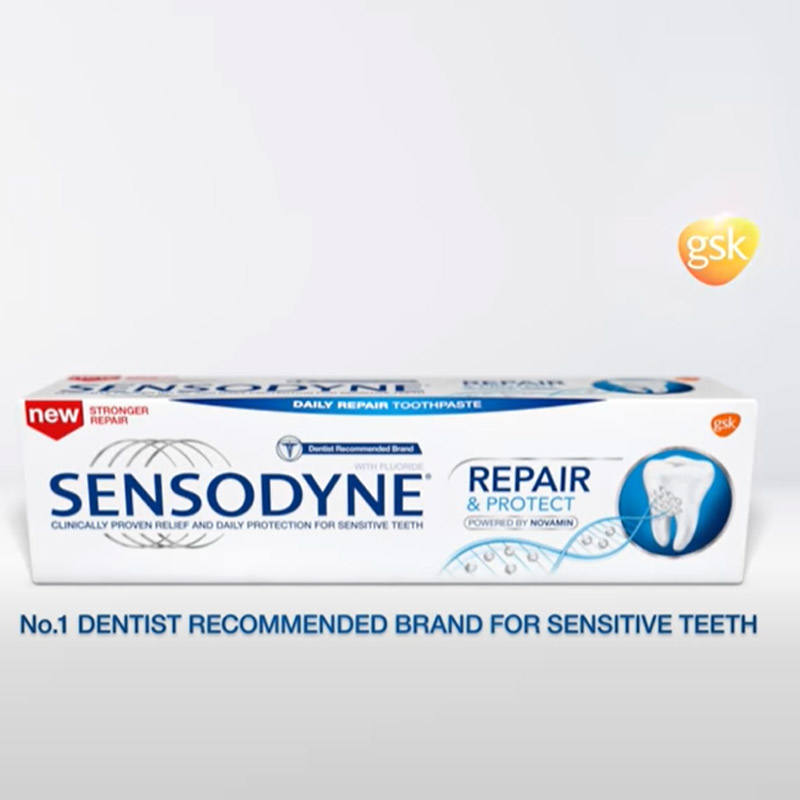
    Mumbai: The Central Consumer Protection Authority (CCPA) has taken umbrage at GlaxoSmithKline-owned toothpaste brand Sensodyne for misleading advertisement. The consumer protection body has ordered discontinuation of these advertisements within seven days, according to an official statement.

    Additionally, the association imposed a penalty of Rs 10 lakh on Sensodyne’s manufacturer. The CCPA said the company did not produce any cogent study or material to substantiate claims made in the advertisements or indicate any worldwide prominence of Sensodyne products.

    After examination of the response submitted by the company, CCPA observed that the two market surveys submitted by the company in support of its claims ‘Recommended by dentists worldwide’ and ‘World’s No 1 sensitivity toothpaste’ made in the advertisements were conducted only with dentists in India.

    “No cogent study or material were submitted by the company to substantiate the claims made in the advertisements or indicate any worldwide prominence of Sensodyne products. Thus, the claims were observed to be bereft of any reason or justification,” the statement said.

    The central body initiated suo-moto action against the advertisements, running on various social media platforms and television, that showed dentists practising outside India (in the UK) endorsing the use of Sensodyne products — namely Sensodyne Rapid Relief and Sensodyne Fresh Gel — for protection against teeth sensitivity.

    Earlier on 9 February, the Authority had also directed GlaxoSmithKline (GSK) Consumer Healthcare to discontinue advertisement of Sensodyne products, which show endorsement by foreign dentists.