
Connect with us
MUMBAI : The news is not so good for all of us who are part of the media. Our tribe ranks even below the police in terms...
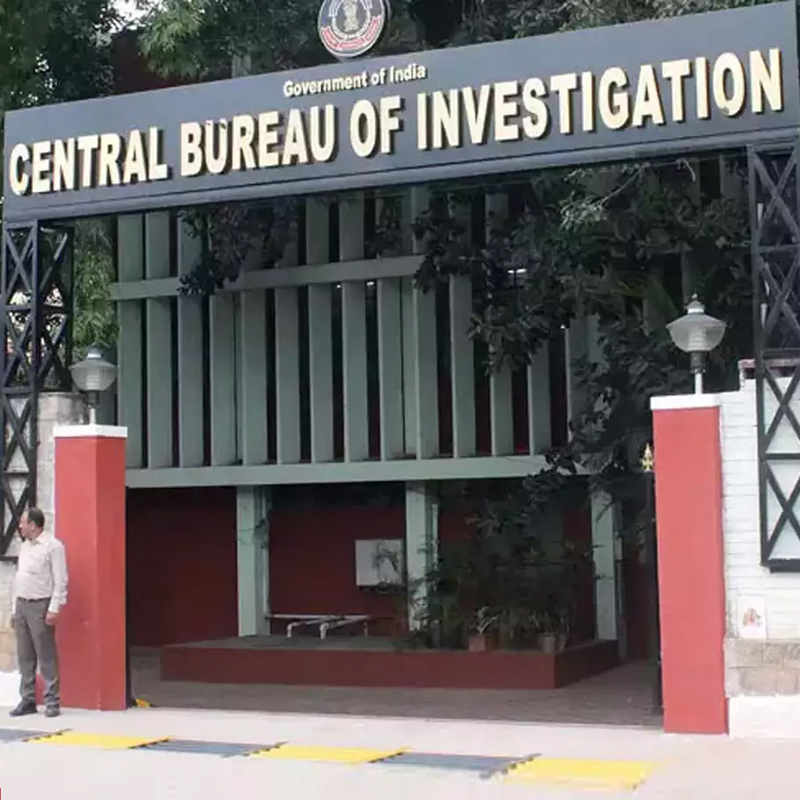
NEW DELHI: The latest development in the alleged TRP manipulation row is that the Central Bureau of Investigation (CBI) has taken over the inquiry into the...

MUMBAI: The Central Bureau of Investigation (CBI) has booked promoters of news channel NDTV, Prannoy Roy, Radhika Roy, former CEO and director Vikram Chandra and some...
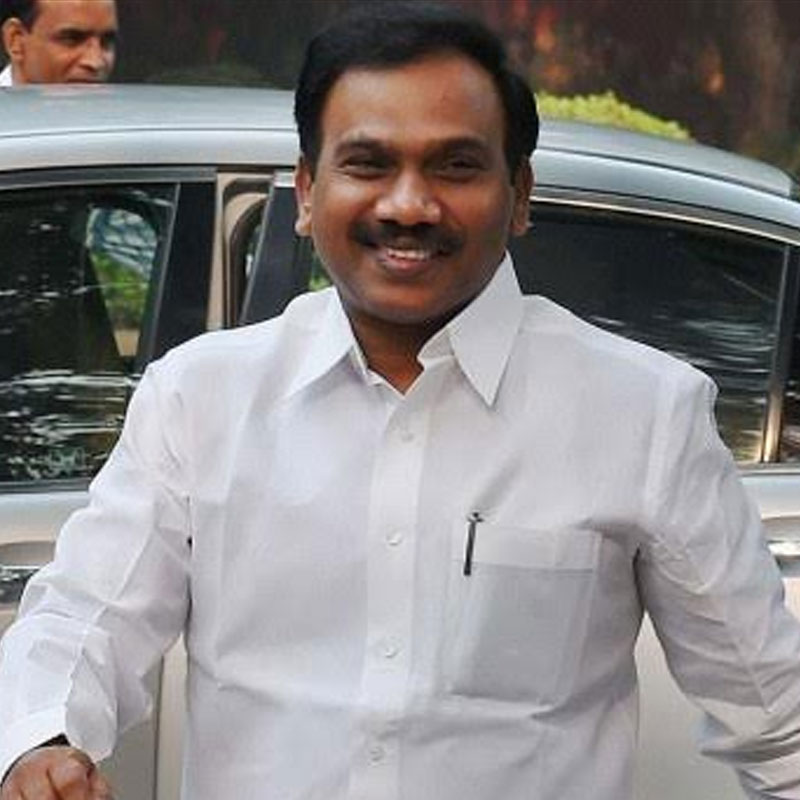
Mumbai: A special CBI court today acquitted all accused in the three cases related to the 2G spectrum allocation. The case pertained to graft and money...
MUMBAI: NDTV has issued a statement on the immediate tax demand of Rs 4.3 billion. It stated on its web site: “The attempt to intimidate and...
NEW DELHI: Even as senior mediapersons rallied behind NDTV following raids by the Central Bureau of Investigation and several media bodies held protest meetings, the Foreign...
MUMBAI: Editors of various reputed media organisations and well-known personalities yesterday came out in support of NDTV, the offices of which and residence of promoters were...
MUMBAI: The News Broadcasters Association (NBA) has expressed its concern over the recent raids conducted by the Central Bureau of Investigation (CBI) on the residences of...
MUMBAI: Reports in a section of the media have raised certain issues and the statement issued by NDTV has levelled certain allegations against the CBI investigation...
MUMBAI: The Editors Guild of India, in a press release issued on Monday night, expressed deep concern over the raids conducted by the Central Bureau of...
MUMBAI / NEW DELHI: The information and broadcasting minister M Venkaiah Naidu has denied any political interference in the CBI raids on NDTV’s Prannoy Roy, and...
NEW DELHI: The Parliament was told today that the home ministry is executing a project on Cyber Crime Prevention against Women and Children (CCPWC), which will...
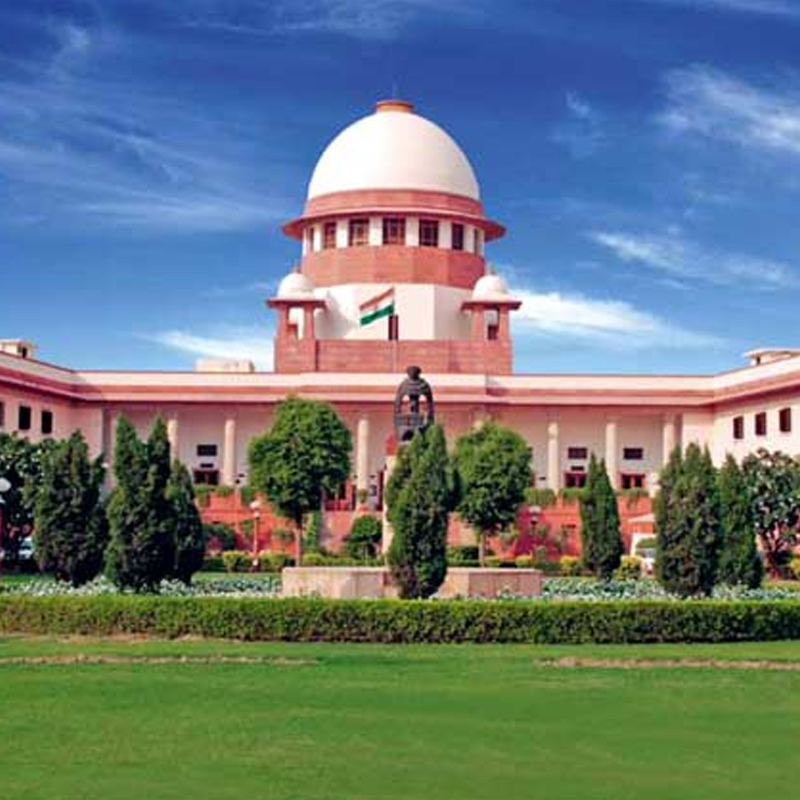
MUMBAI: The Supreme Court of India has sent notices to Facebook, Google and others over sharing of cyber crime videos. The two, and Yahoo and Microsoft...
MUMBAI: The Supreme Court of India has sent notices to Facebook, Google and others over sharing of cyber crime videos. The two, and Yahoo and Microsoft...

MUMBAI: Is the hand of the law closing in on Sun TV promoter Kalanithi Maran and his brother, the former telecom minister, Dayanidhi Maran? A special...
MUMBAI: Is the hand of the law closing in on Sun TV promoter Kalanithi Maran and his brother, the former telecom minister, Dayanidhi Maran? A special...

NEW DELHI: The Permanent Court of Arbitration (PCA) in The Hague has said that the annulment of the agreement between Devas and Indian Space Research Organization’s...
NEW DELHI: The Permanent Court of Arbitration (PCA) in The Hague has said that the annulment of the agreement between Devas and Indian Space Research Organization’s...

MUMBAI: Kalanithi Maran can breathe a sigh of relief, at least for now. This after the Attorney General of India Mukul Rohatgi has asked the Information...

NEW DELHI: Kalanithi Maran owned Sun TV Network Limited (Sun TV) has written to Home Minister Rajnath Singh to reconsider his Ministry’s refusal of security clearance...
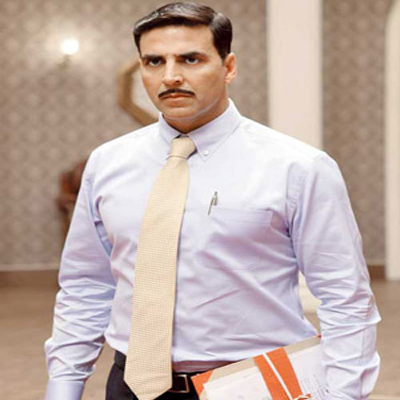
The actor-director combo of Akshay Kumar and Neeraj Pandey was last seen in Special 26 which turned out to be one of the biggest hits of...
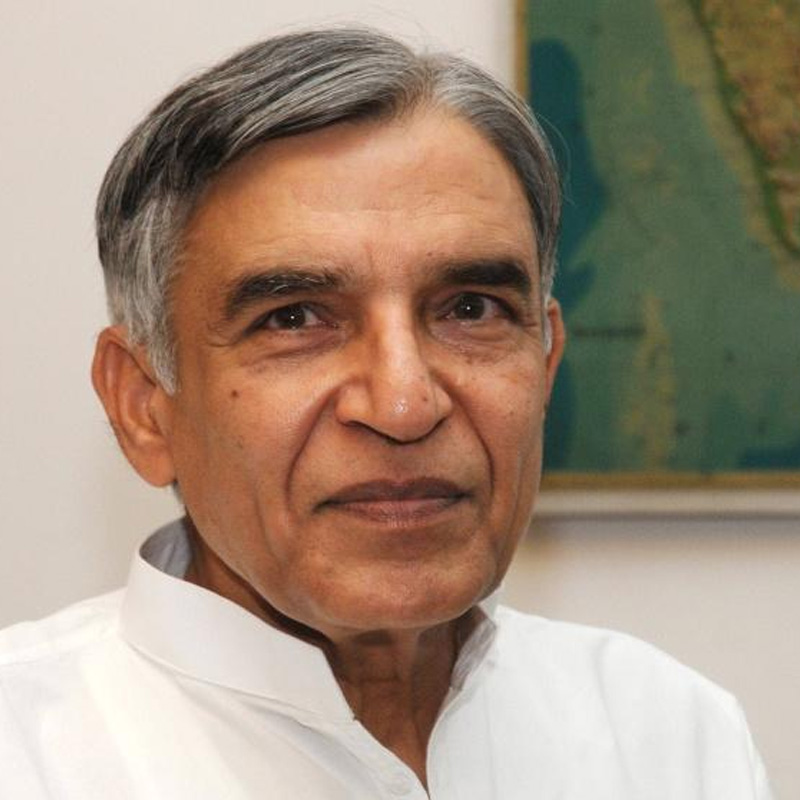
New Delhi: Zee Media aired the first Television Interview of Pawan Bansal today, the former Minister of Railways, since his implication in the Cash-for-Promotion saga. He...

MUMBAI: Inkaar has been widely promoted as a film on sexual harassment at work place. Ideally, the work place here is an ad agency. Ad agencies...
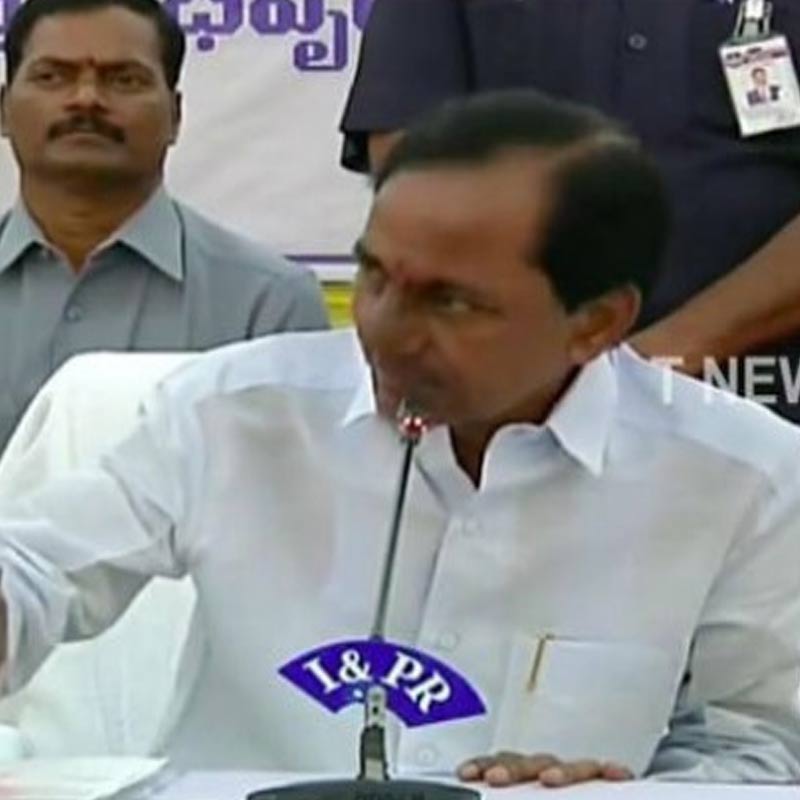
NEW DELHI : Journalists can be prosecuted on corruption charges for conducting sting operations to expose corruption in public life, according to the Central Bureau of...
MUMBAI: With crime reporting becoming an important ingredient for all the news channels, Hindi news Channel 7 has now created an exclusive band — Crime Band...

Ravina Raj Kohli is a tenacious professional. The lady has come a long way from being an advertising professional to running a radio company in Singapore...
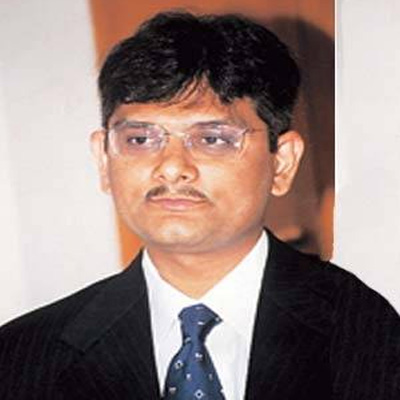
If it’s Friday India’s stock markets must crash has almost become a given ever since Yashwant Sinha presented his “dream budget” end-February (and two weeks prior)....


