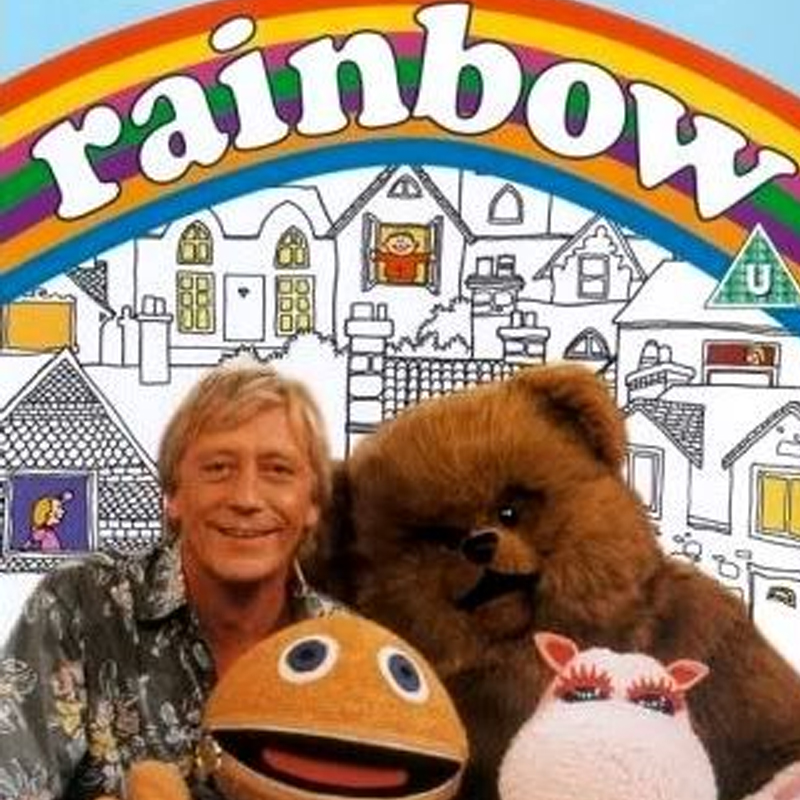
BBC Worldwide Channels is looking at cracking the Indian market a lot more seriously. The two channels, BBC Entertainment and CBeebies, were almost invisible for three years with a sole presence on Tata Sky, a DTH service provider.
Now a lot more investments are being planned and the focus will be on beefing up the content and distribution of these two channels.
BBC Entertainment is being refreshed in January and programming will be designed based on time bands for India.
A local feed for CBeebies in Hindi is being examined, though a definite plan on this is some time away.
For BBC Worldwide Channels, Asia is the fastest growing market. And within this region, India is emerging as an important market.
While India has been flooded with American English entertainment content, BBC believes that the British flavour will be its big differentiator.
In an interview with Indiantelevision.com‘s Ashwin Pinto, BBC Worldwide Channels director South Asia Deepak Shourie elaborates on the India plans for the two channels.
Excerpts:
How has BBC Worldwide grown its channel business over the past couple of years across Asia?
The BBC Worldwide Channels business is ?262.5 million, up from ?225.5 million in the earlier year. The revenue from Asia grew from ?19 million to ?37 million. Asia is, thus, growing faster compared to the rest of the world.
BBC is investing in new channels and geographies. About 35 per cent of BBC Worldwide‘s revenue comes from the channel business.
In India, people say we are too late to enter. Are we? Global media companies are looking at India now. English content is watched by the affluent class. But is there space for everybody? People will have to find their strong propositions. BBC Entertainment will appeal to audiences who watch factual, entertainment and lifestyle content. We are bringing all of these genres into one channel. Our aim is to be a one stop destination.
How important is India as a market for the BBC compared to that of Hong Kong and Singapore?
The size is attractive. It is a market that is hot now. The other markets are good, but small demographically. India will be a very important market for us going forward.
What is the roadmap that BBC Worldwide has set for their channel business in India?
BBC World News is already there distributed in 34 million homes and holds its own as a premier news channel.
As far as BBC Worldwide‘s channels are concerned, we have had BBC Entertainment and CBeebies in the market since 2007, but only as a small presence on DTH. They have not been mainstream. These two channels have had no advertising.
We are refreshing BBC Entertainment in January with the tagline ‘Seriously Entertaining.‘ Our TG is 15-34 SEC A,B. In the daytime, viewing is leisurely. So we have lifestyle shows like Grand Designs that has Kevin McCloud following homebuilders. In the evening, we have factual entertainment like wildlife. Lifestyle content also airs like Extreme Makeover: Home Edition. At night, from 10 pm onwards, we have shows like Spooks, Top Gear and Sherlock.
But why wasn‘t a push made earlier?
That is always going to be a million dollar question. Should we have pushed earlier or is now the right time? The English market is expanding rapidly. So there is nothing wrong in entering now. The BBC Worldwide team in the UK is looking at India seriously now.
How much is being invested in India and when do you expect to turn profitable?
I cannot talk about numbers. However, all that I can say is that we see an opportunity here. Any market takes time to mature. Viewership traction has to be built along with the advertising base.
‘Research has confirmed that the audience we look at does not want localisation. There is enough local content around. The English audience wants international content‘
Is the look and feel of BBC Entertainment being changed?
The whole look and feel will change. The aim is to make it more vibrant and colourful.
And from January, we will design programming based on time bands for India. There will also be a lot of fresh content and new shows.
From 6-11 am, you have will light content like Trish‘s Fresh Country Kitchen. Early evening from 7 pm -10 pm will have a mix of lifestyle and factual shows like BBC Earth. Post 10 pm, we move towards more edgy, fast paced content like Luther which is about a detective who is fascinated by the darker side of human nature. London Live, which looks at the music scene, will also air at this time.
The English GEC space is known for having ‘snacking‘ viewers. How do you plan to build loyal viewers?
People want quality entertainment. It is not so much about storyline building as it is in the Hindi GEC space. People will come back to the show because of quality – there are shows like Wonders Of The Solar System and Human Planet. The key is to reach the audience with relevant content and, thus, offer advertisers relevant eyeballs. If you do this, then loyalty will automatically build.
Is having a British flavour going to be your USP?
That is important. Most content on air is from America. The BBC produces a wide ranging amount of content which has not been seen like Wallander, with Kenneth Branagh playing a detective in Sweden. The channel will give you everything.
You also have other players coming into this genre like Big CBS. Do you see viewership growth happening as a result or will there simply be fragmentation?
Viewership will change and grow. The question is whether everybody will get the viewership they are targeting. Fragmentation is a challenge. To counter it we are giving consumers everything in one channel. Our aim is to make an impact in the English entertainment space. The more you fragment by focusing on one genre, the chances are that people will see it.
Are you selling BBC Entertainment to advertisers?
Yes! The response is encouraging. We want to fill our inventory with quality clients. You have premium brands coming into the country. The world‘s most expensive car, Bugatti Veyron, has just been launched. They need to reach out to the relevant audience who are upscale. We will provide this audience segment. BBC Entertainment is being pitched as the Best of the BBC.
The English space is worth $200 million and I see it growing. The nature of the market is such that you will depend more on advertising. Digitisation needs to spread for subscription revenues to really pick up.
What are the synergies between BBC Worldwide Channels and the other businesses of BBC Worldwide?
The magazine business has properties that the channels can exploit. An example of this is Top Gear.
English GECs have started following a stripped strategy where one show airs at a time block across the week as opposed to a different show airing each day. Is BBC Entertainment doing something similar?
A stripping strategy is good if you have long running shows. If it is not there, then it will not work as a concept. It depends on the concept. You can have factual content at a certain hour across the week, which we do. A documentary, though, cannot have that. The runtime is limited.
Will localisation play a role in your strategy?
No! Researchh
has confirmed that the audience we look at does not want localisation. There is enough local content around. They want international content. The English audience is getting more confident. They are world citizens. They want world programming. Local shows will add a lot of cost for us, but not much value.
What is being done for CBeebies?
We could look at launching a local feed for it in Hindi in due course. As of now, we have not come up with a strategy for it.
Are you launching more channels in India like BBC Knowledge?
Not at the moment. BBC Entertainment has everything. When the time comes to have a wider bouquet of channels, we will look at it.
BBC is launching BBC HD in more territories this fiscal. Is HD still some time away for India?
HD is the future. Right now there is a bandwidth issue. Also, there are not many consumers who have HD ready television sets. When these two issues are sorted out, you will see a push for HD content. There will come a time when SD becomes HD.
How will you leverage the mobile with 3G coming in?
We will focus on this when the time comes. We know that people will want not just news but other genres like factual content.There will come a time when SD becomes HD.