Tag: Casbaa convention

  • Cable & broadcast biggies discuss issues on day 1 of CASBAA Convention

    Cable & broadcast biggies discuss issues on day 1 of CASBAA Convention

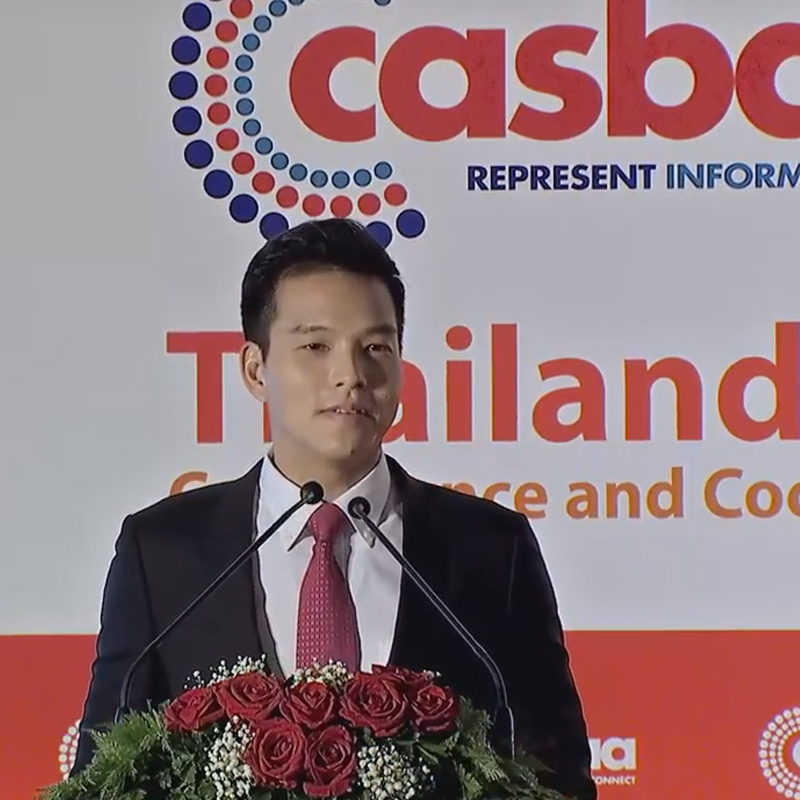
    MACAU: The CASBAA Convention 2017 in Macau kicked off on 7 November 2017 with welcoming remarks from 21st Century Fox CASBAA Board Chairman and SVP Public Affairs Asia Joe Welch, during which he highlighted the association’s escalating efforts to curb the on-going regional revenue leakage caused by piracy.

    “Most importantly”, said Welch, “CASBAA recently launched the Coalition Against Piracy, funded by 18 of the region’s content players and distribution partners”.

    In the meantime, CASBAA CEO Christopher Slaughter, emphasised the yet to be fully-realised digital dividends for the Asia Pacific.

    According to CASBAA, TV production quality is soaring across Asia. Audiences are engaging as never before. New ways of video distribution such as over-the-top (OTT) broadband services are reaching millions of additional customers across a CASBAA footprint that reaches from India and Pakistan to Japan and Korea, from China and Mongolia to Australia and New Zealand.

    Operator workshops and conference sessions such as “New Ecosystems: Myanmar & Cambodia” and “OTT in China” showcased the plus side, while digital negatives were highlighted during sessions such as “Under Attack” and “the ISD Battle”, as well as clear-eyed examinations of the India market and new content offerings both domestic and international.
    Some noteworthy points mentioned through the day:

    New Wine, New Bottles: Astro COO Henry Tan said,“We need to expand beyond our domestic market, it would be foolhardy to be satisfied, with 75 per cent of Malaysian households. The way the world is going, is mergers, acquisitions, and partnerships.”

    “Last year at the CASBAA Conventions I met with Group M’s Irwin Gotlieb; he told me ‘Bet on transactions’. Since we have 75 per cent market share, how to do that? Home shopping, eCommerce. We have to see ourselves as a consumer care company, our biggest asset is our customer base.”

    On Piracy:

    Premier League Kevin Plumb said,“In the past 18 months the illegal broadcasting of live Premier League matches in pubs in the UK has been decimated.”

    Sky UK Matthew Hibbert said,“Site-blocking has moved the goalposts significantly. In the UK you cannot watch pirated live Premier League content any more.”

    Federation Aganst Copyright Theft (FACT) Kieron Sharp said,“The most successful thing we’ve done to combat piracy has been to undertake criminal prosecutions against ISD piracy. Everyone is pleading guilty to these offences.”

    UK Intellectual Property Office (UKIPO) Ros Lynch said,“The UKIPO provides intelligence and evidence to industry and the Police Intellectual Property Crime Unit (PIPCU) in London who then take enforcement actions. We first heard about the issues with ISDs from TVB in Hong Kong and we then consulted the UK rights holders who responded that it wasn’t a problem. Two years later the issue just exploded.”

    On New Content New Platforms:

    Vice Media Hosi Simon said, “The business isn’t in some regional office where people send out emails, it’s about local offices building local content.”

    “What Vice trades in is being able to identify emerging trends – artists, music, movements – that young people care about. We trade on an understanding about cultural diversity and nuance, and we don’t believe there is just one global lens, the excitement is about the local story.”

    The Death Of Television?:

    The Promotion Fix @ The Drum Sam Scott said,“As Ad Contrarian Bob Hoffman said, we need to counter the falsehood that TV is dying by pointing out that it’s having babies.”

    “Marketers are not normal people. We love social media, but most people do not. 93% of marketers are on LinkedIn. Among everyone else, it’s 14 per cent. 81 per cent of marketers use Twitter. Everyone else, 22 per cent.”

    “The marketing industry has its own ‘fake news’ problem. Too many marketers – especially in digital marketing – accept what is said in our industry’s echo chamber without thinking critically or asking for evidence.”

    “Don’t let those who are biased towards digital mediums and tactics frame the debate.”

    On C-band and Satellite:

    APT Satellite Huang Baozhong: “With complementary OTT services, we add value instead of lowering prices.”

    “If other countries will follow [the US/FCC]: Japan, Europe, Australia, Korea and others … this will completely destroy the broadcasting industry in C-band.”

    ABS Raymond Chow: “C-band is a precious resource, not only for broadcast, but also mission-critical for military applications.”

    On OTT:

    BrightCove Greg Armshaw said, “Really start understanding your customer base is the essential to selling OTT …. Even though there are free offers, not everyone is signing up to it, so personalised offers, being flexible about bundling and looking at marketing partnerships are key…”

    Fox Network Group Rohit d’Silva said, “Data science is now front and centre for a multitude of industries. In the media industry the sooner they understand that data science is a huge part their operations, then they won’t get left behind.”

    Sony India Uday Sodhi said,“There is a huge mindset change required, when you move from traditional the broadcast business, to digital platforms. You have to deal with the huge explosion of data that you develop.”

  • CASBAA Convention: Focus on content, advertising & evolving business models on second day

    CASBAA Convention: Focus on content, advertising & evolving business models on second day

    Macau: Day two of the CASBAA began with nerves on edge as the world awaited the outcome of the US Election. The focus soon turned to the issues at hand for the cable and satellite industry from the new reality for TV on the advertising landscape, the challenges for operators across the region and also content, whether global or home grown.

    First order of the day was the topic of advertising. Dave Downey, CEO of INVIDI Technologies, illustrated how ‘addressable’ advertising could be used to predict viewing behaviors. Basil Chua, CEO from AsiaMX, talked about the need to understand viewer habits, flagging that they are watching content not devices. Both believed that the advertising formats would result in big wins for operators. Intrinsically linked to the advertising discussion is the subject of measurement and Craig Johnson, MD Media, South East Asia, Pacific and India, Nielsen highlighted some of the current challenges OTT has presented with measurement, suggesting that viewership on other devices could represent an additional 15%-20%of media usage that is not accurately measured yet. The introduction of smart-meters could help more accurately chart multi-device viewership and content sources.

    Content from Japan took the spotlight with Eriya Kawachi, Director Sales and Promotions, Club TV Japan, showcasing some platforms that have been winning in popularity outside of Japan with Club TV. Richard Woo, Consultant for WAKUWAKU JAPAN, discussed how Japanese content is well known for its creativity, uniqueness and a certain wackiness. Korean content also featured on the agenda with Miles Ki Young Choi, Founder & CEO of Bethel Group Media Contents, talking about how interactive content was key to the future, flagging interactive drama as something they were championing. Byeong-Joon Song,CEO Group 8, saw simultaneous distribution as important for Korean content, highlighting difficulties with penetrating the Chinese market and Tom Taehyun Kim, CEO & Executive Producer, K Production, confirmed that superb storytelling was of course essential for content to have wider appeal.

    Creating content that consumers are passionate about was paramount for Jo Parkinson, Managing Director, Love Nature International. The production of stunning, beautiful programming that consumers care about helps Love Nature achieve global reach. Caroline Cochaux, MD France and International, Lagardère Active TV, highlighted how multi-platform synchronized content with big name brands helped them appeal to a multi-market demographic while Rian Bester, CEO of INsight, flagged how the core essence to global appeal was having the scale to expand into new markets and increase viewership.

    On the flip side, Ang Hui Keng, SVP & GM, Sony Pictures Television Networks, Asia, discussed the localization of global content and what the company was doing to make global formatsmore relevant. Where there was a sizeable audience, resources are being ploughed into local original productions. In addition, social media production crews would film in parallel to the main show to create a wealth of social content for local audiences.

    Sports content and licensing rights are always hotly debated subjects in the pay-TV arena. Neil Smythe, Head of Sportat Shotglass Media, FMUK Interactive, illustrated how its Football Republic platform steered away from rights issues in the provision of football content that focused on conversations and debate from fans and influencers on the gamesthat complement existing sports broadcasts. Victor Cui, CEO of ONE Championship talked about how local heroes were helping to drive relevancy in Asia markets. Athletes serving as pillars of the local community helped to support this.

    Another interesting slant on the content front came from Zaid Mohseni, COO, MOBY Group, who discussed the challenges of bringing news and entertainment programming to emerging markets such as Afghanistan. Social and cultural issues have a real bearingboth the creation and accessibility of content. For example, foreign programming needs to be dubbed as the literacy rate is so low in Afghanistan.

    The challenges facing operators were raised in two panels featuring operators including Jeremy Kung, CEO of TMNet Malaysia, Jeon Yong-Ju, CEO of D’Live Korea and Ralph Siebenaler, Digicel in one, and Meena Adnani, Content & Marketing Director, First Media (Indonesia) and Jagdish Kumar, MD & Chief Executive, Hathway Cable (India) in the other.These included figuring out what consumers wanted and providing accessibility, the need for more viewership statistics and working with operators in the OTT landscape.Once the basics in terms of stability and speed had been covered, the next step would be to offer value-added services while building a strong relationship with the customer. The operators agreed that working with their channel providers was key to building a good offering, particularly in the new normal of OTT.

    Janice Lee, MD PCCW Media Group, took to the stage to discuss evolving business models in the current landscape. Whilst free TV is the engine of original production, PCCW has to balance revenues primarily with a subscription revenue model but supported by advertising. Monetization across regional markets continues to be a challenge. Taking the opposite approach, ITV, said Katherine Wen, Director of Pay TV, ITV plc & Channel Director, ITV Choice, said subscriptions only accounted for a small fraction of revenues, relying instead on advertising and revenues from original content. Both agreed that OTT presented a challenge but great opportunity for their brands.

    The agenda returned to piracy with Ron Wheeler, SVP Content Protection at Fox Entertainment Group, discussing how the issue remains a pertinent threat. He flagged some initiatives such as session-based forensic watermarks that are making some headway in the fight against the pirates. The watermarks allow uploaders of illegal content to be identified and their details given to the local authorities.Enforcement support from local authorities is of course key to success here.

    With CASBAA celebrating its 25th Anniversary this year, the closing panel looked at what the industry has achieved over the last quarter century, with a look to what the next five years might bring. Khush Kundi, Head of TV Solutions, APAC Ericsson, Mark Patterson, CEO APAC, GroupM, Jonathan Spink, CEO, HBO Asia, Ang Hui Keng, SVP & GM, Sony Pictures Television Networks, Asia and David Butorac raised the need to recruit younger talent to the industry and understand the millennial mindset as well as what consumers will pay for content and how to work with advances in data. Future threats to the industry such as Google and Facebook going into content production were also highlighted.

    “We are delighted that our delegates found the sessions useful and informative today. We continued to debate key issues facing our members today such as evolving business models, audience measurement and piracy. Content in all its glory and formats was widely discussed today and we hope that the best-practice sharing here will inspire our members. Content still is king in our industry after all.” says Christopher Slaughter, CEO of CASBAA.

  • CASBAA Convention: Focus on content, advertising & evolving business models on second day

    CASBAA Convention: Focus on content, advertising & evolving business models on second day

    Macau: Day two of the CASBAA began with nerves on edge as the world awaited the outcome of the US Election. The focus soon turned to the issues at hand for the cable and satellite industry from the new reality for TV on the advertising landscape, the challenges for operators across the region and also content, whether global or home grown.

    First order of the day was the topic of advertising. Dave Downey, CEO of INVIDI Technologies, illustrated how ‘addressable’ advertising could be used to predict viewing behaviors. Basil Chua, CEO from AsiaMX, talked about the need to understand viewer habits, flagging that they are watching content not devices. Both believed that the advertising formats would result in big wins for operators. Intrinsically linked to the advertising discussion is the subject of measurement and Craig Johnson, MD Media, South East Asia, Pacific and India, Nielsen highlighted some of the current challenges OTT has presented with measurement, suggesting that viewership on other devices could represent an additional 15%-20%of media usage that is not accurately measured yet. The introduction of smart-meters could help more accurately chart multi-device viewership and content sources.

    Content from Japan took the spotlight with Eriya Kawachi, Director Sales and Promotions, Club TV Japan, showcasing some platforms that have been winning in popularity outside of Japan with Club TV. Richard Woo, Consultant for WAKUWAKU JAPAN, discussed how Japanese content is well known for its creativity, uniqueness and a certain wackiness. Korean content also featured on the agenda with Miles Ki Young Choi, Founder & CEO of Bethel Group Media Contents, talking about how interactive content was key to the future, flagging interactive drama as something they were championing. Byeong-Joon Song,CEO Group 8, saw simultaneous distribution as important for Korean content, highlighting difficulties with penetrating the Chinese market and Tom Taehyun Kim, CEO & Executive Producer, K Production, confirmed that superb storytelling was of course essential for content to have wider appeal.

    Creating content that consumers are passionate about was paramount for Jo Parkinson, Managing Director, Love Nature International. The production of stunning, beautiful programming that consumers care about helps Love Nature achieve global reach. Caroline Cochaux, MD France and International, Lagardère Active TV, highlighted how multi-platform synchronized content with big name brands helped them appeal to a multi-market demographic while Rian Bester, CEO of INsight, flagged how the core essence to global appeal was having the scale to expand into new markets and increase viewership.

    On the flip side, Ang Hui Keng, SVP & GM, Sony Pictures Television Networks, Asia, discussed the localization of global content and what the company was doing to make global formatsmore relevant. Where there was a sizeable audience, resources are being ploughed into local original productions. In addition, social media production crews would film in parallel to the main show to create a wealth of social content for local audiences.

    Sports content and licensing rights are always hotly debated subjects in the pay-TV arena. Neil Smythe, Head of Sportat Shotglass Media, FMUK Interactive, illustrated how its Football Republic platform steered away from rights issues in the provision of football content that focused on conversations and debate from fans and influencers on the gamesthat complement existing sports broadcasts. Victor Cui, CEO of ONE Championship talked about how local heroes were helping to drive relevancy in Asia markets. Athletes serving as pillars of the local community helped to support this.

    Another interesting slant on the content front came from Zaid Mohseni, COO, MOBY Group, who discussed the challenges of bringing news and entertainment programming to emerging markets such as Afghanistan. Social and cultural issues have a real bearingboth the creation and accessibility of content. For example, foreign programming needs to be dubbed as the literacy rate is so low in Afghanistan.

    The challenges facing operators were raised in two panels featuring operators including Jeremy Kung, CEO of TMNet Malaysia, Jeon Yong-Ju, CEO of D’Live Korea and Ralph Siebenaler, Digicel in one, and Meena Adnani, Content & Marketing Director, First Media (Indonesia) and Jagdish Kumar, MD & Chief Executive, Hathway Cable (India) in the other.These included figuring out what consumers wanted and providing accessibility, the need for more viewership statistics and working with operators in the OTT landscape.Once the basics in terms of stability and speed had been covered, the next step would be to offer value-added services while building a strong relationship with the customer. The operators agreed that working with their channel providers was key to building a good offering, particularly in the new normal of OTT.

    Janice Lee, MD PCCW Media Group, took to the stage to discuss evolving business models in the current landscape. Whilst free TV is the engine of original production, PCCW has to balance revenues primarily with a subscription revenue model but supported by advertising. Monetization across regional markets continues to be a challenge. Taking the opposite approach, ITV, said Katherine Wen, Director of Pay TV, ITV plc & Channel Director, ITV Choice, said subscriptions only accounted for a small fraction of revenues, relying instead on advertising and revenues from original content. Both agreed that OTT presented a challenge but great opportunity for their brands.

    The agenda returned to piracy with Ron Wheeler, SVP Content Protection at Fox Entertainment Group, discussing how the issue remains a pertinent threat. He flagged some initiatives such as session-based forensic watermarks that are making some headway in the fight against the pirates. The watermarks allow uploaders of illegal content to be identified and their details given to the local authorities.Enforcement support from local authorities is of course key to success here.

    With CASBAA celebrating its 25th Anniversary this year, the closing panel looked at what the industry has achieved over the last quarter century, with a look to what the next five years might bring. Khush Kundi, Head of TV Solutions, APAC Ericsson, Mark Patterson, CEO APAC, GroupM, Jonathan Spink, CEO, HBO Asia, Ang Hui Keng, SVP & GM, Sony Pictures Television Networks, Asia and David Butorac raised the need to recruit younger talent to the industry and understand the millennial mindset as well as what consumers will pay for content and how to work with advances in data. Future threats to the industry such as Google and Facebook going into content production were also highlighted.

    “We are delighted that our delegates found the sessions useful and informative today. We continued to debate key issues facing our members today such as evolving business models, audience measurement and piracy. Content in all its glory and formats was widely discussed today and we hope that the best-practice sharing here will inspire our members. Content still is king in our industry after all.” says Christopher Slaughter, CEO of CASBAA.

  • CASBAA Convention kicks off with focus on deals, revenue and content

    CASBAA Convention kicks off with focus on deals, revenue and content

    Macau: The CASBAA Convention annual conference got underway today at its exciting new venue, Studio City, Macau. This year marks the 25thanniversary of CASBAA which is dedicated to representing key players from the cable and satellite broadcasting industry under the motto ‘represent, inform, connect’. Today’s sessions looked at the deals being made in the industry today, as well as the tools to aggregate and measure audiences. As ever, content was hotly discussed, with a focus on how content is evolving in the digital age.

    Following opening remarks by Sompan Charumilinda, Chairman for CASBAA, Irwin Gotlieb, the Global Chairman for GroupM, was first to take to that stage to discuss the changing nature, and measurement of viewing behaviors. He also touched upon how the way to reach audiences via the marketing funnel is the same but a granularity of data can now inform decisions for each stage of the funnel. He underscored how media will continue to play a role becoming more targetable, addressable and eventually part of the transaction process. Also on the subject of measurement, Ben Reneker of S&P Global Market Intelligence highlighted how machine-driven predictive measurement models are now able to inform strategic decisions on marketing and investment.

    Oliver Wilkinson, managing director for PricewaterhouseCoopers, provided statistics to illustrate that pay-TV is not dead, despite what the headlines say, and that it remains a primary form of entertainment. Yet, with digital players increasingly on their turf, content and channel providers should look to diverse and digitalize their offer. Doing deals in China was the topic for Bennett Pozil, EVP of East West Bank, who discussed the migration of content both ways as well as some of the pros and cons of doing business in China. Vivek Couto, Executive Director at Media Partners Asia, flagged the rise of digital players with the forecast that pay-TV growth would slow to about 3% as content providers looking to establish more direct to consumer offerings.

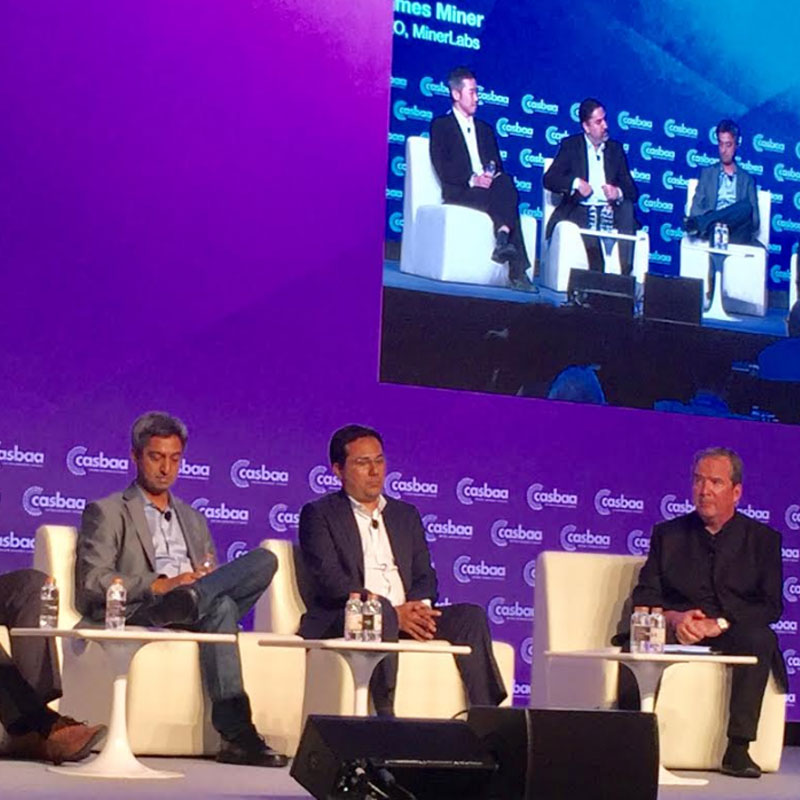
    Reaching a vast audience through tailored video and gaming content was the topic for Chad Gutstein, CEO of Machinima who highlighted that their most valued content was when viewers felt they had a connection to the creation of it. On a video note, Ricky Ow from Turner International predicted that Machinima’s e-Sports will be as successful as the English Premier League.

    James Schwab, Co-President of VICE announced the opening of the company’s first full-service office in Asia, in Jakarta, Indonesia. He discussed how their local content policy over digital channels has helped the company grow exponentially over the last few years. The recent move into TV has been important for VICE as it gives them the ability to invest more in content.

    Localized and Asian content was flagged by Henry Tan, COO of Astro, for being one of the main drivers that has seen the provider defy the trend of decline in time spent on TV, reporting healthy growth in this respect. A true understanding of the complexities of the Malaysia audience demographic is key to content that works for Astro’s market. Tan also discussed the effectiveness of current measurement models with Nick Burfitt, MD, APAC, Kantar Media. On the global stage, compelling content that tells a great story is the wining formula for Thom Beers of BoBCat whose male-oriented programmes like “Deadliest Catch” and “Monster Garage” have achieved success the world over. Norman Lao, VP International of Leyard showcased how MR – mixed reality comprising a kind of virtual reality that reacts with real physical events – will shape the content of the future.

    Piracy cropped up in conversation throughout the day with opinions polarized on whether this would continue to be an issue. In a session devoted to the subject, Avigail Gutman, Programme Director, Operational Security, CISCO, advised that the industry needed to ‘follow the money’ in combating piracy. Lucia Rangel, VP Latin America, Asia Pacific & Worldwide Game Strategy and Operations Warner Bros. agreed the problem was worldwide and that ISD boxes formed a critical part of the problem as many consumers were not even aware of the illegality of these and other streaming mechanics. A global effort was needed to fight the pirates, she commented. Desmond Chan, Deputy GM, Legal and International Operations, TVB highlighted the tangible impact piracy had already made to their business. Nickhil Jakatdar of Vuclip talked about how the content provider’s strategy was to provide a better experience than that available from pirate outfits.

    Different models of OTT content streaming were also a hot topic. Jakatdar illustrated how Vuclip’s Viu platform was a direct to consumer offering while David Weiland, EVP Asia, BBC Worldwide discussed how the ‘Beeb’ had instead opted to stream their new OTT app via their operator, Starhub. With all the different streaming options available, it was concluded that consumers could hardly keep up and would want a ‘one-stop’ shop when seeking out their viewing content.

    “Today’s Convention was a hot bed of debate on key issues facing our members today,” said Christopher Slaughter, CEO of CASBAA. “With issues on deals, revenue, appealing content, measurement, piracy and OTT streaming models all on the agenda, we hope our delegates found the sessions useful and informative, and that the information shared will be of help as they shape their business models for the fast-changing landscape in which they operate.”

  • CASBAA Convention kicks off with focus on deals, revenue and content

    CASBAA Convention kicks off with focus on deals, revenue and content

    Macau: The CASBAA Convention annual conference got underway today at its exciting new venue, Studio City, Macau. This year marks the 25thanniversary of CASBAA which is dedicated to representing key players from the cable and satellite broadcasting industry under the motto ‘represent, inform, connect’. Today’s sessions looked at the deals being made in the industry today, as well as the tools to aggregate and measure audiences. As ever, content was hotly discussed, with a focus on how content is evolving in the digital age.

    Following opening remarks by Sompan Charumilinda, Chairman for CASBAA, Irwin Gotlieb, the Global Chairman for GroupM, was first to take to that stage to discuss the changing nature, and measurement of viewing behaviors. He also touched upon how the way to reach audiences via the marketing funnel is the same but a granularity of data can now inform decisions for each stage of the funnel. He underscored how media will continue to play a role becoming more targetable, addressable and eventually part of the transaction process. Also on the subject of measurement, Ben Reneker of S&P Global Market Intelligence highlighted how machine-driven predictive measurement models are now able to inform strategic decisions on marketing and investment.

    Oliver Wilkinson, managing director for PricewaterhouseCoopers, provided statistics to illustrate that pay-TV is not dead, despite what the headlines say, and that it remains a primary form of entertainment. Yet, with digital players increasingly on their turf, content and channel providers should look to diverse and digitalize their offer. Doing deals in China was the topic for Bennett Pozil, EVP of East West Bank, who discussed the migration of content both ways as well as some of the pros and cons of doing business in China. Vivek Couto, Executive Director at Media Partners Asia, flagged the rise of digital players with the forecast that pay-TV growth would slow to about 3% as content providers looking to establish more direct to consumer offerings.

    Reaching a vast audience through tailored video and gaming content was the topic for Chad Gutstein, CEO of Machinima who highlighted that their most valued content was when viewers felt they had a connection to the creation of it. On a video note, Ricky Ow from Turner International predicted that Machinima’s e-Sports will be as successful as the English Premier League.

    James Schwab, Co-President of VICE announced the opening of the company’s first full-service office in Asia, in Jakarta, Indonesia. He discussed how their local content policy over digital channels has helped the company grow exponentially over the last few years. The recent move into TV has been important for VICE as it gives them the ability to invest more in content.

    Localized and Asian content was flagged by Henry Tan, COO of Astro, for being one of the main drivers that has seen the provider defy the trend of decline in time spent on TV, reporting healthy growth in this respect. A true understanding of the complexities of the Malaysia audience demographic is key to content that works for Astro’s market. Tan also discussed the effectiveness of current measurement models with Nick Burfitt, MD, APAC, Kantar Media. On the global stage, compelling content that tells a great story is the wining formula for Thom Beers of BoBCat whose male-oriented programmes like “Deadliest Catch” and “Monster Garage” have achieved success the world over. Norman Lao, VP International of Leyard showcased how MR – mixed reality comprising a kind of virtual reality that reacts with real physical events – will shape the content of the future.

    Piracy cropped up in conversation throughout the day with opinions polarized on whether this would continue to be an issue. In a session devoted to the subject, Avigail Gutman, Programme Director, Operational Security, CISCO, advised that the industry needed to ‘follow the money’ in combating piracy. Lucia Rangel, VP Latin America, Asia Pacific & Worldwide Game Strategy and Operations Warner Bros. agreed the problem was worldwide and that ISD boxes formed a critical part of the problem as many consumers were not even aware of the illegality of these and other streaming mechanics. A global effort was needed to fight the pirates, she commented. Desmond Chan, Deputy GM, Legal and International Operations, TVB highlighted the tangible impact piracy had already made to their business. Nickhil Jakatdar of Vuclip talked about how the content provider’s strategy was to provide a better experience than that available from pirate outfits.

    Different models of OTT content streaming were also a hot topic. Jakatdar illustrated how Vuclip’s Viu platform was a direct to consumer offering while David Weiland, EVP Asia, BBC Worldwide discussed how the ‘Beeb’ had instead opted to stream their new OTT app via their operator, Starhub. With all the different streaming options available, it was concluded that consumers could hardly keep up and would want a ‘one-stop’ shop when seeking out their viewing content.

    “Today’s Convention was a hot bed of debate on key issues facing our members today,” said Christopher Slaughter, CEO of CASBAA. “With issues on deals, revenue, appealing content, measurement, piracy and OTT streaming models all on the agenda, we hope our delegates found the sessions useful and informative, and that the information shared will be of help as they shape their business models for the fast-changing landscape in which they operate.”

  • CASBAA Convention Brings Together the Biggest Wave Makers in the Broadcast industry

    CASBAA Convention Brings Together the Biggest Wave Makers in the Broadcast industry

    MUMBAI: The annual CASBAA Convention kicked off today in its new home at the Intercontinental Hotel, Hong Kong. The two-day convention, with the theme ‘Making Waves’ brought together key industry players in the broadcast, cable and satellite industry to discuss and debate the hottest topics and latest developments in the industry today. With the introduction of OTT and digital broadcast services now an established fact, key themes of the day focused on creating quality and relevant content, as well as localization, agile distribution and protection of content.


    To kick-start the day, Hong Kong SAR Government chief secretary for administration Carrie Lam, gave an introductory speech where she underscored that the rule of law and freedom of expression were vital to the fundamental strength of the HK broadcast industry. She also highlighted that the HK SAR government believes that investing in creative talent is key to driving growth of the creative industries and so launched the Create Smart initiative which supports students in tertiary education focusing on TV or media studies.


    The AOL Digital Prophet David Shing, then looked at content consumption from the audience perspective, highlighting how humans were at the heart of everything and that “technology changes behavior not needs” when looking at the key developments in the digital landscape. Also in a world where people are creating and publishing their own content, it’s important to note that “creativity still rules over technology” as content is now competing with popular culture. China Media Capital Chairman Li Ruigang, commented how there was huge demand from China for premium content yet “while content is important, there is the need to build up a sustainable system to continue to be able to create more content”. Ruigang also discussed how key global partnerships such as Warner Bros, Dreamworks, and Legoland were central to CMC’s strategy of establishing a solid content ecosystem. He also took the opportunity to announce that his company is buying the China Soccer League to further advance the company’s content and distribution strategy.


    New content platforms in Asia were discussed when Janice Lee from PCCW gave more detail on the company’s new global Viu OTT platform, announced just yesterday. She mentioned how the company had to become extremely agile in turning around their content in multiple languages to stay competitive as well as beat illegal content, “Windowing has become very important, we get our content out in multiple languages in just eight hours. Historically this didn’t happen, which gave room for piracy.” Mike Hyun-dong Suh of CJ E&M discussed how partnerships were also key to distribution of content, citing a recent collaboration with Japanese app Naver as an example. He also illustrated how taking content offline through events was also important to engage fans. Greg Beitchman from CNN International discussed the need to have content that worked across all their screens and that this was meeting with success. “Digital touchpoints are enhancing our appeal rather than cannibalizing what we do on TV,” he commented. CNNI also commented on localization, highlighting how it had helped make them “more, not less, relevant.”


    Alon Shtruzman from Keshet Media, creator of Homeland and other key global formats, maintains that content is, as ever, ‘king’. His company is starting to look further afield for content and he believes ‘Asia is a goldmine for content’ though not without some heavy legwork in understanding what does and doesn’t work in the market.


    How to engage with fans with content was discussed by Victorious CEO Sam Rogoway,  who believed their creation of a community of superfans would “change the way fans interact and engage with content.” The inception of the ‘passion graph’ would bring together like-minded individuals that would help drive deeper engagement of content, even when there was no new content available. Distribution of content was discussed by SpaceX President and COO Gwynne Shotwell, who’s company is investigating the feasibility of launching 4,000 satellites into space with a view to connecting people in remote areas throughout the planet.


    SeaChange CEO Jay Samit took a hard line on the future of the pay TV business “the pay TV business as we know it is dead. The majority of content is not linear and we need to adapt quickly or die.” With content now being accessed increasingly online, it’s possible to work out who’s watching what at home and provide relevant content based on that. “Pay TV will be completely data driven,” he added. “With social analytics now shaping content offers, the bottom line is you will go out of business if you don’t know who your consumer is.”


    Piracy of content was next on the agenda with Mark Mulready of Irdeto showcasing just how difficult it is to distinguish legal from illegal content sites. The Police Intellectual Property Crime Unit example from the UK, where an infringing website list of illegal websites is published and flagged to advertising brands, was flagged a great initiative to disrupt pirate sites. “Through working with the advertising industry, we can remove the incoming revenue to these illegal sites,” commented Det. Chief Supt. David Clark of City of London Police. It was also agreed that it was everyone’s responsibility – whether channel or creator – to protect the value of content. Are Mathisen from Conax AS encouraged all content owners to embrace new technology to combat content theft.


    With piracy followed the issue if regulation where Ajit Pai from the US Federal Communications Commission and R.S. Sharma from the Telecom Regulatory Authority of India both agreeing that governments should take a less restrictive approach to regulation to allow new business models to take shape.


    A video note from UK actor and writer, James Corden, now host of the US The Late Late Show, concluded today’s session at the convention. Corden discussed how he saw his task was making a brilliant hour of TV every night. “All we really want to do is make a show that is different and feels fresh every night. If you think about it from the internet first then you will come unstuck.” He emphasized the importance of a great creative team and how they try to innovate with new features constantly to be as entertaining as possible. Finally when asked if he was tired doing 44 shows a year, he commented “It’s a luxury to be tired from doing something you love and always dreamt of.”


    Sponsors for the CASBAA Convention 2015 include: ABS, Accedo, Akamai, AMC, APT Satellite, AsiaSat, Asia Television Limited, Brightcove, Conax, ContentWise, CreateHK, Discovery Networks Asia-Pacific, Eutelsat, France 24, Ideal Group, InvestHK, Irdeto, ITV Choice, Kantar Media, Letv, Lightning, MEASAT, MediaExcel, One Championship, Patron Spirits, PCCW, PwC, RTL CBS Asia, Scripps Networks Interactive, SES, TIME NOW, The University of Chicago Booth School of Business, Time Warner, True Visions, Turner, TV5Monde and Victorious.

  • The Biggest Wave Makers in the Broadcast industry descend on this year’s CASBAA convention

    The Biggest Wave Makers in the Broadcast industry descend on this year’s CASBAA convention

    MUMBAI: In a year of undeniable sea-change within the broadcast industry, the debate at this year’s CASBAA Convention at its new venue at Hong Kong’s Intercontinental Hotel promises to be hotter than ever. With the theme ‘Making Waves’, the convention has secured an impressive line up of speakers comprising of key industry players from all over the world. From global media giants such as AOL and Virgin Media to regional players such as China Media Capital, this year’s convention will waste no time in getting to the heart of the most pertinent issues facing the cable and satellite industry today.


    With over-the-top– or OTT – inall its forms and formats being one of the biggest stories on the broadcast industry landscape this year, the topic will take pride of place at this year’s convention. Over the course of the convention, a wide range of issues related to OTT such as content, revenue-drivers, technologies, audience behaviors and regulation will be on the agenda.


    “Whilst we cannot deny the role that linear TV will continue to play a role in the region, we must face the reality that OTT is here to stay and adapt accordingly,” said Christopher Slaughter, CEO, CASBAA. “The simple truth is that companies that fail to evolve will be left behind. By taking a look at some of the best practices in the industry, both in our neck of the woods and further afield, it is our belief that the CASBAA Convention will help our members find ways to navigate – and even conquer – these unchartered seas.”


    Following an official welcome from Carrie Lam, Chief Secretary of the Hong Kong SAR Government, AOL’s Digital Prophet, David Shing will kick-start proceedings with an overview of the ever-evolving landscape, focusing on how OTT is now permeating every aspect of the content industry. Giving a UK perspective, Tom Mockridge of Virgin Media will discuss how the broadcast and digital landscapes have become increasingly intertwined and how Virgin has become a leader in this space.


    With news hot off the press of his new venture with Warner Bros., Li Ruigang of China Media Capital will be giving the China keynote speech. He will discuss how his investment strategy has helped establish him as one of the major players in the region bridging both the Chinese and international media landscape. Greg Beitchman from CNN and Mark Howard from Forbes will look at driving revenue streams in what is becoming an increasingly digital landscape, while content providers AlonShtruzman from Keshet Media and Mike Hyun-dong Suh from CJ E&M will look at key trends in the content market across Asia. Covering off the latest developments in how technology is being used in the broadcast arena will be David Downey from Invidiand Sam Rogoway from Victorious.  Gwynne Shotwell from SpaceX will be boldly going where no CASBAA speaker has gone before to look at how space technology will not only revolutionize the media industry but life as we know it.


    This year, CASBAA will also hold an additional conference on the Monday prior to the convention at the Sheraton Hong Kong to discuss the topic ‘Making Online Advertising Click’. With a view to looking at best practices in the online advertising space, Detective Chief Superintendent, David Clark from the City of London Police Force will discuss what policies have worked for them in the UK, while Dr. Paul Watters will release some updated research on the nefarious places respectable brands can appear online. A host of other speakers from the media to welfare sectors will also take part in this session.


    Sponsors for the CASBAA Convention 2015include: ABS, Accedo, Akamai, AMC, APT Satellite, AsiaSat, Brightcove, Conax, France 24, Ideal Group, InvestHK, Irdeto, ITV Choice, Kantar Media,Letv, MEASAT, MediaExcel, nowTV, PwC, RTL CBS Asia, Scripps Networks Interactive, SES, Time Warner, True Visions, Turner and TV5Monde.

  • Winners announced of the first Formats Asia Awards

    Winners announced of the first Formats Asia Awards

    MUMBAI: Formats Asia has concluded another successful event. This year Formats Asia was held during the CASBAA Convention, and saw intense and insightful discussions that dug deep into the issues and matters that are affecting the industry most. The event also celebrated the announcement of the winners of the first Formats Asia Awards.


    The Apprentice Asia (Sony SPE) took the top spot for the ‘Best Use of a Global Format in Asia’ award. It is an engaging show that pits aspiring young Asian entrepreneurs against each other in “the world’s toughest job interview” for a chance to work for Malaysian entrepreneur Tony Fernandes.


    In the ‘Best Original Asian Format’ category, the award went to The Challenger Muay Thai (Imagine Group). The series pits 16 world-class fighters against each other to win the ultimate title of Muaythai World Champion and $ 100,000 in prize money.


    Rounding off the awards in the ‘Best Non-Entertainment Format in Asia’ category was Jobs Around The World (MediaCorp TV). In this the entertaining duo, Bryan Wong and Kym Ng take viewers out of their comfort zone in an educational and cultural exploration of interesting, unusual and often surprising jobs across Asia.


    Formats Asia 2013 ended on a high with a plethora of issues discussed. The programme examined recent developments in China, explored relationships with sponsors and advertisers, investigated types of programming that work well in Asia, and focused on the emergence of drama and factual formats.


    Formats Asia founder and Lightning International CEO James Ross said, “I’m absolutely thrilled at this year’s event. We had some great discussions and debates, we saw a lot of examples of how formats are being localised within Asia, and we celebrated with our first Formats Asia Awards winners. The industry in Asia is really picking up, and judging by the sentiments coming from the sessions, we’ve got a lot of opportunities to capture for our partners, and the entire industry has plenty of business to capitalise on.”


    He added, “Overall, this year’s event focused on the need for creating great content, since ultimately, good material will always capture the imagination and attention of viewers. Broadcasters in Asia are also increasingly realising how formats can make their job easier. Formats are not just great ideas from popular brands. They are a complete “how-to-do-it” package, a proven blueprint that encapsulates the intelligence, insights and experience learned and gained by previous producers.”
     

  • Granada International to unevil programmes at Casbaa convention

    Granada International to unevil programmes at Casbaa convention

    HONG KONG: Granada International, one of the largest commercial distributors in the world, will debut a wide range of programming at the ongoing Casbaa convention.

    Part of the UK’s ITV, Granada has opened an office in Hong Kong to better serve its clients in Asia.

    Headline programming available from Granada at Casbaa includes Agatha Christie’s Marple. The company also is offering a new TV dramatization of Bram Stoker’s Dracula (90 mins).

    Apart from such programming, Granada will also debut a number of Hollywood TV movies, including Wildfires, a 90 minute film. There are some wildlife shows too on offer, it was announced today.