Tag: cartoons

  • 5 homegrown animated characters we love on TV

    5 homegrown animated characters we love on TV

    MUMBAI: Out of all the things a 90s kid would envy a late millennial for, the joy of rooting for a desi cartoon character will probably be somewhere on top. While international animated series still enjoy a major audience patronage, kids today are increasingly preferring home grown shows where their favourite animated characters not only speak their language, but also belong from relatable cultures.

    Keeping that in mind, Indiantelevision.com compiled a list of five animated characters, which were conceptualised and launched in India.

    Read on…

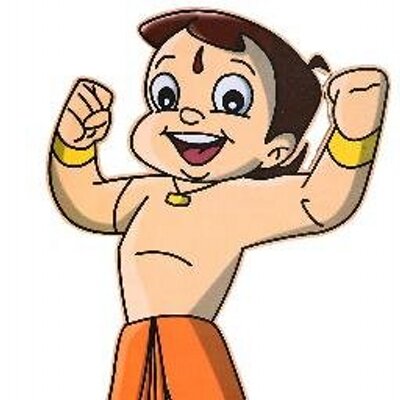
    Bheem from Chhota Bheem

    When Green Gold Animation gave India Chhota Bheem in 2008, they weren’t prepared for its overwhelming reception by their tiny tot audience. This comedy adventure series that airs on Pogo gave kids their own little super hero, albeit inspired by Bheem from Indian mythology but delivered in a completely new avatar. With over 360 episodes spread across seven seasons and still running, Chhota Bheem became a household name and kids are happy to embrace him in their lives not only through television, but through various merchandising products as well. Add to that the appeal of a fascinating city like Dholakpur, and you have your perfect fiction series for kids!

    Chhota Bheem is easily one of the most popular animated characters for kids on television right now.

    Motu and Patlu from Motu Patlu

    Adapted from the classic Indian comic strip Lot Pot, this CGI animated series not only raised the bar for animated television series for kids in India but also for slapstick comedy in cartoons. It brought us even closer to the Lot Pot stars Motu and Patlu, whose witty and engaging exchanges would have us in splits in no time.

    Comparatively new to hit the television (2012) on Nickelodeon, the characters have already garnered a massive fan following and market for their merchandise. Today, Motu and Patlu not only command a massive fan base in India but enjoy an audience in Pakistan too, where it is also aired.

     Kris from Roll No 21

    Another innovative take on mythology from a modern day standpoint, Kris is modelled after Lord Krishna, but his ‘just another kid at school’ vibe is what brings him closer to the target audience. Needless to say, Kris appeals to not just the toddlers but also the preteens in the demography. In fact, the show owns its similarity to the mythology by having Kris as an incarnation of Lord Krishna himself. The story also reflects a modern take in Krishna and Kansa’s rivalry, which is shown through Kris’s continuous struggle to thwart Kanishk’s plan.

    Shiva from Shiva

    The new kid on the block, Nick’s latest original character Shiva has garnered a considerable fan base in just a month since launch. His character design and story backdrop makes him akin to international teenage superhero shows like Ben 10, which were a huge success worldwide. With his cool gadgets and charming appearance he easily stands out as a teen idol in the kids genre on television.

    Chote and Bade from 9XM

    One can argue that Chote Bade don't have a show to themselves but that doesn't change the fact that they are an iconic pair of animated characters that connected with millions of Indian youth through 9XM. In fact, the animated duo, to some extent, form the channel’s identity as its mascots. They are not only popular onscreen but their offline avatars along with their witty screenplay has often entertained us in various on ground marketing events for the channel as well.

    Their concept was an innovative way to keep the audience engaged even during intervals and breaks during segments of show, but eventually Chote and Bade evolved as characters and are considered an important part of the Indian television’s animated character family.

  • Animax goes all English from 15 August

    Animax goes all English from 15 August

    NEW DELHI: Animax, the international animation channel, adopts a complete English language feed as a continuation of the Animax Refresh to meet the requirements of an ever growing and discerning Indian viewership starting this month.

    With slick blockbuster animation series and shows that are more youth and young adult focused, Animax is punching into a different market segment to better attract the 15 to 24 years old, an age group with the real purchasing power. Operating a single English language feed is meant to better serve this segment.

    Animax has been a pioneer seeking to change the face of animation in India by offering Indian viewers animation for grown-ups, and not just cartoons for kids. Animax programming tends to be more developed, dramatic animated series portraying human emotions and conflicts.

    These series attract viewers that want intelligent, substantial themes along with the fun in their animated entertainment. The Animax audience are young adults who enjoy daily viewing of their favorite animated series on Animax.

    Says Animax-Country manager- Sunder Aaron, “We’ve converted the Animax feed into English-only to better meet the interests of our target audience in the metros. We’ve targeted the young adults of India who we all see at cyber cafes, playing video games, downloading music and wearing branded clothes. Animax is focused on engaging this discerning audience with our programming. Broadcast in English also meets the demands of our various user-groups who have expressed this preference to us online. “

  • Cartoons to resurrect Chinese mythology

    Cartoons to resurrect Chinese mythology

    MUMBAI: China has approved the first batch of cartoon adaptations of classic mythologies and historical novels for 2006. However, The State Administration of Radio, Film and Television (SARFT) said the cartoons must not fabricate or distort the original work and must not advocate superstition.

    The 220 approved cartoons will generate 193,867 minutes of content. The list includes classic mythologies and historical novels such as the Creation of Gods, the Pilgrimage to the West and Three Kingdoms.

    Reportedly, SARFT has denied approval to approximately 25 cartoons because of the inapt subject matter or repetition of the same subject.