
Connect with us

CANNES: The suits and the streamers are finally doing business. Mipcom 2024 pulled in 10,600 delegates—a modest uptick from last year’s 10,500—but the real story wasn’t...
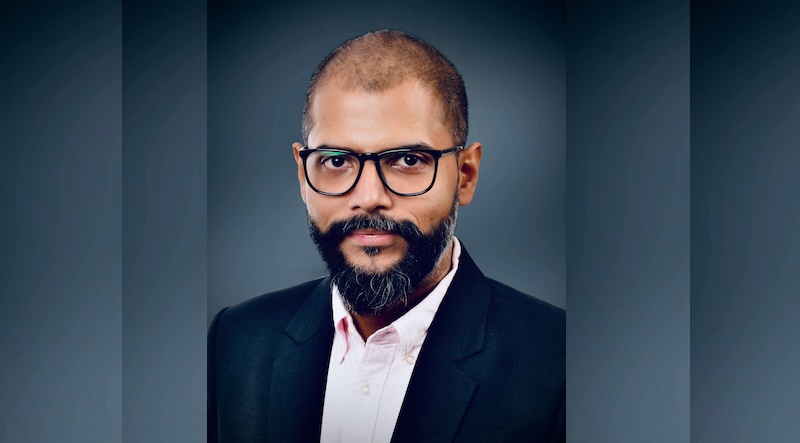
MUMBAI: Ceuticoz is gearing up for a growth spurt. The medical-grade skincare brand has promoted Arvin Mondal to head of marketing, tasking him with building a...

MUMBAI: Talk about a power play, Yu-Gi-Oh is turning the page. Konami Cross Media NY has struck two heavyweight publishing deals to draw in gen alpha...
MUMBAI: Havas is flexing its customer experience (CX) muscle in North America with the acquisition of Toronto-based Enverta Digital, a boutique CRM and digital transformation outfit...

MUMBAI: Squash fever is set to grip Mumbai as JSW Sports announces the JSW Indian Open, India’s first PSA Squash Copper event, scheduled to take place...

MUMBAI: Streaming platform specialist Roku has announced robust financial results for 2024, with total net revenue reaching $4.1 billion (£3.2bn), marking an 18 per cent year-over-year...

Mumbai: Canada-based production company Format Factory is the first global studio to avail the incentive scheme for the audio-visual co-production & shooting of foreign films in...

MUMBAI: BBC Studios is foraying into the global streaming market with BBC Select, an ad-free subscription channel launching in early 2021 in the US and Canada....

MUMBAI: The Indian Space Research Organisation (ISRO) is slowly but surely making its mark as far as its satellite launch services are concerned. Consider: in 2018-19...

MUMBAI: Times Network, India’s premium broadcast network announced the launch of ET NOW in Canada after successfully locking a distribution deal with Ethnic Channels Group (ECG),...

MUMBAI: Travelxp, the lifestyle channel network with 100 per cent original production, is set to launch Travelxp 4K in Canada from 26 July 2018 on Telus...
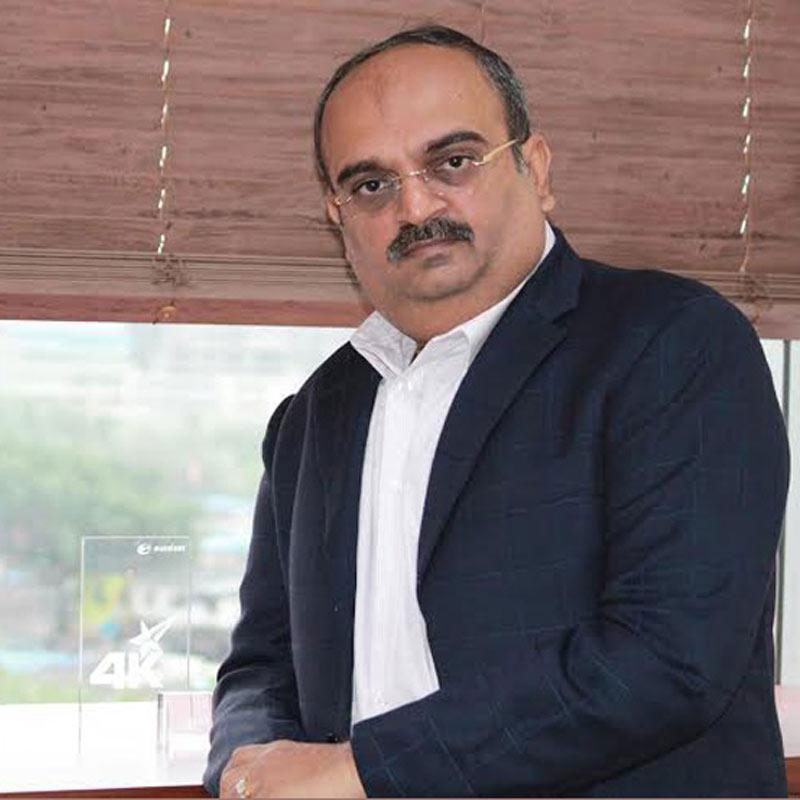
MUMBAI: Travelxp, the world’s leading travel channel network with 100% original production, is set to launch Travelxp 4K in Canada on 26 July, 2018. Travelxp 4K...

MUMBAI: YouTube Red, the ad-free subscription video on demand (VOD) service launched in October 2015, has been rebranded as YouTube Premium on 17 May 2018. The...
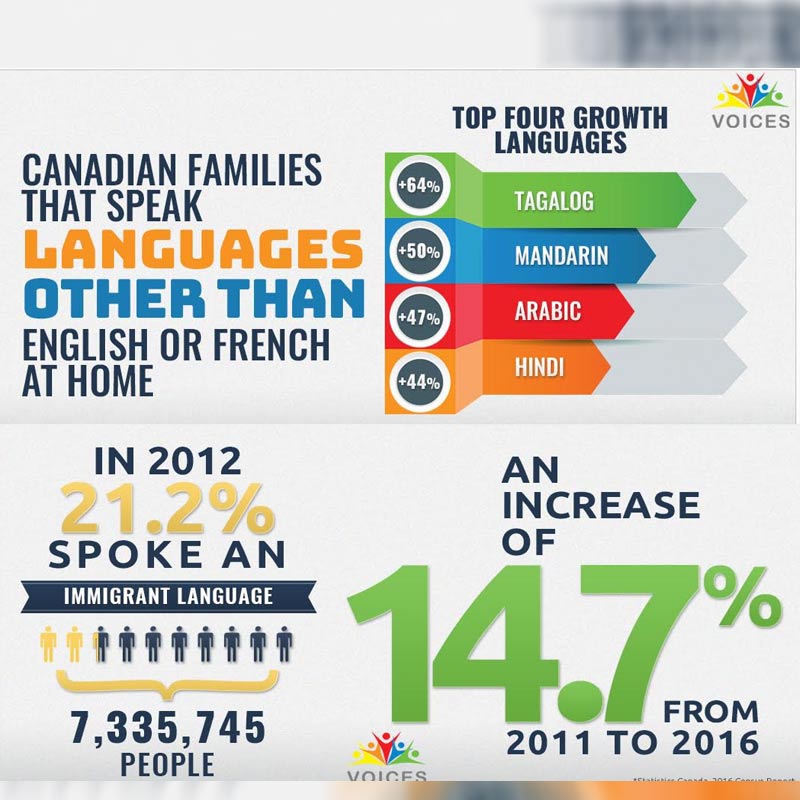
MUMBAI: Canada’s largest ethnic television broadcasting company is all set to unveil their newest venture – a uniquely innovative multicultural television channel that will allow Canadians...

MUMBAI: Entertaining the world for over two decades, Zee Entertainment Enterprises Limited (ZEEL) has achieved another milestone by becoming the first Indian broadcaster to set up...

MUMBAI: The Globo series ‘Under Pressure’ will make its international debut during the 42nd edition of the Toronto International Film Festival – a renowned film festival...
NEW DELHI: With internet access being declared as a human right, the Kerala government feels nobody in a country rapidly heading towards hassle-free governance and a...
MUMBAI: Video streaming service Netflix plans to explore streaming mobile-specific cuts of its original movies and TV shows. With this plan, the platform’s chief product officer...

MUMBAI: GRB Entertainment announced sale of several titles spanning food, automotive, lifestyle, and crime to networks in Australia, New Zealand, and Canada. Foxtel acquired three series...
MUMBAI: GRB Entertainment announced sale of several titles spanning food, automotive, lifestyle, and crime to networks in Australia, New Zealand, and Canada. Foxtel acquired three series...

CANNES: Corus Entertainment, the leader in specialty entertainment with six of the top 10 specialty channels in Canada, has announced that it is introducing Cooking Channel,...
CANNES: Corus Entertainment, the leader in specialty entertainment with six of the top 10 specialty channels in Canada, has announced that it is introducing Cooking Channel,...

Jawhar Sircar, the 60-something chief executive of India’s public broadcaster Prasar Bharati, is bubbling with ideas and energy —- in sharp contrast to the organisation’s headquarters...
Jawhar Sircar, the 60-something chief executive of India’s public broadcaster Prasar Bharati, is bubbling with ideas and energy —- in sharp contrast to the organisation’s headquarters...

MUMBAI: GRB Entertainment has announced deals for two factual make-over series in Canada — Secret Guide to Fabulous and My First Home; and a family-oriented food...
MUMBAI: GRB Entertainment has announced deals for two factual make-over series in Canada — Secret Guide to Fabulous and My First Home; and a family-oriented food...

MUMBAI: Chandrasekhar Reddy’s acclaimed Indian documentary Fireflies in the Abyss has been selected to be featured in Hot Docs Canadian International Documentary Festival this year. The...
MUMBAI: Chandrasekhar Reddy’s acclaimed Indian documentary Fireflies in the Abyss has been selected to be featured in Hot Docs Canadian International Documentary Festival this year. The...

MUMBAI: Times Internet owned Cricbuzz.com has become the exclusive licensee for digital video clip rights for United States and Canada for all ICC events for a...
MUMBAI: Times Internet owned Cricbuzz.com has become the exclusive licensee for digital video clip rights for United States and Canada for all ICC events for a...

BENGALURU: Facebook reported 43.8 per cent growth in revenue for the year ended 31 December, 2015 (FY-2015, current year) at $17,928 million as compared to $12,466...
BENGALURU: Facebook reported 43.8 per cent growth in revenue for the year ended 31 December, 2015 (FY-2015, current year) at $17,928 million as compared to $12,466...

SINGAPORE: Interesting revelations came forth on Day 3 of Asia TV Forum (ATF) 2015 where formats were the pivotal topic of discussion. At the onset...

MUMBAI: A research conducted by Swedish telecom gear maker Ericsson Consumer Lab named ‘A Networked Life’ stated that consumers expect more devices to be connected as...

MUMBAI: WPP’s GroupM has appointed Brian Lesser as CEO for business in the US and Canada. Lesser was previously Xaxis global CEO. He succeeds Kelly...

MUMBAI: Times Networks has launched its Bollywood entertainment channel ZoOm in Sri Lanka. The channel will be available on Dialog Television on channel no. 47...

MUMBAI: After its successful launch in the UK and India, Viacom18 and IndiaCast announce the launch of the Hindi general entertainment channel ‘Rishtey’ in the US...

MUMBAI: To further expand its distribution in the US market, general entertainment channel (GEC) Colors, known as Aapka Colors in the US and Canada announced its...

MUMBAI: Taking natural-world filmmaking to an unparalleled scale, Animal Planet’s new series SPY IN THE WILDbrings most engaging and secret stories of some of the most...

NEW DELHI: Digital video solutions vendor, itaas, is being acquired by Cognizant, though no details of the financial terms involved have been disclosed. The Atlanta,...

MUMBAI: For the first time in the United States and Canada, Zee TV brings you Dance India Dance L’il Masters in partnership with Arya International. Dancers...

MUMBAI: The Sony run video service – Crackle – is no more crackling among UK users and the media conglomerate has had to take the tough...

MUMBAI: Keshet UK, part of Keshet International, has appointed Sammy Nourmand to the newly created role of Chief Operating Officer, as it steps up the pace...

MUMBAI: Two seasons of the hit animated franchise Pokémon, as well as two of its movie spin-offs, are becoming available to stream on Netflix beginning today....

NEW DELHI: Filmmakers in India and Canada are expected to benefit in pooling their creative, artistic, technical, financial and marketing resources for the co-production in the...

MUMBAI: FremantleMedia International (FMI) has officially announced the creation of FremantleMedia Canada, a Toronto based sales office for its distribution operation. The office will be headed...

MUMBAI: Amul, the world leader in producing milk products, is all set to expand its presence in North America. The brand which represents the Gujarat...

MUMBAI: ZEE Americas, the number one South Asian Entertainment Network, in partnership with Ethnic Channels group, the largest distributor of ethnic services in Canada, launched Zee...

MUMBAI: For all those youngsters who are rather vocal about their disenchantment with the present administration but fail to exercise their right to vote, MTV is all...
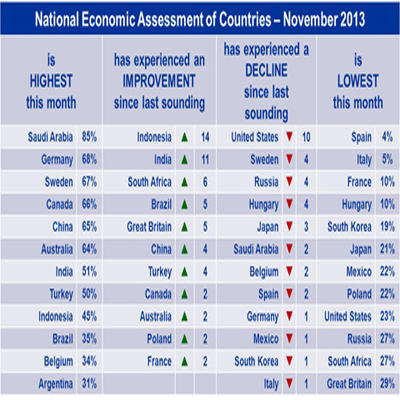
MUMBAI: India’s economic confidence revived substantially due to healthy farm output, a sharp boost in exports and narrowing of current account deficit, according to a report...


