Tag: CAF

  • Open House Discussion by TRAI on Quality of Service in DAS

    Open House Discussion by TRAI on Quality of Service in DAS

    NEW DELHI: With consumers and service providers still to get a full experience of digital addressable systems and the various rules relating to it, an Open House Discussion has been organized by the the Telecom Regulatory Authority of India late this week on Quality of Services in Digital Addressable Systems and Consumer Protection.

    Earlier in mid-June, Trai had extended its last date for receiving comments on its Consultation Paper of 18 May 2016 on the issue on the subject to 1 July with counter-comments by 8 July 2016.

    The Discussion is in Delhi on the afternoon of 28 July at the India International Centre.

    As the country moves towards the final phase of digital addressable systems, TRAI wanted to know if there should be a uniform regulatory framework for quality of service and consumer protection across all digital addressable platforms.

    TRAI had also sought opinion of stakeholders on the standards and essential technical parameters for ensuring good quality of service for Digital Cable TV, Direct-to-home (DTH), head-end in the sky (HITS) and Internet Protocol Television (IPTV).

    In over fifty questions posed to stakeholders, it wanted to know the broad contours for Quality of Service Regulatory Framework for digital addressable systems.

    The regulator had asked if timelines relating to various activities to get new connection should be left to the Distribution Platform Operators (DPOs) to be transparently declared to the subscribers. What should be the time limits for various activities including consumer application form and installation and activation of service for new connections, it wanted to know.

    Referring to a query often asked by stakeholders, the regulator wanted to know if the minimum essential information to be included in the CAF should be mandated through regulations to maintain basic uniformity. Should the use of e-CAF be facilitated, encouraged or mandated, it had asked.

  • Open House Discussion by TRAI on Quality of Service in DAS

    Open House Discussion by TRAI on Quality of Service in DAS

    NEW DELHI: With consumers and service providers still to get a full experience of digital addressable systems and the various rules relating to it, an Open House Discussion has been organized by the the Telecom Regulatory Authority of India late this week on Quality of Services in Digital Addressable Systems and Consumer Protection.

    Earlier in mid-June, Trai had extended its last date for receiving comments on its Consultation Paper of 18 May 2016 on the issue on the subject to 1 July with counter-comments by 8 July 2016.

    The Discussion is in Delhi on the afternoon of 28 July at the India International Centre.

    As the country moves towards the final phase of digital addressable systems, TRAI wanted to know if there should be a uniform regulatory framework for quality of service and consumer protection across all digital addressable platforms.

    TRAI had also sought opinion of stakeholders on the standards and essential technical parameters for ensuring good quality of service for Digital Cable TV, Direct-to-home (DTH), head-end in the sky (HITS) and Internet Protocol Television (IPTV).

    In over fifty questions posed to stakeholders, it wanted to know the broad contours for Quality of Service Regulatory Framework for digital addressable systems.

    The regulator had asked if timelines relating to various activities to get new connection should be left to the Distribution Platform Operators (DPOs) to be transparently declared to the subscribers. What should be the time limits for various activities including consumer application form and installation and activation of service for new connections, it wanted to know.

    Referring to a query often asked by stakeholders, the regulator wanted to know if the minimum essential information to be included in the CAF should be mandated through regulations to maintain basic uniformity. Should the use of e-CAF be facilitated, encouraged or mandated, it had asked.

  • Unlicensed Pune cable TV operators get warning from entertainment department

    Unlicensed Pune cable TV operators get warning from entertainment department

    Mumbai: Pune city authorities are cracking the whip on errant cable TV operators. According to reports, the Maharashtra state entertainment department has warned cable operators to renew their annual licences with the post office within the next month. Failing this, they would be penalized and face severe action.

    The metro has about 1,000 cable TV operators serving about 500,000 subscribers. About 40 per cent of these have not renewed their licences despite being told by the authorities to do so. One of the reasons they have been delaying this, says observers, is their reluctance to pay entertainment tax.

    The additional district collector met up with the cable TV operators in Pune and its surrounding areas, following which local officers decided to get tough with them.

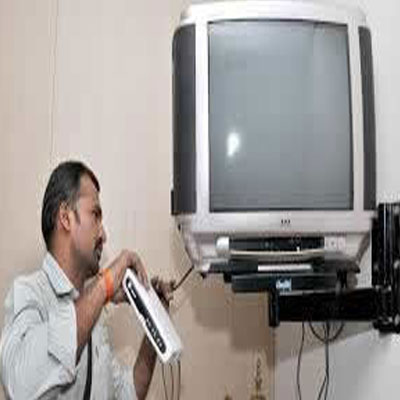
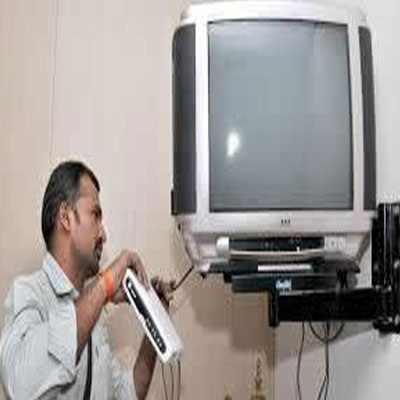
    Pune falls in the DAS area and cable TV operators have been mandated by government order to deliver cable TV signals to subscribers through a set top box, which would allow them to decide which channels they would like to watch. For this they would have to maintain, CAF forms as well as a list of channels that subscribers are signing up for.

  • Unlicensed Pune cable TV operators get warning from entertainment department

    Unlicensed Pune cable TV operators get warning from entertainment department

    Mumbai: Pune city authorities are cracking the whip on errant cable TV operators. According to reports, the Maharashtra state entertainment department has warned cable operators to renew their annual licences with the post office within the next month. Failing this, they would be penalized and face severe action.

    The metro has about 1,000 cable TV operators serving about 500,000 subscribers. About 40 per cent of these have not renewed their licences despite being told by the authorities to do so. One of the reasons they have been delaying this, says observers, is their reluctance to pay entertainment tax.

    The additional district collector met up with the cable TV operators in Pune and its surrounding areas, following which local officers decided to get tough with them.

    Pune falls in the DAS area and cable TV operators have been mandated by government order to deliver cable TV signals to subscribers through a set top box, which would allow them to decide which channels they would like to watch. For this they would have to maintain, CAF forms as well as a list of channels that subscribers are signing up for.

  • TRAI allows more time for reactions on QoS methodology under DAS

    TRAI allows more time for reactions on QoS methodology under DAS

    NEW DELHI: With consumers still to get a full experience of digital addressable systems and the various rules relating to it, the Telecom Regulatory Authority of India has agreed to extend the last date for receipt on comments on its consultation paper on ‘Issues related to Quality of Services in Digital Addressable Systems and Consumer Protection’.

    Stakeolders can now send in their comments by 1 July and any counter-comments by 8 July 2016 to the paper issued on 18 May 2016. The earlier date was 17 June for receipt of comments and 1 July 2016 for counter comments.

    As the country moves towards the final phase of digital addressable systems, TRAI wants to know if there should be a uniform regulatory framework for quality of service and consumer protection across all digital addressable platforms.

    TRAI has also sought opinion of stakeholders on the standards and essential technical parameters for ensuring good quality of service for Digital Cable TV, Direct-to-home (DTH), head-end in the sky (HITS) and Internet Protocol Television (IPTV).

    In over fifty questions posed to stakeholders, it wants to know the broad contours for Quality of Service Regulatory Framework for digital addressable systems.

    The regulator has asked if timelines relating to various activities to get new connection should be left to the Distribution Platform Operators (DPOs) to be transparently declared to the subscribers. What should be the time limits for various activities including consumer application form and installation and activation of service for new connections, it wants to know.

    Referring to a query often asked by stakeholders, the regulator wants to know if the minimum essential information to be included in the CAF should be mandated through regulations to maintain basic uniformity. Should the use of e-CAF be facilitated, encouraged or mandated, it has asked.

    TRAI wants to know if an initial subscription period can be charged while providing a new connection to protect the interest of subscribers as well as DPOs, and the protections for subscribers and DPOs during initial subscription period.

  • TRAI allows more time for reactions on QoS methodology under DAS

    TRAI allows more time for reactions on QoS methodology under DAS

    NEW DELHI: With consumers still to get a full experience of digital addressable systems and the various rules relating to it, the Telecom Regulatory Authority of India has agreed to extend the last date for receipt on comments on its consultation paper on ‘Issues related to Quality of Services in Digital Addressable Systems and Consumer Protection’.

    Stakeolders can now send in their comments by 1 July and any counter-comments by 8 July 2016 to the paper issued on 18 May 2016. The earlier date was 17 June for receipt of comments and 1 July 2016 for counter comments.

    As the country moves towards the final phase of digital addressable systems, TRAI wants to know if there should be a uniform regulatory framework for quality of service and consumer protection across all digital addressable platforms.

    TRAI has also sought opinion of stakeholders on the standards and essential technical parameters for ensuring good quality of service for Digital Cable TV, Direct-to-home (DTH), head-end in the sky (HITS) and Internet Protocol Television (IPTV).

    In over fifty questions posed to stakeholders, it wants to know the broad contours for Quality of Service Regulatory Framework for digital addressable systems.

    The regulator has asked if timelines relating to various activities to get new connection should be left to the Distribution Platform Operators (DPOs) to be transparently declared to the subscribers. What should be the time limits for various activities including consumer application form and installation and activation of service for new connections, it wants to know.

    Referring to a query often asked by stakeholders, the regulator wants to know if the minimum essential information to be included in the CAF should be mandated through regulations to maintain basic uniformity. Should the use of e-CAF be facilitated, encouraged or mandated, it has asked.

    TRAI wants to know if an initial subscription period can be charged while providing a new connection to protect the interest of subscribers as well as DPOs, and the protections for subscribers and DPOs during initial subscription period.

  • TRAI explores methodology for QoS under DAS regime

    NEW DELHI: As the country moves towards the final phase of digital addressable systems, the Telecom Regulatory Authority of India wants to know if there should be a uniform regulatory framework for quality of service and consumer protection across all digital addressable platforms.

    TRAI has also sought opinion of stakeholders on the standards and essential technical parameters for ensuring good quality of service for digital cable TV, direct-to-home (DTH), head-end in the sky (HITS) and Internet Protocol Television (IPTV).

    The opinion has been sought in a detailed consultation paper on ‘Issues related to quality of services in Digital Addressable Systems and consumer protection’, and stakeholders have been asked to send in their comments by17 June and counter-comments if any by 1 July.

    In over fifty questions posed to stakeholders, it wants to know the broad contours for quality of rervice regulatory framework for digital addressable systems.

    The regulator has asked if timelines relating to various activities to get new connection should be left to the Distribution Platform Operators (DPOs) to be transparently declared to the subscribers.  What should be the time limits for various activities including consumer application form and installation and activation of service for new connections, it wants to know.  

    Referring to a query often asked by stakeholders, the Regulator wants to know if the minimum essential information to be included in the CAF should be mandated through regulations to maintain basic uniformity.  Should the use of e-CAF be facilitated, encouraged or mandated, it has asked.

    It wants to know whether the minimum essential information to be included in the Manual of Practice be mandated through regulations to maintain basic uniformity and to ensure that consumers get all relevant information about the services being subscribed.

    TRAI wants to know if an initial subscription period can be charged while providing a new connection to protect the interest of subscribers as well as DPOs, and the protections for subscribers and DPOs during initial subscription period.

    TRAI wants to know the methodology of reduction in subscription charges be calculated in case of discontinuation of channel from DPOs platform.

    Stakeholders have been asked to give their opinion on the maximum permissible time of disruption beyond  which subscriber must be compensated if there is disruption due to technical fault on the DPO network or at the subscriber’s end; disruption due to technical fault of Consumer Premises Equipment at the subscriber’s end.

    The stakeholders have been asked why the uptake of mandated schemes for set top box (Outright purchase, hire purchase, and on rent) is so low at present and whether this is due to lack of consumer awareness and what other methods should be used for this.

    Opinion has also been sought on the billing cycle both for pre-paid and post-paid and whether deduction of maintenance related charges for CPE from the pre-paid subscription account should be prohibited.

    Comments have been sought on call centre availability hours, multiple languages in Interactive Voice Response, response time for answering IVR and voice to voice calls and  d. Sub menu and accessibility of customer care executive.

    What should be the innovative ways to develop a speedy user friendly complaint registering and redressal framework using Mobile Apps, SMS, online system etc., the regulator has asked.


  • TRAI explores methodology for QoS under DAS regime

    NEW DELHI: As the country moves towards the final phase of digital addressable systems, the Telecom Regulatory Authority of India wants to know if there should be a uniform regulatory framework for quality of service and consumer protection across all digital addressable platforms.

    TRAI has also sought opinion of stakeholders on the standards and essential technical parameters for ensuring good quality of service for digital cable TV, direct-to-home (DTH), head-end in the sky (HITS) and Internet Protocol Television (IPTV).

    The opinion has been sought in a detailed consultation paper on ‘Issues related to quality of services in Digital Addressable Systems and consumer protection’, and stakeholders have been asked to send in their comments by17 June and counter-comments if any by 1 July.

    In over fifty questions posed to stakeholders, it wants to know the broad contours for quality of rervice regulatory framework for digital addressable systems.

    The regulator has asked if timelines relating to various activities to get new connection should be left to the Distribution Platform Operators (DPOs) to be transparently declared to the subscribers.  What should be the time limits for various activities including consumer application form and installation and activation of service for new connections, it wants to know.  

    Referring to a query often asked by stakeholders, the Regulator wants to know if the minimum essential information to be included in the CAF should be mandated through regulations to maintain basic uniformity.  Should the use of e-CAF be facilitated, encouraged or mandated, it has asked.

    It wants to know whether the minimum essential information to be included in the Manual of Practice be mandated through regulations to maintain basic uniformity and to ensure that consumers get all relevant information about the services being subscribed.

    TRAI wants to know if an initial subscription period can be charged while providing a new connection to protect the interest of subscribers as well as DPOs, and the protections for subscribers and DPOs during initial subscription period.

    TRAI wants to know the methodology of reduction in subscription charges be calculated in case of discontinuation of channel from DPOs platform.

    Stakeholders have been asked to give their opinion on the maximum permissible time of disruption beyond  which subscriber must be compensated if there is disruption due to technical fault on the DPO network or at the subscriber’s end; disruption due to technical fault of Consumer Premises Equipment at the subscriber’s end.

    The stakeholders have been asked why the uptake of mandated schemes for set top box (Outright purchase, hire purchase, and on rent) is so low at present and whether this is due to lack of consumer awareness and what other methods should be used for this.

    Opinion has also been sought on the billing cycle both for pre-paid and post-paid and whether deduction of maintenance related charges for CPE from the pre-paid subscription account should be prohibited.

    Comments have been sought on call centre availability hours, multiple languages in Interactive Voice Response, response time for answering IVR and voice to voice calls and  d. Sub menu and accessibility of customer care executive.

    What should be the innovative ways to develop a speedy user friendly complaint registering and redressal framework using Mobile Apps, SMS, online system etc., the regulator has asked.


  • Café Coffee Day’s Beano campaign gets 1.2 million views

    Café Coffee Day’s Beano campaign gets 1.2 million views

    MUMBAI: Café Coffee Day’s latest social media activity is enjoying success like never before. For the very first time, the brand has come out with a video campaign in a five part series. The first part of the series, which was released last month, has received an overwhelming response of 1.2 million views to date.

    CCD’s first video campaign ‘Beano and the Bean’ is a lapse stop motion video painted with coffee itself. It revolves around a fun and endearing character called Beano, the caveman. The first part, a two minute video, introduces Beano and shows how he discovers the coffee bean in a fun and entertaining way. The objective behind the video was to create a deeper engagement with the audience with something that was fun and subtly revolves around coffee.

    CCD has seen success in many of its digital media activation like for World Hug Day and for the Football World Cup, which led to trending hashtags of #LetsHugOverCoffee and #CCDFootballquiz respectively, to name a few. 

    CCD realised that its previous social media activities around art and doodles always received high engagement and responses from followers. So the brand decided to go ahead with creativity led idea for its first video campaign. The brand roped in an artist who created hand drawn art using different densities of coffee decoction to narrate a story. Hence, the highlight of the video, which has not only excited the creative community, but the audience at large is firstly the use of hand created coffee art in a stop motion video and the other is the storytelling aspect. Moreover, the content is fun and the character is someone that everyone finds loveable.

    CCD has just released the second part of the Beano series, to celebrate Valentine’s Day. It is a 1.10 minute video that shows how Beano goes about meeting that someone special.

    With Beano, the idea was not to promote the brand or prove a point, but to create a property that the audience will embrace.

  • Café Coffee Day’s Beano campaign gets 1.2 million views

    Café Coffee Day’s Beano campaign gets 1.2 million views

    MUMBAI: Café Coffee Day’s latest social media activity is enjoying success like never before. For the very first time, the brand has come out with a video campaign in a five part series. The first part of the series, which was released last month, has received an overwhelming response of 1.2 million views to date.

    CCD’s first video campaign ‘Beano and the Bean’ is a lapse stop motion video painted with coffee itself. It revolves around a fun and endearing character called Beano, the caveman. The first part, a two minute video, introduces Beano and shows how he discovers the coffee bean in a fun and entertaining way. The objective behind the video was to create a deeper engagement with the audience with something that was fun and subtly revolves around coffee.

    CCD has seen success in many of its digital media activation like for World Hug Day and for the Football World Cup, which led to trending hashtags of #LetsHugOverCoffee and #CCDFootballquiz respectively, to name a few. 

    CCD realised that its previous social media activities around art and doodles always received high engagement and responses from followers. So the brand decided to go ahead with creativity led idea for its first video campaign. The brand roped in an artist who created hand drawn art using different densities of coffee decoction to narrate a story. Hence, the highlight of the video, which has not only excited the creative community, but the audience at large is firstly the use of hand created coffee art in a stop motion video and the other is the storytelling aspect. Moreover, the content is fun and the character is someone that everyone finds loveable.

    CCD has just released the second part of the Beano series, to celebrate Valentine’s Day. It is a 1.10 minute video that shows how Beano goes about meeting that someone special.

    With Beano, the idea was not to promote the brand or prove a point, but to create a property that the audience will embrace.